
Australians can wash their cars using as little as 20 litres of water compared to the 200-plus litres a running hose consumes, and the methods to achieve this are simpler than you might think. With water restrictions in place across many regions and growing awareness of our nation’s water scarcity challenges, efficient car washing isn’t just about compliance. It’s about joining thousands of Australians who are proving you can maintain a spotless vehicle while honouring our shared responsibility to conserve one of our most precious resources.
The shift to water-smart car washing doesn’t require expensive equipment or hours of extra effort. A few straightforward adjustments to your technique, coupled with the right tools and products designed for Australian conditions, deliver impressive results. Whether you’re dealing with red dust in the outback, coastal salt spray, or urban grime, these methods work across our diverse climate zones while cutting water use by up to 90%.
What follows are eight proven techniques that everyday Australians are using right now to keep their cars clean without the water waste. Each approach has been selected for its practicality, effectiveness in Australian conditions, and genuine water-saving impact. From the two-bucket method that’s become a suburban staple to waterless solutions gaining traction in drought-affected areas, you’ll find options that fit your situation, location, and the level of clean your car needs.
Why Water-Efficient Car Washing Matters in Australia
Australia isn’t just experiencing occasional dry spells, we’re living on the driest inhabited continent on Earth, where water scarcity shapes how we approach everyday tasks. The Bureau of Meteorology confirms that severe droughts have become more frequent across the country, with many regions facing long-term water restrictions that affect everything from gardening to vehicle maintenance.
When you wash your car with a running hose, you’re using between 200 and 400 litres of water in a single session. That’s roughly the same amount an average Australian household uses for all purposes in an entire day. By contrast, water-efficient methods can clean your vehicle using as little as 20 litres, a reduction of up to 95% that adds up quickly when thousands of households make the switch.
This isn’t about sacrificing the shine on your vehicle or spending hours on a chore, it’s about making smarter choices with the resources we have. Smart water use in car care, including selecting appropriate Car Care Products means your neighbourhood has more water available for essential services during peak summer restrictions. Every household that adopts efficient washing practices contributes to a collective impact that protects our water supplies for the future while keeping our vehicles in top condition.
How We Chose These Water-Saving Techniques
We selected these eight techniques based on rigorous criteria to ensure you get genuinely useful, proven methods rather than theoretical suggestions.
First, each technique has been validated or recommended by Australian water authorities, including programs run by state water corporations and councils during drought periods. These organisations have tested what actually works in Australian conditions, not just overseas.
Second, we prioritised practical applicability for home car washing. Every method here can be implemented by average Australians without specialised training or prohibitively expensive equipment. If it requires complex setup or commercial-scale infrastructure, we excluded it.
Third, effectiveness matters on both fronts. Each technique must demonstrably reduce water consumption while still achieving genuinely clean results. Water-saving methods that leave your car dirty serve nobody.
Finally, we considered Australia’s unique climate challenges. Techniques that work in temperate regions might fail in Darwin’s wet season or Perth’s scorching summers. Every method included here has proven suitable across diverse Australian conditions, from tropical north to temperate south.
These aren’t trendy tips pulled from generic lists. They’re battle-tested approaches that help Australian households protect our precious water resources while maintaining their vehicles properly.
1. Use a Bucket and Sponge Instead of a Hose
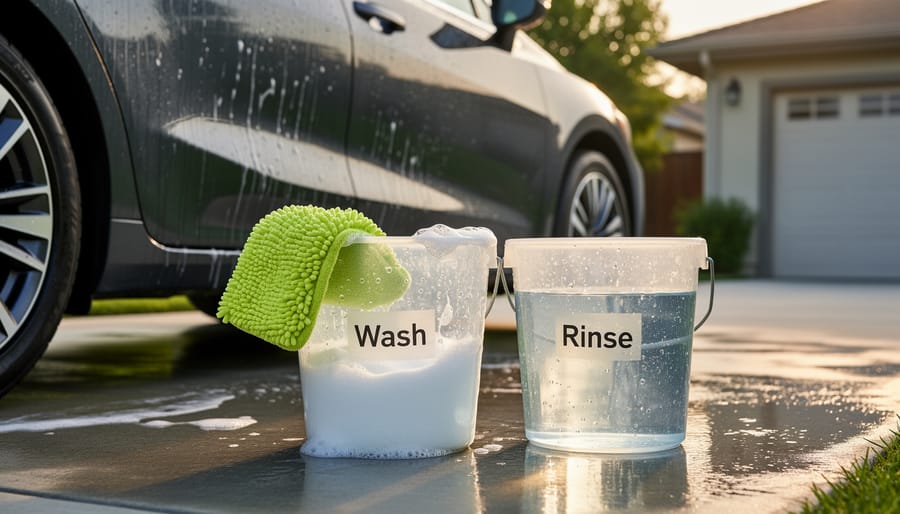
The humble bucket-and-sponge method remains one of the most effective ways to slash your car washing water consumption, and it’s simpler than you might think.
Here’s how it works: fill two 10-litre buckets, one with soapy water and one with clean rinse water. Dip your sponge or wash mitt into the soapy bucket, clean a section of your car, then rinse the sponge in the clean water bucket before reloading with soap. This prevents dirt from contaminating your wash water and keeps your sponge doing its job properly.
The water savings are substantial. A running hose typically uses 15-20 litres per minute, meaning a standard 20-minute car wash can consume 300-400 litres. With the two-bucket method, you’ll use about 20 litres total, that’s a 95% reduction. Over a year of monthly washes, you’re saving roughly 4,500 litres of water.
Yes, it takes slightly more effort than spraying with a hose, but most Australians find the process takes only 5-10 minutes longer once they’ve established a rhythm. Work in sections, roof first, then windows, panels, and lower areas last, to maintain efficiency.
For best results, use a proper car wash soap rather than dish detergent (which can strip protective wax), and choose a large natural or microfibre sponge that holds plenty of water. Empty your buckets onto lawn or garden beds afterward to make every drop count.
2. Choose Eco-Friendly, Waterless Car Wash Products
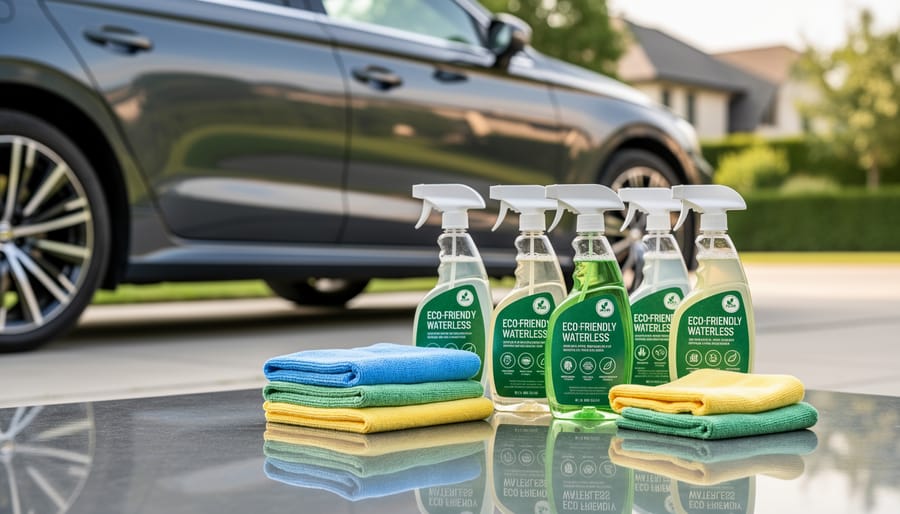
Waterless car wash products have evolved dramatically, and in 2026 they represent one of the most innovative solutions for Australian car owners facing water restrictions. These spray-on formulations work through a combination of lubricating agents and cleaning polymers that encapsulate dirt particles, allowing you to safely wipe them away without scratching your paint. When you spray the product onto your car’s surface, the chemical surfactants break the bond between dirt and paint while creating a slick layer that prevents abrasion during wiping.
The application technique is straightforward but requires attention to detail. Spray a generous amount of product onto a small section (about 60 centimetres square), then gently wipe with a clean microfibre cloth using straight, overlapping strokes rather than circles. Flip to a fresh section of cloth frequently to avoid redistributing grime. A second clean cloth provides the final buff for shine.
These products work best on lightly to moderately soiled vehicles. If your car is caked in mud from off-road driving or covered in thick dust from a country road trip, you’ll want to rinse the heavy debris first with minimal water or stick with traditional washing methods. For regular maintenance washing in urban areas, waterless products excel.
When selecting formulations, prioritise biodegradable options that won’t harm local ecosystems if runoff occurs. Look for phosphate-free products, as phosphates contribute to algal blooms in Australian waterways. Reputable brands clearly label their environmental credentials and avoid harsh solvents. These eco-friendly choices not only save water but also reduce stormwater pollution compared to traditional detergents that wash chemicals into drains.
3. Install a Trigger Nozzle on Your Hose
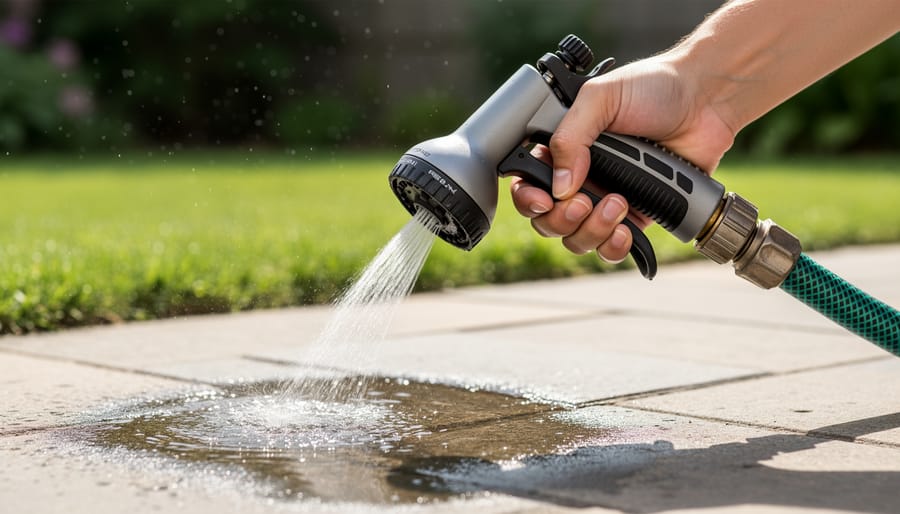
A trigger nozzle transforms your ordinary garden hose into a precision water-saving tool, and it’s one of the simplest upgrades you can make. This small attachment gives you instant on-off control at the spray head, eliminating the continuous flow that wastes litres every time you move around your car, rinse your sponge, or pause to scrub a stubborn spot.
The water savings add up quickly. Without a trigger nozzle, a standard hose running at typical household pressure releases roughly 15-20 litres per minute. Those brief moments when you’re not actively rinsing, reaching for soap, walking to the other side of the car, checking a missed area, can waste 50-80 litres during a single wash. A trigger nozzle cuts that waste to zero.
When shopping for one in Australia, look for models with adjustable spray patterns (jet, mist, and fan settings work well for different car washing stages) and ergonomic grips that won’t fatigue your hand. Most hardware and automotive stores stock reliable options starting around $10-$25. Choose solid brass or reinforced plastic construction to handle Australian UV exposure and temperature swings.
This upgrade pairs perfectly with broader water recycling efforts, whether you’re exploring greywater vs rainwater systems for your property or finding ways to reuse laundry water controlled application matters.
4. Wash Your Car on the Lawn or Gravel
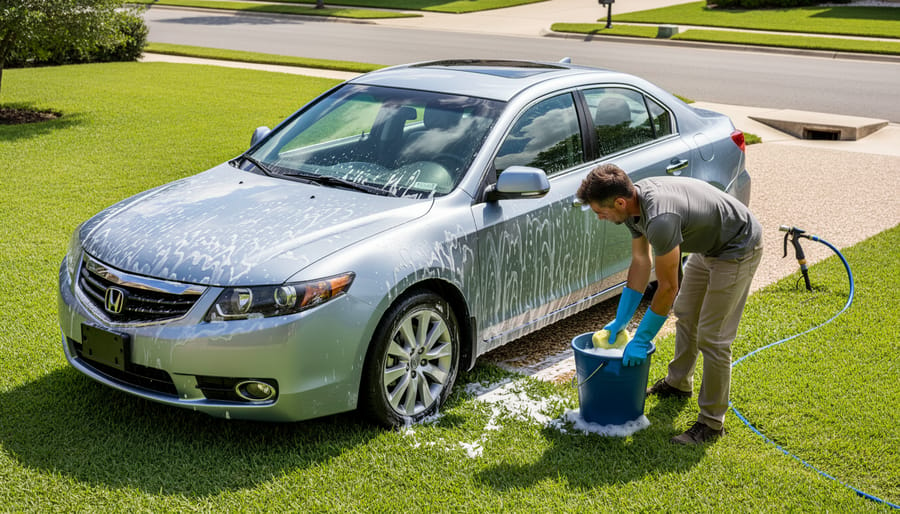
Choosing where you wash your car makes just as much difference as how you wash it. When you wash on a concrete driveway or street, that soapy water rushes straight into stormwater drains and eventually our waterways without any filtration. Moving your washing operation onto lawn or gravel transforms waste into resource.
Grass and soil act as natural filters, allowing the water to percolate down through layers that trap contaminants and feed the ground rather than polluting local creeks and harbours. This approach aligns perfectly with water-sensitive urban design principles now embedded in Australian planning guidelines, which encourage managing water where it falls rather than rushing it away through pipes.
Your lawn gets a drink, microorganisms in the soil break down organic matter, and you’ve kept chemicals out of the stormwater system. During summer, this can actually help maintain healthier grass while you clean your car.
The critical consideration is soap selection. You absolutely must use biodegradable, phosphate-free car wash products for this method to work safely. Standard car shampoos contain chemicals that harm soil and plants, so look for products specifically labelled environmentally safe or designed for greywater use. Many Australian brands now formulate products that break down naturally without damaging your lawn or garden beds.
If you don’t have suitable lawn area, permeable gravel or garden beds work similarly, allowing water infiltration while filtering contaminants naturally.
5. Capture and Reuse Greywater from Your Home
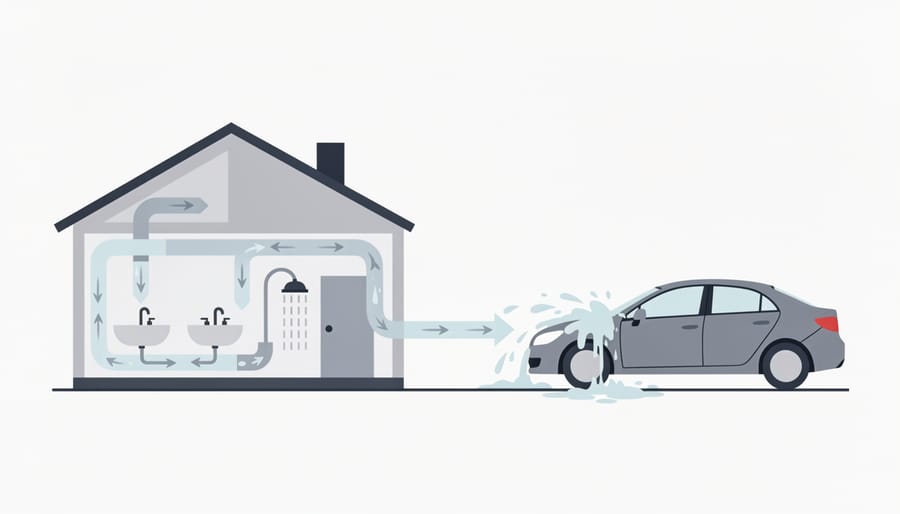
Collecting greywater from your laundry or shower offers a smart way to repurpose water that would otherwise go down the drain. Many Australian households already produce 50-100 litres of greywater daily, and redirecting even a portion of this for car washing can significantly cut your mains water consumption.
Before you start, understand that greywater regulations vary across states. Most jurisdictions allow manual bucketing of greywater without approval, meaning you can collect rinse water from your washing machine or place a bucket in the shower while it warms up. These simple collection methods don’t require permits and immediately reduce waste. Kitchen greywater isn’t suitable for car washing due to grease and food particles, and avoid water contaminated with bleach or harsh chemicals.
For laundry greywater, choose plant-safe, low-sodium detergents that won’t leave residue on your car’s paintwork. Shower water works brilliantly for the initial rinse phase of car washing, though you’ll still want clean water for the final rinse to prevent soap streaks.
If you’re considering a permanent diversion system with storage tanks and plumbing modifications, check your local council requirements. Some states mandate specific filtration and backflow prevention for installed systems. Victoria’s Environment Protection Authority and similar bodies in other states publish detailed greywater guidelines.
The beauty of greywater reuse extends beyond car washing. Once you’ve established collection habits, you can redirect this resource to gardens during dry spells, creating a household water cycle that stretches every litre further.
6. Time Your Wash for Cooler Parts of the Day
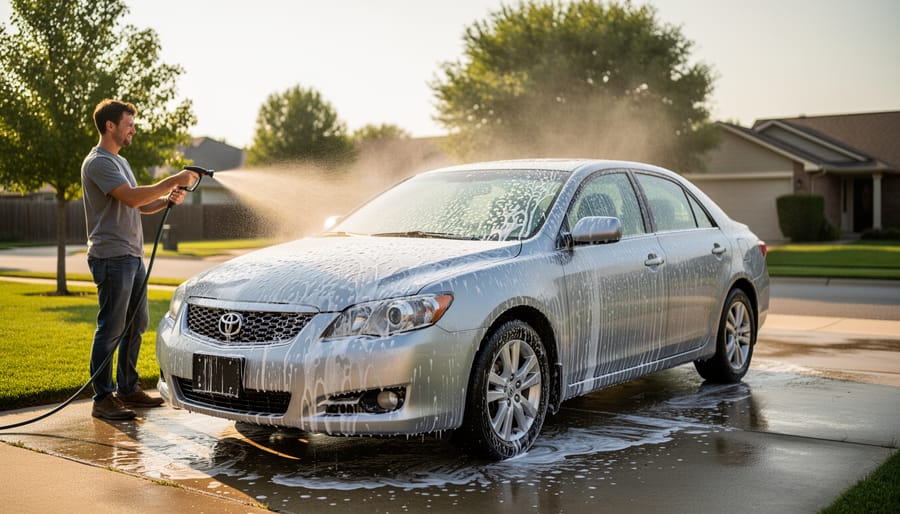
Washing your car during Australia’s scorching midday heat sends a surprising amount of water straight into the air before it ever touches your vehicle. Evaporation can waste up to 30% of the water you use when temperatures climb above 30°C, making timing a simple yet powerful conservation strategy.
The sweet spot for car washing is early morning (before 9 AM) or late afternoon (after 5 PM). These cooler hours reduce evaporation dramatically and align with many council water restriction schedules across Australian states. During summer heat waves, the temperature difference between midday and early morning can mean the gap between 5 litres of wasted water and keeping nearly every drop on your car where it belongs.
Cooler timing delivers a practical bonus: you’ll avoid the frustrating water spots that form when droplets evaporate too quickly on hot metal and glass. This means less rewashing and buffing, which saves both water and your weekend time.
During peak restriction periods, many Australian councils specifically prohibit car washing during the hottest part of the day anyway. Check your local water authority’s current rules, but shifting to morning or evening hours keeps you compliant while making every litre count. It’s a habit change that costs nothing yet delivers measurable water savings every single wash.
7. Use a High-Pressure, Low-Volume Spray System
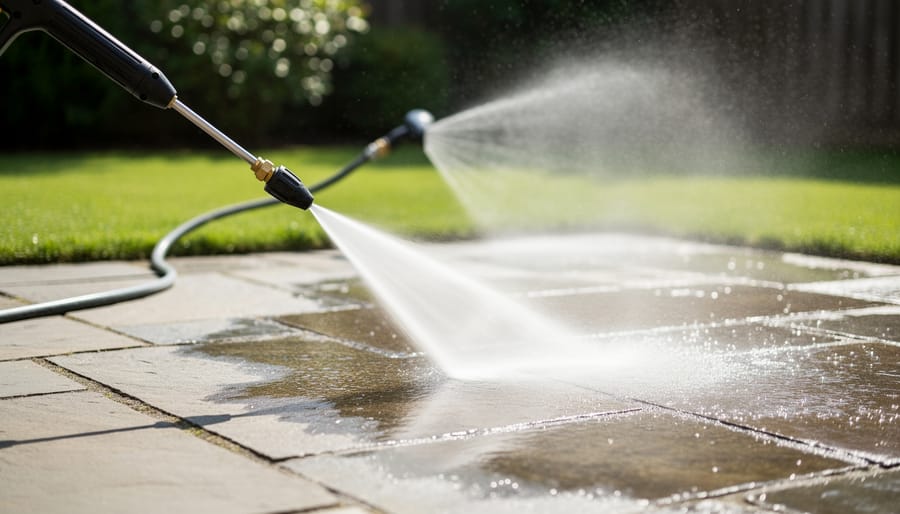
Modern pressure washers demonstrate how clever engineering can deliver spotless results while using a fraction of the water. These machines work by forcing water through a narrow nozzle at high speed, creating powerful jets that lift dirt and grime without requiring constant flow. A quality pressure washer typically uses just 6-10 litres per minute compared to a standard garden hose’s 15-20 litres, cutting consumption by roughly half while achieving superior cleaning.
When shopping for a pressure washer in Australia, prioritize models with adjustable pressure settings and flow control. Look for units rated between 1400-2000 PSI (pounds per square inch) for home car washing, enough power to clean effectively without damaging paintwork or trim. Many Australian retailers now stock models specifically marketed as water-efficient, often featuring tank attachments that let you measure and limit your total usage.
The initial investment ranges from $150 for basic electric models to $600+ for professional-grade units, but the long-term benefits extend beyond water savings. Pressure washers dramatically reduce washing time and physical effort, making it easier to maintain your vehicle regularly without the dreaded weekend marathon. They also excel at cleaning wheel wells, undercarriages, and other hard-to-reach areas where buckets struggle.
Consider a pressure washer as one tool in your water-saving arsenal rather than a daily solution. These systems help you use water efficiently while tackling heavily soiled vehicles, complementing gentler methods like waterless products for lighter maintenance washes between thorough cleans.
8. Visit a Water-Recycling Car Wash Facility
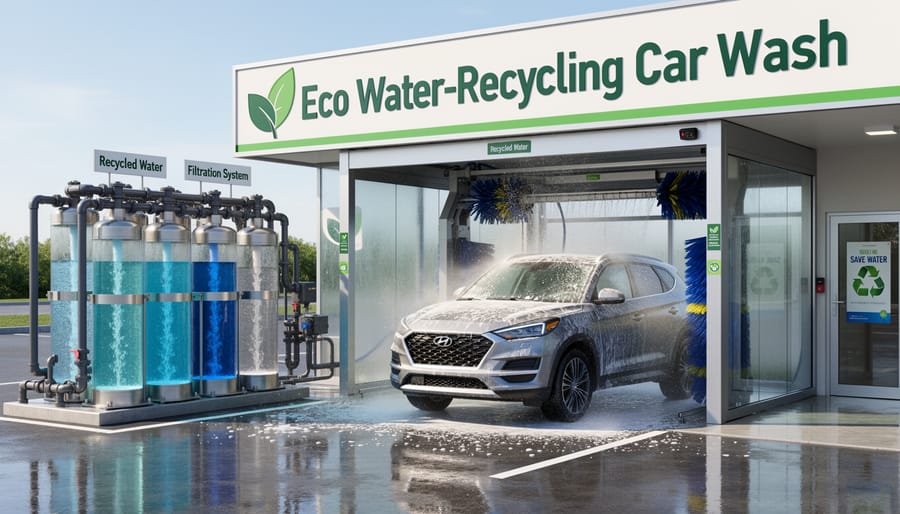
While home washing has its place, a modern commercial car wash can actually be your most water-efficient option. Australian facilities equipped with recycling systems use as little as 40 to 60 litres per wash, compared to 200-plus litres for a typical home hose-down. The real game-changer is what happens to that water after it’s used.
Leading Australian car washes recycle up to 85% of their water through multi-stage treatment systems. The process captures wash water, removes contaminants through filtration and settling tanks, then reuses it for pre-rinse and initial wash stages. Fresh water is reserved only for the final rinse, maximising efficiency while maintaining cleaning standards.
When choosing a facility, look for businesses displaying Water Efficiency Labelling and Standards (WELS) certification or membership in industry programs like the Australian Car Wash Association’s environmental initiatives. These certifications verify genuine water recycling infrastructure, not just marketing claims.
Supporting these businesses creates ripple effects beyond your clean car. Commercial facilities can cut your water bill when you factor in time saved and equipment costs, while their investment in recycling technology sets standards that smaller operators follow. During severe water restrictions, many councils actually encourage residents to use certified commercial washes rather than washing at home, recognising their superior efficiency at scale.
Essential Supplies for Water-Efficient Car Washing
Getting started with water-efficient car washing doesn’t require a major investment, and most of these items are readily available from Australian hardware stores, automotive suppliers, or specialist car care retailers online. Having the right equipment on hand makes conservation-focused washing both effective and convenient.
- Two buckets (10-15 litres each) for the two-bucket washing method
- Trigger nozzle or spray gun to control hose water flow
- Microfibre cloths and sponges that absorb water efficiently and reduce scratching
- Biodegradable, phosphate-free car wash soap formulated for Australian waterways
- Waterless or spray-on car wash products for quick cleans between washes
- Chamois or microfibre drying towel to minimise water spots and rinsing needs
- Soft-bristle brush for wheels and tyres that won’t require excessive rinsing
Expect to spend between fifty and one hundred dollars for a complete starter kit, though you can begin with just buckets and a trigger nozzle for under twenty dollars. Many councils in water-stressed regions occasionally offer rebates or discounts on water-saving equipment, so check your local authority’s website before purchasing. Once you’ve assembled these basics, they’ll last for years and pay for themselves through reduced water bills. Focus on quality microfibre products and eco-certified cleaning solutions that perform well in Australia’s hard water conditions, as cheaper alternatives often require more product and additional rinsing.
Common Questions About Water-Efficient Car Washing
Can I wash my car during water restrictions?
Yes, but rules vary by state and restriction level. Most Australian water authorities allow car washing with a trigger nozzle or bucket, even during restrictions, while banning free-running hoses. Check your local water authority’s current guidelines before washing.
Do water-efficient methods actually get cars clean?
Absolutely. The two-bucket method and modern waterless products clean just as effectively as traditional hosing, often better because you’re physically scrubbing rather than relying on water pressure alone. Professional water-recycling facilities achieve superior results while using a fraction of the water.
Are eco-friendly car wash products safe for Australian waterways?
Products labeled phosphate-free and biodegradable break down safely without harming local ecosystems. Look for certifications from Australian environmental standards, and when washing on lawn or gravel, these formulations allow water to filter naturally through soil rather than carrying harmful chemicals into stormwater systems.
How much money can I save with water-efficient car washing?
A bucket wash uses around 20 litres compared to 200+ litres with a running hose, which translates to significant savings on water bills over a year. Initial investment in a trigger nozzle costs under $20, paying for itself within months through reduced water consumption.
Beyond these practical concerns, frequency matters too. Washing your car every two to three weeks is sufficient for most Australian conditions, though dusty regional areas or coastal salt exposure may require more frequent cleaning. You’ll find that less frequent, more thorough washes using water-efficient methods actually maintain your car’s appearance better than rushed weekly hose-downs. The key is matching your washing routine to genuine need rather than habit, which conserves both water and your time.