
Replace “second-hand” with “pre-loved” when selling children’s items or clothing to emphasize the care previous owners invested in these pieces. This single word shift transforms perception from worn-out to cherished, particularly effective in Australian community markets and online platforms like Facebook Marketplace where personal connection matters.
Adopt “vintage” for items over twenty years old, “retro” for 1960s-1990s pieces, and “antique” for anything pre-1920s to accurately position value rather than apologize for age. Melbourne’s Chapel Street traders and Sydney’s Newtown boutiques have proven these terms command 30-60% higher prices than generic “used” labels while attracting design-conscious buyers actively seeking sustainable alternatives.
Rebrand your op-shop finds as “circular fashion” or “recycled homewares” when sharing on social media to align with the growing zero-waste movement sweeping Australian suburbs. This terminology connects individual purchases to the broader environmental impact—keeping an estimated 85,000 tonnes of textiles from Australian landfills annually—and builds community around conscious consumption rather than budget constraints.
Frame business offerings as “rehomed,” “recommerce,” or “previously owned” in professional contexts where maintaining quality perception matters most. Brisbane’s corporate furniture suppliers and Perth’s premium consignment stores demonstrate how strategic language choice removes the stigma barrier, making sustainable purchasing decisions feel aspirational rather than compromised. The words we choose either perpetuate outdated shame around buying second-hand or celebrate the environmental wisdom of giving quality items extended life.
The Power of Words in Australia’s Circular Economy
The language we use to describe pre-loved goods shapes how Australians perceive and participate in the circular economy. When Melbourne’s iconic op shops started rebranding as “opportunity shops” decades ago, they weren’t just changing a name—they were shifting cultural attitudes. Today, that evolution continues as savvy sellers on Gumtree and Facebook Marketplace experiment with terms like “pre-loved,” “vintage,” and “gently used” to attract buyers who might scroll past items labeled simply as “second-hand.”
Research shows that terminology directly influences purchasing decisions. A study of Australian online marketplaces revealed that items described as “vintage” sold 40% faster than identical items labeled “used,” even at similar price points. This isn’t about deception—it’s about removing the outdated stigma that once accompanied second-hand shopping and recognizing the genuine value in extending a product’s lifecycle.
Community markets across Sydney, Brisbane, and regional centers demonstrate this power in action. The Reverse Garbage cooperative in Marrickville doesn’t call itself a junk shop; instead, it positions materials as “creative resources,” attracting artists, educators, and DIY enthusiasts who see possibility rather than waste. Similarly, Good Sammy’s stores in Western Australia frame their offerings as “quality pre-owned fashion,” connecting with shoppers seeking both style and sustainability.
The shift extends beyond retail spaces. When platforms emphasize “rehoming” furniture or “passing on” children’s clothing, they tap into Australia’s strong community values. These terms foster connection between buyer and seller, creating stories that enhance rather than diminish an item’s appeal. Even the process of disposing of second-hand items becomes more meaningful when framed as gifting to others or contributing to circular systems.
For businesses and individuals alike, choosing the right words isn’t superficial marketing—it’s about building a culture where circular economy participation feels natural, desirable, and distinctly Australian. The terminology we embrace today shapes the sustainable habits we’ll practice tomorrow.
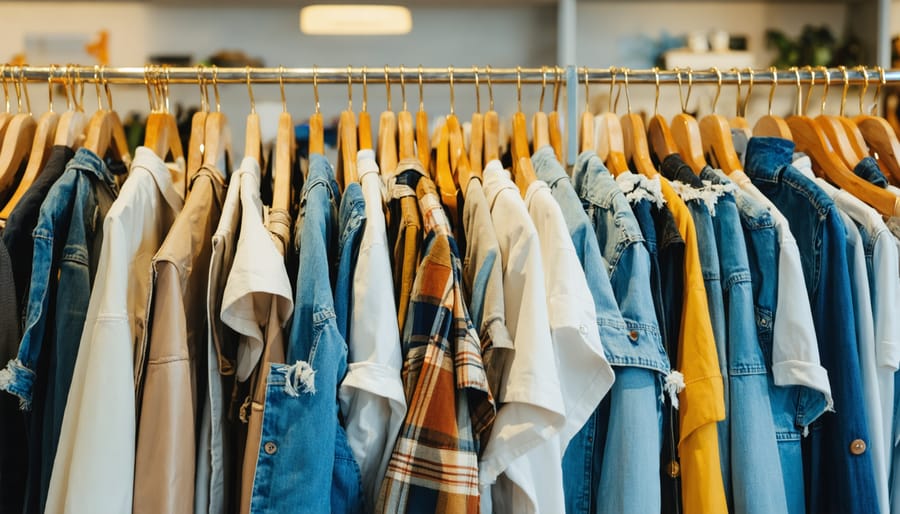
Second-Hand Synonyms That Transform Perception
Pre-Loved and Pre-Owned
There’s something beautifully intentional about the terms “pre-loved” and “pre-owned” – they acknowledge that items have lived a life before reaching their next custodian. These phrases work particularly well in Australian community settings where warmth and connection matter.
Walk into any op shop across the country, and you’ll likely see “pre-loved” clothing rails or toy sections. The term creates an emotional bridge between the previous owner and the next, suggesting the item was cherished rather than discarded. This resonates deeply in children’s goods markets, where parents find comfort knowing their little one’s outfit or toy brought joy to another family first.
“Pre-owned” carries a slightly more professional polish while maintaining positive associations. Many Australian car dealerships and furniture retailers have embraced this terminology, elevating second-hand purchases from budget compromises to smart decisions. It acknowledges previous ownership without any negative connotations.
These terms thrive in community initiatives like clothing swaps, school uniform exchanges, and neighbourhood buy-nothing groups. They create inclusive spaces where swapping and sharing feel natural rather than necessary. When your local community centre advertises a “pre-loved book fair” or “pre-owned sports equipment sale,” it invites participation without any hint of stigma. The language itself builds the welcoming atmosphere that makes circular economy practices flourish at grassroots level.
Vintage, Retro, and Antique
These three terms work magic in transforming the perception of second-hand goods, particularly in Australia’s thriving vintage markets. While they technically describe age differences—vintage typically refers to items 20-100 years old, retro to styles from recent decades, and antique to pieces over a century old—they all share the power to elevate items from “old” to “desirable.”
Melbourne’s Fitzroy and Sydney’s Surry Hills have become epicentres of vintage culture, where vintage clothing racks overflow with sought-after pieces and retro furniture stores command premium prices. This language shift has revolutionised how Australians view second-hand shopping, turning it into a treasure hunt rather than a last resort.
The vintage fashion scene particularly showcases this transformation. A second-hand 1970s dress becomes a “vintage find,” instantly more appealing to environmentally conscious shoppers who want both style and sustainability. Melbourne’s Rose Street Artists’ Market and Sydney’s Rozelle Markets demonstrate how vintage terminology attracts diverse crowds, from young professionals to collectors.
For Australian businesses, adopting these terms isn’t just clever marketing—it’s recognising genuine value in pre-loved items. Antique furniture stores across Brisbane and Adelaide prove that age and history add worth, not diminish it. This language celebrates the circular economy while making sustainable choices feel aspirational rather than sacrificial.
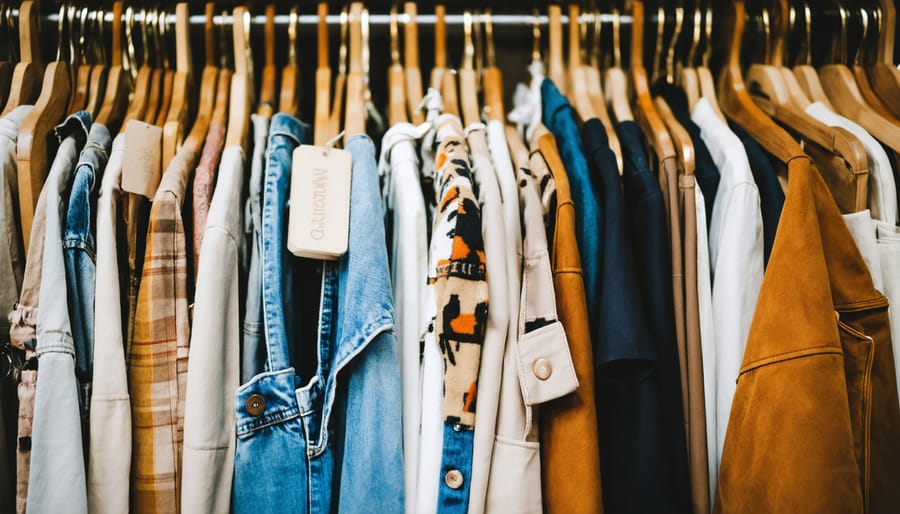
Refurbished, Restored, and Upcycled
These action-oriented terms transform the second-hand narrative by highlighting the skill and care invested in bringing items back to life. When something is refurbished, it’s been professionally restored to excellent working condition. Restored items have been returned to their original glory, often requiring specialist craftsmanship. Upcycled goods take it further, reimagining materials into something entirely new and often more valuable than the original.
For Australian consumers increasingly focused on quality over quantity, these terms signal that pre-loved items aren’t just acceptable alternatives but desirable choices. Local businesses like Remade in Melbourne and Brisbane’s Reverse Garbage have built thriving communities around upcycled furniture and homewares, proving that restored pieces can command premium prices while keeping materials out of landfill.
The beauty of these terms lies in their celebration of craftsmanship. They acknowledge the time, expertise, and creativity involved in giving items a second chapter. Whether it’s a refurbished smartphone that performs like new, a restored mid-century chair, or timber pallets upcycled into garden furniture, these words help Australians feel confident their sustainable choices don’t mean compromising on quality. They’re investing in items with proven durability and unique character that mass-produced alternatives simply can’t match.
Thrifted and Preloved Finds
The language of second-hand shopping has transformed into an exciting treasure hunt, particularly across Australian op-shop communities and online marketplaces. Young Australians are leading this linguistic shift, turning sustainable shopping into an adventure filled with “preloved gems” and “thrifted treasures.”
This playful terminology does more than rebrand old items. It captures the genuine excitement of discovering quality pieces with character and history. When someone shares their “thrift haul” on social media, they’re celebrating both the find and the sustainable choice behind it. The term “preloved” has become especially popular in Australian buy-swap-sell groups, acknowledging that items have been cared for while emphasizing they still have plenty of life left.
Melbourne’s vintage markets and Sydney’s preloved fashion communities have embraced this adventure-seeking language, creating a culture where second-hand shopping feels like urban exploration rather than necessity. Terms like “vintage score” and “op-shop win” turn everyday purchases into achievements worth celebrating.
This shift matters beyond social media likes. By framing sustainable shopping as discovery rather than deprivation, these words encourage more Australians to participate in the circular economy. The treasure-hunting mindset makes environmental action feel rewarding and aspirational, proving that the right language can transform our entire relationship with consumption.
Circular, Recommerce, and Rehomed
Australian businesses are increasingly embracing forward-thinking terminology that repositions second-hand goods as smart, innovative choices. The term “circular” reflects products designed to move through multiple lifecycles rather than ending up in landfill, aligning perfectly with Australia’s growing commitment to waste reduction. “Recommerce” has emerged as a sophisticated alternative that frames pre-loved purchasing as legitimate retail, helping businesses attract customers who might have previously overlooked second-hand options.
“Rehomed” offers a particularly warm, community-focused approach that resonates with Australian values of giving things a fair go. This language transforms a simple transaction into a story of care and continuation, suggesting that items are finding new families rather than merely changing hands. Local council swap events and community initiatives across Sydney, Melbourne, and Brisbane are adopting these terms to create excitement around sustainable consumption. By using business-focused language that emphasizes innovation and environmental responsibility, these terms help shift perceptions from necessity-driven purchases to conscious, progressive choices that benefit both households and the planet.
How Australian Businesses Are Rebranding Second-Hand
Across Australia, forward-thinking businesses are proving that what you call something matters just as much as what you sell. These trailblazers are showing us that rebranding second-hand isn’t about hiding what products are—it’s about celebrating their value in a circular economy.
Melbourne’s The Social Studio has mastered this art beautifully. Rather than marketing their goods as second-hand, they embrace terms like “pre-loved fashion” and “reclaimed materials” throughout their retail space and training programs. This social enterprise supporting young people from refugee and migrant backgrounds has discovered that language shift attracts a broader customer base while maintaining their mission-driven authenticity.
Sydney’s Reverse Garbage, operating since 1974, recently refreshed their messaging to emphasize “creative reuse” and “rescued materials.” Co-director Stephen Partington notes that this terminology resonates particularly well with schools, artists, and DIY enthusiasts who see value rather than waste. Their warehouse now feels more like a treasure trove than a tip shop, and sales figures reflect this perception shift.
In Queensland, The Salvos Stores have strategically introduced “vintage” and “retro” sections within their traditional op shops. This subtle rebranding has drawn younger shoppers who might have previously overlooked Salvation Army stores. Their Newstead store in Brisbane even features a dedicated “pre-loved designer” boutique section, complete with quality guarantees and styling advice.
Community organizations are joining this movement too. Perth’s Wasteless Pantry promotes “refill shopping” and “package-free goods,” positioning their model as innovative rather than alternative. Meanwhile, Canberra’s Green Shed champions “reclaimed building materials” and “rehomed homewares,” language that appeals to renovators seeking character pieces rather than bargains.
Even mainstream retailers are catching on. Iconic Australian brand Country Road launched their “recycled” denim range, carefully avoiding any stigma while celebrating sustainability credentials. Their marketing emphasizes quality and environmental responsibility, making circular fashion aspirational.
These success stories share common threads: authentic storytelling, pride in sustainability, and language that emphasizes opportunity over compromise. They’re not just selling products—they’re offering Australians a chance to participate in something bigger, proving that smart terminology choices can transform perceptions and drive genuine cultural change in how we consume.
Practical Strategies for Promoting Second-Hand in Your Community
For Individuals and Families
Conversations about your second-hand finds don’t need to feel awkward or apologetic. Instead of saying “It’s just second-hand,” try reframing with phrases like “I found this amazing pre-loved treasure” or “I scored this at a local circular fashion market.” When sharing purchases on social media, celebrate the story behind your find – where you discovered it, what drew you to it, or the environmental impact you’ve avoided. Many Australian families are now hosting “swap parties” where friends exchange quality items, creating a sense of community around sustainable choices rather than positioning it as budget-driven necessity.
When discussing second-hand purchases with relatives who might hold traditional views, focus on the quality, uniqueness, or craftmanship of items rather than their origin. You might say “I love supporting local op shops” or “This vintage piece has such character.” By confidently using positive terminology and emphasizing the intentional choice you’ve made for environmental reasons, you’re helping shift perceptions within your immediate circle. Remember, every conversation normalizes circular economy practices and encourages others to reconsider their own purchasing habits without feeling judged.
For Small Businesses and Op Shops
For small businesses and op shops across Australia, the words you choose can transform how customers perceive your offerings. Instead of limiting yourself to “second-hand,” consider rotating through terms like “pre-loved,” “vintage,” “curated,” or “heritage” depending on your stock and clientele.
Local op shops in Melbourne and Brisbane have seen increased foot traffic after rebranding their window displays with phrases like “Timeless Treasures” and “Circular Fashion Hub.” This language shift attracts younger shoppers who might have previously overlooked traditional charity shops.
Your marketing materials matter too. Social media posts highlighting “pre-loved designer finds” generate more engagement than those simply advertising “used clothes.” Similarly, describing furniture as “vintage” or “retro” rather than “second-hand” can justify better pricing while appealing to style-conscious buyers.
Consider your target market when selecting terminology. Coastal communities might respond well to “beach-house chic,” while urban areas embrace “industrial reclaimed” descriptors. The key is authenticity—choose language that genuinely reflects your stock and values.
By thoughtfully reframing your messaging, you’re not just attracting customers; you’re normalizing circular economy participation and building a community around sustainable shopping. Every positive interaction counts toward shifting Australia’s consumption culture.
For Community Organizations and Councils
Community organisations and councils play a vital role in normalising circular living through the language they choose. When promoting swap meets and clothing exchanges, frame them as “community connection days” or “style refresh gatherings” rather than focusing solely on saving money. This approach attracts diverse participants who might otherwise feel reluctant.
Melbourne’s Yarra Council successfully rebranded their repair workshops as “skill-sharing circles,” increasing attendance by 40%. The language shift emphasised learning and community rather than fixing broken items out of necessity. Similarly, Brisbane community groups promote “pre-loved treasure markets” alongside zero waste initiatives, creating festive atmospheres that celebrate resourcefulness.
Consider using terms like “circular economy hubs,” “recommerce partnerships,” or “sustainability exchanges” in grant applications and promotional materials. These phrases convey innovation and forward-thinking rather than deprivation. Share success stories highlighting connections made and skills learned, not just environmental statistics. When communities see second-hand participation as enriching rather than economising, engagement naturally follows.
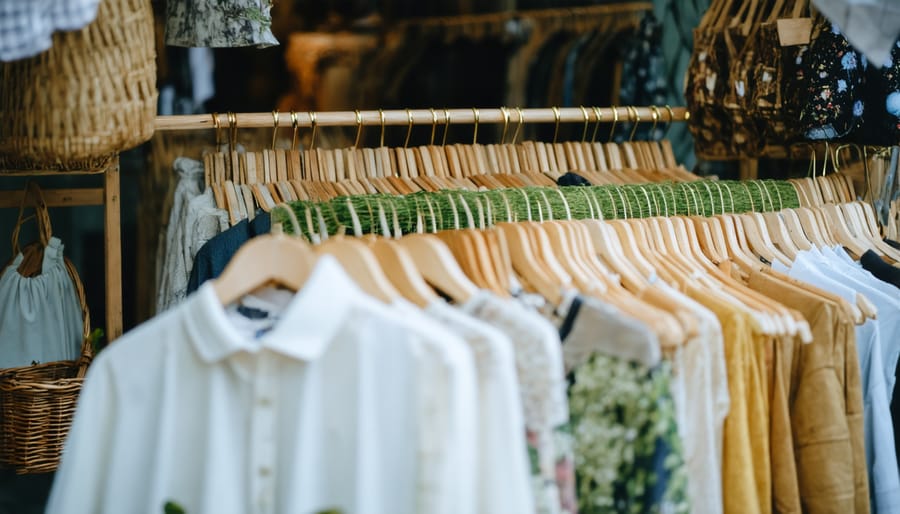
The Environmental Impact of Shifting the Conversation
The words we choose to describe pre-loved items might seem inconsequential, but they’re quietly reshaping Australia’s environmental footprint in remarkable ways. When we shift from stigmatized terms to appealing alternatives, we’re not just playing with semantics—we’re actively diverting thousands of tonnes from landfill.
Consider the numbers: Australians discard approximately 800,000 tonnes of clothing and textiles annually, with much of this waste being perfectly usable items. When communities embrace positive language around second-hand shopping—calling it “pre-loved,” “vintage,” or “circular”—participation rates increase measurably. Melbourne’s op-shop sector reported a 35% increase in younger shoppers after rebranding initiatives that moved away from traditional charity shop language.
This linguistic shift directly supports waste reduction habits by making sustainable choices feel aspirational rather than compromised. When furniture is marketed as “curated vintage” instead of “used,” it becomes desirable. When fashion is “pre-loved designer” rather than “second-hand,” it attracts new demographics who previously felt uncomfortable with thrift shopping.
The environmental mathematics is compelling. Every kilogram of clothing reused saves approximately 20 kilograms of CO2 emissions compared to manufacturing new items. For furniture, the savings are even more dramatic—a single preloved couch prevents roughly 88 kilograms of greenhouse gases from entering our atmosphere.
Australian communities leading with positive terminology are seeing tangible results. Sydney’s circular economy hubs report that reframing conversations around “treasure hunting” and “sustainable style” has doubled foot traffic, directly translating to extended product lifecycles and reduced demand for new manufacturing. This linguistic evolution complements environmentally conscious disposal practices, creating a complete system where items stay in circulation longer, benefiting both our communities and our planet.
Choosing the right words to describe pre-loved items isn’t about disguising reality or putting lipstick on a pig. It’s about celebrating what second-hand culture truly represents: resourcefulness, environmental stewardship, and community connection. When we call something “vintage” or “pre-loved,” we’re not hiding that it’s been owned before. We’re highlighting its story, its durability, and its value in our circular economy.
Language shapes perception, and in Australia’s rapidly growing sustainable shopping movement, the words we choose matter. They can either perpetuate outdated stigmas or invite more people into this rewarding lifestyle. Every time we confidently describe our op-shop find as a “treasure hunt discovery” or refer to furniture restoration as “reimagining,” we’re normalizing sustainable choices and making them accessible to those who might otherwise feel hesitant.
Your language choices ripple outward. When you speak positively about second-hand goods, you inspire friends, family, and customers to reconsider their consumption habits. You become part of a broader cultural shift happening right here in Australian communities, from Sydney’s bustling vintage markets to Melbourne’s community repair cafes.
So embrace these alternatives with pride and enthusiasm. Whether you’re a consumer, business owner, or community advocate, mindful language helps build the circular economy we need. Let’s choose words that reflect the genuine value, creativity, and environmental benefits that pre-loved items bring to our lives and our planet.