
Claim up to $1,200 through the Australian government’s Home Energy Upgrades Fund by installing approved solar batteries, heat pump systems, or upgraded insulation before June 2025. Check your state’s energy retailer rebate programs immediately—Victorian households can access $250 for LED lighting upgrades, while NSW residents qualify for discounts up to $1,000 on heat pump hot water installations through the Energy Savings Scheme.
Register your property with the Green Building Council of Australia to access their assessment tools, which identify exactly which energy efficiency improvements deliver the highest tax credits and rebates for your specific location. Target upgrades that combine federal incentives with state-based programs—for example, pairing solar panel installations with battery storage maximizes returns through both the Small-scale Renewable Energy Scheme and additional state rebates.
Australian homeowners are sitting on average savings of $800-$2,000 annually by strategically combining these incentives with energy-efficient upgrades. The current landscape of home energy efficiency tax credits and rebates represents the most generous government support in a decade, yet research shows 68% of eligible households haven’t claimed available benefits simply because they’re unaware these programs exist.
Your energy bills won’t decrease on their own, but understanding which upgrades qualify for immediate financial incentives transforms sustainable home improvements from costly investments into cash-positive decisions. State and federal governments have allocated over $3.2 billion specifically to help Australian households reduce energy consumption while cutting costs—money that remains largely unclaimed because homeowners don’t know where to start.
This guide breaks down every available tax credit, rebate, and incentive by state, showing you exactly which upgrades qualify, how much you’ll receive, and the step-by-step claiming process that turns your home’s energy efficiency improvements into real financial returns.
Understanding Australia’s Energy Efficiency Incentive Landscape
Federal Tax Deductions and Rebates
Understanding Australia’s approach to energy efficiency incentives is essential for homeowners ready to make sustainable upgrades. Unlike some countries with direct federal tax credits, Australia operates differently through its taxation system. The Australian Taxation Office (ATO) doesn’t currently offer specific tax deductions for residential energy efficiency improvements like solar panels or insulation for owner-occupied homes. However, there’s encouraging news for those running home-based businesses or investment properties.
If you’re operating a business from home, you may be eligible to claim energy efficiency upgrades as business expenses, reducing your taxable income. Investment property owners can also deduct energy-saving improvements as capital works deductions, spread over several years. While the federal tax system doesn’t provide direct rebates for residential energy upgrades, the Australian Government supports energy efficiency through grant programs and state-based incentives rather than through the ATO framework.
This structure means your pathway to savings often flows through state and territory programs, utility company rebates, and interest-free loan schemes designed specifically for Australian households. These alternatives can deliver substantial financial benefits while supporting your commitment to sustainable living. The key is exploring all available programs in your specific location to maximize your return on energy-efficient investments.
State and Territory-Specific Incentive Programs
Across Australia, individual states and territories have developed their own energy efficiency programs, creating a patchwork of opportunities that complement federal initiatives. Understanding what’s available in your region can unlock significant savings while supporting local environmental goals.
In New South Wales, the Energy Savings Scheme stands as one of Australia’s most established programs. Homeowners can access discounted LED lighting, heating and cooling upgrades, and appliance replacements through accredited providers. The scheme works by creating certificates that businesses can trade, effectively subsidizing your energy improvements. Many NSW households have reduced their electricity bills by 20-30% through participating in this program.
Victorian residents benefit from the Victorian Energy Upgrades program, which offers similar discounts on energy-efficient products and services. This initiative has helped over two million households upgrade their homes since its inception. Whether you’re installing insulation, replacing old heaters, or upgrading to efficient hot water systems, Victorian homeowners can claim substantial rebates through participating retailers.
Queensland’s approach focuses on the Affordable Energy Plan, providing interest-free loans for solar and battery installations alongside rebates for energy-efficient appliances. Meanwhile, South Australia offers the Retailer Energy Productivity Scheme, and Western Australia provides various rebates through Synergy’s Energy Assistance programs.
The beauty of these state-based programs is their accessibility. Unlike tax credits requiring end-of-year claims, many schemes offer instant discounts at the point of purchase. Connect with your local sustainability network or community group to learn which accredited providers operate in your area. These grassroots connections often reveal additional council-level rebates and community bulk-buy opportunities that amplify your savings while strengthening neighbourhood climate action.
Upgrades That Qualify for Financial Incentives
Solar Panel Systems and Battery Storage
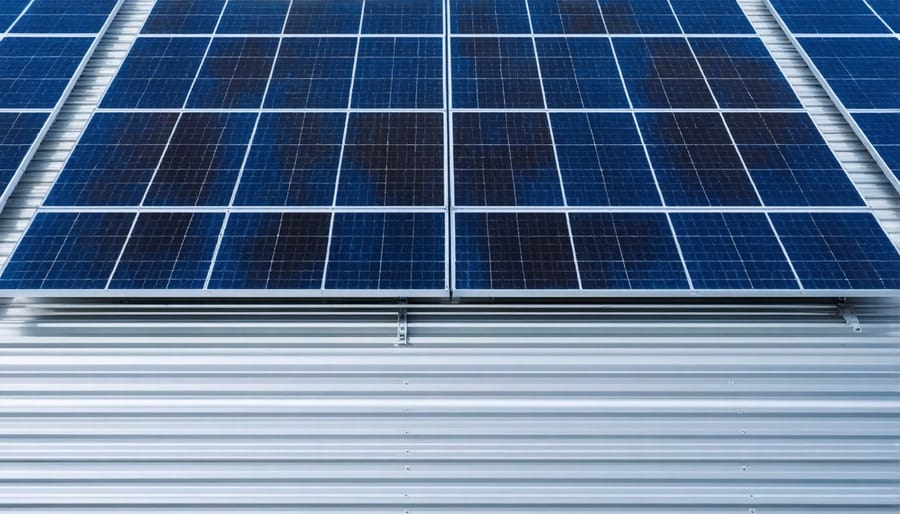
Installing solar panels on your Australian home isn’t just an environmental win—it’s a financially smart move supported by generous incentives. The federal government’s Small-scale Technology Certificates (STCs) scheme offers immediate point-of-sale discounts that can reduce your upfront solar investment by $2,500 to $5,000, depending on your system size and location. These certificates are typically handled by your installer, making the process seamless for homeowners.
Here’s how it works in practice: A typical 6.6kW solar system in Sydney might cost around $8,000, but with STCs applied, you could pay closer to $4,500. That’s already a significant saving before you even generate your first kilowatt-hour of clean energy.
Feed-in tariffs add another layer of financial benefit. While rates vary by state and retailer—ranging from 5 to 20 cents per kilowatt-hour—these payments for excess solar energy exported to the grid can reduce your quarterly bills substantially. A well-positioned system can save households between $900 and $1,500 annually on electricity costs.
Battery storage is gaining momentum across Australian communities, with state-based rebates sweetening the deal. Victoria’s Solar Battery Rebate offers up to $1,400, while South Australia provides subsidies reaching $3,000 for eligible households. These rebates make home batteries increasingly accessible, allowing you to store daytime solar generation for evening use and maximize your energy independence.
The combined payback period for solar and battery systems typically sits between 5 to 8 years, with systems lasting 25 years or more—that’s nearly two decades of virtually free, clean energy powering your home.
Energy-Efficient Heating and Cooling Systems
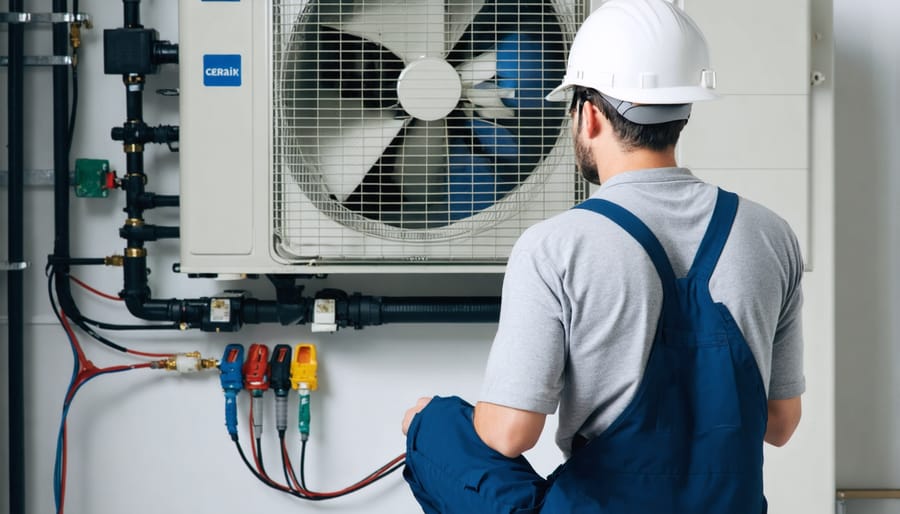
Upgrading to energy-efficient heating and cooling systems represents one of the most impactful changes Australian households can make, both for reducing bills and environmental impact. Heat pump systems have emerged as game-changers in our climate, offering efficient heating and cooling while using significantly less energy than traditional systems. Many Australian states now offer generous rebates for installing these systems, with some programs covering up to $1,000 or more of installation costs.
Beyond heat pumps, modern split-system air conditioners with high energy star ratings qualify for various state-based incentives. These units use inverter technology that adjusts power consumption based on actual needs, rather than constantly running at full capacity. The savings add up quickly, particularly during those scorching Australian summers when cooling costs can skyrocket.
Community groups across Australia are increasingly organizing bulk-buy programs for heat pump installations, helping neighbours access better pricing while supporting local installers. This collaborative approach makes sustainable upgrades more accessible and strengthens community connections around shared environmental goals.
When considering climate control upgrades, look for systems with minimum 4-star energy ratings and research both federal Small-scale Technology Certificates and your state’s specific rebate programs. The initial investment typically pays for itself within three to five years through reduced energy bills, making this upgrade both environmentally responsible and financially sensible.
Insulation, Glazing, and Building Envelope Improvements
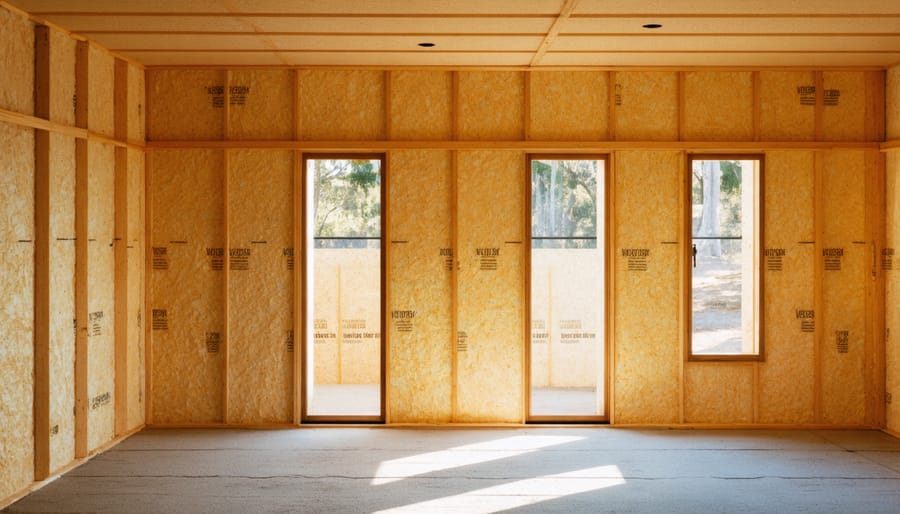
Your home’s building envelope is like a thermal blanket—when it’s working properly, you’ll notice the difference in both comfort and energy bills. Australians are increasingly discovering that improving insulation, upgrading to double-glazed windows, and sealing draughts can slash heating and cooling costs by up to 40%.
While Australia doesn’t currently offer direct federal tax credits specifically for insulation and glazing upgrades, several financial incentives exist through state and territory programs. In Victoria, for example, the Victorian Energy Upgrades program provides rebates for ceiling and underfloor insulation improvements. South Australia’s Retailer Energy Productivity Scheme offers similar incentives, while other states provide support through various energy efficiency schemes.
Many local councils across Australia also run community-focused programs offering subsidised home energy assessments that identify where your home is losing valuable heated or cooled air. These assessments often reveal surprising weak points—poorly sealed windows, inadequate roof insulation, or gaps around doors that collectively waste hundreds of dollars annually.
The beauty of envelope improvements is their longevity. Quality insulation lasts decades, double-glazed windows can function efficiently for 20 years or more, and draught sealing provides immediate returns. When combined with renewable energy installations, these thermal efficiency upgrades create a comprehensive approach to sustainable living that benefits both your household budget and Australia’s collective climate goals.
How to Claim Your Energy Efficiency Incentives
Finding Accredited Installers and Approved Products
Finding the right professionals and products is essential to accessing your energy efficiency incentives. Start by checking the Clean Energy Council’s register of accredited installers for solar PV systems and battery storage. These certified professionals understand compliance requirements and can guide you through the claiming process, ensuring your installation meets all technical standards.
For other upgrades like insulation or heat pumps, look for installers who hold relevant industry certifications and can provide documentation proving product eligibility. Many state-based programs maintain their own approved installer lists, so check your local government website for specific requirements.
When selecting products, verify they meet Australian Standards and carry appropriate certifications. Solar panels should be on the Clean Energy Council’s approved modules list, while appliances need minimum energy star ratings. Keep all product specifications and receipts, as you’ll need these for claiming rebates.
Don’t hesitate to ask installers about their experience with government incentive programs. Experienced professionals will readily provide evidence of qualifications and explain how their work aligns with program requirements. Getting quotes from multiple accredited installers helps you understand fair pricing while ensuring quality workmanship. This collaborative approach between homeowners and certified professionals strengthens our collective journey toward sustainable living, making renewable energy accessible and financially viable for more Australian households.
Documentation and Application Process
Getting your rebate or tax benefit sorted doesn’t need to be overwhelming—it’s about having the right paperwork ready and understanding the process. Start by gathering proof of purchase for all eligible upgrades, including invoices showing the make and model of appliances, solar panels, or smart home technology. Keep installation receipts from licensed professionals, as many programs require accredited installers.
For federal schemes like solar rebates, applications typically go through your installer who’ll handle the paperwork when claiming Small-scale Technology Certificates. State-based programs often require online applications through government portals—set aside 20-30 minutes to complete these forms accurately.
Connect with your accountant early in the process, especially if claiming deductions through your tax return. They’ll help maximize your benefits and ensure compliance with Australian Taxation Office requirements.
Timelines vary considerably: solar certificate applications process within weeks, while state rebate programs may take 6-12 weeks depending on demand. Victorian Energy Upgrades often provide instant discounts at point-of-sale, making them beautifully straightforward.
Keep digital copies of everything—creating a dedicated folder makes tax time infinitely easier and helps track your sustainability journey.
Common Pitfalls to Avoid
Many Aussie homeowners miss out on valuable rebates simply by not keeping proper documentation. Save every receipt, invoice, and certificate of compliance from your installer—you’ll need these when lodging your claim. Another common stumble is starting work before checking current eligibility criteria, which change regularly across different states and territories. Always verify your upgrade qualifies before purchasing.
Timing matters too. Some programs operate on a first-come, first-served basis and can close unexpectedly when funding runs out. Don’t delay your application once work is completed. Using uncertified installers is perhaps the costliest mistake—only accredited professionals performing installations will meet program requirements. Before signing any contract, confirm your tradesperson holds the necessary credentials.
Finally, many people overlook combining multiple incentives. You might be eligible for both federal and state programs simultaneously, maximizing your financial benefit while contributing to our community’s sustainability goals. Taking these simple precautions ensures your journey toward an energy-efficient home remains smooth and rewarding.
Real Impact: What These Upgrades Mean for Your Home and the Environment

Calculating Your Return on Investment
Understanding your return on investment helps you make smart decisions about which upgrades to tackle first. Let’s break down the numbers using real Australian energy costs and common household scenarios.
At current Australian electricity rates averaging 30-40 cents per kilowatt-hour (though this varies by state and provider), the savings add up faster than you might think. Consider a typical household installing a heat pump hot water system. With an upfront cost of around $3,500 and potential rebates of $1,000, your out-of-pocket expense drops to $2,500. If this system saves you $500 annually on energy bills, you’re looking at a five-year payback period—and decades of ongoing savings afterward.
Solar panel installations often deliver even quicker returns. A 6.6kW system might cost $5,000 after rebates and save a family $1,500 yearly, meaning full payback in just over three years. Add LED lighting upgrades at $500 that save $150 annually, and you’ve recovered costs in about three and a half years.
The beauty of combining multiple energy-efficient home features is that savings compound. A household tackling insulation, efficient heating and cooling, and solar together might see $2,500-3,000 in annual savings—transforming what seemed like major expenditure into genuine wealth-building.
Remember, these calculations don’t account for rising energy costs, which historically increase 3-5 percent annually in Australia. Your actual returns will likely exceed these conservative estimates, while you’re simultaneously reducing your environmental footprint. That’s a win for both your wallet and our shared future.
The Bigger Picture: Community and Environmental Benefits
When you upgrade your home’s energy efficiency, you’re joining thousands of Australian households in a powerful collective movement. Each solar panel installed, every efficient heat pump fitted, and all improved insulation contributes directly to Australia’s commitment to reducing carbon emissions by 43% below 2005 levels by 2030. These individual actions create ripples that extend far beyond your property line.
Your energy-efficient upgrades help stabilize our electricity grid by reducing peak demand periods, particularly during scorching summer afternoons when air conditioning strains the system. This means fewer blackouts and more reliable power for your entire community. Additionally, homes that generate their own renewable energy through solar systems contribute excess power back to the grid, supporting neighbours and local businesses.
Many communities are discovering these benefits firsthand through initiatives like the demonstration eco house projects, where neighbours learn from real-world examples and share their experiences. This collective approach builds community resilience against rising energy costs and climate impacts while creating local jobs in the growing renewable energy sector. When you claim energy efficiency incentives, you’re not just saving money—you’re investing in a sustainable future for all Australians, proving that individual household decisions truly matter in our national climate action journey.
Making the Most of Your Energy Efficiency Investment
Where to Start: Prioritizing Upgrades for Maximum Impact
Before diving into rebates and credits, it’s essential to understand where your home is losing energy. Professional home energy audits provide a roadmap for prioritizing upgrades that deliver genuine returns, tailored to your specific situation.
Start by focusing on your climate zone. Queenslanders benefit most from ceiling insulation and efficient air conditioning, while Victorians and Tasmanians should prioritize heating systems and wall insulation. In mild coastal regions like Sydney and Perth, weatherproofing windows and upgrading hot water systems often yield the quickest payback.
The Australian energy efficiency hierarchy suggests tackling improvements in this order: First, seal air leaks and add insulation—these foundational steps reduce demand for heating and cooling. Second, upgrade to energy-efficient appliances and LED lighting. Finally, consider renewable energy solutions like solar panels, which work far more effectively once your home’s energy consumption is optimized.
Many councils across Australia offer subsidized energy assessments, making this crucial first step affordable. An audit typically costs between 200 and 400 dollars but can identify savings worth thousands annually. This strategic approach ensures you’re investing in upgrades that genuinely reduce bills while maximizing available tax credits and rebates for your region.
Combining Incentives with Other Sustainable Practices
Energy efficiency upgrades create a powerful ripple effect throughout your sustainable living journey. When you install solar panels or upgrade insulation to access tax credits, you’re not just reducing electricity bills—you’re building momentum for broader environmental action. These improvements naturally complement water-saving initiatives like rainwater harvesting systems and greywater recycling, which also benefit from government rebates in many Australian states. Your more efficient home uses less grid power, freeing up household budget for waste reduction systems like composting bins or establishing native plant gardens that require minimal watering. Many households find that claiming energy credits motivates them to audit other resource use areas. Consider this your gateway to holistic sustainability—where every upgrade strengthens your commitment to environmental stewardship while building a more resilient, cost-effective household that benefits both your family and the broader Australian community working toward net-zero targets.
The journey toward a more energy-efficient home begins with a single step, and the financial incentives available right now make that step easier than you might think. By taking advantage of Australia’s home energy efficiency programs, you’re not simply claiming a rebate or reducing your electricity bill—you’re joining thousands of households across the country who are reshaping our collective energy future. Every solar panel installed, every window upgraded, and every inefficient appliance replaced creates ripples that extend far beyond your property line, contributing to reduced grid demand and lower emissions for our communities.
Start today by reviewing your state’s specific programs and booking an energy assessment to identify your home’s biggest opportunities for improvement. Connect with local sustainability groups to share experiences and recommendations, because this movement thrives on community knowledge and support. The incentives are substantial, the technology is proven, and the environmental benefits are undeniable. Your home can become part of Australia’s clean energy solution while putting money back in your pocket. The power to create meaningful change sits right in your hands—and your government is ready to help fund it. Take that first step this week.