
Zero Emission Vehicles (ZEVs) represent the pinnacle of clean transportation technology, producing absolutely no tailpipe emissions during operation. In Australia, where cities like Melbourne and Sydney grapple with air quality challenges, understanding which vehicles truly qualify as ZEVs has become essential for environmentally conscious drivers and businesses.
Only two vehicle types meet the strict ZEV definition: Battery Electric Vehicles (BEVs) that run exclusively on electricity stored in rechargeable batteries, and Hydrogen Fuel Cell Electric Vehicles (FCEVs) that generate electricity through a chemical reaction between hydrogen and oxygen, emitting only water vapor. This distinction matters because many Australians mistakenly believe plug-in hybrids or conventional hybrids qualify as ZEVs, when these vehicles still rely on petrol engines and produce emissions.
The ZEV landscape across Australia is rapidly expanding, with federal and state incentives making these vehicles increasingly accessible. From exemptions on luxury car tax to reduced registration fees in Victoria and New South Wales, governments are actively encouraging this shift. For Australian communities committed to reducing carbon footprints and improving local air quality, recognizing genuine ZEVs ensures your vehicle choice delivers maximum environmental benefit while supporting our nation’s transition toward sustainable transport solutions.
What Actually Qualifies as a Zero Emission Vehicle (ZEV)
Let’s cut through the confusion around what actually makes a vehicle a ZEV. The term gets thrown around a lot in automotive circles, but understanding the genuine definition matters if you’re serious about reducing your environmental impact.
At its core, a Zero Emission Vehicle produces absolutely no tailpipe emissions during operation. Notice that key phrase: during operation. This means when you’re driving down the Great Ocean Road or commuting through Sydney’s streets, the vehicle releases zero pollutants, zero greenhouse gases, and zero harmful particles into our air. Nothing comes out of the exhaust, because quite simply, there isn’t one.
Here’s where many people get confused. You might be wondering about your neighbour’s hybrid vehicle, the one they proudly call “eco-friendly.” While hybrids certainly represent a step forward among sustainable transport alternatives, they don’t qualify as ZEVs. Why? Because they still burn petrol, which means they’re still producing emissions. The same goes for plug-in hybrids, which can run on electric power for limited distances before switching to their combustion engine. They’re lower-emission vehicles, but not zero-emission.
In Australia, we’re increasingly aligning with international ZEV standards, though our regulatory framework continues to develop. The Australian government recognises two main categories of vehicles as true ZEVs: battery electric vehicles that run entirely on stored electrical energy, and hydrogen fuel cell vehicles that generate electricity through a chemical process producing only water vapour as a byproduct.
Think of it this way: if a vehicle can potentially emit any exhaust gases from burning fuel during regular operation, it’s not a ZEV. The standard is absolute, not relative. This clarity helps Australian consumers make informed choices when they’re genuinely committed to eliminating their transport emissions rather than simply reducing them.
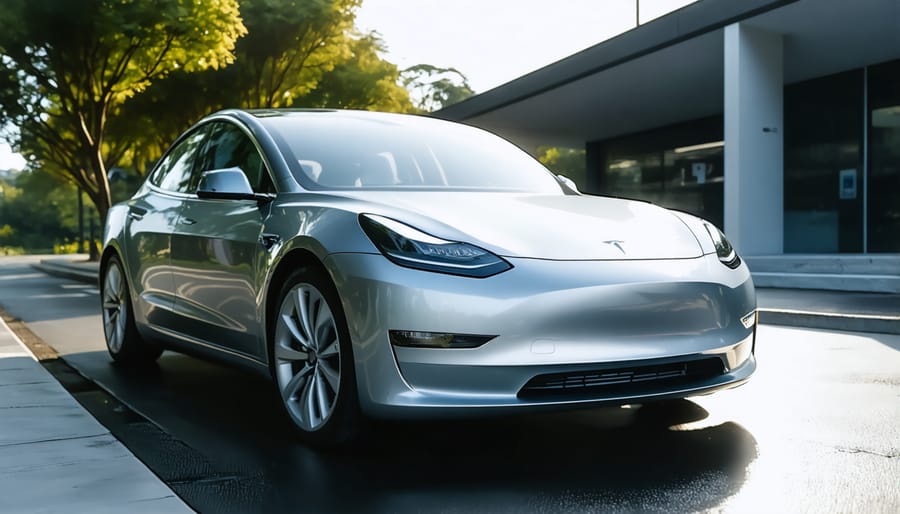
Battery Electric Vehicles (BEVs): The Pure Zero Emission Option
How BEVs Achieve Zero Emissions
Battery electric vehicles achieve zero emissions through elegantly simple technology that’s revolutionising transport across Australian roads. Unlike traditional cars with combustion engines that burn petrol or diesel, BEVs operate entirely on electricity stored in rechargeable battery packs.
Here’s how it works: when you press the accelerator in a BEV, electrical energy flows from the battery to one or more electric motors. These motors convert electricity directly into motion, spinning the wheels without any combustion process whatsoever. Because there’s no fuel being burned, there are no exhaust gases produced – meaning zero tailpipe emissions while driving.
The battery packs themselves, typically lithium-ion technology, can be recharged by plugging into standard electrical outlets at home or public charging stations sprouting up throughout Australian cities and regional centres. Many Aussie BEV owners are pairing their vehicles with rooftop solar panels, creating a completely renewable energy loop that’s both emissions-free and cost-effective.
This absence of an engine also means fewer moving parts compared to conventional vehicles – no pistons, spark plugs, or exhaust systems. For Australian drivers, this translates to lower maintenance costs and a quieter, smoother driving experience that’s particularly noticeable during the daily commute.
Real-World Benefits for Australian Drivers
Making the switch to a ZEV isn’t just about environmental responsibility—it’s a decision that makes practical sense for Australian households and businesses. Let’s look at what this means for your wallet and daily life.
The running costs of ZEVs are remarkably lower than traditional vehicles. While petrol prices fluctuate unpredictably, electricity costs remain relatively stable. Australian ZEV owners typically spend between $300-$600 annually on charging, compared to $2,000-$3,000 for petrol vehicles covering similar distances. When you factor in reduced maintenance (no oil changes, fewer brake replacements, simpler mechanical systems), the savings compound quickly.
Australia’s charging infrastructure is expanding at an encouraging pace. Major highways now feature fast-charging stations, and metropolitan areas are seeing charging points appear in shopping centres, workplaces, and residential buildings. Several state governments are investing heavily in this network, making long-distance travel increasingly viable. The same transformation is happening with electric public transport, showing this shift is part of a broader community movement.
Perhaps most importantly, choosing a ZEV contributes directly to cleaner air in our cities. With zero tailpipe emissions, each ZEV on Australian roads helps reduce harmful pollutants that affect respiratory health, particularly for children and elderly residents. As more Australians embrace ZEVs, we’re collectively building a healthier, more sustainable future—proving that individual choices really do create meaningful change when we act together.
Hydrogen Fuel Cell Vehicles: The Alternative ZEV Path
How Hydrogen Fuel Cells Work
Hydrogen fuel cell vehicles offer an elegant solution to zero emissions transport through a fascinating chemical process that’s simpler than you might think. At the heart of these vehicles sits a fuel cell stack where hydrogen gas meets oxygen from the air, creating electricity through an electrochemical reaction. Think of it as reverse electrolysis, the same process you might have observed in high school science class.
Here’s what happens: hydrogen atoms enter the fuel cell and are split into protons and electrons. The electrons flow through an external circuit, generating the electricity that powers the vehicle’s motor. Meanwhile, the protons pass through a special membrane to combine with oxygen, producing the only byproduct: pure water vapour that’s clean enough to drink.
This process happens continuously while you’re driving, making hydrogen vehicles genuinely emission-free at the tailpipe. For Australians considering this technology, it’s worth noting that refuelling takes just three to five minutes, similar to conventional petrol vehicles, offering a practical advantage over battery-electric options for those with range anxiety. Several Australian communities are already exploring hydrogen infrastructure, particularly in regions with abundant renewable energy resources perfect for producing green hydrogen through solar and wind power.
The Australian Hydrogen Vehicle Landscape
Australia’s hydrogen vehicle journey is just beginning, but it’s an exciting frontier for those of us committed to genuine zero-emission transport. Currently, two hydrogen fuel cell vehicles are available to Australian drivers: the Hyundai NEXO and the Toyota Mirai. These sophisticated vehicles offer the environmental benefits of battery electric cars with the added advantage of faster refueling times, typically under five minutes.
However, let’s be honest about the challenges we’re facing as a community. Hydrogen refueling infrastructure remains the significant hurdle. As of now, Australia has only a handful of public hydrogen stations, primarily concentrated in capital cities like Canberra and Melbourne. This limited network means hydrogen vehicles are currently most practical for fleet operators and early adopters in specific regions rather than everyday drivers across the country.
The good news? Several Australian communities and councils are pioneering hydrogen initiatives that could change this landscape dramatically. The Victorian government has committed to developing hydrogen refueling infrastructure, while Queensland is exploring hydrogen highways connecting major cities. These community-led projects demonstrate our collective commitment to diversifying zero-emission transport options.
For businesses considering hydrogen vehicles, particularly those operating delivery fleets or local government services, the technology offers genuine promise. The refueling speed makes hydrogen ideal for commercial applications where downtime must be minimized. As infrastructure expands through collaborative government and industry efforts, hydrogen vehicles will become increasingly viable for Australian families seeking true zero-emission alternatives beyond battery electric options.
What Doesn’t Count: Common Misconceptions About ZEVs
Here’s a scenario many Australians face: you’re at a dealership, excited about going green, and the salesperson enthusiastically points you toward a shiny hybrid. “It’s practically a ZEV,” they might say. But here’s the truth – if it has a tailpipe that emits anything during operation, it’s not a zero emission vehicle.
Let’s clear up the confusion that’s affecting purchasing decisions across Australia. Plug-in hybrid electric vehicles (PHEVs) are often mistaken for ZEVs because they can run on electricity for short distances. However, they still have petrol engines that produce emissions, especially on longer trips or when the battery depletes. Once that happens, you’re back to burning fossil fuels and creating tailpipe emissions.
Regular hybrids like the popular Toyota Prius represent another common misconception. While these energy efficient vehicles significantly reduce fuel consumption compared to conventional cars, they cannot operate without their petrol engines running. Every journey produces emissions, even if the amount is reduced.
Then there are mild hybrids, which use small electric motors to assist petrol engines but cannot drive on electricity alone. These vehicles offer improved fuel efficiency but remain firmly in the emissions-producing category.
Think of it this way: ZEV status is binary. Either a vehicle produces zero tailpipe emissions during operation, or it doesn’t. There’s no middle ground, and this matters because genuine environmental progress requires clear standards.
Many Australian communities are working toward reducing transport emissions, and understanding these distinctions helps make informed choices. While PHEVs and hybrids serve as stepping stones toward cleaner transport and certainly beat conventional vehicles, they shouldn’t be confused with true ZEVs. When you’re investing in sustainable transport, knowing exactly what you’re getting ensures your choice aligns with your environmental goals and helps Australia meet its emissions reduction targets.
The Environmental Reality: Are ZEVs Truly Zero Emission?
Let’s be honest about something important: the term ‘zero emission vehicle’ refers to what comes out of the tailpipe, not the entire story of the vehicle’s environmental impact. While ZEVs produce no direct emissions during operation, understanding their full environmental footprint helps us make truly informed choices.
The electricity powering your electric vehicle matters enormously. In Australia, our energy grid still draws heavily from coal and gas, meaning that charging a BEV isn’t quite as clean as we’d hope – yet. According to recent data, Australia’s grid emissions factor sits around 0.7 kg of CO2 per kilowatt-hour, though this varies significantly between states. Tasmania and South Australia, with their renewable energy investments, offer considerably cleaner charging than coal-dependent regions.
Here’s the encouraging news: even when charged from our current grid, electric vehicles typically produce fewer lifecycle emissions than petrol cars. A BEV charged in New South Wales still generates roughly half the emissions of an equivalent combustion vehicle over its lifetime. As Australia accelerates toward renewable energy targets, this advantage will only grow stronger.
Battery production does carry environmental costs, particularly in mining and manufacturing processes. Lithium extraction, cobalt mining, and the energy-intensive production process contribute significantly to a BEV’s initial carbon footprint. However, Australian researchers have found that most electric vehicles offset this manufacturing impact within two to three years of typical driving.
The beautiful part? We’re actively improving this equation together. Communities across Australia are installing solar panels, supporting wind farms, and choosing renewable energy plans. Every step toward cleaner electricity makes every ZEV on our roads genuinely cleaner. Some forward-thinking Australian households are even pairing home solar systems with their electric vehicles, creating truly sustainable transport solutions.
Hydrogen fuel cell vehicles face similar questions about production methods. Currently, most hydrogen comes from natural gas reformation, but ‘green hydrogen’ produced from renewable electricity represents our future direction. Several Australian pilot projects are already exploring this potential.
The path to reducing vehicle emissions isn’t about perfection – it’s about progress. ZEVs represent a significant leap forward, and as our energy infrastructure becomes cleaner, their environmental benefits multiply. That’s worth celebrating while we continue pushing for improvement.
ZEV Incentives and Support in Australia
Making the switch to a zero emission vehicle in Australia has never been more financially accessible, thanks to a growing network of government incentives designed to support your sustainable transport journey. These programs vary across states and territories, but they all share a common goal: making ZEVs more affordable for everyday Australians.
New South Wales leads the charge with rebates up to $3,000 for eligible battery electric and hydrogen fuel cell vehicles, plus stamp duty exemptions that can save you thousands more. Victoria offers similar benefits, combining rebates with reduced registration fees for ZEV owners. Queensland residents can access rebates of up to $6,000, while the ACT provides stamp duty concessions and free registration for two years on eligible vehicles.
South Australia, Western Australia, Tasmania, and the Northern Territory each have their own frameworks, with many offering registration discounts or exemptions. It’s worth checking your state or territory government website regularly, as these programs evolve and expand to encourage wider ZEV adoption.
At the federal level, the government has removed the luxury car tax and fringe benefits tax on eligible electric vehicles under the luxury car tax threshold, making ZEVs particularly attractive for business fleet purchases. This change has opened doors for many Australian businesses to transition their operations toward genuine zero emissions.
To access these benefits, you’ll typically need to purchase an eligible new ZEV and apply through your state revenue office. Keep all purchase documentation handy, and don’t hesitate to reach out to local EV community groups who often share valuable insights about navigating application processes. Many dealerships now assist buyers with incentive applications, recognizing that community support makes the transition smoother for everyone involved.
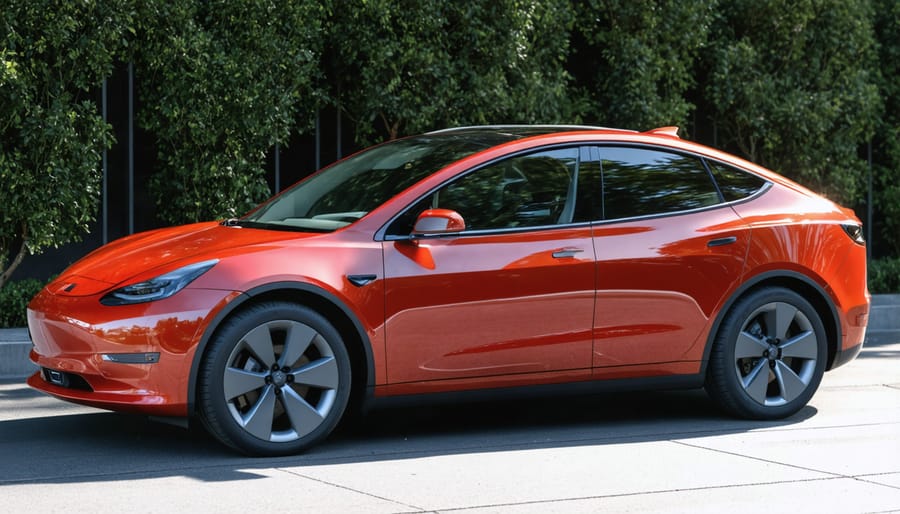
So, to answer the question directly: ZEVs are battery electric vehicles and hydrogen fuel cell vehicles – the only two vehicle types that produce absolutely zero tailpipe emissions during operation. Understanding this distinction helps you make informed choices that genuinely benefit our environment.
As Australia accelerates toward a cleaner transport future, ZEVs are becoming increasingly accessible across our cities and regions. Whether a ZEV suits your lifestyle depends on your daily driving patterns, access to charging infrastructure, and budget. The good news? With expanding networks and growing incentives, more Aussies are finding ZEVs fit seamlessly into their lives.
Your vehicle choice matters more than you might think. When communities embrace green commuting options and true zero emission vehicles, the collective impact becomes powerful. Every ZEV on Australian roads represents cleaner air for our neighbourhoods, reduced greenhouse gas emissions, and a tangible step toward the sustainable future we’re building together.
Ready to explore whether a ZEV belongs in your driveway? Start by assessing your daily travel needs, researching available models suited to Australian conditions, and investigating local incentives. Your journey toward zero emissions might be easier than you imagine.