
You’ve seen the labels plastered across products from your local Woolies to Bunnings: eco-friendly bamboo toothbrushes, sustainable coffee pods, environmentally responsible cleaning sprays. But standing in the aisle, you’ve probably wondered if these terms actually mean anything different, or if companies are simply playing word games to earn your dollars.
The confusion is justified. Across Australia, brands use “eco-friendly” and “sustainable” interchangeably, yet these concepts represent fundamentally different commitments to our environment. One addresses immediate environmental impact, whilst the other demands a holistic, long-term approach that considers everything from resource extraction to worker welfare to end-of-life disposal. For Australians increasingly wary of greenwashing tactics, understanding this distinction isn’t academic quibbling but essential knowledge for making purchases that genuinely align with your values.
This matters now more than ever. As our country faces unprecedented climate challenges, from devastating bushfires to reef degradation, the choices we make as consumers and business owners carry real weight. Yet marketing spin often obscures genuine progress, leaving well-intentioned Australians supporting products that sound responsible but deliver minimal environmental benefit.
The good news? Once you understand the core differences between these terms and recognize the red flags of misleading claims, you’ll navigate the marketplace with confidence. You’ll spot authenticity, support truly responsible businesses, and join a growing community of Australians driving meaningful change through informed decisions.
The Real Difference Between Eco-Friendly and Sustainable
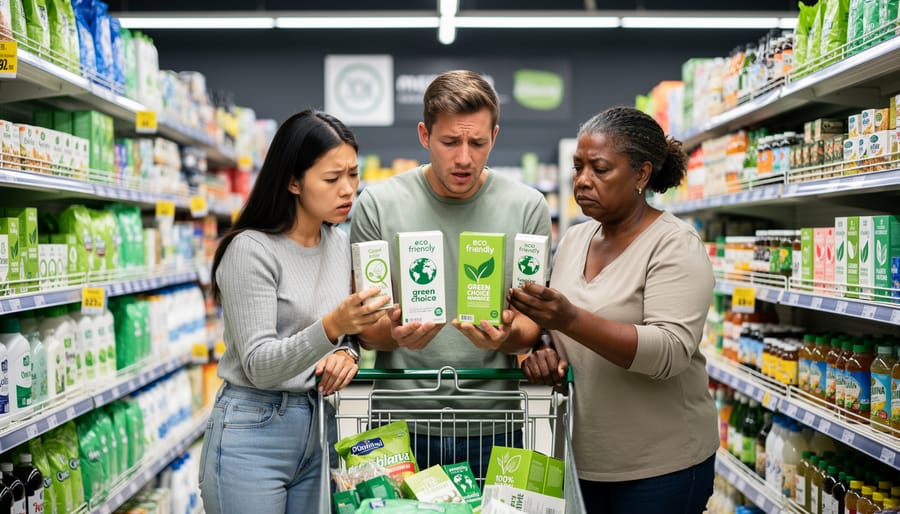
Eco-Friendly: The Snapshot Approach
When you spot a product labelled “eco-friendly,” you’re looking at something designed to minimize harm right now, in this moment. Think of it as the snapshot approach to environmental care—addressing immediate impacts rather than the entire lifecycle.
Eco-friendly products typically share three key characteristics: they break down naturally (biodegradable), they don’t contain harmful chemicals (non-toxic), and they use reduced packaging. These features tackle the most visible environmental problems we face daily.
Here in Australia, you’ll find plenty of relatable examples. That bamboo toothbrush at your local chemist? It’s eco-friendly because it naturally decomposes instead of sitting in landfill for centuries like plastic versions. The phosphate-free laundry detergent many of us now choose protects our waterways from algal blooms—crucial for our rivers and the Great Barrier Reef. Even something as simple as beeswax wraps replacing cling film shows how eco-friendly swaps reduce plastic waste immediately.
These choices matter tremendously. When thousands of Australian households switch to eco-friendly alternatives, we collectively prevent tonnes of harmful materials entering our environment. It’s tangible action with visible results—and that’s empowering for anyone starting their environmental journey.
Sustainable: The Long Game
Sustainability isn’t just about what you buy today—it’s about the ripple effects that extend across generations. While eco-friendly products might tick one box, true sustainability weaves together environmental health, social equity, and economic viability into a cohesive long-term vision.
Think of it as moving beyond simply using recycled materials to questioning the entire system. The circular economy, gaining momentum across Australia, challenges our traditional take-make-dispose model. Instead, products are designed to be repaired, refurbished, and eventually returned to the production cycle. Companies like Upparel in Melbourne are pioneering textile recycling programs, keeping clothing out of landfills while creating local jobs.
Regenerative practices take this further, actively restoring ecosystems rather than simply reducing harm. Australian farmers are increasingly adopting regenerative agriculture, rebuilding soil health while producing food—proving that economic success and environmental restoration can coexist.
For businesses and households alike, sustainability means asking: Does this choice strengthen our community? Will it remain viable in twenty years? Are we leaving things better than we found them? It’s about playing the long game, recognising that our decisions today shape the Australia our children inherit.
When Eco-Friendly Isn’t Enough
The Bamboo Paradox
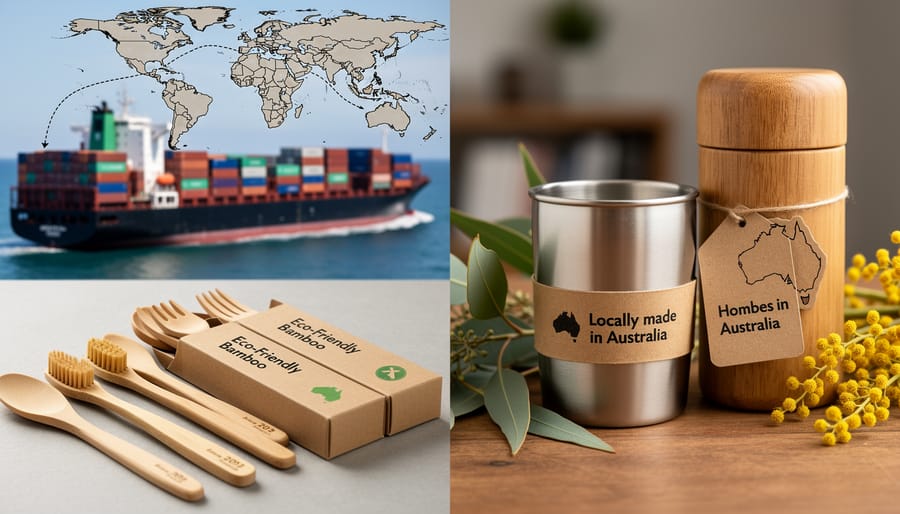
Here’s a familiar story playing out in homes across Australia: Sarah from Melbourne recently bought a set of bamboo utensils marketed as “100% eco-friendly” and “planet-saving.” The packaging showcased lush green forests and promised guilt-free dining. She felt great about her purchase until her neighbour, an environmental consultant, pointed out the fine print.
Those bamboo utensils had travelled over 12,000 kilometres from Southeast Asia, racking up significant carbon emissions during shipping. The factory producing them operated in a region with minimal labour protections, and the “sustainable bamboo” came from plantations that had replaced native forests. Suddenly, Sarah’s eco-friendly purchase didn’t seem quite so green.
This is the bamboo paradox: a product made from a renewable resource that ends up with a substantial environmental and social cost. While bamboo itself grows rapidly without pesticides, the full lifecycle tells a different story when manufacturing and transport enter the equation.
Compare this to Australian alternatives like locally crafted wooden utensils from sustainably managed Victorian ash or Tasmanian oak. Yes, they might cost a bit more upfront, but they support Australian forestry workers earning fair wages, travel minimal distances to reach you, and come from forests certified by the Responsible Wood program. A Melbourne-based company, for instance, creates beautiful timber pieces from reclaimed Australian hardwoods, transforming what would be waste into functional art.
The lesson? Truly sustainable choices require looking beyond a single eco-friendly feature to examine the complete picture, including where products come from and who makes them.
Single-Use ‘Green’ Products
Walk down any Australian supermarket aisle and you’ll spot them: products proudly labelled “biodegradable” or “compostable,” promising guilt-free convenience. These single-use alternatives have become the darling of eco-friendly marketing, but here’s where things get tricky. While biodegradable plastics and compostable packaging sound like perfect solutions, they’re often just greenwashing in disguise.
Take biodegradable coffee cups, for instance. Many require industrial composting facilities to break down properly, yet most Australians don’t have access to these specialized centres. What happens instead? They end up in landfill where, without oxygen, they can’t decompose and may even release methane, a potent greenhouse gas. Similarly, those compostable food containers at your local cafe might look eco-friendly, but if your council doesn’t accept them in green bins, they’re no better than regular plastic.
The real concern isn’t the products themselves, it’s the mindset they reinforce. They allow us to continue our throwaway culture with a cleaner conscience, rather than questioning why we need single-use items at all. A truly sustainable approach means reducing consumption from the start.
This doesn’t mean these products have no place. For hospitals, aged care facilities, or situations where reusables aren’t practical, they serve a purpose. But for everyday Australians grabbing takeaway coffee or picking up groceries, the answer lies in reusables, not switching from one disposable to another. Community refill stations and BYO container schemes popping up across Melbourne, Sydney, and Brisbane show we’re ready to move beyond the single-use mindset entirely.
Building Your Sustainable Consumer Framework
The Five Questions That Matter
Before you add anything to your shopping cart, pause and run through these five essential questions. They’re the difference between falling for clever marketing and making choices that genuinely matter for our planet’s future.
1. Where did this come from?
Understanding a product’s origin story reveals its true environmental footprint. That organic cotton t-shirt might be eco-friendly in material, but if it’s shipped from overseas, consider the carbon cost. Australian-made products typically have lower transport emissions and support local communities. Check labels, research suppliers, and prioritise local makers where possible.
2. What happens throughout its entire life?
A sustainable mindset means thinking beyond the purchase moment. Consider the water used in production, energy consumed during use, and whether it’ll end up in landfill or can be recycled through Australian facilities. That bamboo phone case might seem eco-friendly, but if it can’t be properly disposed of here, it’s just pretty rubbish.
3. What are the company’s actual practices?
Look past the green packaging. Does the business use renewable energy? Do they pay fair wages? Are they transparent about their supply chain? Australian companies like Thankyou and Who Gives A Crap have set strong examples of genuine sustainability, making their practices publicly available.
4. Do I truly need this?
The most sustainable product is the one you don’t buy. This isn’t about deprivation; it’s about intentional living. Could you borrow, repair, or make do with what you already have?
5. What alternatives exist?
Before purchasing new, explore second-hand markets, local swap groups, or library-style sharing schemes gaining momentum across Australian suburbs. Sometimes the greenest choice is simply choosing differently.
Certifications You Can Trust in Australia
Navigating the maze of environmental claims on Australian products can feel overwhelming, but the good news is we have trusted certifications to guide our choices. Unlike vague terms like “natural” or “green” that anyone can slap on a label, legitimate certifications require independent verification and ongoing compliance.
The Australian Made logo, featuring our iconic golden kangaroo, guarantees products are genuinely made or substantially transformed here in Australia. While it doesn’t specifically measure environmental impact, it supports local communities and reduces transport emissions, which matters when we’re thinking holistically about sustainability.
For clothing purchases, look for Ethical Clothing Australia accreditation. This certification ensures garments are made locally under fair working conditions, addressing the social sustainability piece that’s often overlooked in environmental conversations. It’s a powerful way to support both people and planet with every wardrobe choice.
Good Environmental Choice Australia (GECA) is your go-to for products with verified environmental credentials across their entire lifecycle. From cleaning products to building materials, GECA certification means rigorous third-party testing has confirmed reduced environmental impact. This takes the guesswork out of comparing competing environmental claims.
Be wary of terms like “eco-safe,” “earth-friendly,” or “all-natural” without accompanying certification marks. These marketing phrases sound impressive but lack accountability or standardised meaning. Australian businesses committed to genuine sustainability invest in proper certification because they want you to trust their claims with confidence.
By choosing certified products, you’re voting with your dollar for transparency and accountability, encouraging more businesses across Australia to embrace verifiable sustainable practices rather than empty greenwashing.
Smart Swaps for Australian Households
Kitchen and Food
Your kitchen offers some of the most impactful opportunities to embrace truly sustainable practices. While eco-friendly products promise greener alternatives, sustainable food choices address the entire system—from soil health to your compost bin.
Start by exploring your local farmers market, where you’ll meet growers like those connected to community-supported agriculture (CSA) programs across Australia. Melbourne’s CERES Fair Food and Sydney’s Pocket City Farms run brilliant CSA initiatives that support regenerative farming while reducing food miles. You’re not just buying vegetables; you’re investing in healthier soil and resilient local food systems.
Bulk stores like The Source Bulk Foods (with locations nationwide) and Naked Foods in Perth help you avoid single-use packaging entirely. Bring your own containers and fill up on pantry staples—it’s sustainable consumption that actually reduces demand for packaging production.
Australian brands are stepping up too. Joco makes reusable coffee cups in Melbourne, while Food Huggers (available locally) extends produce life without plastic wrap. For storage, Sealuxe produces beeswax wraps using Australian beeswax.
The difference? Eco-friendly focuses on what you buy; sustainable considers how communities grow food, minimize waste, and build circular systems. Your weekly shopping choices genuinely shape regional food networks and farming practices.

Cleaning and Personal Care
Your bathroom and laundry are prime spaces to shift from eco-friendly disposables to truly sustainable systems. While bamboo toothbrushes and compostable cleaning wipes seem better than plastic alternatives, they still generate waste. The sustainable approach focuses on reusable, refillable solutions that eliminate single-use items altogether.
Australian households are discovering non-toxic cleaning alternatives through DIY options like vinegar-based sprays and bicarbonate soda scrubs, which reduce both packaging and chemical exposure. Refillable systems are gaining traction, with brands like Bondi Wash and Koala Eco offering concentrate refills in glass bottles, dramatically cutting plastic waste over time.
Local initiatives are making sustainable swaps easier. Companies such as The Soap Dispensary in Melbourne and Zero Co nationwide provide take-back programs where empty containers return for refilling. Some councils now partner with businesses to establish community refill stations, transforming how Australians access everyday products.
The key difference? Eco-friendly disposables perpetuate a linear economy, while sustainable refillable systems create closed loops. Starting with one room and gradually expanding your refillable collection makes the transition manageable while building lasting habits that genuinely reduce your environmental footprint.
Fashion and Textiles
The fashion industry’s environmental footprint extends far beyond fabric choices. While organic cotton represents a positive step, truly sustainable fashion in Australia embraces circular economy principles that keep garments in use longer and out of landfills.
Circular fashion challenges the traditional take-make-dispose model by designing clothes for longevity and recyclability. This means investing in quality pieces that last, rather than chasing fast fashion trends. When garments reach their end of life, circular systems ensure materials return to the production cycle rather than becoming waste.
Australian communities are pioneering practical solutions. Clothing swaps have become popular social events across Melbourne, Sydney, and Brisbane, where participants exchange pre-loved items without spending a cent. These gatherings build community connections while refreshing wardrobes sustainably. Similarly, repair cafes are popping up in suburban halls and community centres, offering free workshops where volunteers teach basic mending skills. Learning to fix a loose hem or replace a button extends garment life significantly and saves money.
Second-hand shopping through platforms like Marketplace, Depop, and local op-shops diverts perfectly wearable clothing from landfills while supporting charitable causes.
When buying new, seek out ethical Australian manufacturers who prioritise fair wages, safe working conditions, and transparent supply chains. Brands like Outland Denim and Etiko demonstrate that local production can meet both environmental and social responsibility standards. By supporting these businesses, you’re voting with your wallet for the fashion industry you want to see flourish.
The Community Connection
Here’s the truth that’s transforming communities across Australia: your sustainable choices create ripples far beyond your shopping basket. When you choose genuinely sustainable products over merely eco-friendly ones, you’re not just making a personal decision—you’re casting a vote for the kind of economy and environment we collectively build.
In suburbs from Fremantle to Byron Bay, Australians are discovering that informed consumer choices have remarkable collective power. When enough of us demand transparency about supply chains, question greenwashing, and support businesses with circular economy models, we shift entire markets. That organic grocer in your neighbourhood? They exist because people like you chose to support them. The local refill station reducing plastic waste? It thrives because communities recognised the difference between disposable “green” products and truly sustainable systems.
Community-led initiatives are proving particularly powerful in driving systemic change. From Melbourne’s repair cafes that challenge throwaway culture to Brisbane’s tool libraries fostering sharing economies, these grassroots movements demonstrate sustainability in action. They’re not just reducing waste—they’re rebuilding social connections and resilience.
The beauty of this community connection is that it makes sustainability accessible. You don’t need to be perfect; you need to be part of something bigger. Join your local Landcare group, participate in community gardens, or simply start conversations about sustainable choices with neighbours. These connections transform isolated actions into collective impact.
Australian communities are also holding businesses accountable together. When consumers collectively demand sustainable practices—not just eco-friendly marketing—companies respond. We’ve seen it with major retailers adopting better packaging, fashion brands improving transparency, and food producers embracing regenerative agriculture.
Remember, systemic change doesn’t happen through individual perfection—it happens when informed communities move together toward genuine sustainability. Your choices matter most when they inspire others and support local initiatives building the infrastructure for a sustainable future.
Here’s the truth: sustainable choices do require more thought than simply grabbing something labelled eco-friendly. You’ll need to ask harder questions, dig deeper into company practices, and sometimes spend a bit more upfront. But that’s exactly where the power lies. When you choose sustainability over surface-level green marketing, you’re creating lasting impact that ripples through supply chains, communities, and ecosystems.
The beauty is, you don’t need to transform everything overnight. Start with one category that matters most to you. Perhaps it’s the coffee you buy each morning, or the cleaning products under your sink, or the energy powering your home. Make that switch genuinely sustainable, then build from there. Each informed choice creates momentum.
Australian consumers are uniquely positioned to lead this change. We understand the fragility of our environment, from the Reef to our ancient bushland. We value fairness and authenticity, which means we can spot greenwashing a kilometre away. When we collectively demand transparency and choose businesses committed to real sustainability, we reshape entire industries.
You’re not just a consumer making purchases. You’re part of a growing community redefining what responsible business looks like in Australia. Every time you choose substance over marketing spin, you’re voting for a future where sustainability isn’t a buzzword but a standard. That’s the kind of change that sticks, and it starts with people like you asking the right questions and making choices that genuinely matter.