
Your front door makes a first impression every single day, and choosing sustainable custom handles transforms this essential touchpoint into a statement about your values and our shared environmental future. Across Australia, homeowners and businesses are discovering that eco-friendly door hardware doesn’t mean compromising on style, durability, or uniqueness—it means investing in pieces crafted from recycled metals, responsibly sourced timber, and low-impact materials that reduce carbon footprints while supporting local artisans and manufacturers.
The sustainable hardware movement is reshaping how we think about home design, moving beyond disposable imports to embrace custom pieces built to last generations. Australian makers are leading this charge, creating handles from reclaimed brass, recycled aluminum, and sustainably harvested hardwoods that tell stories of craftsmanship and environmental stewardship. When you choose a custom sustainable handle, you’re joining a growing community of Australians who understand that every material choice ripples outward, affecting everything from mining practices to landfill waste. This guide walks you through what makes door handles truly sustainable, where to find exceptional Australian options, and how to select pieces that align with both your design vision and environmental commitments.
The Hidden Environmental Cost of Traditional Door Handles
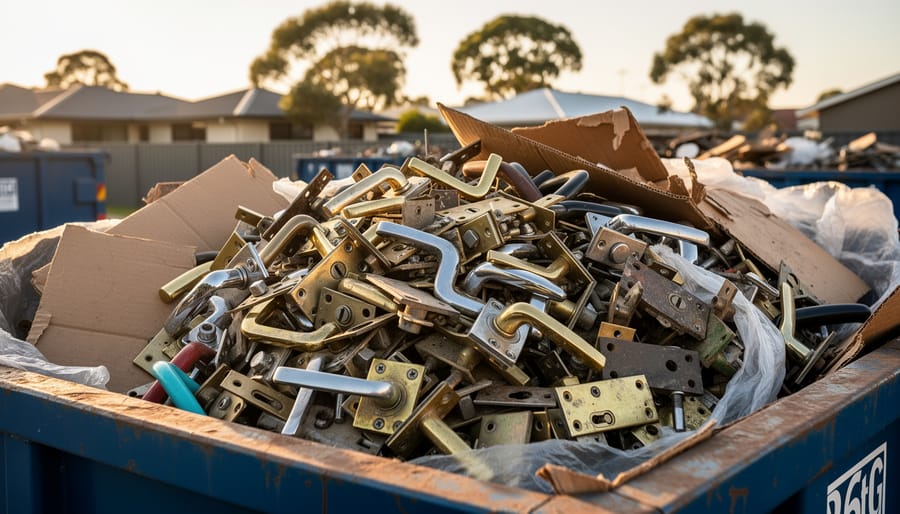
Every time you turn a door handle, you’re touching a hidden story of environmental impact that most of us never consider. Traditional door handles, including many Australian architectural door handles, carry a surprisingly heavy ecological footprint that extends far beyond their modest size.
The journey begins deep in mines across the globe, where metal extraction for conventional handles tears through landscapes, consuming vast amounts of water and energy. The manufacturing process compounds this impact, with energy-intensive smelting and machining operations releasing significant greenhouse gases. Many traditional finishes involve chromium plating and powder coating processes that use toxic chemicals, creating hazardous waste streams that threaten local waterways.
Here in Australia, we’re generating approximately 67 million tonnes of waste annually, and while household hardware might seem insignificant, it adds up quickly. When renovating or replacing fixtures, most conventional door handles end up in landfill, where mixed materials make recycling virtually impossible. The average Australian home replaces door hardware multiple times over its lifetime, contributing to an estimated 2,000 tonnes of discarded handles and fittings each year across the country.
The concerning reality is that many imported handles travel thousands of kilometres before reaching our shores, adding substantial transport emissions to their environmental ledger. This global supply chain often obscures the true origin and manufacturing conditions of the products we install in our homes.
Understanding these impacts is the first step toward making better choices. By recognizing how conventional door handles affect our environment, we can explore alternatives that align with effective carbon mitigation strategies and support a healthier future for our communities. The good news? Sustainable alternatives are closer than you think.
What Makes a Door Handle Truly Sustainable
Material Matters: From Recycled Metals to Sustainable Timber
Choosing the right materials for your custom door handles isn’t just about aesthetics—it’s about making choices that reflect your values and support our planet’s future. Let’s explore the sustainable options available right here in Australia.
Recycled metals are leading the charge in eco-friendly hardware. Recycled brass, for instance, requires 95% less energy to produce than virgin brass, while maintaining the same durability and that beautiful warm patina we love. Many Australian manufacturers now offer handles crafted from reclaimed copper and bronze, giving new life to materials that would otherwise end up in landfills. Stainless steel remains a champion too, being infinitely recyclable without losing quality, making it perfect for coastal homes where salt air demands resilience.
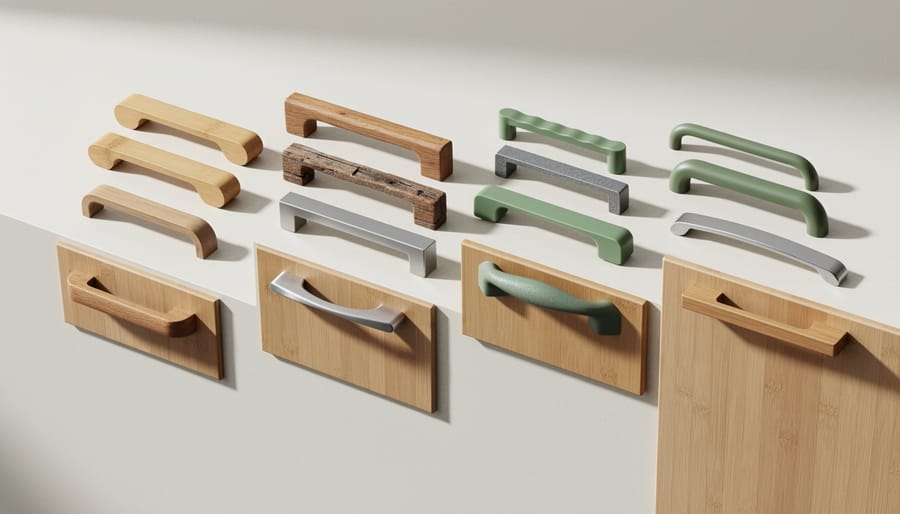
For those drawn to natural warmth, Australian timber varieties offer stunning sustainable alternatives. Tasmanian oak, Victorian ash, and sustainably harvested blackwood create handles with unique character and grain patterns. When selecting timber options, look for responsibly sourced materials certified by the Australian Forestry Standard or FSC certification, ensuring your choice supports healthy forest ecosystems.
Innovation is bringing exciting alternatives to market as well. Several Australian artisans now work with reclaimed timber from demolished buildings, ocean-recovered plastic composite materials, and even bamboo—a rapidly renewable resource that grows abundantly in our climate. These materials combine environmental responsibility with distinctive design, proving that sustainability and style go hand in hand. The key consideration across all options is longevity; choosing quality materials that last decades ultimately creates less waste than frequent replacements.
Local Manufacturing and Its Carbon Benefits
Choosing Australian-made custom door handles delivers significant carbon benefits that extend far beyond your front door. When you source handles crafted locally, you’re cutting out the thousands of kilometres typically involved in overseas manufacturing and shipping. This dramatically reduces transport emissions – a single shipping container from Asia to Australia generates approximately 8 tonnes of carbon dioxide, and that’s before the handles even reach your local supplier.
Melbourne-based artisan metalworker Sarah Chen of Forge & Flow explains the difference: “Every handle we create in our Brunswick workshop eliminates the need for international freight. Plus, our offcuts go directly to local metal recyclers within 5 kilometres, keeping materials in circulation right here in our community.” This circular approach is becoming increasingly common among Australian craftspeople who understand that sustainability means thinking locally.
Brisbane’s Reclaimed Hardware Collective takes this further by transforming salvaged brass and steel from decommissioned buildings into stunning custom handles. Their model proves that green home renovations can celebrate both heritage and innovation while supporting local employment.
The benefits multiply when you consider Australia’s renewable energy progress. Many local workshops now run on solar power, meaning your handles might be crafted with genuinely clean energy. By choosing Australian-made, you’re not just reducing emissions – you’re actively supporting the growth of sustainable manufacturing ecosystems in your own backyard, creating jobs and fostering skills that strengthen our communities for generations to come.
Australian Artisans Leading the Sustainable Hardware Movement
Across Australia, a quiet revolution is happening in workshops and design studios where craftspeople are reimagining what sustainable door hardware can be. These artisans aren’t just creating beautiful pieces—they’re building a movement that proves sustainability and style can work hand in hand.
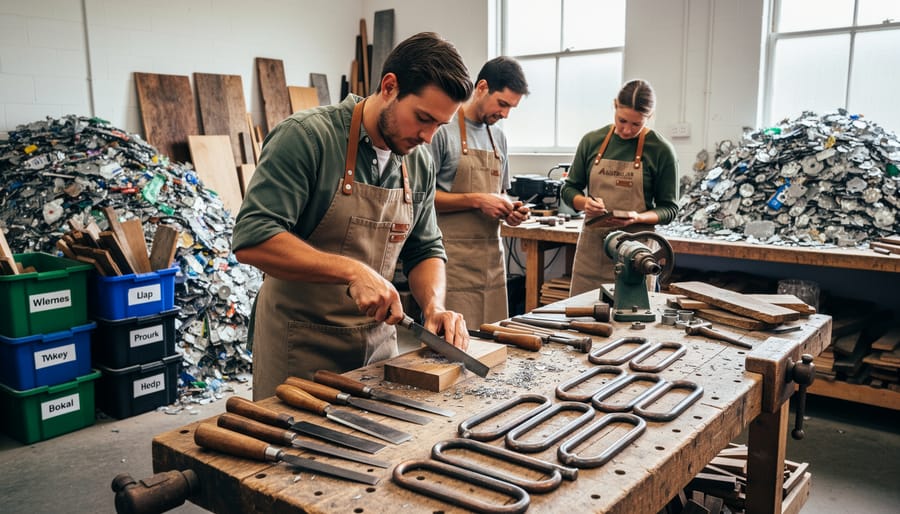
In the Northern Rivers region of New South Wales, a collective of timber workers has established a material-sharing network, salvaging hardwood from demolished homes and repurposing it into stunning custom handles. What started as three makers sharing workshop space has grown into a community of twelve artisans who coordinate salvage opportunities, share resources, and mentor emerging craftspeople in sustainable practices. Their approach demonstrates how collaboration can reduce waste while strengthening local creative economies.
Meanwhile, Melbourne’s inner suburbs have seen the emergence of several small-scale foundries specializing in recycled metal hardware. One workshop operates on a particularly innovative model: accepting old brass door handles, locks, and other metal fixtures from renovation projects, then melting them down to create new custom pieces. Customers can even provide their own scrap metal, transforming sentimental materials—perhaps brass fittings from a grandparent’s home—into contemporary door handles that carry family history forward.
In South Australia, a maker cooperative has pioneered an apprenticeship program teaching sustainable metalworking techniques to young people, with particular focus on First Nations design principles that emphasize resourcefulness and connection to place. Their workshops teach everything from traditional bronze casting using recycled materials to finishing techniques that avoid toxic chemicals.
What unites these diverse initiatives is a shared commitment to transparency. These craftspeople openly discuss their material sources, energy use, and pricing structures, helping customers understand the true value of sustainable choices. They’re also active on social media, sharing behind-the-scenes glimpses of their processes and building community around mindful consumption.
This growing movement shows that choosing sustainable custom door handles isn’t just about individual purchases—it’s about supporting a network of makers who are reshaping Australian manufacturing for a more thoughtful future.
Choosing Your Sustainable Custom Handle: A Practical Approach
Questions to Ask Your Supplier
Before you commit to purchasing, having an open conversation with your supplier helps ensure you’re making a genuinely sustainable choice. Start by asking about material origin: “Where do your materials come from, and can you verify their sustainability credentials?” Many Australian suppliers are proud to share stories about locally sourced recycled brass or responsibly harvested timber.
Dig deeper into manufacturing processes by asking: “What steps do you take to minimize environmental impact during production?” Look for suppliers using renewable energy, water-saving techniques, or local manufacturing that reduces transport emissions.
Certifications matter, so enquire: “Do you hold environmental certifications or third-party verification?” While not every small Australian maker has formal accreditation, they should demonstrate transparent practices.
Don’t forget the full lifecycle. Ask: “What happens to the handles at end-of-life? Can they be recycled or returned?” The best suppliers design for circularity, ensuring your handles won’t end up in landfill.
Finally, connect with your values: “How does your business support Australian sustainability initiatives?” Many local suppliers contribute to community environmental projects or partner with conservation groups. These conversations build trust and help you find suppliers who share your commitment to protecting our environment while supporting Australian innovation.
Balancing Aesthetics, Function, and Sustainability
There’s a common misconception that choosing sustainable materials means compromising on style or durability, but Australian makers are proving this simply isn’t true. Today’s eco-friendly door handles seamlessly blend environmental responsibility with stunning design and robust functionality perfectly suited to our climate.
Recycled brass and aluminium handles can be finished to complement any architectural style, from coastal contemporary to classic Queenslander. These materials actually perform exceptionally well in Australian conditions, resisting corrosion from salt air and withstanding our intense UV exposure. Local artisans craft pieces that match the character of heritage homes while meeting modern building standards.
Sustainable timber handles sourced from certified Australian forests bring warmth and uniqueness to entrances, with natural oils providing weather protection without toxic chemicals. The beauty lies in each piece being distinct, telling a story of place and craftsmanship.
For those concerned about longevity, sustainable materials often outlast mass-produced alternatives. Quality recycled metals and responsibly sourced timber are built to last decades, not years. When you choose handles designed for disassembly and repair rather than disposal, you’re investing in lasting beauty that reduces waste while enhancing your home’s character. Australian designers understand our aesthetic preferences and environmental challenges, creating solutions that honour both.
The True Cost Equation
Let’s be honest about the investment. Sustainable custom front door handles typically carry a higher price tag upfront, and there’s good reason for this. When Australian craftspeople use reclaimed materials or responsibly sourced metals, they’re paying for ethical supply chains and quality materials that haven’t cut environmental corners.
Here’s the encouraging part: you’re not just buying a door handle. You’re investing in a piece that’s built to last decades, not years. Traditional mass-produced handles often need replacing within 5-10 years due to corrosion or breakage, especially in our harsh Australian climate. Quality sustainable handles, properly finished and crafted, can serve your home for 20-30 years or more.
The true cost equation includes what you save on replacements, the reduced environmental impact of not contributing to landfill waste, and the satisfaction of supporting local Australian makers who are doing things right. Consider it this way: spending an extra $100-200 now could save you several replacements over your home’s lifetime, while reducing your carbon footprint. Many Australian families find that investing in sustainable custom handles actually works out more economical when you factor in longevity, not to mention the pride of choosing something unique and meaningful for your home’s entrance.
Installation and Long-Term Care for Maximum Longevity
Proper installation and ongoing care are your sustainable handles’ best friends when it comes to longevity. Think of it as nurturing a relationship – a little attention now saves you from heartbreak (and unnecessary replacements) later.
Start with professional installation. While it might be tempting to DIY, correctly fitted handles experience less stress and wear, particularly important given our harsh Australian conditions. Ensure mounting hardware is appropriate for your door material and that handles sit flush without forcing.
Australia’s diverse climate zones demand tailored care approaches. For coastal communities battling salt spray, rinse your handles monthly with fresh water and apply a protective wax designed for your material – brass and bronze especially benefit from this barrier. In our scorching inland regions where UV intensity peaks, consider applying UV-resistant sealants to timber and composite handles to prevent degradation.
Regular cleaning is surprisingly simple. Use mild, pH-neutral soap and warm water rather than harsh chemicals that can damage protective finishes or break down sustainable materials prematurely. A soft microfiber cloth prevents scratching while removing dirt and grime that cause gradual wear.
Inspect your handles seasonally – checking for loose screws, worn components, or finish deterioration. Tightening a screw today prevents complete mechanism failure tomorrow. Many Australian manufacturers offer replacement parts, extending your handle’s life far beyond conventional alternatives.
By investing just minutes monthly in maintenance, you’re maximizing your environmental impact. Each additional year your sustainable handles remain functional means fewer resources extracted, less manufacturing energy consumed, and reduced landfill contribution – exactly the lasting change our communities need.
Your front door is more than an entry point—it’s a daily declaration of your values. Every time you reach for that handle, you’re either reinforcing a throwaway culture or championing a more thoughtful approach to our shared environment. The choices we make with something as seemingly small as door hardware ripple outward, influencing manufacturers, inspiring neighbours, and contributing to the growing movement of Australians committed to living more sustainably.
By choosing sustainable custom front door handles, you’re joining a community of conscious decision-makers who understand that transformation happens one choice at a time. When you select recycled materials, support local Australian artisans, or invest in durability over disposability, you’re casting a vote for the future you want to see. These decisions matter, particularly as we face the pressing environmental challenges unique to our sunburnt country.
As you continue your journey toward a more sustainable home, let this be just the beginning. Consider how the principles that guided your hardware selection—durability, ethical sourcing, local production, and timeless design—can inform every aspect of your sustainable home improvements. Together, through mindful choices and community action, we’re building not just better homes, but a better Australia.