
Your supply chain tells a story about your business values, and Australian SMEs are discovering that sustainability isn’t just an ethical choice—it’s becoming a competitive necessity. While large corporations dedicate entire departments to greening their operations, small and medium businesses often wonder where to start without the same resources or expertise.
The reality is more encouraging than you might think. Sustainable supply chain management for SMEs doesn’t require a complete operational overhaul or massive capital investment. It’s about making strategic, incremental changes that reduce environmental impact while often improving your bottom line. From Melbourne’s zero-waste cafes rethinking their supplier relationships to Sydney manufacturers switching to local materials, Australian small businesses are proving that sustainability and profitability can work hand-in-hand.
The challenge many SME owners face isn’t commitment—it’s clarity. What does sustainability actually mean for a business with limited staff and tighter budgets? How do you balance environmental responsibility with the day-to-day pressures of keeping operations running smoothly? And perhaps most importantly, where do you find suppliers and partners who share your values without spending weeks on research?
This shift matters now more than ever. Australian consumers increasingly choose brands aligned with their environmental values, and businesses throughout the supply chain are facing growing expectations from customers, investors, and even employees. The SMEs taking action today aren’t just preparing for future regulations or market demands—they’re building resilient operations, strengthening community connections, and discovering cost savings in unexpected places.
The good news? You don’t need to be a sustainability expert to begin. You just need a practical framework and the willingness to start.
What Sustainable Supply Chain Management Really Means for SMEs
Beyond Buzzwords: The Core Components
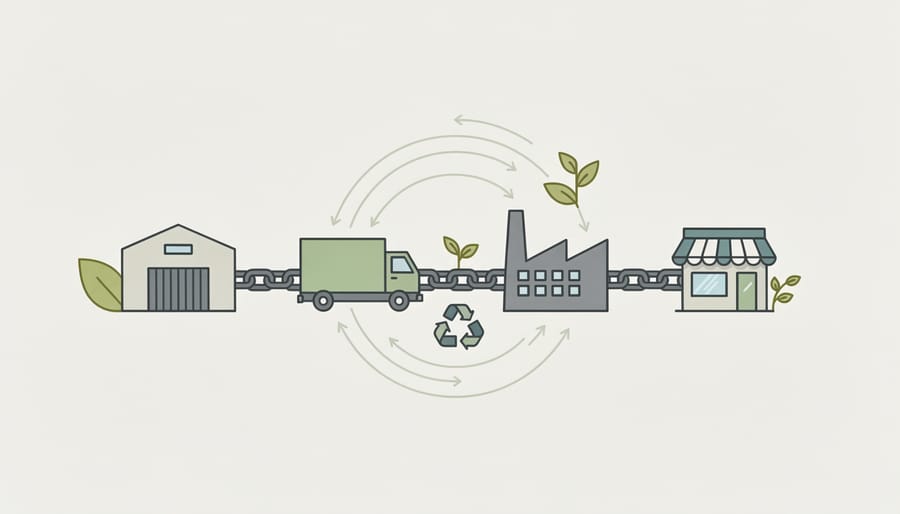
Let’s strip away the corporate speak and get to what sustainable supply chain management actually means for your business. At its heart, it’s about four interconnected elements that work together to create lasting positive change.
Ethical sourcing sits at the foundation. This means knowing where your materials come from and ensuring fair treatment of workers throughout the chain. Melbourne’sOna Coffee, for instance, directly sources beans from farming communities, guaranteeing fair prices and sustainable growing practices. For smaller businesses, this might start with choosing one or two key suppliers who share your values.
Waste reduction transforms how you think about resources. Rather than viewing waste as inevitable, consider it a design flaw waiting to be fixed. This could mean establishing a recycling program in your warehouse, redesigning packaging to use less material, or partnering with other local businesses to repurpose your offcuts. Brisbane’s The Sustainable Salon recovers 95% of salon waste, proving creativity beats waste every time.
Carbon footprint reduction examines your emissions across the entire supply journey. Perth businesses are increasingly choosing local suppliers over overseas options, cutting transport emissions while supporting the Australian economy.
Finally, circular economy principles close the loop. Instead of the traditional take-make-dispose model, products are designed for reuse, repair, or recycling. Sydney’s Upparel collects unwanted textiles and transforms them into new products, demonstrating how waste from one process becomes valuable input for another. These principles aren’t distant ideals; they’re practical strategies Australian businesses are implementing right now.
Why It Matters More Than Ever
Right now, Australian businesses are experiencing a perfect storm of change that’s making sustainable supply chains impossible to ignore. Your customers are voting with their wallets—recent surveys show over 70% of Australian consumers actively seek out brands with transparent environmental credentials, and they’re willing to pay more for them. This isn’t just a passing trend; it’s becoming the baseline expectation.
On the regulatory front, Australia is tightening environmental standards across industries. From modern slavery reporting requirements to extended producer responsibility schemes rolling out across states, the compliance landscape is shifting rapidly. Businesses that get ahead of these changes now will find themselves at a distinct advantage, rather than scrambling to catch up later.
Here’s the exciting part: early adopters within Australia’s business community are already discovering that sustainable supply chains aren’t just about doing good—they’re uncovering genuine competitive advantages. Reduced waste means lower costs. Stronger supplier relationships build resilience. And when you can genuinely tell the story of your sustainable journey, you’re creating something your competitors simply can’t replicate. The businesses thriving tomorrow are the ones making these shifts today.
The Real Benefits Waiting for Your Business
Cost Savings You Can Measure
The financial benefits of sustainable supply chain management are more tangible than many SMEs realise. Australian businesses implementing waste reduction programs typically see cost savings of 15-30% within the first year alone. By conducting a simple waste audit, Melbourne-based café chain Bright Bean identified packaging inefficiencies that were costing them $18,000 annually—money now redirected into local community programs.
Energy efficiency measures deliver equally impressive returns. Simple changes like switching off unused equipment and optimising warehouse lighting can reduce energy bills by 20-40%. Perth logistics company FastTrack Freight invested in energy-efficient vehicles and route optimisation software, cutting fuel costs by $45,000 in their first operating year while reducing delivery times.
Optimised logistics create compound savings. Consolidating shipments, choosing regional suppliers, and implementing reverse logistics programs reduce transport costs while strengthening local business relationships. Brisbane manufacturer EcoDesigns reconfigured their supplier network to prioritise Victorian and Queensland partners, trimming freight expenses by 22% and building resilient community connections that proved invaluable during recent supply disruptions. These aren’t isolated success stories—they’re achievable outcomes for businesses ready to take action.
Building Customer Loyalty That Lasts
Here’s something that might surprise you: 73% of Australian consumers now actively consider a company’s environmental practices before making purchasing decisions, according to recent research by the Australian Packaging Covenant Organisation. That’s not just a statistic—it’s a tremendous opportunity for your business.
When Melbourne-based coffee roaster Axil Coffee made their supply chain transparent, sharing stories about their direct trade relationships and compostable packaging, they didn’t just feel good about it—they saw a 40% increase in customer retention within eighteen months. Their customers became advocates, sharing the brand’s values with friends and family.
This shift in consumer behaviour is particularly strong among younger Australians, with 86% of millennials willing to pay more for products from sustainable sources. But it extends across generations. From Byron Bay to Hobart, communities are rallying behind businesses that demonstrate genuine commitment to environmental responsibility.
The beauty of sustainable supply chain management is that it creates natural talking points with your customers. When you can tell them exactly where your materials come from, how they’re transported, and the positive impact their purchase creates, you’re building connection, not just completing transactions. These customers stick around because they’re part of something bigger—your shared commitment to protecting the Australia we all love.
Reducing Risk and Future-Proofing
Building a sustainable supply chain isn’t just good for the planet—it’s your insurance policy against disruption. Recent floods across Queensland and New South Wales have shown us how vulnerable traditional supply chains can be. By diversifying suppliers locally and choosing partners with strong environmental practices, you’re creating resilience that protects your business when climate events strike.
Here’s the encouraging news: Australia’s regulatory landscape is increasingly supporting this shift. The government’s Climate Active certification and upcoming mandatory climate reporting for larger businesses are creating clearer pathways forward. Getting ahead of these requirements now means you’re future-proofed, not scrambling later.
Start by mapping your supply chain vulnerabilities. Which suppliers operate in climate-risk zones? Could local alternatives reduce transport emissions and provide backup options? Many Australian SMEs are discovering that shorter supply chains often mean faster response times and stronger relationships.
Consider joining industry groups like the Australian Packaging Covenant Organisation, where businesses share resources and solutions. You’re not alone in this journey—there’s a growing community of Australian enterprises building supply chains that can weather both environmental and economic storms. The businesses thriving tomorrow are the ones building climate-resilient partnerships today.
Common Obstacles (And How to Overcome Them)
Working With Limited Resources
You don’t need deep pockets to build a more sustainable supply chain. Many Australian SMEs are proving that thoughtful, incremental changes deliver real impact without breaking the bank.
Start with a phased approach. Melbourne’s Blackbird Bakery began by tackling just one supplier relationship at a time, gradually shifting to local flour mills within a 200-kilometre radius. This reduced transport emissions while cutting costs through shorter delivery runs. The lesson? Pick your lowest-hanging fruit first.
Prioritize changes that offer dual benefits. Switching to packaging suppliers who use recycled materials often costs less than you’d expect, particularly when you factor in waste disposal savings. A Sydney-based cosmetics maker found their transition to locally-sourced recycled containers actually reduced packaging costs by 15 percent while strengthening their brand story.
Leverage free resources already available. Industry associations like the Australian Packaging Covenant Organisation offer complimentary sustainability assessments. Your local council might provide waste audits at no charge, revealing immediate opportunities for improvement.
Consider collaboration over competition. Join forces with neighbouring businesses to negotiate better rates with sustainable suppliers or share transport routes. Perth’s Fremantle Business Improvement District has organized collective purchasing programs that give small retailers access to ethical suppliers they couldn’t afford individually.
Remember, sustainability isn’t an all-or-nothing proposition. Every step forward counts, and starting small builds the momentum and confidence needed for bigger transformations down the track.
Finding the Right Suppliers
Finding the right suppliers who genuinely share your sustainability values is crucial for building an authentic green supply chain. Start by asking potential partners specific questions about their environmental practices: How do they measure and reduce their carbon footprint? What waste management systems do they have in place? Can they provide transparency about their raw material sources?
Look for Australian-recognised certifications that demonstrate real commitment. The Australian Packaging Covenant Organisation (APCO) certification shows dedication to sustainable packaging, while B Corp certification indicates comprehensive social and environmental performance. Climate Active certification confirms carbon neutrality claims, giving you confidence in their environmental credentials.
Don’t hesitate to request sustainability reports or arrange site visits. Many Australian suppliers are proud to showcase their green initiatives, from solar installations to water recycling systems. Consider joining networks like the Australian Sustainable Business Network, where you’ll connect with vetted, like-minded suppliers who understand the local context.
Remember, sustainable partnerships often start small. Perhaps begin with one or two key suppliers who align with your values, then gradually expand your network. This measured approach makes the transition manageable while building meaningful relationships that strengthen your entire supply chain.

Measuring Impact Without Breaking the Bank
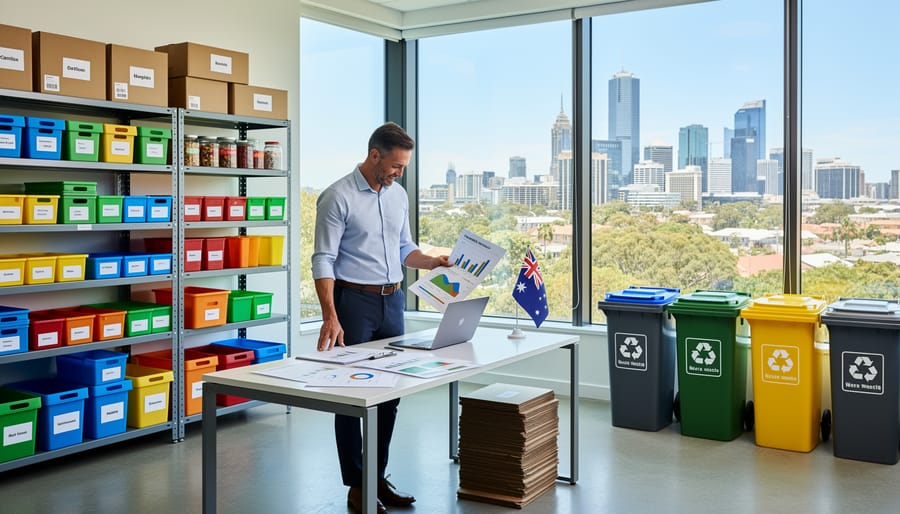
You don’t need fancy software or expensive consultants to track your sustainability progress. Start with what you can measure easily and build from there. Simple spreadsheets work brilliantly for monitoring basics like energy consumption, waste diversion rates, and packaging materials used per order. Many Australian SMEs begin by tracking their utility bills monthly, calculating waste-to-landfill percentages, or counting supplier certifications.
Free tools like the Australian Packaging Covenant Organisation’s resources help you benchmark packaging waste, while your local council often provides free waste audits. Carbon calculators from organisations like the Climate Active network offer straightforward ways to estimate your footprint without complex formulas.
The key is choosing three to five metrics that matter most to your business and tracking them consistently. Melbourne cafe owner Sarah reduced food waste by 40 percent simply by weighing bin contents weekly and adjusting ordering. That’s real impact from a notebook and kitchen scales.
Consider joining industry peer groups or sustainability networks where businesses share their approaches and results. You’ll discover which metrics deliver the most insight for your sector while building connections with like-minded operators facing similar challenges.
Your Step-by-Step Action Plan
Step 1: Map Your Current Supply Chain
Before you can transform your supply chain, you need to understand where you currently stand. Think of this as creating a map of your business’s environmental footprint, and the good news is you don’t need expensive consultants to get started.
Begin with a simple walkthrough of your entire operation, from raw materials to customer delivery. Grab a notebook and track everything: Who are your suppliers? How do products reach you? What packaging do you use? Where does waste end up? Many Melbourne and Sydney businesses have discovered surprising insights just by documenting their daily processes.
Next, identify your hotspots. These are areas where environmental impact is highest, typically around energy use, transportation, and waste. A Brisbane café owner recently discovered that their coffee cup supplier was their biggest sustainability challenge, accounting for 60 percent of their waste stream.
Establish your baseline by measuring what matters most to your business. For some, it’s carbon emissions; for others, water usage or waste tonnage. Start simple with readily available data like electricity bills, fuel receipts, and waste collection invoices. Free tools from organisations like the Australian Packaging Covenant can help you calculate basic metrics.
Remember, you’re not aiming for perfection here. This exercise reveals opportunities and helps you prioritise actions that deliver real impact for your Australian community and bottom line.
Step 2: Set Realistic, Meaningful Goals
Setting sustainability goals isn’t about perfection—it’s about progress that fits your business reality. Start by assessing where you are now. Melbourne-based packaging company BioPak began their journey by simply measuring their current carbon footprint before committing to ambitious targets. This honest baseline gave them a roadmap that actually worked.
Your goals should follow the SMART framework: Specific, Measurable, Achievable, Relevant, and Time-bound. Rather than vague promises like “be more sustainable,” aim for concrete targets such as “reduce packaging waste by 30% within 18 months” or “source 50% of materials locally by 2025.”
Consider your capacity realistically. If you’re a small team, perhaps start with one area—maybe switching to renewable energy or optimizing delivery routes to cut emissions. Sydney’s Thankyou Group grew their social impact gradually, proving that starting small doesn’t mean thinking small.
Align your goals with your values and what matters to your customers. Australian consumers increasingly support businesses that demonstrate genuine environmental commitment. Connect with industry peers through networks like the Australian Packaging Covenant Organisation to benchmark your targets against similar businesses. Remember, every major sustainability transformation started with a single, achievable goal. What will yours be?
Step 3: Start With Quick Wins
Start your sustainability journey by targeting initiatives that deliver visible results without overwhelming your resources. These quick wins build momentum and demonstrate the business case for broader changes ahead.
Begin by auditing your energy usage. Simple switches like LED lighting and smart thermostats can reduce electricity costs by 20-40% within months. Melbourne-based café owner Sarah reduced her quarterly energy bill by $800 just by upgrading equipment and implementing power-down protocols.
Next, tackle waste reduction. Partner with local recycling programs or composting services to divert materials from landfill. Brisbane packaging company EcoPack saved $15,000 annually by redesigning their material handling processes, turning waste into a revenue stream through recycling partnerships.
Consider implementing water conservation practices in your operations. Installing water-efficient fixtures and monitoring usage can deliver immediate savings while demonstrating environmental commitment to customers.
These foundational steps require minimal investment but generate measurable returns quickly. They also engage your team in sustainability thinking, creating champions for larger initiatives down the track. Document your wins and share them with stakeholders to build confidence and support for your evolving sustainable supply chain strategy.
Step 4: Engage Your Team and Partners
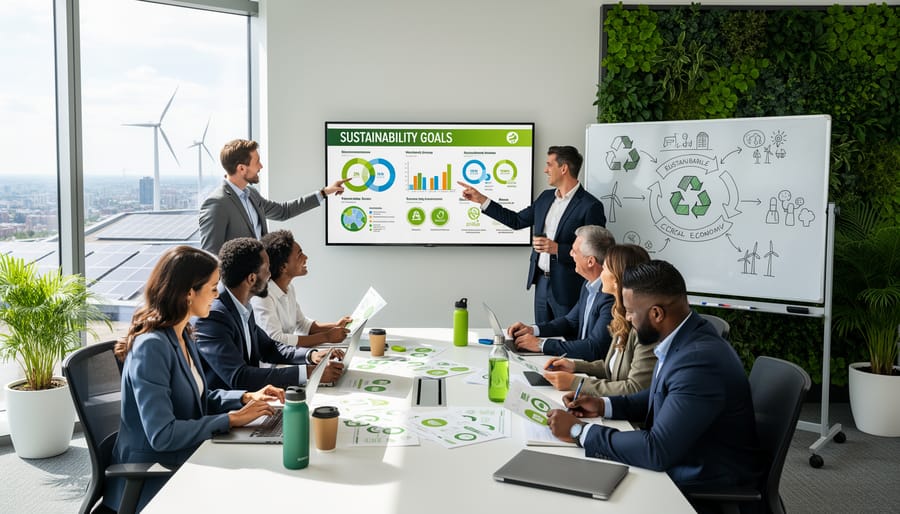
Your sustainability journey isn’t something you can do alone—and that’s actually the beauty of it. Building a sustainable supply chain means creating a movement within your business ecosystem, where everyone from your warehouse team to your key suppliers shares the vision.
Start with transparency. Share your sustainability goals openly with your team and explain why they matter—not just for the planet, but for your business’s future. Melbourne’s Who Gives A Crap built their entire culture around environmental mission, making every team member an advocate. Hold regular check-ins where employees can suggest improvements; often, the best ideas come from those working directly with your processes.
When engaging suppliers, approach conversations as partnerships rather than demands. Many Australian suppliers are already exploring sustainable options but need committed buyers to make the investment worthwhile. Consider organizing quarterly sustainability roundtables where you collaborate on solutions together—perhaps reducing packaging or optimizing delivery routes.
Don’t forget your customers in this conversation. Share your progress through newsletters or social media, celebrating small wins alongside your community. When Brisbane retailer Biome introduced their circular packaging program, customer enthusiasm exceeded expectations because they felt part of something meaningful. Your stakeholders want to champion businesses doing good—give them that opportunity.
Practical Examples From Australian SMEs Leading the Way
Real Australian SMEs are proving that sustainable supply chains aren’t just for big corporations. These businesses show that meaningful change is achievable, regardless of your industry or size.
Take Melbourne-based café group Batch Espresso, which transformed its supply chain by partnering exclusively with local roasters who source directly from certified organic farms. They’ve eliminated single-use cups by offering discounts for reusables and invested in compostable packaging made from Australian sugarcane waste. The result? A 60% reduction in waste to landfill and customers who actively champion their commitment to sustainability. Their approach demonstrates that food service businesses can create ripple effects throughout their supply network.
In regional Queensland, timber supplier Hyne & Son has operated for over 140 years but remains future-focused. They’ve implemented a closed-loop system where every part of sustainably harvested timber gets used, with offcuts becoming biomass fuel for their operations and sawdust transformed into garden products. By choosing to work only with certified sustainable forestry operations and investing in renewable energy, they’ve shown that traditional industries can lead sustainability innovation while maintaining profitability.
Sydney fashion retailer Outland Denim demonstrates how transparency builds trust and business success. They’ve mapped their entire supply chain, ensuring fair wages and safe conditions at every stage while using organic cotton and responsible manufacturing processes. By sharing their journey openly with customers, including the challenges faced, they’ve built a loyal community willing to pay premium prices for ethically made products.
Perth-based cleaning company Ecostore Australia partnered with local manufacturers to create plant-based products in recyclable packaging. They conduct regular audits of supplier practices and prioritise working with businesses that share their environmental values. This careful supplier selection process has resulted in products that genuinely meet sustainability standards while supporting local manufacturing jobs.
These businesses share common threads: they started small, chose suppliers aligned with their values, communicated transparently with customers, and viewed sustainability as an investment rather than a cost. They’ve discovered that Australian consumers increasingly reward businesses making genuine efforts toward sustainability, creating competitive advantages that strengthen over time. Their experiences prove that with commitment and creativity, sustainable supply chains are within reach for SMEs across every sector.
Resources and Support Available in Australia
The good news? You’re not alone on this journey. Australia offers a growing ecosystem of support specifically designed to help SMEs embrace sustainable supply chain practices, and many of these resources are closer than you think.
Start with government-backed initiatives. The Australian Government’s Business Energy Advice Program provides free assessments and tailored recommendations to reduce energy consumption across your operations. The Clean Energy Finance Corporation offers funding solutions for businesses investing in clean energy and efficiency upgrades. Many state governments also run their own schemes—Victoria’s Sustainability Victoria and NSW’s Sustainability Advantage Program both offer free advisory services, networking opportunities, and recognition for environmental achievements.
Industry networks can become your greatest allies. The Sustainable Business Australia network connects like-minded businesses across sectors, offering workshops, peer learning groups, and practical toolkits. The Australian Packaging Covenant Organisation helps businesses meet packaging sustainability targets, while Supply Chain Sustainability School provides free online training tailored to Australian conditions.
Consider pursuing recognized certifications that validate your efforts. The ISO 14001 certification demonstrates environmental management excellence, while B Corporation certification recognizes holistic sustainability performance. Both can strengthen stakeholder confidence and open new market opportunities.
Don’t overlook local community initiatives either. Many regional business chambers now host sustainability working groups where SMEs share challenges, solutions, and supplier recommendations. Indigenous Business Australia supports businesses interested in ethical sourcing from First Nations enterprises, adding cultural value to your supply chain story.
Financial support exists too. The Australian Renewable Energy Agency offers grants for innovative clean energy projects, while numerous banks now provide preferential lending rates for sustainability investments. Your local council may also offer rebates for waste reduction or water efficiency improvements—it’s worth asking what’s available in your area.
The journey toward sustainable supply chain management doesn’t require perfection from day one. What matters most is taking that crucial first step today. Australian SMEs across the country are already proving that meaningful change starts with small, intentional actions—whether that’s switching to a local supplier, conducting your first waste audit, or simply opening conversations with your team about sustainability values.
The urgency is real. Climate impacts are intensifying across Australia, from devastating bushfires to extreme weather events affecting our supply routes and communities. Yet within this challenge lies extraordinary opportunity. Businesses embracing sustainable supply chains are discovering competitive advantages, building resilience, and connecting with the growing number of Australian consumers who vote with their wallets for responsible practices.
You don’t need a massive budget or a dedicated sustainability team to begin. Start where you are, use what you have, and build momentum gradually. Perhaps it’s partnering with one ethical supplier this quarter, or implementing a single circular economy principle in your operations. Each decision creates ripples that extend far beyond your business, strengthening our collective capacity to build a more sustainable Australia.
We’d love to hear about your journey. What challenges are you facing? What wins have you celebrated? Connect with fellow Australian business owners navigating this same path—share your experiences, ask questions, and discover collaborative solutions. Together, we’re not just managing supply chains; we’re shaping the future of Australian business for generations to come.