
Picture this: your backyard flourishing with life while unwanted pests naturally keep their distance, no harsh chemicals required. This isn’t wishful thinking—it’s eco-management, and Australian households and businesses are already embracing this smarter approach to pest control.
Eco-management transforms how we handle pests by working with nature rather than against it. Instead of reaching for chemical sprays at the first sign of an ant trail or cockroach sighting, this approach combines strategic prevention, biological controls, and minimal-impact interventions that protect your family, pets, and the environment simultaneously.
The philosophy is refreshingly straightforward: create conditions where pests struggle to thrive while beneficial insects and wildlife flourish. A Melbourne café recently eliminated their recurring rodent problem by sealing entry points and managing waste differently—no poisons needed. A Sydney school switched to eco-management protocols and saw their termite issues resolve while native bee populations increased in their gardens.
Why does this matter now? Australia’s unique ecosystems face mounting pressure from climate change, habitat loss, and chemical contamination. Every time we choose eco-management over conventional pesticides, we’re protecting waterways from runoff, safeguarding native pollinators, and reducing our collective chemical footprint. The Great Barrier Reef, our bushland, and urban green spaces all benefit from these choices.
Whether you’re managing a commercial property in Perth or protecting your family home in Brisbane, eco-management offers proven strategies that align with Australian conditions and values. This isn’t about perfection—it’s about making progressively better choices that benefit your immediate space and our shared environment. The shift starts with understanding what’s possible, and the results speak for themselves.
What Eco-Management Actually Means for Pest Control
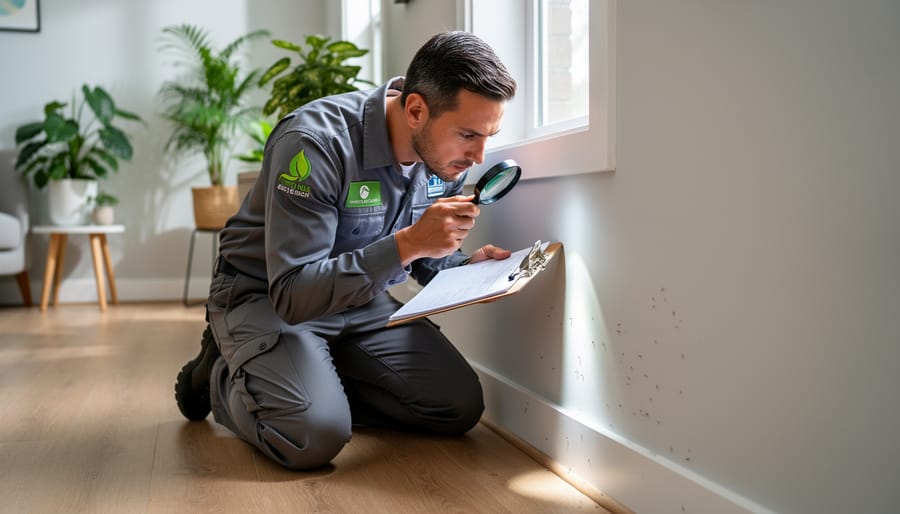
The Philosophy Behind Eco-Management
Traditional pest control operates on a simple premise: see a pest, eliminate it. But eco-management flips this thinking entirely. Instead of waging war against nature, it invites us to become thoughtful participants in the ecological systems already at work in our homes, gardens, and businesses.
At its heart, eco-management recognizes that pests aren’t invaders from nowhere—they’re part of complex webs of life that include predators, prey, and vital ecosystem services. When we understand these relationships, we discover that nature often provides its own solutions. That spider in the corner? It’s managing your fly population. Those native birds in your Australian garden? They’re keeping caterpillar numbers in check.
This approach isn’t about allowing pests to run rampant. Rather, it’s about creating environments where pest populations naturally stay below problematic thresholds. Think of it as maintaining balance rather than achieving total elimination—because in nature, balance is sustainable while elimination often backfires.
Across Australia, forward-thinking communities are embracing this philosophy with remarkable results. By working with natural predator-prey relationships, encouraging beneficial insects, and making strategic habitat modifications, they’re finding that pest problems often resolve themselves. The key shift is moving from reactive chemical treatments to proactive ecosystem thinking—understanding why pests appear and addressing root causes rather than just symptoms. This wisdom, practiced by Indigenous Australians for thousands of years, is finally gaining the recognition it deserves in modern pest management.
Why Traditional Pest Control Falls Short
Traditional pest control methods have long relied on chemical pesticides that, while effective at eliminating pests quickly, come at a significant environmental cost. Across Australia, these heavy-duty chemicals don’t discriminate between target pests and the beneficial insects our ecosystems depend on. Native pollinators like blue-banded bees and butterflies often fall victim to broad-spectrum insecticides, disrupting the delicate balance that keeps our gardens and bushland thriving.
The impact extends far beyond our backyards. When it rains, chemical residues wash into our stormwater systems, eventually reaching rivers, wetlands, and coastal waters. The Murray-Darling Basin and the Great Barrier Reef catchment areas are particularly vulnerable to this agricultural and residential runoff. These toxins accumulate in waterways, affecting native fish, frogs, and platypuses that call these environments home.
There’s also the issue of pest resistance. Over time, insects adapt to chemical treatments, requiring stronger doses or different products in an endless cycle. Meanwhile, families and pets are exposed to these substances in their living spaces. Communities across Australia are recognizing that this reactive, chemical-dependent approach simply isn’t sustainable for our unique environment or our health. It’s time for a smarter solution.
The Building Blocks of Integrated Pest Management
Prevention: Your First Line of Defence
The best pest problem is the one that never happens. Think of prevention like maintaining your garden – a little effort upfront saves you from bigger headaches down the track.
Start by making your property less inviting to unwanted visitors. In Australian homes, this means sealing gaps around doors, windows, and pipework where creatures might enter. Even a gap the width of a pencil is enough for mice or cockroaches to squeeze through. Check your weatherstripping regularly, especially before the cooler months when pests seek warmth indoors.
Water management is crucial in our climate. Fix leaky taps promptly and ensure your garden drainage directs water away from foundations. Standing water attracts mosquitoes, while damp areas near buildings create perfect conditions for termites and silverfish.
Outside, keep vegetation trimmed back from buildings – at least 30 centimetres of clearance helps prevent pests using plants as highways into your home. Store firewood away from structures and elevate it off the ground. In your garden, companion planting works beautifully – native herbs like lemon myrtle and tea tree naturally repel many insects while supporting local biodiversity.
Your rubbish management matters too. Use sealed bins, compost properly, and don’t leave pet food out overnight. These simple habits remove the food sources that draw pests in the first place, creating an environment where they simply won’t thrive.

Monitoring and Identification
Understanding which pest has made itself at home is the foundation of effective eco-management. Think of it like diagnosing an illness – you wouldn’t take antibiotics for a virus, and similarly, you can’t tackle termites the same way you’d address possums. This is where regular monitoring becomes your best ally in protecting your property sustainably.
Australian homes and businesses that embrace routine inspections catch pest activity early, often before populations establish themselves. A monthly walk-through of your property, checking for telltale signs like droppings, damage patterns, or unusual activity, can mean the difference between a minor intervention and a full-blown infestation requiring more intensive treatment.
Many Australian councils now offer free pest identification services, and local environmental groups often run workshops teaching residents to recognise common pests in their region. This community knowledge-sharing approach empowers you to act quickly and appropriately. When you know exactly what you’re dealing with – whether it’s native possums requiring humane exclusion or introduced rodents needing targeted control – you can choose the most environmentally sound solution.
Digital tools and smartphone apps designed for Australian conditions are making identification easier than ever, putting expert knowledge right in your pocket when you spot something suspicious.
Intervention Methods That Work With Nature
Eco-management thrives on working alongside nature’s own pest control systems rather than fighting against them. Here in Australia, we’re seeing remarkable results from these nature-friendly approaches.
Biological controls harness natural predators and beneficial insects to keep pest populations in check. Australian gardeners and farmers are successfully introducing ladybirds to manage aphid outbreaks, while lacewings tackle soft-bodied pests like whiteflies. Native parasitic wasps are becoming popular allies in controlling caterpillar populations without chemical intervention. These living solutions create long-term balance rather than temporary fixes.
Mechanical solutions offer hands-on alternatives that are surprisingly effective. Physical barriers like mesh netting protect vegetables from fruit flies, while copper tape deters slugs and snails without toxins. Pheromone traps attract specific pests using their natural scent signals, targeting only problem species while leaving beneficial insects unharmed.
Low-impact interventions complete the toolkit. Companion planting native Australian plants like marigolds alongside vegetables naturally repels many common pests. Maintaining healthy soil through composting strengthens plant immunity, reducing pest susceptibility from the ground up. Even simple practices like adjusting watering schedules can eliminate moisture-loving pests without any products at all.
These methods require patience and observation, but communities across Australia are proving they deliver sustainable results that protect both our environment and local ecosystems.
Real-World Applications: Eco-Management in Action
In Urban Homes and Gardens
Right across Australian suburbs, from Sydney’s inner west to Perth’s coastal neighbourhoods, homeowners are successfully managing common pests without reaching for chemical sprays. Take the humble ant trail marching across your kitchen bench. Rather than spraying toxins where you prepare food, eco-management starts with understanding why they’re there. Seal entry points with caulk, store food in airtight containers, and use natural deterrents like vinegar solutions or food-grade diatomaceous earth around problem areas.
For cockroaches hiding in dark corners, the eco-approach combines prevention with targeted intervention. Fix leaking taps to remove water sources, eliminate clutter where they breed, and use gel baits strategically rather than broadcast sprays that contaminate entire rooms. Many Australian families now maintain bait stations in cupboards instead of fumigating their homes.
Even huntsman spiders, though beneficial pest controllers themselves, can be relocated outdoors using the classic container-and-cardboard method. Creating habitat diversity in your garden encourages natural predators like skinks and insect-eating birds, establishing a balanced ecosystem that keeps pest populations naturally in check. This community-minded approach protects our families while supporting the native wildlife that makes Australian backyards special.
On Australian Farms and Orchards
Australian farmers are increasingly turning to eco-management strategies that work with nature rather than against it. At vineyards across the Barossa Valley and Margaret River, ladybirds and lacewings are being actively encouraged to control aphid populations, reducing chemical spray reliance by up to 70%. These native beneficial insects are natural predators that establish themselves when farmers provide habitat corridors and reduce broad-spectrum pesticide use.
In Queensland’s macadamia orchards, growers are implementing integrated approaches that combine strategic timing of organic sprays with parasitic wasps to manage nutborer infestations. The results speak for themselves: healthier crops, improved soil quality, and significant cost savings over time.
Citrus farmers in the Riverina have found success with companion planting and pheromone traps, creating ecosystems where pests face natural checks and balances. One Griffith-based operation reduced their chemical inputs by 60% within two seasons while maintaining premium fruit quality.
These aren’t isolated success stories. Across Australia, agricultural communities are sharing knowledge and supporting each other in transitioning to eco-management practices. The shift requires patience and observation, but farmers report that once natural predator populations stabilise, pest management becomes simpler and more reliable than conventional methods.
In Commercial and Community Spaces
Across Australia, forward-thinking organisations are proving that effective pest management and environmental responsibility go hand in hand. Melbourne’s Collingwood Primary School partnered with an eco-management service to eliminate their rat problem using motion-sensor deterrents and habitat modification rather than rodenticides, protecting students and native wildlife alike. The results exceeded expectations, with zero pest incidents over two years.
Brisbane’s popular Greenhouse Canteen demonstrates how restaurants can maintain impeccable health standards while embracing sustainable practices. Their integrated approach combines regular inspections, sealed composting systems, and natural repellents like peppermint oil barriers. The venue pairs these pest control measures with eco-friendly cleaning services, creating a completely green operational model that customers actively celebrate on social media.
Community centres in Western Sydney have adopted similar strategies, using biological controls and exclusion techniques to manage cockroaches and ants without compromising air quality in spaces where children and elderly residents gather daily. These facilities report improved indoor environments and reduced chemical exposure complaints while maintaining full compliance with NSW Health regulations. Their success stories inspire neighbouring businesses to reconsider conventional pest control contracts, proving sustainability and safety aren’t competing priorities.
The Environmental Benefits You Can Measure
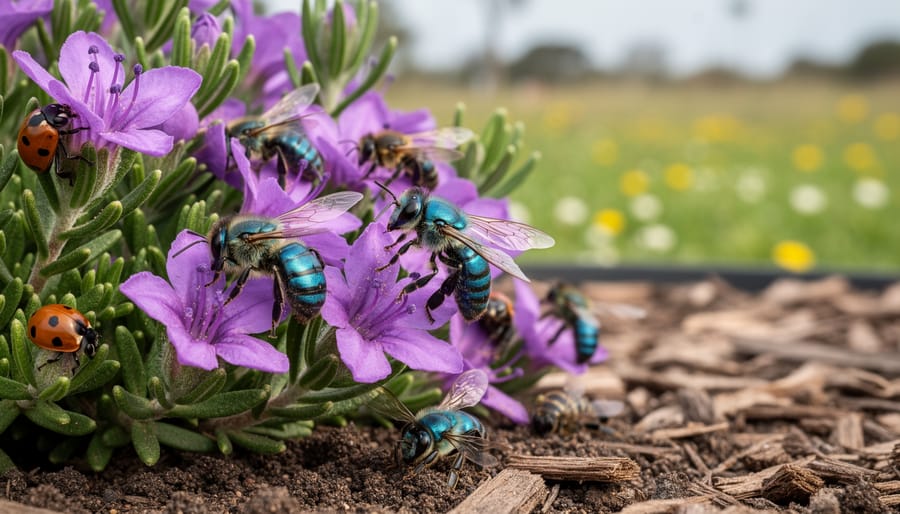
Protecting Native Species and Pollinators
Australia’s biodiversity depends on delicate ecological relationships, and eco-management respects these connections while addressing pest concerns. Unlike broad-spectrum chemical treatments that eliminate everything in their path, targeted eco-management approaches distinguish between harmful pests and the beneficial creatures our ecosystems need to thrive.
Our native blue-banded bees, leafcutter bees, and over 1,600 other native bee species are essential pollinators facing mounting pressures from habitat loss and conventional pest control methods. These remarkable insects pollinate native flora and many food crops through unique techniques like buzz pollination, which introduced honeybees simply cannot perform. Eco-management practices protect these pollinators by using selective treatments applied only where pests congregate, never blanket-spraying entire gardens or properties.
Similarly, Australian native birds like honeyeaters and insectivorous species, along with beneficial insects such as lacewings and parasitic wasps, form nature’s own pest control team. A thriving population of these allies naturally keeps pest numbers in check. Eco-management nurtures this balance by creating habitat corridors, preserving native plantings, and timing interventions to avoid disrupting breeding cycles.
Community gardens across Melbourne and Sydney are already demonstrating this approach’s success, reporting healthier pollinator populations alongside effective pest management. By choosing eco-management, you’re not just controlling pests—you’re becoming a guardian of Australia’s irreplaceable native species for future generations.
Reducing Chemical Runoff in Our Waterways
Every time chemical pesticides wash into our waterways, they’re not just disappearing – they’re travelling downstream to some of Australia’s most precious ecosystems. From suburban drains to the Great Barrier Reef catchment areas, the cumulative impact of conventional pest control is taking a serious toll.
Recent monitoring in Queensland’s reef catchments has detected pesticide residues in over 90% of waterway samples during the wet season. These chemicals don’t break down quickly, and they’re particularly harmful to aquatic insects, fish larvae, and the tiny organisms that form the base of our marine food webs. When we consider that runoff from a single suburban application can contaminate local creeks for weeks, the scale of the problem becomes clear.
Urban waterways face similar challenges. Melbourne’s Yarra River and Sydney’s harbour systems regularly show elevated pesticide levels following routine residential and commercial pest treatments. The impact ripples through entire ecosystems – from frogs and platypus in our rivers to seagrass beds in coastal areas.
Here’s where eco-management makes a tangible difference. By choosing biological controls, targeted applications, and prevention-focused strategies, Australian households and businesses are already reducing chemical loads in our waterways by up to 80%. These practices protect the wildlife we love while maintaining effective pest control – proving we don’t have to choose between a pest-free environment and healthy waterways.
Making the Switch: What to Look For in Eco-Friendly Pest Management Services
Key Questions to Ask Potential Providers
Before committing to an eco-management service, it’s essential to ask the right questions to ensure you’re working with genuinely sustainable green service providers. Start by asking what specific methods they use and whether they prioritise non-toxic solutions. Request details about the products they apply—are they certified organic or approved by Australian environmental standards?
Find out how they’ll monitor pest activity over time. Effective eco-management isn’t a one-off treatment but an ongoing partnership. Ask whether they conduct regular inspections and how they’ll adjust strategies based on seasonal changes or new pest pressures common to your Australian region.
Question their approach to prevention. Do they offer recommendations for structural modifications, landscaping changes, or habitat adjustments that address root causes? A quality provider should educate you, not just treat symptoms.
Don’t hesitate to ask about their experience with Australian native ecosystems and local pest species. Finally, request case studies or references from similar properties in your area. Understanding their track record helps you gauge whether their sustainable approach delivers real results while protecting the environment you care about.
Australian Certifications and Standards
When choosing eco-management services in Australia, look for providers who hold recognised certifications that demonstrate their commitment to sustainable practices. The Australian Environmental Pest Managers Association (AEPMA) sets professional standards for pest controllers nationwide, and many leading companies pursue their EcoSmart Professional certification, which verifies training in integrated pest management and reduced-risk pesticide use.
You’ll also want to check if a provider follows Australian Standards, particularly AS/NZS 3660 for termite management, which now incorporates environmentally responsible treatment methods alongside traditional approaches. These standards ensure your pest issues are resolved without compromising safety or environmental integrity.
For businesses, achieving Green Star certification from the Green Building Council of Australia often requires demonstrating sustainable pest management practices. This creates growing demand for eco-conscious pest control solutions across commercial properties.
The wonderful news is that these certifications aren’t just paperwork—they represent real change in how our industry operates. Companies holding these credentials have invested in training, equipment, and methods that protect Australian ecosystems while keeping your space pest-free. When engaging a pest management service, don’t hesitate to ask about their certifications and what sustainable practices they employ. This conversation helps drive industry-wide improvement and ensures you’re supporting businesses that share your environmental values.
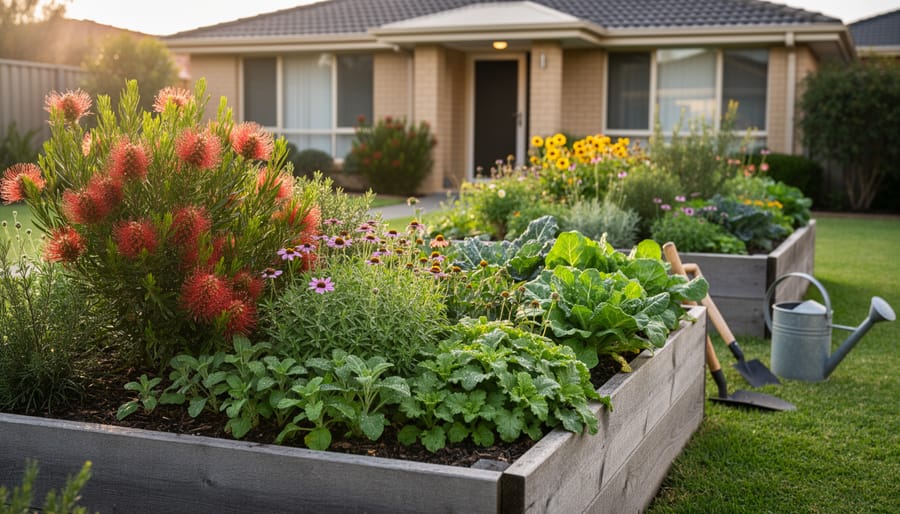
DIY Eco-Management: Steps You Can Take Today
You don’t need a complete overhaul to start making a difference. Small, deliberate actions today can create lasting change in how you manage pests around your home or business. Let’s explore practical steps that work with Australia’s unique environment rather than against it.
Start with prevention, the cornerstone of eco-management. Walk your property and identify entry points where pests might sneak in. Seal cracks around windows and doors with weatherstripping, repair damaged screens, and fill gaps in walls. In Queensland’s humid climate, ensure proper ventilation to prevent moisture buildup that attracts termites and silverfish. Store food in airtight containers and compost responsibly in sealed bins to avoid drawing unwanted visitors.
Next, transform your outdoor spaces into pest-deterring powerhouses. Plant native species like lemon myrtle, lavender, and eucalyptus around entry points. These Australian beauties naturally repel mosquitoes and flies while supporting local biodiversity. Consider creating native ecosystem gardens that attract beneficial insects like ladybirds and lacewings, which feast on aphids and other garden pests. A healthy ecosystem naturally maintains balance without chemical intervention.
Create habitats for natural pest controllers. Install bat boxes to welcome microbats, which devour up to 600 insects per hour. Build a small pond to attract frogs that control mosquito populations. Even a simple log pile provides shelter for blue-tongue lizards, which happily munch on snails and beetles.
For immediate pest issues, try these Australian-friendly solutions. Sprinkle diatomaceous earth around ant trails and entry points. Mix eucalyptus oil with water as a natural spider deterrent. Use beer traps for snails and coffee grounds to repel slugs in your veggie patch.
Join your local Landcare group or community garden to learn region-specific techniques. Perth residents might focus on managing European wasps, while Sydney gardeners tackle fruit fly prevention. Sharing knowledge strengthens our collective impact.
Remember, eco-management is a journey, not a destination. Each small action contributes to healthier ecosystems and reduced chemical dependence. Start with one or two changes this week, and build from there. Your efforts matter, creating ripples that extend far beyond your property boundaries.
The time to embrace eco-management isn’t tomorrow—it’s today. As our understanding of environmental interconnectedness deepens, so does our responsibility to make choices that protect Australia’s unique ecosystems. The encouraging news? You’re not alone in this journey. From suburban backyards in Melbourne to commercial properties in Brisbane, a growing community of Australians is proving that effective pest control and environmental stewardship can coexist beautifully.
Every day, more households and businesses are discovering that eco-management isn’t about sacrifice—it’s about smarter, more sustainable solutions that benefit everyone. The family who switches to native plantings to deter pests naturally, the café owner who partners with an IPM-certified pest controller, the apartment dweller who seals entry points instead of reaching for toxic sprays—these small actions collectively create meaningful change.
Your first step might feel modest, but it matters. Perhaps it’s researching eco-friendly pest control services in your area, or maybe it’s implementing one prevention strategy this weekend like installing door sweeps or removing standing water. Start where you are, with what you have.
Remember, Australia’s environment is counting on us to be mindful custodians. By choosing eco-management approaches, you’re joining a community committed to protecting our incredible biodiversity while maintaining healthy, pest-free spaces. Together, we’re building a more sustainable future—one thoughtful decision at a time. The question isn’t whether to start, but simply: what will your first step be?