
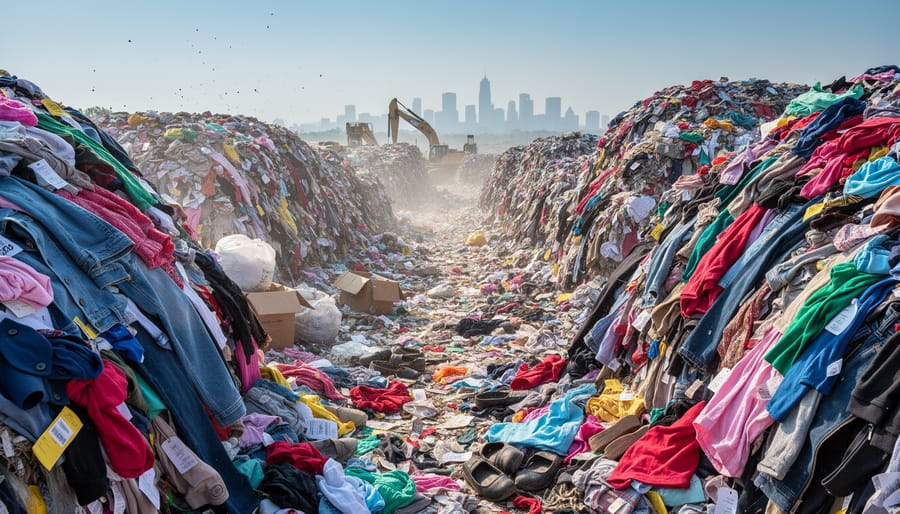
Every Australian throws away approximately 23 kilograms of clothing each year, most of it destined for landfill where synthetic fabrics can take up to 200 years to decompose. This staggering waste represents not just discarded garments, but the embodied water, energy, and resources consumed during production. Yet there’s a powerful countermovement reshaping how we consume, one op shop visit and clothing swap at a time.
Thrift sustainability transforms second-hand shopping from a simple money-saving exercise into genuine environmental action. When you choose pre-loved items over new purchases, you’re actively reducing demand for resource-intensive manufacturing, preventing textile waste from overwhelming our landfills, and challenging the fast fashion industry’s devastating environmental footprint. A single second-hand cotton t-shirt purchase saves approximately 2,700 litres of water compared to buying new.
Across Australia, a vibrant community of conscious consumers is proving that sustainable living doesn’t require sacrifice or expensive eco-alternatives. From Melbourne’s bustling charity shops to Sydney’s weekend markets, thrifting has evolved into a movement that celebrates creativity, individuality, and environmental responsibility. The beauty lies in its accessibility: whether you’re furnishing your first apartment, refreshing your wardrobe, or seeking unique homewares, second-hand options offer environmental benefits without compromising style or quality.
This article explores how strategic thrifting practices can amplify your positive impact, where to find Australia’s best sustainable second-hand treasures, and how to build a genuinely sustainable lifestyle through thoughtful pre-loved purchases.
The Real Environmental Cost of Fast Fashion and New Goods
Water Waste: The Hidden Price Tag
Australia knows water scarcity intimately. Yet few of us realise that producing a single cotton t-shirt consumes approximately 2,700 litres of water – enough for one person to drink for 2.5 years. When we multiply this across the millions of garments manufactured annually, the true cost becomes staggering.
Our sunburnt country, where water restrictions are a familiar summer companion, exports precious water resources through new clothing production. Cotton farming alone accounts for significant agricultural water use, whilst textile dyeing and finishing processes demand even more. In a nation where communities regularly face drought conditions and water conservation remains critical, every new purchase represents an invisible water footprint.
Choosing second-hand clothing and goods eliminates this manufacturing water demand entirely. By embracing thrifting, we’re essentially recycling the water already invested in existing items. This simple shift aligns perfectly with developing waste reduction habits that benefit our environment.
Melbourne’s recent water shortage campaigns and Sydney’s ongoing conservation efforts remind us that every drop counts. When we thrift, we’re not just finding unique treasures – we’re protecting one of Australia’s most precious resources for future generations.
Carbon Footprint of Production vs. Pre-Loved Items
The environmental contrast between new production and pre-loved purchases is striking. Manufacturing a single new cotton t-shirt generates approximately 7 kilograms of carbon emissions and consumes around 2,700 litres of water—enough for one person to drink for two and a half years. When you choose a second-hand t-shirt instead, you’re essentially eliminating these production emissions entirely.
Every time an Australian household extends the life of furniture, clothing, or electronics through second-hand markets, we collectively prevent those items from entering landfill while simultaneously avoiding the carbon-intensive manufacturing process required for replacements. It’s a double environmental win that’s quietly transforming our consumption patterns.
The textile industry alone contributes roughly 10% of global carbon emissions, more than international flights and maritime shipping combined. By participating in Australia’s thriving second-hand economy—from Salvos stores in suburban Melbourne to Facebook Marketplace exchanges in regional Queensland—you’re directly reducing demand for new production.
Consider this: if every Australian purchased just one pre-loved item instead of new this year, we’d collectively save emissions equivalent to taking thousands of cars off our roads. That’s the tangible power of community-driven sustainable choices, and it’s happening right now in op shops and online marketplaces across the country.
How Thrifting Actively Supports Circular Economy Principles
Extending Product Lifecycles: Every Purchase Counts
Every time you choose second-hand, you’re actively preventing perfectly good items from ending up in landfill while reducing demand for new production. In Australia, where we discard approximately 800,000 tonnes of clothing and textiles annually, each pre-loved goods purchase makes a tangible difference.
Consider the Melbourne community group that diverted 3,000 pieces of furniture from landfill in just one year through coordinated thrift swaps. Each dining table, bookshelf, or armchair found a new home instead of contributing to waste. Similarly, Brisbane’s Reverse Garbage cooperative has redirected over 500 tonnes of materials from landfill since 2019, demonstrating how organized second-hand networks multiply impact.
The environmental mathematics are compelling. When you buy a pre-loved jacket, you’re saving the approximately 2,700 litres of water needed to produce a new one. That vintage couch from Vinnies? You’ve just avoided the carbon emissions from manufacturing and shipping a replacement.
Australian thrift communities are proving this works at scale. Sydney’s Tool Library network shows that sharing and borrowing extend product lifecycles beyond individual ownership, with some items serving dozens of households over years. Every purchase, every swap, every borrowed item counts toward a circular economy where products fulfill their intended lifespan rather than becoming premature waste.
Supporting Local Charity and Community Organisations
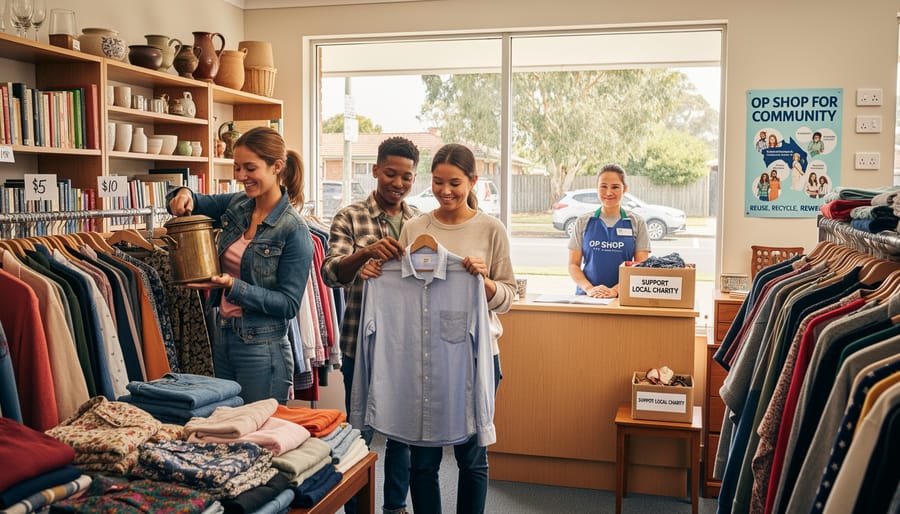
When you purchase from Australian op-shops and charity retailers, you’re creating ripples of positive change that extend far beyond the environmental benefits. Organizations like Salvos, Vinnies, Anglicare, and the Smith Family operate thousands of stores across Australia, transforming your second-hand purchases into vital community support programs.
Every item you buy from these charity retailers directly funds essential services. Salvos alone supports over 1,000 social programs nationally, including crisis accommodation, employment training, and financial counseling. Vinnies operates similar initiatives, from youth homelessness services to migrant support programs. Your thrifted winter coat or pre-loved dining table becomes someone’s pathway to stable housing or job readiness training.
These organizations also create meaningful employment opportunities for people facing barriers to traditional work. Many op-shops employ individuals from diverse backgrounds, offering flexible roles that accommodate different abilities and circumstances. By shopping locally at your neighborhood charity store, you’re supporting jobs in your own community while keeping money circulating within Australia.
The collective impact is remarkable. Australian charity retailers divert hundreds of thousands of tonnes of textiles and household goods from landfill annually whilst simultaneously addressing social inequity. This dual benefit demonstrates how thrift sustainability creates interconnected solutions, where your conscious purchasing choices simultaneously protect the environment and strengthen the social fabric of Australian communities.
Sustainable Second-Hand Strategies for Maximum Impact
The Mindful Thrifter’s Approach
Walking into an op shop with intention transforms thrifting from simple bargain-hunting into a powerful sustainability practice. The truth is, even second-hand shopping can contribute to overconsumption if we’re not mindful about our choices.
Before you step through those doors, pause and assess what you genuinely need. Create a list of specific items rather than browsing aimlessly. This focused approach prevents impulse purchases that end up forgotten in your wardrobe or cupboard. Ask yourself: will I use this item regularly for at least the next year? Does it fill a real gap in my life, or am I just drawn to the low price tag?
Quality matters enormously in thrift settings. Examine items carefully for durability, checking seams, zippers, and fabric condition. A well-made piece that lasts five years beats five cheap items that fall apart quickly, even when purchased second-hand.
Many Australian thrifters have embraced the “one in, one out” rule, donating an item whenever they acquire something new. This mindful practice maintains balance and ensures your sustainable choices don’t inadvertently become clutter. Remember, the most sustainable item is often the one you already own, so thrift with purpose and let quality guide your selections.
Quality Assessment: Making Items Last
Not every pre-loved item offers equal longevity, but learning to spot quality pieces transforms thrifting from hit-or-miss into strategic sustainability. When browsing op shops across Australia, start with the fabric test for clothing. Natural fibres like cotton, linen, and wool typically outlast synthetics and feel substantial when bunched in your hand. Check seams by gently tugging—quality garments have tight, even stitching that won’t unravel after a few washes.
For furniture and homewares, solid wood beats particle board every time. Lift pieces to gauge weight—heavier generally signals better construction. Don’t shy away from items needing minor repairs. A wobbly chair leg can be regained, scratched timber refinished, and missing buttons replaced. These small fixes extend an item’s life by decades whilst keeping perfectly good materials from landfill.
Melbourne’s Repair Cafes and similar community initiatives across Sydney, Brisbane, and regional centres offer free guidance on mending everything from electronics to textiles. Embracing repair potential means one person’s “worn out” becomes your long-term treasure. Look beyond surface imperfections to the bones of an item—quality construction rewards patience and creativity, turning second-hand shopping into an investment in both your home and our environment.
Where to Thrift in Australia for Sustainability
Australia offers wonderful opportunities to embrace sustainable thrifting, with options suited to every style and budget. Charity shops like Vinnies, Salvos, and Lifeline dot our cities and towns, offering quality pre-loved items while supporting community programs. Your purchase helps fund homelessness services, mental health support, and other vital initiatives.
Online marketplaces have revolutionised second-hand shopping across our vast country. Facebook Marketplace and Gumtree connect you with local sellers, reducing transport emissions and letting you inspect items before purchasing. These platforms are particularly brilliant for furniture and homewares that might otherwise end up in landfill.
For those seeking curated vintage finds, independent stores in neighbourhoods like Newtown in Sydney, Fitzroy in Melbourne, and West End in Brisbane showcase unique pieces with character and history. Many also stock local sustainable brands alongside vintage treasures.
Community clothing swaps and swap meets are flourishing nationwide, creating spaces where Australians can refresh their wardrobes without spending a cent. Check local council websites and community noticeboards for events near you. Some libraries even host regular swap days, making sustainable fashion accessible to everyone while strengthening neighbourhood connections.
Beyond Clothing: Expanding Your Thrift Sustainability Practice
Furnishing Your Home Sustainably
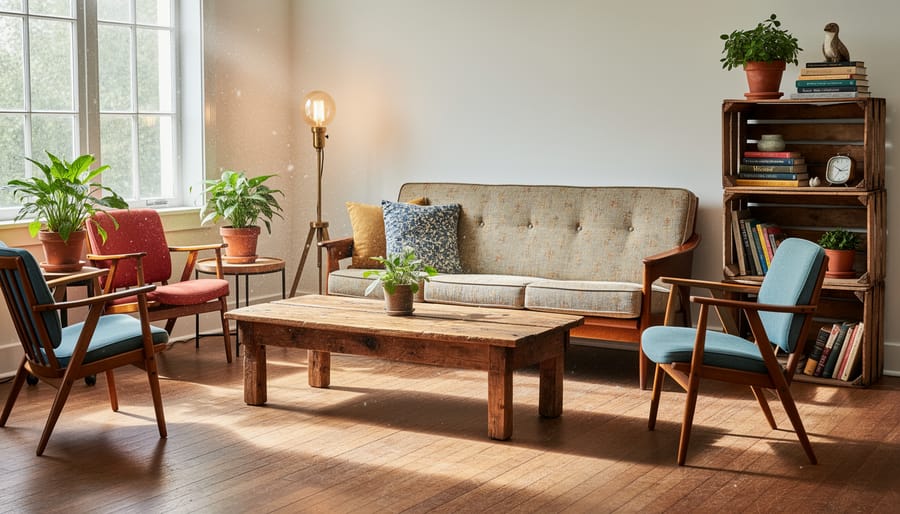
Transforming your living space doesn’t require buying new furniture that adds to Australia’s growing waste problem. Second-hand furniture markets are thriving across the country, from Melbourne’s vibrant Salvage Yard to Sydney’s weekend garage sales and Brisbane’s online marketplaces. These spaces offer character-rich pieces at a fraction of retail prices while keeping perfectly good furniture out of landfill.
The beauty of pre-loved furniture lies in its restoration potential. That dated timber dresser can become a stunning feature piece with some sanding and natural oil. Local councils across Australia often run workshops teaching basic furniture restoration skills, creating opportunities to connect with fellow sustainability enthusiasts in your community. Facebook Marketplace, Gumtree, and dedicated groups like Buy Nothing Project have made finding second-hand treasures easier than ever.
When you choose pre-loved furniture, you’re not just saving money – you’re preventing the environmental cost of manufacturing new items, from timber harvesting to transportation emissions. Each restored piece tells a story and adds unique character impossible to replicate with mass-produced alternatives. By furnishing sustainably, you’re creating a home that reflects both your values and your community’s commitment to reducing waste.
Electronics and Books: Keeping Resources Circulating
The circular economy extends beautifully into our digital and literary lives. Australia’s growing market for refurbished electronics offers a practical alternative to purchasing new devices, with retailers like Reebelo and The Green Conspiracy providing quality-checked smartphones, laptops, and tablets at competitive prices. These businesses often include warranties, making sustainable choices accessible and reliable.
Second-hand bookshops remain treasured community hubs across Australian suburbs and towns, from Better Read Than Dead in Sydney to Readings in Melbourne. These spaces keep stories circulating while reducing the environmental impact of new book production. Many also operate book-swap schemes, creating continuous exchange without money changing hands.
Public library systems have evolved beyond simple borrowing into comprehensive resource-sharing networks. Most Australian libraries now lend games, musical instruments, gardening tools, and even artworks through programs like the Library of Things. These initiatives demonstrate how community-based sharing systems can dramatically reduce consumption while strengthening local connections. By choosing pre-loved electronics and borrowed books, we’re participating in a vibrant culture of reuse that benefits both our environment and our communities.
Closing the Loop: Donating and Reselling Responsibly
Sustainable thrifting isn’t just about what you bring home—it’s equally about how you pass on items responsibly when you’re ready to let them go. Creating a truly circular wardrobe means ensuring your pre-loved pieces continue their journey rather than ending up in landfill.
Before donating, take time to prepare your items properly. Clean and repair everything you can—op shops across Australia report that up to 30% of donations arrive unusable and destined for textile waste. A missing button or small tear can often be fixed in minutes, dramatically increasing an item’s chance of resale. Check with your local charity shops about their specific needs; organisations like Vinnies and Salvos often publish wish lists and items they can’t accept.
Online reselling platforms have revolutionised how Australians circulate clothing. Facebook Marketplace, Depop, and local buy-swap-sell groups offer opportunities to rehome quality pieces while earning back some value. These platforms work particularly well for designer items, vintage finds, or pieces in excellent condition that might get lost in donation bins. Write honest descriptions and include measurements—transparency builds trust and ensures items find the right new homes.
Community clothing swaps have gained momentum in Australian suburbs and workplaces, creating social events around sustainable fashion. These gatherings let you refresh your wardrobe without any environmental cost while connecting with like-minded locals. Many councils and community centres now host regular swap events, or you could organise one within your friendship circle or neighbourhood.
The key is treating your unwanted items as valuable resources, not rubbish. Every piece that successfully finds a new owner represents avoided textile waste and reduced demand for new production, closing the loop on sustainable fashion.
Every pre-loved jacket you choose over a new one, each op-shop book that finds a second reader, and every vintage find that replaces a fast-fashion purchase creates ripples of positive environmental change across Australia. Thrift sustainability isn’t just about reducing waste – it’s about joining a growing movement of Australians who understand that our individual choices collectively reshape our environmental future.
Starting your thrift sustainability journey doesn’t require a complete lifestyle overhaul. Begin with one category – perhaps clothing or homewares – and commit to checking second-hand options first. Visit your local charity shops regularly, explore online marketplaces, and connect with community swap groups in your area. As you build confidence and discover the joy of pre-loved treasures, you’ll naturally expand your sustainable practices.
The real power of thrift sustainability lies in its ability to create community connections while protecting our environment. Share your finds with friends, introduce family members to your favorite op-shops, and celebrate the stories behind each second-hand item. Your choices demonstrate that sustainable living isn’t about sacrifice – it’s about discovering abundance in what already exists.
Together, we’re building a more sustainable Australia, one thoughtful purchase at a time. Your thrifting journey starts today.