
Every recycling bin in Australia tells only part of the sustainability story. Beyond the yellow-lidded familiar sits an innovative approach transforming how communities handle waste: k-cycle recycling programs. These circular economy initiatives extend beyond traditional single-stream recycling, creating closed-loop systems where materials cycle through multiple uses before ever reaching landfill.
K-cycle programs operate on a fundamental principle: waste is simply a resource in the wrong place. Rather than following the linear take-make-dispose model, these systems establish partnerships between households, businesses, and processing facilities to keep materials in productive use. Picture a coffee cup that becomes another coffee cup, then garden mulch, then compost enriching soil for new coffee plants. That’s k-cycle thinking in action.
Across Australian communities, from suburban Melbourne to regional Queensland, k-cycle initiatives are gaining momentum. They’re addressing a pressing reality: our landfills are reaching capacity, and conventional recycling faces mounting challenges with contamination and market volatility. By designing systems where each material completes multiple cycles of use, we’re not just reducing waste but fundamentally reimagining our relationship with resources.
For environmentally conscious Australians, understanding k-cycle programs means discovering practical pathways to deeper sustainability. Whether you’re a household looking to minimize your environmental footprint or a business seeking competitive advantage through circular practices, k-cycle recycling offers tangible solutions backed by growing community participation. The question isn’t whether to join this movement, but how quickly we can make it standard practice nationwide.
What Makes K-Cycle Recycling Different from Traditional Programs
The Science Behind Multi-Cycle Recovery
K-cycle recycling programs operate on a sophisticated tracking system that follows materials through multiple use cycles, ensuring each item reaches its full potential before final disposal. Think of it like a passport for your recyclables – each material carries a digital or physical identifier that records its journey from virgin product through various reincarnations.
Here’s how it works in practice: when you drop off a glass bottle at a participating collection point in Melbourne or Perth, it enters a database. That bottle might become another container in its first cycle, then transform into glass aggregate for road surfaces in cycle two, and eventually become construction fill in cycle three. Australian facilities use advanced sorting technology and material testing to determine which cycle stage each item has reached.
Material degradation is the crucial factor here. Each recycling cycle typically reduces material quality – plastics lose structural integrity, paper fibres shorten, and metals can accumulate impurities. K-cycle programs monitor these changes carefully. For instance, Australian recyclers know that high-density polyethylene from milk bottles can typically withstand four to five quality cycles before requiring downcycling into lower-grade applications like garden furniture or bollards.
Quality maintenance relies on strategic blending – mixing recycled materials with virgin stock or upgrading through chemical processes. This scientific approach ensures that your recycled contributions genuinely reduce waste while maintaining product standards that Australian consumers and businesses can trust.
Why Single-Stream Recycling Isn’t Enough Anymore
For decades, Australians have trusted that tossing everything into the yellow bin would magically transform waste into new products. The reality? Our traditional single-stream recycling systems are struggling. When paper, plastics, glass, and metals mix together, contamination rates can soar beyond 25%, meaning a quarter of what we carefully sort ends up in landfill anyway.
The problems run deeper than most realize. A greasy pizza box can contaminate an entire batch of recyclable paper. Soft plastics jam sorting machinery. Different plastic types melted together create unusable material. These contamination issues cost Australian councils millions annually and undermine our best intentions.
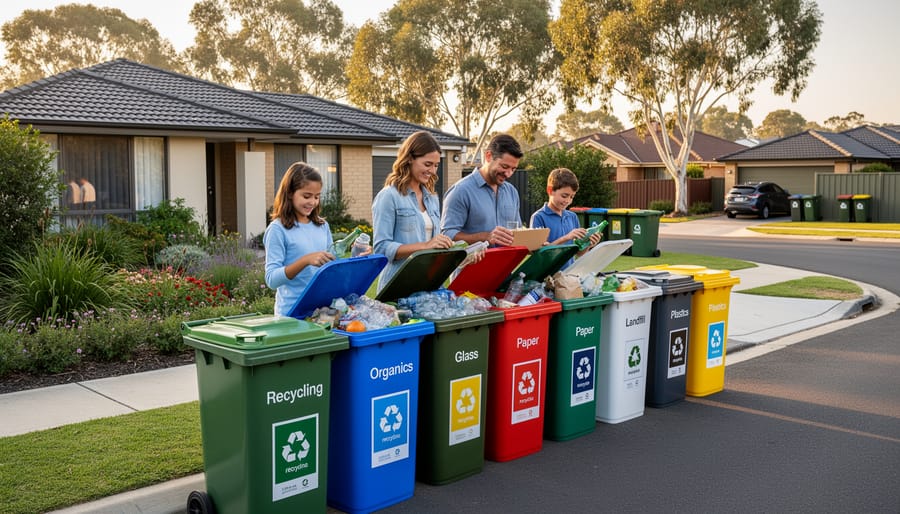
K-cycle programs tackle these challenges head-on by separating materials at the source. Rather than mixing everything together, participants sort waste into specific categories—think dedicated streams for particular plastics, clean paper, metals, and organics. This targeted approach dramatically reduces contamination, sometimes to below 5%, making materials genuinely valuable to recyclers.
Local councils and businesses that establish a recycling program using k-cycle principles are seeing remarkable results. Materials maintain their quality, processing becomes more efficient, and more waste actually gets recycled rather than merely collected. It’s about working smarter, not just harder, for our environment.
How K-Cycle Programs Work in Australian Communities
The Journey of Your Recyclables Through Multiple Cycles
Understanding how your recyclables journey through multiple cycles helps illuminate why k-cycle programs are revolutionizing waste management across Australia. Let’s follow a plastic bottle from your yellow bin through its transformative adventure.
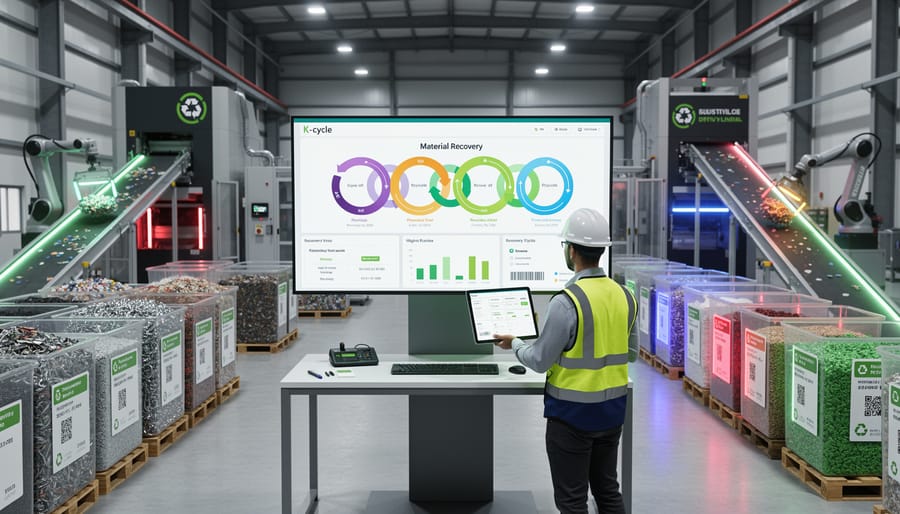
When you place that bottle in your recycling bin, it begins cycle one. Collection trucks transport it to a Materials Recovery Facility (MRF), where the real magic begins. Here, sophisticated optical scanners identify the plastic type while mechanical sorters separate it from paper, glass, and metals. Workers on sorting lines capture items the machines miss, ensuring quality control that’s critical for successful reprocessing.
Once sorted, your bottle enters cycle two: processing. Bales of similar plastics travel to reprocessing facilities where they’re shredded into flakes, washed to remove labels and contaminants, then melted and reformed into pellets. These pellets become the raw material for manufacturing new products. In traditional recycling, this might be the end of the story, but k-cycle programs think bigger.
Cycle three introduces the innovation. Instead of becoming a single-use item again, the material is tracked and designed for continued recovery. Your bottle might transform into a park bench engineered for easy disassembly. When that bench eventually reaches end-of-life, it enters cycle four, returning to the facility where components are separated and reprocessed again.
Australian k-cycle initiatives are pioneering closed-loop systems where materials circulate five, six, even seven times before quality degradation occurs. Companies like Remondis and ResourceCo are partnering with manufacturers to create products specifically designed for multiple lives, keeping valuable materials in productive use rather than becoming waste.
This circular approach reduces virgin resource extraction, cuts carbon emissions from manufacturing, and builds resilient local economies around material stewardship rather than disposal.
Real Australian Success Stories
Across Australia, forward-thinking councils and businesses are proving that k-cycle programs deliver real results. The City of Port Phillip in Victoria partnered with local coffee shops to implement a comprehensive organic waste k-cycle program, diverting over 300 tonnes of coffee grounds and food scraps from landfill in just 12 months. These materials now nourish community gardens and urban farms, creating nutrient-rich compost that’s distributed free to residents.
In Queensland, the Sunshine Coast Council’s k-cycle initiative focuses on electronic waste recovery. Working with 15 local businesses, they’ve established collection points that process old devices, recovering precious metals and plastics for remanufacturing. The program has rescued over 50,000 items from landfill while creating eight new local jobs in the recycling sector.
Melbourne’s hospitality precinct in Collingwood showcases another success story. Twenty-three restaurants collaborated on a glass bottle k-cycle program, partnering with a local manufacturer who transforms collected bottles into decorative tiles and building materials. The measurable impact is impressive: 12 tonnes of glass recycled monthly and a 40% reduction in waste collection costs for participating venues. These stories demonstrate that k-cycle programs aren’t just environmentally sound, they strengthen local economies and build community connections while delivering tangible environmental benefits.
Environmental and Economic Benefits You’ll Actually See
What This Means for Your Community’s Carbon Footprint
K-cycle recycling programs deliver measurable environmental benefits that extend far beyond your household bin. When communities across Australia embrace this circular approach, we collectively prevent thousands of tonnes of waste from entering landfills each year. For every tonne of material properly cycled through k-cycle systems, we reduce greenhouse gas emissions by approximately 2.5 tonnes of CO2 equivalent, making a tangible difference in our national carbon footprint.
These programs align directly with Australia’s commitment to achieving net-zero emissions by 2050. By keeping materials in circulation longer through intentional sorting and processing, we’re cutting the energy-intensive manufacturing processes required for virgin materials. This approach to resource conservation means that participating households can reduce their environmental impact by up to 40% compared to standard recycling methods.
Your involvement matters on a national scale too. Communities with active k-cycle programs have recorded up to 60% diversion rates from landfill, contributing significantly to state-based waste reduction targets. When your neighbourhood commits to k-cycle practices, you’re joining thousands of Australians creating ripple effects that support cleaner waterways, healthier soil systems, and reduced methane emissions from organic waste decomposition.
The Financial Side: Savings That Add Up
Let’s talk about what truly matters to most Australian businesses and households: the bottom line. The K-cycle recycling program isn’t just good for the planet; it’s genuinely good for your wallet too.
When Melbourne-based café chain Daily Grind implemented K-cycle practices across their 12 locations, they cut their waste management costs by 34% within the first year. How? By diverting organic waste from landfill fees and selling recovered materials like cardboard and coffee grounds to composting facilities. That’s real money returning to their business.
Landfill fees across Australia continue rising, with some councils charging upwards of $150 per tonne. K-cycle programs help you avoid these costs by keeping valuable materials in circulation. Think of aluminium cans: recycling just one saves enough energy to power a laptop for three hours, and that aluminium retains nearly 100% of its value when recycled.
For businesses, recovered materials like metals, plastics, and paper can generate actual revenue streams. Community groups running K-cycle initiatives have even funded local projects through material recovery profits. One Sydney neighbourhood collective earned $8,000 last year selling sorted recyclables, which they reinvested into community gardens.
The long-term financial sustainability becomes clear when you consider avoided costs, revenue opportunities, and the competitive advantage of demonstrating genuine environmental stewardship to increasingly eco-conscious Australian consumers.
Getting Started: How to Participate in K-Cycle Programs
For Households: Making the Switch
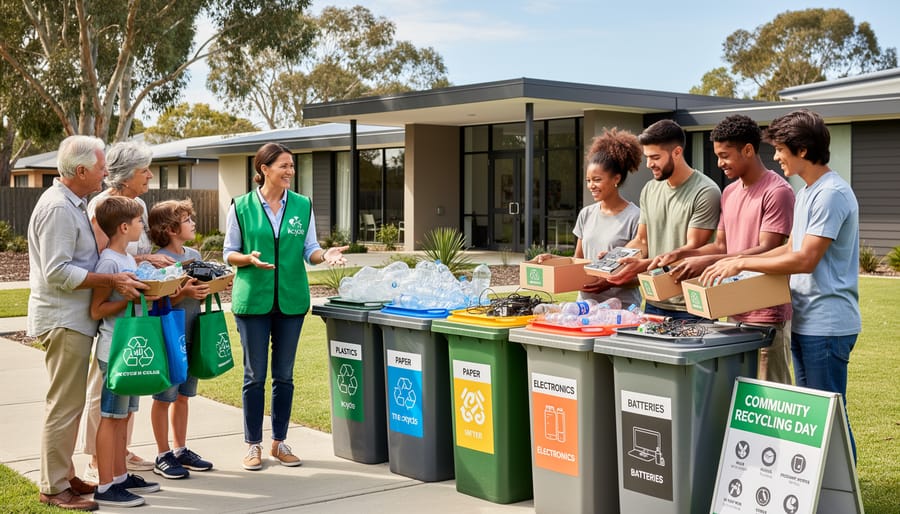
Making the switch to k-cycle recycling at home is simpler than you might think, and your household can make a genuine difference in Australia’s recycling outcomes. Start by checking if your local council has partnered with k-cycle programs, as many communities across Queensland, New South Wales, and Victoria are already on board.
The key to success is understanding the sorting system. K-cycle programs typically categorise waste into specific streams beyond standard recycling, including organic materials, soft plastics, and specialized items like electronics or textiles. Request a sorting guide from your council or program provider, and keep it visible near your bins until the system becomes second nature.
Set up a simple station in your kitchen or laundry with clearly labelled containers for each stream. Many Australian families find that involving kids in the sorting process turns it into an educational opportunity rather than a chore. Pre-rinse containers, remove lids when required, and flatten cardboard to maximize bin space.
To optimize your contribution, reduce contamination by keeping materials dry and clean. Connect with neighbours participating in the program to share tips and hold each other accountable. Remember, every correctly sorted item helps create cleaner recycling streams and supports the circular economy our communities are building together.
For Businesses: Implementing K-Cycle Practices
Australian businesses are discovering that k-cycle recycling programs offer more than environmental benefits—they create opportunities for cost savings and enhanced corporate responsibility. Getting started is simpler than many imagine, and the rewards extend far beyond the bottom line.
Begin by researching local k-cycle service providers in your area. Many councils and private waste management companies now offer specialized k-cycle collection services tailored to business needs. Contact them to discuss your specific waste streams and learn about collection schedules. Companies with environmental management standards often find k-cycle integration aligns perfectly with their existing frameworks.
Employee engagement proves crucial for success. Host interactive workshops where team members learn about k-cycle principles and practice proper sorting techniques. Consider appointing sustainability champions across departments who can answer questions and maintain enthusiasm. Melbourne-based Greenway Solutions found that gamifying their recycling efforts—tracking waste diversion rates and celebrating milestones—boosted participation by 65 percent within three months.
Display clear signage near disposal points showing what belongs in each stream. Remember, consistency matters more than perfection. Start with one waste category, master it, then expand. Your staff will appreciate the gradual approach, and you’ll build a culture where sustainable practices become second nature rather than additional burden.
Challenges and What’s Being Done to Overcome Them
Let’s be honest – while k-cycle programs show tremendous promise, they’re not without their hurdles. Understanding these challenges helps us appreciate the innovative solutions communities across Australia are developing.
Infrastructure remains one of the biggest obstacles. Many regional areas lack the sorting facilities needed to process materials through multiple cycles effectively. In response, councils like those in the Illawarra region have partnered with mobile processing units that travel between communities, bringing k-cycle capabilities to smaller towns. It’s a practical Aussie solution to a widespread problem.
Contamination continues to plague recycling efforts nationwide. When non-recyclables end up in k-cycle bins, entire batches can be rejected. Melbourne’s City of Yarra addressed this by introducing colour-coded bins with clear pictorial guides showing exactly what belongs where. They’ve also launched neighbourhood “contamination champions” – local volunteers who help educate residents about proper sorting. The result? Contamination rates dropped by 34% in just twelve months.
Public awareness presents another significant challenge. Many Australians remain unfamiliar with k-cycle programs and how they differ from traditional recycling. Community education campaigns are proving essential. The Northern Rivers region has pioneered school programs where students become k-cycle ambassadors, teaching their families about circular economy principles through hands-on workshops and take-home resources.
Cost concerns also arise, particularly for smaller councils and businesses. However, innovative funding models are emerging. Some councils have secured grants through the Australian Government’s Recycling Modernisation Fund, while others have formed regional partnerships to share infrastructure costs. Brisbane’s industrial precincts have established co-operative k-cycle hubs where multiple businesses share processing facilities, dramatically reducing individual expenses.
These challenges aren’t insurmountable – they’re opportunities for creative problem-solving that brings communities together around shared environmental goals.
The Future of K-Cycle Recycling in Australia
Australia’s k-cycle recycling landscape is set for exciting transformation as we move toward ambitious environmental targets. With the federal government committed to achieving net-zero emissions by 2050 and an 80% resource recovery rate by 2030, k-cycle programs are positioned to play a crucial role in this journey.
Emerging technologies are already reshaping how we approach these programs. Smart collection systems using artificial intelligence to sort materials more efficiently are being trialled in Melbourne and Sydney, promising to increase recovery rates while reducing contamination. Several Australian councils are exploring blockchain technology to track materials through the entire recycling chain, giving participants unprecedented transparency about where their contributions actually end up.
Policy developments are equally promising. State governments are introducing extended producer responsibility schemes that align perfectly with k-cycle principles, making manufacturers accountable for their products’ entire lifecycle. Victoria’s circular economy strategy, for example, specifically mentions closed-loop systems as a priority area for investment and innovation.
Local communities aren’t waiting for top-down change either. Grassroots k-cycle initiatives are sprouting across regional areas, from coffee cup programs in Cairns to e-waste collection networks in Adelaide. These community-led efforts demonstrate that Australians are ready to embrace more sophisticated recycling approaches.
The prediction? By 2030, k-cycle recycling will shift from niche programs to mainstream practice, supported by improved infrastructure, clearer regulations, and a generation of Australians who view waste fundamentally differently. The future isn’t just about recycling more, it’s about recycling smarter, and k-cycle programs are leading that charge.
The future of waste management in Australia isn’t just about better bins or larger recycling centres—it’s about reimagining our relationship with resources through innovative approaches like k-cycle programs. These systems demonstrate that when communities, businesses, and individuals work together, we can transform the linear “take-make-dispose” model into something truly circular and sustainable.
Your journey toward participation can start today, whether you’re a household looking to reduce waste, a business seeking sustainable operations, or a community advocate championing environmental change. Begin by connecting with local councils to explore existing k-cycle initiatives in your area, or gather neighbours to propose pilot programs that suit your community’s specific needs. Many Australian towns have already discovered that starting small—with organic waste streams or specific material types—creates momentum for broader transformation.
The beauty of k-cycle programs lies in their adaptability and proven results. From reducing landfill contributions to creating local employment and strengthening community bonds, the benefits extend far beyond environmental gains. As more Australians embrace these systems, we’re building a national movement toward genuine sustainability—one neighbourhood, one business, one conscious choice at a time. The question isn’t whether k-cycle programs work, but rather: when will your community join this transformative shift?