
Your dryer vent is silently consuming more energy than necessary while potentially releasing lint particles into the environment and risking fire hazards in your Australian home. Each year, poorly maintained dryer vents waste enough electricity across the country to power thousands of households, contributing unnecessary greenhouse gas emissions to our atmosphere. Yet this overlooked aspect of home maintenance offers one of the simplest pathways to sustainable living.
Regular dryer vent cleaning reduces energy consumption by up to 30%, meaning your appliance works efficiently while lowering both your power bills and carbon footprint. In Australia’s variable climate, from Darwin’s humidity to Melbourne’s damp winters, lint buildup accelerates faster than many homeowners realize, forcing dryers to run longer cycles and consume excessive energy.
The connection between dryer maintenance and environmental responsibility extends beyond energy savings. Blocked vents mean clothes require additional drying time, wearing out fabrics faster and sending more textiles to landfills prematurely. Meanwhile, the accumulated lint itself represents microfiber pollution when it escapes into the atmosphere during venting.
Whether you choose professional eco-friendly services or embrace DIY maintenance using sustainable methods, committing to quarterly dryer vent inspections transforms a routine household task into meaningful climate action. This guide provides Australian-specific strategies that align with our unique conditions, helping you protect your home while contributing to our collective environmental goals. Small actions, multiplied across communities, create the substantial change our continent urgently needs.
The Hidden Environmental Cost of a Clogged Dryer Vent
Energy Waste in Australian Households
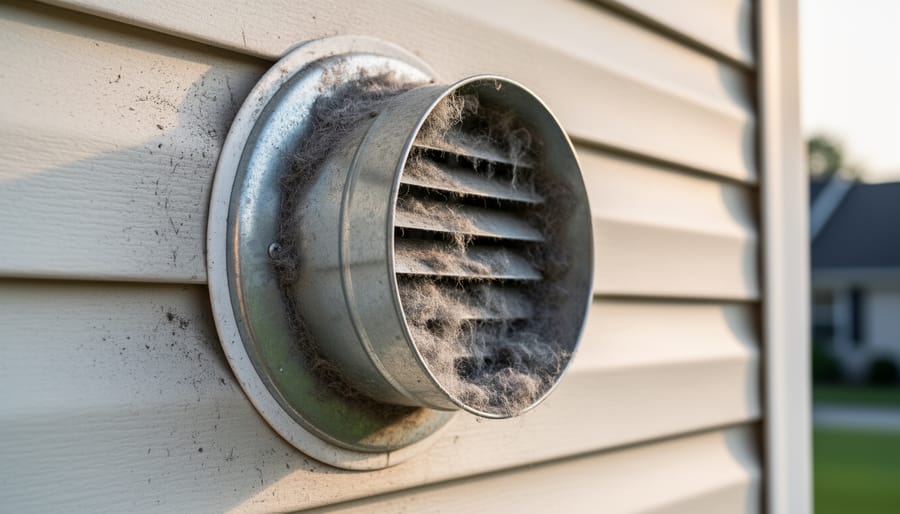
Did you know that poorly maintained dryer vents can increase your energy consumption by up to 30%? Across Australian households, this inefficiency translates to millions of dollars in wasted electricity each year and a significant environmental footprint. When lint builds up in your dryer vent, your appliance works harder and longer to dry clothes, burning through energy unnecessarily.
For the average Australian family, this means an extra $150 to $200 annually on power bills, money that could be better spent elsewhere. Beyond the hip pocket, there’s a broader environmental cost. Those inefficient dryers contribute to increased greenhouse gas emissions, adding pressure to our already strained energy grid. During peak summer months when many Aussie households rely on dryers instead of outdoor drying, this collective waste becomes even more pronounced.
The good news? reducing household energy consumption through proper dryer vent maintenance is one of the simplest steps you can take. Regular cleaning and maintenance not only cuts your energy use but also extends your dryer’s lifespan, keeping appliances out of landfill. It’s a win for your wallet and our environment.
The Carbon Footprint of Lint Build-Up
Here’s something many of us don’t realise: that fluffy layer of lint building up in your dryer isn’t just a fire hazard, it’s quietly driving up Australia’s carbon emissions. When lint clogs your dryer vent, your machine has to work significantly harder to dry each load. Think of it like trying to breathe through a blocked nose – everything requires more effort.
Research shows that a clogged dryer vent can reduce efficiency by up to 30%, meaning your appliance runs longer and consumes more electricity to achieve the same results. In practical terms, if your usual cycle takes 60 minutes, a lint-blocked vent could extend that to 90 minutes or more. That’s 50% more energy per load, and when you consider that the average Australian household does around 5-6 loads weekly, those extra minutes translate into substantial greenhouse gas emissions over a year.
This isn’t about creating guilt – it’s about recognising opportunity. Communities across Australia are discovering that simple maintenance habits can make a real difference. By keeping vents clear, you’re not just protecting your home and reducing electricity bills; you’re actively participating in Australia’s journey toward carbon neutrality, one load of laundry at a time.
How Regular Dryer Vent Maintenance Supports Sustainable Living
Extending Appliance Lifespan and Reducing Waste
Australians discard approximately 140,000 tonnes of electronic waste each year, and household appliances like dryers contribute significantly to this growing problem. Here’s the encouraging news: proper dryer vent maintenance can extend your appliance’s lifespan by several years, keeping it out of landfills and reducing demand for resource-intensive manufacturing.
When lint accumulates in your dryer vent, it forces the appliance to work harder and run hotter. This constant strain wears down heating elements, motors, and electrical components prematurely. Many dryers end up replaced within 5-7 years when they could easily last 10-15 years with regular care. Each dryer that reaches landfill represents wasted raw materials including steel, copper, and plastics, plus the embedded energy used during manufacturing and transport.
Communities across Australia are embracing a “repair and maintain” mindset rather than defaulting to replacement. Local repair cafes in Melbourne, Sydney, and Brisbane report that many dryer issues stem from simple vent blockages rather than mechanical failure. By committing to quarterly vent inspections and annual professional cleaning, you’re actively participating in the circular economy. You’ll save money on premature replacements while reducing manufacturing emissions and resource extraction. This simple maintenance habit transforms your dryer from a disposable appliance into a long-term household investment that aligns with sustainable living values.
Lowering Your Household Energy Consumption
Did you know that a clogged dryer vent can increase your energy consumption by up to 30%? When lint accumulates in your venting system, your dryer works significantly harder to push hot air through, running longer cycles and drawing more electricity from the grid. For Australian households already facing rising energy costs, this unnecessary waste hits both your wallet and our environment.
Regular dryer vent maintenance is one of the simplest yet most overlooked energy-saving practices available to us. A clean, efficient vent allows your dryer to operate at optimal performance, reducing drying times by 25-40% and cutting power usage substantially. Over a year, this translates to meaningful reductions in household emissions and real savings on electricity bills.
As Australia continues advancing toward ambitious renewable energy targets, every kilowatt-hour saved matters. When thousands of households across our communities maintain efficient dryer vents, the collective impact becomes significant. We’re not just reducing individual consumption; we’re easing pressure on our energy infrastructure during peak demand periods, making space for more renewable sources to power our grid. This grassroots approach to energy efficiency demonstrates how small, consistent actions multiply into genuine environmental progress when we work together toward sustainability.
What Sustainable Dryer Vent Maintenance Looks Like
Eco-Friendly Cleaning Methods and Tools
Maintaining your dryer vent doesn’t have to cost the earth. Australian households are increasingly discovering that sustainable cleaning methods not only benefit the environment but often prove more effective and economical than conventional approaches.
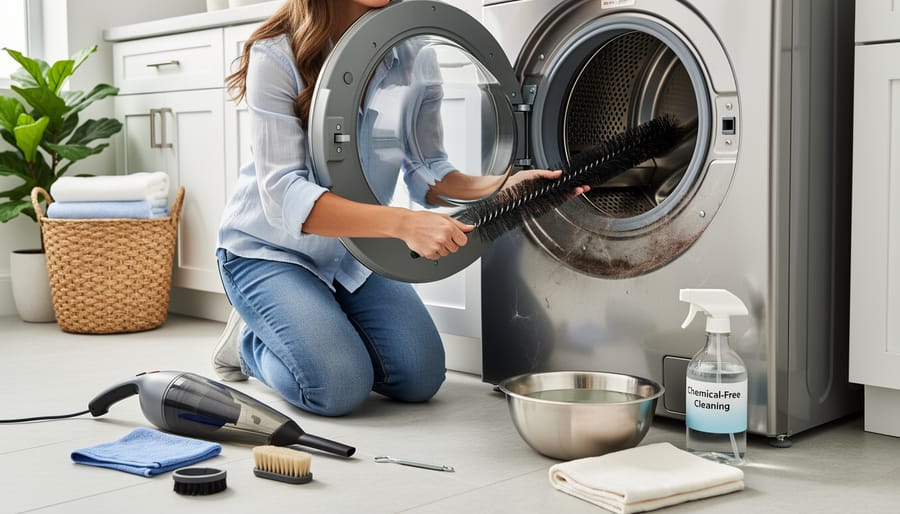
Start with reusable cleaning tools that eliminate single-use waste. Long-handled brushes with removable, washable heads are perfect for Australian conditions, lasting years rather than months. Many communities across Melbourne, Sydney, and Brisbane have tool-sharing libraries where you can borrow specialized vent cleaning equipment, reducing the need for individual purchases whilst building neighbourhood connections.
Chemical-free cleaning is surprisingly simple and enhances energy efficiency. A combination of hot water and eucalyptus oil works brilliantly for breaking down lint buildup, with the added benefit of being completely biodegradable. For stubborn blockages, create a paste from bicarbonate soda and water, apply it to affected areas, let it sit briefly, then brush clean. These methods are safe for greywater systems common in Australian homes.
DIY maintenance techniques reduce reliance on professional services whilst empowering you with practical skills. Regular outdoor vent inspections take minutes, simply remove the external cover, check for nesting birds (common in Australian climates), and clear visible lint using your reusable brush. Many Aussie homeowners find that quarterly DIY checks combined with an annual professional service strike the perfect balance.
Consider repurposing collected lint as garden mulch or fire starters for camping trips, transforming waste into valuable resources whilst keeping materials out of landfill.
Regular Inspection as Preventative Care
Think of regular dryer vent inspections as health check-ups for your home – small investments of time that prevent costly problems down the track. Australian households should inspect their dryer vents every three months, or more frequently if you’re running loads daily or have a larger family.
During your inspection, look for visible lint build-up around the external vent opening, check that the outdoor flap opens freely when the dryer runs, and feel for strong, consistent airflow. Inside, examine the lint trap and the area behind your dryer for accumulated debris. Listen for unusual noises during operation, which might signal blockages forming deeper in the system.
These proactive checks do more than protect your appliance – they’re essential for preventing the environmental waste that comes with premature dryer replacement and inefficient energy use. A clogged vent forces your dryer to work harder, consuming significantly more electricity and extending drying times. In Australia’s climate, where bushfire risk is a reality for many communities, blocked vents also pose serious safety concerns.
Creating a simple inspection schedule on your phone or calendar transforms this task from forgotten chore to routine habit. Many Australian families now combine vent checks with seasonal changeovers, making sustainability second nature while protecting their homes and reducing their carbon footprint.
Sustainable Repair Over Replacement
Before tossing out a damaged dryer vent, consider the environmental cost of replacement. Most vent issues stem from localized problems like cracked joints, worn seals, or damaged sections that can be repaired using sustainable materials. This approach significantly reduces waste while extending the life of your existing system.
Australian suppliers are making eco-friendly repairs easier than ever. Companies like Sustainable Building Supplies in Melbourne and Eco Building Products in Sydney stock biodegradable sealants, recycled metal clamps, and sustainably sourced replacement ducting sections. These products perform just as well as conventional options while minimizing your environmental footprint.
Community repair workshops across Australia are also teaching homeowners basic vent maintenance skills. Brisbane’s Repair Café and similar initiatives in other cities offer free guidance on assessing damage and implementing sustainable fixes. By choosing repair over replacement, you’re not only reducing landfill waste and embodied carbon from manufacturing new components, but you’re also supporting a circular economy that values longevity over disposability. Often, a simple patch job using eco-friendly aluminum tape or a new gasket made from natural rubber can add years to your vent’s lifespan.
DIY Maintenance Steps for Australian Households
Monthly Tasks You Can Do in 10 Minutes
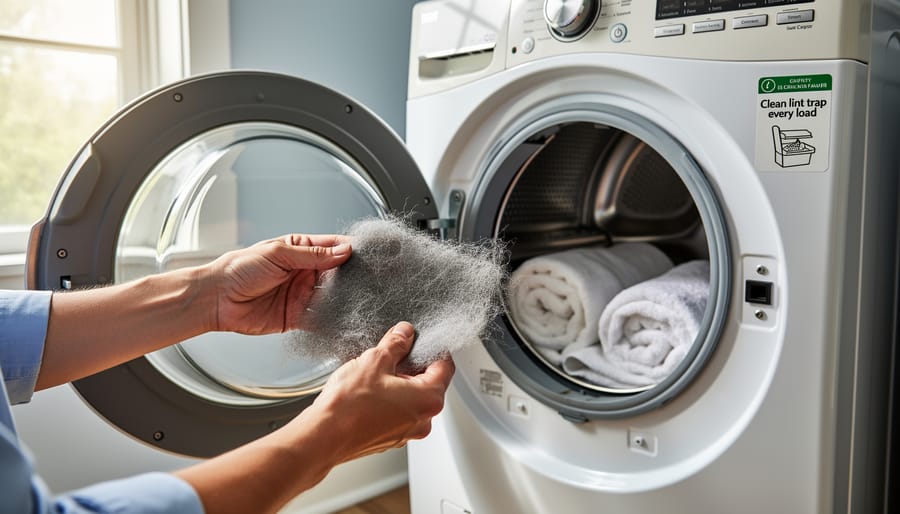
A simple 10-minute monthly routine can make a remarkable difference to your dryer’s efficiency and environmental footprint. Start by removing and thoroughly cleaning your lint trap under running water with a soft brush—detergent residue often creates an invisible film that restricts airflow. While many Australians focus on the internal trap, don’t overlook your external vent opening. Step outside and check for lint build-up, bird nests, or debris blocking the vent hood. Even professional dryer vent cleaning experts near Clearwater FL emphasize that these quick external checks prevent costly problems down the track.
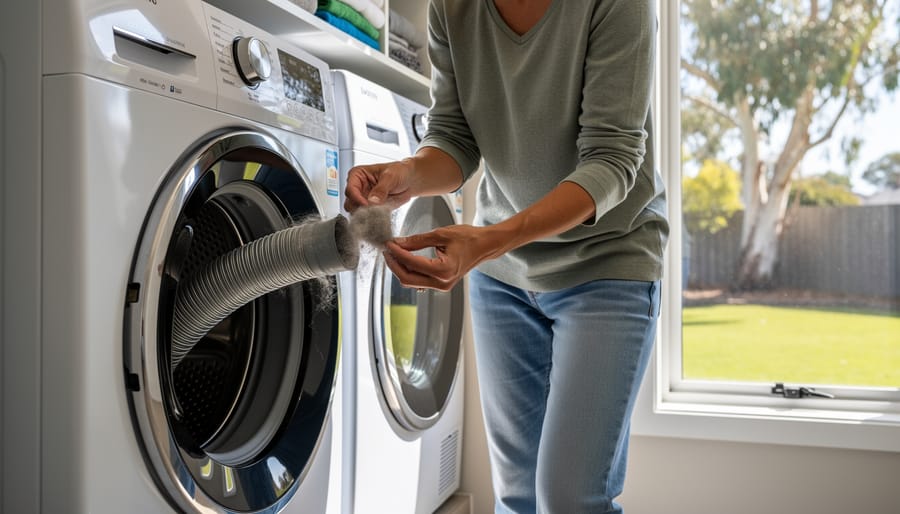
Next, run an empty cycle and feel the exterior vent—strong, warm airflow indicates good ventilation. Weak airflow suggests a blockage developing somewhere in your system. Take a moment to inspect the area behind your dryer too, ensuring the vent hose hasn’t kinked or compressed. These small actions reduce energy consumption, lower your power bills, and decrease fire risk. Think of it as giving your dryer the same care you’d give your garden—regular attention means healthier performance and a lighter environmental impact for our Australian communities.
Seasonal Deep Clean Practices
Australian households benefit greatly from seasonal deep cleans aligned with our unique climate patterns. Consider scheduling thorough vent inspections twice yearly—ideally before summer’s peak usage and after autumn when lint accumulation intensifies from drying heavier winter clothing.
During these deeper maintenance sessions, disconnect your dryer and carefully inspect the entire vent system from inside to outside exhaust point. Australian homes often face challenges with coastal humidity or inland dust, making external vent covers particularly vulnerable to blockages. Check for nesting birds or insects attracted to the warm exhaust—a common issue across regional communities.
Use this opportunity to vacuum behind and underneath your dryer where lint tends to settle, creating potential fire hazards. If you’re comfortable with DIY, consider purchasing an eco-friendly dryer vent cleaning kit with extendable brushes made from sustainable materials. These kits help you reach deep into ductwork without harsh chemicals.
For those in bushfire-prone areas, these seasonal checks become even more critical. Clear any dry vegetation around external vents and ensure mesh guards remain secure. Many Australian communities now organize seasonal maintenance workshops where neighbours share equipment and knowledge, turning sustainable upkeep into a collective effort that strengthens both safety and environmental responsibility.
When to Call a Professional
While regular DIY maintenance keeps your dryer running smoothly, certain warning signs call for professional expertise. If you notice excessive lint buildup despite regular cleaning, reduced airflow, unusually long drying times, or a burning smell, it’s time to contact a specialist. These issues can indicate blocked external vents or damaged ductwork that require professional tools to address safely.
When choosing a service provider, look for technicians who prioritize sustainable practices. Ask whether they use eco-friendly cleaning methods, properly dispose of collected lint for composting or recycling, and recommend energy-efficient solutions. Many Australian vent cleaning services now offer green alternatives to harsh chemical cleaners and can advise on upgrades that reduce your environmental footprint.
Consider bundling your dryer vent inspection with a comprehensive home sustainability assessment to identify other areas for improvement. Local community groups and sustainable living networks often maintain directories of eco-conscious tradespeople, making it easier to find professionals who share your environmental values while ensuring your home remains safe and efficient.
Finding Green Dryer Vent Services in Australia
Finding a dryer vent service provider who shares your commitment to sustainability doesn’t have to be challenging. As more Australians embrace eco-friendly living, a growing number of businesses are responding with greener approaches to home maintenance, including dryer vent care.
Start by asking potential service providers about their environmental practices. Do they use biodegradable or plant-based cleaning products instead of harsh chemicals? How do they dispose of the lint and debris they collect—is it composted or sent to landfill? These questions reveal whether a company genuinely prioritizes sustainability or simply uses green terminology for marketing.
Look for businesses that minimize their environmental footprint through practical measures. Some use fuel-efficient vehicles, schedule appointments in geographic clusters to reduce driving, or operate with electric equipment rather than gas-powered tools. These details matter when choosing eco-conscious service providers.
Certifications and memberships can indicate a commitment to quality and environmental responsibility. While Australia doesn’t have specific green certifications for dryer vent services, look for technicians with relevant trade qualifications and businesses that belong to environmental networks or sustainability programs in your local area.
Don’t hesitate to request references from other environmentally conscious customers. Word-of-mouth recommendations within the sustainability community often lead to discovering reliable, values-aligned service providers.
Consider asking whether they offer education alongside their service. The best providers will explain what they’re doing, share maintenance tips to extend time between professional cleanings, and help you understand how proper dryer vent care contributes to energy efficiency and fire safety.
Remember, supporting businesses that prioritize sustainability creates positive ripple effects throughout your community, encouraging more service providers to adopt environmentally responsible practices.
Community Stories: Australians Making a Difference
Across Australia, households and businesses are discovering that small changes in dryer vent maintenance can create meaningful environmental impact. Take the Henderson family from Geelong, who reduced their dryer’s energy consumption by 28 percent after implementing quarterly vent cleaning. Their annual electricity bill dropped by $145, and they calculated they’d prevented approximately 320 kilograms of carbon emissions over eighteen months. “We never realized how much lint buildup was forcing our dryer to work harder,” shares Sarah Henderson. “Now it’s part of our regular home maintenance routine, just like changing air filters.”
In Sydney’s Inner West, the Marrickville Community Housing Cooperative took collective action by organizing resident education workshops on dryer vent care. After establishing a coordinated maintenance schedule across their 47 units, the cooperative documented a 22 percent reduction in overall laundry-related energy use. The initiative has since inspired three neighboring housing groups to adopt similar programs.
Melbourne café owner James Nguyen transformed his commercial laundry practices by switching to professional quarterly vent inspections. “Our industrial dryers run constantly for towels and linens,” he explains. “Proper vent maintenance cut our drying times by nearly 20 minutes per load and extended our equipment lifespan. We’re saving money while reducing our carbon footprint, which aligns perfectly with our café’s sustainability values.”
These stories demonstrate that committed dryer vent maintenance isn’t just theory. Real Australians are achieving measurable results that benefit both their wallets and the environment.
By keeping your dryer vent clear and well-maintained, you’re doing far more than protecting your appliance or reducing fire risk. You’re actively participating in Australia’s journey toward a more sustainable future. Every cleaned vent means less energy wasted, fewer greenhouse gas emissions, and a smaller carbon footprint for your household. When we multiply this simple action across suburbs and communities, the collective impact becomes truly remarkable.
The beauty of sustainable dryer vent maintenance lies in its accessibility. Whether you’re in Melbourne’s inner suburbs or regional Queensland, whether you choose the DIY approach or engage eco-conscious professionals, you’re contributing to environmental stewardship in a meaningful way. This isn’t just about individual households making better choices; it’s about building a culture of environmental responsibility that ripples outward.
Now it’s your turn to become a catalyst for change in your community. Share what you’ve learned with your neighbors over the fence, bring it up at your local sustainability group, or mention it at your next community gathering. Small conversations spark big movements, and sustainable dryer maintenance is the perfect entry point for broader environmental discussions. Together, we can transform this overlooked household task into a powerful expression of our commitment to Australia’s environmental future.