
Budget between $25 to $180 per square metre for your driveway, depending on materials—plain concrete sits at the lower end, while permeable pavers and recycled materials range from $60 to $180 per square metre. Request itemised quotes from at least three local contractors, ensuring they break down material costs, labour, site preparation, and drainage requirements separately. Compare lifecycle costs rather than just installation prices, as sustainable materials like permeable concrete and recycled aggregates often reduce long-term expenses through better stormwater management and lower maintenance needs. Factor in council permit fees (typically $150-$500 across Australian states) and potential connection costs if your driveway affects public infrastructure.
Your driveway represents more than just a parking space—it’s a significant investment that impacts your property value, local waterways, and neighbourhood character. The average Australian household spends $3,000 to $12,000 on driveway installation, yet many overlook how material choices influence ongoing costs and environmental outcomes. Traditional impermeable surfaces contribute to urban heat islands and stormwater runoff that carries pollutants into our rivers and coastlines, while sustainable alternatives can actually reduce your water bills and cool your property.
Understanding driveway construction costs means looking beyond the initial quote. Similar to other home construction cost drivers, factors like soil type, slope, existing vegetation removal, and climate-specific requirements dramatically affect your final price. In Perth’s sandy soils, you’ll need different base preparation than Melbourne’s clay, while Queensland’s intense rainfall demands superior drainage solutions.
This guide breaks down real Australian pricing, explores sustainable material options that perform beautifully in our climate, and shows how thoughtful driveway choices create value for your home and community.
The True Cost of Your Driveway: Beyond the Invoice
What Actually Drives Driveway Construction Costs
Understanding what influences your driveway costs helps you make informed decisions that align with both your budget and environmental values. Let’s break down the key factors shaping your investment.
Material selection sits at the heart of pricing variations. In Australia, you’ll find exposed aggregate ranging from $60-100 per square metre, while concrete typically costs $50-85, and asphalt $30-60. Permeable pavers, though pricier at $80-150 per square metre, offer superior stormwater management that benefits your local waterways and may reduce future drainage expenses.
Site preparation can significantly impact your bottom line. Sloping blocks common across Australian suburbs often require extensive earthworks and retaining solutions, potentially adding $2,000-8,000 to your project. Existing vegetation removal and ground levelling also contribute to preparation costs, though working with your site’s natural contours can reduce both expenses and environmental disturbance.
Drainage requirements deserve careful attention, particularly given Australia’s increasingly intense rainfall events. Proper drainage systems prevent water pooling and protect your investment, costing between $500-3,000 depending on complexity. Communities embracing sustainable drainage solutions often find these systems reduce local flooding while recharging groundwater supplies.
Local council permits vary across Australian municipalities, typically ranging from $150-600. Requirements differ between councils, so checking with your local authority early prevents costly delays. Many councils now offer streamlined approvals for environmentally considerate designs.
Labour costs reflect Australia’s skilled workforce and fair wage standards, generally comprising 40-50 percent of your total investment. Regional variations exist, with metropolitan areas commanding premium rates. Choosing local contractors not only supports your community but often reduces travel expenses while ensuring builders understand your area’s specific climate challenges and soil conditions.
The Environmental Price Tag Nobody Talks About
When budgeting for your new driveway, there’s another cost that rarely appears on quotes but affects us all. Traditional concrete driveways carry a significant environmental price tag that Australian communities are increasingly recognising.
Concrete production alone accounts for approximately 8% of global carbon emissions. For a standard 40-square-metre Australian driveway, the concrete manufacturing process releases roughly 2.4 tonnes of CO2 into the atmosphere. That’s equivalent to driving from Sydney to Brisbane and back twice.
Beyond carbon emissions, conventional driveways create what environmental scientists call the heat island effect. Dark asphalt and concrete surfaces absorb and radiate heat, raising local temperatures by up to 5 degrees on summer days. In Australian cities already grappling with extreme heat events, every sealed surface contributes to making our neighbourhoods less liveable.
Perhaps the most pressing concern is stormwater management. Traditional impermeable driveways prevent rainfall from naturally filtering through soil, instead sending pollutants, oils, and sediments directly into our waterways. Across Australian suburbs, these seemingly small contributions add up dramatically. A single conventional driveway can generate thousands of litres of contaminated runoff annually, impacting local creeks, rivers, and ultimately our coastal ecosystems.
The encouraging news? More Australian homeowners are discovering that reducing stormwater runoff and minimising environmental impact doesn’t mean compromising on quality or aesthetics. Understanding these hidden costs empowers us to make choices that protect both our wallets and our shared environment for future generations.
Sustainable Driveway Materials: Comparing Costs and Impact
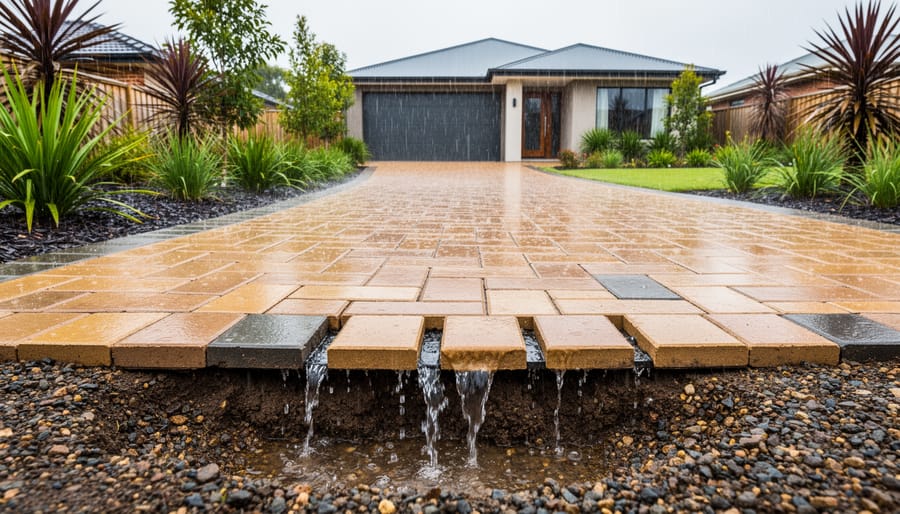
Permeable Paving: The Rainwater Champion
Here’s the real champion for Australian water-conscious communities: permeable paving transforms your driveway into an active participant in managing our precious water resources. Rather than channelling rainfall into stormwater drains, these innovative surfaces allow water to filter naturally back into the ground.
You’ll find three main options available. Permeable concrete and porous asphalt feature specially designed air pockets that let water flow through while maintaining structural strength. Permeable pavers, meanwhile, create gaps between individual stones where water can penetrate. Each solution offers unique advantages for different Australian conditions.
The investment ranges from $80 to $150 per square metre, sitting at the premium end of driveway options. However, many councils across Australia now offer rebates or incentives for permeable surfaces as part of water management initiatives, so check with your local authority before dismissing the cost.
These surfaces shine in our climate. During summer downpours, they significantly reduce runoff that can overwhelm drainage systems and contribute to urban flooding. They also help recharge groundwater supplies, something increasingly vital as many Australian regions face water security challenges. The cooler surface temperature compared to traditional paving creates a more comfortable environment around your home.
Maintenance involves occasional power washing or vacuum sweeping to prevent sediment blocking the pores, typically every 12-24 months. This modest upkeep ensures your driveway continues filtering water effectively for decades, making it a genuine investment in both property value and community resilience.
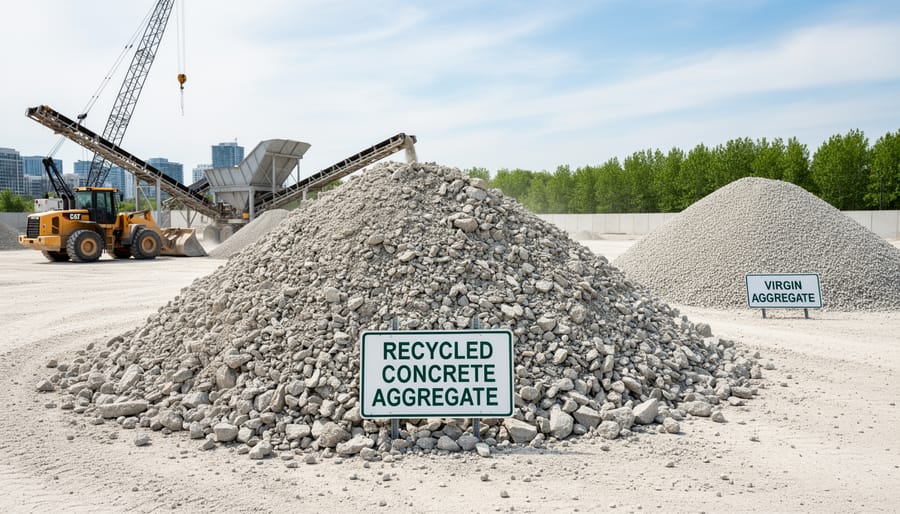
Recycled and Reclaimed Materials: Budget Meets Sustainability
Here’s a brilliant option that’s gaining momentum across Australian communities: recycled and reclaimed materials for driveways. Not only do these choices significantly reduce your construction costs, but they’re also keeping valuable materials out of landfill.
Crushed recycled concrete stands out as a popular choice, typically costing 20-30% less than virgin materials. This material comes from demolished buildings and old infrastructure, given new life under your wheels. Many councils across Australia now offer rebates or incentives for using recycled content in construction projects, sweetening the deal even further.
Reclaimed bricks bring character and history to your driveway. Salvaged from heritage buildings and renovations, these materials create stunning patterns while reducing demand for new brick production. The weathered appearance tells a story, adding unique charm that new materials simply can’t replicate.
Recycled glass aggregate offers another innovative solution, transforming bottles and jars into attractive, permeable driveway surfaces. The material sparkles beautifully in sunlight and provides excellent drainage properties, particularly valuable in Australia’s varied climate zones.
The environmental benefits extend beyond waste diversion. Manufacturing recycled materials requires substantially less energy than producing new concrete or bricks, reducing carbon emissions by up to 40%. You’re also supporting local recycling industries and circular economy initiatives sprouting up throughout Australian communities.
When selecting recycled materials, work with suppliers who can verify the source and quality. Many Australian companies now specialise in architectural salvage and recycled aggregates, ensuring you receive materials that meet structural requirements while honoring your sustainability values.
Gravel and Stabilised Gravel: The Traditional Low-Impact Choice
Gravel driveways have served Australian properties reliably for generations, offering an affordable entry point at $40-80 per square metre. What makes them particularly appealing today is their natural sustainability credentials. Unlike impervious surfaces, gravel allows rainwater to filter directly into the ground, reducing stormwater runoff and supporting local water tables – a significant advantage during our increasingly unpredictable weather patterns.
Traditional loose gravel requires regular maintenance, including raking and topping up material that gradually disperses. However, modern stabilised gravel systems are transforming this category. These innovative grids lock stones in place while maintaining permeability, dramatically reducing maintenance needs and preventing that familiar migrating gravel problem where stones end up scattered across lawns and gardens.
These systems work exceptionally well for rural properties, weekend retreats, and homeowners seeking a natural aesthetic that blends with the Australian landscape. They’re particularly suited to areas with moderate traffic and properties where the rustic charm complements the surroundings.
Communities across regional Australia are rediscovering gravel options, appreciating how they support native vegetation along driveway edges and create habitats for beneficial insects. The key is matching your choice to your specific needs – lighter vehicles and occasional use favour traditional gravel, while busier driveways benefit from stabilised systems that combine affordability with durability.
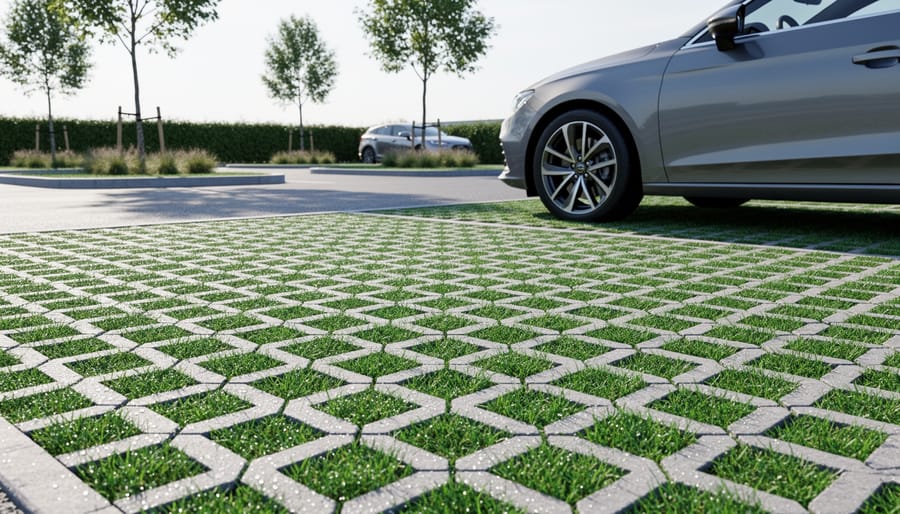
Grass Pavers and Living Driveways: Nature’s Solution
Imagine a driveway that actually helps cool your home during those scorching Australian summers while supporting local biodiversity. That’s the promise of grass pavers and living driveways, and communities across the country are discovering their benefits.
These clever grid systems, typically made from recycled plastic or concrete, create a stable surface for vehicles while allowing grass to grow through the cells. The technology isn’t complicated, but the environmental payoff is significant. Living driveways can reduce surface temperatures by up to 20 degrees compared to traditional concrete, making a real difference during heatwaves.
The investment sits between $60 and $120 per square metre, positioning these systems as a mid-range option. While the upfront cost might be higher than gravel, you’re gaining natural stormwater management, reduced urban heat, and habitat for ground-dwelling creatures. Many Perth and Melbourne households are embracing them as part of neighbourhood greening initiatives.
Before committing, consider the practicalities. These driveways need regular watering during establishment and won’t suit homes with constant heavy vehicle traffic or very steep slopes. They work brilliantly for standard family vehicles and create beautiful, functional spaces that connect us back to nature. Your local council may even offer rebates for permeable surfaces, making this earth-friendly choice more accessible.
When Traditional Materials Make Sense (And How to Minimise Impact)
Sometimes traditional materials like concrete or standard asphalt remain the most practical choice for Australian driveways, particularly for heavy vehicle access or specific council requirements. The good news? You can still significantly reduce environmental impact through thoughtful decision-making.
Start by sourcing locally-produced materials to cut transport emissions. Many Australian concrete suppliers now offer mixes incorporating recycled content, including reclaimed aggregate and industrial by-products like fly ash, which reduce the carbon footprint by up to 30 percent compared to standard concrete. Ask your contractor about these options when obtaining quotes.
Proper sizing matters enormously. An oversized driveway uses unnecessary materials and increases costs without added function. Work with your contractor to determine the minimum practical width and thickness for your vehicle needs, potentially saving hundreds of dollars whilst reducing environmental impact.
Consider concrete with lighter colours that reflect heat rather than absorbing it, helping to combat urban heat island effects in our warming climate. These small adjustments transform necessary construction into a more responsible choice for your home and community.
Smart Design Choices That Save Money and the Environment
Right-Sizing Your Driveway: Less Really Is More
Here’s a cost-saving strategy that’s gaining traction across Australian communities: thoughtfully downsizing your driveway dimensions. By reducing width and length to meet your actual needs rather than convention, you can slash construction costs by 30-50% while significantly reducing your environmental footprint.
Most Australian councils require minimum driveway widths of just 2.5-3 metres for single-car access, yet many homeowners default to 4-5 metre widths. Similarly, you only need about 5.5 metres of length to accommodate a standard vehicle, though extending to 6 metres provides comfortable clearance. A Melbourne family recently saved $4,800 by trimming their planned driveway from 4.2 to 3 metres wide, enough to redirect funds toward rainwater harvesting.
Consider smart layout alternatives too. A hammerhead or T-shaped turnaround can eliminate the need for lengthy circular driveways, while shared driveways between neighbouring properties halve costs and double the environmental benefit. Parking perpendicular to the street rather than parallel can reduce driveway length substantially.
Every square metre you save means less excavation, fewer materials, reduced stormwater runoff, and lower ongoing maintenance. It’s a practical win that benefits both your budget and the local environment, proving that thoughtful design really does deliver more with less.
Integrated Rainwater Management: Turning Runoff Into Resource
Your driveway doesn’t have to be just a hard surface sending precious water into the stormwater system. By integrating features like swales, rain gardens, or rainwater harvesting systems into your driveway design, you can transform runoff into a valuable resource for your garden.
These features typically add between $1,500 and $5,000 to your driveway project, depending on complexity. A simple gravel-lined swale might cost just $800, while a professionally designed rain garden with native plants could reach $3,500. However, many Australian councils offer rebates or reduced stormwater fees for properties that manage runoff onsite. Melbourne Water, for instance, provides rebates up to $1,000 for qualifying rainwater projects, while several Sydney councils offer annual stormwater charge reductions.
Beyond the financial benefits, you’re creating a system that waters your garden during dry spells and reduces strain on local waterways during storms. Many Australian communities are pioneering these approaches, proving that practical water management can be both cost-effective and beautiful. Your driveway can become part of the solution, demonstrating sustainable design that neighbours might be inspired to follow.
Native Landscaping and Shade: Cooling Your Investment
Here’s a climate-smart approach that adds value beyond your initial driveway investment: strategically planted native Australian species can reduce surface temperatures by up to 8 degrees while boosting your property’s appeal. When planning your driveway budget, consider allocating funds for companion plantings that work with our harsh conditions rather than against them.
Native grasses like Lomandra longifolia thrive alongside driveways, requiring minimal water once established and creating natural cooling corridors. For larger spaces, Coastal Rosemary (Westringia fruticosa) provides year-round screening and shade without invasive root systems that damage paving. Kangaroo Paw adds vibrant colour while attracting local birdlife, transforming functional hardscaping into integrated sustainable outdoor spaces.
Communities across Australia are discovering that thoughtful landscaping around driveways reduces urban heat while cutting water bills. Choose species suited to your specific region—drought-tolerant grevilleas for inland areas, hardy pigface for coastal zones. Position taller shrubs on western and northern edges where afternoon sun hits hardest. This strategic planting approach typically adds 5-10% to initial construction costs but delivers ongoing savings through reduced cooling needs and increased property value, while creating habitat corridors that support local biodiversity.
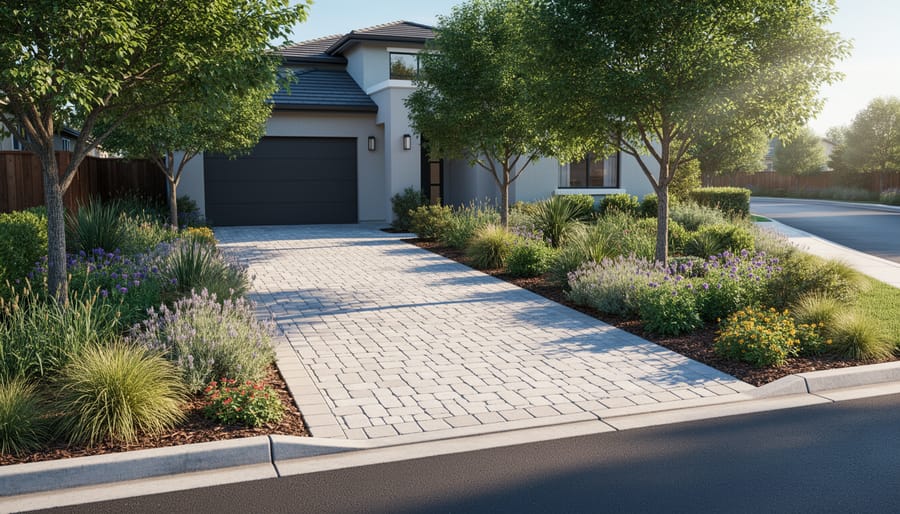
Navigating Australian Regulations and Incentives
Council Permits and WSUD Requirements
Before breaking ground on your driveway, understanding local council requirements is essential for both your budget and our waterways. Most Australian councils require building permits for new driveways or significant alterations, with application fees typically ranging from $150 to $500 depending on your location and project scope.
Water Sensitive Urban Design (WSUD) requirements are increasingly common across major Australian cities, and they’re genuinely good news for our environment. These standards help manage stormwater runoff, reducing pollution in local creeks and bays while creating healthier urban spaces. Your council may require permeable paving options, integrated garden beds for natural filtration, or drainage systems that direct water into rain gardens rather than stormwater drains.
Cities like Melbourne, Sydney, and Brisbane have specific WSUD guidelines that can influence your material choices and drainage design. While these requirements might add upfront costs of $500 to $2,000, many councils offer rebates for sustainable drainage solutions. Plus, communities that have embraced these practices report cooler streetscapes and reduced local flooding. Contact your local council early in the planning process to understand specific requirements for your area, ensuring your driveway project supports both your needs and the health of your local environment.
Finding Financial Support for Green Building Choices
Good news for Australian homeowners – your sustainable driveway choices might qualify for financial support. Several state and territory governments offer rebates and grants for green building initiatives, and permeable driveways or sustainable materials sometimes fall within these programs.
Victoria’s Sustainability Victoria program periodically offers rebates for water-sensitive urban design features, which can include permeable paving systems. Similarly, South Australia’s Green Industries SA provides funding for projects that reduce stormwater runoff and improve water quality – perfect for that recycled concrete or permeable driveway you’ve been considering.
Local councils across Australia are increasingly supportive too. Many offer reduced permit fees or fast-tracked approvals for environmentally friendly construction choices. Brisbane City Council, for example, has offered incentives for residents implementing water-sensitive designs on their properties.
Don’t overlook the Australian Government’s Energy Efficient Communities Program, which occasionally includes funding for sustainable infrastructure at the community level. While individual driveway projects might not qualify directly, participating in neighbourhood sustainability initiatives could open doors.
The landscape of available support changes regularly, so it’s worth checking your state’s environmental or sustainability department website and having a conversation with your local council. Your investment in a sustainable driveway today could be partly funded by tomorrow’s rebate announcement.
Making Your Decision: A Framework for Australian Homeowners
Choosing the right driveway doesn’t have to feel overwhelming when you break it down into manageable considerations. Start by evaluating your timeline and budget reality. If you’re working with immediate budget constraints, concrete or asphalt might seem appealing, but consider whether stretching your budget slightly for permeable pavers could save you thousands in water management and replacement costs over the next decade.
Next, think about your property’s unique characteristics. Does your home experience water pooling during storms? Permeable options become essential rather than optional. Is your driveway shaded by established trees? Natural materials like gravel or stabilized grass might preserve your landscape better than heat-retaining concrete.
Your environmental priorities matter here too. Many Australian homeowners are discovering that green renovation choices actually align beautifully with long-term financial sense. Permeable driveways reduce stormwater runoff, support local water tables, and can qualify for council rebates in water-conscious communities.
Consider your maintenance capacity honestly. Are you comfortable with occasional gravel top-ups and weeding, or do you prefer minimal intervention? Some sustainable options like permeable concrete offer the durability of traditional materials with environmental benefits included.
Create a simple scorecard weighing initial cost, 20-year maintenance projection, environmental impact, and aesthetic appeal. Many homeowners find that mid-range sustainable options score highest overall when all factors combine.
Finally, connect with neighbours who’ve recently installed driveways. Local experience with specific materials in your climate zone provides invaluable insights that generic advice cannot match. Australian communities are increasingly sharing knowledge about what works, creating collective wisdom that benefits everyone making these important decisions. Your choice today shapes not just your property value, but your community’s environmental future.