
Every time you wash your hands, take a shower, or run the laundry, you’re sending perfectly usable water down the drain—water that could be nurturing your garden instead. Australian households generate around 150 litres of greywater per person daily, and while our cities face increasingly severe water restrictions and our regional communities battle prolonged drought, this resource flows wastefully into sewerage systems. Greywater systems capture water from your bathroom, laundry, and kitchen sinks, filtering and redirecting it to irrigate your garden, reducing household water consumption by up to 40% while creating thriving green spaces even during the driest months.
Installing a greywater system isn’t just about conservation—it’s about taking practical action that delivers immediate results. Within weeks of implementation, you’ll notice reduced water bills, healthier soil enriched by organic nutrients, and the satisfaction of knowing your daily routines actively contribute to Australia’s water security. Whether you’re growing native plants in Perth’s sandy soils, maintaining a vegetable patch in Melbourne’s suburbs, or keeping your Queensland lawn green through summer, greywater systems offer scalable solutions from simple bucket methods costing nothing to automated treatment systems serving entire properties.
The beauty of greywater reuse lies in its accessibility. You don’t need extensive plumbing knowledge or thousands of dollars to start—many Australian councils actively support greywater initiatives through rebates and streamlined approval processes, recognizing the collective impact when communities embrace water-wise practices. This guide walks you through everything from understanding state-specific regulations to choosing the right system for your property, integrating greywater with eco-friendly gardening techniques, and maintaining your system for long-term success. Together, we’re building resilient Australian gardens that thrive regardless of rainfall.
What Greywater Actually Is (And What It Isn’t)
Safe Sources for Your Garden
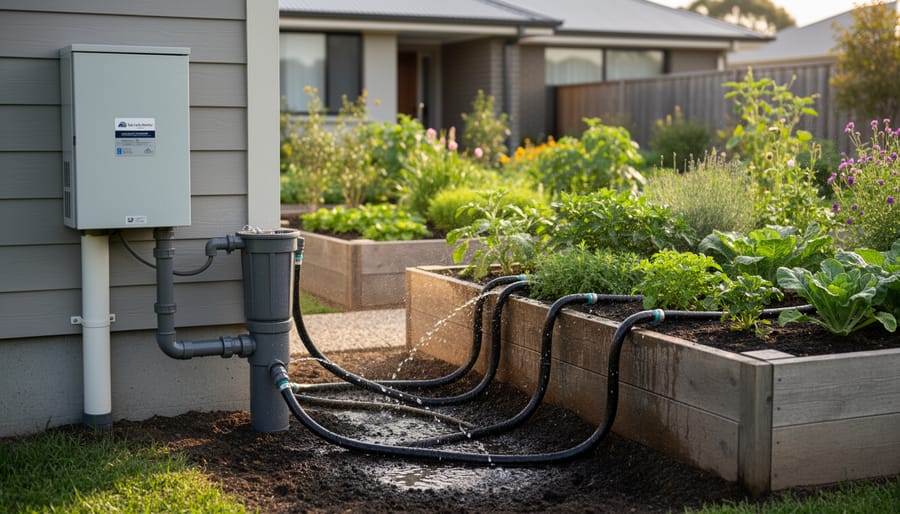
Not all household water is suitable for your garden, but plenty of safe sources flow down Australian drains every day. Understanding which ones to tap into can transform your irrigation approach while keeping your plants and soil healthy.
Bathroom greywater from showers and baths is generally the safest option for most gardens. This water typically contains only soap, shampoo, and body oils in diluted amounts. Many Australian households have already started capturing shower water in buckets while waiting for it to warm up, a simple first step toward greywater thinking.
Laundry water works well too, provided you switch to plant-friendly, low-sodium detergents. Traditional washing powders often contain high salt levels and harsh chemicals that damage soil structure over time. Look for products specifically labelled as greywater-safe, which are increasingly available in Australian supermarkets.
Kitchen sinks present more challenges. Water containing food scraps, fats, and oils can attract pests and create unpleasant odours. Most greywater experts recommend avoiding kitchen water for irrigation unless you have advanced filtration systems in place.
Bathroom hand basins sit in a middle ground. They’re safe for ornamental gardens but contain toothpaste and other products that make them less ideal for edible plants. Remember, stormwater from roofs is actually considered rainwater, not greywater, and is perfectly safe for all garden uses.
Water You Should Never Use
While greywater can be a valuable resource for Australian gardens, it’s crucial to understand which water sources are absolutely off-limits for irrigation. Blackwater, which includes anything flushed down your toilet or from your kitchen sink’s food waste disposal, should never be used in home greywater systems. This water contains harmful pathogens and bacteria that pose serious health risks to you, your family, and your community.
Similarly, water from washing nappies or cleaning pet areas carries dangerous contaminants that can survive in soil and potentially contaminate your vegetables or enter local waterways. If someone in your household has been unwell with gastro or similar infections, it’s wise to divert greywater from the system for a few days as a precaution.
Kitchen sink water presents a grey area – while technically greywater, it often contains food particles, oils, and high nutrient loads that can clog systems and attract pests. Most Australian councils recommend excluding it from residential greywater systems.
Water treated with harsh chemicals, bleaches, or antibacterial products should also be avoided, as these substances can harm beneficial soil organisms and your plants. The good news? Your laundry and bathroom greywater, when properly managed with plant-friendly products, provides plenty of irrigation potential for most Australian households.
The Real Benefits of Greywater Irrigation in Australian Gardens
Water Savings That Actually Matter
The numbers tell a compelling story. An average Australian household using greywater for irrigation can save between 30,000 to 50,000 litres annually, according to data from state environmental agencies. For a typical four-person home, that represents nearly 40% of total water consumption redirected from the sewer to nourishing your garden instead.
Consider the Melbournes’ experience during recent drought conditions. Households with greywater systems maintained thriving vegetable gardens whilst neighbors watched lawns brown under water restrictions. In Sydney’s western suburbs, community gardens incorporating greywater have documented savings exceeding 70,000 litres per year, transforming their water bills whilst creating green spaces that benefit everyone.
These aren’t just environmental wins. At current water prices across Australian cities, homeowners typically save $200 to $400 annually on utility bills. The payback period for a simple laundry-to-garden system often sits under two years, making greywater one of the most practical water-saving investments available. When you multiply these savings across neighborhoods, the collective impact becomes genuinely transformative for Australia’s water security.
Your Garden’s Secret Weapon During Water Restrictions
When water restrictions hit – and they do regularly across Australian states – your garden doesn’t have to become a casualty. Greywater systems become genuine lifesavers during these testing periods, allowing you to maintain your precious green spaces when neighbours are watching their gardens wither.
During Level 2 or 3 water restrictions, common in Victoria, NSW, and South Australia during dry spells, greywater use is typically exempt from standard watering bans. This means while others are limited to brief watering windows or handheld hoses, your veggie patch and fruit trees continue thriving with recycled household water. It’s not about getting around the rules – it’s smart planning that benefits both your property and the broader community by reducing demand on strained water supplies.
Australian gardens adapted to greywater often show remarkable resilience during drought periods, establishing deeper root systems and healthier soil biology. Your sustainable investment today becomes tomorrow’s insurance policy against increasingly frequent dry conditions.
Environmental Impact Beyond Your Backyard
When you install a greywater system, you’re joining thousands of Australians making a tangible difference to our nation’s water security. Every household reusing greywater reduces strain on municipal water supplies, easing pressure on rivers, dams, and groundwater sources already stretched by prolonged dry spells. In Australian suburbs, if just one in five homes adopted water-efficient gardening practices including greywater reuse, communities could save billions of litres annually. This collective impact means healthier waterways, reduced energy consumption from water treatment plants, and more resilient ecosystems. Your choice to recycle household water creates a ripple effect, inspiring neighbours and demonstrating practical climate action. As droughts become more frequent, communities with widespread greywater adoption maintain greener landscapes without depleting precious drinking water reserves, proving that individual actions genuinely contribute to environmental resilience across Australia.
Choosing the Right Greywater System for Your Space
Bucket and Manual Systems: The Zero-Cost Starting Point
Before investing in permanent infrastructure, many Australian households discover the benefits of greywater irrigation through simple bucket collection. This approach costs absolutely nothing and proves perfect for renters or those wanting to test greywater reuse before committing to installed systems.
The method is straightforward: place a bucket in your shower to catch water while it warms up, or collect rinse water from washing vegetables. Sarah from Brisbane shares her experience: “I started with just one bucket in the shower and was amazed—I collected 15 litres every morning! That’s enough to water my veggie patch daily through summer.”
For Australian conditions, remember these practical tips. Use greywater within 24 hours to prevent bacterial growth, especially important in our warm climate. Choose biodegradable, low-sodium soaps and detergents to protect your plants and soil. Rotate where you pour the water rather than saturating the same spot repeatedly.
This manual system works brilliantly for small gardens and potted plants. Many households find bucket collection meets their needs indefinitely, while others use this trial period to observe which plants thrive with greywater before upgrading to more permanent solutions. Either way, you’re already making a tangible difference to Australia’s water conservation efforts.
Diversion Systems: The Sweet Spot for Most Homes
For most Australian households, diversion systems offer the perfect balance between impact and simplicity. These brilliant systems channel greywater directly from your washing machine or bathroom to your garden without requiring complex treatment infrastructure or, in many states, council permits.
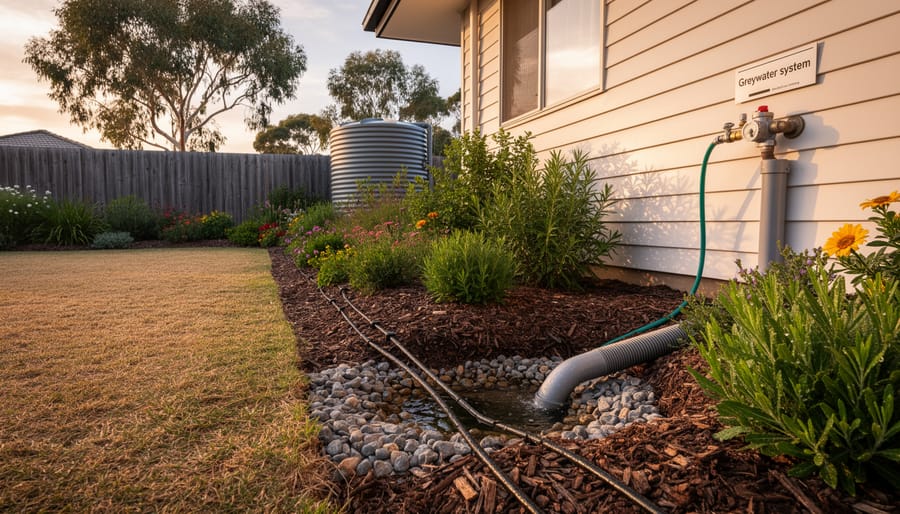
The laundry-to-landscape system stands out as the people’s champion of greywater reuse. It works by diverting water from your washing machine through simple piping to mulched garden areas. The beauty lies in its elegance: gravity does most of the work, and you’re typically using water already treated by your laundry detergent. Many Aussie families install these systems over a weekend, redirecting hundreds of litres weekly to thirsty fruit trees and ornamental gardens.
Installation requires minimal plumbing skills. You’ll attach a diverter valve to your washing machine outlet, run agricultural pipe to garden zones, and create mulch basins around plants. The system should disperse water underground through the mulch layer, preventing pooling and maximizing soil absorption.
Here’s the sweet part: most Australian states don’t require permits for basic laundry diversions meeting specific guidelines, making this your quickest path to water savings. Check your state’s greywater code for exact requirements around pipe depth, setback distances from buildings, and which fixtures qualify. Your local Landcare group often runs workshops demonstrating installation techniques, building that community connection while you learn.
Treatment Systems: When You Need Something More Sophisticated
For larger properties, growing commercial ventures, or areas with heavy soil that needs extra protection, treated greywater systems offer a more sophisticated solution. These systems filter and treat your household water through sand filters, reed beds, or mechanical treatment units before it reaches your garden. While the upfront investment is higher—typically $5,000 to $15,000 depending on complexity—they’re worth considering if you’re managing extensive irrigation needs or growing food crops that require higher water quality standards.
The beauty of treated systems is their versatility. Many Australian councils approve these for subsurface drip irrigation across vegetable gardens, something bucket systems can’t achieve. They’re particularly popular on hobby farms around the Adelaide Hills and Yarra Valley, where growers are building resilient food production while reducing mains water dependency.
Consider a treated system if you’re irrigating more than 200 square metres, have poor soil drainage, or want to future-proof your property. Yes, they require professional installation and occasional maintenance like filter cleaning, but many Australian families find the long-term water savings justify the cost. Several community groups in Perth and Brisbane even organize bulk-buy schemes for treatment components, bringing costs down while building local knowledge networks. It’s this kind of collaboration that’s making sophisticated greywater systems increasingly accessible to everyday Aussies committed to water conservation.
Navigating Australian Regulations and Approvals
What’s Legal Without a Permit
Good news for those eager to get started – many basic greywater systems don’t require permits across Australia, making it easier than you might think to begin your sustainable water journey. Understanding these exemptions can save you time and money while helping the environment.
In most Australian states and territories, simple bucket and diversion systems are typically permit-free. This means you can legally collect greywater from your laundry or bathroom and manually carry it to your garden, or use a basic system that redirects washing machine water to mulched garden beds. These straightforward approaches are perfect for renters or those wanting to test the waters before investing in more complex systems.
Generally, exempt systems share common characteristics: they don’t require pumps or filtration, don’t store greywater for more than 24 hours, and irrigate subsurface areas away from boundaries and water sources. Each state has slightly different thresholds – for instance, some allow systems handling up to 400 litres daily without permits, while others specify particular appliances or garden areas.
Your local council or state environmental authority can provide specific exemption details for your area. Starting with a permit-free system is an excellent way to join countless Australian households already reducing their water footprint while nurturing thriving gardens through simple, practical action.
When You Need Council Approval
Navigating council approval for greywater systems doesn’t need to be daunting, though requirements vary across Australian states and territories. Understanding when you need permission helps you avoid potential headaches down the track.
Generally, simple bucket-and-pour systems for immediate garden irrigation don’t require council approval in most areas. You’re simply reusing water directly from your laundry tub or bathroom sink straight onto the garden. However, once you install any permanent plumbing or storage system, approval typically becomes necessary.
Diversion systems that redirect laundwater to specific garden areas usually need approval, even though they’re relatively straightforward. Treatment systems, which filter and clean greywater before use, almost always require permits and must meet Australian Standards AS/NZS 1547:2012. These systems involve plumbing modifications and must be installed by licensed professionals.
The approval process varies by location, but generally involves submitting plans showing your proposed system, property layout, and irrigation areas. Councils want to ensure greywater won’t create health hazards, won’t flow onto neighbouring properties, and complies with setback distances from buildings, waterways, and property boundaries.
Processing times range from two to eight weeks depending on your council. Application fees typically cost between $100 and $500. Some councils offer fast-tracked approvals for accredited systems that meet pre-approved standards.
Your local water authority often provides helpful guidance sheets outlining specific requirements for your area. Many councils are genuinely supportive of greywater initiatives as part of water conservation efforts. Don’t hesitate to contact them early in your planning process. Speaking with a council officer can save time and ensure your system design meets all requirements before you invest significantly.
Setting Up Your Greywater System the Right Way
Assessing Your Garden and Water Sources
Before diving into installation, take time to understand your garden’s unique characteristics. Start by mapping where greywater will be generated—typically from your laundry, bathroom, and kitchen sinks. In Australian homes, laundry water alone can provide 50-100 litres daily, enough to sustain a thriving garden through our dry spells.
Walk your property and identify existing garden beds, lawn areas, and plants that need regular watering. Consider your soil type by doing a simple squeeze test: sandy soils drain quickly and suit subsurface irrigation, while clay-rich soils require surface distribution methods. Check for slopes that could affect water flow and ensure you’re keeping greywater at least one metre from property boundaries and buildings.
Assess your water needs seasonally—native Australian plants and established trees generally need less irrigation than exotic species or vegetable patches. This evaluation helps you choose between simple bucket systems for small gardens or more sophisticated plumbed solutions for larger properties. Remember, many Aussie communities have successfully started small and expanded their systems as confidence grows.
Design Principles That Prevent Problems
The key to a successful greywater system lies in thoughtful design from the start. Subsurface irrigation is your best friend here, keeping greywater below the soil surface where it can’t come into contact with people, pets, or food crops. This method also prevents odours and mosquito breeding, two common concerns that lead many Aussie households to abandon their systems.
Distribution is equally critical. Your greywater needs to spread evenly across your garden rather than pooling in one spot. Simple diversion systems work well for smaller gardens, directing water through trenches or pipes to thirsty trees and shrubs. For larger properties, consider a multi-outlet system that rotates water to different zones, giving each area time to absorb moisture between waterings.
Avoid these common mistakes that doom many systems from the outset: placing outlets too close to foundations (water damage risk), using greywater on edible plants, or forgetting to incorporate a bypass valve for when you’re using harsh cleaning products. Pair your system with mulching your garden to retain that precious moisture and prevent surface crusting. Remember, simplicity wins. Overly complex systems often fail because they’re too fiddly to maintain consistently.
Installation Essentials for DIY Success
Getting your DIY greywater system up and running doesn’t have to be daunting. Many Australians successfully install bucket systems or diversion devices with basic plumbing knowledge and a weekend’s effort. The key is starting with realistic expectations and knowing your limitations.
For bucket systems, no special skills are needed. Simply collect water from your laundry tub or shower in containers and manually distribute it to your garden. This zero-cost option lets you test greywater irrigation before committing to permanent installations.
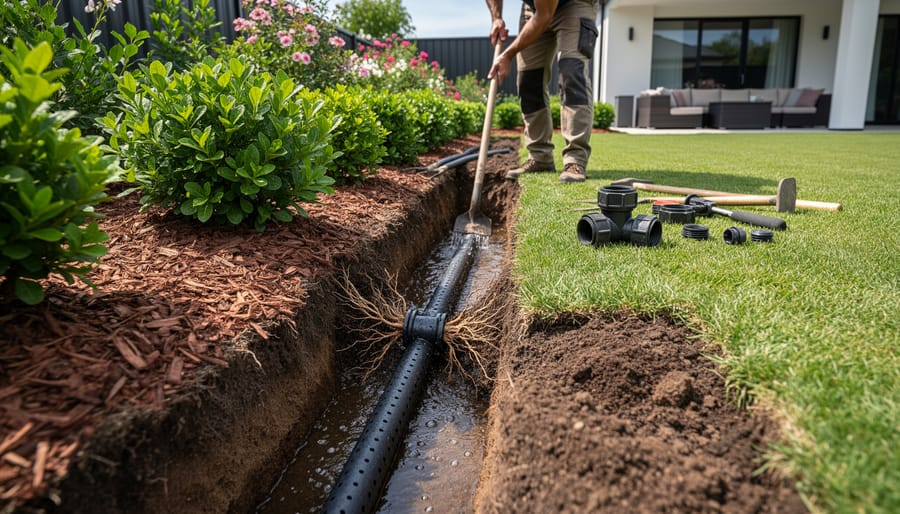
Diversion devices present the sweet spot for handy homeowners. These systems redirect laundry water directly to garden beds through basic gravity-fed pipes. You’ll need trenching tools, standard PVC piping, and the approved diversion unit itself. Most hardware stores across Australia stock everything required, and online communities offer invaluable troubleshooting support from fellow DIYers who’ve tackled similar projects.
However, know when to call the experts. Treatment systems requiring pumps, filters, or subsurface irrigation always need licensed plumbers to ensure compliance with Australian standards and council regulations. Electrical components, pressurised systems, and anything involving soil absorption trenches definitely warrant professional installation.
Before digging, always check with Dial Before You Dig to locate underground utilities. Your local council’s environmental health officer can also clarify permit requirements specific to your area. Remember, cutting corners on compliance creates headaches down the track. When done right, your system becomes a source of pride and a conversation starter among neighbours curious about sustainable living.
Keeping Your System Healthy and Your Garden Thriving
Safe Product Choices for Greywater Gardens
Choosing the right household products is essential for maintaining a healthy greywater garden. The good news is that making plant-friendly choices doesn’t mean sacrificing cleanliness or effectiveness.
When selecting products for your home, look for biodegradable options with minimal sodium, chlorine, and boron, as these can accumulate in soil and damage plants over time. Many Australian households are successfully using brands like Ecostore, Earth Choice, and Aware Environmental for laundry and dishwashing needs. These products break down naturally without harming your garden beds.
For personal care, soap-based products generally work better than detergent-based ones in greywater systems. Castile soaps and products free from antibacterial agents, bleach, and synthetic fragrances are ideal choices. Check labels for phosphate-free formulations, as phosphates can lead to algae growth in soil.
Here’s a practical tip from greywater gardeners across Australia: rotate between different brands occasionally to prevent any single chemical from building up in your soil. Also, avoid using greywater from cleaning sessions involving harsh chemicals like drain cleaners or paint thinners.
Remember, your plants are telling you a story. If you notice yellowing leaves or stunted growth, it might be time to reassess your product choices. Many local community gardens and sustainability groups share recommendations specific to Australian conditions, so connect with others on this journey.
Maintenance Tasks That Take Minutes
Good news – keeping your greywater system running smoothly doesn’t require much effort. A few simple habits can prevent problems before they start.
Weekly checks make all the difference. Spend five minutes inspecting your diversion valve and outlet points for blockages. Look for pooling water or unusual odours, which often signal a clog forming. Many Australian households find that adding this to their Sunday garden routine becomes second nature.
Monthly filter cleaning is essential. Remove lint, hair, and debris from your filter – it’s easier than cleaning the shower drain and just as important. If you’re using a bucket system, give your containers a quick rinse to prevent soap residue buildup.
Every few months, flush your irrigation lines with fresh water to prevent salt accumulation, especially important in our drier regions. Check mulch levels around greywater application areas too, as this protective layer helps filter water naturally while preventing soil compaction.
Your local community garden might run maintenance workshops where you can swap tips with other greywater users. These gatherings remind us that sustainable living isn’t about perfection – it’s about consistent small actions that add up to significant water savings across our communities.
Troubleshooting Common Issues
Even well-designed greywater systems occasionally hit a snag, but most issues have straightforward fixes. If you notice slow drainage, it’s often a sign of blocked filters or pipes. Regular filter cleaning every few weeks prevents this headache. Many Aussie greywater users find setting phone reminders helps maintain this routine.
Unpleasant odours usually indicate greywater sitting too long in storage tanks. The solution? Use water more frequently or reduce tank size. Remember, greywater shouldn’t be stored longer than 24 hours in our warm climate.
Patchy plant growth often points to inconsistent distribution. Check your irrigation lines for blockages and ensure you’re rotating application areas weekly to prevent soil saturation in one spot.
If neighbours raise concerns about mosquitoes, inspect your system for standing water. Properly functioning subsurface systems shouldn’t create breeding grounds. Surface systems need regular monitoring, especially during summer.
The Australian greywater community is incredibly supportive. Local council environment officers and water-wise gardening groups offer free advice when you’re stuck. You’re never alone in troubleshooting these systems.
Australian Plants That Love Greywater
Natives and Ornamentals That Thrive
Your choice of plants can make or break your greywater system’s success. The good news? Many Australian native plants are naturally adapted to variable water quality and nutrient-rich conditions.
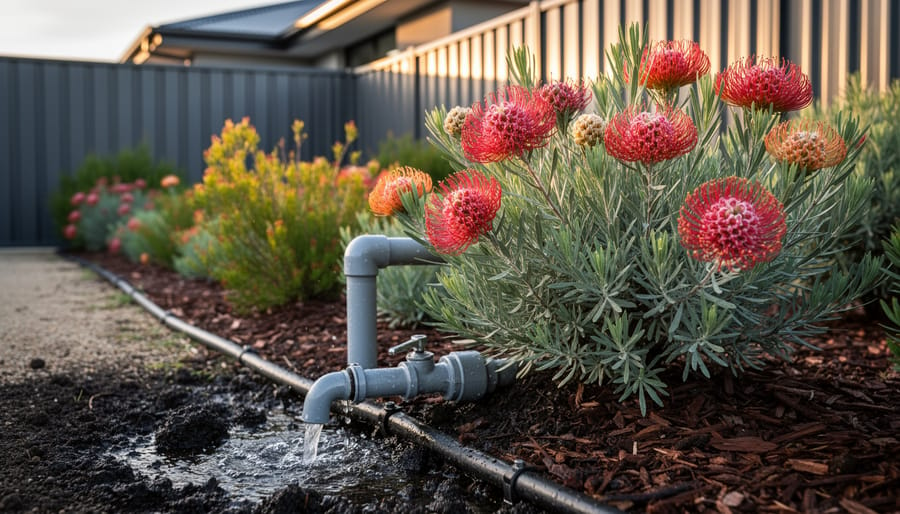
Top performers for greywater irrigation include kangaroo paw, bottlebrush, grevilleas, and native fuchsia. These hardy natives actually benefit from the extra phosphorus and nitrogen in greywater. Westringia, lilly pilly, and eucalyptus varieties also show excellent tolerance, thriving in backyards across the country where greywater systems operate.
Among ornamentals, lavender stands out as remarkably resilient, alongside citrus trees, which respond well to the nutrient boost. Stone fruit trees like apricots and peaches can flourish too, though it’s wise to rotate irrigation away from the root zone during fruiting season.
Avoid plants sensitive to salt and boron, including ferns, azaleas, and most vegetables intended for eating. Your local native plant nursery can recommend region-specific varieties that match your soil type and climate zone. Remember, establishing plants with regular water first helps them build resilience before transitioning to greywater irrigation, setting them up for long-term success in your sustainable garden.
Growing Food with Greywater Safely
Using greywater for growing your own food is entirely possible when you follow some straightforward safety guidelines. The key principle is understanding which plants can safely receive greywater and which should stick to fresh water.
Root vegetables like carrots, potatoes, and onions are best irrigated with fresh water only, as they’re in direct contact with soil that greywater touches. However, fruit trees, berry bushes, and above-ground crops like tomatoes, beans, and fruit-bearing plants thrive beautifully with greywater irrigation. Many Australian gardeners successfully grow citrus, stone fruits, and leafy greens using subsurface irrigation methods that keep greywater below the soil surface.
The golden rule is applying greywater directly to soil rather than spraying leaves or edible parts. Subsurface drip systems work brilliantly here, delivering water straight to root zones while keeping produce clean. Always use biodegradable, plant-friendly cleaning products in your home, and avoid greywater from washing nappies or heavily soiled items.
Rotate your irrigation between greywater and fresh water occasionally, and consider a waiting period of several days between irrigation and harvest for extra peace of mind. These simple precautions let you enjoy abundant homegrown produce while making every drop count.
Community Success Stories and Local Support
Across Australia, households and communities are transforming their water use through greywater systems, proving that sustainable living delivers tangible results. In Adelaide, the Mitchell family reduced their water bills by 40% after installing a simple laundry-to-garden system, keeping their fruit trees thriving through three consecutive dry summers. “We couldn’t believe how much water we were wasting down the drain,” says homeowner Sarah Mitchell. “Now our lemon trees are the envy of the street.”
Community gardens are leading the charge too. Melbourne’s Collingwood Children’s Garden installed a greywater system in 2019, using water from their community kitchen to irrigate vegetable beds. The project has become a teaching tool, showing local families how accessible greywater reuse can be while producing abundant harvests year-round.
In Perth, the Waterwise Garden Competition showcases dozens of residential greywater systems annually, with winners sharing their experiences through free workshops. These events have helped hundreds of Western Australians take the plunge, supported by state rebates of up to $500 for greywater installations.
Looking for support in your area? Most Australian states offer resources to get you started. Check your local water utility’s website for rebate programs—many offer financial incentives ranging from $200 to $1,000. Sustainability groups like the Alternative Technology Association run regular workshops on greywater system installation and maintenance across major cities.
Local councils often provide free water-wise garden consultations, where experts can assess your property’s greywater potential. Several community repair cafes and men’s sheds now host greywater DIY sessions, making the technology accessible regardless of your budget or experience level.
You’re not alone on this journey. Join the growing network of Australians choosing water resilience over waste, one bucket of greywater at a time.
Every drop of water you save through greywater irrigation creates ripples far beyond your garden fence. Whether you’re starting with a simple bucket system from your laundry or planning a comprehensive plumbed installation, you’re joining thousands of Australians who are transforming how we value and use water in our sunburnt country.
The beauty of greywater systems lies in their scalability. A renter in Melbourne can begin with a basic diversion system requiring no permanent modifications, while a homeowner in Perth might invest in an automated treatment system that irrigates an entire property. Both approaches matter equally in our collective journey toward water security. Your starting point isn’t as important as simply taking that first step.
Consider this: if every Australian household reused just 50 litres of greywater daily, we’d collectively save enough water to fill Sydney Harbour every three months. That’s the power of individual action multiplied across communities. Your greywater system becomes part of something much larger than a single garden, it’s a practical contribution to Australia’s water future during increasingly unpredictable rainfall patterns.
The time to act is now. Begin by assessing your household’s greywater production and your garden’s watering needs. Connect with your local council to understand applicable regulations in your area. Reach out to community gardens or sustainability groups where experienced greywater users share their knowledge freely. Many Australian councils also offer rebates that make installation more affordable than you might expect.
Your garden is waiting, and so is a more sustainable future. Take that first step today, whether it’s placing a bucket in your shower or calling an installer for a consultation. Every garden watered with greywater is a victory for Australian water conservation.