
Measure your bedroom before choosing between a queen and full mattress—queens measure 153cm wide by 203cm long while full mattresses are 137cm by 190cm, a difference that dramatically impacts both your sleep quality and environmental footprint. The extra 16cm of width in a queen requires approximately 30% more raw materials during manufacturing, from latex and cotton to steel springs and foam, directly affecting resource consumption and carbon emissions throughout production.
Consider your household size and sleeping habits to avoid premature mattress disposal. Singles and couples without children often thrive on full mattresses, reducing material waste, while growing families benefit from queen sizes that accommodate co-sleeping arrangements for years. Australian landfills receive over 1.8 million mattresses annually, with many discarded simply because they’re too small rather than worn out—a preventable waste stream when you choose the right size initially.
Examine the material composition differences between sizes, as larger queen mattresses amplify the environmental impact of synthetic foams and chemical treatments. Natural latex, organic cotton, and wool fillings in either size offer superior biodegradability compared to petroleum-based polyurethane foams, but the volume difference means choosing sustainable materials matters even more with queen sizes. Both dimensions use similar frame constructions, but the increased surface area in queens demands thoughtful material selection.
Calculate the total lifecycle cost including disposal fees and replacement frequency. Investing in quality sustainable materials for either size reduces the likelihood of premature replacement, keeping mattresses out of Australian waste facilities where they occupy valuable space for decades.
The Size Difference and What It Means for Your Environmental Footprint
At first glance, the difference between a queen and full mattress might seem modest—just 16 centimetres in width and 13 centimetres in length. However, when we translate these dimensions into environmental impact, the story becomes more interesting. A queen mattress at 153cm x 203cm requires approximately 3.1 square metres of material, while a full mattress at 137cm x 190cm uses about 2.6 square metres. That’s roughly 20% more material for a queen—which means more foam, more fabric, and ultimately more resources extracted from our planet.
For Australians navigating the typical bedroom sizes in our homes, this choice carries weight beyond comfort. The average Australian bedroom ranges from 9 to 12 square metres, making a full mattress a perfectly adequate option for singles or couples who value sleeping space without excess. Choosing a full when it genuinely meets your needs means reducing your material footprint from the start—a decision that echoes through the entire lifecycle of your mattress.
Consider what this size difference means in practical terms. That additional 20% material in a queen requires extra petroleum-based products for conventional foam mattresses, more cotton or synthetic fibres for covers, and increased water and energy during manufacturing. When we think about the thousands of mattresses purchased across Australia each month, these individual choices create ripples throughout our communities.
The good news? This isn’t about sacrifice—it’s about intentional living. If you’re sleeping solo or have a smaller bedroom, a full mattress might actually serve you better while treading lighter on the earth. For those who genuinely need the extra space, understanding the environmental cost helps inform other sustainable choices, like selecting mattresses with recycled materials or supporting local manufacturers who prioritise responsible production.
The size you choose today will share your bedroom for eight to ten years, so consider both your comfort needs and the environmental legacy you’re creating. What matters most is making the choice that aligns with your actual requirements rather than simply defaulting to bigger.
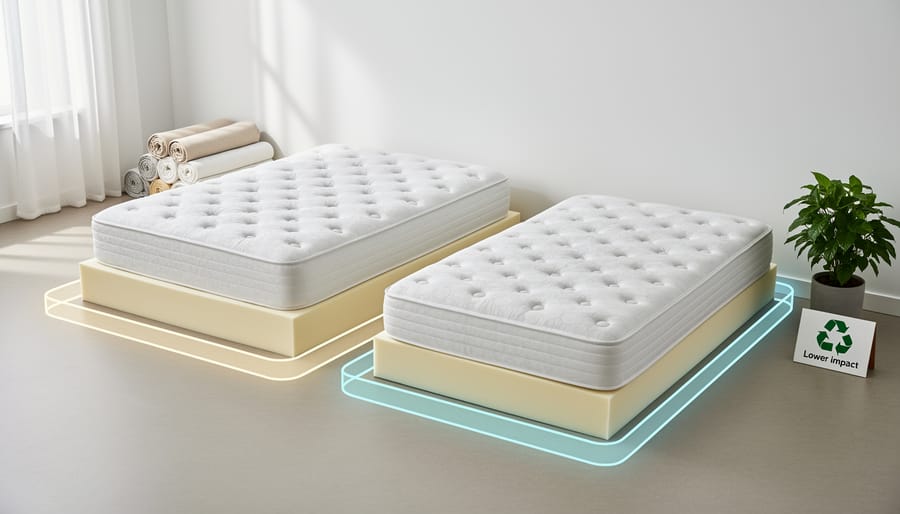
Material Matters: What Your Mattress Is Really Made Of
Synthetic Materials: The Petroleum Problem
When comparing queen and full mattresses, the environmental impact extends well beyond size differences. Most conventional mattresses rely heavily on polyurethane foam, a petroleum-based material that carries significant environmental costs many Australian shoppers don’t initially consider.
A standard queen mattress contains approximately 30-40% more foam than a full-size mattress. While this might seem like a straightforward size calculation, the reality is that queen mattresses require roughly 15-20 kilograms of additional polyurethane foam compared to their full-sized counterparts. That’s petroleum extracted, processed, and eventually destined for landfill when the mattress reaches end-of-life.
Here’s where it gets interesting for our communities across Australia. The production of polyurethane foam releases volatile organic compounds (VOCs) into the atmosphere and requires substantial energy inputs. When you multiply this by the estimated 1.8 million mattresses Australians purchase annually, the cumulative impact becomes considerable.
The proportional increase matters because larger mattresses don’t just use more materials—they often require additional synthetic layers for edge support and reinforcement. Queen mattresses typically feature extra polyester fibres, flame retardant chemicals, and synthetic adhesives to maintain structural integrity across the broader surface area.
Before you feel discouraged, remember this knowledge empowers better choices. Many Australian manufacturers now offer natural latex, organic wool, and coconut coir alternatives that perform beautifully in both sizes. By understanding the petroleum connection, you’re already taking the first step toward making a purchase decision that aligns with your values while still meeting your comfort needs.
Natural and Organic Options: When Bigger Isn’t Always Worse
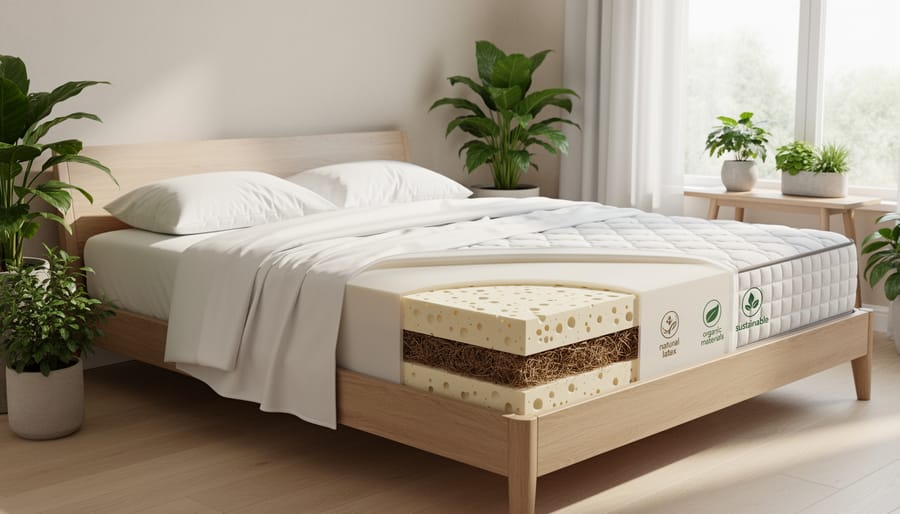
Here’s the encouraging news: choosing a larger queen mattress doesn’t automatically mean compromising your environmental values. In fact, when you opt for natural and organic materials, a queen can actually be the greener choice compared to a synthetic full-size mattress.
Natural latex mattresses, particularly those made from Australian and sustainably harvested rubber trees, offer incredible durability that can extend a mattress’s lifespan to 15-20 years. While a queen requires about 35% more material than a full, that difference becomes negligible when you consider that a synthetic full mattress might need replacing twice in the same timeframe, ultimately consuming more resources overall.
Organic cotton and wool options are gaining momentum across Australia, with several local manufacturers now sourcing certified organic materials from regional farms. These natural fibres are biodegradable, renewable, and require significantly less chemical processing than conventional polyurethane foams. A community initiative in Victoria recently showcased how wool from local sheep farms is being transformed into mattress fills that naturally regulate temperature while supporting agricultural families.
The beauty of natural materials lies in their end-of-life story too. When your organic queen mattress eventually reaches retirement, it can break down naturally rather than sitting in landfill for decades like synthetic alternatives. Some Australian companies have even established take-back programs, composting natural materials and returning nutrients to the soil. By choosing quality natural materials in the size you actually need, you’re making an investment in both comfort and environmental stewardship that pays dividends for years to come.
Resource Consumption: From Manufacturing to Your Bedroom
Water and Energy Usage in Production
The jump from a full to queen mattress might seem modest, but the manufacturing footprint tells a different story. A queen mattress requires approximately 25-30% more water and energy during production compared to a full-size equivalent. This translates to roughly 150-200 additional litres of water and 15-20 kilowatt-hours more electricity per mattress.
For Australian communities already facing water scarcity challenges, these numbers matter. Manufacturing processes include cotton cultivation for covers, foam production, and textile treatments, all of which are water-intensive. The good news? Many Australian mattress manufacturers are responding to our unique environmental pressures by adopting renewable energy sources and closed-loop water systems in their facilities.
When considering your purchase, ask brands about their manufacturing practices. Some local companies now power their operations with solar energy and have reduced water consumption by up to 40% through recycling initiatives. While a queen mattress does require more resources upfront, choosing one from a manufacturer committed to sustainable production means your investment supports the broader shift toward responsible manufacturing. This choice becomes particularly meaningful when you consider that Australians replace mattresses every 7-10 years, making each purchase decision a chance to vote for better environmental practices in our furniture industry.
Transportation and Carbon Emissions
When it comes to environmental impact, transportation plays a surprisingly significant role in your mattress purchase decision. For Australians, this matters even more given our geographic distance from major manufacturing hubs in Asia, Europe, and North America.
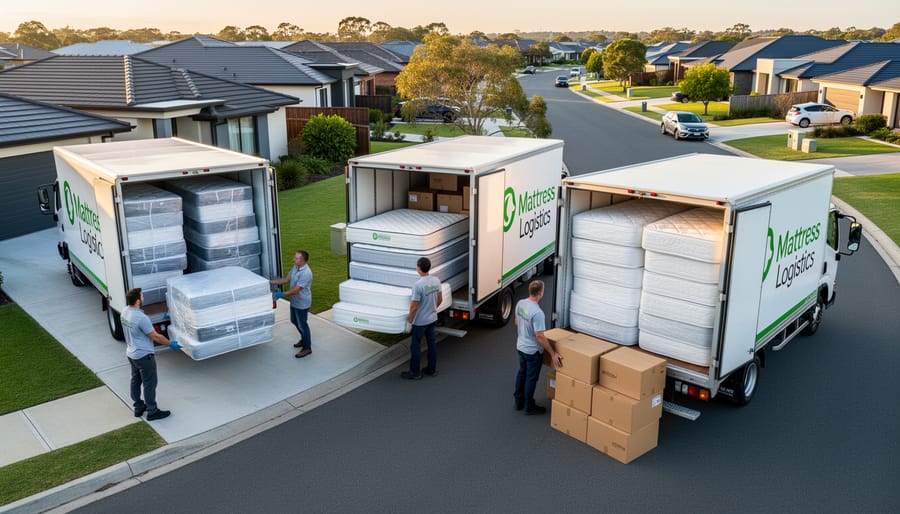
A queen mattress typically weighs 15-20% more than a full mattress and occupies approximately 33% more shipping volume. This translates directly to carbon emissions during freight, whether by sea or air. The additional weight means more fuel consumption per unit transported, and the increased volume reduces shipping efficiency—fewer mattresses fit in each container.
Consider this: if a full mattress generates roughly 50kg of CO2 during shipping to Australia, a queen could produce 60-65kg. Multiply this across thousands of mattresses imported annually, and the cumulative impact becomes substantial.
Many Australian retailers are now consolidating shipments and choosing sea freight over air to minimize emissions. When making your purchase, ask about the supplier’s transportation methods and consider avoiding excessive packaging that adds unnecessary weight. Some forward-thinking Australian companies are even offsetting their shipping emissions through verified carbon programs, turning your mattress purchase into an opportunity to support reforestation projects right here at home.
The Lifespan Question: Does Size Affect Durability?
Here’s a question most Aussies don’t consider when mattress shopping: which size will actually go the distance? The answer might surprise you, and it has real implications for both your wallet and our environment.
When it comes to durability, queen mattresses generally outlast their full-sized cousins, though not for the reasons you’d expect. The secret lies in weight distribution. A full mattress, measuring 137cm wide, concentrates the weight of sleepers into a smaller surface area. For couples sharing a full bed, this means specific zones experience more compression and wear over time. Queens, at 153cm wide, spread that same weight across a larger area, reducing strain on individual coils or foam layers.
Material distribution also plays a crucial role. Manufacturers typically use similar material quality across both sizes, but a queen’s larger structure means support systems are less stressed during use. Think of it like walking on grass versus walking the same path repeatedly – the concentrated traffic creates faster degradation.
For Australian households, this durability difference translates to fewer mattresses in landfill. A quality queen might last 10-12 years with proper care, while a full under similar conditions may need replacing after 8-10 years. That’s potentially 15-20 kilograms less waste per replacement cycle.
The relationship between mattress thickness and sustainability further influences longevity – thicker mattresses in either size generally provide better support and last longer, though they require more materials upfront.
Consider your usage patterns too. Single sleepers on a full mattress will likely enjoy similar longevity to couples on a queen, as the weight-per-square-centimetre ratio remains comparable. The key is matching size to your actual needs, ensuring your investment serves you well while minimizing environmental impact through extended use.
End-of-Life: The Waste Management Challenge
Recycling Options Across Australia
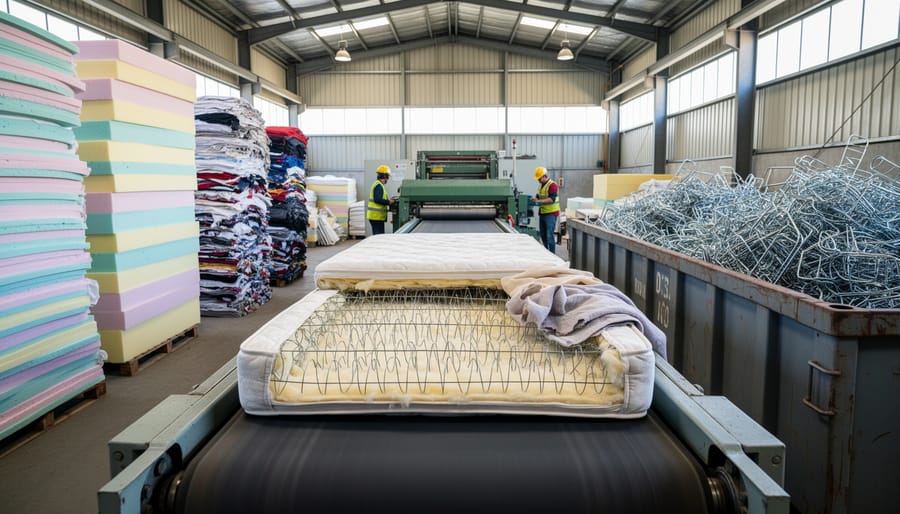
When your queen or full mattress reaches the end of its life, you have genuine options to keep it out of landfill thanks to growing recycling initiatives across Australia. The Soft Landing program, operated by the Australian Furniture Removers Group, stands as the nation’s most comprehensive mattress recycling scheme, currently accepting both queen and full sizes through collection points in New South Wales, Victoria, Queensland, and South Australia. This pioneering program breaks down mattresses into their component materials—steel springs, foam, timber, and textiles—with up to 75 percent of materials recovered and repurposed into new products.
Accessibility varies significantly between states and regions. Metropolitan areas generally offer convenient drop-off locations and council collection services, while rural communities may need to coordinate with local waste management facilities during scheduled hard rubbish collections. Some councils provide dedicated mattress recycling days, though availability differs based on your postcode.
The encouraging news is that mattress size doesn’t typically affect recycling acceptance. Both queen and full mattresses go through the same dismantling process, meaning your choice between sizes needn’t create additional environmental burden. Before purchasing your next mattress, contact your local council to understand collection schedules and nearby recycling options, ensuring you’re prepared for responsible disposal when the time comes.
What Actually Gets Recycled (And What Doesn’t)
The good news? Both queen and full mattresses contain largely the same recoverable materials—steel springs, foam padding, cotton wadding, and timber frames. Australian recycling facilities can recover up to 75% of materials from either size, with steel springs being the most valuable component. The metal alone represents about 20-25kg in a full mattress and 25-30kg in a queen, making both worthwhile for recycling programs.
However, size does impact processing efficiency. Larger queen mattresses require more handling time and transport space, potentially increasing per-unit processing costs. Yet this doesn’t make them less recyclable—many facilities across Melbourne, Sydney, and Brisbane have adapted equipment to handle both sizes equally well.
What can’t be recycled? Contaminated materials (from water damage or bedbugs), heavily fire-retardant foams, and certain synthetic fabrics often end in landfill regardless of mattress dimensions. Memory foam presents particular challenges, though innovative Australian programs are developing solutions.
The environmental takeaway? Choose your mattress size based on comfort needs, not recycling concerns—both sizes recycle similarly. More importantly, commit to actually recycling your old mattress when the time comes. Supporting businesses focused on purchasing recycled products creates demand that strengthens Australia’s entire mattress recovery infrastructure, benefiting communities nationwide.
Making Your Choice: Balancing Comfort, Space, and Sustainability
Choosing between a queen and full mattress isn’t just about measuring your bedroom—it’s about aligning your comfort needs with your environmental values. For Australian households, this decision offers a meaningful opportunity to reduce your ecological footprint while ensuring quality sleep.
Start by honestly assessing your space and sleeping arrangements. Singles or couples in compact apartments might find a full mattress perfectly adequate, consuming fewer resources both initially and over its lifetime. However, if you’re sharing the bed, remember that a queen offers significantly more personal space—137cm wide versus 107cm—which can reduce sleep disturbances and potentially extend the mattress’s lifespan by distributing wear more evenly.
Consider your bedroom dimensions carefully. A full mattress works beautifully in rooms under 10 square metres, leaving space for sustainable timber furniture and proper air circulation. Queen mattresses suit larger spaces and can accommodate growing families, potentially eliminating the need for premature replacement as circumstances change.
From a sustainability perspective, think long-term. A slightly larger queen mattress that serves you for fifteen years creates less waste than replacing a cramped full mattress after five. Australian communities are increasingly embracing quality over quantity—choosing durable products that genuinely meet needs rather than compromise solutions requiring earlier replacement.
Examine the materials regardless of size. Organic cotton, natural latex, and sustainably sourced timber in the base make either size more environmentally responsible. Many Australian manufacturers now offer take-back programs and recycling services, turning your old mattress into carpet underlay or garden mulch rather than landfill.
The right choice balances immediate comfort with future impact. Measure your space, consider your household’s evolution, prioritise quality materials, and choose the size that truly fits your life—not just your bedroom.
Sustainable Mattress Practices Beyond Size
Whichever size you choose, adopting sustainable mattress practices creates lasting environmental benefits for our Australian communities. Small actions compound over time, reducing landfill waste and preserving resources for future generations.
Start by investing in a quality mattress protector. This simple addition extends your mattress lifespan by several years, protecting against spills, dust mites, and general wear. Choose organic cotton or bamboo protectors from Australian manufacturers like MiniJumbuk or Ecoy, supporting local businesses whilst reducing your environmental footprint.
Regular maintenance transforms mattress longevity. Rotate your mattress every three months to prevent uneven wear, vacuum monthly to remove dust and allergens, and air it outdoors on sunny days when possible. These practices work equally well for queen and full sizes, maximising your investment whilst minimising waste.
When replacement time arrives, explore donation pathways before considering disposal. Organizations like Vinnies and The Salvation Army accept gently used mattresses in good condition. Many Australian councils now offer mattress recycling programs, with facilities in Melbourne, Sydney, and Brisbane deconstructing mattresses to reclaim steel springs, foam, and fabric. Consider buying second-hand through verified platforms if budget constraints exist, as pre-loved mattresses in excellent condition reduce manufacturing demand.
Prioritize Australian brands committed to sustainability. Companies like Koala, Sleeping Duck, and Noa demonstrate environmental responsibility through certified organic materials, carbon-neutral shipping, and recyclable packaging. Many offer mattress take-back programs, ensuring your old mattress enters proper recycling channels rather than landfill.
These practices create ripple effects throughout our communities. When we maintain mattresses properly and choose responsible disposal methods, we collectively reduce Australia’s annual mattress waste, currently estimated at 1.25 million units. Your individual choice contributes to this larger movement toward sustainable living.
Choosing between a queen and full mattress isn’t just about measuring your bedroom—it’s an opportunity to align your purchase with your environmental values. Whether you’ve decided a queen better suits your space and partner, or a full fits your needs perfectly, remember that the most sustainable choice is one you’ll use for years to come.
The good news? Australian communities are increasingly sharing innovative approaches to mattress sustainability. From mattress protection services extending product lifespans to local recycling programs turning old mattresses into playground surfaces and road underlay, we’re building systems that reduce waste together. Before purchasing new, consider quality materials like natural latex or organic cotton that biodegrade more readily and often last 10-15 years compared to conventional options.
Don’t let perfect be the enemy of good. If budget constraints mean choosing a conventional mattress now, commit to proper care and eventual responsible disposal. Share your journey—whether you’re researching eco-certified brands, discovering local mattress recycling initiatives, or finding creative ways to repurpose old bedding. Every conversation normalizes sustainable choices and strengthens our collective impact.
Your mattress decision today contributes to the circular economy we’re building tomorrow. What sustainable sleep solutions have worked for you? Join the conversation and help fellow Australians rest easier, knowing we’re caring for our homes and our planet.