
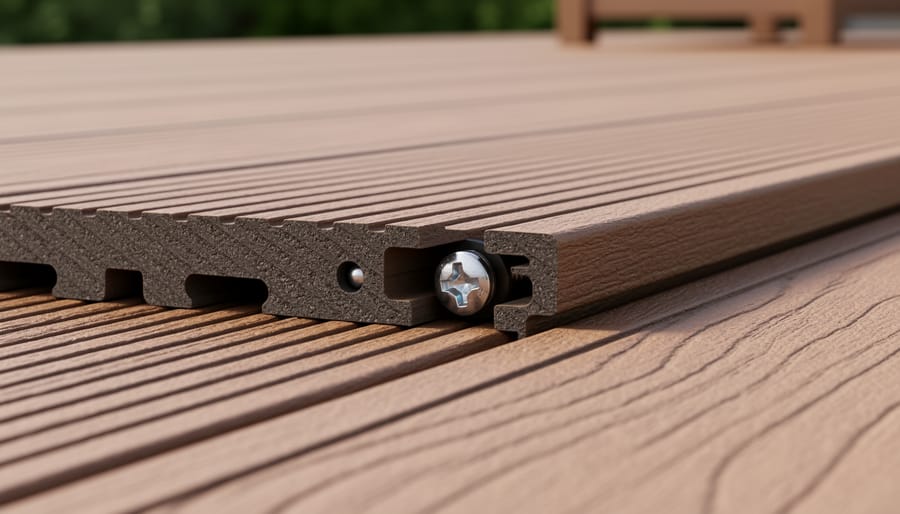
Position your deck boards perpendicular to the joists with grooves facing downward, ensuring 16-inch joist spacing for optimal support and stability. Install hidden fasteners by inserting them into the grooves at a 45-degree angle, creating a seamless surface without visible screws that compromises both aesthetics and structural integrity. Begin installation from the house outward, allowing 5-10mm expansion gaps around all fixed objects and perimeter edges to accommodate Australia’s extreme temperature fluctuations between scorching summers and cooler winters.
Grooved composite decking represents a significant advancement in sustainable outdoor living, combining recycled timber and plastic waste into durable, low-maintenance innovative composite decking solutions that withstand harsh Australian conditions. Unlike traditional timber that demands regular oiling, staining, and termite treatments, grooved composite materials eliminate toxic chemical applications while diverting thousands of tonnes of waste from landfills annually.
The groove system transforms installation from a visible-fastener process into a concealed-clip method, delivering professional results that enhance property value while reducing environmental impact. This matters particularly for Australian homeowners facing increasingly severe weather patterns, where traditional decking materials buckle, splinter, or fade within years. Grooved composite boards maintain their integrity through coastal salt spray, intense UV exposure, and temperature extremes ranging from -10 to 50 degrees Celsius.
Understanding proper installation techniques ensures your investment delivers decades of performance rather than requiring premature replacement, directly supporting waste reduction goals. The hidden fastener approach prevents moisture pooling around exposed screws, eliminating common failure points that lead to board replacement and additional resource consumption. This guide walks you through each installation phase, from substructure preparation through final board placement, equipping you with professional-level knowledge for achieving lasting results that benefit both your property and Australia’s environmental future.
Why Grooved Composite Decking Is the Smart Choice for Australian Homes
How Grooved Surfaces Handle Australia’s Weather Extremes
Australia’s weather can be unforgiving, from intense summer heat to dramatic downpours during storm season. The good news? Grooved composite decking is specifically designed to handle these extremes, making it one of the smartest composite decking options for our unique climate.
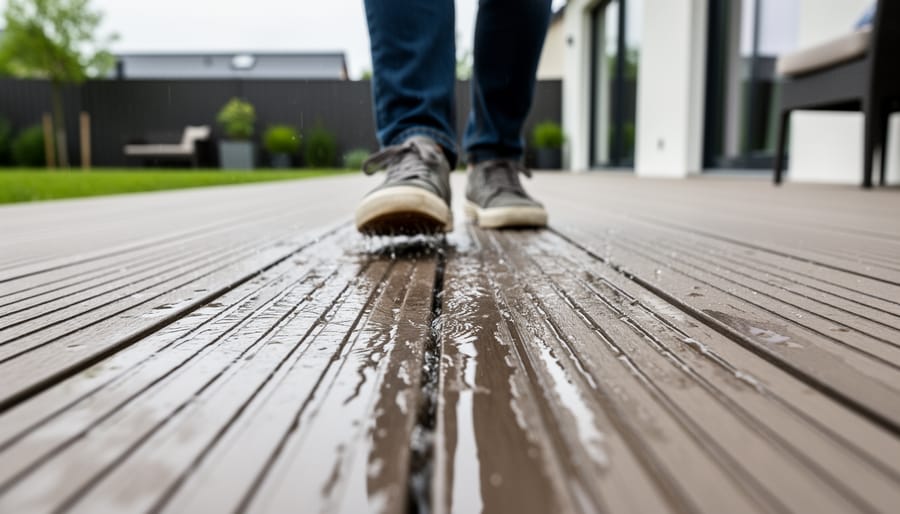
During those heavy rainfall events that communities across Queensland and New South Wales know all too well, the grooved surface becomes your deck’s drainage superhero. These channels rapidly direct water away from the surface, preventing the pooling that can lead to slip hazards and material degradation. Water flows efficiently between boards rather than sitting on top, meaning your deck dries faster and stays safer for family gatherings.
When temperatures soar above 40 degrees Celsius, the grooved design provides another crucial advantage. The channels increase air circulation beneath your feet, helping to dissipate heat more effectively than smooth surfaces. This means less scorching underfoot during summer barbecues and reduced overall heat absorption that can stress traditional materials.
Temperature fluctuations between scorching days and cool nights would typically cause expansion and contraction, leading to warping in conventional timber. However, the engineered grooved profile allows composite materials to breathe and adjust naturally, maintaining structural integrity through seasonal changes. This resilience means your investment stays beautiful and functional for decades, reducing the need for replacement materials and supporting your commitment to sustainable living.
The Environmental Impact That Actually Matters
Choosing grooved composite decking represents a significant step forward in your green renovations journey. Unlike traditional timber, quality composite decking typically contains 60-95% recycled materials, including reclaimed wood fibres and post-consumer plastic waste that would otherwise end up in Australian landfills. This means every square metre of composite decking you install actively diverts plastic bottles, shopping bags, and industrial waste from our environment.
The longevity factor genuinely matters here. While hardwood decking might last 15-20 years with intensive maintenance, composite alternatives can exceed 25-30 years with minimal upkeep. This extended lifespan significantly reduces the cycle of replacement waste that burdens our communities. By choosing composite, you’re also reducing pressure on Australia’s native forests and decreasing the carbon footprint associated with harvesting, processing, and transporting heavy timber.
The numbers tell a compelling story: composite decking typically requires 50-70% less maintenance than timber, eliminating the need for harsh chemical treatments, stains, and sealants that can leach into our soils and waterways. For environmentally conscious Australians, this combination of recycled content, durability, and reduced chemical dependency makes composite decking a practical choice that aligns values with action.
Essential Tools and Materials for Your Installation
Choosing the Right Composite Decking Product
Selecting the right grooved composite decking starts with understanding what makes a product genuinely sustainable. Look for quality composite boards that carry environmental certifications recognised in Australia, such as Good Environmental Choice Australia (GECA) or similar third-party endorsements.
Check the recycled content percentage on product specifications. Premium composite decking typically contains 60-95% recycled materials, combining reclaimed wood fibres with recycled plastics. This impressive recycling rate helps divert waste from landfills while creating durable outdoor living spaces for Australian homes.
Ensure your chosen product meets relevant Australian standards for outdoor building materials, particularly regarding slip resistance and fire ratings, which vary across states. This is especially important for communities in bushfire-prone regions.
Warranty coverage reveals manufacturer confidence in product longevity. Look for warranties spanning 15-25 years covering structural integrity, staining, and fade resistance. Given Australia’s harsh UV conditions, fade resistance guarantees are particularly valuable.
Many Australian suppliers now provide transparent sustainability reports detailing their manufacturing processes and carbon footprint. Supporting these companies strengthens our collective commitment to environmental stewardship while ensuring your decking project aligns with genuine sustainability values.
Step-by-Step Installation Process
Preparing Your Site and Frame Structure
Before your grooved composite decking transforms your outdoor space into a sustainable haven, proper groundwork makes all the difference. Think of this stage as laying the foundation for years of low-maintenance enjoyment while ensuring your deck meets Australian standards.
Start by assessing your site thoroughly. Walk the area and check for overhead power lines, underground utilities, and natural drainage patterns. Your local council can provide utility location services, preventing costly mistakes down the track. Consider how water currently flows across your space, as Australian weather patterns demand careful drainage planning.
Ground preparation is crucial. The surface should be level and compacted, sloping gently away from any buildings at approximately 10mm per metre. This slope prevents water pooling, particularly important during our intense summer storms. Clear all vegetation and organic matter, as these can compromise your frame’s longevity. Many Australian deck builders recommend installing a weed barrier fabric beneath the structure, reducing maintenance while protecting local waterways from herbicide runoff.
When constructing your frame, composite decking requires different spacing than traditional timber. Joists should typically sit 450mm apart on centre, though always verify this with your specific product specifications. Using treated pine or recycled plastic lumber for framing aligns with sustainable building practices while ensuring durability in our climate.
Ensure your frame complies with the Building Code of Australia and relevant Australian Standards (AS 1684). This includes proper bearer and joist sizing, adequate footings, and correct fastening methods. In cyclone-prone regions or bushfire zones, additional requirements apply. Your frame must support not just the decking weight but also furniture, gatherings, and our famously enthusiastic weather events.
Installing blocking between joists every 1.8 metres provides extra stability and creates a robust platform for your grooved composite boards, setting you up for installation success.
Installing the Grooved Boards Correctly
Getting your grooved composite boards installed correctly makes all the difference to your deck’s longevity and performance. Let’s walk through the process together, ensuring your sustainable decking investment stands up to Australia’s unique climate for decades to come.
Start by identifying the groove pattern on your boards. Most grooved composite decking features channels running lengthwise, designed to improve airflow beneath your feet and reduce water pooling during those unexpected Sydney downpours or Brisbane storms. Lay your first board with the groove pattern facing up, positioning it against your starting edge with approximately 5-8mm gap from any fixed structure. This expansion gap is crucial in our Australian climate where temperature swings can cause materials to expand and contract significantly.
Hidden fastening systems are your best friend here. These clever clips slot into the grooves, securing boards from underneath while keeping your deck surface beautifully clean and splinter-free. Simply insert the clip into the board’s groove, then secure it to your joist with the recommended screw. This approach not only looks fantastic but also allows each board to move naturally with temperature changes without compromising the structure.
As you progress across your deck, maintain consistent spacing between boards, typically 5-6mm. This spacing ensures proper drainage and ventilation, preventing moisture accumulation that could otherwise shorten your deck’s lifespan. Check alignment regularly using a string line, making adjustments before fastening. Australian summers are unforgiving, so proper ventilation through correct spacing helps your composite decking perform optimally year-round.
When encountering obstacles like posts or house corners, measure carefully and cut boards using a circular saw with a fine-tooth blade. Pre-drill any end-grain cuts before fastening to prevent splitting. Remember, taking time with these details now means your community can enjoy your beautiful, sustainable outdoor space for generations. Working thoughtfully through each step ensures your eco-friendly decking choice delivers maximum environmental and practical benefits.
Critical Details That Prevent Common Mistakes
Getting the details right makes the difference between a deck that lasts decades and one requiring premature repairs. Here’s what Australian installers need to know to avoid the most common pitfalls.
Expansion gaps are crucial for grooved composite decking, particularly in our varied climate zones. In southern regions experiencing cooler winters, maintain minimum 5mm gaps between board ends and 8mm gaps at fixed structures. For northern Queensland and tropical areas where temperatures soar, increase these to 8mm and 12mm respectively. These gaps allow boards to expand and contract naturally without buckling or warping during our scorching summers and occasional cold snaps.
Fastener placement requires precision. Position hidden fasteners consistently along the board’s groove, never forcing them. The beauty of the grooved system is that it guides correct spacing, typically every 400mm along joists. Avoid over-tightening, which can restrict natural movement and compromise the deck’s structural integrity.
Managing board ends properly prevents unsightly gaps and tripping hazards. Always stagger end joints by at least 300mm between adjacent rows, creating a more stable and visually appealing surface. Ensure every board end sits firmly over a joist with adequate support.
Water management protects your investment and the building structure. Install boards with a slight fall away from the house, typically 1:100 gradient. This seemingly small detail prevents water pooling and ensures runoff flows away from vulnerable areas. Check this gradient during installation using a spirit level, particularly important during our heavy rainfall events.
Taking time with these critical details means your sustainable decking choice delivers maximum performance for your family and our environment.
Finishing Touches and Quality Checks
You’re nearly there! These final steps ensure your grooved composite deck will serve your family beautifully for decades while maintaining its eco-friendly credentials.
Start with a thorough inspection walk across your completed deck. Check that all fasteners sit flush and grooves align consistently. This is your chance to spot any minor adjustments needed before moving forward.
Installing edge trim and fascia boards isn’t just about aesthetics – these components protect your deck’s substructure from Australian weather extremes. Choose composite fascia to match your decking, creating a seamless look whilst preventing moisture ingress. Seal any penetrations around posts or utilities using appropriate flexible sealants that won’t crack during our temperature fluctuations.
Testing drainage flow is critical, especially before our wet season arrives. Pour water across various deck sections, ensuring it flows freely through the grooves and away from your home’s foundation. Adjust any areas where pooling occurs.
Give your new deck an initial clean with water and a soft brush, removing installation dust and debris. This gentle approach protects the composite surface whilst revealing its natural beauty.
Take a moment to appreciate what you’ve achieved – a sustainable outdoor space that reduces timber demand whilst creating a gathering place for your community of family and friends for years ahead.
Maintenance That Keeps Your Deck Sustainable
Eco-Friendly Cleaning Solutions
Keeping your grooved composite decking clean doesn’t mean reaching for harsh chemicals that harm our waterways and native ecosystems. Australians are increasingly discovering that simple, eco-friendly solutions work brilliantly while protecting the environment we all cherish.
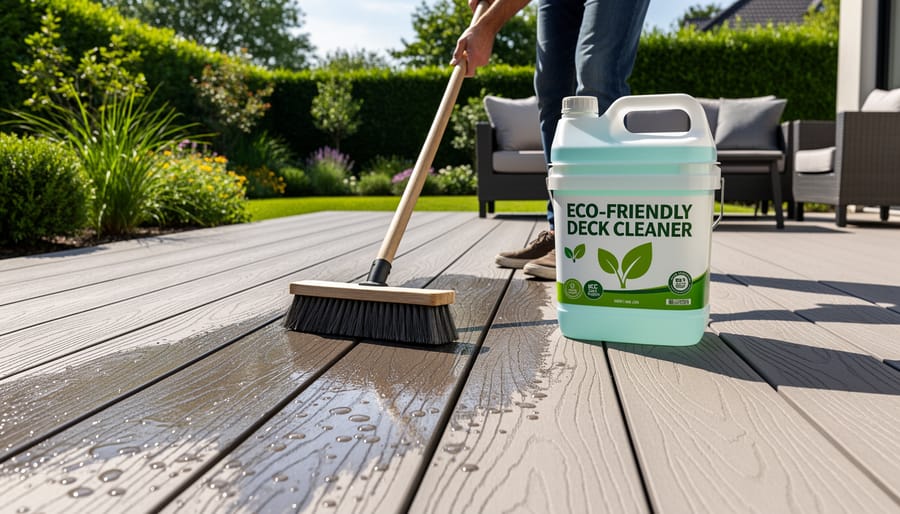
For regular maintenance, a mixture of warm water and biodegradable soap does wonders. Use a soft-bristle brush to work the solution into the grooves, then rinse thoroughly. This approach is particularly effective for everyday dirt and grime without introducing toxins into your garden soil or local water systems.
When facing mold and mildew in humid climates, white vinegar mixed with water creates a natural, effective cleaner. For tougher spots, add a tablespoon of baking soda to boost cleaning power. These pantry staples are safe for your family, pets, and the environment.
Australian conditions present unique challenges. After bushfire events, gently sweep away ash residue before cleaning with water to prevent scratching. Coastal residents should rinse decking regularly with fresh water to remove salt deposits that can dull surfaces over time. This simple habit, done fortnightly, prevents buildup and extends your deck’s life naturally.
By choosing environmentally responsible cleaning methods, you’re not just maintaining your deck—you’re contributing to healthier communities and waterways across Australia.
Real Australian Projects and Community Insights
Across Australia, homeowners and community groups are discovering the lasting benefits of grooved composite decking through hands-on experience. In Darwin’s humid tropics, the local community garden installed grooved composite boards for their accessible pathways in 2021. Project coordinator Maya Chen reports the hidden fastening system has withstood two wet seasons without warping, while the grooved surface provides crucial grip during monsoonal downpours. “We needed something that could handle extreme moisture and constant foot traffic from volunteers of all ages,” she explains. “The investment has paid off with zero maintenance required.”
Down in Melbourne’s outer suburbs, retired carpenter James Thornton tackled his first DIY composite deck installation last winter. Initially hesitant about the grooved system, he now champions the approach to fellow tradies. “The hidden clips took maybe an extra hour to understand, but the finished look is restaurant-quality,” he shares. His biggest lesson? Starting from a perfectly square corner saved hours of adjustments later, and ordering 10 percent extra clips proved essential when a few inevitably disappeared into the lawn.
The Sunshine Coast Eco-Housing Collective completed five grooved composite decks across their development, each facing different orientations and exposure levels. After 18 months, project manager Sarah Williams notes the coastal salt air hasn’t affected the installations, unlike the timber decks in neighbouring properties that require annual treatment. The hidden fastening system particularly appealed to families with young children, eliminating concerns about exposed screws and splinters.
These real-world applications demonstrate grooved composite decking performs reliably across Australia’s diverse conditions when installed thoughtfully, offering communities long-term sustainability without compromising safety or aesthetics.
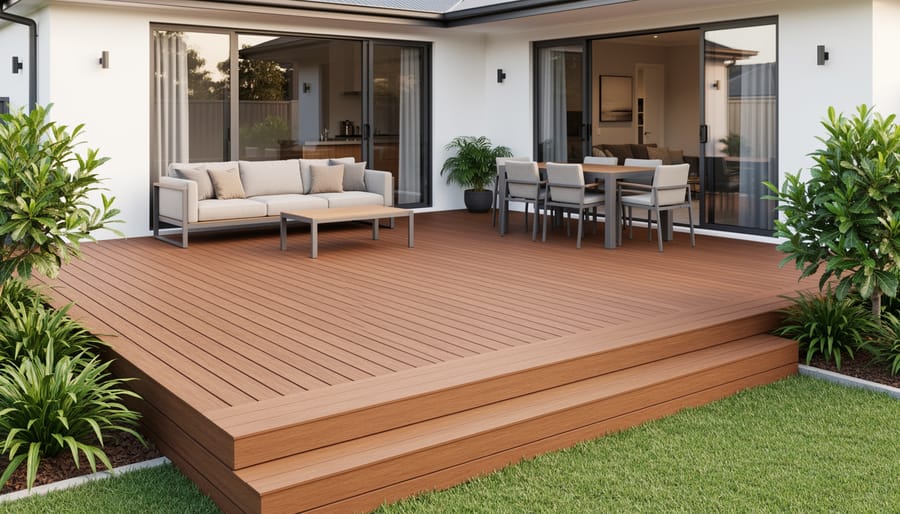
Choosing grooved composite decking for your outdoor project isn’t just about creating a beautiful space—it’s about making a meaningful commitment to environmental stewardship while enjoying practical, long-lasting benefits. By selecting materials that divert plastic waste from landfills and reduce timber demand, you’re actively participating in Australia’s transition toward more sustainable living practices. The durability and low maintenance requirements mean fewer chemicals entering our waterways, less frequent replacements, and reduced resource consumption over decades.
Your grooved composite deck becomes more than an extension of your home; it’s a testament to thoughtful decision-making that balances lifestyle needs with environmental responsibility. The hidden fastener system you’ve installed creates clean lines and safety, while the composite material withstands our harsh Australian climate—from coastal salt spray to inland heat—without the constant upkeep traditional timber demands.
We encourage you to share your grooved composite decking journey with fellow Australians. Whether you’re documenting your installation process, showcasing your finished sustainable outdoor spaces, or offering tips to neighbours considering similar projects, your experience helps build collective knowledge within our community. Post photos on social media, join local sustainability groups, or simply invite friends over to experience the difference firsthand.
Every sustainable choice ripples outward, inspiring others and creating momentum for broader environmental change. Your new deck isn’t just where you’ll gather with loved ones—it’s part of Australia’s growing network of environmentally conscious decisions that collectively shape a more sustainable future.