
Food sustainability conferences bring together farmers, food producers, researchers, policymakers, and community advocates to share solutions for building resilient, ethical food systems that can nourish Australia’s growing population without depleting the resources future generations will need. These events matter because they transform abstract sustainability goals into practical strategies, connecting people who are tackling the same challenges with water scarcity, soil health, food waste, and supply chain emissions across our diverse climate zones.
Whether you’re a small-scale grower looking to adopt regenerative practices, a restaurateur wanting to source locally and reduce waste, or a council representative planning community food security programs, these gatherings offer a rare chance to learn directly from practitioners who’ve already navigated the transition. You’ll find case studies from Australian farms that have cut water use by 40 percent, workshops on circular economy models that turn food scraps into revenue, and panel discussions addressing everything from indigenous food knowledge to vertical farming in urban spaces.
The conference landscape has evolved significantly. What began as academic symposiums now includes hands-on field days, trade expos, and community forums designed for accessibility. Events range from intimate regional meetups focused on specific crops or ecosystems to national summits that draw international speakers and hundreds of participants.
Finding the right conference requires knowing what stage you’re at in your sustainability journey and what support you need most. This guide will walk you through the Australian conference scene, who should attend which events, and how to turn conference insights into tangible change back home.
What Makes Food Sustainability Conferences Different
Food sustainability conferences zero in on something most environmental events treat as just one topic among many: the complete journey of what ends up on our plates. While a typical sustainability conference might dedicate an afternoon session to food waste or agriculture, these specialized gatherings spend entire days unpacking every link in the food chain, from soil health on farms through to what happens with packaging after dinner.
The defining characteristic is this comprehensive view. Attendees explore how production methods affect biodiversity, how distribution networks contribute to emissions, how retail practices influence waste, and how consumer choices loop back to farming decisions. It’s an interconnected system, and these conferences treat it as such rather than isolating single issues.
Key Terms in Australia’s Food Context
- Food Security
- The reliable access to affordable, nutritious food for all Australians, a challenge intensified by distance, drought cycles, and supply chain vulnerabilities highlighted during recent bushfires and floods.
- Circular Food Economy
- A system where food waste becomes a resource, with nutrients returned to soil through composting or turned into energy, reducing landfill while rebuilding agricultural productivity in Australian conditions.
- Regenerative Agriculture
- Farming practices that actively improve soil health, increase biodiversity, and sequester carbon, particularly relevant for restoring degraded Australian farmland affected by decades of intensive methods.
- Food Miles
- The distance food travels from farm to consumer, a significant factor in Australia where vast distances and centralized distribution can mean fresh produce travels thousands of kilometres even within the country.
What sets these conferences apart from broader environmental gatherings is their practical focus on challenges uniquely Australian. Sessions address managing food production through prolonged droughts, adapting to extreme weather swings, reducing reliance on imported goods despite isolation, and working with rather than against our distinctive climate and landscapes.
General sustainability conferences might discuss renewable energy or water conservation with food as a sidebar. Food sustainability conferences flip that priority. Here, renewable energy comes up in the context of powering cold chains, and water conservation is discussed through the lens of irrigation efficiency for crops. The food system sits at the centre, with every other environmental consideration radiating from how we grow, move, sell, and dispose of what sustains us.
The Rising Wave of Food-Focused Events Across Australia
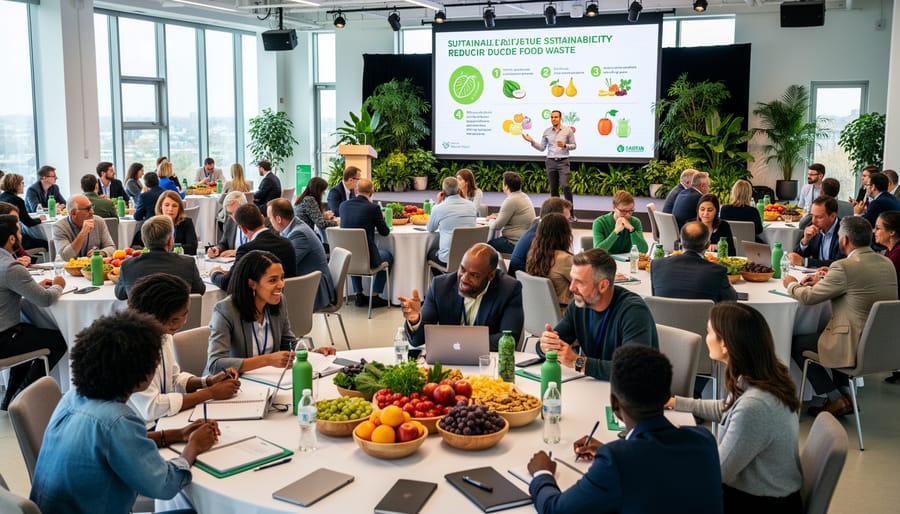
Australia’s conference calendar has transformed dramatically over the past five years. What once consisted of a handful of academic symposiums concentrated in Sydney and Melbourne has bloomed into a nationwide movement. Today, you’ll find food sustainability events popping up everywhere from Perth’s innovation hubs to Hobart’s community centres, from Byron Bay’s eco-villages to Adelaide’s university campuses.
The shift hasn’t just been geographic. Universities still anchor the conversation through research-focused symposiums, but they’ve been joined by an unexpected coalition. Local councils now regularly host food systems forums, recognising that community food security sits squarely within their remit. Industry bodies representing farmers, food manufacturers, and retailers are convening their own events, driven by both consumer pressure and genuine recognition that business-as-usual won’t cut it anymore.
Community organizations have emerged as particularly dynamic conference hosts. Grassroots groups organizing regional gatherings often create the most practical, action-oriented events, think working sessions on establishing food co-ops rather than abstract policy discussions. Some of Australia’s most innovative food initiatives have been born from conversations at these smaller, community-led conferences.
The attendance numbers tell their own story. A typical food sustainability conference in 2021 might have drawn 150 people, mostly environmental professionals. Similar events in 2026 regularly attract 500-plus participants, with waiting lists. More striking is who’s showing up. Small business owners seeking competitive advantages through sustainable practices. Chefs reimagining their supply chains. School principals wanting to overhaul canteen menus. Suburban families concerned about their kids’ food future.
This diversity strengthens the conversations happening in conference rooms across the country. When a regenerative farmer, a waste management consultant, a restaurant owner, and a community gardener sit at the same table, the solutions that emerge address real-world complexity rather than theoretical ideals.
Regional centres are increasingly hosting their own events rather than expecting residents to travel to capital cities. Bendigo, Cairns, Toowoomba, and dozens of other regional hubs now run annual or biannual gatherings that reflect local food challenges, whether that’s drought resilience, tropical agriculture, or revitalising regional food economies. This decentralization means more Australians can participate without the barriers of travel costs and time away from work.
What You’ll Actually Learn at These Conferences
Farm to Fork: Understanding the Food Supply Chain
Farm to Fork sessions map out exactly where your food comes from and who touches it along the way. You’ll hear from regenerative farmers explaining how they rebuild soil carbon while growing food, often showing yield data and cost comparisons that challenge conventional wisdom about productivity trade-offs. Workshops break down practical techniques like cover cropping, mob grazing, and composting systems adapted to Australian climates, from the tropics to the temperate south.
Local food system sessions tackle the economics of short supply chains: how farmers’ markets, food hubs, and direct-to-consumer models can work financially while slashing food miles. Speakers share real numbers on transport emissions saved when produce travels 50 kilometres instead of 2,000, and discuss the code of practice on sustainable agriculture that’s shaping industry standards.
You’ll also explore the tensions: Can local always beat imported? What about foods Australia doesn’t grow efficiently? These sessions don’t offer tidy answers, but they’ll help you understand the trade-offs behind every purchase and what questions to ask your suppliers.
Tackling Australia’s Food Waste Crisis
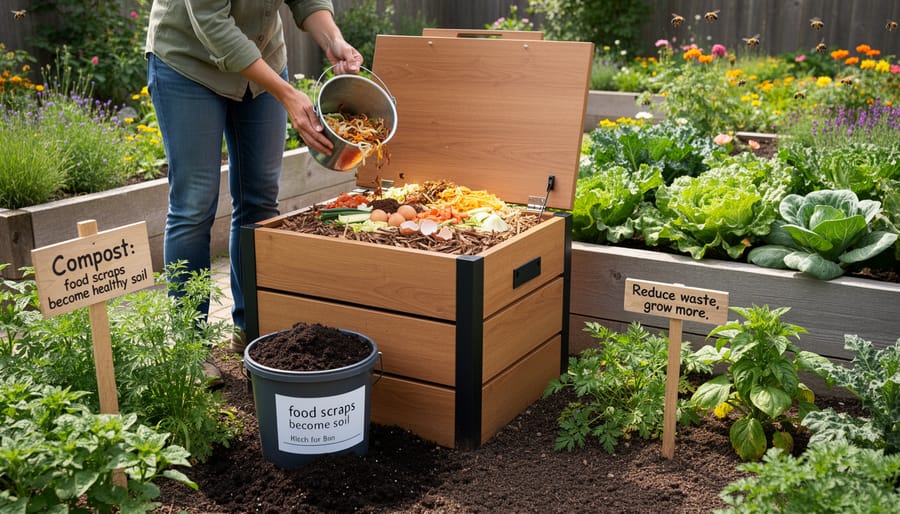
Australia bins 7.6 million tonnes of food yearly, costing households around $2,500 each. Conferences tackle this crisis head-on through practical workshops that move beyond guilt into action. You’ll find sessions breaking down composting systems suited to different Australian climates, from worm farms for Melbourne’s cool winters to bokashi methods for Brisbane’s humidity. Many events coincide with initiatives like National Organic Week amplifying the focus on organic waste solutions.
Redistribution network sessions reveal how businesses and councils can rescue edible food before it reaches landfill. Presenters share real case studies of cafes partnering with community fridges, supermarkets connecting with food banks, and event organizers implementing donation systems. Some conferences even organize a recycling centre tour so attendees witness commercial-scale organics processing firsthand.
Circular economy workshops demonstrate how food waste becomes resources. You’ll learn how coffee grounds transform into mushroom substrate, spent brewing grains feed livestock, and plate scrapings generate biogas. These sessions connect directly to National Food Waste Strategy targets showing how individual actions contribute to halving Australia’s food waste by 2030.
Indigenous Food Knowledge and Country
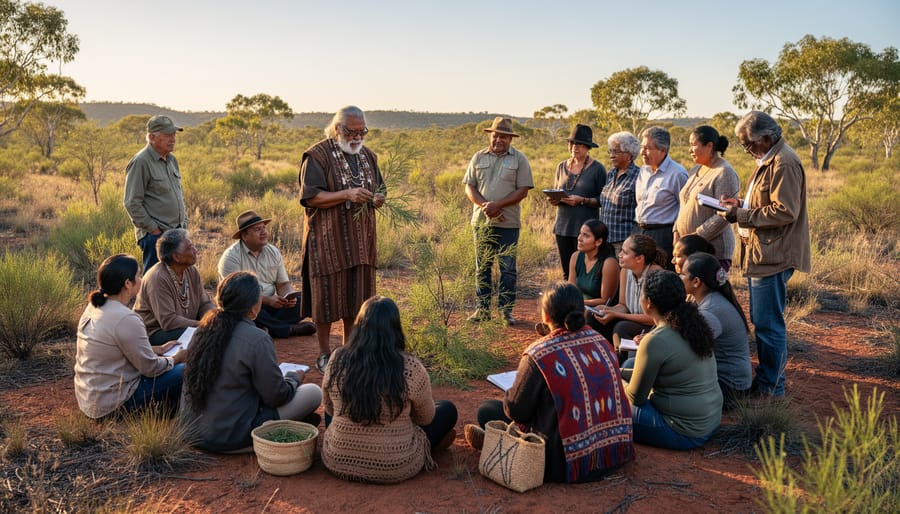
At food sustainability conferences across Australia, sessions led by First Nations knowledge holders are transforming how we understand caring for land and food systems. These presentations draw on tens of thousands of years of sustainable food practices, from seasonal harvesting calendars to fire management techniques that regenerate ecosystems rather than deplete them.
You’ll hear about native food plants that thrive in Australian conditions without irrigation, cultural burning practices that prevent devastating bushfires while encouraging new growth, and caring for Country as an integrated approach to environmental stewardship. Indigenous presenters share how their communities are reviving traditional food production methods, establishing native food enterprises, and teaching younger generations about edible plants that grow in their own backyards.
These sessions go beyond abstract concepts. Attendees learn practical applications: which bush foods can replace water-hungry crops, how traditional land management reduces chemical inputs, and why listening to seasonal indicators creates more resilient food systems. The knowledge shared connects directly to conference themes around climate adaptation, biodiversity, and reducing environmental impact, proving that the oldest food systems offer solutions for our most pressing modern challenges.
Who Should Attend (It’s Not Just Farmers)
The beauty of food sustainability conferences lies in their remarkable diversity. Walk into any event and you’ll find farmers chatting with teachers, council planners sharing notes with café owners, and backyard composters learning alongside corporate sustainability managers. These gatherings aren’t exclusive clubs for agricultural professionals, they’re open forums where anyone concerned about our food future finds practical value.
| Who Attends | What They’re After | Key Benefits |
|---|---|---|
| Home gardeners and urban farmers | Growing techniques, composting systems, seed-saving knowledge | Hands-on workshops, local seed networks, soil health solutions |
| Food business owners (cafés, restaurants, retailers) | Sustainable sourcing, waste reduction strategies, cost savings | Supplier connections, certification pathways, operational improvements |
| Local council staff and policymakers | Community programs, infrastructure planning, regulatory frameworks | Case studies from other councils, funding opportunities, collaborative models |
| Educators and community workers | Teaching resources, youth engagement methods, curriculum ideas | Ready-to-use programs, school garden networks, student-focused initiatives |
| Health professionals and nutritionists | Food system impacts on health, seasonal eating, food security issues | Evidence-based connections between sustainable food and wellbeing |
| Concerned citizens | Understanding where to start, finding local action groups, reducing personal impact | Simple first steps, community connections, empowerment through knowledge |
Perhaps you run a small bakery and want to know which local flour mills practice regenerative agriculture. Maybe you’re a parent hoping to influence your school’s canteen suppliers or start a kitchen garden program. You might work in aged care, looking for ways to reduce meal waste while improving nutrition. These conferences welcome you because sustainable food systems require participation from every point where food touches our lives.
The real magic happens when these different perspectives collide. A nutritionist learns about heritage grains from a farmer, sparking ideas for patient education. A council waste officer discovers a community composting model that a local café owner then adapts for their business. This cross-pollination of ideas and experiences creates solutions that isolated reading or online research simply can’t match.
Finding the Right Conference for Your Needs
With dozens of food sustainability events happening across Australia each year, choosing the right one can feel overwhelming. The good news is that matching a conference to your specific needs doesn’t require guesswork, just a clear understanding of what you hope to gain.
Start by identifying your primary interest area. If you’re passionate about growing food at home, look for conferences with strong tracks on urban agriculture, permaculture, or sustainable garden design. Running a café or restaurant? Prioritize events featuring sessions on sustainable sourcing, zero-waste kitchens, and supply chain transparency. Community organizers should seek out conferences emphasizing collaboration models and grassroots initiatives.
Location matters more than you might think. While major conferences in Sydney or Melbourne offer impressive speaker lineups and extensive programming, regional events often provide more intimate settings for networking and deeper engagement with local food systems. Consider the travel impact too, attending a conference two hours away rather than flying interstate aligns your actions with the values these events promote.
Budget deserves honest assessment. Registration fees range from free community gatherings to several hundred dollars for multi-day professional events. Many conferences offer early-bird discounts, student rates, or volunteer opportunities that reduce costs. Factor in accommodation and meals, but remember that some events include catered sustainable lunches or offer homestay arrangements with local hosts.
Before committing, scrutinize the program details. Strong conferences publish their session schedules well in advance, listing specific speakers and topics rather than vague themes. Look for a mix of formats, keynote presentations for inspiration, workshops for hands-on learning, and panel discussions for diverse perspectives. Check whether sessions align with your experience level; some cater to beginners while others assume advanced knowledge.
Review the speaker roster critically. Do presenters have genuine expertise and on-ground experience, or are they mainly corporate representatives? The best conferences balance academic researchers, practicing farmers, indigenous knowledge holders, and community leaders.
Finally, consider timing against your calendar and energy levels. A weekend conference might suit your schedule better than weekday events, even if the latter offers more comprehensive content. Choose when you can show up fully present rather than squeezing it between competing commitments.
The Community You’ll Find There
The most valuable thing you’ll take home from a food sustainability conference isn’t always in your notes, it’s often the phone numbers and email addresses scrawled in your program booklet.
These gatherings attract a remarkably diverse crowd united by one common thread: they’re actively doing something about food sustainability. You’ll meet urban farmers swapping composting tips with restaurant owners, council sustainability officers connecting with community garden coordinators, and educators brainstorming school programs with regenerative agriculture advocates. The energy in break-out spaces and lunch queues often rivals the formal sessions.
Australian food sustainability events have a distinctly collaborative atmosphere. Perhaps it’s our cultural aversion to pretension, but these conferences tend to skip the hierarchical networking you might find at corporate events. A backyard gardener feels comfortable approaching a keynote speaker, and established practitioners genuinely want to help newcomers get started. Conversations flow naturally from “what are you working on?” to “have you tried this approach?” to “let’s catch up after the conference.”
These connections frequently spark tangible local action. Two attendees from neighboring suburbs might establish a food-sharing network. A small producer could find their first wholesale client. Community groups discover they can pool resources for a shared commercial kitchen. The conference becomes the catalyst, but the relationships sustain the momentum long after.
Many conferences facilitate this through dedicated networking sessions, online platforms that stay active year-round, and regional meetups between major events. You’re not just attending an event, you’re joining an ongoing community of practice where people genuinely want each other to succeed. In a movement that’s fundamentally about collective action, these relationships become the infrastructure for real change.
Making the Most of Your Conference Experience
A conference badge and notebook won’t magically transform your food habits. The real value comes from intentional preparation and follow-through that turns two days of inspiration into lasting change.
Before You Go
Research the program thoroughly and mark your must-attend sessions. Check speaker backgrounds on LinkedIn, you’ll engage more meaningfully when you understand their work. Set three specific learning goals rather than trying to absorb everything. Are you investigating composting systems for your workplace? Looking to connect local growers with your café? Write these intentions down.
Download any pre-conference materials and come with questions ready. Pack business cards if you have them, or prepare a simple introduction that explains your sustainability interests. Charge your phone fully, you’ll use it for notes, photos of slides, and exchanging contacts.
During the Conference
- Arrive early to sessions you care about most. Front-row seats aren’t just for eager students, they create natural conversation opportunities with speakers afterward.
- Take strategic notes focusing on actionable ideas and specific contacts rather than transcribing everything. Snap photos of particularly useful slides or resource lists.
- Ask at least one question during Q&A sessions. It signals engagement and often sparks conversations during breaks.
- Talk to the person next to you at lunch. Some of the most valuable connections happen over sandwiches, not in formal networking sessions.
- Visit exhibitor booths with genuine curiosity. These organizations often run community projects needing volunteers or provide resources you won’t find elsewhere.
Don’t skip the “soft” sessions on storytelling or community engagement, technical knowledge means nothing if you can’t inspire others to act.
After You Return
Within 48 hours, review your notes and identify your top three takeaways. Email new contacts while the conversation’s fresh, suggesting specific ways to collaborate. Share insights with your household, workplace, or community group within the first week, teaching others cements your own learning. Choose one concrete action to implement immediately, whether that’s switching suppliers, starting a worm farm, or organizing a local food swap. Block time in your calendar for it now, not “when things settle down.”
Beyond the Conference Hall: Virtual and Hybrid Options
The pandemic accelerated what was already brewing in the events world, and food sustainability conferences haven’t looked back. Today’s conferences increasingly offer virtual attendance options that make participation possible regardless of your location, budget, or schedule constraints.
Hybrid conferences have become the sweet spot for many Australian organisers. You might attend keynote sessions from your lounge room in Tasmania while workshops run simultaneously in Melbourne, with both audiences able to interact through live chat and Q&A platforms. Some events now record all sessions and provide access for weeks afterward, letting you catch presentations you missed or revisit complex topics at your own pace.
This evolution addresses real barriers that once kept people away. Parents with caring responsibilities, shift workers, those in remote areas, or anyone unable to afford travel and accommodation costs can now access the same expertise and insights. Virtual attendance also slashes the carbon footprint of your participation by eliminating flights, accommodation energy use, and conference waste.
The networking component translates surprisingly well online too. Breakout rooms, virtual exhibitor halls, and dedicated discussion forums create spaces for meaningful connections. You’re more likely to strike up a conversation with someone interstate when you’re both in a themed chat room than you might be in a crowded physical venue.
For building sustainable habits around continuous learning, virtual options remove friction. You can dip into a lunch-hour workshop without taking a day off work, or join an evening panel discussion from home, making ongoing education genuinely accessible rather than a once-yearly commitment.
Whether you’re running a café in Sydney, growing vegetables in your backyard, or simply wanting to make better food choices for your family, food sustainability conferences offer a starting point that’s more approachable than you might think. These gatherings aren’t exclusive clubs for experts. They’re community spaces where everyday Australians are learning, sharing, and building the networks that turn concern into tangible change.
The beauty of these conferences lies in their accessibility. You don’t need a background in agriculture or environmental science to contribute to the conversation. You just need curiosity and a willingness to be part of something bigger than yourself. Each connection you make, each idea you bring home, ripples outward through your community.
Start by finding one event in your area. Attend a session that speaks to your interests. Talk to someone doing work you admire. The momentum builds from there, and before long, you’ll find yourself part of a growing movement reshaping how we grow, share, and value food across Australia. The future of our food system is being written right now, in conference halls and community centres from Cairns to Hobart, and there’s a seat at the table waiting for you.