
Verify certification credentials before signing any service contract. Request copies of ISO 14001, B Corp status, or Climate Active certifications, then cross-check these directly with issuing bodies rather than taking a provider’s word. Australian businesses waste thousands annually partnering with service providers who claim sustainability credentials that don’t hold up to scrutiny.
Examine supply chain transparency by asking potential partners to map their tier-one and tier-two suppliers. Genuine sustainable service providers willingly share information about their material sources, waste management processes, and carbon accounting methods. If a company hesitates or provides vague responses about their environmental impact data, consider it a red flag for potential greenwashing.
Calculate the true environmental cost by requesting detailed reports on water usage, energy consumption, and waste diversion rates from landfill. Compare these metrics against industry benchmarks specific to your sector. Melbourne-based procurement managers have successfully reduced their organisations’ scope 3 emissions by 40% simply by demanding quarterly sustainability performance reports from service contractors.
Review a provider’s community engagement initiatives within Australian regions they operate. Look for tangible partnerships with local environmental groups, Indigenous land management programs, or circular economy projects rather than token gestures. Service providers genuinely committed to sustainability invest in community-led environmental restoration, not just carbon offset purchases overseas.
Prioritise long-term partnership potential over lowest upfront cost. Sustainable service relationships typically deliver 15-25% cost savings over three years through improved resource efficiency, reduced waste disposal fees, and enhanced operational resilience against climate-related disruptions.
What Makes a Service Provider Truly Sustainable?
The Difference Between Green Marketing and Genuine Sustainability
Navigating the world of sustainability claims can feel like walking through a maze of buzzwords and beautiful imagery. The truth is, there’s a significant gap between companies that talk green and those that walk green. Understanding this difference is essential when selecting green service providers for your needs.
Greenwashing typically shows up as vague environmental claims without measurable proof. Watch for red flags like phrases such as “eco-friendly” or “natural” without certifications, beautiful nature imagery that distracts from actual practices, or companies that highlight one minor green initiative while ignoring their larger environmental impact.
In contrast, genuinely sustainable Australian companies are transparent about their journey. Take Patagonia Australia, which openly shares its supply chain information and acknowledges areas for improvement. Similarly, Melbourne-based Who Gives A Crap provides detailed reports on their carbon footprint and community investments. These businesses back their claims with third-party certifications like B Corp status, Climate Active certification, or Australian Certified Organic labels.
Look for companies that set specific, time-bound goals rather than making sweeping statements. Genuine sustainability involves comprehensive approaches addressing waste reduction, energy efficiency, ethical sourcing, and community engagement. They’ll readily discuss challenges they face and share regular progress updates. When a provider can explain exactly how they measure their environmental impact and what systems they’ve implemented for continuous improvement, you’re likely dealing with authentic commitment rather than clever marketing.

Why Your Service Provider Choice Impacts Your Environmental Footprint
Every purchasing decision your business makes sends ripples through the environment, and your choice of service provider creates waves far beyond your immediate operations. When you partner with a conventional cleaning company using harsh chemicals, or engage a logistics firm running inefficient diesel fleets, those environmental impacts become part of your story—even if they don’t appear on your direct emissions report.
This connection matters more than many Australian businesses realise. Under emissions accounting frameworks, your service providers fall under Scope 3 emissions—the often-overlooked category that typically represents the largest portion of an organisation’s carbon footprint. A Sydney-based tech company might proudly run on renewable energy in their office, but if their data hosting provider relies on coal-powered servers, or their catering service sources ingredients flown in from overseas, the environmental impact remains significant.
The supply chain effects multiply quickly. Consider a Melbourne café choosing between two waste management providers. The conventional option might simply truck rubbish to landfill, generating methane emissions and contributing to Australia’s waste crisis. The sustainable alternative could offer comprehensive recycling, composting programs that feed back into local agriculture, and electric vehicle fleets. That single decision influences waste diversion rates, soil health, local air quality, and even supports the broader circular economy our communities desperately need.
Your service providers also shape your ability to meet sustainability targets and reporting requirements. As Australian businesses face increasing pressure from customers, investors, and upcoming climate disclosure regulations, partnering with providers who track and reduce their environmental impact becomes essential. They’re not just delivering a service—they’re helping you demonstrate genuine commitment to ecosystem services and environmental stewardship.
The encouraging news? Every time you choose a sustainable service provider, you’re voting with your procurement budget, strengthening green businesses, and proving that environmental responsibility makes commercial sense. Together, we’re building momentum for systemic change across Australian industries.
Essential Criteria for Selecting Sustainable Service Providers
Environmental Certifications and Credentials That Actually Matter
Navigating the world of environmental certifications can feel overwhelming, but understanding which credentials hold real weight helps you identify genuine sustainable service providers. In Australia, several certifications stand out as meaningful indicators of environmental commitment.
ISO 14001 remains the gold standard for environmental management systems worldwide. This internationally recognised certification requires organisations to demonstrate systematic approaches to reducing environmental impact, with regular audits ensuring ongoing compliance. When you see ISO 14001, you’re looking at a provider who’s invested significantly in environmental processes.
Climate Active certification, managed by the Australian Government, is particularly relevant for our context. This credential means a business has measured, reduced, and offset their carbon emissions to achieve carbon neutrality. It’s rigorous and transparent, with annual reporting requirements that keep organisations accountable.
B Corp certification has gained momentum in Australia, representing businesses that balance purpose with profit. While not exclusively environmental, B Corps undergo comprehensive assessments covering environmental performance, social responsibility, and governance. Look for companies that proudly display their B Corp score, which indicates genuine transparency.
However, not all certifications carry equal weight. Be cautious of self-declared labels or memberships that require minimal effort beyond paying fees. To verify credentials, visit the issuing organisation’s website directly and search their registry. Legitimate certifiers maintain public databases of certified businesses.
Ask providers about their certification journey, renewal dates, and specific improvements they’ve made. Authentic sustainable businesses love sharing these stories and the tangible changes they’ve implemented. Remember, meaningful certifications require ongoing commitment, not just a one-time achievement.
Assessing Resource Management and Waste Practices
When selecting a sustainable service provider, understanding their approach to resource management separates genuine environmental stewards from those merely paying lip service. Think of this as your detective toolkit for uncovering the real story behind green claims.
Start by asking specific questions about water conservation. Does the provider track water usage? What systems do they have in place to reduce consumption? A Melbourne-based cleaning company recently shared how they cut water use by 40% through microfibre technology and trained staff awareness. That’s the kind of detail you’re looking for, not vague statements about caring for the environment.
Energy management deserves equal scrutiny. Request information about their energy sources. Are they powered by renewables? Do they monitor and actively work to reduce their electricity consumption? Many Australian businesses now use solar panels or purchase GreenPower, demonstrating tangible commitment beyond words.
Material choices matter enormously. Ask about procurement policies. Do they prioritize recycled, recyclable, or biodegradable materials? Can they provide specific examples of products they’ve switched to eco-friendly alternatives? Red flags include inability to name specific products or claiming everything is sustainable without documentation.
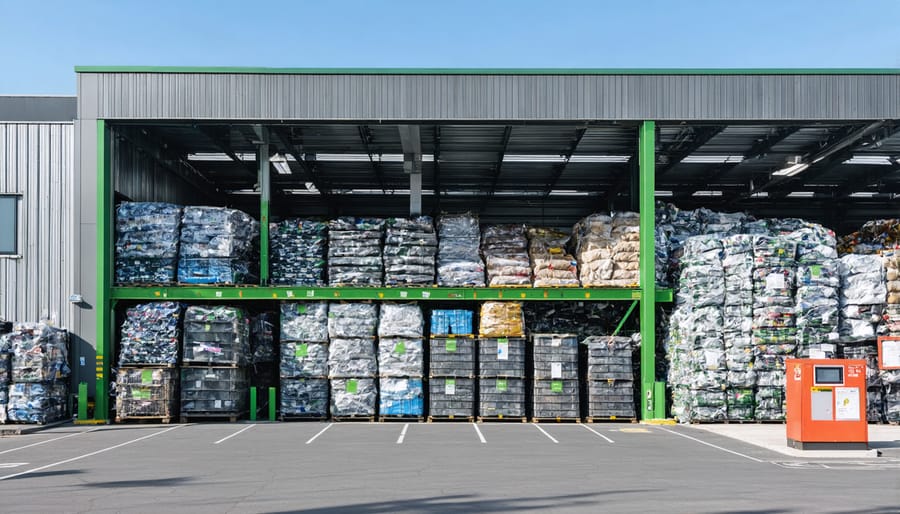
Waste practices reveal operational priorities. Inquire about their waste hierarchy approach: reduce, reuse, recycle. Do they measure waste diversion rates? Partners who track their landfill versus recycling percentages show accountability.
Watch for red flags: defensiveness when questioned, lack of specific data, inability to demonstrate continuous improvement, or reluctance to share environmental policies. Authentic sustainability champions welcome these conversations and proudly share their journey, including challenges they’re working to overcome.
Transparency and Reporting Standards
Genuine sustainable service providers should be transparent about their environmental impact, and you have every right to see the data that backs up their claims. Think of it like checking the ingredients on your food labels – transparency builds trust and helps our community make informed choices together.
Start by asking for sustainability reports or Environmental, Social, and Governance (ESG) disclosures. Many Australian companies now publish annual reports detailing their carbon emissions, water usage, waste management practices, and biodiversity initiatives. Look for providers who measure their Scope 1, 2, and ideally Scope 3 emissions – these categories cover direct emissions, purchased energy, and supply chain impacts respectively.
Carbon disclosures through frameworks like the Carbon Disclosure Project (CDP) or alignment with the Task Force on Climate-related Financial Disclosures (TCFD) show serious commitment. Don’t be intimidated by these acronyms – they’re simply standardised ways of reporting that make it easier for you to compare providers.
Performance metrics matter too. Ask about specific targets: Are they aiming for net zero by 2030? Have they achieved certified carbon neutral status through Climate Active, Australia’s government-backed certification? Request evidence of third-party verification and progress updates.
Remember, providers genuinely committed to sustainability will welcome your questions and proudly share their journey, including challenges they’re working to overcome.
Supply Chain and Community Impact Considerations
A service provider’s sustainability credentials extend far beyond their own operations. When you’re evaluating potential partners, it’s worth asking where they source their materials and who they work with. Are they choosing Australian suppliers committed to ethical practices? Do they prioritise local businesses, reducing transport emissions while supporting regional economies?
Think of it like this: when Melbourne-based construction firm Hansen Yuncken committed to using suppliers with verified environmental management systems, they created a ripple effect throughout their entire supply network. This approach didn’t just reduce their carbon footprint; it encouraged smaller suppliers to lift their sustainability game too.
Community engagement offers another powerful lens for evaluation. Look for service providers actively contributing to Australian sustainability initiatives, whether that’s participating in local Landcare projects, supporting Indigenous-led environmental programs, or partnering with organisations like Planet Ark. A genuinely sustainable business understands they’re part of a broader ecosystem.
Ask potential providers about their community investment. Do they sponsor local environmental education? Have they committed to targets aligned with Australia’s net-zero goals? Some businesses are joining initiatives like the Australian Packaging Covenant or supporting renewable energy projects in regional areas.
Remember, every purchasing decision you make sends a signal to the market. When you choose providers who prioritise sustainable supply chains and give back to their communities, you’re not just making one good choice. You’re helping build a stronger, more connected sustainability movement across Australia. That’s the kind of impact that creates lasting change.
The Australian Landscape: Leading Sustainable Service Sectors
Australia’s service sector is quietly leading a sustainability revolution, with innovative businesses proving that environmental responsibility and operational excellence can go hand in hand. From the streets of our capital cities to regional communities, forward-thinking companies are reimagining how services can tread more lightly on our planet.
In waste management, the transformation has been remarkable. Progressive operators are moving well beyond basic recycling, embracing circular economy principles where yesterday’s waste becomes tomorrow’s resource. Some facilities now divert over 90% of collected materials from landfill through advanced sorting technologies and partnerships with manufacturers who use recycled content. This isn’t just happening in major metros – regional operators are establishing innovative processing facilities that serve entire communities.
Water treatment services have similarly evolved, with providers implementing systems that reduce energy consumption by up to 40% compared to conventional methods. Smart monitoring technology now detects leaks and inefficiencies in real-time, preventing millions of litres of water loss across Australian networks annually.
The facilities management sector is embracing green building standards, with leading providers integrating solar power, rainwater harvesting, and intelligent climate control systems that dramatically cut energy use. Meanwhile, logistics companies are transitioning fleets to electric and hybrid vehicles, optimizing delivery routes through AI to reduce fuel consumption, and implementing packaging reduction programs that eliminate thousands of tonnes of waste.
What makes these shifts particularly exciting is their accessibility. Many sustainable practices that seemed cutting-edge five years ago are now becoming industry standard, creating a rising tide of environmental performance. When selecting service providers, you’re no longer choosing between sustainability and quality – increasingly, the most environmentally conscious operators are also delivering superior service outcomes. This landscape of possibility demonstrates that Australia’s service sectors are ready to support your sustainability journey.
Red Flags and Deal Breakers in the Selection Process
When you’re evaluating potential service providers, knowing what to watch out for can save you from partnering with businesses that talk the talk but don’t walk the walk. Here are the warning signs that should give you pause.
Vague sustainability claims are perhaps the biggest red flag. If a provider speaks in broad terms about “being green” or “caring for the environment” without backing it up with specific actions or measurable data, that’s a concern. Genuine commitment shows up in concrete numbers, like “we’ve reduced our carbon emissions by 30% since 2020” rather than “we’re committed to reducing our environmental impact.”
Watch for resistance when you ask detailed questions about their practices. A truly sustainable service provider should be proud to share their certifications, supply chain information, and improvement targets. If they become evasive or dismissive when you dig deeper, that’s telling you something important.
Inconsistencies between marketing messages and actual operations are another major warning sign. Take a look beyond the glossy brochures. Does their website showcase solar panels, but their facilities still rely entirely on grid power? Do they promote plastic-free packaging while their deliveries arrive wrapped in single-use materials?
Be wary of providers who lack third-party verification or recognized Australian certifications. While not every small business can afford expensive certifications immediately, established companies should have some form of independent validation of their claims.
Finally, if a provider shows no interest in continuous improvement or has no future sustainability goals, that suggests their current efforts might be more about appearances than authentic commitment. The sustainability journey is ongoing, and partners worth your time understand that.
Making the Business Case: When Sustainable Services Cost More
Let’s be honest: sustainable services sometimes come with a higher price tag upfront. A local Melbourne café owner recently shared her experience switching to a green cleaning service – the initial quote was 20% more than conventional options. Yet two years on, she’s seeing the bigger picture unfold, and the numbers tell a compelling story.
The key is shifting from sticker shock to lifecycle thinking. When evaluating costs, consider the full journey. That cheaper chemical-heavy service might seem attractive today, but what about the hidden expenses? Workplace health incidents, higher staff turnover due to exposure to harsh chemicals, potential environmental remediation costs, and compliance risks all add up. A Brisbane manufacturing facility discovered their sustainable waste management service actually reduced their insurance premiums by 15% and eliminated landfill levy charges, ultimately saving $40,000 annually.
Think of choosing sustainable services like making ethical investment decisions – you’re looking at returns beyond immediate financial metrics. Calculate the true value by factoring in energy efficiency gains, reduced regulatory risks, employee wellbeing improvements, and customer loyalty benefits. Research shows Australian consumers increasingly favour businesses with genuine environmental credentials, translating directly to competitive advantage.
Start by requesting detailed breakdowns from providers. Ask about durability, resource efficiency, and waste reduction. A Sydney property management company found their eco-friendly maintenance service actually extended equipment lifespan by 30%, dramatically reducing replacement costs.
Remember, the cheapest option today might become the costliest tomorrow. Sustainable services represent investment, not expense – protecting your business against regulatory changes, resource scarcity, and reputational risks while building a resilient future for our Australian communities.

Building Long-Term Partnerships for Continuous Improvement
Choosing the right service provider is just the beginning of your sustainability journey. The real transformation happens when you build genuine partnerships focused on continuous improvement. Think of it like tending a community garden – it’s the ongoing care and collaboration that yields the best results.
Start by establishing clear sustainability KPIs together with your service provider. These might include waste diversion rates, carbon emissions reductions, or percentage of renewable energy used. Melbourne-based café owner Sarah discovered this approach transformed her relationship with her waste management company. “We moved from simply paying for bin collection to working together on composting targets and packaging innovations,” she shares. This collaborative approach saw her business achieve an 80% waste diversion rate within twelve months.
Regular review processes are essential. Schedule quarterly sustainability check-ins to assess progress against your agreed metrics. These sessions shouldn’t feel like performance reviews – instead, create opportunities for open dialogue about challenges and wins. Many Australian businesses find that combining data review with brainstorming sessions sparks innovative solutions neither party would have developed alone.
Innovation thrives in partnerships where both parties feel invested in outcomes. When you’ve used solid sustainable selection criteria to choose your provider, you’ve found someone who shares your values. Now, invite them to co-create solutions. Your service provider works across multiple clients and industries – they’re goldmines of practical knowledge about what’s working elsewhere.
Create accountability mechanisms that drive genuine progress. This might include sustainability clauses in contracts, shared savings from efficiency improvements, or public recognition of achievements. Perth’s local council system demonstrates this beautifully, where contractors earn contract extensions based on sustainability performance metrics.
Remember, sustainable partnerships require patience and commitment from both sides. Some improvements take time to implement, and occasional setbacks are part of the learning process. By fostering trust and maintaining open communication, you’ll build relationships that deliver environmental and business benefits for years to come.
The future we’re building begins with the choices we make today. Every time we select a service provider, we’re casting a powerful vote for the kind of world we want to inhabit. Across Australian communities, from Byron Bay to Hobart, forward-thinking businesses and individuals are demonstrating that sustainable procurement decisions aren’t just ethically sound—they’re practical, achievable, and increasingly essential for long-term success.
The opportunity before us is remarkable. When we collectively shift toward sustainable service providers, we create ripples that extend far beyond our immediate needs. We support local employment, reduce emissions, protect precious ecosystems, and inspire others to follow suit. This isn’t about perfection; it’s about progress and intention.
Now is the moment to act. Review your current service providers through a sustainability lens. Ask the hard questions. Seek out certifications and genuine commitment to environmental stewardship. Set new selection criteria that reflect your values and our planet’s needs. Together, we’re not just choosing services—we’re shaping Australia’s sustainable future, one thoughtful decision at a time.