
Most people assume their home is reasonably secure.
Locks are in place. Perhaps there is an alarm. Maybe a camera above the garage.
But security often feels stronger from inside the house than it appears from the street.
These tests are a simple way to assess your property from the perspective that matters most. The outside view. It is not about fear. It is about friction. The goal is to understand how much effort your home appears to require.
Below are five practical experiments any homeowner can run in under 30 minutes.
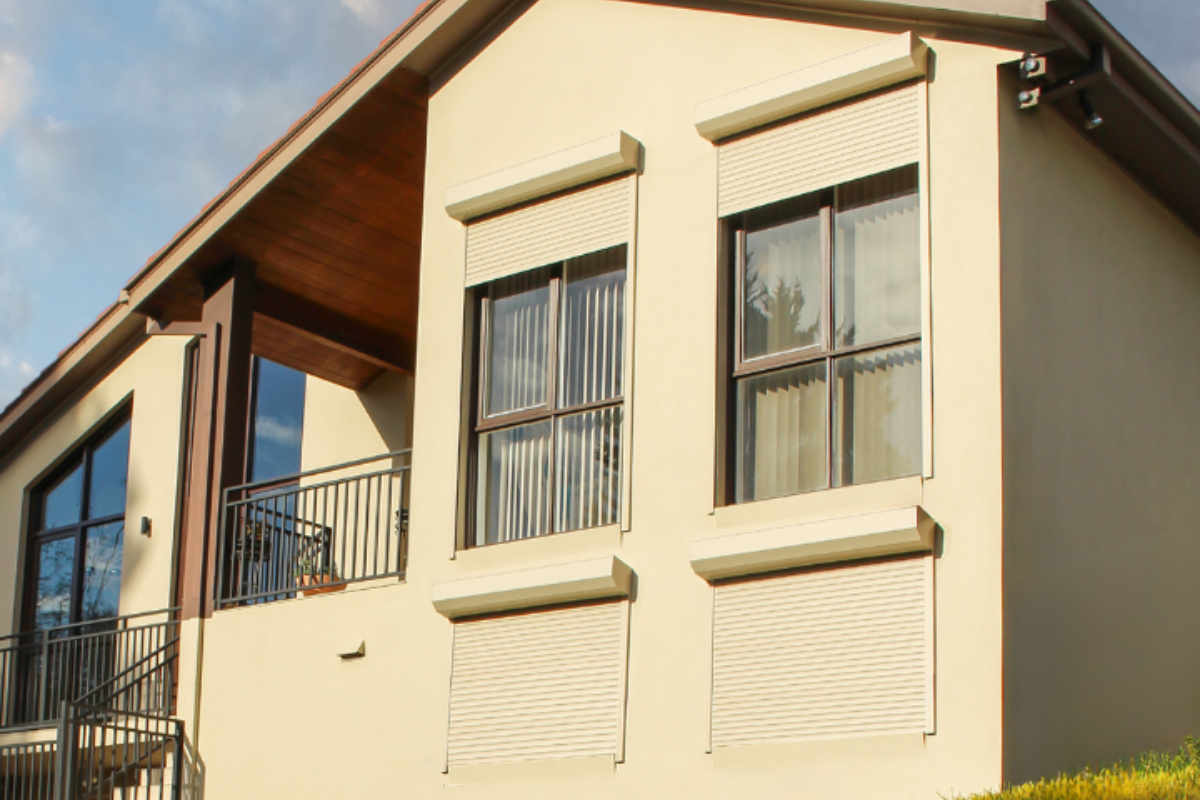
Experiment One: The 20 Second Street Scan
Stand across the road. Set a timer for 20 seconds.
In that short window, assess your home as if you had never seen it before.
Ask yourself:
- Are windows visibly reinforced?
- Is there clear resistance to forced entry?
- Are entry points concealed by hedges or fencing?
- Does the property look easier than neighbouring homes?
Most opportunistic burglaries involve quick assessments. If nothing signals resistance within the first glance, your property may appear accessible.
Quick Visual Resistance Checklist
- Are windows covered by visible barriers?
- Are ground level entry points clearly reinforced?
- Would forced entry create obvious noise?
- Would someone attempting entry be exposed?
(Image: Street visual assessment. Credit: Titan Shutters)
Experiment Two: The Effort Calculation
Now shift perspective. Imagine attempting to enter your home without a key.
How many steps would it realistically take?
For example:
- Break glass
- Reach inside to unlock
- Force door
- Climb through window
Then consider how that sequence changes if a physical external barrier is present.
David Spottiswood, founder of Titan Shutters, says the calculation often happens subconsciously. “Most burglars are looking for speed. If the effort required increases beyond a quick entry, they usually move on.”
Security is rarely about eliminating risk entirely. It is about increasing effort beyond what is convenient.
Experiment Three: The Night Visibility Test
Return to your property after dark.
Observe:
- Are entry points well lit?
- Are windows exposed to street view?
- Are side paths concealed?
Lighting reduces concealment but does not block access. It changes visibility. Physical barriers change entry.
|
Feature |
Improves Visibility |
Physically Prevents Entry |
Primary Effect |
|
Yes |
No |
Exposure |
|
|
CCTV cameras |
Yes |
No |
Monitoring |
|
Alarm system |
No |
No |
Detection |
|
Security screens |
Yes |
Partial |
Delay |
|
Yes |
Yes |
Deterrence |
Experiment Four: The Neighbour Comparison
Walk your street.
Which homes appear harder to enter than yours? Which look easier?
Burglary is often relative. A property does not need to be fully unsecured to become the preferred option. It simply needs to appear less protected than nearby alternatives.
If neighbouring homes display reinforced windows or shutters and yours does not, perception shifts quickly.
Spottiswood notes that visual contrast matters. “Burglars do not rate homes in isolation. They compare them. If one house clearly looks harder than the next, the easier one becomes more attractive.”
Experiment Five: The Deployment Reality Check
If you already have security measures, ask an honest question.
Do you use them consistently?
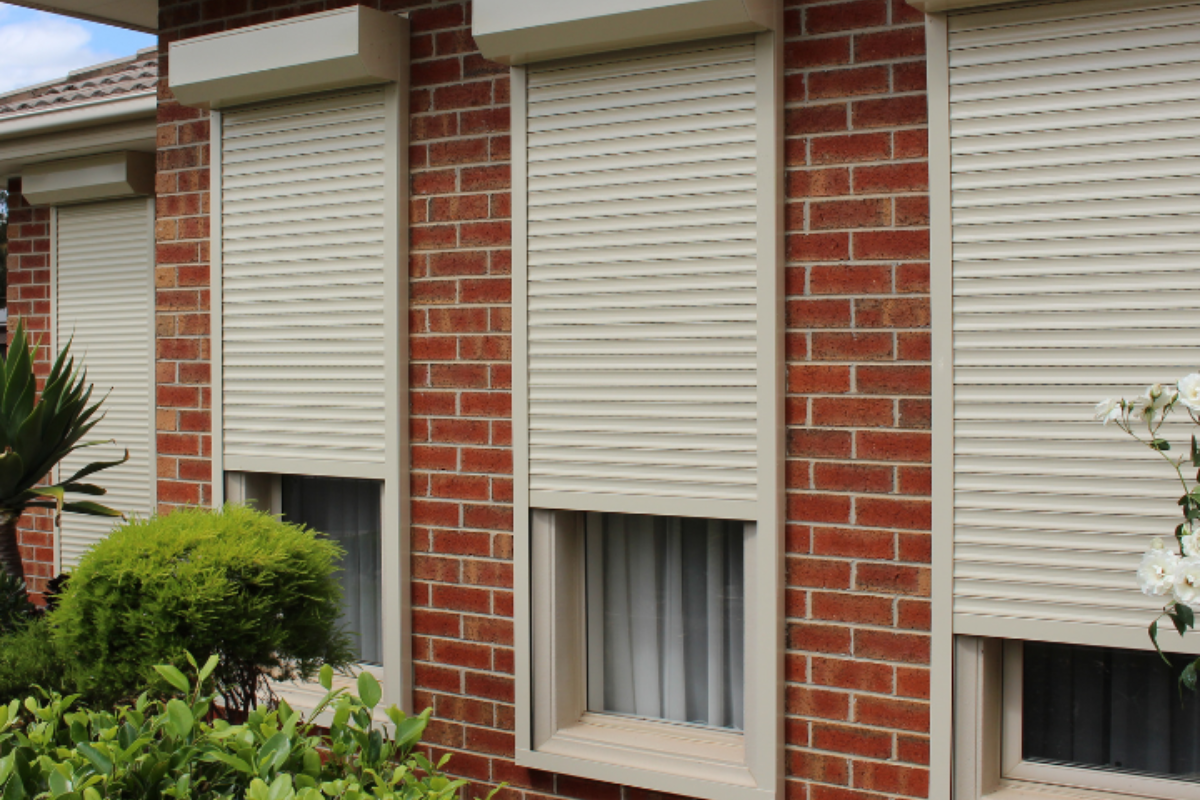
An alarm that is rarely armed offers limited benefit. Security screens that remain open reduce their value. Shutters that are difficult to operate may not be deployed daily.
Ease of use influences effectiveness. Smooth motorised systems encourage regular closure at night or during extended absences. Consistency strengthens deterrence.
Security that remains theoretical does little to influence behaviour from the street.
(Image: Ease of security use. Credit: Titan Shutters)
Understanding What Actually Changes Behaviour
Most security tools respond after an event begins. They notify, record or escalate.
Visible physical barriers work earlier. They alter the decision process before contact is made.
This distinction matters.
When offenders see reinforced windows, the perceived effort rises. More effort increases time. More time increases exposure. Increased exposure raises the chance of interruption.
These tests are not about paranoia. They are about perception.
If a home looks simple to access, it may rank higher on an opportunistic shortlist. If it appears resistant, noisy or time consuming, it often drops lower.
Running these five experiments offers a clearer view of how your property presents from the outside. In many cases, small changes to visibility and resistance can significantly influence that first 20 second judgement.