
# Zero Waste Economy: Australia’s Path to a Sustainable Future
Every Australian generates approximately 2.5 tonnes of waste annually, yet imagine a future where waste simply doesn’t exist. This isn’t fantasy—it’s the promise of a zero waste economy, a transformative system already reshaping how forward-thinking communities and businesses across our nation operate.
The zero waste economy represents a fundamental shift from our traditional “take-make-dispose” model to a circular system where resources continuously flow through cycles of use and regeneration. Unlike conventional recycling efforts that merely delay waste, this approach redesigns entire production and consumption systems to eliminate waste before it’s created. Think of it as nature’s blueprint: in ecosystems, one organism’s output becomes another’s input, creating closed loops where nothing is wasted.
For Australian businesses and households, embracing zero waste principles isn’t just environmentally responsible—it’s economically smart. Companies implementing these strategies report reducing operational costs by 20-40% through improved resource efficiency, while simultaneously building brand loyalty among increasingly conscious consumers. From Melbourne cafés eliminating single-use packaging to Brisbane manufacturers redesigning products for complete recyclability, the movement demonstrates that profitability and sustainability aren’t opposing forces.
The urgency has never been clearer. With Australian landfills projected to reach capacity within decades and our reliance on international waste markets severely disrupted, transitioning to a zero waste economy isn’t simply an environmental aspiration—it’s an economic imperative. The good news? The framework exists, successful models are operating across our states, and the community momentum is building.
This guide will equip you with practical understanding of zero waste economics, showcase inspiring Australian examples, and provide actionable pathways for implementing these principles in your own context, whether you’re managing a household or running an enterprise.
What a Zero Waste Economy Actually Means (Beyond the Buzzwords)
The Circular Economy Framework
The circular economy reimagines how we produce, consume and manage resources by keeping materials in use for as long as possible. Unlike the traditional “take-make-dispose” model, this framework creates closed-loop systems where products and materials continuously cycle back into productive use, eliminating the concept of waste entirely.
Think of it as nature’s model – nothing goes to waste in a forest ecosystem. Fallen leaves become nutrients for new growth, creating an endless cycle of regeneration. Australian businesses are successfully applying this principle across diverse industries.
KeepCup, the Melbourne-based reusable coffee cup company, exemplifies circular design by creating durable products that replace thousands of single-use items. Similarly, Upparel in Sydney transforms textile waste into industrial products, preventing clothing from landfill whilst creating new materials.
In Queensland, Goterra has revolutionised recycling organic materials by using insects to process food waste into livestock feed and fertiliser. Meanwhile, furniture manufacturer Koala has pioneered Australia’s first sofa take-back program, refurbishing returned items for resale or recycling materials into new products.
These circular models demonstrate how businesses can thrive financially whilst eliminating waste. By designing products for longevity, repairability and eventual recycling, they’re proving that environmental responsibility and economic success aren’t just compatible – they’re increasingly inseparable in building resilient, future-focused enterprises.
Zero Waste vs. Less Waste: Understanding the Difference
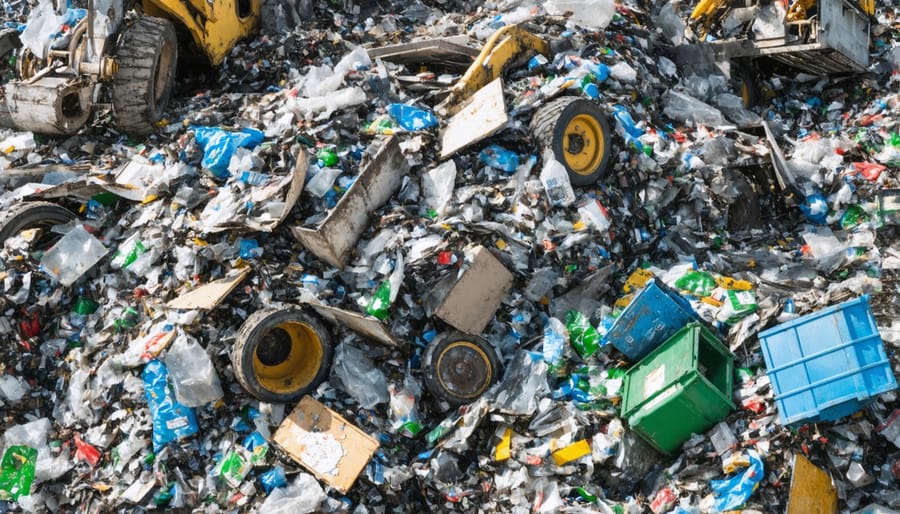
Let’s be honest—achieving absolutely zero waste is incredibly challenging, perhaps even impossible for most of us. And that’s perfectly okay. The zero waste economy isn’t about perfection; it’s about progress and intention.
Think of “zero waste” as your north star—a guiding principle that inspires better choices rather than an absolute destination. Many Australian households and businesses are embracing “less waste” as a more realistic starting point, gradually reducing their waste footprint while working toward that ultimate goal.
Consider Melbourne’s Lentil as Anything, a pay-as-you-feel restaurant chain. While they can’t eliminate every piece of waste, they’ve dramatically reduced it through composting, salvaging surplus food, and minimising packaging. They’re not perfect, but they’re making a significant impact.
The key difference? Zero waste is aspirational and systemic—it’s about redesigning our entire economy. Less waste is practical and personal—it’s about the changes you can implement today. Both matter enormously.
When businesses claim they’re “going zero waste,” they’re typically committing to divert 90% or more of their waste from landfill. That remaining 10%? It represents the current limitations of infrastructure and technology, not a failure of commitment.
Start where you are, use what you have, and celebrate every bin bag you don’t fill. Every small action contributes to building Australia’s zero waste future.
Why Australia Needs a Zero Waste Revolution Now
The True Cost of Our Current System
Australia’s linear economy comes with a hefty price tag that affects us all. Each year, Australians generate over 75 million tonnes of waste, with nearly 27 million tonnes ending up in landfills. These aren’t just confronting numbers—they represent real costs hitting communities and businesses alike.
State governments collect landfill levies that now reach up to $153 per tonne in some regions, costs ultimately passed down to households and businesses. But the financial impact goes deeper. When we discard materials like metals, plastics, and organic matter, we’re literally throwing away resources worth billions. Manufacturing these materials from scratch requires significantly more energy and raw materials than recycling or reusing them.
The environmental toll adds another dimension to these costs. Our landfills release methane—a greenhouse gas 25 times more potent than carbon dioxide—contributing to climate change impacts already affecting Australian communities through bushfires, droughts, and coastal erosion. Contaminated leachate from landfills threatens groundwater systems, whilst resource extraction for new materials degrades natural habitats.
Here’s the opportunity: redirecting even a fraction of these wasted resources back into productive use could strengthen local economies whilst protecting the environment we all cherish.
The Business Opportunity Hidden in Our Bins
What we toss in our bins isn’t rubbish—it’s raw material with remarkable economic potential. Australia’s National Waste Report reveals that our discarded materials represent approximately $10 billion in lost economic value annually, a figure that’s catching the attention of forward-thinking entrepreneurs and established businesses alike.
The resource recovery sector is already creating meaningful employment across the country. In Victoria alone, remanufacturing and repair industries employ over 70,000 people, demonstrating that sustainable practices and job creation go hand in hand. From Melbourne repair cafés teaching communities to fix household items, to innovative Brisbane companies transforming coffee grounds into skincare products, Australians are discovering profitable ventures in what others overlook.
The beauty of this opportunity lies in its accessibility. Small businesses are turning textile waste into insulation, food scraps into compost products, and construction debris into building materials. Each tonne of waste diverted from landfill and processed locally creates approximately four times more jobs than traditional waste disposal methods. This isn’t just environmentally responsible—it’s economically smart, building resilient local economies while reducing our reliance on virgin materials and overseas manufacturing.
How Zero Waste Transforms Eco-Friendly Waste Management
From End-of-Pipe to Designed-Out Waste
For decades, Australian businesses and households operated on a simple assumption: create products, use them, then deal with the mess afterward. This “end-of-pipe” approach treated waste management as an afterthought—installing filters on smokestacks, building bigger landfills, and implementing recycling programs to handle what we’d already thrown away. It’s like mopping the floor while the tap’s still running.
The zero waste economy flips this thinking entirely. Instead of managing waste after it’s created, we’re learning to design it out of existence from the start. This means rethinking everything from product design to business models, asking “How can we eliminate waste before it happens?” rather than “What do we do with waste once it exists?”
Consider Melbourne’s growing community of cafés now offering only reusable cup systems, or Sydney manufacturers designing products for complete disassembly and material recovery. These aren’t just better waste solutions—they’re waste prevention built into the DNA of how we do business.
This shift represents more than improved eco-friendly waste management; it’s a fundamental reimagining of our relationship with materials. In a designed-out waste system, products become nutrients that cycle endlessly through either biological systems (compostable materials) or technical systems (perpetually recyclable components). Nothing is designed to become rubbish because rubbish, as a concept, ceases to exist. This isn’t idealistic dreaming—it’s practical economics that Australian innovators are already proving works.
Smart Collection and Sorting Systems
Australia is leading the charge in transforming how we collect and sort waste, with communities across the nation embracing smart technologies that make zero waste achievable. Modern waste management now extends far beyond the traditional bin system, incorporating artificial intelligence and community-driven solutions that are revolutionising our approach to resources.
Several Australian councils have partnered with tech companies to deploy AI-powered sorting facilities that can identify and separate materials with remarkable precision. These facilities use optical sensors and machine learning to distinguish between different types of plastics, metals, and paper products – achieving sorting accuracy rates above 95%. The City of Melbourne’s advanced materials recovery facility, for example, processes over 80,000 tonnes annually, recovering materials that would have previously been destined for landfill.
Community collection programs are equally transformative. The “Return and Earn” container deposit schemes operating across multiple states have collected over 7 billion containers since inception, demonstrating how simple incentive systems can drive participation. Meanwhile, grassroots initiatives like community repair cafés and tool libraries are preventing perfectly usable items from entering the waste stream altogether.
Smart bin technology is also making waves, with sensors alerting collection services only when bins are full, reducing unnecessary truck movements and associated emissions. Some Brisbane neighbourhoods are trialling smart bins that weigh contents and provide residents with real-time feedback on their waste reduction progress.
These innovations prove that when technology meets community engagement, zero waste shifts from aspiration to achievable reality for Australian households and businesses alike.

Australian Businesses Leading the Zero Waste Charge
Small Business Success Stories
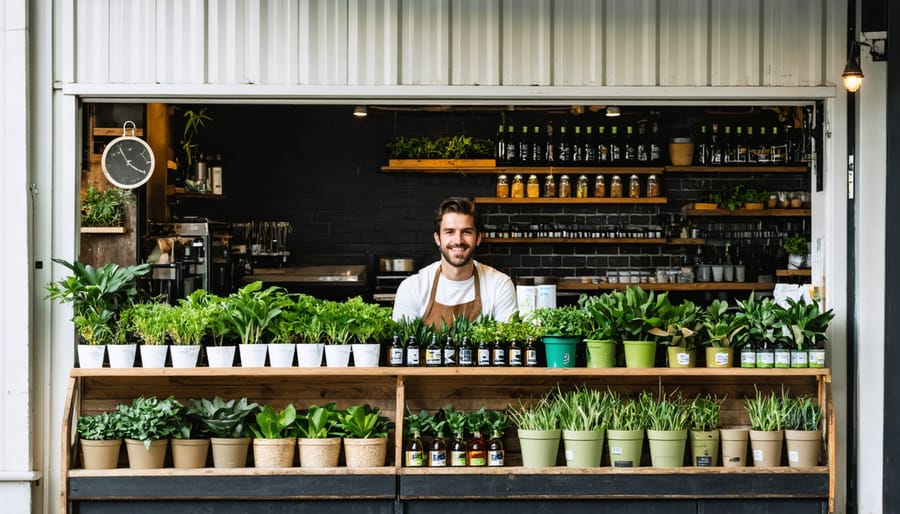
Australian small businesses are proving that zero waste isn’t just achievable—it’s good for the bottom line. These inspiring examples show how practical changes can make a real difference.
**The Jar Café** in Melbourne transformed their operations by eliminating single-use packaging entirely. Customers bring their own containers for takeaway meals, or borrow from the café’s lending library of reusable jars. Within twelve months, they diverted 2.5 tonnes of waste from landfill while reducing costs by 15%. Their secret? Starting small with one waste stream at a time, beginning with coffee cups before tackling food packaging.
In Sydney, **Nude Food Market** operates a grocery store where everything is package-free. Shoppers bring containers to fill with bulk goods, from pasta to peanut butter. The business partners with local suppliers who deliver in returnable crates, creating a circular supply chain that benefits everyone involved.
Melbourne-based **The Circular Project** offers a repair café and tool library, keeping useful items out of landfill while building community connections. They’ve repaired over 3,000 items since launching in 2020, preventing an estimated 8 tonnes of waste.
These businesses demonstrate that success comes from commitment, creativity, and community engagement. Each started with simple changes—composting, eliminating plastic bags, or partnering with like-minded suppliers—then built from there, proving that every Australian business can contribute to a zero waste future.
Large-Scale Industrial Innovation
Australian manufacturers are proving that industrial-scale waste transformation isn’t just environmentally responsible—it’s economically smart. These pioneering operations are redefining what we consider ‘waste’ by turning byproducts into profitable resources.
Take Visy Industries, which processes over 1.8 million tonnes of recovered paper and cardboard annually across Australia, converting it into new packaging materials. Their closed-loop system demonstrates how large-scale recycling infrastructure creates jobs whilst dramatically reducing landfill dependence. Similarly, Tomra Cleanaway’s advanced sorting facilities in Sydney and Melbourne use optical recognition technology to separate recyclables with 95% accuracy, creating pure material streams for remanufacturing.
The food and beverage sector is leading impressive transformations too. Lion’s brewery in South Australia sends zero waste to landfill by converting spent grain into livestock feed and transforming wastewater into biogas for energy production. Meanwhile, Cement Australia incorporates alternative fuels from industrial waste streams, replacing traditional fossil fuels and preventing thousands of tonnes from landfill.
These success stories mirror the principles behind Japan’s zero waste revolution, showing that with commitment and innovation, industrial operations can become circular systems. For Australian businesses considering similar transformations, the message is clear: waste-to-value systems reduce costs, create competitive advantages, and position companies as sustainability leaders in an increasingly environmentally conscious marketplace.
Making Zero Waste Work for Your Household or Business
Starting Your Zero Waste Journey: The First 30 Days
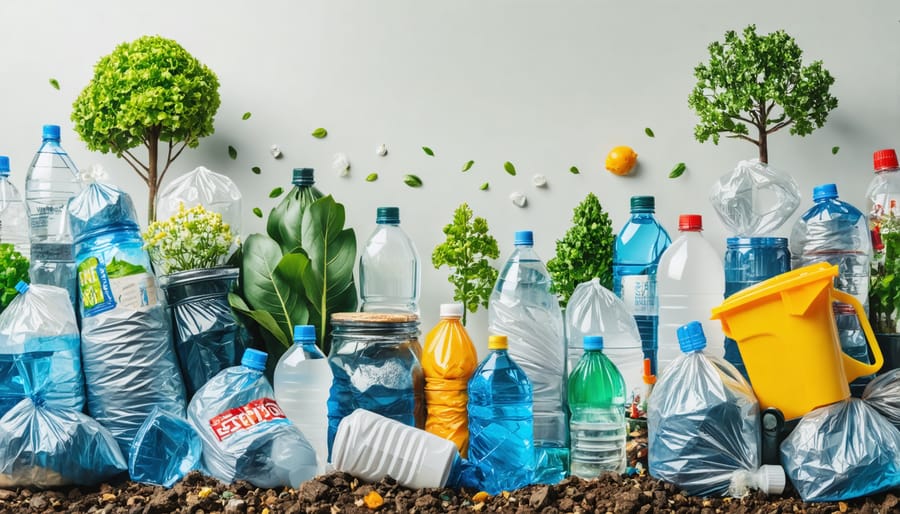
The first month sets the foundation for lasting change. Whether you’re an individual household or a business, start by conducting a week-long waste audit. Simply separate your rubbish into categories—organic, recyclables, soft plastics, and landfill—to understand where most waste originates. Many Australian families discover that 40% of their bin consists of food scraps that could be composted.
Your quick wins matter enormously. Switch to reusable shopping bags, coffee cups, and water bottles within the first week. These simple swaps prevent hundreds of single-use items from reaching landfill annually. For businesses, audit your supply chain and identify one area for immediate improvement—perhaps switching to compostable packaging or establishing a workplace composting system.
By week two, engage your community. Connect with local zero waste groups across Australian cities, from Melbourne’s sharing networks to Brisbane’s repair cafes. These connections provide support and practical resources. Businesses can partner with organisations like the Australian Packaging Covenant to access expert guidance.
During weeks three and four, establish sustainable waste reduction habits that become automatic. Set up recycling stations, start meal planning to reduce food waste, or implement a “refuse before you choose” policy for unnecessary items. Track your progress—seeing a half-empty bin creates powerful momentum. Remember, perfection isn’t the goal; consistent improvement is what transforms systems and creates lasting environmental impact.
Building Systems That Stick
Creating lasting change means weaving zero waste into the fabric of your operations, not treating it as a one-off project. Start by building strong partnerships with suppliers who share your values—many Australian businesses now prioritise vendors offering bulk ordering, minimal packaging, or take-back schemes for materials like pallets and containers.
Staff engagement is your secret weapon. When your team understands the ‘why’ behind zero waste, they become innovators. Melbourne’s Queen Victoria Market transformed their waste management by empowering stallholders to champion reusable containers, creating a ripple effect throughout their community. Regular training sessions, celebrating small wins, and creating feedback loops keep momentum alive.
Measuring progress keeps you accountable and motivated. Track diversion rates (waste redirected from landfill), cost savings, and carbon reduction. Simple metrics like “kilograms of waste per customer served” or “percentage of suppliers with sustainable packaging” tell compelling stories. Many councils across New South Wales and Victoria now offer free waste audits to help businesses benchmark their performance.
Remember, perfection isn’t the goal—consistent improvement is. Every step forward strengthens your system and inspires others to follow.
Australian Resources and Support Networks
Australia offers robust support for businesses and communities embracing zero waste principles. The **Australian Circular Economy Hub** connects innovators with funding opportunities and collaborative networks, while **Planet Ark** provides practical resources and runs educational programs like National Recycling Week. State-based organizations such as **Sustainability Victoria** and **Circulate SA** offer grants and consultancy services tailored to regional needs.
For community-driven initiatives, **Zero Waste Australia** facilitates grassroots networks and knowledge-sharing forums. The **National Waste and Recycling Industry Council** provides industry-specific guidance and certification pathways. Many local councils now employ dedicated circular economy officers who can connect you with regional networks and pilot programs.
Business-focused support includes the **Business Council for Sustainable Development Australia**, offering strategic advice on waste reduction. Regional hubs like **CleanTech Connect Queensland** link enterprises with technical expertise and investment opportunities. Whether you’re starting your zero waste journey or scaling existing efforts, these organizations provide the guidance, funding, and community connections essential for success in Australia’s growing circular economy.
Overcoming the Roadblocks to Zero Waste
When Zero Waste Feels Expensive
Let’s be honest—those reusable beeswax wraps and stainless steel lunch containers can make your wallet wince at first glance. Many Australians hesitate to embrace zero waste because the upfront costs feel steep compared to grabbing cheap disposables at the supermarket. But here’s the truth: those initial investments pay for themselves, often within months.
Consider this—a $25 reusable coffee cup saves you approximately $1 per takeaway coffee, breaking even after just 25 coffees. That’s less than a month for most of us! Similarly, switching to cloth shopping bags (around $3 each) eliminates the need for 15-cent plastic bags that quickly add up.
Start small without breaking the bank. Begin with what you already own—glass jars become storage containers, old t-shirts transform into cleaning rags. Shop secondhand for containers at op shops, or join local Buy Nothing groups across Australian communities where members freely share resources.
The beauty of affordable waste management lies in gradual change. Replace disposables as they run out rather than tossing everything immediately. Track your savings over three months—you’ll likely find reduced grocery bills from bulk buying and fewer impulse purchases. Zero waste isn’t about perfection or expensive products; it’s about making thoughtful choices that benefit both your budget and our planet.
Rural and Regional Challenges
Living beyond Australia’s capital cities shouldn’t mean compromising your zero waste journey. Regional communities are pioneering creative solutions that work with, rather than against, their unique circumstances.
Community buying cooperatives are transforming access to package-free goods. Groups in towns like Ballarat and Tamworth organise bulk orders together, sharing transport costs and creating informal refill stations in members’ homes. These grassroots initiatives build connection while reducing waste—start one by gathering interested neighbours through local Facebook groups or community noticeboards.
Mobile collection services are emerging across regional Australia. Organisations like Terracycle offer postal return programs for hard-to-recycle items, whilst some councils now provide quarterly collection drives for e-waste and soft plastics. Check your council’s website regularly for updates.
Rural residents excel at the original zero waste practices: composting, repair skills, and creative reuse. Embrace farming traditions of fixing rather than replacing, join local tool libraries or repair cafés, and connect with agricultural communities who’ve always understood circular systems. Many country towns host thriving secondhand networks through op shops and community swap meets.
Distance needn’t be a barrier—it’s an opportunity to rediscover resilient, community-focused solutions that urban dwellers are only now relearning.
Australia stands at a pivotal moment where economic prosperity and environmental stewardship are no longer competing priorities—they’re intrinsically linked. The transition to a zero waste economy isn’t just an environmental necessity; it’s an economic opportunity that positions our nation as a leader in innovative resource management. Every tonne of waste diverted from landfill represents materials that can fuel local industries, create jobs, and reduce our reliance on virgin resources.
The path forward begins with tangible, immediate actions. Start by conducting a waste audit in your home or business this week—understanding what you’re discarding is the first step toward eliminating waste. Connect with local council programs, participate in community repair cafés, and support businesses committed to circular practices. These individual choices ripple outward, creating market demand for sustainable alternatives and inspiring others to follow.
But transformation happens fastest when we act together. Join local environmental groups, share your zero waste journey with neighbours, and advocate for better waste infrastructure in your community. Australian innovation has always thrived when we collaborate—from pioneering recycling technologies to developing biodegradable alternatives from native plants. Our collective creativity, combined with immediate action, can reshape how we produce, consume, and value resources.
The zero waste economy isn’t a distant aspiration—it’s being built right now by Australians like you. Your next decision matters. What will you choose to change today?