
Every week, Australian households toss out enough food to fill the Melbourne Cricket Ground—over 7.6 million tonnes annually. But a growing movement of zero-waste chefs across the country is proving we can cook delicious meals while sending virtually nothing to landfill.
A zero-waste chef transforms the way you shop, prep, and cook by treating every ingredient as valuable. This means using broccoli stems in stir-fries, turning citrus peels into cleaning solutions, and composting what truly cannot be eaten. The approach saves Australian families an average of $2,000 yearly while dramatically reducing the methane emissions that make food waste one of our biggest climate challenges.
The beauty of zero-waste cooking lies in its accessibility. You don’t need expensive equipment or complicated techniques—just a shift in perspective. That carrot top becomes pesto. Stale bread transforms into croutons. Vegetable scraps simmer into rich stock. These aren’t just thrifty tricks; they’re skills that reconnect us with traditional cooking wisdom our grandparents knew instinctively.
From Sydney cafes to Perth home kitchens, Australians are discovering that zero-waste cooking isn’t about perfection or sacrifice. It’s about creativity, flavor, and respect for the resources our farmers work hard to produce. Whether you’re a home cook wanting to shrink your bin or a hospitality professional seeking sustainable operations, the zero-waste chef approach offers a practical pathway that benefits your wallet, your community, and the planet we all share.
What Does a Zero-Waste Chef Actually Do?
A zero-waste chef isn’t just someone who recycles their takeaway containers or composts occasionally. This approach represents a fundamental shift in how we think about food, from shopping through to cooking and beyond. At its heart, the zero-waste chef philosophy embraces the 5 R’s: Refuse, Reduce, Reuse, Repurpose, and Rot (compost).
In practice, this means refusing single-use plastics at the supermarket, reducing food purchases to what you’ll actually use, reusing containers and shopping bags, repurposing leftovers creatively, and composting what remains. It’s about seeing potential where others see waste – turning broccoli stems into pesto, citrus peels into cleaning products, and vegetable scraps into rich stock.
Here’s what might surprise you: being a zero-waste chef doesn’t require culinary school training or expensive equipment. It’s not about perfection either. Many Australians mistakenly believe this lifestyle is only for wellness influencers or professional chefs with unlimited time. The reality? It’s completely achievable for everyday families, students, and busy professionals across Australia.
The zero-waste kitchen mindset shifts your relationship with food. Instead of following recipes rigidly, you learn to cook intuitively with what you have. That bunch of wilting herbs becomes tomorrow’s chimichurri. Stale bread transforms into breadcrumbs or panzanella salad. Chicken bones simmer into nourishing broth.
This philosophy connects beautifully with broader sustainable practices many Australians are already embracing. It’s not about judgment or achieving zero waste overnight – it’s about progress, not perfection.
The most encouraging aspect? Small changes create ripple effects. When you stop buying pre-packaged vegetables, you reduce plastic waste. When you compost, you enrich soil and reduce methane emissions from landfills. When you plan meals around what’s in season locally, you support Australian farmers and reduce food miles.
Zero-waste cooking is ultimately about resourcefulness, creativity, and respect for our food system – values that resonate deeply within Australian communities already passionate about protecting our unique environment.
The Real Cost of Kitchen Waste in Australian Homes
Every year, Australian households bin approximately 2.5 million tonnes of edible food, and the impact hits closer to home than you might think. The average Aussie family tosses out roughly one in five grocery bags, which translates to around $2,000 to $2,500 worth of perfectly good food annually. That’s a family holiday to Queensland or a year’s worth of electricity bills disappearing straight into the rubbish bin.
Picture this familiar scene: wilted herbs languishing in your crisper, that ambitious bag of salad greens turning to mush, or the bottom third of a loaf of bread going stale because you bought two when one would’ve done. These small losses add up quickly. When we multiply these individual household habits across Australia’s 10 million households, we’re looking at a national crisis that extends far beyond our kitchen bins.
The environmental toll tells an equally compelling story. Food waste in Australian landfills generates methane, a greenhouse gas 25 times more potent than carbon dioxide. Our discarded food contributes approximately 3 percent of Australia’s total greenhouse gas emissions. We’re also wasting the 1,500 litres of water it took to produce each kilogram of food that ends up in the bin, a particularly sobering thought during our recurring droughts.
Here’s the encouraging news: this isn’t about finger-pointing or shame. Communities across Australia are already turning this around, from Melbourne’s community composting initiatives to Sydney’s food rescue programs. The transformation starts in our own kitchens, where simple changes create ripple effects that benefit both our wallets and our environment. Understanding what’s at stake helps us see kitchen efficiency not as a chore, but as a meaningful contribution to Australia’s sustainable future.
Rethinking Your Kitchen Setup: The Foundation of Zero-Waste Cooking
Essential Tools Every Zero-Waste Kitchen Needs
Transforming your kitchen into a zero-waste haven doesn’t require a complete overhaul or breaking the bank. Start with these essential tools that Australian zero-waste chefs swear by.
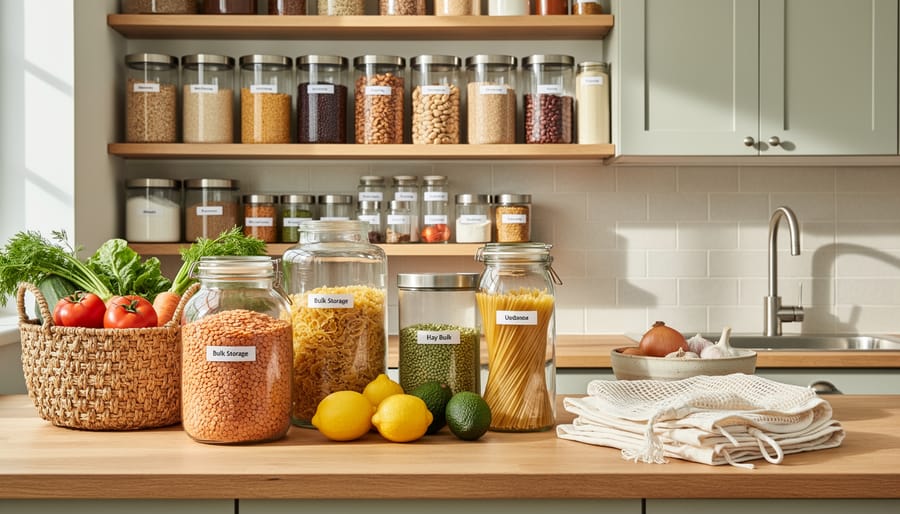
Reusable containers form the backbone of any waste-free kitchen. Glass jars in various sizes work brilliantly for storing everything from pantry staples to leftovers. Many Aussies collect jars from pasta sauces and condiments, giving them a second life at no extra cost. For those wanting matching sets, Kmart and The Reject Shop offer affordable options, while Biome and The Source Bulk Foods stock premium alternatives.
Beeswax wraps have revolutionised food storage across Australian kitchens. These washable, reusable wraps replace cling film perfectly and typically last a year with proper care. Local brands like Apiwraps and Onya make excellent Australian-made options, though you can craft your own for a fraction of the price using organic cotton and sustainably sourced beeswax.
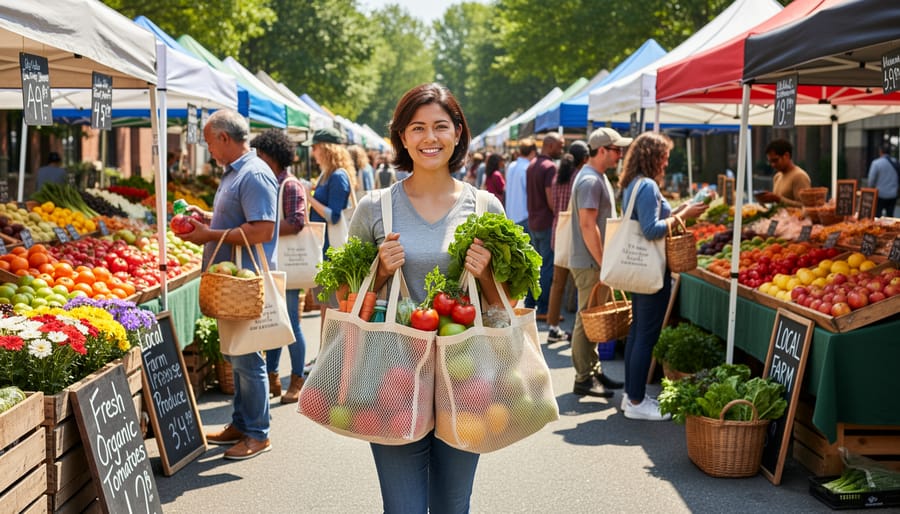
Cloth produce bags eliminate the need for single-use plastic at farmers markets and supermarkets. Melbourne-based Onya and Brisbane’s Haps produce durable, lightweight bags, but old pillowcases or mesh laundry bags work just as well for budget-conscious households.
Silicone baking mats, stainless steel straws, and bamboo utensils round out the essentials. Community buy-ups through local zero-waste groups often secure bulk discounts, making quality tools more accessible. Remember, the most sustainable choice is often what you already own, so audit your kitchen before purchasing new items.
Setting Up Your Compost System
Good news: composting in Australia works brilliantly, no matter where you call home. Your kitchen scraps don’t need a sprawling backyard to transform into nutrient-rich soil – you just need the right system for your space.
For apartment dwellers, bokashi bins are your secret weapon. This Japanese fermentation method handles all food scraps, including meat and dairy, making it perfect for compact kitchens. The sealed bucket sits tidily under your sink, producing no odours when properly maintained. Within two weeks, you’ll have pre-compost ready to bury in a community garden or pot plant, plus liquid fertiliser that your balcony herbs will love. Many Australian councils now offer subsidised bokashi starter kits, so check your local government website.
Worm farms suit both apartments and houses beautifully. These hardworking composters thrive in Melbourne’s cool climate just as happily as Sydney’s warmer conditions. Keep them in shaded spots – under balconies, beside garden sheds, or even in laundries. Your worms will munch through vegetable scraps, coffee grounds, and cardboard, rewarding you with liquid “worm tea” and rich castings. Start with 1,000 worms and they’ll multiply to match your household’s waste production.
For those with outdoor space, traditional compost bins or tumblers handle larger volumes. Australian conditions mean you’ll want systems with good airflow and shade protection during scorching summers. Regional communities often run compost education workshops through Landcare groups, connecting you with experienced neighbours who understand your local conditions.
Don’t have any of these systems yet? Many Australian community gardens welcome food scraps from local residents, creating an instant composting solution while you’re setting up your own. This community approach means you can start reducing waste today, not tomorrow.
Smart Shopping Strategies for the Zero-Waste Chef
Finding Bulk Stores and Package-Free Options Near You
Finding bulk stores in Australia has become easier as the zero-waste movement gains momentum, though accessibility varies between metropolitan and regional areas. In major cities like Melbourne, Sydney, and Brisbane, zero-waste grocery stores and dedicated bulk retailers are popping up in inner suburbs and community hubs. Online directories such as the Bulk Food Finder and Zero Waste Map Australia provide searchable databases of package-free options nationwide, making it simple to locate stores near you.
For those in rural and regional areas, connecting with local farmers’ markets and food co-operatives often reveals bulk buying opportunities that aren’t advertised online. Many country towns have health food stores or independent grocers willing to accommodate bulk purchases if you simply ask. This brings us to an empowering strategy: speaking with store managers at your regular supermarket about bulk options. Many Woolworths and Coles stores have expanded their bulk sections after customer requests, particularly for nuts, grains, and dried fruits.
Community Facebook groups focused on zero-waste living in your area can be goldmines for discovering hidden bulk suppliers and sharing container-borrowing schemes. Some Australian communities have even established buying groups that order wholesale directly from distributors, splitting large quantities among members. Starting small with one or two bulk staples helps you discover what works for your lifestyle while building relationships with retailers who support sustainable shopping habits.
Mastering the Weekly Meal Plan
The secret to zero-waste cooking starts before you even turn on the stove. A thoughtful weekly meal plan transforms how you shop, cook, and use ingredients, eliminating the guesswork that leads to forgotten vegetables wilting in your crisper.
Begin by checking what’s already in your pantry, fridge, and freezer. Melbourne chef Sarah Chen from the Brisbane Zero Waste Collective calls this “shopping your kitchen first.” That half-used jar of tahini or lonely sweet potato becomes the foundation for this week’s meals rather than next month’s compost.
Next, look at what’s currently in season across Australia. January brings juicy mangoes and sweet corn in Queensland, while autumn offers pumpkins and apples in Victoria. Seasonal produce is not only fresher and more affordable but also comes with less packaging when purchased from farmers’ markets or bulk shopping options.
Plan meals that share ingredients across the week. Roast chicken on Monday provides bones for Wednesday’s stock and meat for Friday’s fried rice. A bunch of coriander garnishes tacos, flavours curry, and brightens a simple salad. This approach, called ingredient bridging, means everything you buy earns its place.
Finally, build flexibility into your plan. Life happens, and rigid schedules create waste when plans change. Keep one or two meals loose, allowing you to adapt based on what needs using first or unexpected dinner invitations from neighbours.
Zero-Waste Cooking Techniques That Change Everything
Root-to-Stem and Nose-to-Tail Philosophy
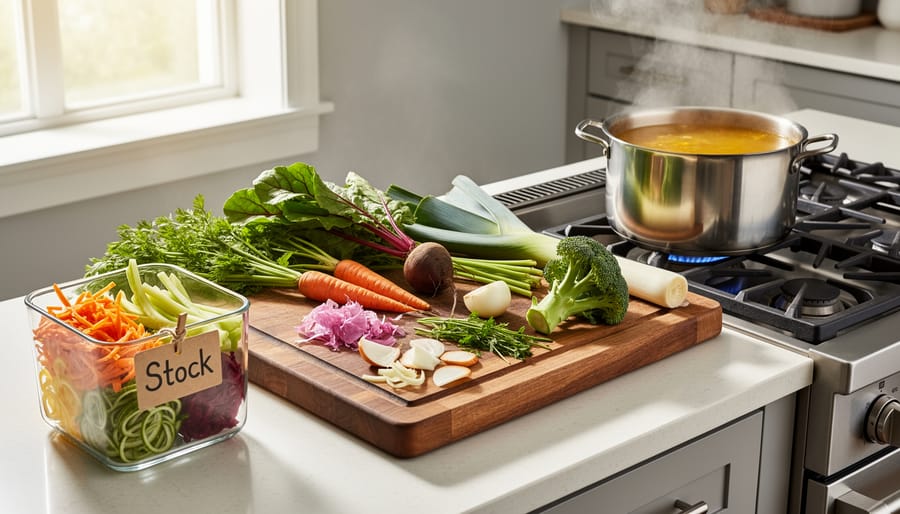
The root-to-stem and nose-to-tail philosophy transforms how we approach ingredients, honoring both the earth and the animals that sustain us. When you embrace this mindset, that bunch of beetroots becomes leaves for a vibrant pesto, stems for pickling, and roots for roasting. Nothing goes to waste.
Australian kitchens are perfectly positioned to adopt this approach. Our native ingredients offer incredible opportunities for whole-use cooking. Take the Davidson plum, where indigenous communities have long used the fruit for jams while incorporating leaves into teas and traditional medicines. Wattleseed pods provide seeds for grinding into flour, while the pods themselves can flavor stocks. By learning from First Nations practices, we discover that complete ingredient utilization isn’t innovative, it’s traditional wisdom we’re finally remembering.
For vegetables, save broccoli stalks for slaws, use carrot tops in chimichurri, and transform cauliflower leaves into chips. Onion skins create golden-hued stocks, while corn cobs add sweetness to broths before composting.
The nose-to-tail approach extends similar respect to proteins. Australian farmers raising ethical, pasture-fed livestock deserve our commitment to using every portion they provide. Lesser-known cuts like lamb shanks, beef cheeks, and chicken frames offer incredible flavor while reducing waste. Bones become nourishing broths, fat renders into cooking gold, and offal provides nutrient-dense meals.
This philosophy isn’t about perfection. Start small by choosing one vegetable weekly to use completely, gradually building skills and confidence. Every stem saved and every bone simmered represents progress toward a truly sustainable kitchen.
Preservation Methods for the Australian Climate
Australia’s diverse climate offers unique opportunities for food preservation, turning seasonal gluts into year-round pantry staples while eliminating waste. Understanding which methods work best in your region makes all the difference.
In humid coastal areas, fermenting thrives during cooler months. Transform excess cabbage into sauerkraut or kimchi using simple salt brine techniques. The natural fermentation process not only preserves vegetables but enhances their nutritional value. Keep fermenting jars in the coolest part of your kitchen, away from direct sunlight. Many Australian home cooks successfully ferment year-round using temperature-controlled spots like cupboards or even esky coolers with ice packs during summer peaks.
Pickling suits our climate beautifully, especially for preserving cucumbers, onions, and seasonal vegetables when gardens overflow. Quick pickles in vinegar solutions last months in the fridge, while water-bath canning creates shelf-stable preserves. Community workshops across Melbourne, Sydney, and Brisbane regularly share pickling techniques suited to local produce cycles.
Drying works exceptionally well in Australia’s dry inland regions and during summer months. Dehydrate tomatoes, herbs, and stone fruits using electric dehydrators or even your oven on low settings. Solar drying racks harness our abundant sunshine, though they require fly-proof mesh covers.
Freezing remains the most versatile method for our conditions. Blanch and freeze excess greens, make vegetable stock from scraps, or portion out cooked meals. Glass containers work better than plastic for long-term storage, and proper labelling prevents forgotten freezer casualties. These preservation techniques ensure nothing goes to waste while building food security.
The Art of Creative Leftovers
The secret to zero-waste cooking lies in shifting from “leftovers” to “planned-overs” – ingredients intentionally prepared to star in multiple meals throughout the week. When Melbourne chef Sarah Chen roasts a whole chicken on Sunday, she’s already envisioning Tuesday’s chicken and corn soup and Thursday’s Vietnamese-style rice paper rolls. This mindset transforms meal planning from reactive to creative.
Start by viewing your refrigerator as a canvas of possibilities. That half-tin of chickpeas becomes fritters for breakfast, while yesterday’s roasted vegetables blend into a vibrant pasta sauce or transform into a hearty frittata. Australian home cooks are discovering that wilted herbs needn’t hit the bin – they’re perfect for pesto, chimichurri, or frozen into ice cubes for future soups and stocks.
The key is flexibility. Keep staples like eggs, pasta, and tortillas on hand to wrap around whatever needs using. Join your local community cooking groups where Aussies share brilliant reinvention ideas, from bread and butter pudding using stale sourdough to bubble and squeak patties from Sunday’s roast dinner remnants. This approach isn’t just economical – it sparks culinary creativity while keeping perfectly good food out of landfill.
Tackling Common Zero-Waste Kitchen Challenges
When You Can’t Avoid Packaging
Let’s be honest – living completely zero-waste in Australia isn’t always realistic, and that’s perfectly okay. Sometimes the organic tomatoes only come in plastic clamshells, or you need medication that’s individually wrapped. The goal isn’t perfection; it’s progress.
When faced with packaging, think about the hierarchy of waste. Glass jars and aluminium cans are infinitely recyclable through most Australian council systems, making them better choices than soft plastics. If you must buy packaged goods, opt for items in containers you can reuse – those pasta sauce jars become brilliant pantry storage, and cardboard boxes break down in compost.
Consider the bigger picture too. Buying Australian-grown produce in minimal packaging often has less environmental impact than imported “zero-waste” alternatives that travelled thousands of kilometres. A locally-made cheese in recyclable plastic might trump imported cheese wrapped in wax paper when you factor in food miles.
Connect with your community to share the packaging burden. Melbourne’s Ceres and Brisbane’s Reverse Garbage have shown how collective action stretches resources further. Split bulk purchases with neighbours, or start a container swap at your local community garden.
Remember, every small choice matters. You’re not failing if you occasionally use packaging – you’re doing your best within the system we’re all working to change together.
Getting Your Household On Board
Transforming your household into a zero-waste kitchen works best when everyone feels part of the journey rather than restricted by new rules. Start by sharing your vision during a relaxed family meal, explaining how small changes can make a real difference to Australia’s waste problem while saving money too.
Children often become the most enthusiastic zero-waste champions once they understand their role. Turn composting into a science experiment where they monitor what breaks down fastest, or challenge them to spot potential waste before it happens. Many Australian families have found success creating a “waste detective” game where kids earn points for suggesting reusable alternatives or remembering to bring containers when shopping.
Make the transition feel like an adventure rather than a sacrifice. Involve everyone in choosing which changes to tackle first, perhaps starting with something fun like making your own pizza dough together or visiting a local farmers market to select vegetables still covered in honest dirt. When family members contribute ideas, they’re more likely to embrace the changes.
Consider establishing simple systems that don’t require constant reminders. A dedicated container station near the door makes grabbing reusables second nature, while a visible compost bin decorated by the kids serves as a colorful reminder of your shared goals.
Remember that perfection isn’t the aim. Celebrate small wins together, whether that’s a week without buying packaged snacks or successfully using up all the leftovers. When everyone shares ownership of your zero-waste journey, sustainable practices become part of your family culture rather than another chore.
Building Community Around Zero-Waste Cooking
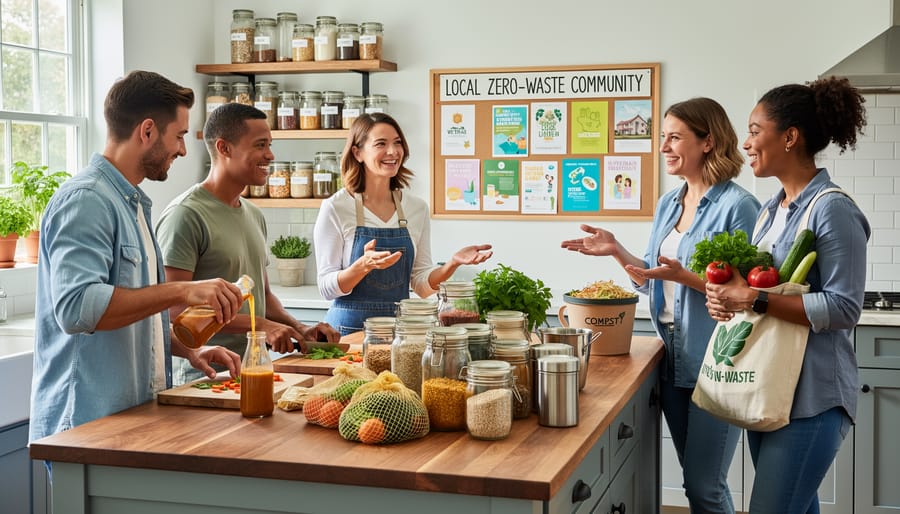
The zero-waste cooking journey becomes infinitely more rewarding when shared with like-minded people. Across Australia, vibrant communities are forming around sustainable kitchen practices, proving that collective action creates lasting change while making the process genuinely enjoyable.
Local food swap groups have emerged in neighbourhoods from Brisbane to Hobart, where home cooks exchange surplus produce, preserves, and fermented goods. These gatherings serve double duty: reducing food waste while strengthening community bonds. Many swaps happen through Facebook groups or apps like OLIO, where Australians connect with neighbours to share everything from excess lemons to homemade sourdough starter.
Community gardens offer another powerful avenue for zero-waste enthusiasts. Melbourne’s CERES Community Environment Park runs workshops on composting, preserving, and nose-to-tail cooking, transforming sustainable practices into social events. Similarly, Sydney’s numerous community gardens host seasonal cooking demonstrations that showcase creative ways to use every vegetable scrap.
Repair Cafés and skill-sharing community initiatives have also embraced zero-waste cooking. These gatherings teach fermentation, pickling, and preservation techniques that our grandparents knew instinctively. Learning to make kimchi or kombucha alongside others demystifies processes that seem daunting alone.
Several councils now support zero-waste programs too. The City of Adelaide’s food organics garden organics scheme includes community education sessions, while various regional councils host bulk-buying cooperatives that eliminate packaging waste.
The national Boomerang Alliance connects Australians passionate about waste reduction, offering resources and networking opportunities. Their annual events bring together zero-waste champions who share practical kitchen tips and celebrate victories, however small.
Connecting with these communities transforms zero-waste cooking from a solitary challenge into a shared adventure, complete with support, inspiration, and the occasional recipe swap that might just change your kitchen forever.
Your First 30 Days: A Practical Transition Plan
Ready to begin your zero-waste journey? This month-by-month roadmap will help you transform your kitchen habits without the overwhelm. Remember, sustainable change happens gradually, and every small step counts.
Week 1: Assess and Observe
Start by conducting a simple waste audit. Place a box next to your bin and collect all food packaging and scraps for three days. You’ll quickly spot patterns in what you’re throwing away. This isn’t about judgment, it’s about awareness. Take photos if that helps. Many Australians discover their biggest waste culprits are plastic produce bags, takeaway containers, and wilted herbs. Make a list of your top three waste sources to tackle first.
Week 2: Start with Storage
This week, focus on how you store food. Begin using what you already have: empty jars become herb containers, containers get labelled, and that crisper drawer finally gets organized. Move your most perishable items to eye level in the fridge so they don’t get forgotten. Try the simple trick of wrapping leafy greens in tea towels instead of plastic, keeping them fresh for days longer. These small changes will immediately reduce your food waste.
Week 3: Shopping Shift
Make your first waste-conscious shopping trip. Bring reusable bags, produce bags, and containers. Visit your local farmers market or explore bulk food stores in your area. Don’t pressure yourself to go completely package-free yet. Perhaps choose just one or two items to buy in bulk this week. Connect with other conscious shoppers and you’ll discover helpful tips specific to your neighbourhood.
Week 4: Celebrate and Reflect
You’ve made it through your first month. Take time to notice what’s different. Is your bin lighter? Have you saved money buying exactly what you need? Share your progress with friends or on community groups. Perhaps you’ve discovered that making vegetable stock from scraps is easier than expected, or that shopping locally connects you to incredible seasonal produce. Use this momentum to set your intentions for month two.
Your zero-waste kitchen transformation doesn’t happen overnight, and that’s perfectly okay. Think of this as a journey where every small step counts, whether you’re composting your first vegetable scraps or mastering the art of cooking with what’s already in your pantry. The beauty of becoming a zero-waste chef lies not in achieving perfection, but in making conscious choices that gradually reshape how you interact with food.
Start where you are. Perhaps this week you’ll focus on meal planning to reduce overbuying, or maybe you’ll finally tackle that drawer full of mismatched containers. Next month, you might experiment with preserving seasonal produce or swapping cling film for beeswax wraps. Each action creates a ripple effect, inspiring those around you and contributing to something much larger than your individual kitchen.
Across Australia, thousands of home cooks are joining this movement, sharing tips at community workshops, swapping preserves at local markets, and proving that sustainable cooking strengthens rather than restricts creativity. You’re not alone in this journey, and the collective impact of our combined efforts is genuinely transformative.
The planet doesn’t need a handful of perfect zero-waste chefs. It needs millions of us doing our imperfect best, supporting each other along the way. So take that first step today, celebrate every win no matter how small, and know that your contribution matters. Together, we’re not just reducing waste; we’re reimagining what’s possible in Australian kitchens, one meal at a time.