
Implement predictive maintenance schedules that monitor vibration patterns, temperature fluctuations, and oil quality in gearboxes before failures occur, reducing emergency repairs by up to 60% and extending equipment life by years. Switch to biodegradable lubricants specifically formulated for wastewater environments, which break down naturally if leaked while maintaining the same protective qualities as synthetic alternatives. Establish a closed-loop oil recycling system where used lubricants are filtered, tested, and reused rather than disposed of, cutting waste oil volumes by 70% and slashing procurement costs. Partner with local repair specialists who can refurbish worn gears and bearings on-site rather than replacing entire units, keeping functional components in service and diverting tonnes of metal from landfills annually.
Australian wastewater treatment plants process over 2 billion litres daily, with gearboxes driving everything from aeration systems to sludge pumps. When these critical components fail, the environmental cost extends far beyond the facility itself. Emergency replacements mean rushed manufacturing, international shipping, and premature disposal of repairable equipment. Yet across Australia, forward-thinking facilities are proving that sustainable maintenance isn’t just environmentally responsible—it’s operationally smarter and more cost-effective.
The challenge facing maintenance teams is real: how do you keep aging infrastructure running reliably while reducing your environmental footprint? Traditional “run-to-failure” approaches generate unnecessary waste, while over-cautious replacement schedules discard perfectly serviceable equipment. The solution lies in targeted maintenance strategies that extend equipment life, minimize resource consumption, and build resilience into your operations. These aren’t theoretical concepts—they’re practical approaches already delivering results in treatment plants from Brisbane to Perth, creating a ripple effect of sustainability that benefits both facilities and the communities they serve.
Why Gearbox Maintenance Matters for Environmental Sustainability
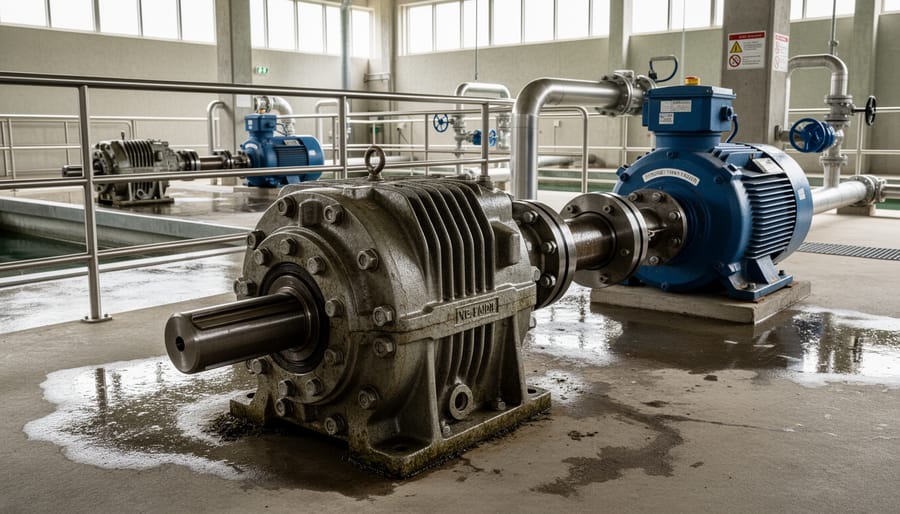
The Hidden Environmental Cost of Gearbox Failure
When a gearbox fails at a wastewater treatment plant, the environmental ripple effects extend far beyond the immediate facility disruption. Consider what happened at a regional treatment plant in coastal New South Wales last year – a catastrophic gearbox failure led to emergency repairs requiring rush-manufactured parts shipped from overseas, generating significant carbon emissions through air freight alone.
The environmental toll of gearbox breakdowns operates on multiple fronts. Manufacturing replacement components demands substantial energy and raw materials, with metal casting and precision machining processes consuming considerable resources. Emergency repairs often bypass sustainable procurement practices, prioritising speed over environmental considerations. Meanwhile, during equipment downtime, treatment plants may operate at reduced capacity or rely on backup systems that typically consume more energy and operate less efficiently.
The hidden costs accumulate quickly. Each failed gearbox potentially means temporary discharge permits, increased chemical usage to compensate for reduced mechanical processing, and the energy-intensive disposal of contaminated oil and damaged components. Australian facilities collectively spend millions annually on reactive repairs that could be avoided through proactive maintenance strategies.
For our wastewater treatment community, these failures represent missed opportunities. The energy required to manufacture just one replacement gearbox could power several Australian homes for months. By shifting toward preventative maintenance and sustainable repair practices, facilities across the country are discovering they can simultaneously improve reliability, reduce operational costs, and significantly lower their environmental footprint. The question isn’t whether we can afford to maintain our equipment sustainably – it’s whether we can afford not to.
Energy Efficiency: The Direct Link Between Maintenance and Sustainability
When a gearbox in a wastewater treatment plant begins to deteriorate, one of the first casualties is energy efficiency. Worn bearings create friction, misaligned components demand extra power, and contaminated lubricants force motors to work harder just to maintain the same output. The result? A single poorly maintained gearbox can consume up to 30% more electricity than its well-serviced counterpart.
Across Australia’s wastewater treatment facilities, this inefficiency adds up quickly. Consider that a typical mid-sized plant operates multiple gearboxes around the clock. When these units draw excessive power, the ripple effect extends beyond your electricity bill. Most Australian electricity still comes from fossil fuel sources, meaning that extra energy consumption directly translates to increased carbon emissions. It’s a connection many facilities overlook, but one that’s essential to our national carbon mitigation strategies.
The encouraging news is that regular maintenance delivers immediate efficiency gains. A Melbourne treatment plant recently documented a 22% reduction in energy consumption after implementing a proactive gearbox maintenance program. These improvements complement other sustainability initiatives, much like the renewable energy benefits many facilities are exploring. By ensuring your gearboxes run smoothly, you’re not just preventing breakdowns – you’re actively reducing your facility’s environmental footprint while cutting operational costs. It’s practical sustainability in action.
Sustainable Repair Practices That Extend Gearbox Life
Reconditioning Over Replacement: A Circular Economy Approach
Every year, thousands of industrial gearboxes across Australia end up in landfill when they could have decades of useful life ahead of them. At Melbourne’s Western Treatment Plant, maintenance teams have embraced a different approach—one that’s saving money while dramatically reducing their environmental footprint.
Reconditioning existing gearboxes rather than replacing them embodies true circular economy principles. When a gearbox shows signs of wear, skilled technicians can disassemble, inspect, and restore individual components to factory specifications. This process typically uses 80% less energy than manufacturing new equipment and prevents valuable materials like steel, copper, and specialized alloys from becoming waste.
The Sydney Water facility in Malabar provides a compelling case study. By establishing a reconditioning program for their mixer and aerator gearboxes, they’ve extended equipment life by an average of fifteen years per unit. The environmental benefits are substantial—each reconditioned gearbox prevents approximately 2.5 tonnes of CO2 emissions compared to replacement manufacturing. Financially, reconditioning costs roughly 40-60% of new equipment prices while maintaining the same performance standards.
Queensland Urban Utilities has taken this further by partnering with local engineering firms to create a regional reconditioning hub. This collaboration keeps maintenance expertise within the community while supporting local employment. Their technicians use precision machining to restore worn gears, replace bearings and seals, and upgrade lubrication systems with modern, eco-friendly alternatives.
The key is proactive assessment. Regular condition monitoring helps identify the optimal timing for reconditioning—before catastrophic failure occurs but when component wear justifies intervention. This strategic approach maximizes both the environmental and economic returns of choosing repair over replacement.
Choosing Eco-Friendly Lubricants and Materials
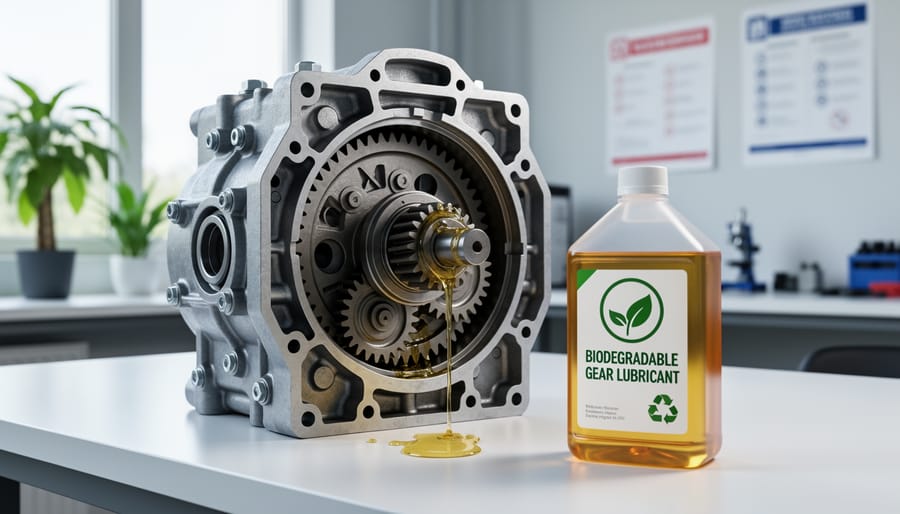
Making the switch to eco-friendly lubricants and materials is easier than you might think, and Australian wastewater facilities are already leading the charge. Biodegradable lubricants have come a long way in recent years, offering performance that rivals conventional petroleum-based products while breaking down naturally if they enter waterways.
Look for lubricants certified to Australian standards with labels like Ecolabel or those meeting the OECD 301B biodegradability test. Several Australian suppliers now stock plant-based synthetic esters and vegetable oils specifically formulated for gearbox applications in harsh wastewater environments. These products handle the demanding conditions while protecting the very ecosystems your facility serves.
When sourcing replacement parts, consider locally manufactured components that reduce transportation emissions and support Australian businesses. Many Melbourne and Sydney-based engineering firms now offer refurbished gearbox components that meet original specifications while giving perfectly functional parts a second life.
Community purchasing groups among wastewater treatment facilities across regional Victoria and New South Wales have successfully negotiated better prices on sustainable materials by buying in bulk together. It’s worth connecting with neighbouring facilities through industry networks to explore similar opportunities.
The initial investment in eco-friendly alternatives might seem higher, but extended equipment life and reduced environmental liability costs often deliver savings within the first maintenance cycle. Your procurement choices directly influence the market, encouraging more Australian suppliers to expand their sustainable offerings.
Precision Diagnostics to Prevent Unnecessary Interventions
Think of precision diagnostics as giving your gearbox a comprehensive health check rather than guessing what might be wrong. Across Australian wastewater treatment facilities, advanced diagnostic technologies are revolutionising how we approach maintenance, helping operators make informed decisions that benefit both operations and the environment.
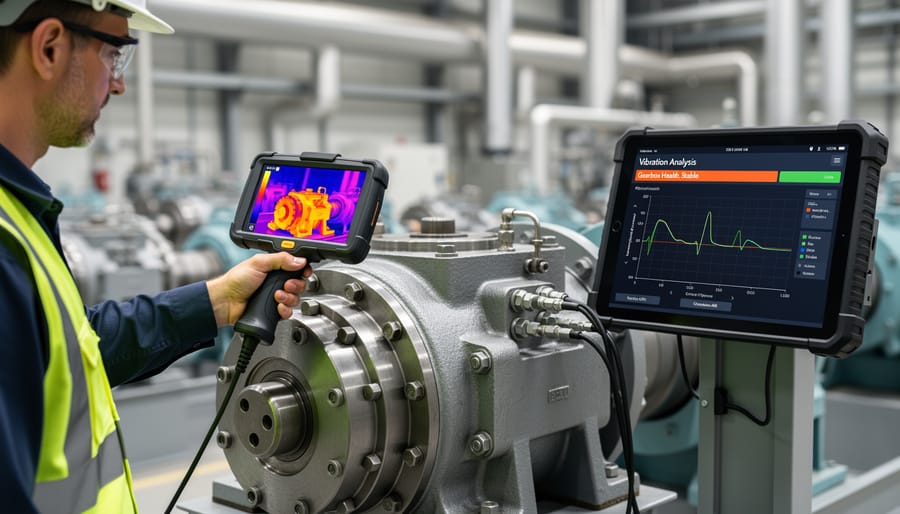
Vibration analysis, thermal imaging, and oil analysis tools can detect potential issues before they escalate, revealing exactly what your gearbox needs rather than encouraging blanket replacements. When Brisbane’s Western Treatment Plant implemented ultrasonic testing alongside traditional inspections, they reduced unnecessary bearing replacements by forty percent in their first year. These equipment efficiency impacts extended beyond cost savings to significantly reduce metal waste and manufacturing emissions from producing unneeded components.
Modern portable diagnostic kits allow maintenance teams to conduct regular assessments without extensive downtime. By monitoring condition trends over time, you’ll develop a clear picture of normal wear patterns versus genuine concerns requiring intervention. This targeted approach prevents the wasteful practice of replacing parts on arbitrary schedules regardless of actual condition.
Many Australian facilities are now partnering with diagnostic service providers who offer training alongside equipment, building internal capability while accessing specialist expertise when needed. This collaborative model strengthens our wastewater treatment community whilst driving sustainable outcomes.
Predictive Maintenance: The Smart Path to Sustainability
Vibration Analysis and Thermal Imaging for Early Detection
Imagine catching a gearbox problem weeks before it leads to a catastrophic failure that could spill lubricants into our waterways. That’s the power of modern predictive monitoring, and Australian wastewater facilities are increasingly embracing these clever technologies to protect both their operations and the environment.
Vibration analysis works like a stethoscope for your gearbox, detecting subtle changes in vibration patterns that signal developing issues such as bearing wear, misalignment, or gear tooth damage. By mounting sensors on gearbox housings, maintenance teams can spot problems when they’re still minor, avoiding the environmental risks associated with sudden failures. Many facilities across New South Wales and Victoria have reported catching issues up to six weeks early using this approach.
Thermal imaging complements vibration analysis beautifully. Using infrared cameras, technicians can identify hotspots that indicate excessive friction, inadequate lubrication, or electrical faults without ever touching the equipment. It’s non-invasive, quick, and remarkably effective at preventing those middle-of-the-night emergencies that nobody wants.
Together, these techniques form what maintenance professionals call condition-based monitoring. Rather than waiting for scheduled maintenance or, worse, catastrophic failure, you’re responding to actual equipment condition. This means fewer emergency repairs, reduced waste oil disposal, and significantly less risk of environmental contamination. For Australian facilities committed to sustainability, investing in handheld thermal cameras and portable vibration analysers represents a practical step toward genuinely preventative maintenance that protects our precious water resources.
Oil Analysis Programs That Save Resources
Regular oil analysis programs are transforming how Australian wastewater facilities care for their gearboxes while protecting our environment. Think of oil testing as a health check-up for your equipment—by catching potential issues early, you’re preventing costly breakdowns and keeping perfectly good lubricant out of waste streams.
Many facilities across Australia have discovered that systematic oil sampling extends lubricant life by 30-50%, dramatically reducing both costs and environmental impact. Instead of relying on calendar-based oil changes, you’re making informed decisions based on actual condition. This means fewer drums of fresh oil purchased and less contaminated oil requiring disposal—a win for your budget and our waterways.
The testing process is straightforward. Collect samples quarterly, send them to an accredited laboratory, and receive detailed reports on viscosity, contamination levels, and wear particles. These insights reveal early signs of bearing wear, seal deterioration, or water ingress—issues that, if caught early, prevent catastrophic failures requiring complete gearbox replacements.
Several Victorian and Queensland treatment plants have formed collaborative networks to share testing resources and results, reducing individual costs while building community knowledge. By joining together, we’re creating a more sustainable future for Australia’s critical water infrastructure.
Digital Monitoring Systems for Australian Facilities
Australian wastewater facilities are embracing a digital revolution that’s making sustainable gearbox maintenance more accessible than ever. IoT sensors and smart monitoring systems are now tracking vibration patterns, temperature fluctuations, and lubrication quality in real-time, allowing operators to detect potential failures before they occur. This predictive approach means fewer emergency repairs, reduced downtime, and significantly less waste from premature equipment replacement.
What’s particularly exciting is how these technologies are becoming increasingly affordable for smaller regional operations. Facilities in towns like Tamworth and Bundaberg are proving that you don’t need a massive budget to implement effective monitoring. Cloud-based platforms enable teams to access critical data remotely, fostering collaboration between metropolitan experts and rural operators across our vast continent.
These digital systems are proving invaluable for reducing operational waste while extending gearbox life by 30-50%. Many Australian councils are sharing their implementation experiences through water industry networks, creating a supportive community where knowledge flows freely. Whether you’re managing a major urban plant or a smaller coastal facility, these monitoring solutions offer a practical pathway to smarter, more sustainable maintenance practices that benefit both your bottom line and our environment.
Building a Sustainable Maintenance Schedule
Right-Sizing Your Maintenance Intervals
Finding the sweet spot for gearbox maintenance isn’t just about ticking boxes on a schedule—it’s about understanding your equipment’s actual needs. Many Australian wastewater facilities have traditionally followed manufacturer recommendations religiously, which sometimes leads to unnecessary interventions and wasted resources. Others wait until problems emerge, risking costly breakdowns and environmental incidents.
The key is condition-based monitoring. By tracking vibration patterns, oil quality, and temperature fluctuations, you can predict when maintenance is genuinely needed. A transmission specialist near me can help establish baseline measurements specific to your operating conditions, which vary significantly across Australia’s diverse climate zones.
Consider partnering with neighbouring treatment plants to share monitoring data and maintenance learnings. Several regional water authorities have formed collaborative networks where facilities compare their maintenance intervals and outcomes, helping everyone optimize their approaches while reducing environmental footprints.
Start by extending inspection intervals by 10-15% while increasing monitoring frequency. Track performance metrics carefully. If readings remain stable, you’ve likely been over-maintaining. If problems appear, you’ll catch them early through enhanced monitoring. This data-driven approach typically reduces unnecessary maintenance by 20-30% while improving reliability—a win for both your budget and the environment.
Documentation and Continuous Improvement
Think of maintenance documentation as your facility’s sustainability story – each entry is a chapter that reveals patterns, celebrates wins, and guides future improvements. When Australian wastewater treatment plants track their gearbox maintenance activities systematically, they’re not just ticking boxes; they’re building a powerful resource that drives continuous environmental improvement.
Start by recording every maintenance activity, from routine inspections to major repairs. Include details like lubricant quantities used, energy consumption during operations, replacement parts fitted, and any unusual wear patterns observed. This might seem tedious initially, but patterns emerge quickly. A facility in regional Queensland discovered through their records that switching maintenance schedules to cooler months reduced lubricant breakdown by 30%, extending service intervals and cutting waste significantly.
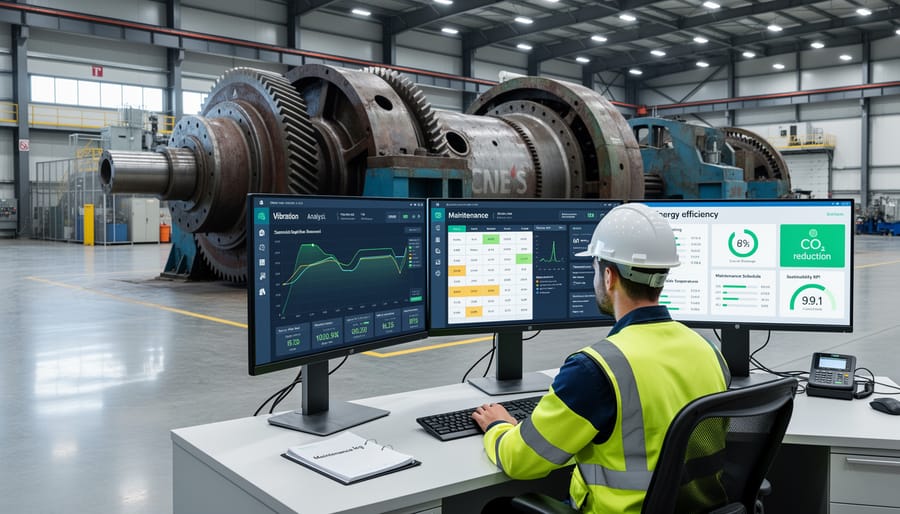
Digital maintenance management systems make this process manageable, allowing teams to spot trends that might otherwise go unnoticed. Are certain gearbox models requiring more frequent attention? Is one maintenance approach consistently delivering better outcomes? Your documentation holds these answers.
Share your findings with your maintenance team regularly. Create a culture where everyone understands how their daily actions contribute to broader sustainability goals. When technicians see documented proof that their careful work has reduced waste oil by hundreds of litres annually, it reinforces the value of their efforts.
Review your records quarterly to identify improvement opportunities. Perhaps predictive maintenance could prevent recurring issues, or staff training might address common mistakes. This continuous improvement cycle transforms good intentions into measurable environmental outcomes, ensuring your facility becomes progressively more sustainable whilst maintaining operational excellence that serves your community reliably.
Partnering with Sustainable Service Providers in Australia
What to Look for in an Eco-Conscious Repair Partner
Finding the right repair partner can make or break your sustainability journey. When selecting sustainable partners for gearbox maintenance, Australian facilities should prioritise providers who walk the talk on environmental responsibility.
Start by asking about waste management protocols. How do they handle used lubricants, metal shavings, and contaminated materials? Quality partners should have documented recycling programs and proper disposal systems that meet Australian environmental standards.
Parts sourcing matters enormously. Look for providers who prioritise remanufactured components over brand-new replacements where appropriate. These businesses often work with Australian suppliers to reduce transport emissions and support local circular economies. Ask whether they track the carbon footprint of their supply chain.
Environmental certifications provide valuable verification. ISO 14001 certification demonstrates commitment to environmental management systems, while partnerships with Sustainability Victoria or similar state-based programs show community engagement. Some forward-thinking Australian providers now calculate and offset their service-related emissions.
Don’t overlook the smaller details. Does the provider use eco-friendly cleaning agents? Do they optimise service routes to reduce vehicle emissions? Are their technicians trained in sustainable practices? These questions help identify partners genuinely committed to environmental stewardship rather than those simply greenwashing their credentials. A transparent partner will enthusiastically share their sustainability metrics and continuous improvement goals.
Local vs. Interstate Services: The Carbon Consideration
When selecting a gearbox repair provider for your wastewater treatment plant, the distance they travel matters more than you might think. A Melbourne-based facility choosing a local specialist over one from interstate could prevent hundreds of kilograms of transport-related emissions annually, particularly when factoring in emergency callouts and routine maintenance visits.
Consider the full picture: a Sydney technician flying to Perth for repairs generates approximately 0.3 tonnes of CO2 per return trip. Multiply that across multiple visits, and the carbon footprint quickly adds up. Local providers also respond faster during emergencies, reducing the environmental cost of extended equipment downtime and potential wastewater system failures.
Australian communities are increasingly recognising this connection. Many treatment plants now prioritise partnerships with regional service providers, creating a network of skilled technicians across states. This approach supports local economies while maintaining the specialised expertise these complex systems demand. If interstate expertise is genuinely necessary, explore virtual diagnostic consultations first, reserving travel for essential hands-on work. Sometimes the most sustainable choice combines local presence with remote expert guidance.
Embracing sustainable gearbox maintenance isn’t just about doing right by our environment—it’s a smart business decision that delivers tangible benefits for Australian wastewater treatment facilities. Throughout this journey, we’ve seen how proactive maintenance, proper lubrication practices, and energy-efficient operations create a powerful combination that reduces environmental impact while simultaneously improving operational reliability and cutting costs.
The path forward is clear. Facilities across Australia are already demonstrating that sustainability and efficiency go hand in hand. From reducing synthetic lubricant waste to preventing catastrophic failures that could impact local waterways, every maintenance decision shapes our collective environmental footprint. These aren’t small wins—they’re substantial contributions to Australia’s broader sustainability goals, and they’re happening right in your local community.
Now it’s time to take action. Start by conducting an honest assessment of your current gearbox maintenance practices. Where can you reduce waste? Are there opportunities to extend equipment life through predictive maintenance technologies? Consider reaching out to industry peers through regional water authorities or sustainability networks—many Australian facilities have established working groups specifically focused on sharing sustainable industrial practices.
The wastewater treatment sector has a unique opportunity to lead by example. Your facility doesn’t just treat water—it demonstrates how critical infrastructure can operate responsibly and efficiently. By prioritizing sustainable maintenance today, you’re investing in reliable operations tomorrow while protecting the Australian landscapes and communities we all call home. Connect, collaborate, and commit to making sustainable gearbox maintenance your new standard.