
Imagine slashing your electricity bills to zero while creating a comfortable, healthy home that actually gives back to the grid. Zero energy homes achieve net-zero energy consumption by generating as much renewable energy as they use over a year, combining super-efficient design with solar technology to revolutionize how Australians live.
These homes aren’t futuristic fantasies. Right now, families across Perth, Melbourne, and Brisbane are living in houses that cost nothing to run for energy, staying cool through blistering summers and warm in winter without the quarterly bill shock. The concept is beautifully simple: minimize energy needs through smart design and insulation, then meet those reduced needs with rooftop solar panels and battery storage.
Australia’s abundant sunshine makes us perfectly positioned to lead this housing revolution. While zero energy homes require higher upfront investment, government rebates, falling solar costs, and eliminated energy bills mean most homeowners break even within 8-12 years. After that, it’s pure savings—potentially tens of thousands of dollars over the home’s lifetime.
The beauty extends beyond your wallet. Zero energy homes dramatically reduce your carbon footprint, representing powerful individual climate action that collectively transforms our energy landscape. They’re healthier too, with superior air quality, consistent temperatures, and reduced humidity creating genuinely comfortable living spaces.
Whether you’re building new or retrofitting your existing home, achieving zero energy is more accessible than you think. Communities of early adopters are proving these homes work brilliantly in Australian conditions, from tropical Darwin to temperate Tasmania. Their experiences, combined with advancing technology and growing tradesperson expertise, mean zero energy homes are shifting from niche experiment to mainstream possibility.
Let’s explore how you can join this movement.
What Makes a Home ‘Zero Energy’ in the Australian Context
Imagine a home that produces as much clean energy as it consumes over the course of a year. That’s the essence of a zero energy home, and it’s becoming an increasingly achievable reality for Australian households.
A zero energy home, often called a net-zero energy home, operates on a beautifully simple principle: the renewable energy it generates equals or exceeds the energy it uses annually. Here’s what makes this different from what many people imagine. These homes typically remain connected to the electricity grid, drawing power when needed (like during cloudy weeks or at night) and feeding excess solar energy back when production is high. This grid connection acts like a natural battery, balancing your energy books across seasons.
This is where zero energy homes differ fundamentally from off-grid properties. While off-grid homes rely entirely on their own generation and storage systems, zero energy homes leverage the grid for backup and balance. It’s a partnership approach that’s often more practical and affordable for most Australian families.
Australia’s diverse climate zones add an interesting layer to achieving zero energy status. A home in tropical Darwin faces vastly different challenges than one in temperate Melbourne or sunny Perth. Darwin homes battle humidity and cooling loads, requiring different design strategies than a Melbourne home focused on heating efficiency. The good news? Australia’s abundant sunshine gives us a natural advantage in renewable energy generation that many countries envy.
A common misconception is that zero energy homes must be expensive, ultra-modern boxes covered in technology. In reality, they’re achievable through smart design, quality insulation, energy-efficient appliances, and appropriately sized solar systems. Many successful zero energy homes in Australia look perfectly conventional from the street.
Another myth worth clearing up: zero energy doesn’t mean living without creature comforts or constantly monitoring your power usage. Once properly designed and built, these homes operate like any other, just with dramatically lower environmental impact and energy bills that hover around zero annually.
The Core Components That Power Zero Energy Living
Solar Energy Systems Designed for Australian Sun
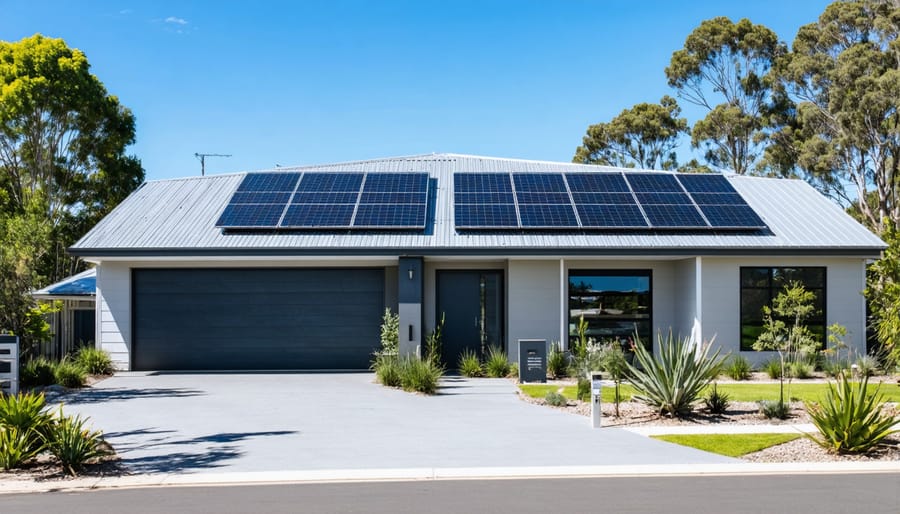
Australia’s abundant sunshine makes it perfectly suited for solar energy systems, and sizing them correctly is key to achieving zero energy performance. The beauty of designing for our climate is that even during winter, most regions receive excellent solar radiation—far exceeding what homeowners in Europe or North America can harness.
For a typical three-bedroom home in coastal regions like Sydney or Brisbane, a 6-8 kilowatt solar array paired with a 10-13 kilowatt-hour battery system usually covers daily energy needs. However, homes in sunnier inland areas or northern Queensland can often achieve the same results with slightly smaller systems, around 5-6 kilowatts. Larger four-bedroom family homes generally require 8-10 kilowatt systems with 13-16 kilowatt-hour battery storage to reach zero energy status.
Australian climate zones significantly influence system design. Northern tropical zones benefit from consistent year-round generation but need robust systems to handle higher cooling loads during humid summers. Southern temperate zones require larger arrays to compensate for reduced winter sunlight, while also managing heating demands during colder months.
Battery storage has become increasingly essential for Australian households, allowing you to store excess daytime generation for evening use when the sun sets. This shift towards energy independence means you’re not just generating clean power—you’re creating resilience against rising electricity costs and grid disruptions.
The encouraging news is that system costs have dropped dramatically over the past decade, with typical residential installations now ranging from fifteen to thirty thousand dollars before rebates. Many Australian communities are discovering that when neighbours coordinate installations, they can often negotiate better rates through group-buying initiatives, making zero energy goals more achievable for everyone.
Superior Insulation and Thermal Performance
Creating a truly zero energy home in Australia starts with getting the insulation right, and this varies significantly depending on where you live. A home in tropical Cairns needs vastly different thermal performance than one in chilly Hobart, and understanding these requirements is your first step toward energy independence.
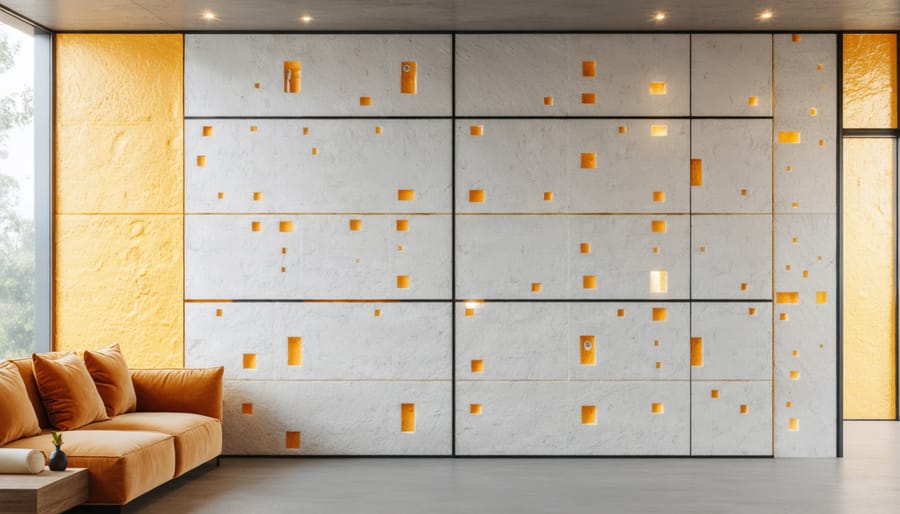
Australian building standards specify minimum R-values (resistance to heat flow) across different climate zones. For ceiling insulation, homes in cooler southern regions typically require R4.0 to R6.0, while warmer northern areas need R3.5 to R4.5. Wall insulation requirements range from R1.5 to R2.5, with higher values again in cooler climates. However, zero energy homes often exceed these minimums by 30-50 percent to achieve optimal performance.
Beyond just insulation batts, successful zero energy homes embrace thermal mass principles particularly suited to Australian conditions. Concrete floors, brick walls, and even water features absorb heat during the day and release it slowly at night, naturally regulating indoor temperatures. In Perth, one pioneering family installed polished concrete floors that soak up winter sun streaming through north-facing windows, keeping their home cosy without heating.
Passive design strategies work hand-in-hand with insulation. Strategic window placement, appropriate eave overhangs to block summer sun while allowing winter warmth, and cross-ventilation that captures coastal breezes all reduce your reliance on mechanical systems. In subtropical Brisbane, louvred windows and high ceilings create natural airflow that can eliminate air conditioning needs for much of the year.
The investment in superior insulation and thoughtful design pays dividends immediately through reduced energy bills, while contributing to your home’s zero energy goal year-round.
Energy-Efficient Appliances and Smart Home Technology
Once you’ve nailed the fundamentals of solar and insulation, it’s time to look at the appliances and technology that’ll help your zero energy home work smarter, not harder. The good news? Australian households are already embracing efficiency, and the tools available today make it easier than ever to trim energy waste.
Start with the Australian Energy Rating label – that familiar star system you’ve seen on fridges and washing machines. In a zero energy home, aim for at least 4-5 stars across all appliances, though 6-star models are becoming increasingly common and affordable. Your refrigerator alone can account for up to 10% of household energy use, so choosing wisely here makes a real difference. Front-loading washing machines typically outperform top-loaders, and when paired with cold water washing, you’re laughing.
LED lighting throughout your home uses roughly 75% less energy than traditional bulbs and lasts significantly longer. Yes, the upfront cost is higher, but most Australian families recoup this within two years through reduced electricity bills.
Smart thermostats have become game-changers for zero energy homes. These clever devices learn your routines, adjusting heating and cooling automatically. In Melbourne’s variable climate or Brisbane’s humid summers, this means your home stays comfortable without wasting energy when you’re out. Many models connect to your phone, letting you adjust settings remotely.
Energy monitoring systems deserve special mention. These real-time trackers show exactly where your electricity goes, helping you identify energy vampires and adjust habits accordingly. Some systems even integrate with your solar panels, showing when you’re producing surplus energy – perfect for running your dishwasher or charging devices during peak sun hours. It’s this combination of efficient hardware and smart technology that transforms good intentions into measurable results.
The Financial Reality: Costs, Savings, and Australian Incentives
Upfront Investment and Building Costs
Let’s address the question many Australians ask first: what’s the real price difference? Building a new zero energy home typically costs 5-15% more than conventional construction, translating to roughly $20,000-$60,000 extra on a standard home build. This covers high-performance insulation, quality windows, solar panels, and efficient systems. However, when you factor in declining technology costs and available rebates, that gap continues to narrow each year.
Retrofitting existing homes presents a different picture. You can take a staged approach, starting with essential upgrades like insulation and sealing (around $5,000-$15,000), then adding solar panels ($8,000-$12,000 after incentives), and gradually upgrading to efficient appliances. The beauty of retrofitting is flexibility – you’re not facing one massive bill, and you’ll start seeing energy savings immediately with each improvement.
Victorian homeowners, for instance, have successfully retrofitted 1970s homes to near-zero energy status for $35,000-$50,000 over several years. Meanwhile, purpose-built zero energy homes in Queensland and South Australia are proving that smart design from the ground up often costs less than adding features later. The key insight? Whether building new or retrofitting, viewing these investments through a whole-of-life lens rather than just upfront costs reveals their true value to your family and our shared environment.
Government Rebates and Financing Options Available Now
Making the leap to zero energy living is more achievable than many Australians realise, thanks to a growing suite of government support programs designed to help you take action now.
At the federal level, the Australian Government’s Home Energy Upgrades Fund provides low-interest loans for energy efficiency improvements and solar installations, making zero energy retrofits far more accessible. The Residential Energy Efficiency Scheme also offers rebates for energy assessments and upgrades that bring your home closer to zero energy performance.
State and territory governments have stepped up with their own initiatives too. Victorian residents can access rebates through Solar Homes Program, while NSW homeowners benefit from the Energy Savings Scheme. Queensland’s Affordable Energy Plan includes interest-free loans for solar and battery systems, and South Australian households can tap into the Home Battery Scheme for storage solutions that maximise renewable energy use.
The Clean Energy Finance Corporation partners with major banks to offer green home loans with preferential rates specifically for energy-efficient builds and retrofits. These loans recognise that zero energy homes cost less to run, making them lower-risk investments.
Visit the federal government’s Energy.gov.au portal and your state energy department website to explore current programs in your area. Many rebates combine, so you could stack federal and state incentives for maximum benefit. Local councils often provide additional support through rate rebates or planning fee waivers for sustainable builds, so check with your community representatives about what’s available where you live.
Real Return on Investment for Australian Households
Let’s look at what Australian families are actually experiencing with zero energy homes. The McKenzie family in Brisbane invested $45,000 in solar panels, battery storage, and energy-efficient upgrades for their existing home in 2019. Their quarterly electricity bills dropped from $680 to just $85, saving them approximately $2,380 annually. At this rate, they’ll reach payback in roughly 19 years, but factor in rising energy costs and the actual timeline shortens considerably.
In Melbourne, the Nguyen family built a new zero energy home with an additional upfront cost of $62,000 compared to a standard build. However, their savings tell a compelling story: zero energy bills, a 15-20 percent increase in property value, and eligibility for various state rebates that reduced their initial investment by $8,500.
Recent data from the Australian Sustainable Built Environment Council shows zero energy homes across the country are achieving 80-100 percent energy bill reductions. When you combine ongoing savings, government incentives, and property value increases, most households see effective payback periods of 10-15 years. Beyond the numbers, these families are contributing to Australia’s emissions reduction targets while enjoying comfortable, healthy homes that perform brilliantly in our challenging climate.

Building or Retrofitting Your Zero Energy Home in Australia
Working with Australian Builders and Energy Assessors
Finding the right professionals to bring your zero energy home vision to life is crucial. Start by seeking builders and designers who hold certifications from recognized bodies like the Australian Sustainable Built Environment Council (ASBEC) or are accredited with Green Building Council Australia. Look for practitioners with experience in Passive House design or those registered with organizations like Renew (formerly the Alternative Technology Association), which connects homeowners with sustainability-focused professionals across the country.
When interviewing potential builders and energy assessors, ask about their previous zero energy projects and request case studies with real performance data. Inquire about their approach to whole-house energy modelling and thermal bridging mitigation. It’s essential they understand climate-specific design for your local area, whether that’s managing humidity in tropical Queensland or maximizing solar gain in Tasmania’s cooler climate.
Don’t hesitate to ask for references from past clients and visit completed projects if possible. A qualified energy assessor should provide detailed NatHERS ratings and explain how various design choices impact your home’s performance. Remember, this is a collaborative journey, and the right professionals will be enthusiastic partners who listen to your goals while offering expert guidance grounded in Australian conditions and building codes.
Adapting to Your Climate Zone
Australia’s diverse climate zones demand tailored approaches to zero energy home design. Understanding your local conditions is the foundation of success.
In tropical Darwin and far north Queensland, the priority shifts to passive cooling and managing humidity. Elevated floor designs capture cooling breezes, while extensive shading and light-coloured roofing reflect intense heat. Communities here are pioneering cross-ventilation strategies that reduce cooling loads by up to 60 percent, making solar energy systems more effective.
Subtropical Brisbane and northern NSW residents benefit from combining passive solar design with strategic shading. Large eaves protect north-facing windows during summer while allowing winter sun penetration. Local builders report that well-designed homes in these regions can eliminate heating costs entirely and drastically reduce cooling needs.
Temperate zones including Sydney, Perth, and Adelaide offer ideal conditions for zero energy homes. Moderate temperatures mean balanced heating and cooling requirements, with double glazing and quality insulation delivering impressive returns. Many homeowners in these areas achieve energy independence within their first year.
Cool climate regions like Melbourne, Canberra, and Hobart require robust insulation and strategic thermal mass. Stone or concrete floors store warmth from winter sun, releasing it gradually throughout chilly evenings. Double or triple glazing becomes essential, while ground-source heat pumps work remarkably well in these conditions. Tasmanian communities are proving that even cold climates can achieve zero energy performance with thoughtful design.
Starting Small: Retrofit Steps That Make the Biggest Impact
You don’t need to tackle everything at once. The beauty of retrofitting is that even small improvements compound over time. Start with air sealing, the most cost-effective step. Australian homes lose significant energy through gaps around doors, windows, and ceiling penetrations. A weekend armed with caulk and weatherstripping can cut heating and cooling costs by 15-20 percent.
Next, upgrade ceiling insulation to at least R6.0 in temperate zones or R7.0 in cooler climates like the Snowy Mountains. Many older Australian homes have inadequate or compressed insulation that’s lost its effectiveness. Then consider double-glazed windows, particularly on west-facing walls where afternoon sun drives up cooling loads.
Solar panels often feel like the obvious first step, but they’re actually most effective once you’ve reduced energy demand through efficiency measures. When you’re ready, a 6.6kW system suits most Australian households and works beautifully with battery storage as prices continue falling.
Many families tackle one project per year, spreading costs while immediately enjoying lower bills. Community groups across Melbourne, Brisbane, and Adelaide are organizing bulk-buy schemes for insulation and solar, making zero energy goals achievable together.
Community Success Stories: Zero Energy Homes Across Australia
Across Australia, families and communities are proving that zero energy homes aren’t just a futuristic concept—they’re happening right now, in neighbourhoods just like yours.
In suburban Melbourne, the Williamstown EcoVillage has become a beacon of sustainable living. This community of 14 townhouses generates all its energy needs through rooftop solar panels and shared battery storage. Residents report electricity bills that are effectively zero, with excess power sold back to the grid. What makes this project particularly inspiring is its collaborative approach—neighbours work together to optimise energy use during peak generation times, creating a genuine sense of shared purpose.
Head north to rural New South Wales, and you’ll find the remarkable story of the Thompson family near Orange. They retrofitted their 1980s weatherboard home into a zero energy powerhouse without breaking the bank. By prioritising insulation, installing double-glazed windows, and adding a modest 6.6kW solar system, they’ve transformed their energy consumption. “We were spending around 400 dollars a quarter on electricity,” shares Sarah Thompson. “Now we’re in credit most months, and the house stays comfortable year-round without constant heating or cooling.”
On Queensland’s Sunshine Coast, the Maroochy Waters development showcases how volume builders are embracing zero energy principles. This estate of 47 homes features optimal north-facing orientation, high-performance building envelopes, and solar-ready designs. The developer partnered with a community solar initiative, allowing residents who can’t install their own panels to still benefit from renewable energy.
These examples span different climates, budgets, and housing types, proving zero energy living is achievable whether you’re building new, renovating, or joining a community project. What unites these Australians isn’t unlimited resources—it’s commitment to creating homes that work with our environment rather than against it. Their success stories demonstrate that with thoughtful planning and community support, zero energy living is within reach for everyday Australians ready to take the next step.
The Environmental Impact Beyond Your Energy Bill
The environmental impact of zero energy homes extends far beyond the immediate savings on your power bill. These homes represent a powerful response to Australia’s climate challenges, delivering measurable benefits that ripple through our communities and environment.
Consider the numbers: Australia’s electricity grid currently produces around 0.7 kilograms of CO2 per kilowatt-hour, one of the highest carbon intensities among developed nations. A typical Australian household consumes roughly 18 kilowatt-hours daily, contributing about 4.6 tonnes of carbon emissions annually. A zero energy home eliminates this entirely, achieving genuine carbon emissions reduction while producing clean energy that flows back into the grid.
This contribution becomes even more significant when we think collectively. If just 10,000 Australian families transitioned to zero energy homes, we’d prevent approximately 46,000 tonnes of carbon emissions each year—equivalent to taking nearly 10,000 cars off our roads. This directly supports Australia’s emissions targets of net zero by 2050, with households playing an active role in this national journey.
Beyond emissions, zero energy homes ease pressure on our aging grid infrastructure, particularly during peak demand periods when air conditioners work overtime during scorching summer days. These homes also provide crucial resilience during extreme weather events. During bushfire season or severe storms when grid power fails, solar batteries keep essential services running—refrigeration, communications, medical equipment—offering genuine peace of mind.
The beauty of zero energy homes lies in their dual purpose: they protect both your household and our shared environment. Each home becomes a small but significant contributor to a cleaner, more resilient Australia, proving that individual action genuinely matters in our collective climate response.
Zero energy homes represent more than an architectural achievement—they’re a blueprint for how Australian families can thrive while treading lightly on our precious environment. As our nation grapples with rising energy costs and increasingly severe climate impacts, these homes offer a tangible, empowering solution that puts control back in the hands of everyday Australians.
The journey toward zero energy living isn’t reserved for the wealthy or the ultra-committed. From Darwin to Hobart, ordinary Australian households are discovering that this transformation begins with a single step. Perhaps it’s scheduling a home energy assessment to understand your current footprint, or attending a local Sustainable House Day event to see these principles in action. Maybe it’s joining online communities where Australian zero energy homeowners share their experiences, challenges, and victories.
This shift extends beyond individual dwellings. When communities embrace zero energy principles, they create ripples that transform entire neighbourhoods—reducing strain on our energy grid, lowering emissions collectively, and inspiring others to imagine what’s possible. It’s about reshaping our relationship with the Australian landscape we call home, building resilience into our communities, and demonstrating that sustainable living doesn’t mean sacrifice—it means living better.
The technology exists. The knowledge is available. The Australian climate is actually ideal for zero energy homes. Now it’s your turn. Take that first step today, because every zero energy home built is a win for Australian families, our economy, and the environment we’ll pass to future generations.