
Save seeds from fully mature vegetables after the prime eating stage has passed—let tomatoes soften on the vine, allow beans to dry in their pods, and watch lettuce bolt before harvesting seeds. This ancient practice connects Australian gardeners to generations of growers while slashing grocery bills and building climate-resilient varieties suited to your exact backyard conditions.
Start with foolproof beginners like tomatoes, beans, lettuce, and peas—these self-pollinating plants breed true to type without requiring isolation distances. Extract tomato seeds by fermenting them in water for three days to remove germination-inhibiting gel, then rinse and dry thoroughly on paper plates. For pod vegetables like beans and peas, simply leave several perfect specimens on the plant until pods turn brown and brittle, then shell and store in airtight containers with silica gel packets.
Understanding open-pollinated versus hybrid varieties transforms your success rate. Open-pollinated and heirloom seeds reliably reproduce parent plant characteristics, while F1 hybrids produce unpredictable offspring. Check seed packets or ask at local community gardens and seed-swap events across Melbourne, Sydney, Brisbane, and regional centres where experienced savers share knowledge freely.
Climate considerations matter enormously in Australia’s diverse growing zones. Northern gardeners time seed maturation before wet season mould strikes, while southern growers extend harvest into autumn’s reliable dry spells. When you grow your own food and save seeds simultaneously, you’re creating varieties that adapt yearly to your soil, rainfall patterns, and temperature extremes—becoming more vigorous with each generation while reducing dependence on commercial seed companies.
Why Australian Gardeners Are Turning to Seed Saving
Across Australia, from suburban backyards in Melbourne to community gardens in Brisbane, a quiet revolution is taking root. More gardeners are discovering that saving seeds from their vegetable harvests offers rewards far beyond what a commercial packet can provide.
The financial benefits alone are compelling. A single heirloom tomato can yield hundreds of seeds, potentially saving you $50 or more in future seed purchases. Over a growing season, seed savers often find their grocery bills shrinking as they become less dependent on both purchased seeds and store-bought produce. For families watching their budgets, this practical saving makes a real difference.
But Australian gardeners are motivated by something deeper than dollars. Our unique climate conditions demand plants that can handle everything from Darwin’s tropical humidity to Hobart’s cool summers. When you save seeds from vegetables that thrive in your specific patch of earth, you’re creating varieties perfectly adapted to your local conditions. That heirloom lettuce that didn’t bolt during last summer’s heatwave? Its seeds carry that resilience forward.
This practice connects directly to biodiversity preservation. Commercial agriculture has dramatically narrowed the genetic diversity of our food crops, yet thousands of heirloom varieties once flourished across Australia. Many were brought by immigrants and adapted over generations to Australian conditions. Saving these seeds keeps irreplaceable genetic diversity alive for future generations.
The community aspect enriches the experience further. Seed libraries are springing up in libraries and community centres across the country, from the Seed Savers’ Network to local swap meets. These spaces foster connection, allowing gardeners to share knowledge alongside seeds. You might trade your surplus zucchini seeds for a neighbour’s treasured bean variety that’s been in their family for decades.
Perhaps most importantly, seed saving represents food sovereignty. In an era of corporate-controlled agriculture and uncertain supply chains, growing and saving your own seeds means you’re not dependent on external sources for next season’s garden. You’re building resilience, one saved seed at a time.
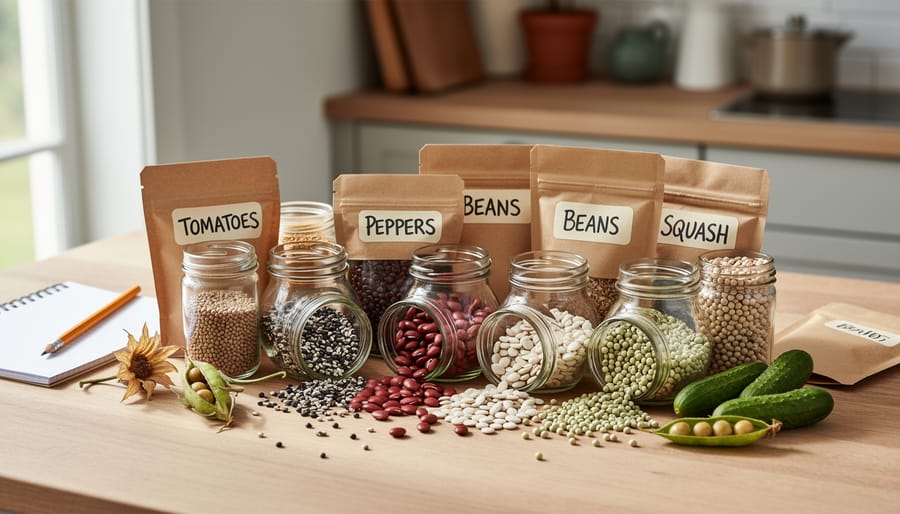
The Easiest Vegetables to Start Your Seed Saving Journey
Tomatoes: Your Foolproof First Success
Let’s start your seed-saving journey with tomatoes—they’re wonderfully forgiving and perfect for Australian backyards. Choose open-pollinated heirloom varieties like Grosse Lisse or Tommy Toe, which are beautifully adapted to our conditions and produce seeds that grow true to type.
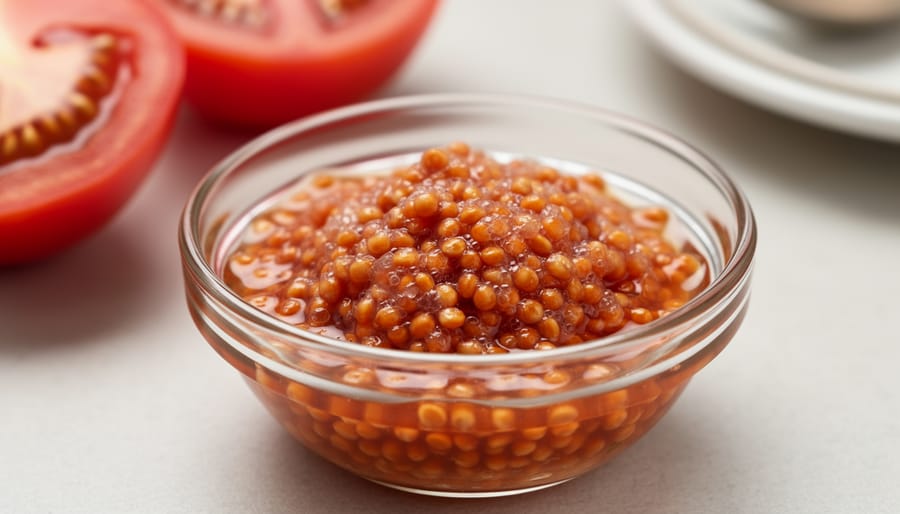
Here’s your simple fermentation method: Select a perfectly ripe, blemish-free tomato from your healthiest plant. Scoop the seeds and gel into a clean jar with a splash of water. Cover loosely with cloth and leave at room temperature for 2-3 days (quicker in warmer northern regions). You’ll notice a mould layer forming—don’t worry, this is exactly what you want! This fermentation process kills seed-borne diseases and breaks down the germination-inhibiting gel.
When bubbles appear on the surface, add water and stir vigorously. Viable seeds sink while pulp and duds float—pour off the debris. Rinse the good seeds thoroughly in a fine sieve, then spread them on a labeled plate or non-stick surface. Dry them completely in a spot with good airflow, away from direct summer sun. Once crispy-dry (usually 5-7 days), store them in paper envelopes in a cool, dark place. They’ll remain viable for 4-6 years, giving you countless harvests and plenty to share with your gardening community.
Beans and Peas: Nature Does the Work
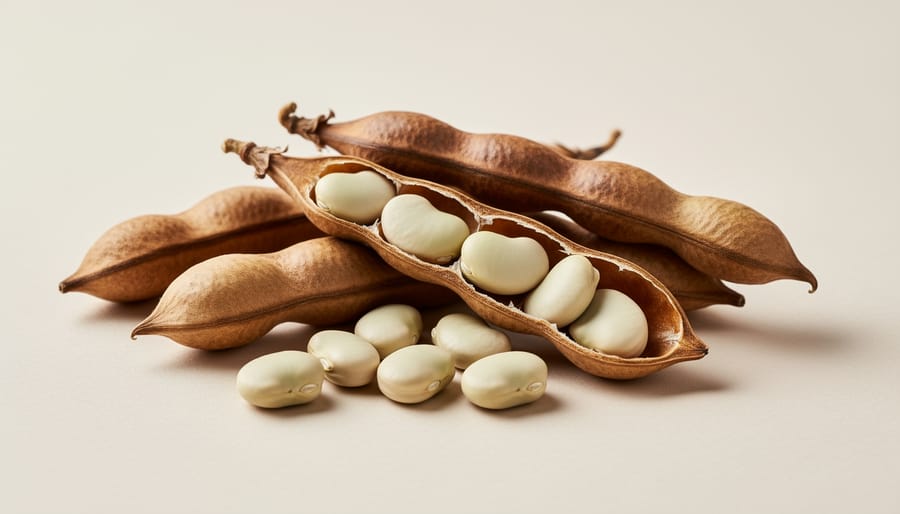
If you’re looking for an easy win in seed saving, beans and peas are your best mates. These generous legumes practically do the work for you. Simply leave a few pods on your healthiest plants until they dry completely and turn brown or tan. You’ll hear the seeds rattling inside when they’re ready.
In Australian gardens, varieties like snake beans, climbing beans, and sugar snap peas thrive beautifully, especially across our diverse climate zones. Choose heat-tolerant varieties for northern regions and cool-season types for southern gardens. Once harvested, shell the dried pods and store seeds in a cool, dark spot. They’ll remain viable for three to four years with proper storage.
Here’s the beauty of it: beans and peas are self-pollinating, meaning they rarely cross with other varieties. This makes them perfect for beginners wanting pure seed lines without fussy isolation techniques. Your local seed-saving group can recommend heritage varieties perfectly suited to your region’s conditions, connecting you with a community of gardeners preserving Australia’s edible legacy, one pod at a time.
Lettuce and Leafy Greens
Lettuce and leafy greens are among the easiest vegetables for beginner seed savers, making them perfect starting points for your seed-saving journey. The key is resisting the urge to pull out plants when they bolt—that tall flowering stalk is exactly what you need! In Australia’s diverse climate zones, timing varies considerably. In cooler southern regions, lettuce typically bolts in late spring, while northern gardeners might see bolting in early spring or even winter during milder years.
Once your lettuce sends up its flower stalk, watch as small yellow blooms appear and transform into fluffy white seedheads, similar to tiny dandelions. This is your signal to act. Gently shake the seedheads into a paper bag when they’re dry and puffy, usually on a sunny morning after the dew has evaporated. Each plant produces hundreds of seeds, so just one or two plants will supply your community with plenty to share.
The beauty of saving lettuce seeds is their reliability—they typically remain viable for three to five years when stored properly, giving you flexibility across Australia’s unpredictable seasonal conditions.
Understanding Plant Biology: Open-Pollinated vs Hybrid Varieties
The secret to successful seed saving starts with understanding which plants will actually produce seeds that grow into plants like their parents. Think of it like this: some vegetables are faithful reproducers, while others surprise you with completely different offspring.
Open-pollinated (OP) varieties are your reliable friends in the seed-saving world. These heritage plants have been naturally pollinated by insects, wind, or birds for generations, and they breed true to type. When you save seeds from an open-pollinated tomato, you’ll get tomatoes just like the parent plant next season. Many Australian gardeners treasure OP varieties like ‘Grosse Lisse’ tomatoes or ‘Telegraph’ cucumbers because they’ve adapted beautifully to our diverse climates over decades, sometimes even centuries.
Hybrid varieties, labelled as F1 on seed packets, are created when plant breeders deliberately cross two different parent plants to produce offspring with specific traits like disease resistance or uniform fruit size. Here’s the catch: while the first generation is predictable, seeds from hybrid plants produce wildly variable results in the next generation. You might plant seeds from a perfect hybrid capsicum only to harvest something completely different, perhaps reverting to one of the less desirable grandparent plants.
For beginning seed savers across Australia, sticking with open-pollinated varieties sets you up for success. Look for terms like ‘heirloom’, ‘heritage’, or ‘open-pollinated’ on seed packets, or connect with local seed-saving groups who often share OP varieties perfectly suited to your regional conditions. These communities, from Brisbane to Hobart, actively preserve plant genetics that thrive in Australian gardens, making your seed-saving journey both rewarding and reliable from the very first harvest.
Preventing Cross-Pollination in Your Australian Garden
One of the biggest challenges in seed saving is preventing unwanted cross-pollination, which can result in vegetables quite different from what you planted. The good news? With a few clever strategies tailored to Australian conditions, you can maintain seed purity even in a compact backyard.
Understanding isolation distances is your first line of defence. Different vegetable families require varying amounts of space between varieties. Tomatoes, being self-pollinating, only need about 3-5 metres between varieties, making them perfect for smaller gardens. Brassicas like broccoli and cabbage need 400-1000 metres, which sounds daunting but can be managed with timing strategies. Cucurbits (pumpkins, cucumbers, zucchini) fall somewhere in the middle at 200-400 metres.
For space-limited Australian gardeners, timing becomes your best friend. Plant different varieties of the same vegetable at intervals so they flower at different times. In many Australian regions, you can plant one variety in early spring and another in late spring, ensuring they don’t bloom simultaneously. This works particularly well for brassicas and beans.
Physical barriers offer another practical solution for your edible garden. Mesh bags or netting placed over flowering plants create effective isolation while still allowing air circulation. Hand-pollinating under these barriers gives you complete control. Simply use a small paintbrush to transfer pollen between flowers of the same variety, then secure your barrier to exclude insects.
Many gardening communities across Australia coordinate seed saving efforts, with neighbours agreeing to grow different varieties each season and share seeds. This collaborative approach means everyone benefits from diverse, pure seed stocks without needing massive gardens.
Remember, some cross-pollination isn’t catastrophic. If you’re growing for your own family rather than commercial purity, the occasional surprise variety can be part of the adventure. The key is choosing which seeds matter most for maintaining true-to-type characteristics, then focusing your isolation efforts there.
The Complete Seed Harvesting Process
Timing Your Harvest for Maximum Viability
Timing is everything when it comes to saving viable seeds. The key is letting seeds fully mature on the plant before harvesting, which requires a bit of patience but pays off tremendously for next season’s garden.
For fruiting vegetables like tomatoes and capsicums, wait until the fruit is fully ripe or even slightly overripe. The seeds inside will have reached full maturity, ensuring better germination rates. In contrast, leafy greens and brassicas need a different approach – let them bolt and flower, then wait for seed pods to turn brown and papery before collecting.
Across Australia’s diverse climate zones, timing varies considerably. Southern gardeners might harvest tomato seeds in late summer, while tropical northerners can save seeds from dry season crops during winter months. Understanding your local growing patterns helps you recognise when seeds are ready.
A simple test for many vegetables: gently squeeze the seed pod or shake the flower head. If seeds fall freely, they’re likely mature. For wet seeds like cucumber or zucchini, the fruit should be well past eating stage, often turning yellow or orange.
Keep watch as harvest time approaches, checking plants every few days. This attentiveness to your garden’s rhythms connects you more deeply to nature’s cycles while building your seed-saving confidence.
Cleaning and Processing Techniques
Once you’ve harvested your seeds, proper cleaning ensures successful germination and storage. Australian gardeners can manage this brilliantly with everyday kitchen tools and a bit of patience.
Wet processing suits tomatoes, cucumbers, and melons. Place seeds with their surrounding pulp in a jar with water and leave them at room temperature for 2-3 days. This fermentation process mimics natural decomposition, breaking down germination inhibitors and disease organisms. You’ll notice a film forming on top – that’s exactly what you want! Rinse the seeds thoroughly in a sieve, discarding any floating ones as they’re typically not viable.
Dry processing works perfectly for beans, peas, lettuce, and brassicas. Simply remove seeds from dried pods or seed heads, then winnow them by gently pouring between containers outdoors. The breeze carries away chaff while heavier seeds fall into your collection bowl. A simple kitchen colander or mesh strainer helps separate different-sized debris.
Whichever method you choose, spread cleaned seeds on paper plates or newspaper in a warm, dry spot away from direct sunlight. Australian humidity varies greatly, so aim for complete dryness before storage – typically 1-2 weeks depending on your local conditions.
Testing Seed Viability Before Storage
Before dedicating precious storage space to your collected seeds, it’s worth running a simple germination test. This quick check can save you disappointment come planting season and helps you focus on storing only the most viable seeds.
The paper towel method is beautifully straightforward. Take ten seeds from your collection and place them between damp paper towels, then pop them in a sealed container or plastic bag. Keep them in a warm spot, around 20-25°C, which shouldn’t be difficult in most Australian homes. Check after the expected germination time for that variety, usually 7-14 days. If seven or more seeds sprout, you’ve got a germination rate of 70% or higher, which is excellent for home gardening.
Many community gardens across Australia run seed testing workshops where gardeners gather to test and swap viable seeds. It’s a wonderful way to connect with fellow seed savers while learning together. If fewer seeds germinate, you can still plant them, just sow more thickly to compensate. This simple test ensures you’re storing seeds that will actually grow, making your seed saving efforts truly worthwhile and reducing waste in your sustainable gardening journey.
Storing Seeds in Australia’s Climate
Australia’s diverse climate zones present unique challenges for seed storage, but with the right approach, you can maintain viable seeds for years to come. The key enemies of seed longevity are moisture, heat, and light—all of which our climate delivers in abundance, particularly across northern and coastal regions.
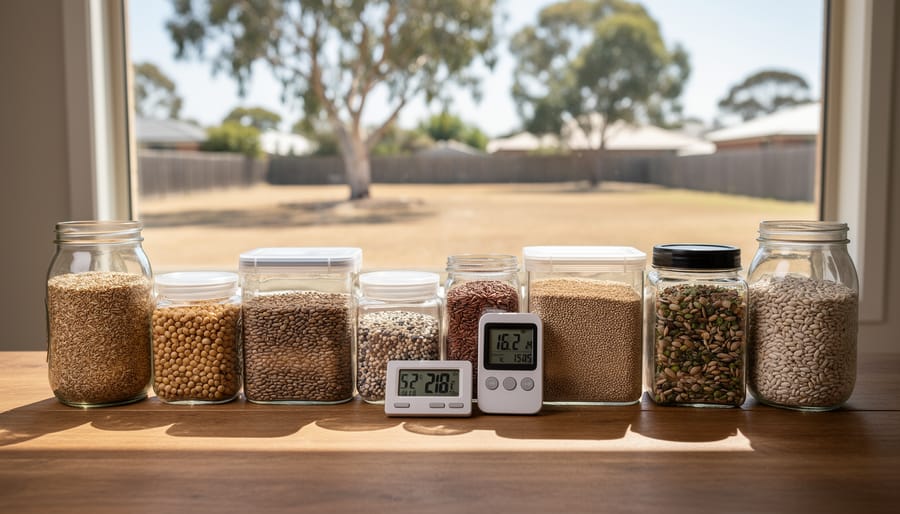
The golden rule for Australian seed savers is to keep seeds cool, dark, and dry. Aim for storage conditions below 15°C with humidity levels under 50%. In practice, this means your kitchen cupboard or garden shed won’t cut it during our sweltering summers. Many experienced gardeners across Australia have found success storing seeds in airtight glass jars or sealed containers placed in the refrigerator, away from the humidity of the crisper drawer. Adding silica gel packets or a tablespoon of powdered milk wrapped in tissue helps absorb any residual moisture.
For those in tropical and subtropical zones, where humidity remains high year-round, extra vigilance is essential. Consider investing in small airtight containers with rubber seals, and check your seeds regularly for any signs of mould or deterioration. Some community seed libraries in Brisbane and Cairns have shared successful methods using vacuum-sealed bags stored in cool, air-conditioned spaces.
Before storing, ensure seeds are completely dry—this cannot be overstated. Seeds harvested during wet periods need extra drying time spread on paper in a well-ventilated area. This principle aligns perfectly with water-efficient gardening practices, where understanding moisture management benefits both growing and preserving your harvest.
Label everything clearly with variety name and collection date. Seeds stored properly can remain viable for 2-5 years, with some varieties lasting even longer, creating a valuable living library for seasons ahead.
Joining Australia’s Seed Saving Community
Seed saving becomes infinitely more rewarding when you connect with others who share your passion. Australia has a vibrant network of seed savers who generously share knowledge, seeds, and stories, making it easy for newcomers to dive in.
The Seed Savers Network is Australia’s premier community-driven organization dedicated to preserving open-pollinated and heirloom varieties. With members across the country, they organize seed swaps, publish informative newsletters, and maintain an extensive seed collection. Membership connects you with experienced growers who understand Australian conditions and can offer varieties proven to thrive in your region.
Seed libraries are popping up in community centres and public libraries throughout Australia, operating on a simple principle: borrow seeds, grow them, save seeds, and return some for others. These libraries democratize access to diverse varieties while building local seed security. Check with your local council or library to find one near you.
Community gardens often host seasonal seed swap events where gardeners gather to exchange seeds, cuttings, and growing tips over a cuppa. These gatherings are goldmines of local knowledge, where you’ll discover which tomato variety survives Brisbane summers or which beans handle Melbourne’s unpredictable spring.
Participating in these exchanges does more than fill your seed tin. You’re actively contributing to agricultural biodiversity, helping preserve varieties that might otherwise disappear from commercial availability. Each seed variety carries genetic traits developed over generations, representing adaptation to specific climates and resilience to local pests and diseases.
By joining Australia’s seed saving community, you become part of a living tradition that values abundance, sharing, and food security for future generations.
Common Mistakes That Sabotage Your Seed Saving
Sarah from Bundaberg learned this lesson the hard way when her carefully saved tomato seeds turned into a mouldy mess within weeks. She’d made the classic mistake of storing them before they were completely dry. It’s one of the most common pitfalls in seed saving, but thankfully, it’s entirely preventable.
The eagerness to harvest seeds too early catches many Australian gardeners out. We’ve all been there, watching those gorgeous heirloom tomatoes ripen and thinking they’re ready for seed collection. The truth is, seeds need to be fully mature before harvesting. For tomatoes and capsicums, this means waiting until the fruit is well past eating prime, even slightly overripe. Beans and peas should be left on the plant until the pods become papery and brown. Yes, it feels counterintuitive, but patience here pays dividends.
Inadequate drying is another saboteur lurking in your seed-saving journey. Australian humidity, particularly in coastal and tropical regions, makes this tricky. A Melbourne community garden discovered their saved bean seeds sprouted with mould after storing them in sealed jars too quickly. The solution? Spread seeds on newspaper in a warm, well-ventilated spot for at least two weeks. Test by trying to bend a seed – if it snaps rather than bends, it’s dry enough.
Poor labeling might seem trivial, but imagine next season trying to remember which unmarked envelope contains cherry tomatoes versus roma. Include the variety name, harvest date, and location on every packet.
Cross-pollination between varieties creates another challenge. Coriander planted near fennel, or different types of pumpkins growing close together, can produce unexpected results next season. Keep different varieties of the same vegetable family separated by at least 10 metres, or use physical barriers to maintain variety purity.
Saving your own vegetable seeds is more than a gardening technique—it’s an act of empowerment that connects you to generations of growers who’ve stewarded our food supply. By choosing to save seeds, you’re stepping into a practice that strengthens food sovereignty, reduces reliance on commercial seed suppliers, and actively contributes to biodiversity. Every seed you save is a small rebellion against disposable culture and a meaningful step toward environmental resilience.
The beauty of seed saving lies in its accessibility. You don’t need fancy equipment or years of experience to begin. Start with just one easy variety this season—perhaps a lettuce that’s gone to seed or those cherry tomatoes that always produce abundantly. Collect, dry, label, and store. That simple act builds confidence and knowledge that will expand naturally over time.
Australian gardeners are uniquely positioned to make a difference through seed saving. As climate conditions shift, the seeds you save from thriving plants in your local area become increasingly valuable, adapted to your specific microclimate and ready to share with neighbours and community seed libraries.
The connections you’ll forge through this practice extend beyond your garden beds. Seed swaps, community gardens, and sustainable gardening groups across Australia are waiting to welcome you into a network of passionate growers who understand that seeds represent hope, resilience, and abundance.
This season, commit to saving your first seeds. Start small, celebrate your successes, and watch as this simple practice transforms both your garden and your relationship with the food you grow.