
Replace water-hungry exotic lawns with native grasses like kangaroo grass or wallaby grass that thrive in Australian conditions without constant irrigation. Transform shaded areas under established eucalypts with local groundcovers such as native violets or kidney weed, eliminating the need for chemical fertilizers while supporting local wildlife. Install permeable paving using gravel or crushed sandstone for pathways and driveways, allowing rainwater to naturally filter into your soil rather than overwhelming stormwater systems.
Your garden can become a living ecosystem that works with Australia’s climate rather than against it. Sustainable landscaping isn’t just about environmental responsibility—it’s about creating outdoor spaces that require less maintenance, lower water bills, and provide genuine habitat for native birds, butterflies, and beneficial insects. Across suburban Brisbane, Melbourne, and Sydney, homeowners are discovering that switching to drought-tolerant native plants can cut water usage by up to seventy percent while creating gardens that genuinely reflect our unique landscape.
Finding the right local landscaper means looking beyond traditional gardening services to professionals who understand Australian soil conditions, regional rainfall patterns, and indigenous plant communities. The difference between conventional and sustainable approaches shows up immediately in ongoing costs, with native gardens typically requiring a fraction of the irrigation, fertilizer, and pest control that exotic species demand. Whether you’re starting from scratch or transforming an existing garden, sustainable landscaping delivers environmental benefits alongside practical advantages that make sense for your household budget and time.
What Makes Landscaping Truly Sustainable in Australia

Why Native Plants Are Your Garden’s Secret Weapon
When it comes to creating a thriving, low-maintenance garden that truly works with your local environment, native plants are absolute game-changers. These indigenous species have evolved over thousands of years to flourish in Australia’s unique conditions, making them the smartest choice for sustainable landscaping.
The benefits start with water conservation. Native plants are naturally adapted to our climate patterns, requiring significantly less irrigation once established. While exotic species might demand constant watering during our harsh summers, natives like Kangaroo Paw and Coastal Rosemary have already mastered survival in Australian conditions. This drought tolerance translates directly to lower water bills and reduced environmental impact.
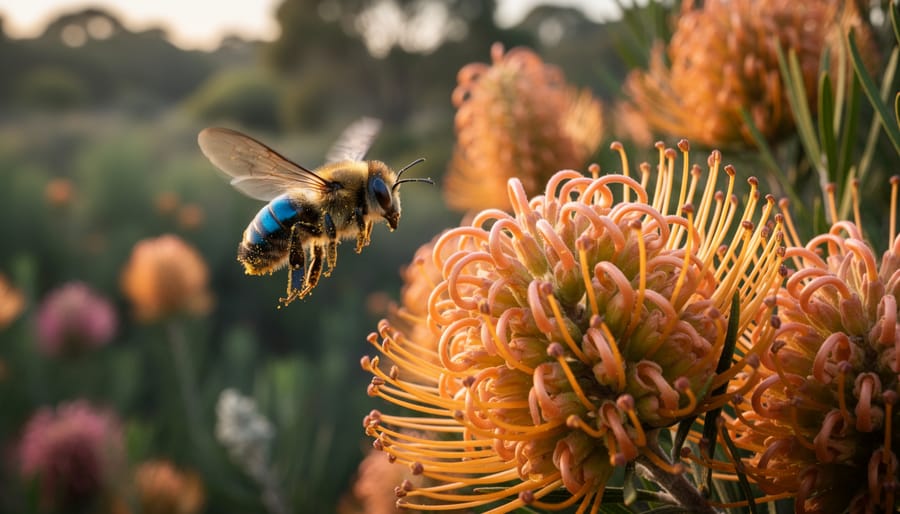
Beyond water savings, native plants provide crucial ecosystem services by supporting local wildlife and pollinators. When you plant a Grevillea or Bottlebrush, you’re creating a haven for native bees, butterflies, and honeyeaters. These relationships have developed over millennia, meaning our local creatures depend on these plants for survival. Your garden becomes part of a larger ecological network supporting biodiversity.
The resilience factor is equally impressive. Australian natives have natural defences against local pests and diseases, dramatically reducing the need for chemical interventions. A Lilly Pilly or Westringia naturally resists many common garden problems that plague introduced species.
Maintenance becomes refreshingly simple too. These plants don’t need constant pruning, feeding, or fussing. They’re designed for Australian soils and conditions, meaning less work for you and more time enjoying your outdoor space. Popular choices like native grasses, Lomandra, and flowering eucalypts practically look after themselves, creating stunning landscapes that celebrate our unique Australian character while treading lightly on the planet.
The Hidden Costs of Traditional Landscaping
Traditional landscaping might look pristine, but the true costs often remain hidden beneath that emerald-green lawn. The average Australian household uses around 25% of its water supply on garden irrigation, with conventional lawns demanding up to 150 litres per square metre during summer months. That’s not just a drain on your water bill, it’s a strain on our precious water resources, especially in a country known for drought conditions.
Beyond water consumption, conventional gardens rely heavily on synthetic fertilizers and pesticides. These chemicals don’t simply disappear after application. They seep into our waterways, contributing to algal blooms in local rivers and impacting native wildlife. Australian gardeners spend approximately $450 million annually on these products, creating an ongoing cycle of chemical dependency that degrades soil health over time.
Maintenance costs add up quickly too. Professional mowing, edging, and seasonal treatments can easily exceed $2,000 per year for a standard suburban garden. Factor in the environmental cost of petrol-powered equipment emitting greenhouse gases, and the picture becomes even less appealing.
The environmental footprint extends further when you consider that many popular exotic plants require constant intervention to survive our unique climate. They’re fighting against nature rather than working with it, creating gardens that demand endless resources while offering minimal support to local ecosystems. This cycle doesn’t just impact your wallet, it affects the broader community and the native species that depend on suitable habitat to thrive.
What to Look for in Sustainable Landscaping Services
Essential Questions to Ask Before You Hire
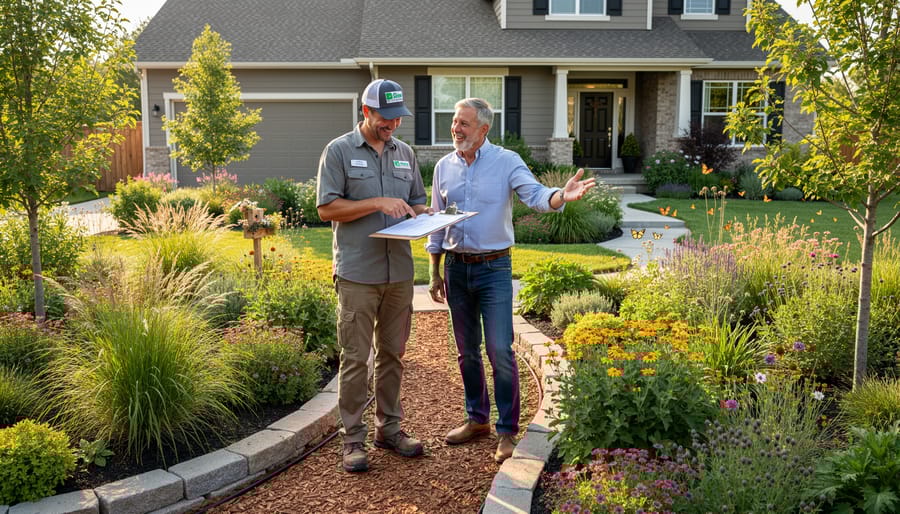
Finding the right sustainable landscaping professional is about more than just comparing quotes—it’s about partnering with someone who genuinely understands your local ecosystem. When choosing green service providers, having the right questions prepared ensures you’ll work with a true sustainability expert.
Start by asking about their knowledge of native Australian plants specific to your region. Can they recommend species that naturally thrive in your local climate and soil type? A knowledgeable provider should enthusiastically discuss endemic plants suited to your postcode, from coastal banksias to inland eucalypts.
Water management is crucial in our sunburnt country. Ask how they approach water conservation—do they design with rainfall harvesting, greywater systems, or drought-tolerant planting zones? Request specifics about irrigation efficiency and how they’ll minimise water waste.
Soil health forms the foundation of sustainable landscapes. Enquire about their soil assessment process. Do they test pH levels, nutrient content, and soil structure before recommending treatments? How do they improve soil naturally through composting and organic matter rather than synthetic fertilisers?
Chemical use is a dealbreaker for many eco-conscious Australians. Confirm their stance on pesticides and herbicides—do they commit to completely organic approaches, or do they have grey areas? Ask about their pest management philosophy and natural alternatives.
Don’t forget ongoing care. What maintenance plans do they offer, and how do these support long-term ecosystem health? Finally, gauge their understanding of local wildlife corridors, pollinator pathways, and how your garden fits within the broader community ecosystem.
These questions will reveal whether they’re genuinely committed to sustainability or simply greenwashing their services.
Native Plant Maintenance: What’s Actually Involved
The First Year: Establishing Your Native Garden
Let’s be honest—your new native garden won’t magically transform into a self-sustaining oasis overnight. The first year is where the real work happens, but here’s the encouraging news: this investment of time sets you up for years of low-maintenance beauty.
During establishment, your native plants are busy developing deep root systems that will eventually make them drought-tolerant champions. Until then, they need your support. Water deeply once or twice weekly rather than light daily sprinkles—this encourages those roots to venture downward. Most Australian natives establish within 12-18 months, though some groundcovers settle in faster while larger shrubs and trees take their time.
Mulching is your secret weapon in that first year. A generous 75-100mm layer of organic mulch suppresses weeds, retains moisture, and regulates soil temperature. Think of it as a protective blanket for your developing garden. Eucalyptus or hardwood chips work brilliantly for most natives.
Weeds will test your patience initially—they’re opportunists that love disturbed soil. Hand-pulling after rain is most effective, and staying on top of them early prevents bigger headaches later. Many local councils run community workshops on weed identification, connecting you with neighbours tackling similar challenges.
By year two, you’ll notice the transformation. Watering needs drop dramatically, weeds struggle to compete with established plants, and maintenance becomes genuinely minimal. That’s when the low-maintenance promise your landscaper made becomes your everyday reality, and your sustainable garden truly begins thriving independently.
Long-Term Care That Actually Saves You Time
Here’s the reality that delights many Australian gardeners: once your native garden is established, it practically looks after itself. Unlike traditional gardens that demand constant attention, sustainable landscapes designed with local plants reward you with more weekend barbies and less weekend weeding.
During the first year, your native plants are busy establishing deep root systems that will eventually make them drought-champions. After this settling-in period, most established gardens need watering only during extended dry spells—sometimes just once a fortnight in summer, or not at all if you’ve chosen truly local species. Compare that to conventional lawns requiring twice-weekly drenching, and you’ll see where the time savings stack up.
Seasonal maintenance follows nature’s rhythm rather than fighting against it. A light prune after flowering keeps most natives compact and blooming beautifully. Many Australian plants, like grevilleas and banksias, actually thrive on the occasional trim. Natural pest management means welcoming beneficial insects—ladybirds, lacewings, and native bees do the heavy lifting while you simply observe and enjoy.
The weeding? Minimal. Dense native plantings create their own mulch from fallen leaves and naturally suppress weeds. You might spend an hour every few months pulling out the odd intruder, rather than every weekend battling persistent exotic weeds that love disturbed, over-watered soil.
For those seeking even more freedom, professional sustainable landscaping services offer maintenance packages tailored to native gardens. These typically cost 30-40% less than traditional garden maintenance because there’s simply less to do. Your gardener visits quarterly instead of fortnightly, focusing on strategic pruning and health checks rather than constant intervention. It’s a beautiful partnership: you provide the vision, nature does most of the work, and professionals fine-tune when needed.
Finding the Right Sustainable Landscaper Near You
Community Resources and Local Networks
Finding trustworthy sustainable service providers becomes much easier when you tap into your local community networks. Australia has a vibrant landscape of environmental organisations that can connect you with experienced practitioners and like-minded individuals.
Start with your local council’s environmental programs. Many councils across Australia offer free native plant giveaways, workshops on water-wise gardening, and maintain directories of recommended sustainable landscapers. These programs often feature rebates for rainwater tanks, composting systems, and lawn replacement initiatives that your landscaper can help you access.
Australian native plant societies operate in every state and territory, bringing together passionate gardeners who’ve learned through experience which local species thrive. Members are typically generous with recommendations for landscapers who genuinely understand native ecosystems rather than just dropping in a few gum trees.
Landcare groups offer another excellent resource, particularly in regional areas. These volunteer networks focus on restoring local habitats and can introduce you to professionals who work with indigenous plants and understand your area’s specific soil conditions and microclimates.
Community gardens provide unexpected connections too. Chat with experienced gardeners during working bees, and you’ll often discover they know reputable local contractors who share their environmental values. These personal recommendations carry weight because they come from people who’ve seen the work firsthand and understand what sustainable landscaping truly means in your neighbourhood.
Red Flags and Green Flags When Comparing Services
When you’re hunting for a sustainable landscaping service, knowing what to look for makes all the difference. Let’s talk about what separates the genuine practitioners from those simply riding the green wave.
Green flags start with transparency. A quality sustainable landscaper should readily discuss their water management strategies, explain their plant selection process for your local climate, and show you examples of thriving projects they’ve completed. They’ll ask questions about your soil type, sun exposure, and native wildlife before proposing solutions. Watch for providers who mention specific Australian native species suited to your region rather than generic “sustainable plants.” They should also demonstrate knowledge of local council regulations around water restrictions and native vegetation.
Be cautious if a company promises overnight transformations or unnaturally low prices. Sustainable landscaping requires quality materials, proper soil preparation, and often locally-sourced native plants, which have associated costs. While you might pay 10-20 percent more upfront compared to conventional landscaping, these projects typically deliver long-term savings through reduced water bills and minimal maintenance needs.
Red flags include vague sustainability claims without supporting evidence, reluctance to provide client references, or pressure to sign contracts immediately. If a provider can’t explain how their approach reduces environmental impact or seems unfamiliar with Australian native species, keep searching.
Timeline expectations matter too. Genuine sustainable projects often require soil testing and careful planning, so be wary of anyone promising instant starts. Selecting the right provider takes patience, but it ensures your investment truly supports Australia’s unique ecosystems while creating a beautiful outdoor space.
Real Australian Gardens: What Sustainable Landscaping Looks Like
Real sustainable gardens across Australia prove that eco-friendly landscaping isn’t about perfection—it’s about progress. From Bondi balconies to sprawling Toowoomba blocks, Australians are creating beautiful spaces that work with nature, not against it.
Take Sarah’s suburban Melbourne garden. Five years ago, her quarter-acre block was typical lawn with exotic shrubs struggling through dry summers. Today, it’s a thriving native haven featuring kangaroo paw, bottlebrush, and coastal rosemary. Her water bills dropped by 60%, and she’s spotted blue wrens nesting in the grevilleas. “I thought it would look wild and messy,” she admits, “but it’s actually more structured than my old garden, just lower maintenance.”
On Queensland’s Sunshine Coast, the Martinez family transformed their sloping coastal block into a productive food forest. They’ve combined native finger limes and Davidson’s plums with mulched pathways and swales that capture runoff. Despite the sandy soil, their garden stays green through dry spells without irrigation, thanks to deep mulching and strategic plant placement.
Urban apartments are getting in on sustainable landscaping too. A Melbourne apartment complex replaced their struggling lawn courtyard with clustered native grasses, permeable paving, and a communal herb garden. Residents now gather around the space, and stormwater runoff to drains has reduced by half.
In inland Dubbo, a local school partnered with community members to create an outdoor classroom using drought-tolerant natives and recycled materials. Students learn about water cycles while sitting under shady emu bushes and wattles—plants that thrive in their harsh, dry climate without coddling.
These aren’t show gardens requiring professional upkeep. They’re everyday Australian spaces that evolved gradually, often starting with just replacing one section of lawn or adding a native bed. The common thread? Each gardener chose plants suited to their specific climate, embraced natural cycles, and let go of unsustainable expectations. Your sustainable garden doesn’t need to look like anyone else’s—it just needs to work with your local environment.
Making the Investment Work for Your Budget
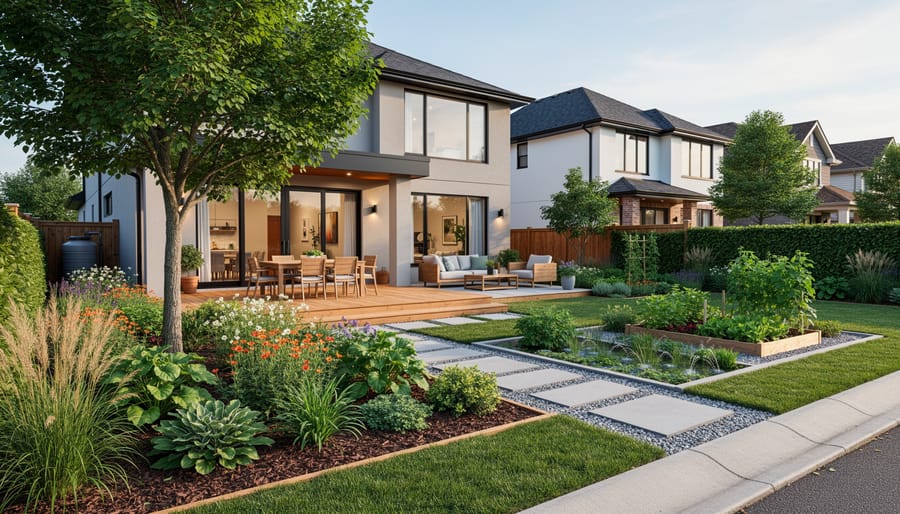
Let’s talk honestly about investment, because creating a sustainable landscape is exactly that – an investment in your property, your community, and our shared environment. While the upfront costs might seem higher than conventional landscaping, the financial story shifts dramatically when you look beyond the first invoice.
Consider this: a sustainable landscape typically uses 30-50% less water than traditional gardens. For an average Australian household, that translates to hundreds of dollars saved annually on water bills. Native plants, once established, require minimal fertiliser and fewer pest treatments, cutting ongoing maintenance costs significantly. One Sydney family shared that their water-wise native garden saved them $800 in the first year alone – enough to offset a substantial portion of their initial investment.
The good news? You don’t need to transform your entire property overnight. Many successful sustainable landscapes grow in phases. Start with high-impact areas like replacing thirsty lawn sections with native groundcovers, then gradually expand. This approach spreads costs over time while allowing you to learn what works best in your specific conditions.
Australian governments recognise the community-wide benefits of sustainable landscaping and offer genuine financial support. Victoria’s water corporations provide rebates for rainwater tanks and water-efficient irrigation systems. In South Australia, the Green Adelaide grants program supports urban greening projects. Western Australia offers rebates through Waterwise programs, while Queensland councils frequently run native plant giveaways and subsidised mulch programs. Check your local council website – you might be surprised at what’s available.
When deciding between DIY and professional services, consider your skills, time, and the project scope. Initial design consultation with a sustainable landscaping professional ensures you start with sound ecological principles and appropriate plant selection. You might then tackle the physical planting yourself, saving on labour costs while still benefiting from expert guidance. Many local landscapers offer flexible service options, understanding that budget-conscious choices and environmental values often go hand-in-hand.
The investment becomes easier when you remember: you’re not just creating a garden, you’re building resilience for the future.
Creating a sustainable landscape isn’t about perfection—it’s about progress. Every native plant you introduce, every square metre of lawn you replace with waterwise alternatives, and every choice to work with nature rather than against it contributes to something bigger than your own backyard. These individual decisions ripple through your local ecosystem, providing habitat corridors for native wildlife, reducing water demand on stressed urban supplies, and strengthening your community’s resilience against our changing climate.
The beauty of sustainable landscaping is that you can start exactly where you are. Perhaps you’ll connect with a local native plant society to learn which species thrive in your specific area, or reach out to sustainable landscaping professionals who understand your region’s unique conditions. Even dedicating one garden bed to indigenous plants creates meaningful change. You’re not just reducing maintenance and water bills—you’re actively participating in the restoration of Australian ecosystems, one garden at a time.
Your outdoor space has the potential to become a thriving haven that requires less from you while giving more to the environment around it. As you explore sustainable landscaping options in your area, remember that you’re joining a growing community of Australians reimagining what our gardens can be. Whether you start small or transform your entire property, you’re creating spaces that are beautiful, resilient, and genuinely sustainable—places where both people and nature can flourish together for generations to come.