
Turn your kitchen scraps into garden gold by choosing from several proven composting methods, each suited to different Australian households and lifestyles. Whether you’re in a compact Sydney apartment or on a sprawling Queensland property, recycling organic waste through composting diverts tonnes from landfill while creating nutrient-rich soil for your garden.
**Select based on your space and commitment level.** Hot composting delivers finished compost in weeks but requires regular turning and specific carbon-to-nitrogen ratios. Cold composting suits time-poor households—simply add scraps and wait 6-12 months. Worm farms thrive in shaded balconies and produce liquid fertiliser alongside castings. Bokashi systems handle meat and dairy in sealed buckets, perfect for apartment dwellers.
**Match your method to Australia’s climate challenges.** Perth’s dry summers demand enclosed systems that retain moisture, while Brisbane’s humidity accelerates decomposition in open bays. Melbourne composters often need insulated bins to maintain activity through winter, and Darwin’s tropical conditions make fast-processing hot composting ideal.
**Start imperfectly today rather than planning perfectly forever.** Most Australian councils offer discounted compost bins and free workshops—check your local website. Community gardens across the country welcome household scraps if home composting feels overwhelming initially. The method matters less than beginning the practice; you’ll refine your approach as you learn what works for your household’s waste stream and garden needs.
Why Your Composting Method Matters More Than You Think
Choosing the right composting method isn’t just about being eco-friendly—it’s about finding a system that actually works for your life. And here’s the reality: what thrives in a spacious Perth backyard with scorching summers won’t necessarily succeed in a compact Melbourne apartment or a tropical Brisbane balcony.
Your local climate plays a huge role in composting success. In Australia’s hotter regions, traditional compost heaps can dry out quickly, requiring more water—a real concern when water restrictions are in place. Conversely, in cooler southern states, decomposition slows down dramatically during winter, meaning your food scraps take longer to transform into garden gold. Understanding these climate realities helps you set realistic expectations and choose methods that work with, not against, your environment.
Your household situation matters just as much. A family of five producing plenty of kitchen scraps has different needs than a single person in a studio flat. The amount of space you have, whether you rent or own, and your physical capacity to turn compost or maintain systems all influence which method will become a sustainable habit rather than an abandoned experiment.
Then there’s the waste itself. Are you primarily dealing with kitchen scraps, or do you also have garden waste? Some methods handle cooked foods better than others, while certain systems excel at breaking down tougher materials like branches and leaves.
Local council regulations also shape your options. Many Australian councils offer rebates on compost bins or worm farms, while others provide free green waste collection services. Some areas restrict certain composting methods in urban zones. Checking your council’s guidelines—and available support—can significantly influence your choice and help you develop lasting waste reduction habits.
The right method fits seamlessly into your routine, climate, and community context—making composting a joy rather than a chore.
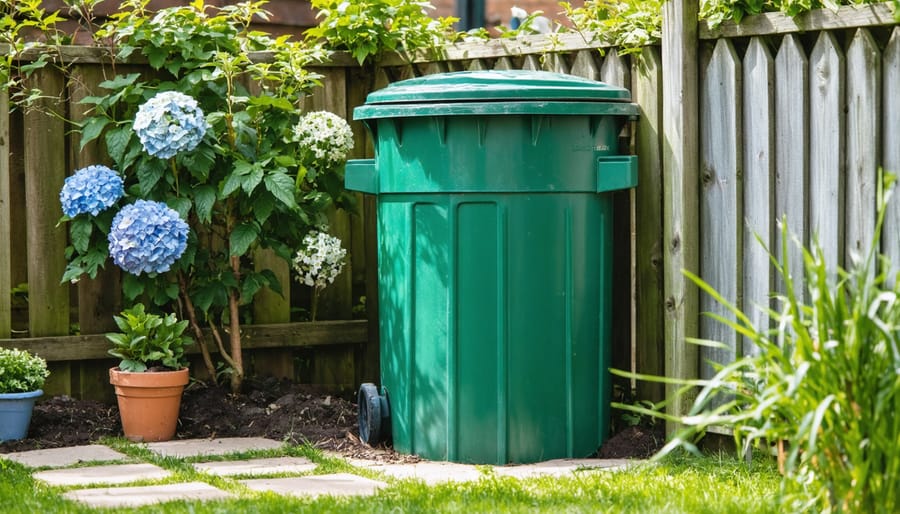
Traditional Bin Composting: The Backyard Workhorse
Setting Up Your Bin System
Getting your bin system up and running is simpler than you might think. Start by choosing a spot that’s easily accessible year-round—ideally within a quick walk from your kitchen, as you’ll be making regular trips with scraps. Australian conditions favour partially shaded locations that won’t overheat in summer but still catch some sunlight for warmth. A level, well-drained area works best to prevent waterlogging during wet seasons.
Place your bin directly on soil if possible, allowing beneficial microbes and earthworms to move freely in and out. If you’re setting up on concrete or pavement, add a 10cm layer of soil or finished compost at the bottom to introduce these helpful decomposers.
Begin with a base layer of coarse materials like small twigs or shredded newspaper—this creates airflow at the bottom. Then add alternating layers of “greens” (kitchen scraps, fresh grass clippings) and “browns” (dried leaves, shredded paper, cardboard). Aim for roughly two parts brown to one part green.
Many Australian councils offer discounted or free compost bins to residents, so check with yours before purchasing. Your neighbours might also have setup tips specific to your local conditions—composting truly is a community effort!
What This Method Does Best (And Where It Falls Short)
Every composting method shines in certain situations while struggling in others. Hot composting delivers finished compost in weeks rather than months, making it brilliant for keen gardeners with steady waste streams and physical capability to turn piles. However, it demands attention and space that renters or time-poor households may not have. Cold composting suits the “set and forget” approach, perfect for those wanting simple environmentally conscious disposal without fuss, though patience is essential as breakdown takes six to twelve months.
Worm farms excel in compact spaces and produce exceptional fertiliser, ideal for apartment dwellers and households with mostly fruit and vegetable scraps. They’re less forgiving with incorrect feeding or temperature extremes—particularly challenging during Australian summers without proper shade. Bokashi handles meat and dairy that other methods reject, perfect for families wanting to compost everything, but requires purchasing bran and doesn’t produce traditional compost without further processing.
The honest truth? Most Australian households thrive with a combination approach. Perhaps worms for your kitchen scraps and a passive pile for garden waste. There’s no perfect method—only the one you’ll actually maintain.
Worm Farming: Your Silent Kitchen Waste Warriors

Choosing and Maintaining Your Worm Farm
Getting your worm farm thriving starts with choosing the right worms. In Australia, Red Wrigglers (Eisenia fetida) and Indian Blues (Perionyx excavatus) are your champions—Red Wrigglers handle cooler southern climates brilliantly, while Indian Blues excel in Queensland’s humidity and heat.
Feed your worms like you’d manage a share plate at a community barbecue—little and often works best. Start with small amounts of fruit scraps, vegetable peelings, and shredded paper, avoiding citrus, onions, and meat. Wait until previous offerings have mostly disappeared before adding more, typically every 2-3 days.
Moisture management is crucial. Your worm bedding should feel like a wrung-out sponge—damp but not dripping. In Australia’s dry inland regions, you’ll need to mist regularly, while coastal dwellers might need drainage holes and extra dry bedding to prevent waterlogging during humid spells.
Temperature control separates success from frustration. Worms thrive between 15-25°C, so position your farm in shade during scorching summers and consider insulating blankets or moving it to protected spots during winter. Many Australian composters create seasonal worm farm rotations, shifting between sunny winter spots and shaded summer locations—it’s part of developing your local composting rhythm.
The Real Story: Benefits and Limitations
Worm farms are absolute champions at transforming fruit and veggie scraps into nutrient-rich castings—often called “black gold” by Australian gardeners. They work brilliantly in our warmer months and process waste quickly, with happy worms munching through roughly their own body weight in food daily. They’re perfect for balcony dwellers and produce liquid fertiliser that transforms tired gardens.
However, Australian summers present challenges. Temperatures above 30°C stress worms, so positioning your farm in shade is crucial—under a verandah or beside the southern wall of your home works well. During heatwaves, freeze water bottles and place them in the farm, or drape wet hessian over the top.
Watch for common pitfalls: overfeeding creates smelly, acidic conditions (worms need time to process food), while too much moisture attracts fruit flies. If your farm smells sour, stop feeding for a week and add shredded newspaper to absorb excess liquid. Finding tiny white mites? Don’t panic—they’re harmless, though they indicate overly wet conditions.
Many community gardens across Australia run worm farm workshops where you’ll pick up local tips and troubleshoot alongside experienced vermiculture enthusiasts. It’s worth connecting with your neighbours who’ve mastered the art in your specific climate zone.
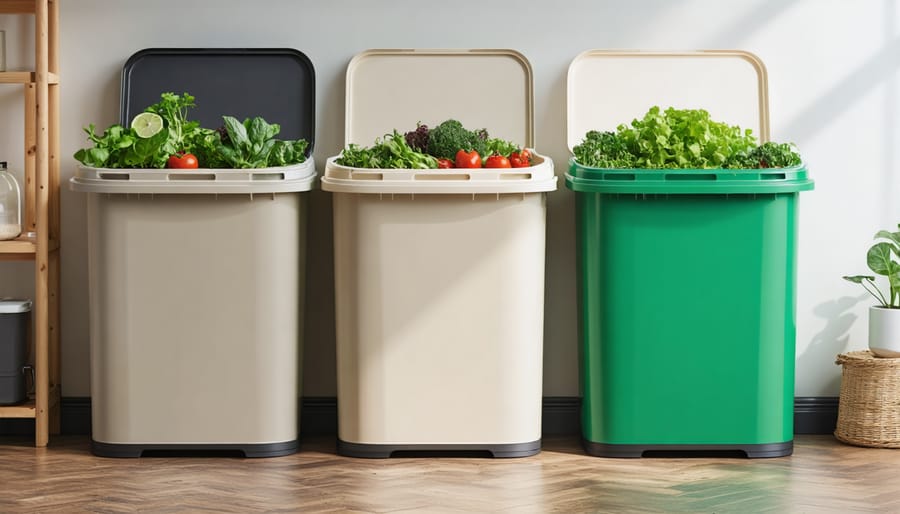
Bokashi: The Fast-Track Indoor Option
How Bokashi Actually Works
Bokashi transforms your kitchen scraps through fermentation rather than traditional decomposition—think kimchi for your compost! This Japanese method relies on beneficial microorganisms (often called “effective microorganisms” or EM) that pickle your food waste in an airtight bucket.
Here’s what you’ll need: a specialized bokashi bin with a tap at the bottom, and bokashi bran—a wheat bran inoculated with those helpful microbes. Many Australian gardening centres now stock these supplies, and several community groups run bokashi collectives to share costs.
The daily routine couldn’t be simpler. Toss your food scraps into the bucket—yes, even meat, dairy, and citrus that traditional compost won’t handle. Sprinkle a handful of bokashi bran over each addition, press down to remove air pockets, and seal the lid tightly. Every few days, drain the “bokashi tea” from the tap—dilute this nutrient-rich liquid (about 1:100 with water) for a fantastic fertiliser.
After two weeks of filling, let your bucket sit sealed for another fortnight. The contents will look pickled rather than decomposed—this is perfect! Bury this pre-compost in your garden or add it to your traditional compost bin, where it’ll break down completely within weeks.
Is Bokashi Right for Your Household?
Bokashi suits Australian households seeking a space-efficient solution that handles all food scraps, including meat, dairy, and citrus—items problematic for traditional compost bins. The anaerobic fermentation process works brilliantly in apartments or units with limited outdoor space, taking just two weeks to break down waste in an airtight bucket.
**The honest advantages:** You’ll divert virtually all kitchen waste from landfill, produce nutrient-rich liquid fertiliser weekly, and avoid pest issues entirely. It works year-round regardless of Sydney’s humidity or Melbourne’s colder winters.
**The trade-offs:** Initial setup costs around $80-150 for a quality system, with ongoing expenses for bokashi bran ($15-30 per bag, lasting 2-3 months). You’ll need somewhere to bury or compost the fermented material—a challenge for high-rise dwellers without garden access. The fermentation smell can be pungent if the bucket isn’t sealed properly.
**Ideal for:** Urban Aussies generating significant food waste, renters wanting portable systems, or households combining bokashi with worm farms or traditional composting. Many community gardens across Australia now accept bokashi pre-compost, making this increasingly viable even without your own outdoor space. It’s particularly valuable if you’re committed to zero-waste living and want maximum diversion from your red bin.
Tumbler Composting: Speed Meets Convenience
Making Tumblers Work in Australian Conditions
Tumblers can absolutely work in Australian conditions with the right approach. The key is managing our intense heat and dry spells that can turn bins into desiccated husks rather than productive compost factories.
Think batch composting rather than continuous feeding. Fill your tumbler in one go with a balanced mix of materials, then let that batch mature while starting another. This typically takes 8-12 weeks in warmer months, potentially longer in cooler areas—be patient and resist the urge to keep adding fresh scraps.
Moisture management is critical. During summer, you’ll likely need to add water weekly, checking that contents feel like a wrung-out sponge. Many Australian composters find success by keeping a watering can nearby and making it part of their tumbling routine. In humid tropical regions, you might face the opposite challenge—prop the door open slightly for airflow if things get soggy.
Temperature matters too. Position your tumbler where it gets morning sun but afternoon shade, particularly in northern Australia. This prevents cooking your compost organisms while maintaining enough warmth for decomposition. Some communities have discovered that insulating tumblers with shade cloth during extreme heatwaves keeps beneficial bacteria alive and working.
Hot Composting: For the Serious Home Composter
If you’re ready to roll up your sleeves and produce finished compost in weeks rather than months, hot composting might be your calling. This is composting’s answer to a sprint—intensive, structured, and incredibly rewarding for those willing to put in the effort.
Hot composting works by creating ideal conditions for thermophilic bacteria—microorganisms that thrive in temperatures between 55-65°C. At these temperatures, organic matter breaks down rapidly, weed seeds are destroyed, and harmful pathogens are eliminated. The secret lies in getting your carbon-to-nitrogen ratio right, typically aiming for about 30 parts carbon (browns like dried leaves, cardboard, and straw) to 1 part nitrogen (greens such as kitchen scraps, grass clippings, and coffee grounds).
Here’s what makes this method demanding: you’ll need a critical mass of material—at least one cubic metre—to generate and maintain heat. You’ll also need to turn your pile every few days to introduce oxygen and redistribute heat. Think of it as tending a living furnace in your backyard.
In Australia’s variable climate, hot composting particularly suits those with abundant garden space and regular access to materials. During our hot summers, maintaining moisture becomes crucial—your pile should feel like a wrung-out sponge. In cooler months, insulating your heap with extra brown material helps retain that precious heat.
Many Australian community gardens run hot composting workshops, perfect for learning hands-on before committing. Some councils even offer subsidised compost thermometers to help monitor your pile’s progress.
The payoff? Rich, finished compost in as little as three to four weeks, compared to six months or more with passive methods. For serious gardeners and those with substantial green waste, it’s composting at its most efficient and satisfying.
Trench and Pit Composting: The Forgotten Methods
Before fancy bins and rotating drums, Australian gardeners simply dug holes and buried their scraps—and these time-tested methods are making a comeback. Trench and pit composting are beautifully simple: dig a trench between garden rows or a pit beneath a future planting spot, fill it with kitchen scraps and garden waste, cover with soil, and let nature work its magic underground.
The process relies on soil microorganisms and earthworms breaking down organic matter directly where plants will benefit most. As materials decompose, they enrich the soil structure, improve water retention, and deliver nutrients precisely where roots can access them. It’s perhaps the ultimate form of affordable waste management—requiring zero equipment and no ongoing maintenance.
Australian gardeners are rediscovering these methods for several compelling reasons. They’re ideal for renters who can’t install permanent composting systems, perfect for those deterred by bin maintenance, and brilliantly suited to our harsh climate since underground decomposition stays moist and protected from extreme heat. They also eliminate concerns about attracting pests when done correctly—buried at least 30cm deep with soil firmly packed on top.
The main consideration? Planning ahead. Trench composting works best rotated through different garden sections annually, and pits need 3-6 months to decompose before planting. But for patience rewarded with extraordinary soil fertility and zero-fuss waste reduction, these forgotten methods deserve serious consideration in every Australian backyard.
Matching Your Method to Your Life: A Practical Decision Framework
Choosing the right composting method doesn’t need to be overwhelming. Think of it like finding the perfect pair of shoes—what works brilliantly for your neighbour might not suit your lifestyle at all, and that’s completely fine.
**Your Personal Composting Profile**
Consider Sarah from Brunswick, living in a one-bedroom unit with a small balcony. She generates about half a bucket of food scraps weekly and works long hours. A worm farm tucked under her outdoor table has transformed her approach to waste, requiring just five minutes weekly and producing liquid fertiliser for her herb pots.
Compare this with the Martinez family in Perth’s outer suburbs. With a large backyard, four kids, and a vegetable garden to feed, their three-bay hot composting system processes chicken manure, garden clippings, and kitchen scraps. Yes, it requires more effort—turning every fortnight and monitoring moisture—but it handles their high waste volume and delivers finished compost in six weeks during Perth’s scorching summers.
**The Quick Decision Guide**
If you have **limited space** (balcony or courtyard), bokashi bins or compact worm farms are your best friends. They’re apartment-approved and odour-free when managed properly.
**Time-poor households** should embrace cold composting or worm farms. Both forgive occasional neglect, though they work more slowly. Got just 10 minutes monthly? You’re covered.
For **high-waste producers**—large families, keen gardeners, or those with chickens—hot composting or multiple systems working in tandem make sense. One Tasmanian family runs both a hot heap for garden waste and a worm farm specifically for kitchen scraps.
**Climate matters tremendously.** Darwin’s humidity supercharges decomposition but risks anaerobic conditions without proper aeration. Melbourne’s cooler winters slow everything down—insulated bins help maintain activity.
**Budget considerations?** Cold composting costs virtually nothing beyond a designated garden corner. Bokashi requires ongoing bran purchases, while quality worm farms represent an upfront investment of $80-200.
**Physical capability** genuinely matters. If turning heavy compost or lifting bins challenges you, stationary worm farms or tumbler systems with handles offer dignity and independence.
The beautiful truth? Starting with any method contributes to your collective environmental impact. Many Australian households evolve their approach, adding methods as confidence grows. Begin where you are, with what you have—your future garden will thank you.
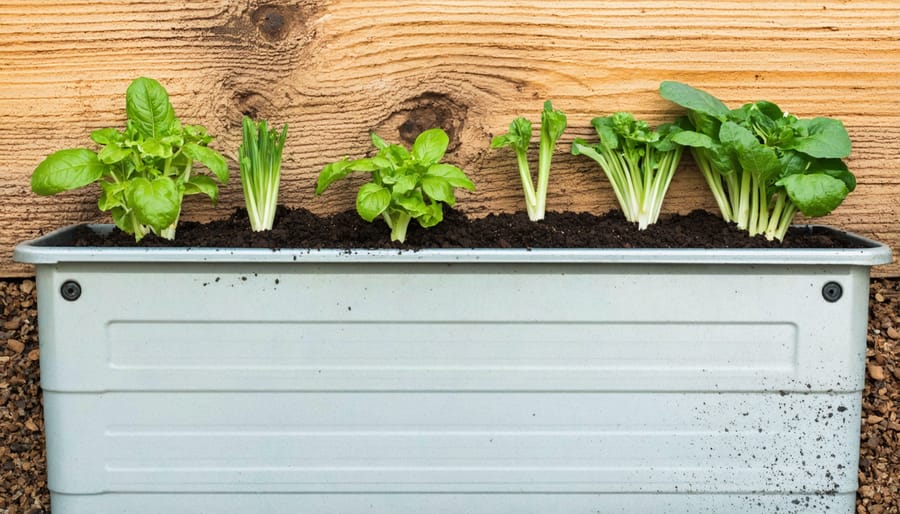
The beauty of composting lies in its flexibility—there’s no single “perfect” method, only the one that works for your lifestyle. Whether you choose a simple bin in your backyard, a compact bokashi system in your kitchen, or a worm farm on your balcony, you’re making a meaningful difference. Remember, imperfect composting that actually happens beats the perfect system that never gets started.
If you’re feeling uncertain about going solo, you’re not alone. Community composting initiatives are flourishing across Australia, from neighbourhood collection programs in Melbourne’s inner suburbs to shared garden facilities in Brisbane and Sydney. These programs offer support, knowledge-sharing, and the satisfaction of contributing to something larger than your household. Check with your local council—many now provide composting workshops, subsidized bins, or green waste collection services designed specifically for Australian conditions.
Every banana peel, coffee ground, and handful of lawn clippings diverted from landfill reduces methane emissions and creates nutrient-rich soil. When thousands of Australians compost together, we’re not just managing waste—we’re actively regenerating our environment. Start small, learn as you go, and join the growing movement of Australians turning waste into wealth, one compost heap at a time.