
Every time you choose what to eat, you’re casting a vote for the kind of food system you want to support. Food sustainability means producing, distributing and consuming food in ways that protect our environment, support fair livelihoods for farmers and workers, and ensure nutritious meals remain accessible for future generations. In Australia, this definition takes on particular urgency as our continent faces unique challenges from prolonged droughts, devastating bushfires, and fragile ecosystems that demand our immediate attention.
Understanding your dinner plate’s impact starts with recognizing that food production accounts for roughly one-quarter of global greenhouse gas emissions, consumes 70% of freshwater resources, and drives significant biodiversity loss. Yet here’s the empowering truth: Australians are already leading innovative solutions through regenerative agriculture practices, native food cultivation, and community-supported agriculture networks that are reshaping our food landscape.
This isn’t about perfection or drastic overnight changes. Food sustainability in practice means making informed choices that align with your values and circumstances, whether that’s selecting seasonal produce at your local farmers market, reducing food waste in your household, or supporting businesses committed to ethical sourcing. The good news? You’re not alone in this journey. Across Australia, a growing community of conscious consumers, progressive farmers, and forward-thinking businesses are proving that sustainable food practices aren’t just possible but essential for our shared future.
Defining Food Sustainability: Beyond the Buzzword
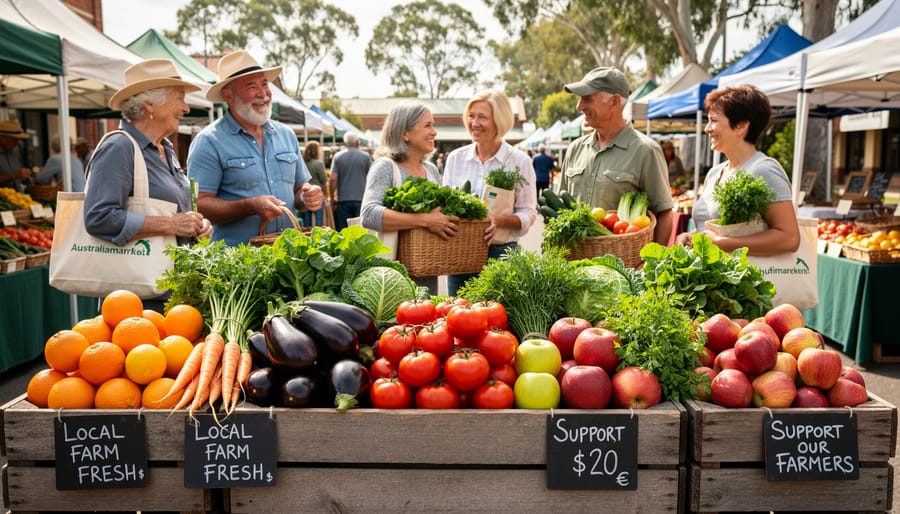
The Three Pillars That Hold Everything Together
Food sustainability rests on three interconnected pillars, each essential to creating a resilient food system that works for everyone. Think of them as the legs of a sturdy stool—remove one, and the whole thing topples.
Environmental protection forms the first pillar, focusing on how we produce food without depleting the planet’s resources. In Australia, this looks like regenerative farms in the Riverina region restoring soil health through crop rotation, or Queensland prawn farmers using recirculating aquaculture systems that reduce water usage by up to 90 percent. It’s about protecting our Great Barrier Reef from agricultural runoff and ensuring our grandchildren can still enjoy Murray cod. When farmers work with nature rather than against it, they’re building environmental resilience while producing food.
Economic viability, the second pillar, ensures farmers and food businesses can actually make a living. A sustainable practice that sends producers broke isn’t truly sustainable. Melbourne’s CERES Community Environment Park demonstrates this beautifully—their urban farm generates income while teaching sustainable agriculture, creating jobs and supporting local food security. Similarly, Sydney’s Carriageworks Farmers Market connects producers directly with consumers, ensuring fair prices that keep farming families in business while giving city-dwellers access to fresh, local produce.
The third pillar, social equity, addresses who gets access to nutritious food and fair working conditions. Remote Indigenous communities in the Northern Territory leading bush food enterprises showcase this perfectly—combining traditional knowledge with economic opportunity while providing culturally appropriate nutrition. Programs like FoodBank Australia work to ensure no Australian goes hungry, recognizing that sustainability means everyone deserves a seat at the table. When these three pillars work together, they create a food system that genuinely nourishes people, planet, and prosperity.
What Food Sustainability Isn’t
Let’s be clear about something important: food sustainability isn’t about achieving perfection or making flawless choices every single time. It’s not an all-or-nothing movement that demands you grow all your own vegetables or never enjoy a takeaway meal again. You don’t need to be a zero-waste warrior or transform your entire lifestyle overnight to make a meaningful difference.
Food sustainability also isn’t a form of extremism or a trend reserved for the privileged few. Across Australia, everyday people in suburbs and regional towns are finding ways to participate that fit their budgets, lifestyles, and circumstances. It’s not about guilt or judgement when you grab pre-packaged food after a long day at work, or when you can’t afford organic produce at the markets.
Rather, it’s about making conscious choices where you can and celebrating small wins. Perhaps you choose Australian-grown produce one week, reduce food waste the next, or support a local community garden initiative when time allows. Each small action contributes to a larger movement. The beauty of food sustainability is that it meets you where you are, acknowledging that progress looks different for everyone and that collective imperfect action creates more impact than isolated perfection.
Why Sustainable Food Consumption Matters in Australia
Our Food System’s Environmental Footprint
Every year, Australia’s food system tells a story written in water, land, and waste—and the numbers are staggering. Agriculture accounts for roughly 70% of our nation’s water consumption, with a single beef steak requiring up to 2,000 litres of water to produce. Meanwhile, across our continent, land degradation affects approximately 40% of agricultural land, threatening the very soil that feeds us.
The journey our food takes matters too. The average meal in Australia travels 1,200 to 1,500 kilometres from farm to plate, with imported goods adding even more food miles. This transportation alone contributes significantly to our carbon footprint, highlighting the crucial connection between food choices and climate impact.
Perhaps most troubling is what we waste. Australian households discard 3.1 million tonnes of edible food annually—that’s roughly 312 kilograms per person. When this organic waste hits landfill, it generates methane, a greenhouse gas 25 times more potent than carbon dioxide. This represents not just wasted food, but wasted water, land, energy, and labour that went into producing it.
Understanding these connections empowers us to make different choices. By embracing local produce, reducing waste, and supporting regenerative farming practices, we’re implementing effective carbon mitigation strategies right from our kitchen tables. Our individual consumption patterns, multiplied across millions of households, shape the environmental legacy we leave behind.
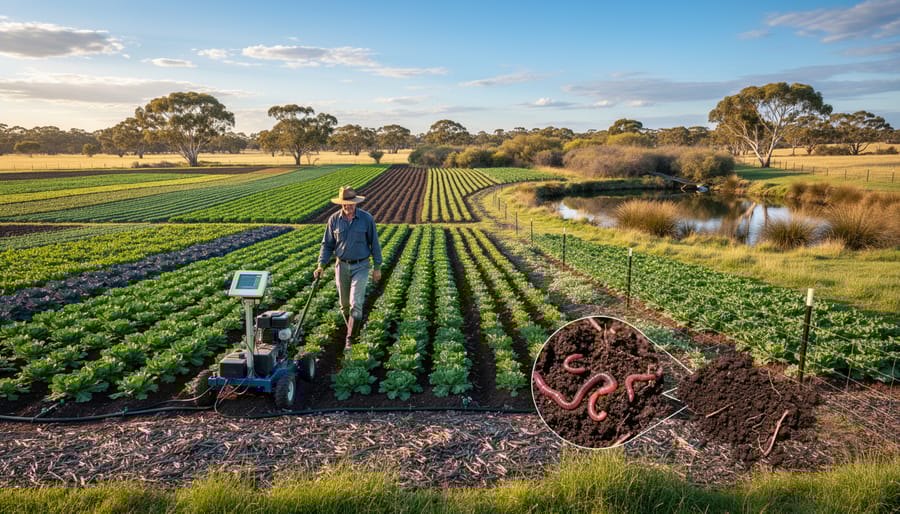
The Ripple Effect on Communities and Economy
When you choose sustainable food, you’re casting a powerful vote for local communities and regional Australia. Every purchase from farmers’ markets, local producers, or restaurants committed to sustainable sourcing creates a chain reaction that strengthens our economic fabric from the ground up.
Australian farmers embracing regenerative agriculture and sustainable practices often reinvest directly into their communities, creating local employment and supporting regional infrastructure. Take the Limestone Coast in South Australia, where groups of farmers have formed cooperatives to share knowledge about sustainable grazing practices. This collaboration hasn’t just improved soil health – it’s created a thriving network of producers, processors, and retailers that keeps money circulating within the region.
Community Supported Agriculture (CSA) programs demonstrate this ripple effect brilliantly. When families subscribe to receive weekly produce boxes from local farms, they’re providing farmers with financial stability and predictable income. In return, communities gain access to fresh, seasonal produce while reducing food miles and packaging waste. Programs like these are flourishing across Victoria, Queensland, and New South Wales, connecting urban consumers with rural producers in meaningful ways.
The economic benefits extend beyond the farm gate. Regional processing facilities, distribution networks, and value-adding businesses emerge when sustainable food systems thrive. Indigenous-led enterprises focusing on native foods and traditional harvesting methods are creating unique employment opportunities while preserving cultural knowledge.
This interconnectedness builds economic resilience that protects communities during challenging times, proving that sustainable food choices nourish far more than just our bodies – they sustain entire communities and regional economies for generations to come.
Sustainable Food Consumption in Practice: What It Looks Like
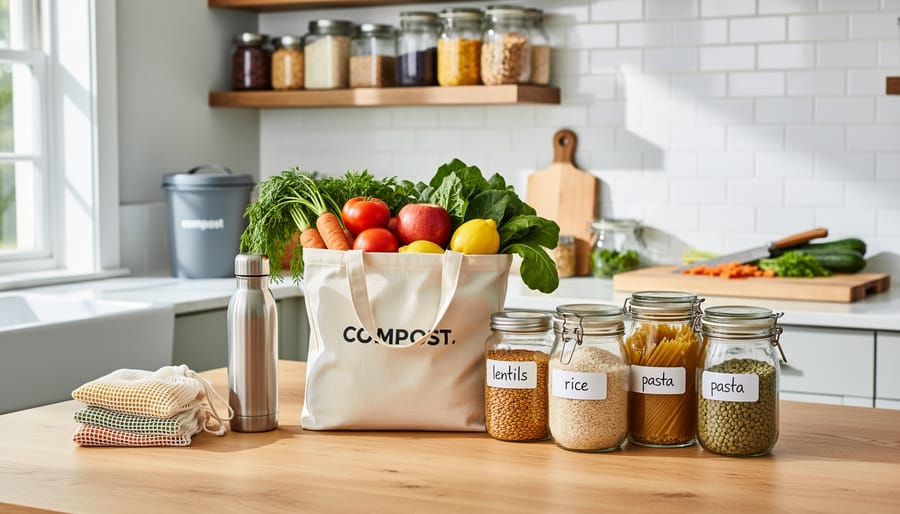
Choosing Food That Treads Lightly
Making food choices that support sustainability doesn’t need to be overwhelming. Start by embracing seasonal eating – those juicy mangoes in summer and crisp apples in autumn aren’t just tastier, they’ve travelled shorter distances and required less energy to grow. Visit your local farmers’ market to discover what’s naturally thriving in your region right now.
Shifting towards more plant-forward meals is one of the most impactful changes you can make. This doesn’t mean going fully vegetarian overnight. Try starting with “Meatless Mondays” or making vegetables the star of your plate a few times weekly. When you do choose animal products, look for pasture-raised options from local farms that prioritise animal welfare and regenerative practices.
For seafood lovers, the Australian Marine Conservation Society’s GoodFish guide is your best friend. It helps you navigate which fish are abundant and sustainably caught, steering clear of overfished species. Think Australian sardines instead of imported salmon, or locally farmed mussels which actually improve water quality.
Understanding labels makes shopping easier. Look for Australian Certified Organic, FREPA (Freshcare Environmental and Responsibly Farmed Assurance), or MSC (Marine Stewardship Council) certifications. These aren’t just marketing badges – they represent genuine environmental standards.
Remember, every choice counts. Supporting local producers through farmers’ markets or community supported agriculture programs not only reduces food miles but strengthens regional food systems. Start with one or two changes that feel manageable, then build from there. You’re joining a growing community of Australians choosing food that nourishes both people and planet.
Reducing Waste from Farm to Fork
Australians waste around 7.6 million tonnes of food annually, costing households up to $2,500 each year. The good news? Simple changes at home can dramatically reduce this waste while supporting food sustainability.
Start with smart meal planning. Before shopping, check what’s already in your fridge and pantry. Create a weekly menu and shopping list to avoid overbuying. Many Australian councils offer free meal planning resources to help you get started.
Understanding date labels is crucial. Best-before dates indicate quality, not safety, meaning food is often still perfectly edible beyond this date. Use-by dates, however, are about safety and should be followed carefully.
Proper storage extends food life significantly. Store potatoes and onions in cool, dark places away from each other. Keep herbs fresh by treating them like flowers in water, or freeze them in olive oil. Organize your fridge so older items sit at the front.
Embrace composting for unavoidable scraps. Programs like Compost Revolution offer subsidized compost bins to Australian households, turning kitchen waste into garden gold. If home composting isn’t feasible, check if your council provides green bin collection or community composting sites.
Finally, get creative with leftovers. That wilting broccoli becomes soup, overripe bananas transform into bread, and yesterday’s roast creates tomorrow’s sandwich filling. Every meal saved is money kept and resources preserved.
Supporting Sustainable Food Systems
Every dollar you spend is a vote for the kind of food system you want to see flourish. In Australia, supporting sustainable food systems starts right in your local community, and the opportunities are closer than you might think.
Farmers’ markets have become thriving hubs across Australian cities and regional towns, offering direct connections to growers who prioritize environmental stewardship. When you buy from these markets, you’re not just getting fresh produce – you’re supporting farmers who care for our soil, conserve water, and often avoid harmful pesticides. Many stallholders are happy to share their growing practices, turning your shopping trip into an educational experience.
Community gardens are another powerful way to engage with food sustainability. From Melbourne’s Carlton Commons to Sydney’s Pocket City Farms, these spaces transform urban areas into productive landscapes while fostering neighborhood connections. Whether you contribute time, skills, or simply visit to purchase produce, you’re strengthening local food security.
Look for ethical brands that prioritize transparency in their supply chains. Many Australian companies now display certifications like Organic Australia or Fair Trade, making it easier to align your purchases with sustainable living practices. Your purchasing choices create demand for responsible farming, encouraging more producers to adopt regenerative methods that benefit our environment for generations to come.
Making Sustainable Food Choices Work for You
When Budget is Your Biggest Concern
Sustainable eating doesn’t require a premium budget. Start by shopping at local farmers’ markets towards closing time when vendors often reduce prices on fresh produce. Buying seasonal fruits and vegetables is naturally more affordable and reduces transport emissions – think mangoes in summer and citrus in winter rather than imported berries year-round.
Embrace bulk buying for pantry staples like rice, lentils, and oats. Many Australian supermarkets and bulk food stores allow you to bring your own containers, cutting both packaging waste and costs. Even reducing meat consumption to just a few times weekly makes a significant difference to your wallet and the environment. Legumes and eggs offer protein-rich alternatives at a fraction of the price.
Community gardens across Australian suburbs provide access to fresh produce while connecting you with like-minded neighbours. Some councils even offer free workshops on growing your own herbs and vegetables in small spaces. Consider joining food co-ops or swap groups where members share excess produce and preserve seasonal abundance together. These grassroots initiatives prove that sustainable food choices strengthen both community bonds and household budgets, making environmental responsibility accessible to everyone regardless of income.
Starting Small: Your First Steps
You don’t need to overhaul your entire lifestyle overnight. Starting your food sustainability journey is about taking one meaningful step at a time, and every Australian household can make a difference.
Begin with what’s already familiar. Swap just one regular supermarket item for a locally grown alternative this week. Visit your nearest farmers market on the weekend, or join a community food swap in your suburb. These small actions connect you with neighbours who share your values while reducing the environmental footprint of your meals.
Food waste is an excellent starting point. Australians throw away one in five shopping bags of food, so simply planning your meals before shopping can create immediate impact. Keep a container in your freezer for vegetable scraps to make stock, or start a small compost bin on your balcony or in your backyard.
Remember, you’re not alone in this journey. Across Australia, thousands of people are making similar choices right now. When combined, these individual decisions create powerful change. A meat-free Monday here, choosing imperfect produce there, supporting a local grower, refusing excessive packaging – together, these moments reshape our food system into something more sustainable for everyone.
The Bigger Picture: How Your Plate Connects to Australia’s Future
Every meal you choose ripples outward, contributing to Australia’s environmental future in ways both immediate and profound. When you support regenerative farms in the Yarra Valley or choose locally caught seafood in Tasmania, you’re participating in a movement that’s reshaping our food system from the ground up.
Consider the story of Farmers2Founders in regional Victoria, where small-scale producers have banded together to create supply chains that cut food miles by 70 percent while regenerating depleted soils. Their success demonstrates how collective action transforms landscapes, with member farms now sequestering thousands of tonnes of carbon annually while producing nutrient-dense food for local communities.
Your food choices directly influence Australia’s capacity to meet climate targets and protect our unique ecosystems. Supporting farms that prioritise biodiversity creates corridors for threatened species like the Eastern Quoll. Choosing sustainably sourced products encourages businesses to adopt practices that work with natural systems rather than against them, complementing initiatives like carbon pricing mechanisms that incentivise environmental stewardship.
The Illawarra Community Food Hub shows what’s possible when people unite around food security and sustainability. Starting with just twelve families sharing produce from local growers, they’ve grown into a network serving hundreds of households while supporting twenty regional farms practicing regenerative agriculture.
These aren’t isolated success stories—they’re blueprints for transformation. Each time you prioritise seasonal produce, reduce food waste, or support businesses committed to sustainable practices, you’re casting a vote for resilient food systems that can weather climate uncertainty while protecting the landscapes and wildlife that define Australia. Your plate truly is a powerful platform for environmental change.
Food sustainability isn’t about achieving perfection overnight—it’s a journey we’re all taking together, one choice at a time. Understanding what food sustainability means is just the beginning. The real transformation happens when we move from awareness to action, however small that first step might be.
Perhaps you’ll start by choosing one locally grown item at your next shop, reducing your food waste by meal planning, or supporting a nearby farmers market. Maybe you’ll join a community garden or simply share what you’ve learned with a friend over coffee. Each action creates ripples that extend far beyond your kitchen.
What makes this journey particularly exciting is that you’re not alone. Across Australia, from urban Sydney to regional communities, people and businesses are reimagining how we produce, distribute, and consume food. Community initiatives are sprouting up everywhere, proving that sustainable food systems aren’t just possible—they’re already taking shape.
The choices we make today shape the food landscape of tomorrow. Together, Australians are building a more resilient, equitable, and environmentally responsible food future. Your voice matters, your actions count, and your participation strengthens our collective movement toward genuine food sustainability. The question isn’t whether we can make a difference—it’s which step you’ll take first.