
Understanding asbestos regulations protects your family, your community, and Australia’s environment. While the US Environmental Protection Agency (EPA) pioneered comprehensive asbestos safety standards, Australian states maintain their own environmental protection authorities with equally rigorous guidelines tailored to our conditions.
Asbestos remains present in one-third of Australian homes built before 1990, making awareness essential for anyone planning renovations. The difference between safe management and serious health risks lies in knowing when to call licensed professionals and how local regulations apply to your project.
Here’s what matters most: Australian EPAs across each state enforce strict protocols for asbestos identification, handling, and disposal. These regulations mirror international EPA standards while addressing our unique building materials and climate considerations. Whether you’re a homeowner discovering suspected asbestos sheeting or a business managing older commercial properties, understanding these frameworks prevents costly mistakes and protects everyone involved.
The good news? Australia’s asbestos management approach combines world-leading safety standards with practical support for property owners. Licensed assessors can identify materials before you begin work, ensuring your sustainable renovation practices proceed safely and legally.
This guide demystifies EPA asbestos regulations in the Australian context, connecting federal and state requirements with actionable steps for identification, removal, and disposal. You’ll discover how to navigate assessments, choose qualified professionals, and maintain compliance while protecting what matters most—the health of your household and community.
Understanding the EPA’s Role in Asbestos Regulation
The US EPA’s Asbestos Ban and Phase-Out Rule
While you’re reading this from Australia, understanding the United States Environmental Protection Agency’s approach to asbestos offers valuable context for our own regulatory framework. The EPA has had a complex relationship with asbestos regulation since the 1970s, and recent developments show how global attitudes toward this hazardous material continue to evolve.
The EPA’s journey began with the 1989 Asbestos Ban and Phase-Out Rule, which aimed to prohibit most asbestos-containing products. However, this was largely overturned by court challenges in 1991, leaving significant gaps in protection. For decades, the US continued using asbestos in various applications while countries like Australia implemented comprehensive bans.
Everything changed in March 2024 when the EPA finally issued a comprehensive ban on chrysotile asbestos, the only form still imported and used in the United States. This landmark decision prohibits the manufacturing, processing, and distribution of chrysotile asbestos in nearly all products. The ban specifically targets asbestos diaphragms used in chlor-alkali plants, chrysotile asbestos sheet gaskets, brake blocks for aftermarket automotive use, and other commercial and industrial applications.
While this represents significant progress for the US, it’s worth celebrating that Australia has maintained its complete asbestos ban since 2003. Our community has been leading the way in asbestos safety for over two decades. However, the EPA’s updated standards and scientific research remain valuable resources for understanding best practices in identification, testing, and management of existing asbestos in our built environment.
How EPA Standards Translate to Australian Regulations
While the United States Environmental Protection Agency (EPA) has established comprehensive asbestos standards internationally, Australia operates under its own robust regulatory framework that’s actually gone further in many respects. Understanding this distinction is important for our community, as we navigate the legacy of asbestos in our built environment.
Australia’s environmental protection operates through state and territory-based EPA agencies, including EPA Victoria, EPA NSW, and their counterparts across the nation. These agencies work alongside Safe Work Australia and the Asbestos Safety and Eradication Agency (ASEA) to create a comprehensive safety net for our communities. While they’ve referenced international standards including those from the US EPA, Australia has taken a stronger stance on asbestos protection.
The landmark decision came in December 2003, when Australia became one of the first countries to implement a complete ban on the manufacture, use, reuse, import, transport, storage, and sale of all forms of asbestos. This went beyond what the US EPA had mandated, reflecting our nation’s commitment to protecting public health and the environment. This decisive action positioned us as global leaders in asbestos regulation.
Our state-based EPAs have adapted international best practices while developing uniquely Australian solutions. They’ve created tailored frameworks that address our specific challenges, from the subtropical conditions affecting asbestos degradation in Queensland to the heritage-listed buildings across Sydney and Melbourne. These agencies maintain strict licensing requirements for asbestos removal, comprehensive notification systems, and rigorous air monitoring standards that often exceed international benchmarks.
For Australian residents and businesses, this means working within some of the world’s most protective asbestos regulations. It’s something our community can take pride in, even as we continue the ongoing work of safely managing existing asbestos in our homes and workplaces.
Why Asbestos Still Matters in Australia Today
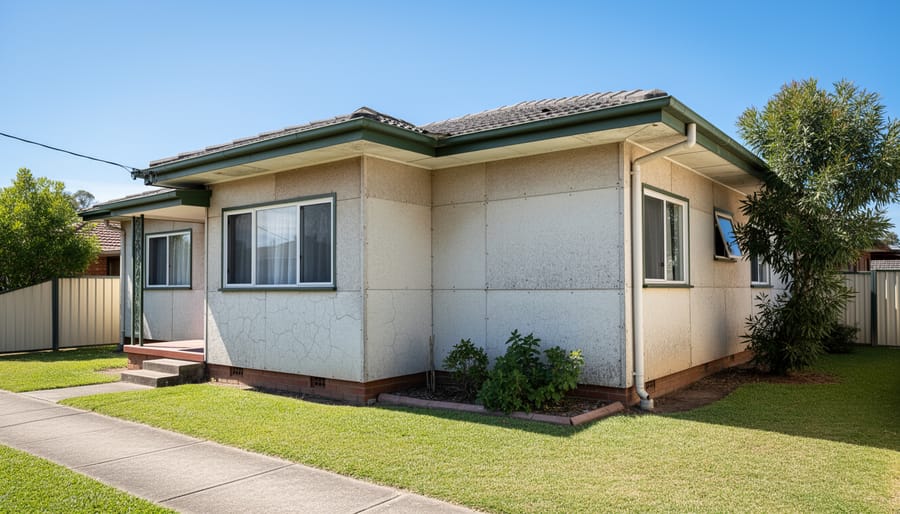
Where Asbestos Hides in Pre-2003 Australian Buildings
If you’re living in or renovating a pre-2003 Australian home, understanding where asbestos might be hiding is essential for protecting your family and the environment. The reality is that asbestos was woven into the fabric of Australian suburbia, from the iconic fibro beach shacks dotting our coastlines to the modest brick-and-fibro homes that define our neighbourhoods.
Let’s start with the most obvious culprit: fibro walls. That classic Australian fibro exterior, particularly the flat or corrugated cement sheeting, often contains asbestos. Internal walls in bathrooms, laundries, and wet areas were also prime candidates for asbestos-containing materials. Many Aussie families have fond memories of these homes, but it’s crucial to handle them with care during any renovation work.
Look up, and you might find asbestos in your eaves and roofing materials. Corrugated roofing sheets, particularly those grey wavy profiles so common across Australian suburbs, frequently contain asbestos fibres. The eaves themselves, along with the backing boards behind them, are also potential hotspots.
Inside your home, kitchens and bathrooms deserve special attention. Splashbacks behind stoves, vinyl floor tiles and the backing beneath them, and even the lino in your laundry could contain asbestos. That textured ceiling in the hallway? It might have asbestos in the mix too.
Don’t forget to check outside. Those classic Aussie backyard fences made from fibro sheets were incredibly popular, as were the humble fibro garden sheds where Dad kept his tools. Even some old compost bins and outdoor toilet blocks in older properties might contain asbestos materials.
The transition to safe building materials has been gradual, but knowing where asbestos hides empowers you to make informed decisions. When in doubt, always assume materials in pre-2003 buildings contain asbestos until proven otherwise by a licensed professional.
EPA-Recommended Safety Protocols for Asbestos Identification
The Do’s and Don’ts of Asbestos Inspection
Understanding what you can and cannot do when dealing with suspected asbestos materials is crucial for keeping your family and community safe. Let’s walk through some essential guidelines that align with both EPA standards and Australian regulations.
When it comes to visual identification, it’s important to remember that asbestos fibres are microscopic and cannot be reliably identified by sight alone. While materials like old fibro sheeting, weatherboard cladding, and vinyl floor tiles manufactured before the 1990s might contain asbestos, you simply cannot confirm this without professional testing. Think of it like trying to identify bacteria without a microscope – the naked eye just isn’t equipped for the job.
Here’s what you absolutely should do: Keep suspected materials undisturbed and in good condition. If you notice damage or deterioration, contact a licensed asbestos assessor immediately. Document the location and condition with photographs, but maintain a safe distance. When planning renovations in homes built before 1990, always arrange professional testing before any work begins.
Now for the critical don’ts – and these cannot be overstated. Never drill, sand, saw, break, or scrape materials that might contain asbestos. Don’t use power tools on suspect materials, and never attempt DIY removal, even of small amounts. Avoid sweeping or vacuuming debris that could contain asbestos fibres, as this releases dangerous particles into the air.
Water-damaged or deteriorating asbestos materials require immediate professional attention. These situations create higher risk of fibre release, making expert intervention non-negotiable. Remember, across Australian communities, licensed professionals have the training, equipment, and experience to handle asbestos safely. Protecting yourself means knowing when to step back and call in the experts.
Getting Your Property Tested: The Australian Process
Taking action to identify asbestos in your property is an essential step in protecting your family and community. If your home or building was constructed before 1990, arranging professional testing is straightforward and gives you peace of mind.
Start by contacting a licensed asbestos assessor in your state. Each Australian state and territory maintains a register of qualified professionals through WorkSafe authorities or equivalent bodies. In Victoria, check WorkSafe Victoria’s online register. New South Wales residents can search SafeWork NSW, while Queenslanders should visit Workplace Health and Safety Queensland. These registers ensure you’re working with accredited experts who follow strict safety protocols.
Before the assessor arrives, assess your home for potential asbestos-containing materials, but never touch or disturb suspect materials. The assessor will inspect your property, collect samples using proper containment methods, and send them to a NATA-accredited laboratory for analysis.
Testing costs typically range from 150 to 400 dollars per sample, depending on your location and the number of samples required. While this investment might seem significant, it’s considerably less expensive than managing unidentified asbestos hazards later.
Results usually arrive within one to two weeks. Your assessor will provide a detailed report identifying any asbestos present, its condition, and recommended actions. If asbestos is detected and requires removal, you’ll need a separate licensed asbestos removalist. Remember, DIY asbestos removal is illegal in Australia for anything beyond small amounts of non-friable asbestos, and professional removal ensures everyone’s safety while protecting our shared environment.
Safe Asbestos Removal: EPA Standards Meet Australian Law
When to Leave It Alone vs. When to Remove
Understanding whether to leave asbestos in place or remove it can feel overwhelming, but the decision often comes down to one critical factor: the material’s condition and type. Here’s what Australian homeowners and businesses need to know.
Asbestos becomes dangerous primarily when it’s disturbed and releases fibres into the air. This is where the distinction between non-friable and friable asbestos becomes crucial. Non-friable asbestos, sometimes called bonded asbestos, is tightly bound within materials like cement sheeting, vinyl flooring, or roofing. When it’s in good condition, sealed, and unlikely to be damaged, leaving it undisturbed is often the safest and most cost-effective approach. Think of that asbestos cement wall in your garage—if it’s painted, intact, and not crumbling, managing it in place with regular inspections may be your best option.
Friable asbestos, however, tells a different story. This type can be crumbled by hand pressure and includes materials like pipe lagging, spray-on insulation, or damaged ceiling tiles. Because it readily releases fibres, friable asbestos almost always requires professional removal by licensed specialists.
The decision shifts toward removal when asbestos materials are deteriorating, water-damaged, or in areas requiring renovation. Australian communities have learned that proactive management prevents exposure risks while avoiding unnecessary disruption. Regular monitoring by qualified assessors helps you make informed choices. Remember, this isn’t about fear—it’s about protecting your family, employees, and neighbours through smart, evidence-based decisions that keep everyone breathing easier.
Choosing a Licensed Asbestos Removalist in Australia
When your property needs asbestos removal, choosing the right professional isn’t just about ticking boxes—it’s about protecting your health, your community, and our shared environment. In Australia, asbestos removalists must hold specific licenses issued by state and territory workplace safety authorities, and understanding these credentials empowers you to make informed decisions.
Australian law recognizes two types of licenses: Class A and Class B. A Class A license authorizes removal of all asbestos types, including friable asbestos (the crumbly, high-risk material that easily releases dangerous fibers). Class B licenses permit removal of non-friable asbestos only, typically bonded materials over 10 square meters. For smaller jobs under 10 square meters of non-friable asbestos, some jurisdictions allow unlicensed removal, though hiring a licensed asbestos removalist remains the safest choice for everyone involved.
Before engaging any removalist, ask to see their current license and verify it with your state regulator. Request proof of public liability insurance and workers compensation coverage—reputable operators carry both. Ask about their disposal methods and ensure they use EPA-approved facilities that prevent environmental contamination.
Watch for red flags that signal unprofessional practice. Be wary of contractors who offer unusually low quotes, can’t provide license details, or suggest shortcuts like dry removal methods that create airborne fibers. Never accept verbal-only agreements or pressure to start work immediately without proper assessments.
Remember, choosing quality asbestos removal protects not just your family but our broader Australian community. By supporting properly licensed professionals, you’re investing in environmental safety standards that benefit everyone. Take your time, ask questions, and prioritize credentials over cost—your health and our environment deserve nothing less.
The Removal Process: What to Expect
When it comes to removing asbestos from your property, understanding what lies ahead helps everyone stay safe and compliant. In Australia, licensed asbestos removalists follow strict protocols that mirror international best practices, including those established by the US EPA.
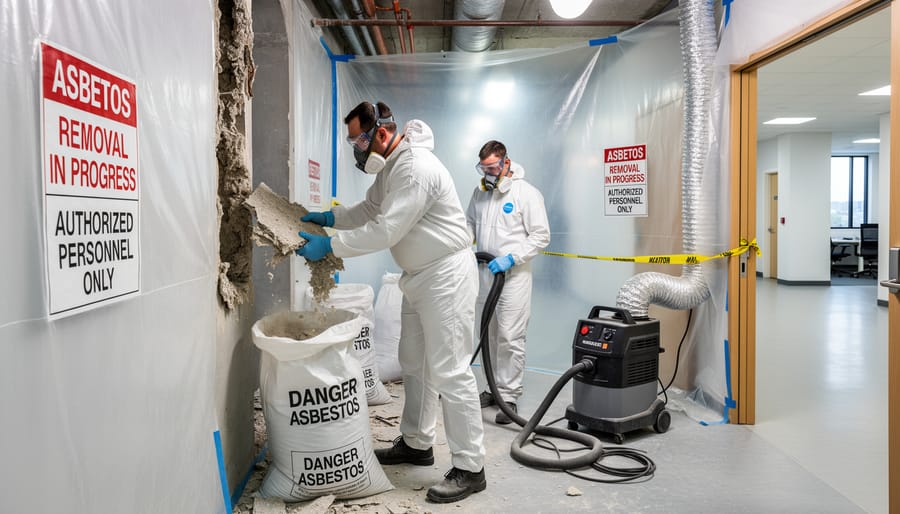
The process begins with a thorough risk assessment and site evaluation. Your removalist will establish containment zones using plastic sheeting and negative air pressure systems to prevent fibre migration. These sealed work areas protect both workers and your community from exposure. Workers wear full protective equipment including respirators, disposable coveralls, and gloves throughout the entire operation.
During removal, professionals use wet methods to suppress asbestos fibres, carefully detaching materials without breaking them apart. All asbestos waste gets double-bagged in specially marked containers that meet Australian standards. These aren’t your regular rubbish bags – they’re thick, puncture-resistant, and clearly labelled with hazard warnings.
Air monitoring occurs before, during, and after removal to ensure fibre levels remain safe. Once removal is complete, the area undergoes rigorous cleaning using HEPA-filtered vacuums and wet wiping. A clearance inspection and air testing must confirm the space is safe before anyone can re-enter.
Disposal is equally regulated. Licensed removalists transport asbestos waste directly to approved landfills equipped to handle hazardous materials. You’ll receive documentation proving proper disposal, which you should keep for your records. Remember, improper disposal carries significant penalties and puts our environment and communities at risk. By working with licensed professionals, you’re protecting not just your property, but everyone around you.
Proper Asbestos Disposal and Environmental Protection
Where Asbestos Goes: Australian Disposal Facilities
Once asbestos materials are safely removed, proper disposal becomes the crucial next step in protecting our communities and environment. Australia takes this responsibility seriously, with a network of licensed facilities specifically designed to handle hazardous asbestos waste.
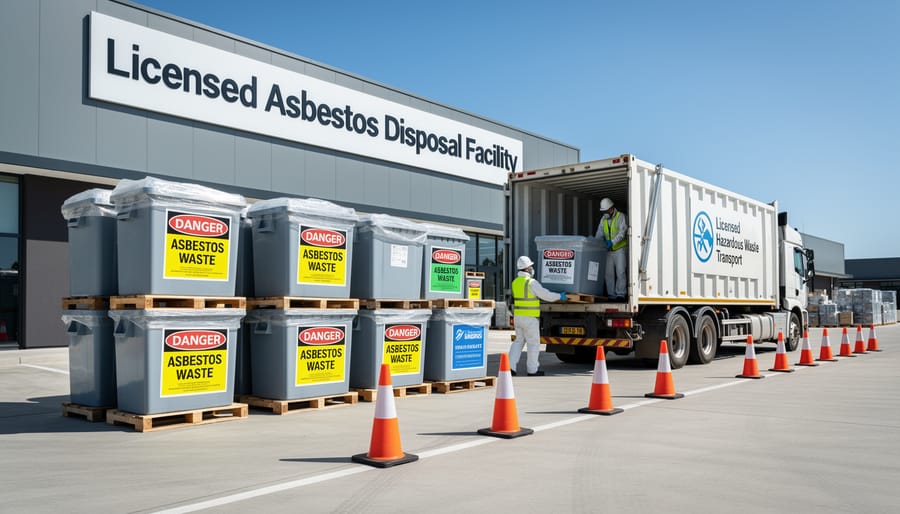
All asbestos waste must be transported directly to EPA-licensed landfills equipped with dedicated asbestos cells. These specially engineered disposal sites use strict containment methods, including deep burial and compaction, to prevent any fibre release. The facilities are monitored regularly to ensure ongoing safety standards are maintained.
Transportation itself requires careful adherence to regulations. Licensed removalists must use approved vehicles, secure loads properly, and follow designated routes to minimize risk. All materials must remain double-wrapped in clearly labelled plastic sheeting, just as they were packaged during removal.
Each state and territory maintains its own list of approved disposal facilities, accessible through local EPA websites. Before undertaking any asbestos removal project, contact your nearest licensed facility to confirm acceptance procedures, operating hours, and any specific requirements they may have.
This comprehensive disposal framework reflects Australia’s commitment to managing asbestos legacy responsibly. By ensuring waste reaches appropriate facilities, we’re collectively working toward a safer, asbestos-free future for all Australians while protecting the environment for generations to come.
Managing asbestos safely isn’t just about compliance with regulations—it’s about protecting the people and places we love. Every Australian household and business has a role to play in creating safer, healthier communities. By understanding the risks and taking proactive steps, we can ensure our homes and workplaces remain safe for generations to come.
The journey starts with awareness and action. If you suspect asbestos in your property, arrange for a professional assessment rather than attempting DIY investigations. Use our environmental home checklist to identify potential areas of concern and connect with licensed asbestos professionals in your area. Engage with local community initiatives that promote safe asbestos awareness and removal practices.
Together, we can make a real difference. By choosing informed action over ignorance, professional expertise over shortcuts, and community collaboration over isolation, we’re not just managing asbestos—we’re building a sustainable future. Your commitment to proper asbestos management protects Australian families, preserves our environment, and contributes to the thriving, safe communities we all deserve. Let’s take that step forward today.