
Look for the number 2 inside the triangular chasing arrows symbol on plastic products and packaging—this identifies High-Density Polyethylene (HDPE), one of Australia’s most successfully recycled plastics. When purchasing recycled products, prioritize items made from Code 2 plastics, as they’re transformed into everything from outdoor furniture and playground equipment to detergent bottles and shopping bags. Check product labels for “made from recycled HDPE” or percentage content statements, ensuring your purchase supports Australia’s circular economy. Verify the thickness and durability of Code 2 products by examining manufacturer specifications—quality recycled HDPE performs identically to virgin plastic while diverting approximately 200,000 tonnes from Australian landfills annually.
Understanding Code 2 plastics empowers you to make purchasing decisions that genuinely reduce environmental impact. These plastics, commonly found in milk bottles, shampoo containers, and cleaning product packaging, maintain their structural integrity through multiple recycling cycles. Australian households and businesses collectively use these products daily, making your informed choices part of a nationwide movement toward sustainable consumption that strengthens local recycling infrastructure and creates green jobs across our communities.
What Makes Code 2 Plastics Different
The Science Behind HDPE
High-Density Polyethylene, or HDPE, is a remarkable plastic that’s become a recycling champion across Australia. Think of it as the workhorse of the plastic family – strong, versatile, and remarkably cooperative when it comes to getting a second life.
HDPE consists of petroleum-based polymer chains packed tightly together, which gives it that “high-density” name. This tight molecular structure makes it incredibly durable and resistant to impacts, which is why you’ll find it in everything from milk bottles to playground equipment. What makes HDPE particularly special for recycling is its chemical stability. Unlike some plastics that break down or release harmful substances, HDPE maintains its integrity through the recycling process.
The beauty of HDPE lies in its resistance to moisture, chemicals, and temperature fluctuations – properties that don’t disappear when it’s recycled. This means your recycled HDPE products can be just as robust as their original versions. Australian recycling facilities can melt down HDPE without significant degradation, transforming your empty detergent bottle into fence posts, drainage pipes, or even new bottles. This durability combined with recyclability makes Code 2 plastics a sustainable choice that our communities can feel confident about purchasing and recycling time and again.
Where You’ll Find Code 2 Every Day
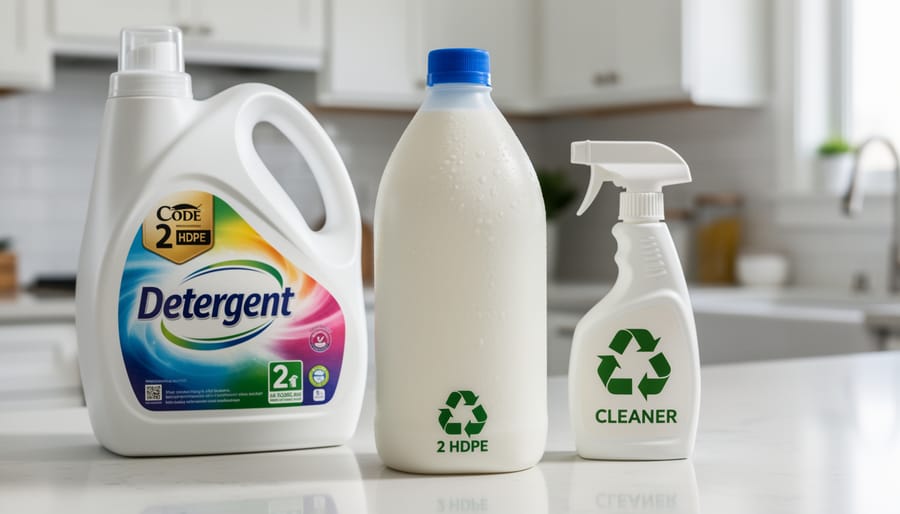
Code 2 plastics are woven throughout your daily routine in ways you mightn’t even realise. That milk bottle you grabbed from the fridge this morning? Almost certainly HDPE. The same goes for juice containers, yoghurt tubs, and those larger cream bottles sitting in your kitchen.
In your laundry and bathroom, you’ll spot Code 2 everywhere. Laundry detergent bottles, fabric softener containers, shampoo bottles, and body wash packaging predominantly use HDPE because it’s sturdy, chemical-resistant, and won’t react with the products inside. Check underneath and you’ll find that familiar triangle with a ‘2’.
Around the house, bin liners, cleaning product bottles, and even some children’s toys carry this recycling code. At Australian hardware stores, motor oil containers and garden chemical bottles are typically made from HDPE. These everyday items represent brilliant recycling opportunities since Code 2 plastic maintains excellent quality when reprocessed. By recognising these products, you’re already taking the first step toward making more informed purchasing decisions that support our circular economy.
The Recycling Journey of Code 2 Plastics in Australia
What Happens After the Yellow Bin
Once your yellow bin reaches an Australian recycling facility, your Code 2 plastics begin an impressive transformation journey. Understanding this process helps you appreciate why clean, properly sorted HDPE makes such a difference to our recycling community.
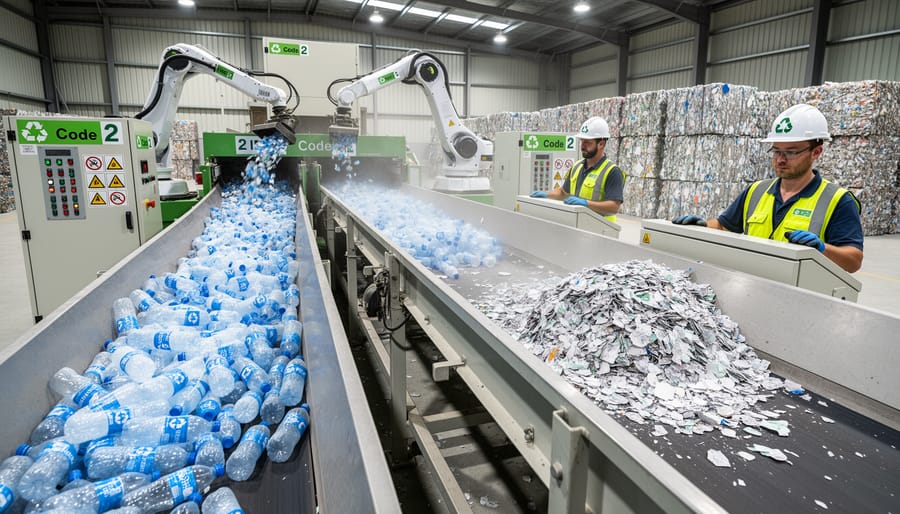
At the facility, materials first pass through automated sorting systems where optical scanners identify HDPE by its unique properties. These sophisticated machines can distinguish Code 2 from other plastics in seconds, separating them onto dedicated conveyor belts. Any contaminated items or incorrectly placed plastics are diverted, which is why removing lids and rinsing containers at home genuinely matters.
The sorted HDPE then undergoes thorough cleaning to remove labels, residual contents, and adhesives. This stage is crucial for maintaining the quality of recycled plastic that manufacturers need for new products. Clean input means premium output, directly influencing the market value of recycled materials.
Next comes shredding, where the plastic is cut into small flakes. These flakes are washed again, dried, and melted down into pellets. These pellets become the raw material that Australian manufacturers purchase to create everything from outdoor furniture to new bottles and containers.
Many facilities across Australia now use advanced technology to achieve recycling rates above 90% for Code 2 plastics. When you choose products made from recycled HDPE, you’re completing this circle and supporting local recycling infrastructure. Your purchasing power encourages investment in better facilities and creates demand that makes the entire system viable and sustainable.
Success Rates and Contamination Challenges
Australia’s Code 2 plastic recycling success story shows genuine promise, with recovery rates reaching approximately 30-35% nationwide. That means roughly one in three HDPE containers you place in your yellow bin actually becomes something new. While this outperforms many other plastic types, there’s clearly room for improvement.
The main challenge? Contamination remains our biggest obstacle. When Code 2 items arrive at recycling facilities mixed with food residue, liquids, or incorrect materials, entire batches can be rejected. Something as simple as milk residue in a bottle or a non-recyclable lid can compromise the quality of recycled HDPE. Local councils across Australia report that contamination accounts for up to 20% of rejected recycling loads.
Your community can boost these rates significantly. Rinsing containers before recycling takes seconds but makes a substantial difference. Many Australian recycling facilities have invested in advanced sorting technology, yet the human element at home remains crucial. When we all commit to cleaner recycling practices, we’re directly supporting local reprocessing facilities and creating stronger markets for Australian-made recycled products.
Products Made from Recycled Code 2 Plastics
New Containers and Packaging
Once collected and sorted, recycled HDPE plastic begins an impressive transformation. Australian recycling facilities clean, shred, and melt the material before reforming it into pellets ready for manufacturing. These pellets become new products that you’ll find on supermarket shelves and in hardware stores across the country.
Milk bottles frequently return as milk bottles, creating a true circular economy right here in Australia. Major dairy companies have committed to using recycled HDPE in their packaging, with some bottles now containing up to 50% recycled content. You’ll also spot recycled HDPE in cleaning product containers, shampoo bottles, and laundry detergent packaging.
Food-safe applications require strict quality controls, and Australia maintains high standards for recycled plastics in contact with consumables. Advanced purification processes ensure recycled HDPE meets food safety requirements, meaning your orange juice or yogurt container might have lived a previous life as someone else’s milk bottle.
Beyond bottles, recycled HDPE appears in storage containers, crates, and industrial packaging. When shopping, look for products displaying recycled content percentages on their labels. Supporting these products keeps valuable materials in circulation and encourages manufacturers to prioritize sustainability in their operations.
Building and Construction Materials
Recycled Code 2 plastic has found a robust second life in Australia’s building and construction sector, transforming what was once single-use packaging into durable, long-lasting infrastructure. HDPE’s natural resistance to moisture, chemicals, and UV degradation makes it ideal for outdoor applications where traditional materials might fail.
You’ll find recycled HDPE throughout Australian hardware stores and building suppliers in the form of drainage pipes, stormwater systems, and agricultural piping. These products perform just as reliably as their virgin plastic counterparts while diverting thousands of tonnes from landfill. Many Australian councils now specify recycled plastic pipes in their infrastructure projects, creating steady demand for this material.
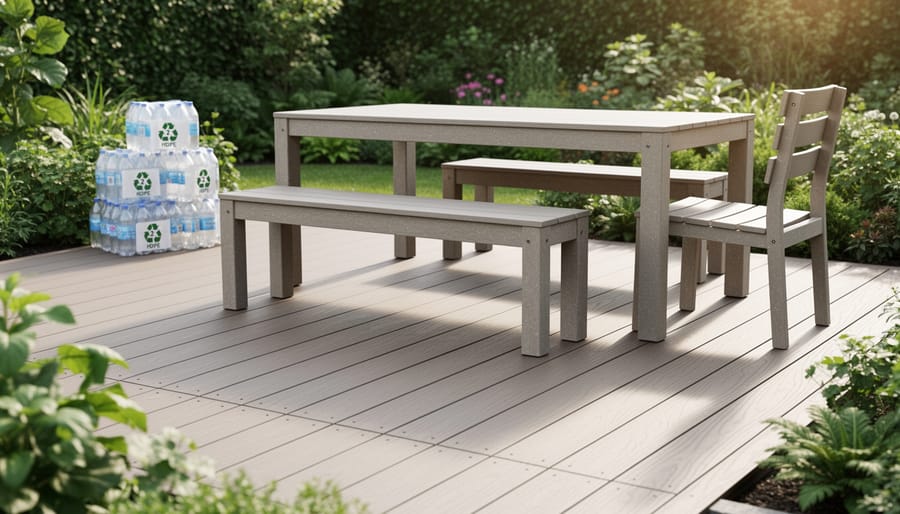
Garden edging, decking boards, and outdoor furniture crafted from recycled Code 2 are increasingly popular choices for eco-conscious homeowners. Companies across Australia manufacture fencing posts, bollards, and playground equipment that won’t rot, splinter, or require toxic treatments like traditional timber. These products often blend recycled HDPE with other materials, creating composite building materials that are both sustainable and incredibly resilient to our harsh climate.
By choosing construction materials made from recycled Code 2, you’re supporting a circular economy while investing in products built to last decades in Australian conditions.
Unexpected Everyday Items
You might be surprised to discover that many everyday items around your Australian home and garden come from Code 2 HDPE plastics. Those sturdy outdoor chairs on your deck? Quite likely made from recycled milk bottles. The same goes for many picnic tables, park benches, and garden edging that’s become increasingly popular in Australian backyards.
Recycled HDPE has found its way into an impressive range of garden products, from compost bins and raised garden beds to those hard-wearing outdoor storage boxes that withstand our harsh summers. Many councils across Australia now use recycled HDPE for bollards, signage, and playground equipment, turning yesterday’s shampoo bottles into today’s community assets.
You’ll also find Code 2 recyclable materials in children’s toys, traffic cones, and even the humble clothes peg. The material’s durability and weather resistance make it perfect for outdoor applications, whilst its food-safe properties mean it can safely be used in kitchenware too. By choosing products made from recycled HDPE, you’re supporting a circular economy that keeps valuable resources in use rather than heading to landfill.
How to Spot Quality Recycled Code 2 Products
Certifications and Labels to Look For
When shopping for products made from recycled Code 2 plastics, you’re not alone in wanting assurance that you’re making genuinely sustainable choices. The Australasian Recycling Label (ARL) is your trusted companion here. This nationally recognised system uses clear visual guides to show whether packaging components are recyclable in Australian kerbside collection systems. Look for the distinctive ARL logo on products, which breaks down each packaging element and tells you exactly how to dispose of it responsibly.
Beyond the ARL, keep an eye out for certifications indicating recycled content percentages. Products labelling themselves as containing post-consumer recycled HDPE should ideally specify the percentage, with higher numbers meaning greater environmental benefit. Some Australian manufacturers now participate in programs like the Australian Packaging Covenant Organisation’s initiatives, demonstrating commitment to circular economy principles.
When purchasing items like outdoor furniture, storage containers, or cleaning product bottles, check product descriptions and labels for transparency about recycled content. Reputable Australian suppliers increasingly showcase their environmental credentials proudly. If information isn’t readily available, don’t hesitate to ask retailers directly. Your questions send powerful market signals that consumers care about genuine sustainability, encouraging more businesses to embrace recycled materials and transparent labelling practices across our community.
Questions to Ask Retailers
When shopping for products made from Code 2 plastics, don’t hesitate to engage with retailers about their sustainability practices. Start by asking what percentage of recycled HDPE content is in their products. Many Australian manufacturers now include post-consumer recycled content, but the percentages vary widely. A simple “How much recycled plastic is in this item?” can reveal whether you’re getting a genuinely sustainable product or something with minimal recycled content.
It’s also worth asking where the recycled materials are sourced. Supporting products made from locally recovered Australian plastics keeps resources within our communities and reduces transport emissions. You might ask, “Is this made from Australian recycled materials?” This question helps retailers understand that consumers value local circular economy initiatives.
For items like outdoor furniture, storage containers, or gardening products, inquire about durability and recyclability at end-of-life. “Can this be recycled again when I’m finished with it?” ensures you’re choosing products that truly fit within a circular economy model.
Remember, asking these questions does more than inform your purchase decisions. It signals to retailers that Australian consumers care about genuine sustainability, encouraging more businesses to prioritize recycled content and transparent sourcing practices.
Why Buying Recycled Code 2 Products Matters
Real Environmental Savings
Choosing products made from recycled HDPE creates measurable environmental wins that extend far beyond your shopping trolley. When Australian manufacturers use recycled Code 2 plastic instead of virgin material, they reduce energy consumption by approximately 88 percent. That’s a significant difference that translates directly into lower greenhouse gas emissions.
Every tonne of HDPE recycled saves roughly 1.8 tonnes of carbon dioxide equivalent from entering our atmosphere. For perspective, this is comparable to taking a car off the road for several months. The production process for recycled HDPE also uses substantially less water than creating new plastic from petroleum, conserving this precious resource that many Australian communities increasingly treasure.
When you purchase that recycled milk jug planter or outdoor furniture made from reclaimed Code 2 plastic, you’re actively reducing demand for virgin plastic production. This creates a ripple effect throughout the supply chain, encouraging more businesses to close the recycling loop. Australian recycling facilities that process HDPE report that consistent community participation in properly sorting Code 2 plastics makes their operations more efficient and economically viable, strengthening our local circular economy and creating green jobs right here at home.
Supporting Australia’s Circular Economy
Every time you choose products made from recycled HDPE, you’re casting a vote for Australia’s circular economy. Your purchasing decisions directly support the 350 facilities across the country processing recyclable plastics, creating meaningful employment for thousands of Australians in the green sector. From kerbside collection crews in suburban Melbourne to sorting facility workers in regional Queensland, these are real jobs building our sustainable future.
When local councils see strong demand for recycled products, they invest more confidently in upgrading recycling infrastructure. This means better sorting technology, increased processing capacity, and ultimately, less plastic ending up in landfill or our oceans. Communities like the Shoalhaven region in New South Wales have already demonstrated this positive cycle, where resident engagement with recycled products has justified expanding their recycling facilities, creating 40 new local jobs in the process.
Your choices matter beyond just waste reduction. By supporting businesses that use recycled HDPE, you’re helping establish a viable market that makes recycling economically sustainable for everyone involved.
Making Code 2 Work in Your Household
Preparation Tips for Better Recycling
Getting your Code 2 plastics ready for recycling takes just moments but makes a real difference to recycling facilities across Australia. Start by giving containers a quick rinse with cold water to remove any residue—you don’t need them spotless, just free of leftover product that could contaminate other recyclables. Remove lids and caps, as these are often made from different plastics and should be recycled separately if accepted in your council area. Flatten larger bottles like milk containers to save space in your recycling bin and reduce transport emissions. Check for any labels or sleeves; while many facilities can handle these, removing obviously non-recyclable components helps streamline the process. If you’re unsure whether an item belongs in your bin, a quick check with your local council’s recycling guidelines will clear things up. Remember, when we all take these simple steps, we’re collectively supporting a stronger circular economy and keeping valuable HDPE plastic in use rather than in landfill. Your few seconds of preparation genuinely helps recycling centres process materials more efficiently, creating better quality recycled products for everyone.
Building a Recycled Product Shopping List
Start by checking your bathroom cabinet – swap conventional shampoo and conditioner bottles for those made from recycled HDPE. Many Australian brands now proudly display the Code 2 symbol alongside recycled content percentages. Look for cleaning products too, as companies like Ecostore offer entire ranges in recycled HDPE containers.
In the laundry, choose detergent bottles made from post-consumer recycled plastic. Your local Woolworths and Coles stock several options, making the switch remarkably simple. For the kitchen, seek out milk bottles and juice containers labeled as recycled Code 2 – while you’re already recycling these, choosing recycled versions closes the loop.
Consider avoiding excessive packaging by selecting concentrated products in smaller recycled HDPE bottles. Garden supplies present another opportunity – fertilizer containers and planter pots increasingly use recycled materials.
Community tip-sharing groups across Australia regularly highlight new recycled Code 2 products, helping you discover local options while supporting businesses committed to circular economy principles. Every switch counts toward reducing virgin plastic demand.
Understanding Code 2 plastics puts real power in your hands as an Australian consumer. Every time you choose a product made from recycled HDPE or ensure your empty milk bottles reach the yellow bin, you’re actively closing the recycling loop and keeping valuable materials in circulation. This knowledge transforms everyday shopping into meaningful environmental action.
The beauty of Code 2 plastics lies in their endless potential for rebirth. That detergent bottle you recycled last month could become playground equipment in your local park, while yesterday’s shampoo container might transform into tomorrow’s outdoor furniture. By supporting businesses that prioritize recycled HDPE and making conscious purchasing decisions, you’re contributing to a circular economy that benefits all Australians.
Start small but stay consistent. Check product labels for recycled content percentages, participate in your local council’s recycling programs, and share what you’ve learned with family and friends. Consider joining community clean-up initiatives or neighborhood recycling education workshops. Cultivating an environment-friendly mindset extends far beyond individual choices—it creates ripples throughout your community. Together, we’re building a sustainable future where Code 2 plastics keep circulating, reducing waste and protecting our unique Australian environment for generations to come.