
Recognize that Indigenous Australian drawing traditions hold 65,000 years of environmental wisdom, making them the world’s oldest continuous artistic and ecological practice. When you support Indigenous culture, you’re accessing knowledge systems that sustained this continent through dramatic climate shifts and ecosystem changes.
Indigenous drawings aren’t merely decorative—they’re sophisticated mapping systems that track water sources, seasonal food availability, and animal migration patterns across Country. Rock art, sand drawings, and bark paintings encode practical sustainability lessons about reading landscape signs, understanding fire management cycles, and maintaining biodiversity through careful observation.
Approach these art forms with cultural humility. Purchase directly from Indigenous artists through certified galleries or community art centers, ensuring your investment flows back to Traditional Owners rather than exploiting sacred designs. Never replicate ceremonial symbols or dreaming stories that aren’t yours to share—cultural appreciation means learning the boundaries alongside the beauty.
Australian businesses and households can integrate this ancient environmental knowledge by commissioning Welcome to Country artworks that tell local Indigenous creation stories, attending Indigenous-led bush tucker and art workshops, or partnering with Aboriginal land management organizations. These connections reveal how traditional drawing practices map directly onto modern sustainability challenges: water conservation, native habitat restoration, and regenerative agriculture.
The urgency is clear—as climate change accelerates, Indigenous drawing traditions offer proven frameworks for reading and responding to environmental changes that Western science is only beginning to understand. By engaging respectfully with these practices, you’re not just appreciating art; you’re accessing a survival manual written across millennia, perfectly adapted to Australian conditions and desperately needed for our collective future.
The Living Canvas: How Indigenous Drawing Connects to Country
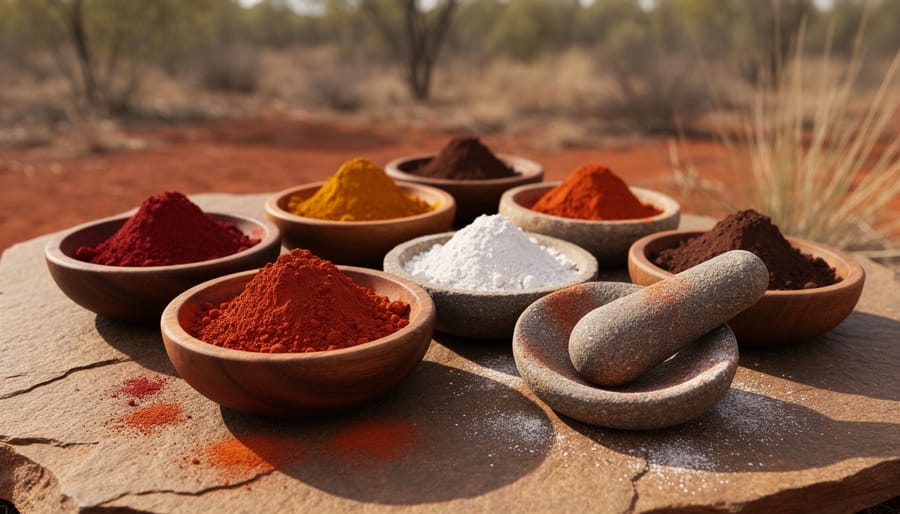
Natural Pigments and Sustainable Materials
For tens of thousands of years, Indigenous Australians have created art using materials drawn directly from Country, demonstrating a sophisticated understanding of local ecosystems that modern sustainability practitioners are only beginning to appreciate. This ancient practice offers profound lessons in zero-waste living and environmental stewardship that remain remarkably relevant today.
Traditional Indigenous drawing utilises ochres in stunning shades of red, yellow, and white, sourced from specific clay deposits across the continent. These earth pigments aren’t simply collected haphazardly. Aboriginal communities maintain deep knowledge about where and when to harvest ochres, ensuring sites regenerate naturally. This careful custodianship means the same ochre deposits have sustained artistic practices for millennia without depletion, a stark contrast to our contemporary throwaway culture.
Charcoal, another fundamental drawing material, comes from specific native timbers, each chosen for particular qualities. The process involves burning wood in controlled ways that Indigenous peoples have perfected over countless generations. Plant-based materials like grass tree resin serve as natural binders, mixed with pigments to create lasting artworks without synthetic chemicals or packaging waste.
What’s particularly inspiring is the holistic approach embedded in material gathering. Collecting ochre or charcoal isn’t separate from other activities. It’s woven into seasonal movements across Country, integrated with food gathering, ceremony, and land management practices like cultural burning. Nothing is wasted, and every action considers the needs of future generations.
This traditional knowledge represents a masterclass in sustainable practice. Indigenous artists maintain relationships with specific sites across their Country, understanding soil composition, seasonal variations, and ecological interconnections with an intimacy that takes lifetimes to develop. Their approach reminds us that truly sustainable materials aren’t just about what we use, but how we source them, respecting the living systems that provide for us.
Symbols That Map the Environment
For tens of thousands of years, Indigenous Australians have created drawings that serve as sophisticated environmental maps, guiding communities toward resources and recording critical ecological knowledge. These aren’t merely artistic expressions—they’re practical survival tools that have sustained life on this continent through countless generations.
Traditional symbols in Indigenous drawings function as a visual language for reading Country. Concentric circles might indicate a waterhole or campsite, while wavy lines represent flowing water or the path of a creek. U-shapes often depict people sitting, while tracks of animals—from kangaroo prints to goanna trails—help identify which creatures inhabit specific areas and their movement patterns. These symbols create detailed maps that share essential information about where to find water during dry seasons, which plants are ready for harvest, and where animals gather.
What makes these drawings particularly remarkable from a sustainability perspective is their representation of seasonal changes. Many Indigenous artworks document the cyclical nature of the environment—when certain plants flower, when fish spawn, or when specific foods become available. This knowledge system promotes sustainable harvesting by ensuring resources are only gathered at appropriate times, allowing ecosystems to regenerate naturally.
For Australian communities today, understanding these symbolic maps offers valuable lessons in environmental observation and sustainable resource management. Indigenous Australians developed these detailed visual records without modern technology, relying instead on deep observation, intergenerational knowledge sharing, and respect for natural cycles. Their approach reminds us that true environmental stewardship begins with careful attention to the rhythms of the land around us.
What Modern Australia Can Learn From Indigenous Art Traditions
Reading the Land Through Art
For tens of thousands of years, Indigenous Australians have been reading the landscape through art, creating detailed visual records that map water sources, seasonal patterns, and ecological relationships. These traditional drawing practices weren’t simply decorative—they were sophisticated tools for environmental observation and knowledge transfer that kept communities thriving across the continent’s diverse ecosystems.
When Indigenous artists depict country through ochre paintings, rock art, or sand drawings, they’re documenting intricate details about plant cycles, animal behaviours, and weather patterns. A single artwork might show where certain fish spawn during specific moon phases, which plants indicate underground water, or how fire patterns regenerate native vegetation. This level of observation has guided sustainable land management for millennia, maintaining biodiversity in ways that modern science is only beginning to fully appreciate.
Today, these drawing techniques offer valuable lessons for contemporary environmental challenges. Indigenous land management practices, informed by this deep observational knowledge, have proven remarkably effective at preventing erosion, managing fire risk, and maintaining habitat corridors. Communities across Australia are now partnering with Indigenous rangers and knowledge-holders to apply these time-tested methods to modern conservation projects.
The practice of carefully observing and documenting landscape features through art develops environmental literacy that many of us have lost in our screen-focused lives. By understanding how Indigenous drawing captures relationships between land, water, and living things, we can learn to notice the subtle signs of ecological health in our own local areas—from the timing of bird migrations to the health of riparian zones that support water conservation.
Several Australian organisations now offer workshops where participants learn basic Indigenous observation techniques, always led by Traditional Owners, helping build environmental awareness while supporting cultural preservation and Indigenous-led conservation initiatives.
The Circular Economy in Traditional Practice
Long before the term “circular economy” entered our modern vocabulary, Indigenous Australians were practicing its principles with extraordinary sophistication. Every mark made, every pigment created, and every material gathered embodied a philosophy of zero waste and deep environmental respect that today’s sustainability experts are only beginning to fully appreciate.
Traditional Indigenous art-making operates on a beautifully simple premise: take only what you need, use everything you take, and ensure the source regenerates. When ochre is harvested for creating pigments, artists collect small amounts from specific sites, allowing the earth time to replenish. This isn’t just conservation; it’s a relationship built on reciprocity. The landscape provides, and in return, artists become its storytellers and protectors.
The materials themselves tell this circular story. Bark from specific eucalyptus trees is carefully removed during particular seasons when the tree can heal. Brushes are crafted from human hair or plant fibres that would otherwise decompose naturally. Natural binders like orchid sap or egg create adhesion without synthetic chemicals. When a piece serves its ceremonial purpose, it returns to the earth, completing the cycle without leaving environmental scars.
This approach offers profound lessons for Australian businesses and communities seeking sustainable practices today. Indigenous art-making demonstrates that quality and cultural value don’t require resource exploitation. It shows us that limiting our material footprint doesn’t mean limiting creativity or impact—quite the opposite.
What makes this particularly relevant now is the growing recognition that Indigenous land management practices, including traditional art creation, have supported thriving ecosystems for over 65,000 years. These aren’t merely historical curiosities; they’re proven frameworks for environmental stewardship that modern Australia desperately needs. By understanding and supporting these practices, we’re not just preserving culture—we’re investing in time-tested solutions for our shared environmental future.

Respectful Appreciation vs. Appropriation: Getting It Right
Supporting Indigenous Artists and Communities
When you’re drawn to the beauty and wisdom of Indigenous art, there’s a powerful opportunity to make a genuine difference through mindful purchasing and support. Rather than buying mass-produced imitations, seek out authentic pieces directly from Indigenous artists and communities. Look for art centres and cooperatives like those in remote communities across the Northern Territory, Central Australia, and the Kimberley region, where artists receive fair payment and maintain control over their cultural stories.
Many Aboriginal-owned galleries and online platforms now connect artists directly with supporters, ensuring your purchase contributes to community livelihoods and cultural preservation. When buying art, always ask for a certificate of authenticity that includes the artist’s name, community, and story behind the work. This transparency matters enormously for both cultural respect and artist recognition.
Supporting Indigenous-led environmental initiatives creates even deeper impact. Many communities run cultural tourism experiences, workshops, and land management programs that combine traditional ecological knowledge with contemporary conservation. Consider participating in Indigenous-guided bush tucker walks, art workshops with local artists, or supporting organisations that employ Indigenous rangers caring for Country using ancestral practices.
Before sharing or displaying Indigenous art, understand the cultural protocols involved. Some designs carry sacred significance or gender-specific restrictions. When in doubt, ask. Most Indigenous communities appreciate genuine interest accompanied by respectful questions rather than assumptions.
Remember, supporting Indigenous artists isn’t just about purchasing beautiful artwork – it’s about recognising that these creative traditions carry thousands of years of environmental wisdom that Australia urgently needs today. Your choices can help ensure these vital cultural practices continue thriving for generations to come.
Educational Approaches That Honor Culture
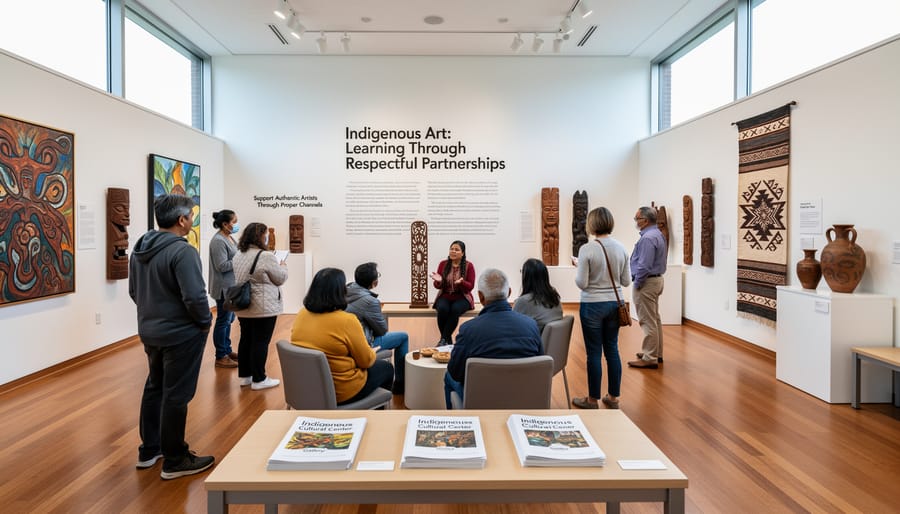
Learning from Indigenous drawing traditions requires approaching these ancient practices with respect and genuine commitment to cultural protocols. The good news is that communities across Australia are opening pathways for meaningful engagement that honour First Nations knowledge while supporting cultural preservation.
The most authentic way to connect with Indigenous art traditions is through workshops and programs led by Indigenous educators themselves. These experiences go far beyond technique, offering insights into the deep environmental knowledge embedded within every symbol and story. Many Aboriginal and Torres Strait Islander communities operate cultural centers where visitors can participate in guided art sessions, learning directly from knowledge holders who share not just the how, but the why behind each mark and pattern.
Organizations like Aboriginal Art Centres throughout regional Australia provide ethical engagement opportunities. These community-owned enterprises ensure that learning experiences benefit local artists and communities directly. From Arnhem Land to the Central Desert, these centers often run structured programs where participants gain understanding of Country-specific artistic traditions while contributing economically to remote communities.
Urban Australians can access similar opportunities through metropolitan Aboriginal cultural centers and keeping places. These venues regularly host workshops, artist talks, and school programs that create respectful bridges between cultures. Many also offer corporate programs, allowing businesses to support Indigenous cultural maintenance while team members develop deeper appreciation for Australia’s oldest continuous artistic traditions.
Before participating in any program, research the organization’s credentials and Indigenous governance structures. Legitimate initiatives clearly identify their Indigenous leadership, maintain transparent community benefit arrangements, and emphasize cultural protocols. This due diligence ensures your learning journey genuinely supports cultural continuation rather than exploitation.
Remember, engaging with Indigenous drawing traditions isn’t about acquiring skills for personal use—it’s about building relationships, understanding environmental stewardship through ancient wisdom, and supporting communities to maintain their living cultural heritage for future generations.
Indigenous-Led Environmental Initiatives Using Traditional Knowledge
Fire Management and Cultural Burning
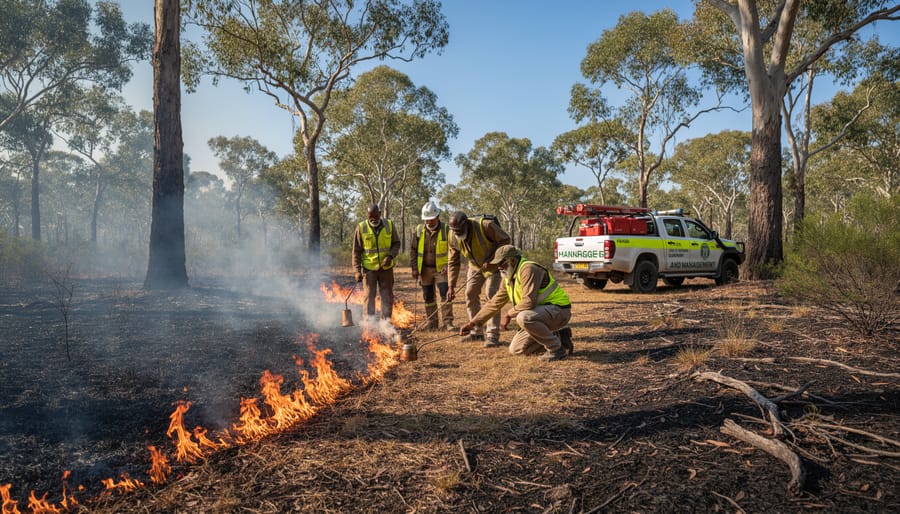
For tens of thousands of years, Indigenous Australians have used fire as a sophisticated land management tool, and this ancient knowledge is beautifully preserved in traditional drawings and rock art across the continent. These artistic records don’t just depict fire – they encode detailed environmental wisdom about when, where, and how to burn country for ecological health.
Today, this knowledge is experiencing a powerful resurgence. Indigenous-led fire management programs are transforming how Australia approaches bushfire prevention and landscape protection. Cultural burning practices, guided by the same principles shown in traditional art, create mosaic patterns across the land that reduce fuel loads, promote biodiversity, and protect communities from catastrophic blazes.
Unlike the intense, destructive fires we’ve witnessed in recent summers, cultural burns are cool, controlled, and carefully timed to work with the land’s natural rhythms. Indigenous fire practitioners read country the way their ancestors did, understanding which plants need fire to regenerate and which animals benefit from the patchwork of burnt and unburnt areas.
Communities across Australia are now partnering with Indigenous rangers to implement these time-tested techniques. Programs in Arnhem Land, the Kimberley, and Victoria’s East Gippsland demonstrate remarkable success in reducing bushfire risk while healing country. The drawings that once taught younger generations about fire management are now helping all Australians understand why Indigenous knowledge holders must lead the way in protecting our shared landscapes. This isn’t just about preventing disasters – it’s about restoring the sustainable relationship between people and land that kept Australia thriving for millennia.
Community Art Projects With Environmental Impact
Across Australia, Indigenous communities are leading powerful community environmental initiatives that weave traditional art practices with contemporary conservation efforts. These projects demonstrate how cultural expression and environmental care are inseparable in Indigenous worldviews.
In the Northern Territory, the Tiwi Islands Art Network transforms discarded fishing nets and marine debris into striking sculptural installations and woven artworks. Artists incorporate traditional designs while addressing plastic pollution in their waters, creating pieces that tell stories of ocean health and the need for protection. The initiative educates visitors about marine conservation while providing economic opportunities for community members.
Western Australia’s Pilbara region has seen Aboriginal rangers partner with schools to create large-scale rock art interpretations using recycled materials. These workshops teach young people about ancient storytelling methods while discussing native species protection and land management practices that have sustained Country for millennia.
In Victoria, the Wurundjeri Woi-wurrung Cultural Heritage Aboriginal Corporation runs art programs where participants create bark paintings and natural pigment artworks. These sessions explain how traditional gathering practices for ochre and plant materials model sustainable harvesting, never taking more than the land can regenerate.
The Yolngu people of Arnhem Land have developed education programs pairing bark painting demonstrations with discussions about fire management and biodiversity. These initiatives show how every mark on bark carries ecological knowledge, transforming art appreciation into environmental learning that benefits both Indigenous and non-Indigenous Australians working together toward a sustainable future.
Taking Action: Incorporating Indigenous Wisdom Into Your Sustainable Practice
Resources and Organizations to Support
Connecting with Indigenous-led organizations creates meaningful pathways to authentic learning while directly supporting First Nations communities. These initiatives ensure your engagement respects cultural protocols and contributes to Indigenous self-determination.
Start with the National Gallery of Australia’s Indigenous Art Collection and their educational programs that explore the environmental knowledge woven into traditional artworks. The Buku-Larrnggay Mulka Centre in Arnhem Land offers virtual tours and workshops, providing direct access to Yolngu artists and their sustainable land management practices embedded in bark paintings and ceremonial designs.
The Koorie Heritage Trust in Melbourne runs excellent workshops on Aboriginal art traditions and their connection to Country, while supporting local artists through ethical purchasing programs. Similarly, Japingka Gallery in Western Australia works exclusively with Indigenous artists, ensuring fair compensation and authentic storytelling.
For comprehensive learning, the Australian Institute of Aboriginal and Torres Strait Islander Studies (AIATSIS) provides research resources, online courses, and cultural protocols guidance. Their materials help you understand the deep environmental wisdom within Indigenous drawing practices.
Support organizations like NAISDA Dance College and the Indigenous Art Code, which advocates for ethical dealings in Indigenous art. When purchasing authentic artwork, verify artists through the Indigenous Art Code’s verification system.
Consider joining programs like Landcare Australia’s Indigenous partnerships, which combine traditional ecological knowledge with contemporary conservation efforts. These collaborations demonstrate how ancient drawing practices that mapped seasonal changes and resource management remain vital for modern sustainability challenges. By supporting these organizations, you’re investing in both cultural preservation and environmental wisdom that benefits all Australians.
Applying Indigenous Environmental Principles
Indigenous cultures across Australia have practiced environmental stewardship for over 65,000 years, offering valuable lessons we can apply today. These principles aren’t about copying sacred practices, but rather understanding the underlying values that promote sustainable living in our modern context.
Start by embracing long-term thinking in your decisions. Indigenous Australians traditionally consider impacts seven generations ahead. When purchasing products or making business choices, ask yourself how these decisions will affect future Australians and our environment decades from now.
Practice reciprocity with nature by giving back what you take. This might mean participating in local tree planting days, supporting habitat restoration projects, or choosing products from companies that regenerate rather than deplete natural resources. Many community groups across Australia now organize monthly landcare activities where you can contribute directly.
Adopt a zero-waste mindset inspired by traditional practices where nothing was wasted. Indigenous communities used every part of plants and animals, creating circular systems long before the term existed. Challenge yourself to reduce household waste by composting, repairing items instead of replacing them, and buying secondhand.
Connect with local Indigenous land management programs to learn region-specific sustainable practices that honour Traditional Owners while building stronger environmental outcomes for all Australians.
For thousands of generations, Indigenous Australians have maintained a profound relationship with Country, developing sustainable practices that have kept ecosystems thriving long before modern environmental science emerged. The cultural knowledge embedded in Indigenous drawing and art represents more than aesthetic achievement—it’s a living archive of environmental wisdom that our nation urgently needs today.
As we face climate challenges and biodiversity loss, the time-tested approaches of Australia’s First Peoples offer genuine pathways forward. These aren’t theoretical concepts but proven systems that have sustained communities and landscapes for over 65,000 years. From fire management techniques illustrated in rock art to water conservation knowledge passed through sand drawings, Indigenous cultural practices demonstrate what true sustainability looks like.
Moving forward, viewing Indigenous culture appreciation as essential—not optional—to Australia’s environmental future benefits us all. This means actively supporting Indigenous-led conservation projects, purchasing authentic Indigenous art directly from community enterprises, and creating space for Traditional Owners to guide environmental decision-making. It requires ongoing learning, respectful engagement, and recognizing that we’re guests on Aboriginal land.
The good news? Communities across Australia are already demonstrating how Indigenous and non-Indigenous people can work together effectively. Whether you’re an individual reducing your environmental footprint or a business seeking sustainable practices, connecting with local Indigenous knowledge holders opens doors to innovation grounded in deep ecological understanding. Start conversations, attend cultural events, and commit to being part of the solution. Our collective environmental future depends on honouring and integrating the wisdom that’s been here all along.