
The term ‘superfood’ gets thrown around grocery aisles like confetti, but what separates genuine nutritional powerhouses from clever marketing? A true superfood delivers exceptional concentrations of vitamins, minerals, antioxidants, or bioactive compounds that provide measurable health benefits—and mushrooms tick every box with scientific backing to prove it.
These fascinating fungi contain compounds you won’t find in typical vegetables: beta-glucans that strengthen immune function, ergothioneine (a rare antioxidant your body can’t produce), and adaptogenic properties that help manage stress. Unlike manufactured supplements, mushrooms deliver these benefits in their natural, bioavailable form, meaning your body actually absorbs and uses them effectively.
Australian research confirms what traditional medicine has known for centuries: varieties like shiitake, reishi, and lion’s mane contain polysaccharides and triterpenes that support everything from cognitive function to gut health. A single serving of oyster mushrooms provides more potassium than a banana, while maitake varieties demonstrate promising anti-inflammatory properties in peer-reviewed studies.
What makes mushrooms particularly remarkable for environmentally conscious Aussies? They’re among the most sustainable foods on the planet, requiring minimal water, no pesticides, and transforming agricultural waste into nutrient-dense food within weeks. Growing locally means reduced food miles and support for Australian growers who prioritize regenerative practices.
This isn’t about jumping on wellness trends—it’s about understanding which foods genuinely deserve space on your plate and why mushrooms have earned their superfood status through measurable nutritional science.
What Actually Defines a Superfood?
The Nutrient Density Factor
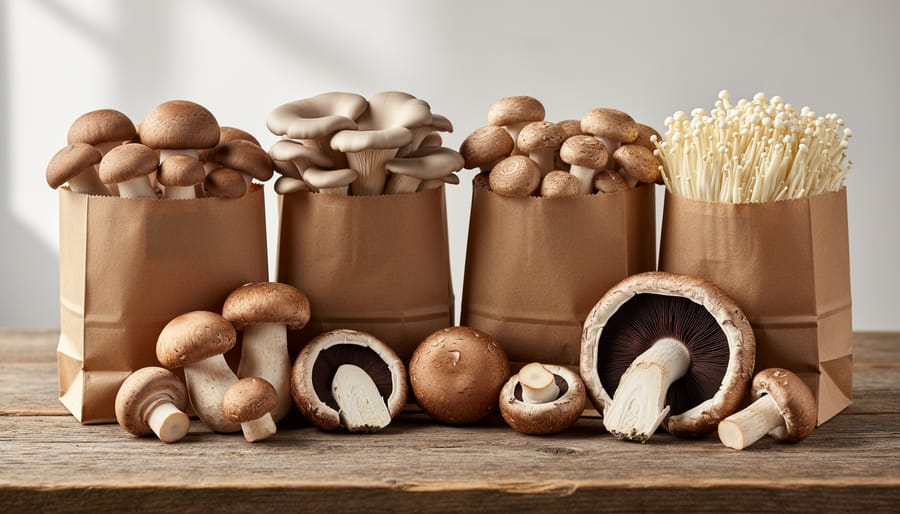
Nutrient density is the golden standard that separates true superfoods from everyday ingredients. It’s a simple yet powerful concept: foods that deliver the highest concentration of vitamins, minerals, and beneficial compounds relative to their calorie content. Think of it as getting maximum nutritional bang for your buck, with minimal impact on your energy intake.
To qualify as nutrient-dense, a food typically provides at least 10% of the daily value for several essential nutrients per serving, while remaining low in calories, saturated fats, and added sugars. Leafy greens like kale offer impressive amounts of vitamins A, C, and K alongside minerals like calcium and iron. Blueberries pack antioxidants into tiny, low-calorie packages.
Here’s where mushrooms truly shine in the superfood arena. A 100-gram serving of shiitake mushrooms contains only 34 calories yet delivers significant B vitamins, selenium, copper, and vitamin D when exposed to sunlight. Oyster mushrooms provide similar benefits with added protein and fiber. What sets mushrooms apart from plant-based superfoods is their unique ability to produce vitamin D naturally and contain compounds like beta-glucans that support immune function. For Australian communities seeking sustainable nutrition, locally cultivated mushrooms offer exceptional nutrient density with one of the lowest environmental footprints of any protein-rich food source.
Beyond Vitamins: Bioactive Compounds That Matter
What truly elevates superfoods above regular nutritious options isn’t just their vitamin content—it’s the extraordinary bioactive compounds they contain. Think of these as nature’s specialised tools, each designed for specific wellness benefits.
Polysaccharides, particularly beta-glucans found abundantly in mushrooms, are game-changers for immune system support. These complex carbohydrates interact with immune cells in ways simple nutrients cannot, essentially training your body’s natural defences to work more effectively. Australian researchers have been studying these compounds extensively, finding impressive correlations between regular consumption and enhanced immune function.
Antioxidants like ergothioneine and selenium add another layer of distinction. While many foods contain antioxidants, superfoods deliver them in exceptional concentrations and unique combinations that amplify their protective effects against cellular damage.
The functional compounds in superfoods also include adaptogens, which help our bodies manage stress, and prebiotics that nourish beneficial gut bacteria. Together, these bioactive substances create synergistic effects—meaning they work better together than in isolation.
For communities across Australia exploring sustainable nutrition, understanding these compounds helps explain why incorporating superfoods like mushrooms into local diets offers genuine health advantages beyond basic nutrition. It’s not marketing hype; it’s measurable biochemistry working in your favour.
The Nutritional Powerhouse: What Makes Mushrooms Stand Out
Beta-Glucans: The Immune System Champions
Here’s what makes beta-glucans true immune system champions in the superfood world. These remarkable polysaccharides—long chains of glucose molecules—are found in abundance throughout various mushroom varieties, particularly in species like shiitake, maitake, and reishi that grow wonderfully in Australia’s diverse climates.
Think of beta-glucans as nature’s immune system trainers. Rather than simply boosting immunity indiscriminately, they modulate it, helping your body respond appropriately to threats while avoiding overreaction. Australian research institutions have been actively studying these compounds, with findings showing they activate key immune cells called macrophages and natural killer cells, essentially teaching your body’s defense system to work smarter.
What’s particularly exciting for our community is that locally cultivated mushrooms often contain higher beta-glucan concentrations than imported varieties, thanks to fresh harvesting practices. Studies published in respected journals have demonstrated beta-glucans’ potential in supporting everything from seasonal immune challenges to recovery processes.
The beauty of these polysaccharides lies in their accessibility. Whether you’re growing oyster mushrooms on your kitchen bench or sourcing them from local farmers’ markets across Melbourne, Sydney, or Brisbane, you’re tapping into these powerful compounds. This makes immune support genuinely sustainable and community-focused, connecting your health directly to Australia’s growing network of mushroom cultivators who prioritize both quality and environmental stewardship.
Rare Vitamins and Minerals in Mushroom Varieties
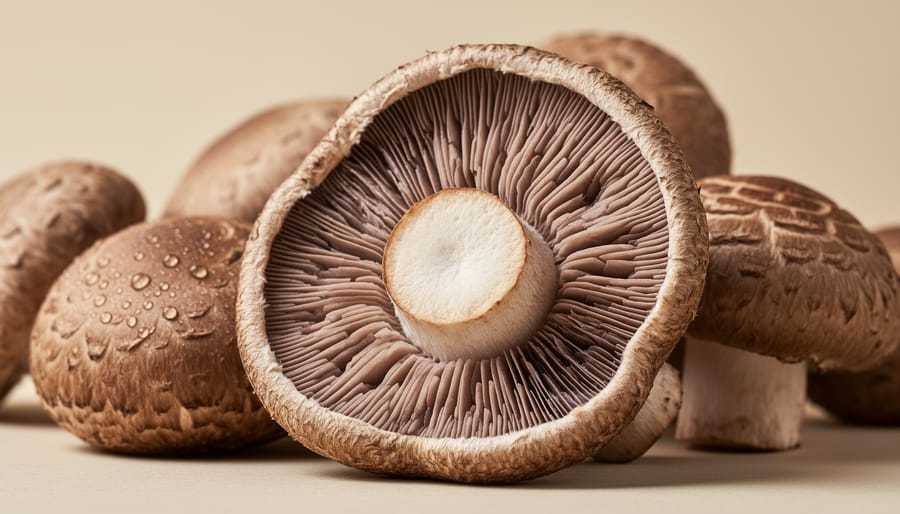
What sets mushrooms apart from typical vegetables is their exceptional collection of vitamins and minerals that are surprisingly rare in the plant kingdom. Many Australians don’t realise that mushrooms exposed to sunlight during cultivation can naturally produce vitamin D2, making them one of the few non-animal sources of this crucial nutrient—particularly valuable for our community members following plant-based diets.
The B-complex vitamin profile in mushrooms is equally impressive, with varieties like shiitake and oyster mushrooms delivering riboflavin, niacin, and pantothenic acid that support energy production and nervous system health. These compounds work synergistically, meaning they’re more effective together than in isolation.
Selenium content in mushrooms deserves special attention. This trace mineral acts as a powerful antioxidant and supports thyroid function, yet Australian soils are often selenium-deficient. Cultivated mushrooms can bridge this nutritional gap effectively.
Perhaps most intriguing is ergothioneine, a rare amino acid with remarkable antioxidant properties found predominantly in mushrooms. Our bodies can’t produce ergothioneine, making dietary sources essential. Research suggests this compound accumulates in organs experiencing oxidative stress, acting as a targeted protective agent. Copper rounds out mushrooms’ mineral profile, supporting iron absorption and immune function—another reason why Australian growers and consumers alike are increasingly recognising mushrooms as legitimate nutritional powerhouses rather than simple garnishes.
Adaptogenic Properties: Nature’s Stress Managers
In the forests and highlands of Australia and beyond, certain mushrooms have evolved remarkable survival strategies that we’re only beginning to understand. These varieties contain compounds called adaptogens, nature’s sophisticated stress management system that helps living organisms maintain balance in challenging conditions.
Think of adaptogens as intelligent helpers that sense what your body needs. When stress levels rise, they help calm the response. When energy dips, they provide support. This unique ability to restore equilibrium, or homeostasis, sets adaptogenic mushrooms apart in the superfood category.
Reishi mushrooms, revered in traditional medicine for centuries, contain triterpenes and polysaccharides that research suggests may help regulate cortisol levels. Australian wellness communities have embraced reishi for its calming properties, often incorporating it into evening routines to support sleep quality and recovery. Local growers across Victoria and New South Wales are now cultivating this remarkable species, making it more accessible to conscious consumers.
Cordyceps presents a different story. Growing naturally in alpine regions, this mushroom traditionally supported endurance and energy production. Athletes in Australia’s growing functional food movement have taken notice, with cordyceps appearing in pre-workout blends and recovery formulas. The science points to its potential to enhance cellular oxygen utilization, essentially helping your body work smarter, not harder.
What makes these mushrooms truly super is their gentle approach. Rather than forcing dramatic changes, adaptogens work with your body’s existing systems, supporting resilience over time. For environmentally conscious Australians seeking sustainable wellness solutions, these mushrooms offer a compelling alternative to synthetic supplements while connecting us back to nature’s wisdom.
Australian Superfood Mushrooms Worth Knowing
Shiitake: The Immunity and Heart Health Ally
Shiitake mushrooms have earned their superfood status through a remarkable compound called lentinan, a polysaccharide that’s captured the attention of researchers worldwide for its immune-boosting properties. This compound helps activate your body’s natural defense systems, supporting white blood cell production and enhancing overall immune response. Beyond immunity, shiitake mushrooms contain eritadenine, a unique substance that actively works to lower LDL cholesterol levels, making them genuine allies for heart health.
What makes shiitake particularly exciting for Australian communities is their widespread availability and adaptability to home cultivation. You’ll find fresh shiitake at most major supermarkets, farmers’ markets across Melbourne, Sydney, and Brisbane, and increasingly at local greengrocers committed to supporting sustainable agriculture. Their meaty texture and umami-rich flavor make them accessible even for mushroom newcomers.
For those embracing sustainable living, growing shiitake at home has become a rewarding community practice. Several Australian suppliers now offer inoculated logs or grow-at-home kits that thrive in our climate, particularly in shaded backyard spaces. Community gardens throughout Victoria and New South Wales have established shiitake cultivation programs, sharing knowledge and resources among members. This local production reduces food miles while providing year-round access to fresh, nutrient-dense mushrooms that genuinely deserve their superfood recognition.
Reishi: The Ancient Wellness Mushroom
Revered in traditional Chinese medicine for over 2,000 years, reishi mushroom is earning its superfood status among Australian wellness communities, and the science backs up this growing enthusiasm. What makes reishi particularly remarkable is its classification as an adaptogen—a natural substance that helps your body respond to stress more effectively, whether that’s physical, environmental, or emotional.
The real power lies in reishi’s bioactive compounds. These fungi contain triterpenes, which research shows possess significant anti-inflammatory properties, alongside polysaccharides that support immune system function. For Australians dealing with the pressures of modern life, from climate anxiety to work-related stress, these compounds offer tangible wellness support grounded in both ancient wisdom and contemporary research.
Melbourne and Sydney wellness cafes have embraced reishi, incorporating it into everything from morning lattes to evening elixirs. This shift reflects a broader movement toward preventative health care that resonates with our community’s values. Local growers are also stepping up, cultivating organic reishi in sustainable operations across Victoria and New South Wales, reducing carbon footprints while ensuring freshness.
Whether you’re new to medicinal mushrooms or expanding your superfood repertoire, reishi represents an accessible entry point into functional fungi—one that connects traditional knowledge with modern Australian wellness practices.
Lion’s Mane: The Brain-Boosting Fungus
Lion’s mane mushroom has captured the attention of researchers worldwide for its remarkable effects on brain health. This distinctive-looking fungus, with its cascading white tendrils resembling a lion’s mane, contains compounds called hericenones and erinacines that stimulate the production of nerve growth factor (NGF). NGF is essential for maintaining and regenerating neurons, the cells responsible for transmitting information throughout our nervous system.
Australian research communities are increasingly exploring how lion’s mane can support cognitive function, with studies showing improvements in memory, focus, and mental clarity among regular consumers. What makes this particularly exciting is the emerging evidence around neurodegenerative disease prevention. Early research suggests that lion’s mane may help protect against conditions like Alzheimer’s and Parkinson’s by promoting neuroplasticity and reducing inflammation in the brain.
Several Australian growers now cultivate lion’s mane locally, making this brain-boosting superfood more accessible to our communities. While more long-term human studies are needed, the existing evidence provides encouraging support for including lion’s mane in our diets. Whether consumed fresh, as a powder in smoothies, or brewed as tea, this fungus offers a natural, sustainable approach to supporting cognitive health throughout our lives.
Turkey Tail and Maitake: The Research-Backed Champions
Among the many superfood mushroom varieties gaining attention, turkey tail and maitake stand out for their exceptional scientific credentials. These mushrooms have moved beyond folk medicine into rigorous clinical research, with turkey tail’s polysaccharide-K (PSK) approved as a cancer therapy adjunct in Japan since the 1980s.
Australian researchers are increasingly studying these varieties, with promising results for immune function enhancement. Turkey tail contains polysaccharopeptide compounds that research suggests may support white blood cell activity, while maitake’s beta-glucans have demonstrated potential in regulating blood sugar and supporting cardiovascular health. What makes these particularly exciting for Australian communities is their growing availability through local suppliers and cultivation initiatives.
Several Australian organic farms now cultivate both varieties sustainably, reducing import dependence while supporting local agriculture. You’ll find them fresh at farmers’ markets across Victoria and New South Wales, or dried through health food cooperatives. This accessibility, combined with substantial research backing, positions turkey tail and maitake as genuine superfood contenders rather than fleeting wellness trends, offering our communities evidence-based options for supporting overall health naturally.
The Sustainability Story: Why Mushrooms Are Eco-Superfood Champions
Low-Impact Cultivation and Resource Efficiency
Here’s what makes mushrooms exceptional from an environmental perspective: they’re incredibly resource-efficient producers of nutrition, requiring minimal inputs while delivering maximum benefits.
Unlike conventional agriculture, mushroom cultivation needs surprisingly little water—typically 1.8 litres per kilogram produced, compared to around 15,000 litres for the same amount of beef. For Australians living in our drought-prone landscape, this efficiency matters enormously. Mushrooms also thrive in vertical growing systems, meaning they can produce substantial yields on minimal land. A single square metre can generate up to 20 kilograms of mushrooms annually, making them space champions in food production.
What’s particularly impressive is mushrooms’ ability to transform agricultural waste into nutritious food. Australian mushroom farms routinely use recycled materials like wheat straw, composted chicken manure, and even coffee grounds as growing substrate. This circular approach diverts waste from landfills while creating value—a win-win for sustainable systems.
The carbon story is equally compelling. Studies show mushroom production generates approximately 1.8 kilograms of CO2 equivalent per kilogram of product—significantly lower than animal proteins. For those interested in reducing meat consumption without sacrificing nutritional quality, mushrooms offer a genuinely sustainable alternative.
Several Australian farms are leading the way, including operations in Western Sydney and regional Victoria that have achieved carbon-neutral certification. These community-focused enterprises demonstrate that producing nutrient-dense superfoods doesn’t require compromising our environment—instead, mushrooms actively support regenerative food systems that benefit both people and planet.
Australian Mushroom Growing Initiatives
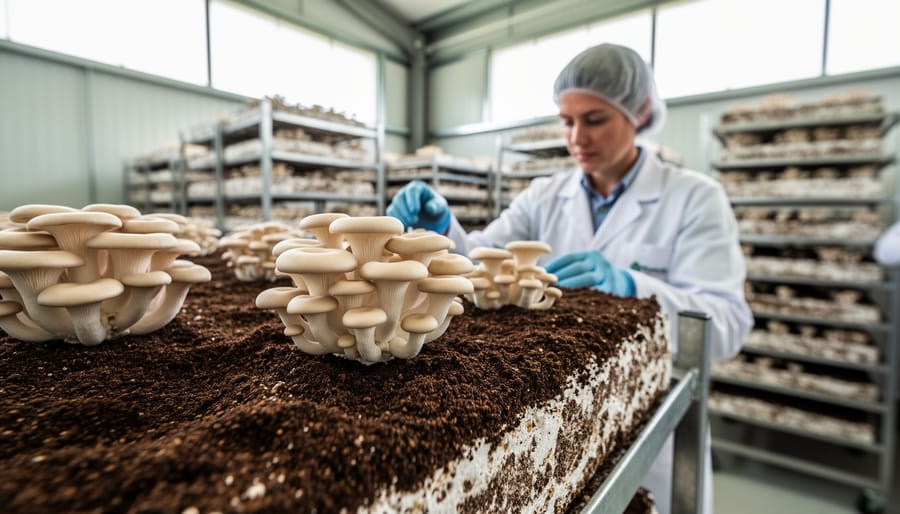
Across Australia, passionate communities are embracing mushroom cultivation as both a sustainable food source and a way to connect with neighbours. These initiatives demonstrate how accessible superfood production can be, even in urban environments.
Melbourne’s community gardens have pioneered mushroom cultivation workshops, teaching residents to grow oyster and shiitake mushrooms using spent coffee grounds from local cafes. This circular economy approach diverts waste from landfills while producing nutrient-dense food within walking distance of homes. Similar projects have emerged in Sydney, Brisbane, and Adelaide, where community groups transform underutilised spaces into productive mushroom farms.
Urban farmers are discovering that mushrooms require minimal space and resources compared to traditional crops. A basement, garage, or even a kitchen cupboard can become a productive growing area. Several Australian organisations now offer starter kits and mentorship programs, making it easier than ever to begin your mushroom-growing journey.
The connection between mushroom cultivation and local and seasonal produce extends beyond nutrition. By growing mushrooms at home or participating in community projects, Australians reduce food miles, packaging waste, and reliance on industrial agriculture.
Several Indigenous communities are also reviving traditional knowledge about native mushroom species, combining cultural preservation with modern cultivation techniques. These projects create employment opportunities while celebrating Australia’s unique fungal biodiversity.
Getting involved is straightforward. Search for community gardens, permaculture groups, or urban farming collectives in your area. Many offer free workshops and share resources generously. Starting small with a home kit allows you to experience firsthand how these superfoods transform from substrate to harvest, deepening your appreciation for sustainable food systems.
How to Maximize the Benefits in Your Daily Life
Fresh, Dried, or Extract: What Works Best?
Understanding how to consume mushrooms matters just as much as which varieties you choose. Many Australians wonder whether fresh mushrooms from their local farmers’ market deliver the same punch as powdered extracts or dried varieties.
Fresh mushrooms offer wonderful versatility in cooking and retain their full nutritional profile, including vitamin D (especially when exposed to sunlight). They’re perfect for daily immune support and general wellness. The downside? They require refrigeration and have a shorter shelf life.
Dried mushrooms concentrate certain compounds through the dehydration process, making them shelf-stable and convenient for Australian households. Reishi and shiitake dried mushrooms work brilliantly in broths and teas, offering concentrated beta-glucans that support immune function.
Extracts, particularly hot-water or dual extracts, provide the highest bioavailability of beneficial compounds. These concentrated forms break down mushroom cell walls (made of chitin, which our bodies struggle to digest), releasing polysaccharides and other active compounds more readily. They’re ideal for targeted health goals like managing inflammation or supporting cognitive function.
Here’s a practical approach for our Australian community: use fresh mushrooms in your weekly meals for baseline nutrition, keep dried varieties for brewing immunity-boosting teas during winter, and consider quality extracts when addressing specific health concerns. Many local Australian producers now offer certified organic options across all three forms, supporting both your wellbeing and sustainable local agriculture.
Simple Ways to Add Mushrooms to Australian Meals
Adding superfood mushrooms to your daily routine is easier than you might think, and Australian home cooks are discovering creative ways to enjoy these nutritional powerhouses. Start your morning by stirring a teaspoon of powdered lion’s mane or chaga into your coffee or smoothie for an instant cognitive boost. This simple habit is gaining popularity in Melbourne and Sydney cafes, making it an accessible entry point for mushroom newcomers.
For everyday meals, slice fresh shiitake or oyster mushrooms into your morning scrambled eggs or weekend frittatas. These varieties are increasingly available at local farmers’ markets, supporting both your health and Australian growers. At lunch, toss sautéed mushrooms through pasta dishes or add them to grain bowls alongside other organic food choices.
Dinner presents endless possibilities. Swap meat for meaty portobello caps on the barbecue, a favourite at Aussie gatherings. Add dried shiitake to slow-cooked stews for depth and immune support, or create a simple mushroom risotto using locally sourced varieties. Even fussy eaters often enjoy mushrooms blended into bolognese or burger patties.
The key is starting small and experimenting with varieties that suit your taste and budget, gradually building mushrooms into your weekly meal rotation.

Mushrooms have genuinely earned their superfood status through a remarkable combination of science-backed nutrition, unique bioactive compounds, and environmental credentials that set them apart from passing food trends. Unlike many superfoods that rely primarily on marketing hype, mushrooms offer documented benefits ranging from immune system support through beta-glucans to sustainable protein alternatives that require minimal resources to cultivate.
What makes mushrooms particularly relevant for Australian communities is their accessibility and local availability. Whether you’re purchasing shiitake from your local farmers market or foraging for native varieties with proper guidance, incorporating diverse mushroom types into your diet represents a practical step toward better personal health. The presence of compounds like ergothioneine, vitamin D precursors, and adaptogenic properties in varieties such as reishi and lion’s mane provides benefits you simply won’t find in conventional produce.
The dual advantage mushrooms offer cannot be overstated. While nourishing your body with powerful antioxidants and essential nutrients, you’re simultaneously supporting agricultural practices that use less water, land, and energy than traditional protein sources. This alignment between personal wellbeing and planetary health makes mushrooms an ideal component of sustainable lifestyle habits.
As you explore the world of functional mushrooms, remember that building a healthier future starts with informed choices today. The superfood designation for mushrooms isn’t just justified; it’s essential for anyone committed to environmental stewardship and genuine nutritional wisdom.