
**Prioritize paper, plastic, glass, and metal—these four materials form the backbone of Australia’s circular economy and deserve your attention when shopping for recycled products.** Each purchase you make sends a powerful signal to manufacturers about what matters to Australian consumers, and understanding these core recyclables transforms you from a passive shopper into an active participant in our national recycling infrastructure.
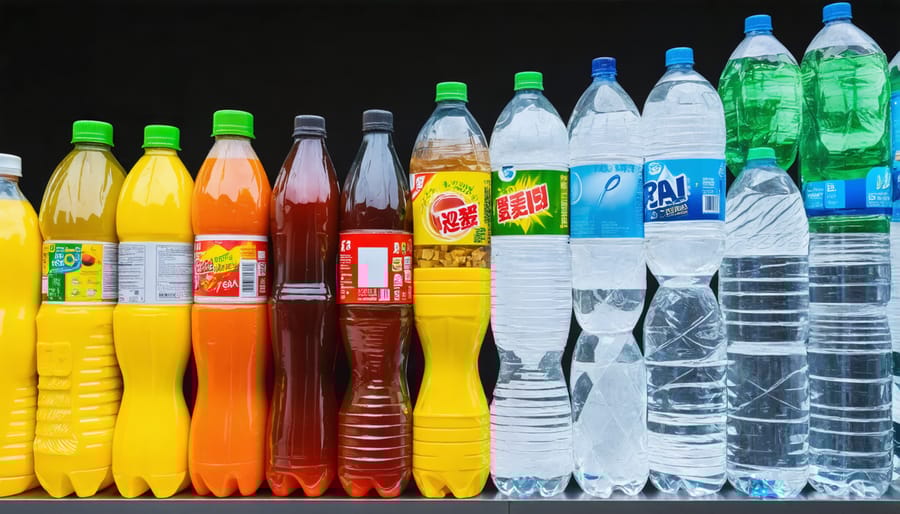
Paper and cardboard products boast the highest recycling success rates in Australia, with materials being reprocessed into new products within weeks. When you choose recycled paper goods, you’re supporting a well-established system that diverts tonnes of waste from landfill annually. Plastics—particularly types 1 (PET) and 2 (HDPE)—represent both our greatest challenge and opportunity, as demand for recycled plastic products helps justify the infrastructure needed to process them effectively.
Glass offers infinite recyclability without quality loss, making it an environmental champion when you select products packaged in recycled glass containers. Metal, especially aluminium and steel, delivers remarkable environmental returns—recycling aluminium saves 95% of the energy required to produce new material, making every recycled metal purchase a significant climate action.
Understanding these four materials empowers you to make purchasing decisions that strengthen Australia’s recycling systems rather than undermining them. Your choices create market demand for recycled content, encouraging manufacturers to close the loop and invest in local reprocessing facilities. This isn’t just about buying greener products—it’s about building a more resilient, sustainable Australia through everyday decisions.
The Recycling Loop That’s Broken (And How You Can Fix It)
Australians are champion recyclers—we diligently sort our bins and feel good about our yellow-lid contributions. Yet here’s the uncomfortable truth: our recycling system has a fundamental flaw that no amount of proper sorting can fix on its own.
The problem isn’t what goes into our bins; it’s what happens afterward. When recyclable materials aren’t actually turned into new products, they become waste with extra steps. Australia currently recycles around 60% of its waste, but here’s the catch—we purchase far fewer products made from recycled content. This creates a market imbalance where collected recyclables pile up with nowhere to go.
The result? For years, Australia shipped millions of tonnes of recyclables overseas to countries like China, Malaysia, and Indonesia. When China banned foreign recycling imports in 2018, our system faced a crisis. Suddenly, valuable materials that could become new products were being stockpiled or, worse, sent to landfill because there simply wasn’t enough local demand.
Contamination adds another layer of complexity. When non-recyclable items sneak into recycling bins, entire batches can be rejected. But even perfectly sorted, pristine recyclables face uncertainty without buyers willing to purchase the products made from them.
This is where you hold real power. Purchasing recycled products creates the economic incentive that makes recycling financially viable. When businesses see consistent demand for recycled-content items, they invest in local processing facilities and infrastructure. Every recycled notebook, toilet paper roll, or aluminium can you buy sends a market signal that recycled materials have value.
Think of it as completing the loop. Recycling your materials is the first step, but buying products made from those materials closes the circle. Without this crucial connection, the entire system breaks down, no matter how carefully we sort our bins. Australian communities are beginning to recognize this—but we need the demand to match our recycling enthusiasm.
Paper and Cardboard: The Quiet Achiever of Australian Recycling
What to Look For When Shopping
When shopping for recycled products in Australia, look for clear labelling that indicates recycled content percentage. The Australasian Recycling Label (ARL) helps identify packaging recyclability, while certifications like FSC Recycled verify that paper products contain 100% recycled material—essential for responsible paper purchasing.
For toilet paper and tissues, choose brands like Who Gives a Crap or Quilton Gold, which use 100% recycled fibre. Office supplies are another easy win—look for Marbig’s recycled range or Avery eco-friendly products made from post-consumer waste. When selecting plastic items, prioritise products labelled with at least 30% recycled content, though 50% or higher is ideal. Ecostore and Bondi Wash offer cleaning products in bottles made from ocean-bound plastic.
Glass containers should clearly state recycled content percentage—many Australian beverage companies now use 30-50% recycled glass. For aluminium products, remember that recycled aluminium saves 95% of the energy needed for virgin production, making it an exceptional choice regardless of the specific percentage.
Major retailers like Woolworths, Coles, and Officeworks increasingly stock recycled alternatives, making sustainable shopping more accessible for everyday Australians.
The Real Environmental Win
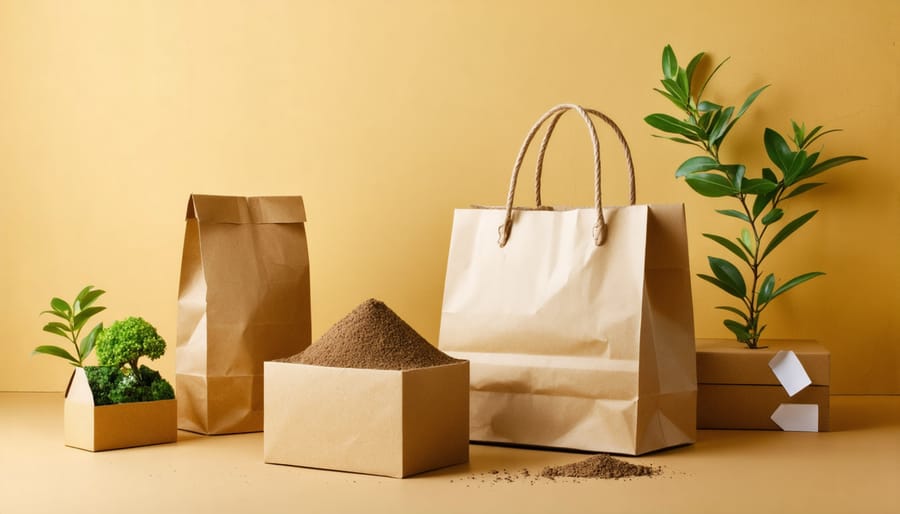
When you choose recycled paper over virgin paper, you’re making a tangible difference that goes beyond the bin. For every tonne of recycled paper used, we save approximately 13 trees, 2.5 barrels of oil, 4,100 kilowatts of energy, and 31,780 litres of water—that’s enough water to supply an average Australian household for nearly a month.
Across Australia, businesses and households are increasingly embracing recycled paper products, from office stationery to packaging materials. If every Australian office switched to 100% recycled paper for just one year, we’d collectively save over 3 million trees and reduce carbon emissions equivalent to taking 50,000 cars off our roads. These aren’t just numbers—they represent real environmental preservation. By actively seeking out that “4” symbol on paper products, you’re joining a growing community of Australians who understand that small purchasing decisions create ripples of positive environmental impact.
Plastic: Choose Your Battles Wisely
Recycled Plastic Products Worth Buying
Australian businesses are leading the charge in transforming recycled plastic into products that genuinely make a difference. When you’re shopping with recycling in mind, these local champions deserve your attention.
**Sulo** has revolutionised waste management by manufacturing wheelie bins from recycled plastic—some containing up to 90% post-consumer material. It’s recycling coming full circle, quite literally.
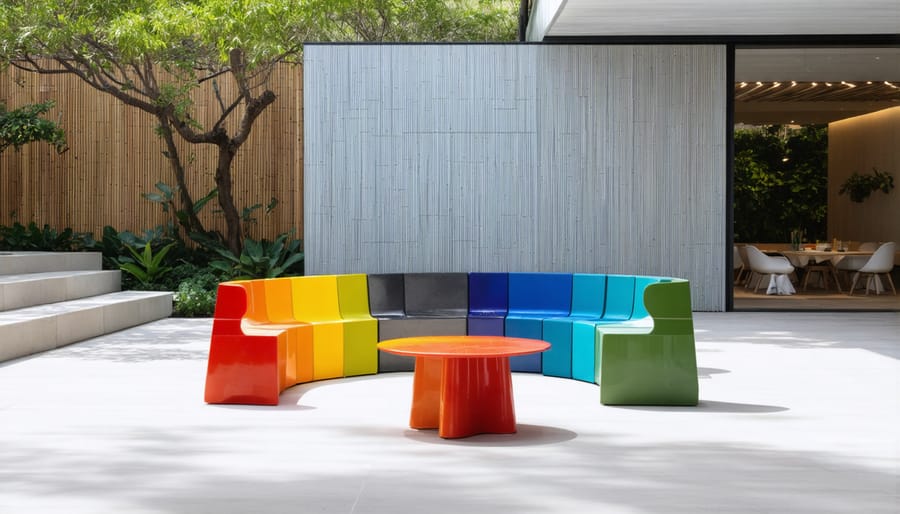
For outdoor living, **Replas** creates stunning furniture and decking from recycled plastic waste. Their benches, picnic tables, and bollards grace parks and gardens across the country, diverting thousands of tonnes from landfill whilst standing up beautifully to harsh Australian weather.
The fashion-conscious can feel good about brands like **Boody** and **Outland Denim**, which incorporate recycled polyester (made from plastic bottles) into comfortable, stylish clothing. Each garment gives new life to materials that might otherwise pollute our oceans.
**Rothy’s**, now available in Australia, crafts fashionable shoes from recycled water bottles—around 11 bottles per pair. Meanwhile, companies like **Onya** produce durable reusable shopping bags and food wraps from recycled materials.
In construction, **Repurpose It** and **Duratrack** are transforming recycled plastic into railway sleepers, fence posts, and building materials that outlast traditional timber.
By choosing these products, you’re not just making a purchase—you’re voting with your wallet for a circular economy. These Australian innovators prove that recycled doesn’t mean compromised quality; it means intelligent design meeting environmental responsibility.
The Tricky Truth About Plastic Recycling
Here’s the honest truth about plastic recycling in Australia: it’s not quite the environmental silver bullet we’d hoped for. Unlike glass and metal, which can be recycled indefinitely without losing quality, plastic typically undergoes “downcycling”—each time it’s recycled, the material degrades and becomes lower quality. That recycled drink bottle might become fleece fabric, then eventually carpet backing, but it can’t keep circling back as a bottle forever.
This doesn’t mean buying recycled plastic products is pointless—far from it! When you choose items made from recycled plastic, you’re still diverting waste from landfill and reducing demand for virgin plastic production. However, it’s crucial to view recycled plastic purchases as part of a bigger picture alongside reducing plastic consumption altogether.
Think of it this way: buying recycled plastic products gives existing plastic waste another purposeful life, but the real environmental win comes from using less plastic overall. Many Australian communities are leading the charge here, combining their support for recycled products with refill stations, reusable alternatives, and plastic-free initiatives. It’s about balance—support recycled plastic when you need plastic items, but actively seek ways to eliminate plastic from your daily routine where possible.
Glass: The Material That Recycles Forever
Beyond Bottles: Recycled Glass Products
Recycled glass transforms into remarkable products far beyond bottles and jars across Australia. Melbourne-based Dowsing Group leads the charge, creating stunning benchtops and splashbacks from crushed recycled glass—their Mezzanotte range features sparkles of blue and green glass that tell stories of countless bottles saved from landfill.
For outdoor spaces, glass aggregate paves the way forward—literally. Many Australian councils now incorporate recycled glass in road construction and footpaths, with Victoria’s Sustainability Victoria reporting that over 30,000 tonnes of glass now strengthen our roads annually rather than filling landfills.
Perth company Re-Scape specialises in decorative garden mulch made from tumbled recycled glass in ocean blues and earthy greens, adding colour while suppressing weeds and retaining moisture. Meanwhile, recycled glass insulation products like Knauf Earthwool offer excellent thermal performance for Australian homes, manufactured right here in Victoria using predominantly recycled materials.
Brisbane’s Glass Aggregate Australia exemplifies innovation, processing 150,000 tonnes annually into products for construction, drainage systems, and landscaping. When purchasing tiles, benchtops, or even choosing contractors for council projects, ask specifically about recycled glass content—your questions drive demand and demonstrate that Australians value circular economy solutions that keep materials in productive use.
Metals: Small Volume, Massive Impact
Supporting the Metal Recycling Economy
Supporting Australia’s metal recycling economy starts with simple, everyday choices that create real impact. When reaching for a drink at the supermarket, opt for aluminium cans over plastic bottles—Australia’s aluminium recycling rate sits at 73%, and manufacturers actively use recycled content in new cans. Each purchase sends a clear market signal.
For home renovations or building projects, specifically request recycled steel roofing or aluminium window frames from your supplier. Many Australian manufacturers now proudly label their recycled content percentages, typically ranging from 30-90%. Don’t hesitate to ask questions—your interest encourages businesses to prioritize recycled materials.
Consider buying second-hand metal items like furniture, tools, and garden equipment. Community marketplaces, salvage yards, and restoration centers across Australia offer quality pre-loved metal goods that bypass the need for new production entirely.
When purchasing vehicles or appliances, research brands with high recycled steel and aluminium content. Many Australian car manufacturers now incorporate 25% or more recycled metal in their models. For whitegoods, look for products displaying environmental certifications that include recycled material information. These conscious choices collectively strengthen the circular economy, making metal recycling financially viable for processors and reducing the need for virgin material extraction.
Making It Happen: Your Recycled Shopping Strategy
Ready to transform your shopping habits into environmental action? Here’s how to make recycled products a regular part of your Australian shopping routine.
**Start with a stocktake**. Walk through your home or office and identify which products you purchase most frequently—toilet paper, printer paper, packaging, containers, or building materials. These high-frequency items offer the greatest impact when switched to recycled alternatives. Create a simple list and tackle one category at a time to avoid feeling overwhelmed.
**Know your trusted certifications**. Look for the Australasian Recycling Label (ARL), which clearly shows whether packaging can be recycled through your council’s system. The Forest Stewardship Council (FSC) Recycled label guarantees paper products contain 100% recycled content. For plastics, check for PREP certification, which verifies Australian recycled content claims. These symbols cut through greenwashing and help you shop with confidence.
**Find reliable stockists**. Major Australian retailers like Bunnings, Officeworks, and Woolworths now have dedicated sustainable product ranges featuring recycled content. Local community cooperatives and zero-waste stores often stock lesser-known brands using recycled materials. Don’t overlook online marketplaces like Sustainable Salons Australia, which connects businesses with recycled products.
**Balance your budget wisely**. Yes, some recycled products cost marginally more upfront, but many—like recycled office paper or glass containers—match conventional pricing. For businesses, bulk purchasing recycled materials often unlocks better rates while meeting corporate sustainability targets. Consider the true cost: supporting recycled products strengthens Australia’s circular economy and reduces the need for virgin resource extraction.
**Share your wins**. When you find great recycled products, tell your community. Your workplace, neighbourhood group, or social networks benefit from your research, creating ripple effects that strengthen demand for recycled goods across Australia.
Every time you choose a product made from recycled paper, plastic, glass, or metal, you’re completing a circle that began in your own kitchen. The materials you carefully separate in your recycling bin only hold environmental value when someone buys them back as finished products—that’s what transforms recycling from a feel-good gesture into genuine environmental impact. You’re essentially casting a vote with your wallet, telling manufacturers that recycled content matters to Australian consumers.
Starting with just one category makes the transition manageable. Perhaps you’ll begin by switching to recycled paper products this month, then explore recycled plastic alternatives next quarter. Each small decision ripples outward—when your workplace, local café, or sporting club sees you choosing recycled options, they’re more likely to follow suit. This collective shift is already transforming Australian markets, with major retailers expanding their recycled product ranges in response to growing demand.
Your purchasing power has never been more influential. Together, we’re not just recycling materials; we’re building an economy where waste becomes valuable, where local recycling facilities thrive, and where future generations inherit a country that truly values its resources. The circle is in your hands—complete it.