
Look beyond the recycling bin and discover products that transform waste into something entirely new and more valuable. That tattered denim jacket becomes a designer tote bag. Discarded timber pallets evolve into stunning furniture. Wine barrels metamorphose into garden planters. This is upcycling, and it’s revolutionising how Australians shop sustainably.
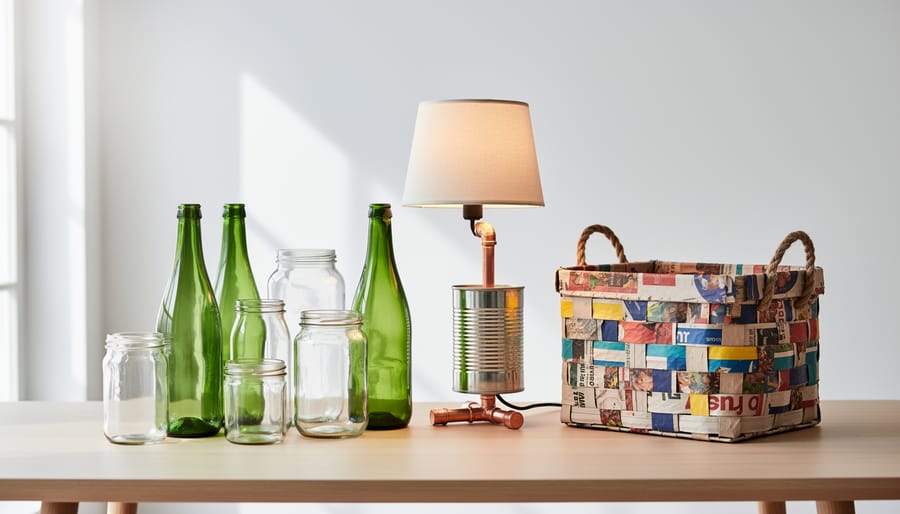
Unlike recycling, which breaks materials down to create something of equal or lesser value, upcycling takes existing items and elevates them through creative redesign. A recycled plastic bottle becomes another bottle. An upcycled bottle becomes a lamp, a planter, or architectural feature. The difference matters enormously for our environment and our communities.
Right now, Australian makers and businesses are leading an upcycling movement that’s keeping tonnes of materials from landfill while creating unique, high-quality products you won’t find anywhere else. From Melbourne warehouses to Brisbane markets, from social enterprises employing marginalised communities to Indigenous artists honouring traditional practices through contemporary design, upcycling is building a more sustainable economy one transformed item at a time.
This shift matters because Australia sends approximately 21 million tonnes of waste to landfill annually. Every upcycled product you choose intercepts materials before they require energy-intensive recycling processes or worse, permanent disposal. You’re not just buying something unique. You’re participating in a circular economy that values creativity, craftsmanship, and environmental responsibility.
The question isn’t whether to embrace upcycled products. It’s where to start and how to make choices that align with your values while supporting Australian innovation.
What Makes Upcycled Products Different from Recycled Ones
The Recycling Process: Breaking Down to Build Up
When you toss a plastic bottle into your yellow bin, it embarks on quite a journey. The recycling process is an impressive feat of modern sustainability, yet it requires considerable energy and resources. First, materials are collected and transported to facilities where they’re sorted, cleaned, and broken down into their base components. Plastics are shredded and melted, glass is crushed and reheated, and paper is pulped. This breakdown process demands significant water, energy, and chemical treatments to transform used materials into raw ingredients ready for manufacturing.
While recycled products certainly beat virgin materials in environmental impact, the process isn’t without its footprint. Each cycle of breaking down and rebuilding requires power from our grid, water from our systems, and transportation across distances. In Australia, where some materials are processed locally while others travel overseas, the environmental cost can add up. This reality doesn’t diminish recycling’s importance, but it highlights why upcycling offers such an exciting alternative. By skipping the energy-intensive breakdown phase entirely, upcycling keeps materials in their current form while adding new value and purpose.
The Upcycling Advantage: Adding Value Without the Energy Cost
Here’s what makes upcycling genuinely exciting: it sidesteps the energy-hungry reprocessing that recycling requires. When you recycle a plastic bottle, it needs to be collected, sorted, cleaned, melted down, and reformed. Upcycling flips this on its head by reimagining waste materials in their existing form, adding creativity and craftsmanship rather than industrial processing.
Think of Melbourne-based Crumpler, who’ve been transforming old advertising banners and truck tarps into durable messenger bags since the 90s. The material arrives already manufactured, waterproof and tough. No melting, no chemical treatments—just clever design and skilled sewing. This approach saves the enormous energy costs associated with breaking down and reconstituting materials.
Or consider Remarkable, an Australian company turning discarded coffee cups into stylish reusable cups and homewares. Instead of pulping the cups back into raw material, they clean and reshape them, preserving the energy already invested in their original production.
The magic happens in that value transformation. A wooden pallet might cost five dollars, but an upcycled pallet coffee table could fetch hundreds. You’re essentially rescuing embedded energy and materials while creating something more desirable than the original. This isn’t just environmentally smart; it’s economically clever too.
For Australian businesses and households, this means every upcycled purchase directly reduces manufacturing emissions while supporting local artisans who see possibility where others see waste. You’re not just buying a product—you’re investing in a circular economy that values resourcefulness over resource extraction.
The Environmental Impact: Why Upcycling Wins
Energy and Carbon Savings
Here’s something that might surprise you: upcycling typically uses 95% less energy than traditional recycling processes. When you choose an upcycled product, you’re making a choice that dramatically reduces environmental impact.
Unlike recycling, which breaks materials down to their raw form through energy-intensive processes like melting, shredding, and chemical treatment, upcycling transforms existing materials with minimal processing. Think of it this way: recycling a plastic bottle into new plastic requires heating it to around 260 degrees Celsius, while upcycling that same bottle into a planter needs only creativity and simple tools.
The carbon savings are equally impressive. Australian research shows that upcycling projects can reduce carbon emissions by up to 80% compared to recycling equivalent materials. This matters enormously when you consider our national goal of net-zero emissions by 2050.
Community upcycling initiatives across Australia are already making a measurable difference. Melbourne’s Repair Cafes and Sydney’s upcycling workshops collectively divert tonnes of materials from energy-hungry recycling facilities each year, saving approximately 15 kilograms of CO2 emissions per item transformed.
When you support upcycled products, you’re choosing the most energy-efficient path for materials, keeping carbon in check while creating something unique and valuable.
Keeping Materials in the Circular Economy Longer
When we upcycle, we’re essentially hitting the pause button on the traditional waste cycle, giving materials a second (or third, or fourth) life before they ever need to enter recycling facilities or end up in landfill. Think of it as the difference between giving your grandmother’s vintage tea set a fresh purpose as garden planters versus melting it down completely. Both options beat landfill, but upcycling preserves the energy and resources already invested in creating that original item.
This matters enormously in the Australian context, where we’re facing mounting pressure on our recycling infrastructure. By keeping products in circulation longer through creative reuse, we’re reducing demand for virgin recyclable materials and delaying energy-intensive recycling processes. Each upcycled product represents raw materials that don’t need extracting, manufacturing emissions avoided, and waste diverted from our already strained systems.
Local makers across Australia are leading this charge beautifully. From Melbourne designers transforming fire hoses into fashion accessories to Brisbane workshops converting timber pallets into furniture, communities are proving that extending product lifecycles doesn’t mean compromising on quality or style. When you choose upcycled products, you’re actively participating in a circular economy that values longevity over disposability.
Reducing Landfill in Australian Communities
Australia faces a growing landfill crisis, with our limited capacity reaching critical levels in many regions. Upcycling offers a powerful solution by transforming items destined for landfills into valuable products, keeping materials in circulation longer. When you choose upcycled products, you’re directly contributing to reducing waste in your local community.
Across Australia, inspiring initiatives are making a real difference. In Melbourne, social enterprises are converting discarded textiles into fashionable bags and homewares, diverting tonnes of fabric from landfills annually. Brisbane workshops teach residents to transform old furniture into contemporary pieces, while Sydney communities have established upcycling hubs where neighbours share skills and materials. These grassroots movements demonstrate that everyday Australians can make tangible environmental impacts while fostering stronger community connections and creating unique, quality products that tell a story.
Upcycled Products You Can Buy Right Now in Australia
Fashion and Accessories
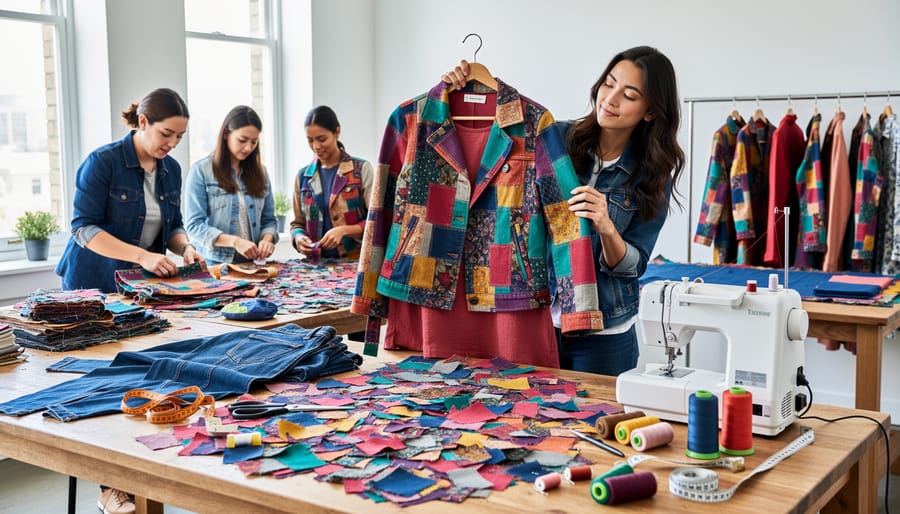
Australian fashion brands are proving that waste materials can become stylish, durable pieces you’ll love wearing. Several pioneering companies are leading this creative transformation right here at home.
Patagonia Australia partners with local initiatives to transform discarded fishing nets—a major ocean pollutant—into high-quality activewear and swimwear. These nets, which would otherwise entangle marine life for decades, get a second life as performance fabrics that rival conventional materials in durability and comfort.
Melbourne-based brands like Vege Threads and Citizen Wolf specialise in rescuing textile offcuts from factory floors, creating limited-edition clothing that reduces landfill while supporting local manufacturing. Meanwhile, companies such as Rarebird Goods craft unique handbags and accessories from retired billboard vinyl, giving each piece distinctive graphics and weatherproof properties that make them conversation starters.
What makes these upcycled fashion items particularly appealing is their one-of-a-kind nature. Unlike mass-produced recycled clothing, upcycled pieces often feature unique patterns, colours, and textures determined by their source materials. You’re not just reducing waste—you’re wearing something truly original while supporting Australian businesses committed to circular economy principles. Many of these brands also maintain transparent supply chains, letting you trace exactly where your purchase materials originated and the positive environmental impact of your choice.
Home and Furniture
Australian furniture makers are breathing new life into materials destined for landfill, creating stunning pieces that tell a story. In Melbourne and Sydney, craftspeople transform reclaimed timber from demolished warehouses into dining tables that become family centrepieces, while in Brisbane, salvaged railway sleepers find new purpose as rustic shelving units.
The beauty of upcycled furniture lies in its uniqueness—no two pieces are identical. Local businesses like Hurdle Furniture in Sydney craft outdoor settings from recycled plastic and timber, while Perth-based makers weld discarded metal pipes into industrial-style lighting fixtures. These aren’t just furniture items; they’re conversation starters that showcase what’s possible when creativity meets sustainability.
Homewares follow the same innovative spirit. Old wine barrels become bathroom vanities, vintage suitcases transform into quirky side tables, and reclaimed floorboards evolve into serving boards. When you choose upcycled home pieces, you’re supporting Australian artisans who prioritize craftsmanship over mass production, reducing demand for virgin materials while keeping functional items out of waste streams. Many makers operate through local markets and online platforms, making it easier than ever to furnish your home with pieces that genuinely make a difference.
Office and Tech Accessories
Australian innovators are breathing new life into electronic waste and industrial materials, creating surprisingly stylish office essentials. Melbourne’s Remarkable transforms industrial plastics destined for landfill into sophisticated desk organisers and pen holders, while Brisbane-based businesses are crafting laptop sleeves from rescued billboard vinyl that once advertised across our cities. Circuit boards from outdated computers become unique desk clocks and coasters, preserving the intricate patterns of our digital past. Sydney’s Officeworks now stocks notebooks with covers made from recycled coffee cups collected from CBD offices, connecting your morning flat white to your afternoon meeting notes. Perth enterprises are even turning old fire hoses into durable cable organisers and mouse pads. These products don’t just reduce e-waste heading to landfill—they spark conversations in workplaces about innovative waste solutions. By choosing upcycled tech accessories, you’re supporting Australian circular economy businesses while adding character to your workspace with items that have genuine stories behind them.
Supporting Local Makers and Social Enterprises
Across Australia, inspiring social enterprises and community workshops are transforming discarded materials into beautiful upcycled products while creating meaningful employment opportunities. Organisations like Reverse Garbage in Sydney and Brisbane rescue industrial offcuts and warehouse excess, making these materials accessible to artists and makers who breathe new life into them. Meanwhile, Indigenous-led initiatives such as Maranguka in Bourke are combining traditional knowledge with upcycled design, creating unique homewares and art pieces that tell powerful stories of culture and sustainability. Social enterprises like The Bower Reuse and Repair Centre in Sydney not only sell upcycled furniture and goods but also run workshops teaching communities valuable repair and upcycling skills. By choosing products from these makers, you’re supporting local jobs, preserving traditional crafts, and keeping materials out of landfill. These enterprises prove that sustainable shopping can strengthen community connections while making a genuine environmental difference.
How to Identify Genuine Upcycled Products
Questions to Ask Before You Buy
Before you invest in upcycled products, asking the right questions helps ensure you’re supporting genuine sustainable practices rather than clever marketing. Start by asking brands where their source materials come from. Legitimate upcyclers should happily share details about rescued textiles, reclaimed timber, or salvaged industrial materials. If answers seem vague, that’s a red flag.
Next, enquire about the transformation process. True upcycling involves creative redesign that adds value, not just basic cleaning and reselling. Ask what skills and techniques go into each piece—whether it’s carpentry, textile work, or creative engineering. Many Australian makers are proud to explain their craft and the time invested in each creation.
Don’t forget to ask about the product’s lifespan and end-of-life options. Quality upcycled items should be durable and, ideally, repairable. Can damaged pieces be fixed or further repurposed? Finally, ask if the business supports local communities or employs ethical practices. Many Australian upcycling enterprises work with social enterprises, indigenous artists, or local craftspeople, creating positive ripple effects beyond environmental benefits. These conversations not only verify authenticity but also connect you with the passionate people behind genuinely sustainable products.
Australian Certifications and Labels Worth Trusting
When choosing upcycled products in Australia, look for credible certifications that verify authentic sustainability claims. B Corp Certification stands out as a rigorous standard that evaluates a company’s entire social and environmental performance, not just their products. Australian upcycled businesses like Upparel and The Upcycle Movement have earned this distinction, demonstrating genuine commitment beyond marketing.
The Australian Circular Economy Hub provides resources to identify legitimate circular economy practitioners, while certifications like Environmental Choice Australia help distinguish quality products. However, some of the most trustworthy indicators come from transparent maker stories. Does the brand clearly explain where materials come from? Can you trace the transformation journey from waste to product?
Local makers often share detailed stories about rescuing materials from landfill, partnering with specific industries for waste streams, or collaborating with community workshops. This transparency builds trust more effectively than any label. Look for businesses that welcome questions, show their process through social media, and connect with broader sustainability networks across Australia.
Remember, authentic upcyclers are proud to share their origins and methods. If a brand’s sustainability claims feel vague or their sourcing mysterious, keep searching. Our Australian upcycling community is filled with passionate creators eager to prove their credentials through openness and connection.
Making the Switch: Incorporating Upcycled Products Into Your Life
Start Small: Easy Swaps for Everyday Items
Ready to dip your toes into upcycled living? The beauty of this journey is that you don’t need to overhaul everything at once. Start with items you’d replace anyway. Swap your standard shopping tote for an upcycled one made from repurposed fabric or billboards. Next time you need storage, choose containers crafted from reclaimed timber rather than buying new. Kitchen essentials like coasters, trivets, and utensil holders made from salvaged materials are brilliant conversation starters. Consider an upcycled phone case or laptop sleeve for everyday tech protection. Many Aussie makers also transform old bicycle inner tubes into wallets and bags. These practical swaps sit comfortably alongside second-hand products in your sustainable toolkit, but upcycled items offer unique character while keeping materials from landfill. The key is choosing one category, like homeware or accessories, and exploring what’s available locally before expanding your collection. You’ll quickly discover that small changes create meaningful ripples throughout your household.
Where to Shop for Upcycled Products in Australia
Finding upcycled treasures across Australia has never been easier, with a thriving community of makers and sellers championing creative reuse. Online, platforms like The Social Outfit in Sydney and Upparel connect you with fashion pieces transformed from rescued materials, while Remade in Australia showcases furniture and homewares given new life by talented artisans nationwide. For hands-on shopping experiences, visit dedicated upcycled boutiques popping up in Brisbane’s West End, Melbourne’s Fitzroy, and Perth’s Fremantle neighbourhoods.
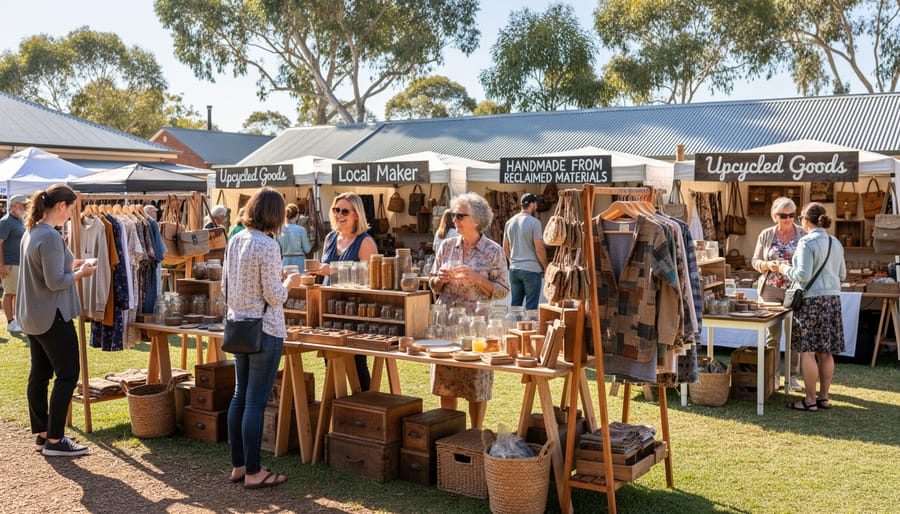
Community markets remain goldmines for discovering unique upcycled goods. Check out Finders Keepers markets touring major cities, or your local Trash and Treasure events where creative locals showcase their reimagined pieces. Many regional centres host monthly sustainability markets specifically featuring upcycled products alongside other eco-friendly goods.
Facebook Marketplace and Instagram have become unexpected hubs for Australian upcyclers, with makers sharing their latest transformations and taking custom orders. Search hashtags like #upcycledAustralia or #australianupcycle to discover local creators in your area. Don’t overlook community repair cafes and tool libraries either—these spaces often connect you with skilled upcyclers and host workshops where you can learn the craft yourself, strengthening our collective commitment to keeping materials in use longer.
Upcycled products represent more than just another purchasing option—they’re a powerful statement about the future we’re building together across Australia. When you choose an upcycled item, you’re supporting local artisans, reducing landfill waste, and breathing new life into materials that would otherwise be discarded. Your decision ripples outward, strengthening communities and proving that creative innovation can tackle environmental challenges head-on.
Make your next purchase count. Whether it’s furniture, fashion, or homewares, choosing upcycled means choosing a circular economy that benefits everyone. By cultivating a sustainable mindset and actively seeking out upcycled alternatives, you’re joining thousands of Australians who understand that individual choices drive collective transformation.
The power to reshape our environmental future sits in your hands. Every upcycled product purchased is a vote for sustainability, creativity, and community resilience. Together, we’re not just reducing waste—we’re reimagining what’s possible.