
Swap meat-heavy meals for plant-based alternatives three times per week to create an immediate calorie deficit without drastic lifestyle changes. Research from Australian health institutions shows vegetarians typically consume 300-500 fewer calories daily than meat-eaters, largely because plant foods contain more fibre and water, keeping you satisfied longer with fewer kilojoules. Track your protein intake through legumes, tofu, tempeh, and quinoa to maintain muscle mass during weight loss, aiming for 1.2-1.6 grams per kilogram of body weight.
Adopting a vegetarian diet delivers dual benefits that resonate deeply with Australians committed to sustainable living: measurable weight loss results alongside reduced environmental impact. Studies tracking over 12,000 participants reveal vegetarians lose an average of 2-3 kilograms more than omnivores over 18 weeks, even without calorie counting. The mechanism extends beyond simple calorie reduction. Plant-based eating patterns naturally improve gut microbiome diversity, enhance insulin sensitivity, and reduce inflammation, all factors that influence your body’s ability to shed excess weight.
The weight loss advantage strengthens when you focus on whole foods rather than processed vegetarian alternatives. Fill half your plate with colourful vegetables, one quarter with whole grains like brown rice or wholegrain pasta, and one quarter with plant proteins. This approach cuts through confusion about whether vegetarian diets work, offering both scientific validation and practical pathways forward for your health and our planet’s future.
The Science Behind Vegetarian Diets and Weight Loss
Lower Calorie Density, Higher Nutrient Intake
Here’s something many Australians discover when they shift toward plant-based eating: their plates get fuller, not emptier. It might seem counterintuitive, but vegetarian foods work with your body’s natural hunger signals rather than against them.
Plant-based whole foods have what nutritionists call lower calorie density. Simply put, you can fill your plate with substantial portions of vegetables, legumes, whole grains, and fruits without racking up the same calorie count as smaller servings of animal products. A hearty bowl of vegetable curry with brown rice and chickpeas might contain half the calories of a similar-sized meat-based meal, yet leave you equally satisfied.
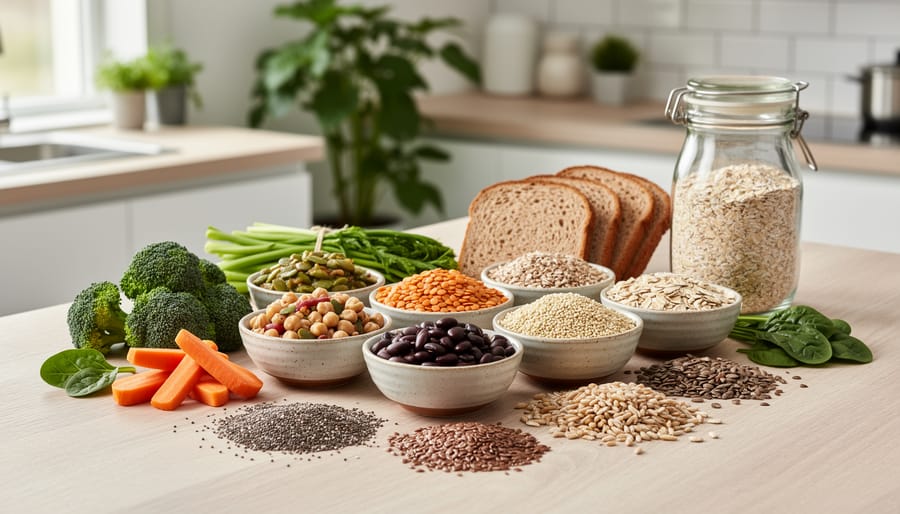
The secret lies in fiber. Australian-grown vegetables, lentils, and whole grains are naturally packed with dietary fiber, which takes longer to digest and keeps you feeling full between meals. This means you’re naturally eating fewer calories without the misery of portion control or constant hunger pangs.
Beyond just calories, plant foods deliver more nutrients per bite. Those vibrant vegetables at your local farmers market aren’t just supporting Australian growers; they’re delivering vitamins, minerals, and antioxidants that support your metabolism and overall wellbeing.
Communities across Australia are experiencing this firsthand. When you’re nourishing your body with nutrient-dense foods rather than calorie-dense options, weight loss often becomes a natural byproduct rather than a battle. You’re not depriving yourself; you’re simply crowding out less nutritious options with better choices that happen to support both your health goals and our planet’s future.

The Fiber Factor That Keeps You Fuller
Here’s a powerful advantage many Australians discover when shifting to plant-based eating: fiber becomes your secret weapon for sustainable weight loss. Unlike highly processed foods that leave you hungry an hour later, vegetarian diets naturally deliver 25-40 grams of fiber daily through wholegrains, legumes, vegetables, and fruits.
This fiber factor works in three remarkable ways. First, it physically fills your stomach, triggering satiety signals that help you feel satisfied with smaller portions. Second, fiber slows digestion, meaning your body releases energy gradually rather than spiking blood sugar levels that lead to energy crashes and cravings. Third, it supports the beneficial bacteria in your gut, which emerging research links to healthier weight management.
Consider this: communities across Australia embracing plant-forward eating report feeling fuller between meals without the afternoon energy slump. A bowl of lentil curry with brown rice or a hearty vegetable stir-fry keeps you satisfied far longer than a meat-heavy meal of similar calories.
The environmental bonus? Those fiber-rich plant foods require significantly fewer resources to produce, meaning every satisfying meal supports both your wellbeing and Australia’s precious ecosystems. It’s genuinely a win-win approach to eating well.
What Australian Research Tells Us
Australian research supports what many in our community already suspect about plant-based eating and weight management. A comprehensive study from the University of South Australia found that Australians following vegetarian diets typically have lower BMI scores compared to meat-eaters, with participants consuming more fiber and fewer energy-dense foods. Research published through the CSIRO also indicates that plant-based dietary patterns are associated with reduced obesity rates across Australian populations. What’s particularly encouraging is that these health benefits align perfectly with environmental outcomes. When researchers at Deakin University examined Australian eating patterns, they discovered that those who reduced meat consumption not only experienced better weight management but also significantly lowered their carbon footprint. This dual benefit creates a powerful incentive for communities across Australia to explore vegetarian options, knowing that the choice supports both personal wellbeing and our unique Australian environment.
Real Weight Loss Results: What to Expect
The First Month: Initial Changes
When you first transition to a vegetarian diet, you’ll likely notice changes within the first few weeks. Many Australians report losing between 1-3 kilograms in their initial month, though much of this comes from reduced water retention as you naturally consume less sodium and processed foods. Your body is adjusting to increased fibre intake, which can initially cause some bloating or digestive changes, but this typically settles as your gut adapts.
During this adjustment period, you might experience increased energy levels as you incorporate more whole plant foods, though some people feel temporarily fatigued as their body recalibrates. This is completely normal and usually passes within two to three weeks. The key is staying patient with yourself and your body.
You’ll probably notice you’re eating more frequently due to the lighter nature of plant-based meals, which actually helps maintain steady blood sugar levels and reduces cravings. Many people in Australian vegetarian communities share that meal planning becomes easier once you’ve established a repertoire of go-to recipes. Remember, this first month is about learning what works for your body while contributing to a more sustainable food system. The environmental benefits of your choice are immediate, even as your body gradually adapts to this positive change.
Long-Term Sustainable Results
The real success of a vegetarian diet isn’t just in those initial kilos shed—it’s in how effectively you can maintain your results over months and years. Research shows that people following plant-based eating patterns experience more sustainable weight loss compared to those on restrictive fad diets, with studies tracking participants over 12-18 months showing better weight maintenance among vegetarian eaters.
Why does this approach work long-term? Unlike crash diets that leave you feeling deprived and counting down to your “cheat day,” a well-planned vegetarian diet offers abundance and variety. You’re building new eating habits rather than simply restricting old ones, which is crucial for lasting change. This shift in mindset transforms weight management from a temporary ordeal into a sustainable lifestyle.
Australian communities are discovering this firsthand. Local groups like Plant Based Living Australia report that members who transition to vegetarian eating for environmental reasons often experience unexpected weight loss benefits that stick around precisely because weight loss wasn’t their only goal. When you’re motivated by multiple factors—personal health, animal welfare, and environmental impact—you’re more likely to persist through challenges.
The key is making sustainable dietary changes that fit your lifestyle rather than following rigid rules. Focus on adding nourishing plant foods you genuinely enjoy, connect with supportive communities, and remember that lasting results come from consistency, not perfection. This approach doesn’t just change your weight—it changes your relationship with food for good.
The Environmental Weight Loss Connection
How Your Food Choices Reduce Carbon Footprint
While you’re focused on the personal health benefits of vegetarian eating, there’s another compelling reason to celebrate your choice: the positive impact on our planet. In Australia, livestock production accounts for approximately 10% of our national greenhouse gas emissions, with beef cattle being the largest contributor within the agricultural sector.
Here’s the reality – producing one kilogram of beef generates roughly 27 kilograms of carbon dioxide equivalent, compared to just 2 kilograms for the same amount of lentils or chickpeas. For Australians, reducing meat consumption even a few times per week creates measurable environmental benefits.
When you swap a beef-based meal for a plant-based alternative, you’re not just supporting your weight loss journey; you’re significantly reducing water usage too. Australian beef production requires approximately 15,000 litres of water per kilogram, while vegetables and legumes need a fraction of that amount.
The encouraging news is that many Australian communities are already embracing this shift. From Meatless Monday initiatives in Melbourne cafes to plant-based options becoming standard in Sydney restaurants, we’re witnessing a collective movement toward sustainable eating. Your individual choices contribute to this larger story of environmental stewardship. Every vegetarian meal is a vote for a healthier planet, proving that what’s good for your waistline can simultaneously benefit the environment we all share.
Local, Seasonal Vegetarian Eating in Australia
Choosing a vegetarian diet for weight loss doesn’t have to mean importing exotic superfoods from halfway around the world. In fact, embracing Australian-grown plant foods creates a powerful connection between your health goals and environmental impact. When you fill your plate with vegetables, fruits, legumes and grains from local farms, you’re supporting Australian growers while dramatically reducing the carbon emissions associated with food transportation.
Local and seasonal eating naturally guides you toward the freshest, most nutrient-dense produce available. Summer brings vibrant tomatoes, zucchini and stone fruits perfect for light meals that support weight management. Winter offers hearty root vegetables, leafy greens and citrus fruits that create satisfying, warming dishes without excess calories. This seasonal rhythm not only delivers better flavour and nutrition but often means better prices too.
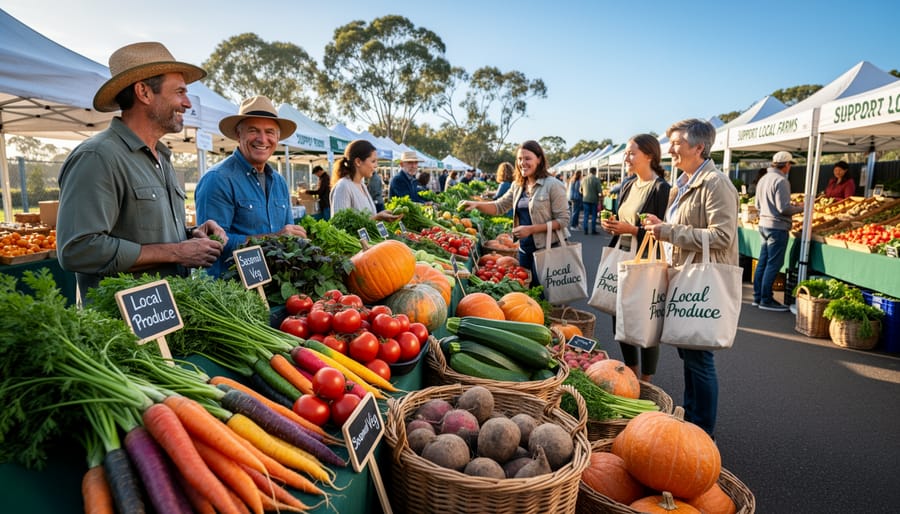
Australian farmers’ markets have become thriving community hubs where you can discover heritage vegetables, connect with growers, and learn preparation tips that make plant-based eating more enjoyable. Many regions now offer community-supported agriculture programs where you receive regular boxes of seasonal produce, eliminating the guesswork from meal planning while ensuring variety in your diet.
By choosing locally grown plant foods, you’re participating in a food system that benefits your waistline, your wallet, and the Australian environment. It’s a practical approach that transforms weight loss from a solitary challenge into a community-minded journey toward better health.
Making It Work: Practical Tips for Australian Vegetarians
Stocking Your Pantry with Australian Staples
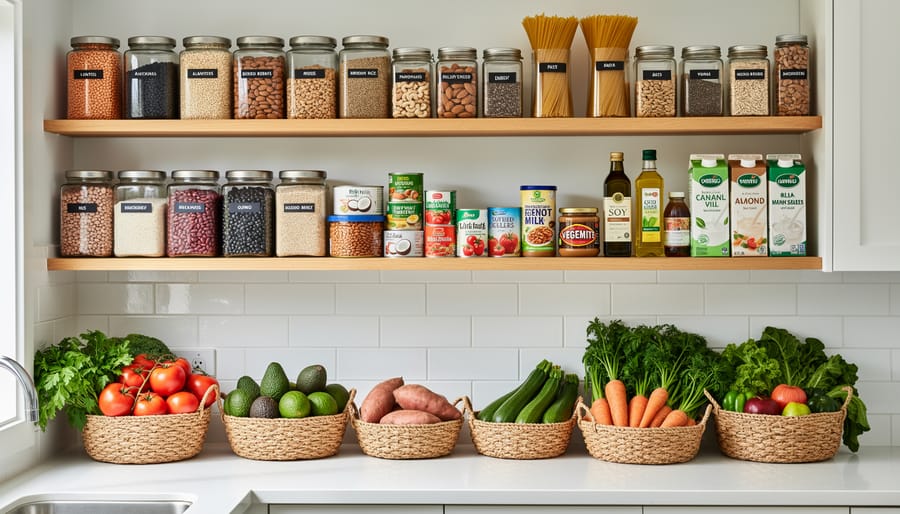
Making the switch to a vegetarian diet doesn’t require exotic ingredients or expensive specialty stores. Australian supermarkets stock everything you need to support both your weight loss journey and our planet’s wellbeing. Start with affordable pantry essentials like dried lentils, chickpeas, and beans, which Coles and Woolworths sell for just a few dollars per kilo. These protein powerhouses keep you satisfied while being incredibly budget-friendly.
Fresh produce from local markets offers seasonal vegetables at lower prices than major chains, and you’re supporting Australian growers in the process. Look for versatile staples like sweet potato, pumpkin, and leafy greens. Quinoa and brown rice provide wholesome grains, while Australian-grown oats make perfect breakfasts.
Don’t overlook budget-friendly plant proteins like tofu, tempeh, and eggs if you’re including dairy. Aldi’s plant-based range has become increasingly affordable, making sustainable eating accessible to more Australians. Tinned tomatoes, frozen vegetables, and dried herbs round out a practical pantry that supports your health goals without straining your wallet. By choosing these accessible options, you’re joining a growing community of Australians proving that vegetarian eating can be both economical and effective for weight management.
Meal Planning That Actually Fits Your Life
The beauty of vegetarian eating for weight loss is that it doesn’t require rigid meal plans or complicated calculations. Instead, think of it as a flexible framework that adapts to your actual life.
Start by building a simple rotation of five to seven go-to meals you genuinely enjoy. This might be a hearty lentil bolognese for Monday, a Buddha bowl on Tuesday, or weekend tofu scrambles. Having these reliable favourites removes decision fatigue while keeping things interesting. Many Australians find batch-cooking grains and legumes on Sunday sets them up for quick weeknight assembly.
Rather than following strict portion rules, focus on filling half your plate with vegetables, a quarter with plant proteins like beans or tempeh, and a quarter with wholegrains. This naturally creates a satisfying, lower-calorie meal without feeling restrictive.
Keep your pantry stocked with staples like tinned chickpeas, brown rice, quinoa, and frozen vegetables. These items make it easy to throw together nutritious meals even when fresh shopping hasn’t happened. Local community gardens and farmers markets across Australia offer fantastic seasonal produce that keeps meals varied and connected to what’s actually growing.
The goal isn’t perfection but consistency. When vegetarian eating feels doable and enjoyable within your routine, it becomes sustainable for both your health goals and our environment.
Avoiding Common Vegetarian Weight Loss Pitfalls
While a vegetarian diet can support weight loss, many Australians switching to plant-based eating encounter some avoidable stumbling blocks. Understanding these common pitfalls will help you succeed on your health and sustainability journey.
One frequent mistake is replacing meat with heavily processed vegetarian alternatives. Those convenient veggie burgers, mock meats, and packaged snacks often contain high levels of sodium, refined oils, and hidden sugars that can actually hinder weight loss. Instead, focus on whole foods like legumes, vegetables, and whole grains that nourish your body while treading lightly on the planet.
Another challenge is inadequate protein intake. Without proper planning, you might find yourself feeling constantly hungry or losing muscle mass rather than fat. Australian-grown sources like chickpeas, lentils, quinoa, and nuts provide excellent protein while supporting local farmers. Many communities across Australia now run plant-based cooking workshops where you can learn to prepare protein-rich meals that satisfy.
Refined carbohydrates present another trap. Simply reducing dairy intake and meat but loading up on white bread, pastries, and sugary cereals won’t deliver the results you’re seeking. These foods spike blood sugar and leave you craving more, creating a counterproductive cycle.
The good news? Recognizing these pitfalls means you’re already ahead. By choosing whole, minimally processed plant foods and connecting with others on similar journeys, you’ll achieve your weight loss goals while contributing to a healthier environment for all Australians.
Community and Support: You’re Not Alone
Transitioning to a vegetarian diet for weight loss doesn’t mean going it alone. Across Australia, vibrant communities are making plant-based eating easier, more enjoyable, and genuinely sustainable. Whether you’re in Melbourne, Sydney, Brisbane, or regional areas, you’ll find supportive networks that understand both your health goals and environmental values.
Local farmers’ markets have become community hubs where you can connect with growers, discover seasonal produce, and share recipe ideas with like-minded people. Many markets now feature vegetarian cooking demonstrations and workshops that make meal planning less daunting. Organizations like Vegetarian Victoria and Australian Vegetarian Society offer resources, events, and practical guidance tailored to our unique food landscape and climate considerations.
Community gardens are flourishing in suburbs and cities nationwide, providing hands-on learning opportunities while reducing food miles. These spaces create genuine connections between people working toward healthier lifestyles and lower environmental footprints. You’ll often find experienced vegetarians happy to share their weight loss journeys and favourite protein-rich recipes that use Australian-grown ingredients.
Online platforms and social media groups dedicated to Australian plant-based living provide daily inspiration, from budget-friendly shopping tips at Woolworths and Coles to navigating vegetarian options at local cafes. Many workplace wellness programs now include plant-based eating challenges, turning individual health goals into collective action.
Remember, every person choosing more plant-based meals contributes to reducing Australia’s agricultural emissions while improving their own wellbeing. That’s something worth celebrating together.
Whether you’re looking to shed a few kilos or simply feel better in your body, a vegetarian diet can absolutely support your weight loss journey while giving our planet a helping hand. The beauty of plant-based eating is that it doesn’t have to be all-or-nothing. Every meatless Monday, every veggie-packed lunch, every swap from beef to beans contributes to your health and reduces your environmental footprint. Across Australia, communities are discovering that this shift isn’t about deprivation, it’s about abundance, variety, and feeling genuinely good about the choices on your plate.
The evidence is clear: vegetarian diets can help you lose weight when approached mindfully, with plenty of whole foods, vegetables, and legumes. But perhaps the most powerful part is knowing that as you nourish yourself, you’re also supporting a more sustainable food system for future generations. Start wherever you are. Try one new plant-based recipe this week, connect with others in your community making similar changes, and celebrate each step forward. Your journey matters, and you’re not alone in it.