
Community engagement fails most often not from lack of passion, but from missing the foundational principles that transform good intentions into lasting change. Across Australia, from Bundaberg’s waste reduction initiatives to Melbourne’s urban greening projects, successful sustainability movements share common threads—structured approaches that unite diverse voices, build genuine trust, and create momentum that outlasts initial enthusiasm.
The challenge facing environmental advocates today isn’t finding people who care about climate action, biodiversity loss, or sustainable living. It’s converting that care into coordinated effort that survives beyond Facebook posts and occasional beach cleanups. Traditional top-down approaches leave communities feeling consulted rather than empowered, while purely grassroots movements often stumble without clear frameworks to guide decision-making and maintain participation.
These nine principles offer something different: a practical blueprint drawn from decades of successful community-led environmental projects. They acknowledge the unique rhythms of Australian communities—our connection to Country, our regional diversity, and our capacity for collective action when given proper structure and respect. Whether you’re launching a community garden in suburban Sydney, advocating for renewable energy in regional Queensland, or organizing climate action groups in Tasmania, these principles provide the scaffolding for meaningful engagement.
What makes these principles powerful isn’t their complexity—it’s their universality combined with flexibility. They work equally well for Indigenous land management projects and council sustainability committees, for established environmental organizations and neighbours gathering around a shared concern. They recognize that authentic community engagement isn’t a checkbox exercise but an ongoing relationship built on transparency, inclusivity, and mutual respect.
The path from isolated concern to collective impact begins here.
What Makes Community Engagement Different in Sustainability Work
Sustainability projects face a distinct challenge that sets them apart from typical community initiatives: they’re asking people to change deeply ingrained behaviours for benefits that often feel distant or abstract. Unlike a new playground or community centre where results are immediate and visible, environmental projects require trust in long-term outcomes and collective action where individual contributions can feel like drops in the ocean.
Australia’s unique landscape adds another layer of complexity. A water conservation campaign that resonates with drought-affected communities in regional New South Wales might feel irrelevant to those in tropical Far North Queensland. Indigenous communities bring thousands of years of land stewardship knowledge that deserves recognition and integration, while recent migrants may prioritise different environmental concerns based on their experiences. This cultural and geographical diversity means one-size-fits-all engagement approaches simply don’t work.
Traditional engagement methods often fall short because they treat community input as a box-ticking exercise rather than genuine partnership. We’ve all seen it: a council holds a single consultation meeting at 2pm on a Tuesday, wonders why only retirees attend, then claims they’ve engaged the community. For sustainability work, this transactional approach is particularly damaging because environmental projects demand sustained commitment, not just initial approval.
The long-term nature of sustainability work requires building relationships that endure beyond project launches. Planting trees today means nurturing them for years. Establishing composting programs means ongoing education and support. Transitioning to renewable energy involves sustained community buy-in through implementation challenges. These aren’t quick wins; they’re marathons requiring communities to stay connected and motivated through setbacks and slow progress.
That’s why sustainability projects need engagement built on different foundations: genuine co-design, cultural sensitivity, patience for diverse timelines, and recognition that environmental stewardship connects to identity, culture, and daily life in deeply personal ways. When we understand these unique requirements, we can move beyond superficial consultation toward the meaningful partnerships that actually create lasting change.
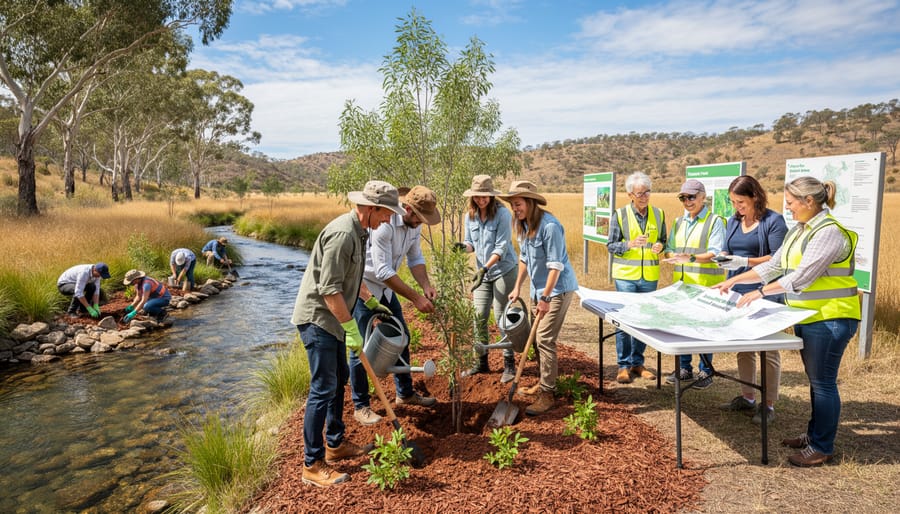
The 9 Principles That Transform Community Sustainability Projects
Principle 1: Start Where Your Community Actually Is
Effective community engagement begins with understanding where people are right now, not where we hope they’ll be. This means assessing your community’s current knowledge, resources, and priorities before launching any sustainability initiative.
In coastal Sydney suburbs, for example, ocean plastic pollution often resonates immediately because residents see it firsthand during beach walks. Starting community restoration projects with beach cleanups creates instant connection. Meanwhile, inland communities in regional New South Wales might be more concerned with water security and drought resilience, making rainwater harvesting workshops a natural entry point.
The key is listening first. A council in rural Queensland discovered this when their composting program initially struggled. After conversations with residents, they learned many households already had large properties for green waste but needed help with native plant selection for their gardens. By pivoting to address actual needs rather than assumed ones, participation tripled.
Urban communities in Melbourne’s high-rise apartments face different realities again. Balcony gardens and shared rooftop spaces prove more relevant than backyard permaculture. Successful engagement acknowledges these distinctions without judgment, building trust by showing you understand and respect their starting point, whatever that may be.
Principle 2: Build Trust Before You Build Programs
Before launching any sustainability initiative, pause and invest time in building genuine relationships. Trust is the foundation that transforms good ideas into lasting community change, yet it’s often the step groups rush past in their eagerness to make an impact.
Australian communities that excel at engagement understand this deeply. The Landcare groups across regional Australia didn’t achieve their conservation success overnight. They spent months attending local gatherings, listening to farmers’ concerns, and demonstrating respect for existing land management knowledge before introducing new practices. This patient approach created partnerships that have endured for decades.
Transparency builds trust faster than perfection ever will. When the City of Melbourne launched its urban forest strategy, they openly shared both successes and setbacks with residents, creating authentic dialogue rather than polished presentations. Communities appreciate honesty about challenges and limitations.
Consistency matters enormously. Show up repeatedly, not just when you need volunteers or support. Regular presence at community events, prompt responses to questions, and following through on commitments demonstrate your genuine investment in the community’s wellbeing.
Cultural sensitivity requires particular attention, especially regarding Indigenous community engagement. This means acknowledging Traditional Owners, seeking permission and guidance, understanding that relationship-building follows different timelines, and recognizing that listening comes before proposing solutions. Rushing this process damages relationships and undermines your initiative before it begins.
Remember, trust isn’t a box to tick but an ongoing commitment that shapes everything you do.
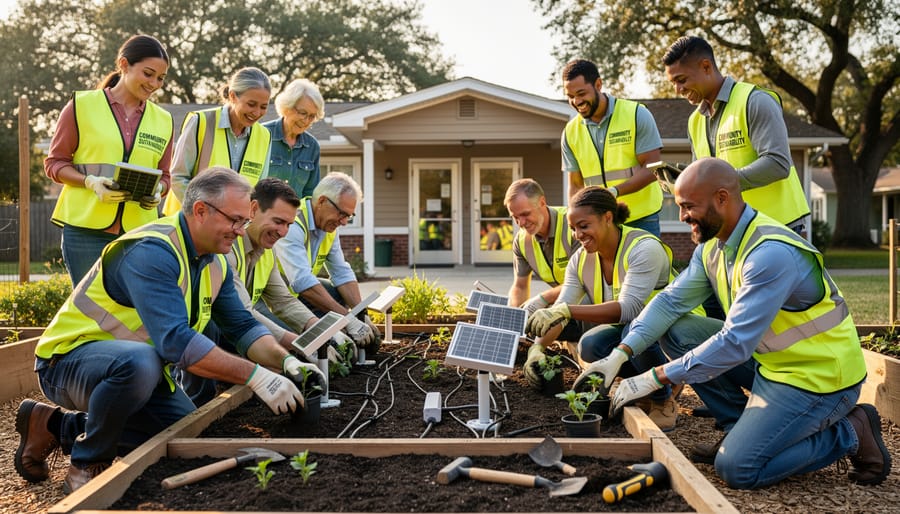
Principle 3: Make Participation Easy and Visible
The easier you make participation, the more people will get involved. Start by creating multiple entry points that meet people where they are. Not everyone can commit to leading a working bee, but they might share a social media post, donate materials, or attend a single event.
Keep Coast Kids Clean in Byron Bay exemplifies this beautifully. They offer beach clean-ups ranging from 30-minute morning sessions to full-day events, ensuring families, workers, and retirees can all contribute. Their public Instagram feed celebrates every participant, creating a ripple effect of engagement.
Visibility matters enormously. When people see their neighbours taking action, they’re more likely to join. Create simple recognition systems like volunteer spotlights in newsletters, thank-you posts on social platforms, or community boards displaying collective achievements.
Remove practical barriers too. Provide clear instructions, necessary equipment, and flexible timing. Landcare groups across Australia have mastered this by offering weekend and weekday options, supplying gloves and tools, and creating beginner-friendly tasks. You can join a revegetation group near you to see this approach in action.
Make the first step ridiculously simple. Melbourne’s 3000Acres community garden network invites people to “just come and chat” before asking for any commitment. This low-pressure approach converts curious observers into dedicated volunteers, building your community one comfortable conversation at a time.
Principle 4: Share Power and Decision-Making
Genuine partnership means letting go of the steering wheel and building something together. When communities have real decision-making power, not just token consultation, extraordinary things happen.
Traditional top-down approaches often miss the mark because they’re solving problems as outsiders see them, not as communities experience them. Co-design flips this around. It means sitting alongside community members from day one, identifying priorities together, and sharing ownership of both the process and outcomes. Everyone brings expertise to the table – project managers bring resources and technical know-how, while community members bring lived experience and deep local knowledge.
In Melbourne’s Merri Creek area, residents didn’t just participate in rehabilitation planning; they led it. Council staff provided support, but community groups determined which sections needed urgent attention, which native species to prioritise, and how to manage ongoing maintenance. The result? Over two decades of sustained engagement and a thriving urban ecosystem that locals fiercely protect.
Similarly, Western Sydney’s Cool Streets program succeeded because community members co-designed solutions to urban heat. Rather than councils deciding where trees should go, residents mapped their neighbourhoods, identified heat hotspots affecting vulnerable neighbours, and selected appropriate species. This shared ownership meant 95% of plantings survived – far exceeding typical rates.
When you share power authentically, you’re not weakening your project; you’re multiplying its strength through collective ownership and commitment.
Principle 5: Connect to What People Already Care About
The most effective environmental campaigns don’t ask people to care about new things—they connect sustainability to values already deeply held. Rather than leading with polar ice caps or carbon emissions, successful community engagement starts with conversations about what matters most to your neighbours right now.
Consider a Western Sydney community group that struggled to generate interest in renewable energy until they reframed their message. Instead of discussing climate targets, they highlighted how solar installations could slash electricity bills by hundreds of dollars annually—a message that resonated powerfully with families facing cost-of-living pressures. The same technology, but connected to existing financial concerns.
This principle works across diverse groups. Parents respond to cleaner air improving children’s health. Coastal communities connect with protecting beaches they’ve loved for generations. Small business owners engage when sustainability translates to reduced operating costs and stronger customer loyalty.
The key is authenticity. A Tasmanian fishing cooperative successfully advocated for marine protection not through abstract environmental rhetoric, but by connecting conservation to maintaining their livelihood and heritage for future generations. They spoke their community’s language.
Listen first to understand what drives your community—whether it’s health, economy, heritage, or family. Then show how sustainable practices serve those existing values. This isn’t manipulation; it’s building genuine bridges between environmental action and the priorities that already motivate people to act.
Principle 6: Create Spaces for Social Connection
Here’s the truth that many well-intentioned environmental groups miss: people don’t just show up for the planet—they show up for each other. The most successful community sustainability initiatives in Australia understand that environmental outcomes flourish when genuine human connection comes first.
Take Melbourne’s CERES Community Environment Park, where volunteers don’t just tend vegetables—they share morning tea, swap gardening stories, and celebrate harvests together. The gardens thrive because relationships do. Similarly, repair cafés popping up across Sydney and Brisbane have discovered that fixing broken toasters becomes secondary to the conversations happening over tea while locals learn new skills from their neighbours.
The Bondi to Manly Swim Club demonstrates this principle beautifully. While ocean conservation drives their mission, it’s the post-swim coffees and shared stories about marine life that keep members coming back week after week. They’ve created a community where environmental stewardship feels less like obligation and more like belonging.
When designing your sustainability initiative, build in these connection points deliberately. Schedule time for informal chats before meetings. Create opportunities for shared meals. Celebrate small wins together. Remember that people protect what they love, and they love communities where they feel genuinely connected. The environmental impact you’re seeking will follow naturally when relationships form the foundation.
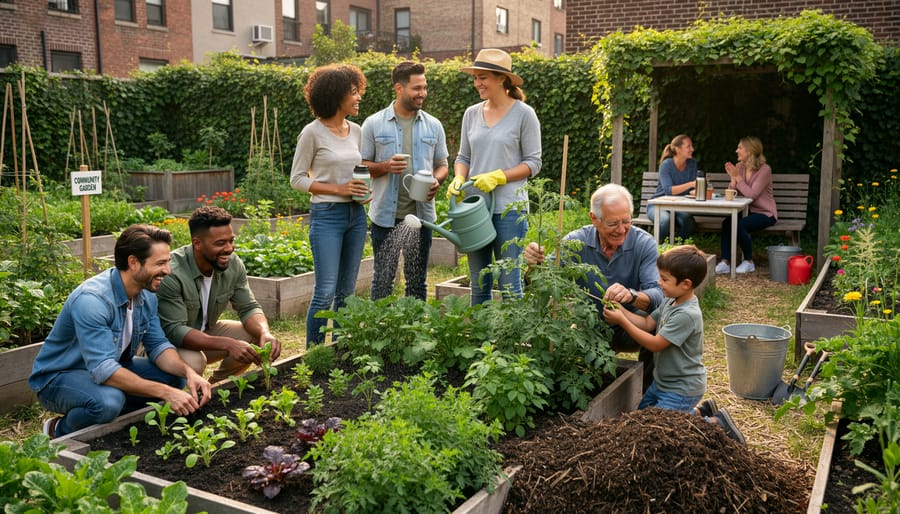
Principle 7: Celebrate Progress Over Perfection
Let’s be honest: perfection in sustainability is a myth that keeps too many Australians stuck on the sidelines. The truth is, a community taking small, consistent steps forward creates far more impact than one frozen by the fear of not doing enough.
Eco-anxiety and perfectionism are real barriers to action. When we fixate on achieving zero waste or carbon neutrality overnight, we often end up doing nothing at all. Instead, celebrate every reusable coffee cup, every car-pooling arrangement, every native plant added to your neighbourhood.
Take the Sunshine Coast’s Plastic Free Noosa initiative. They didn’t transform their entire region in one go. They started with five businesses committing to reduce single-use plastics. Three years on, over 100 businesses have joined, diverting thousands of kilograms from landfill. Progress, not perfection.
Similarly, Western Sydney’s community gardens began with one neglected council plot and a handful of volunteers. Today, they’re a network of twelve thriving gardens feeding hundreds of families while building soil health and community connections.
Acknowledge every win, no matter how small. Share success stories within your group. When someone brings their own container to the farmers market or organizes a neighbourhood swap, that deserves recognition. These incremental changes build momentum, create new habits, and inspire others to join in. Remember: collective imperfect action beats individual perfection every time.
Principle 8: Learn and Adapt Together
No sustainability initiative gets it perfect from day one, and that’s actually a good thing. The communities making the biggest environmental impact are those willing to experiment, learn from missteps, and adapt their approach based on real-world feedback.
Creating feedback loops transforms community engagement from a one-way broadcast into an ongoing conversation. This means regularly checking in with participants, measuring outcomes honestly, and being prepared to pivot when something isn’t working. It requires humility and flexibility, but these qualities build trust and resilience within your community.
The Merri Creek Management Committee in Melbourne exemplifies this principle beautifully. What began as a simple creek cleanup evolved dramatically over three decades as they listened to community input. Indigenous knowledge holders shared insights about native vegetation, which shifted planting strategies. Local residents flagged accessibility issues, prompting new pathway designs. Scientists monitoring water quality identified emerging threats, leading to updated protection methods. Today, it’s a thriving ecosystem restoration project precisely because the organizers remained open to learning and changing course.
Similarly, Brisbane’s community composting hubs adjusted their operations after initial participants found collection schedules impractical for shift workers. By surveying users and trialling different approaches, they created flexible systems that dramatically increased participation.
Document what works and what doesn’t. Share these learnings with other groups. When communities embrace adaptation as part of the journey rather than a sign of failure, everyone’s sustainability efforts become stronger and more effective.
Principle 9: Plan for the Long Haul
The most inspiring community initiatives aren’t flashes in the pan—they’re built to last. Genuine transformation requires thinking beyond the initial excitement and creating structures that keep people engaged for years, not months.
Start by documenting everything. When passionate founders move on (and they will), institutional knowledge shouldn’t disappear with them. Melbourne’s CERES Community Environment Park has thrived for over 40 years partly because they’ve maintained clear processes, training materials, and handover procedures that allow new volunteers and staff to step in seamlessly.
Prevent burnout before it happens. Rotate leadership responsibilities, celebrate small wins regularly, and build in rest periods. The Landcare movement across Australia demonstrates this beautifully—local groups schedule seasonal activities that align with natural rhythms, preventing volunteer exhaustion while maintaining momentum.
Create entry points for different commitment levels. Not everyone can dedicate every weekend, but most can contribute something. Successful waterway protection initiatives often offer everything from monthly clean-ups to quarterly planning meetings, letting people participate meaningfully within their capacity.
Establish mentoring programs that pair experienced members with newcomers. Adelaide’s community gardens have mastered this approach, ensuring knowledge transfer while building relationships that strengthen community bonds. When people feel personally connected and see their role in the bigger picture, they stick around for the journey ahead.
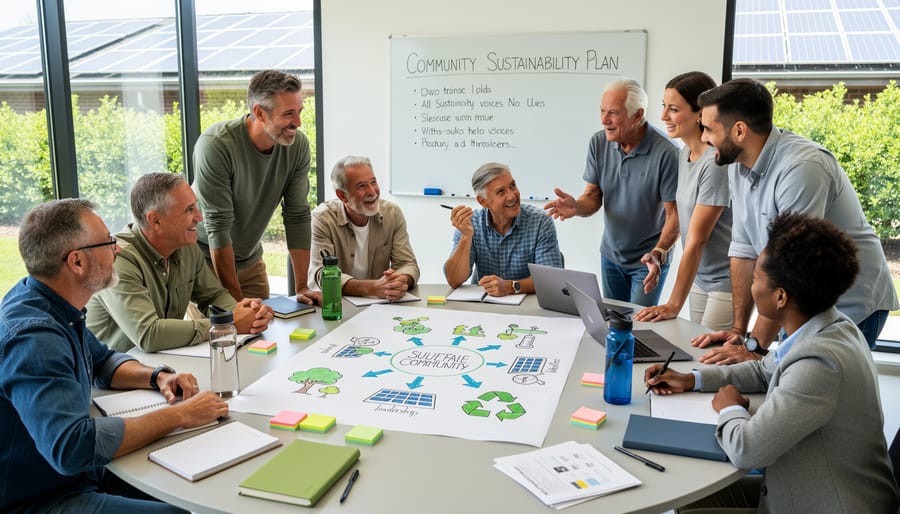
Putting These Principles Into Practice in Your Community
Ready to transform your community engagement approach? The beauty of these nine principles is that you don’t need to implement them all at once. Think of them as building blocks rather than a checklist to tick off in one go.
Start by conducting a simple audit of your current efforts. Gather your team around a cuppa and honestly assess where you stand with each principle. Rate yourself from one to five on inclusivity, transparency, cultural sensitivity, and the rest. This snapshot reveals your strengths and highlights where to focus your energy first. A Landcare group in regional Victoria used this approach and discovered they excelled at relationship building but needed work on accessibility, prompting them to add transport options for members without cars.
For smaller communities or those just beginning, pick three principles that resonate most with your specific context. A coastal town in Queensland focusing on reef protection might prioritise transparency, empowerment, and responsiveness when engaging local fishing communities. Start with listening sessions at the local pub or community centre, creating spaces where everyone feels comfortable sharing their perspectives.
Larger metropolitan initiatives can layer principles progressively. Begin with inclusivity and transparency as your foundation, then build in cultural sensitivity and shared purpose as your engagement deepens. Melbourne’s inner-city sustainability networks often use this staged approach when promoting sustainable practices across diverse neighbourhoods.
Your first practical step? Schedule a yarning circle or community conversation within the next fortnight. Keep it informal, perhaps over a shared meal featuring local produce. Ask open questions about what sustainability means to your community and truly listen to the responses. Document what you hear without filtering through your own assumptions.
Remember, authentic community engagement is a marathon, not a sprint. Each conversation, each inclusive decision, and each relationship built strengthens the foundation for lasting environmental action. The principles work together synergistically, creating momentum that transforms both projects and communities.
Effective community engagement isn’t a destination you reach—it’s the ongoing heartbeat of meaningful sustainability outcomes. These nine principles aren’t boxes to tick off your list, but living practices that deepen with time and intention. When communities across Australia genuinely listen, build trust, and share power, remarkable transformations unfold. The neighbourhood composting hub becomes a social connector. The local renewable energy project sparks economic opportunity. Each conversation, each collaboration, creates ripples that extend far beyond what you can immediately see.
Your efforts matter more than you know. This month, choose just one principle that resonates with you. Perhaps it’s creating more inclusive spaces for First Nations voices, or maybe it’s improving how you communicate progress to your community. Start small, stay consistent, and trust that your commitment to genuine engagement is planting seeds that will grow into the resilient, sustainable communities we all need. The work begins with you, but it belongs to all of us together.