
Your commitment to sustainable eating matters most when it endures beyond initial enthusiasm. Like thousands of Australians who’ve started with good intentions only to drift back to old patterns within weeks, you’ve likely discovered that knowing what to do and actually doing it consistently are entirely different challenges. The gap between environmental values and daily food choices creates a particular strain in our fast-paced, convenience-driven culture.
Diet sustainability isn’t about perfect adherence to rigid rules or eliminating every environmentally questionable food from your pantry overnight. It’s the practice of maintaining eating patterns that genuinely reduce environmental impact while fitting realistically into your actual life, not an idealised version of it. When a Sydney teacher shifts to mostly plant-based meals during the week while still enjoying weekend barbecues, that’s sustainable. When a Melbourne family commits to farmers’ markets twice monthly rather than attempting weekly trips they can’t maintain, that’s sustainable. The difference lies in designing systems that work with your constraints rather than against them.
Australian conditions present unique opportunities and obstacles. Our distance from global supply chains, seasonal variations, and urban sprawl all influence what sustainable eating actually looks like here. You’re navigating higher costs for organic produce, limited access to package-free stores in regional areas, and social pressures around traditional meat-centered meals. These aren’t excuses, they’re real factors requiring practical solutions rather than imported advice from northern hemisphere food cultures.
This article provides a framework grounded in what actually works for Australians maintaining eco-friendly eating habits long-term. You’ll discover how to build flexible systems, overcome common pitfalls specific to our context, and create lasting change without the burnout that comes from unsustainable perfectionism.
What Makes a Diet Actually Sustainable?
The Environmental Side: Food’s Real Impact in Australia
Australia’s food system has a significant environmental footprint that might surprise you. Our nation accounts for around 14-16% of total greenhouse gas emissions from food production, with livestock farming being the biggest contributor. Beef and dairy cattle, in particular, generate methane emissions that far exceed those from other protein sources, making reducing meat consumption one of the most impactful changes we can make.
Water usage presents another challenge in our sun-scorched continent. Agriculture consumes approximately 70% of Australia’s water resources, with animal agriculture being particularly thirsty. A single kilogram of beef requires around 15,000 litres of water to produce, compared to just 1,800 litres for wheat.
Then there’s the waste. Australian households throw away roughly 3.1 million tonnes of food each year, equivalent to about 312 kilograms per person. That’s like tossing out one in five grocery bags before the food even reaches our plates. This waste doesn’t just disappear. When it breaks down in landfill, it releases methane, a greenhouse gas 25 times more potent than carbon dioxide.
The good news? Understanding these impacts empowers us to make different choices. Every meal is an opportunity to reduce our environmental footprint, and small shifts across millions of Australian households add up to meaningful change for our unique landscape and ecosystems.
The Personal Side: Why Willpower Isn’t Enough
Meet Sarah from Melbourne, who lasted exactly three weeks on her “zero-waste” eating journey before finding herself in the Woolies ready-meal aisle at 8pm on a Tuesday. Sound familiar? You’re not alone, and it’s not about lacking willpower.
The truth is, sustainable eating faces real obstacles that have nothing to do with personal discipline. Cost tops the list for many Australian families. When organic produce costs 30-50% more than conventional options, and specialty eco-stores aren’t exactly budget-friendly, choosing sustainability can feel like a luxury. Add to this the reality that many regional and remote communities simply don’t have access to farmers markets or bulk food stores that make sustainable eating easier.
Then there’s the social dimension. Australian culture revolves around barbecues, pub meals, and quick coffee catch-ups. Suggesting a BYO container at your local café or declining your nan’s famous pavlova because you’re reducing food miles can feel awkward, isolating even. These aren’t trivial concerns; they’re genuine barriers that deserve acknowledgment.
Time poverty hits hard too. Between work, family, and life’s demands, spending hours meal planning and cooking from scratch isn’t realistic for everyone. When you’re exhausted, that pre-packaged meal isn’t a moral failing, it’s survival.
Understanding these barriers isn’t making excuses; it’s recognizing that systemic change requires both individual action and community support. The good news? You don’t need perfection. Small, consistent changes that fit your actual life create lasting impact, and there’s a growing community of Australians figuring this out together.
The Three Pillars of Diet Sustainability That Actually Work
Pillar 1: Flexibility Over Perfection
Here’s the truth many of us discover the hard way: strict dietary rules feel virtuous initially, but they’re actually setting us up for failure. When we tell ourselves we must never buy imported tomatoes or always choose organic, we create an all-or-nothing mindset that crumbles the moment real life intervenes.
Think about the last barbecue you attended. Perhaps someone proudly grilled grass-fed beef alongside mass-produced sausages, and you felt torn between enjoying the social moment and maintaining your sustainable eating standards. This internal conflict is exhausting, and it’s precisely why rigid approaches don’t last.
The reality is that sustainable eating isn’t about perfection. It’s about creating habits flexible enough to survive Melbourne cafe brunches, weekend barbies, and those nights when you’re simply too exhausted to check every label. This is where the 80/20 approach becomes transformative for plant-based eating and broader sustainable choices.
Rather than aiming for flawless adherence, focus on making sustainable choices 80 percent of the time. This might mean prioritising local produce for your weekly shop while accepting that your workplace farewell lunch will involve whatever’s available. It means choosing Australian-grown vegetables when possible, but not feeling defeated when budget constraints or availability mean compromising occasionally.
Flexibility also accommodates varying budgets. Sustainable eating doesn’t require shopping exclusively at farmers markets or buying premium organic products. Sometimes the most sustainable choice is simply reducing food waste by using what you already have, choosing seasonal Australian produce from your regular supermarket, or batch-cooking to avoid takeaway packaging.
The key is building practices that bend rather than break, creating lasting change through consistent, imperfect action rather than brief periods of unsustainable perfection.
Pillar 2: Local and Seasonal as Your Foundation
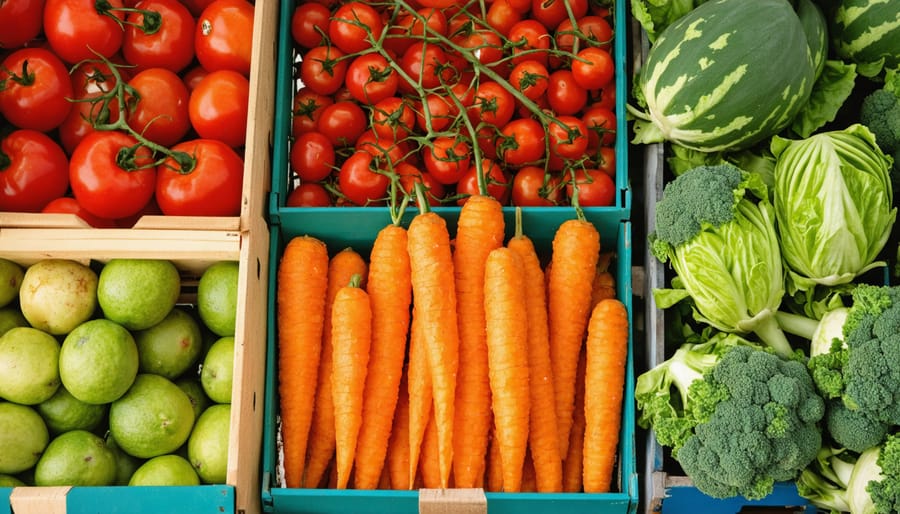
Imagine walking through your local farmers market on a Saturday morning, basket in hand, chatting with the farmer who grew your carrots just 30 kilometres away. This simple act forms the backbone of truly sustainable eating, and it’s more achievable across Australia than you might think.
Buying local and seasonal dramatically reduces your food’s carbon footprint by cutting down transport emissions and cold storage requirements. When you purchase asparagus in September or mangoes in January, you’re eating food at its nutritional peak, grown naturally without the resource-intensive processes needed to produce out-of-season crops. Plus, you’re supporting Australian farmers who maintain our agricultural diversity and food security.
Starting this practice is easier than you’d expect. Most Australian capital cities and regional centres host weekly farmers markets where you can connect directly with growers. Search online for markets near you or check community noticeboards at local cafes and libraries. Many regions also have farm gate trails, allowing you to visit producers directly and often score better prices.
Understanding what’s in season takes time, but start simple. Download a seasonal produce calendar specific to your state, as Queensland’s tropical climate differs vastly from Tasmania’s temperate seasons. Keep it on your fridge and plan meals around what’s abundant each month.
Building relationships with local suppliers transforms shopping from a transaction into a community connection. Ask growers about their practices, request recipe suggestions, and share feedback. Many will set aside special items for regular customers or alert you when your favourites arrive. This network becomes your sustainability support system, making eco-friendly choices feel natural rather than burdensome.
Pillar 3: Community Connection
Here’s something many people don’t realise: sustainable eating isn’t meant to be a solo journey. While we often focus on individual food choices, the secret to maintaining eco-friendly eating habits long-term lies in the strength of community connections around us.
Across Australia, community-driven food initiatives are quietly revolutionising how we think about sustainable eating. Take Brisbane’s West End Community Garden, where locals grow seasonal produce together, sharing knowledge about permaculture and swapping surplus vegetables. These spaces do more than produce food – they create accountability and shared purpose that keeps people committed when motivation wavers.
Food co-operatives like Melbourne’s CERES Fair Food offer another powerful example. Members pool resources to access local, organic produce at affordable prices, proving that sustainable eating doesn’t require endless willpower when you’ve got a supportive network behind you. Similarly, community food swaps are popping up in suburbs from Sydney’s inner west to Perth’s coastal communities, where neighbours exchange homegrown herbs, preserves, and baked goods. These gatherings transform sustainable eating from a personal challenge into a social experience.
The magic happens in the connection itself. When you’re part of a community garden roster or committed to a monthly food swap, you’re not just making better choices – you’re showing up for others who share your values. Research shows that social reinforcement dramatically increases the likelihood of maintaining new habits, which explains why community-connected eaters consistently outlast those going it alone.
Whether it’s joining a local Landcare group’s harvest days or participating in neighbourhood composting programs, finding your food community might be the missing ingredient in your sustainability journey.
Building Your Sustainable Eating Routine (Without Overwhelm)
Start With One Meal
You don’t need to overhaul your entire diet overnight. Instead, pick one meal each day where you’ll focus on making sustainable swaps. This approach feels manageable and builds confidence as you discover what works for your lifestyle.
Start with breakfast if mornings are your strength. Swap imported cereals for Australian-grown oats topped with local seasonal fruit. A slice of sourdough from your neighbourhood bakery with avocado beats packaged breakfast bars every time. If you’re reducing dairy intake, try Australian-made oat milk in your coffee.
Lunch might be your easiest win. Pack leftovers in reusable containers rather than buying takeaway. Choose sandwiches with Victorian tomatoes and NSW lettuce over ingredients flown in from overseas. Even grabbing a salad from a local café that sources from nearby farms counts as progress.
For dinner, commit to one plant-based meal weekly using Australian lentils, chickpeas, or beans. Queensland sweet potatoes, Tasmanian potatoes, and South Australian carrots make hearty, satisfying dishes. Buy from farmers markets when possible, but don’t stress if Coles or Woolworths is your only option. Local produce sections still support Australian growers, and that matters.
Master Your Shopping Rhythm
Your shopping habits shape not just your meals, but your environmental footprint too. Let’s transform your grocery runs into powerful acts of sustainability.
Start with a weekly meal plan before you shop. This simple practice reduces food waste by up to 30% and saves you money. Check your pantry first, then build meals around what you already have. Planning also helps you make deliberate choices about seasonal produce and local options rather than grabbing whatever catches your eye.
When navigating Australian supermarkets, look for the Australian Certified Organic bud logo or the Certified Sustainable label on products. These aren’t just marketing buzzwords, they’re verified standards. For sustainable seafood choices, seek out the Marine Stewardship Council blue tick.
Consider splitting your shopping between supermarkets and local farmers markets. Many Australian communities now host weekly markets where you can buy directly from growers, eliminating packaging and transport emissions. Bring your own bags, containers, and produce bags to reduce single-use plastic waste.
Join the growing movement of bulk food stores popping up across Australian cities. These allow you to refill containers with pantry staples, cutting packaging waste dramatically. Start small with items you use frequently like rice, pasta, or nuts.
Remember, you’re not alone in this journey. Thousands of Australian households are rethinking their shopping routines, creating real change one trolley at a time.
The Waste-Reduction Mindset Shift
Australian households throw away roughly one in five grocery bags, costing families around $2,500 annually while contributing significantly to landfill emissions. The good news? Small mindset shifts can dramatically reduce this waste while stretching your budget and supporting your sustainable eating goals.
Start with smarter storage adapted to our climate. In Australia’s heat, understanding your fridge zones matters. Store leafy greens in the crisper wrapped in damp tea towels to extend their life, and keep herbs upright in water like a bouquet. Tomatoes and stone fruits do better on the counter until ripe, then move to the fridge. Bread stored in linen bags stays fresh longer than in plastic, particularly important during humid months.
Transform leftovers into planned meals rather than afterthoughts. That roast chicken becomes tomorrow’s stir-fry, then Thursday’s soup. Vegetable scraps needn’t be waste either. Keep a container in your freezer for offcuts like carrot tops, celery leaves, and onion skins to make homemade stock.
Composting suits every living situation. Urban dwellers can start with a benchtop bokashi bin or worm farm that fits under the sink, turning scraps into nutrient-rich fertiliser within weeks. Rural residents might opt for traditional compost bins or directly composting in garden beds. Melbourne’s Ceres Community Environment Park and similar organisations across Australian cities offer workshops to help you get started.
Communities are tackling this together. ShareWaste connects people who compost with neighbours who have scraps, creating local networks that reduce waste while building connections. Remember, progress matters more than perfection.
Tackling the Real Barriers Australians Face
When Sustainable Options Cost More
Let’s be honest: sustainable food choices can sometimes stretch the budget. But here’s the good news – eating sustainably doesn’t have to break the bank, especially when you know where to look.
Start by embracing the humble legume. Lentils, chickpeas, and beans are nutritional powerhouses that cost a fraction of meat prices. A kilo of dried lentils from your local grocer will set you back around $3-5 and provide numerous protein-rich meals. That’s genuine sustainability meeting affordability head-on.
Seasonal vegetables are another budget-friendly win. When tomatoes flood Australian markets in summer or pumpkins appear in autumn, prices drop dramatically. You’re buying what’s naturally abundant, which means less environmental impact from storage and transport, and more money stays in your pocket.
Consider joining a food co-op or community buying group. These grassroots initiatives are thriving across Australia, from Sydney’s Inner West to Melbourne’s northern suburbs. By purchasing in bulk collectively, members access organic produce and sustainable staples at wholesale prices. Many communities are establishing these groups through local Facebook networks or neighbourhood centres.
Here’s a perspective shift worth considering: calculate the true cost. That $8 organic chicken might seem expensive compared to $5 conventional, but factor in potential healthcare costs from antibiotic-resistant bacteria, environmental cleanup from intensive farming, and the real price difference shrinks. Sustainable eating is an investment in both personal health and our planet’s future.
Small swaps create significant change without financial stress. Start where your budget allows, build gradually, and connect with your local community for shared solutions.
Living in Food Deserts or Remote Areas
Living in regional or remote Australia doesn’t mean you have to compromise on sustainable eating. Yes, accessing fresh produce can be challenging, but Aussie communities are finding creative solutions that work.
Online ordering from ethical suppliers has transformed accessibility for remote families. Services like Aussie Farmers Direct and local food co-ops now deliver organic produce boxes to regional postcodes, connecting you directly with sustainable growers. Many smaller ethical producers offer nationwide shipping, bringing everything from Murray River organics to Tasmanian heritage grains to your doorstep.
Growing your own basics is more achievable than you might think, even in harsh climates. Start simple with hardy herbs like rosemary and mint, or try Indigenous bush tucker plants adapted to Australian conditions. A small veggie patch producing tomatoes, lettuce and zucchini can significantly reduce reliance on trucked-in produce while cutting your food miles dramatically.
Community bulk-buying initiatives are thriving across regional Australia. By forming buying groups with neighbors, you can order sustainable staples like organic grains, legumes and preserves in bulk, reducing packaging and freight emissions while making ethical food more affordable. These initiatives build connection while solving practical challenges, proving that distance doesn’t have to mean disconnection from sustainable food systems.
Navigating Social Situations
Social gatherings don’t have to derail your sustainable eating journey. At Aussie barbecues, bring a plant-based dish to share – think grilled vegetable skewers or a vibrant chickpea salad – which naturally opens conversations without preaching. When mates ask about your choices, keep it light: “I’m trying to eat more local and seasonal stuff” works better than launching into carbon footprint statistics.
For restaurant outings, scan menus ahead for sustainable options or suggest venues that champion local produce. Most Australian restaurants now proudly feature regional ingredients. If questioned, try: “I’m really into supporting Aussie farmers lately” – it’s relatable and positive.
Family gatherings can be trickier, especially with traditional meat-heavy roasts. Offer to contribute dishes using seasonal vegetables from local markets, or share the story behind ingredients – “These tomatoes are from the farm down the road, and they’re incredible right now.” This storytelling approach celebrates food rather than criticizing choices.
Remember, you’re part of a growing community of Australians making similar shifts. Progress matters more than perfection, and your gentle example often inspires others more effectively than direct advocacy. When people see you genuinely enjoying sustainable food, curiosity follows naturally. Focus on what you’re adding to gatherings – fresh flavours, interesting local ingredients, community connections – rather than what you’re avoiding.
Measuring Success Beyond the Scale
True progress in sustainable eating extends far beyond what your bathroom scale reveals. Instead, consider measuring success through the positive ripples you’re creating across your community and environment.
Start by tracking your environmental wins. Notice how many meals you’ve enjoyed without meat this month, or count the reusable containers that replaced single-use packaging in your kitchen. Each locally sourced ingredient at your Melbourne farmers market or Brisbane weekend produce swap represents reduced food miles and carbon emissions. These tangible shifts matter more than perfect adherence to any rulebook.
Your wellbeing tells its own story too. Are you sleeping better? Do you feel more connected to your food’s origins? Perhaps you’ve discovered new energy levels or simply enjoy cooking more than before. These personal markers reveal whether your sustainable choices genuinely work for your life, not just on paper.
Community contribution offers another meaningful measure. Count the neighbours you’ve inspired to start composting, or the workmates who now join your plastic-free lunch routine. Track the conversations you’ve sparked about regenerative farming at Australian dinner tables. Real change spreads through shared stories and collective action, not isolated perfection.
Create a simple monthly reflection ritual. Jot down three environmental wins, note improvements in how you feel, and celebrate one way you’ve influenced others. Take photos of your vibrant veggie patch or the bulk food containers lining your pantry. These visual reminders reinforce progress during challenging moments.
Remember, every sustainable meal choice matters. Whether you’re reducing waste, supporting local Aussie growers, or teaching kids about seasonal eating, you’re contributing to something bigger. Success isn’t about flawless execution but consistent, imperfect action that becomes second nature over time. That’s the sustainability sweet spot worth celebrating.
Here’s the truth about diet sustainability: it’s not about achieving perfection by next Tuesday. It’s an ongoing journey that unfolds differently for each of us, shaped by our circumstances, communities, and commitments. And that’s exactly as it should be.
Every meal presents a new opportunity to align your choices with your values. Some days you’ll nail it with a completely plant-based dinner using local produce from your farmers market. Other days, you’ll grab takeaway on the way home, and that’s part of being human. What matters is the overall direction you’re moving in, not individual moments of imperfection.
So here’s your challenge: choose just one small change to implement this week. Maybe it’s swapping beef for lentils in your bolognese, starting a compost bin, or committing to Meat Free Mondays. Whatever feels achievable for you right now is the right choice.
Remember, across Australia, thousands of people are making similar shifts. Your Saturday morning trip to the local growers market contributes to supporting regional farmers. Your decision to reduce food waste joins a growing movement transforming our relationship with food. Together, these individual actions create powerful ripples that extend far beyond our dinner plates.
The planet doesn’t need a handful of Australians eating sustainably perfectly. It needs millions of us doing it imperfectly, consistently, and with genuine intention. You’re already part of that movement, and every step forward counts.