
Evaluate your current food service partners against clear sustainability benchmarks: request certifications like B Corp, Climate Active, or Australian Organic, and ask for transparent data on waste diversion rates, renewable energy use, and supply chain traceability. Most Australian hospitality businesses waste 30-40% of their purchased food, yet switching to green service providers can reduce this dramatically while cutting costs by up to 25%.
Create a weighted scorecard that prioritizes local sourcing within 250 kilometres, compostable packaging that meets AS 4736 standards, and verified carbon offset programs—not just vague environmental claims. Melbourne’s Charcoal Lane and Sydney’s Yellow demonstrate how partnering with Indigenous food enterprises and regenerative agriculture suppliers builds community resilience while delivering exceptional quality.
Schedule site visits to potential suppliers’ facilities to verify their sustainability practices firsthand, observing waste separation systems, refrigeration efficiency, and staff training programs. Request quarterly sustainability reports with measurable targets rather than accepting annual marketing materials.
Start small by transitioning one high-volume category like disposables or proteins to a sustainable supplier, measure the results over three months, then expand systematically. This phased approach reduces operational disruption while building your team’s confidence in sustainable alternatives. Australian food service businesses that follow this method typically achieve full sustainable supplier integration within 18 months, significantly improving their environmental footprint while often discovering cost savings through reduced waste and improved efficiency.
The Real Cost of Ignoring Sustainability in Your Supply Chain
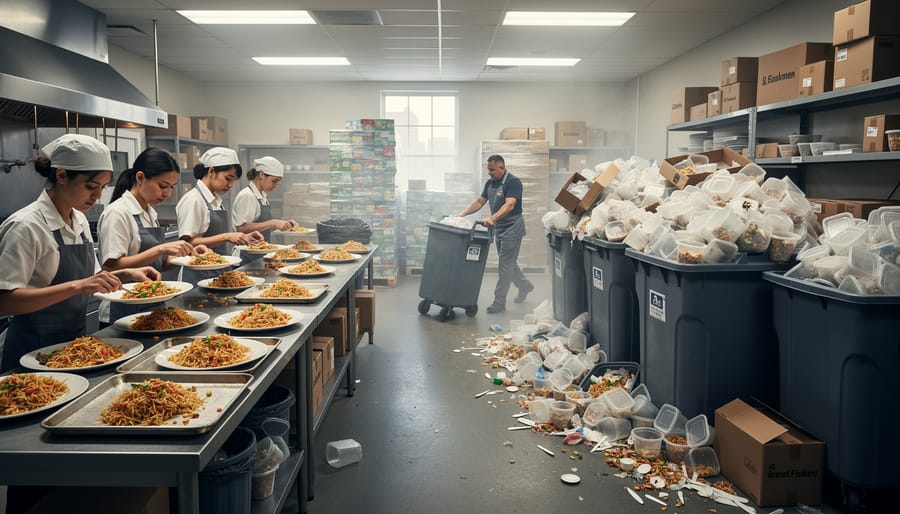
The consequences of choosing the wrong provider extend far beyond environmental impact—they hit your bottom line in ways many Australian food service businesses don’t anticipate until it’s too late.
Let’s start with the dollars and cents. Waste disposal costs in Australia have skyrocketed, with landfill levies now reaching $148 per tonne in Victoria and $145.20 in New South Wales. When you partner with suppliers who generate excessive packaging waste or fail to support circular economy practices, you’re essentially paying premium rates to throw away their inefficiencies. One Melbourne café owner discovered they were spending an extra $400 monthly on waste removal simply because their coffee supplier used non-recyclable packaging.
The reputational stakes are equally significant. Today’s Australian consumers vote with their wallets, and 87% of local shoppers say they’d switch to brands with better environmental credentials. Social media amplifies any disconnect between your sustainability claims and reality—one viral post about excessive plastic packaging can undo years of careful brand building. We’ve seen established Sydney restaurants face boycotts after customers discovered their “sustainable” seafood suppliers weren’t certified by responsible fisheries programs.
Then there’s the regulatory landscape. Australia’s National Waste Policy and state-level single-use plastics bans are just the beginning. Victoria has already phased out various single-use items, with other states following suit. The Australian Packaging Covenant Organisation’s 2025 targets require all packaging to be recyclable, compostable, or reusable. If your suppliers aren’t preparing for these changes, you’ll face compliance headaches, potential fines, and costly last-minute pivots.
The good news? These risks are entirely avoidable. By intentionally selecting partners who share your sustainability values, you transform potential liabilities into competitive advantages—lower operational costs, stronger customer loyalty, and future-proof operations that adapt gracefully as regulations evolve.
What Makes a Food Service Provider Truly Sustainable
Waste Management and Circular Economy Practices
When selecting a sustainable food service provider, their approach to waste management reveals their genuine commitment to protecting our environment and the vital ecosystem services we all depend on.
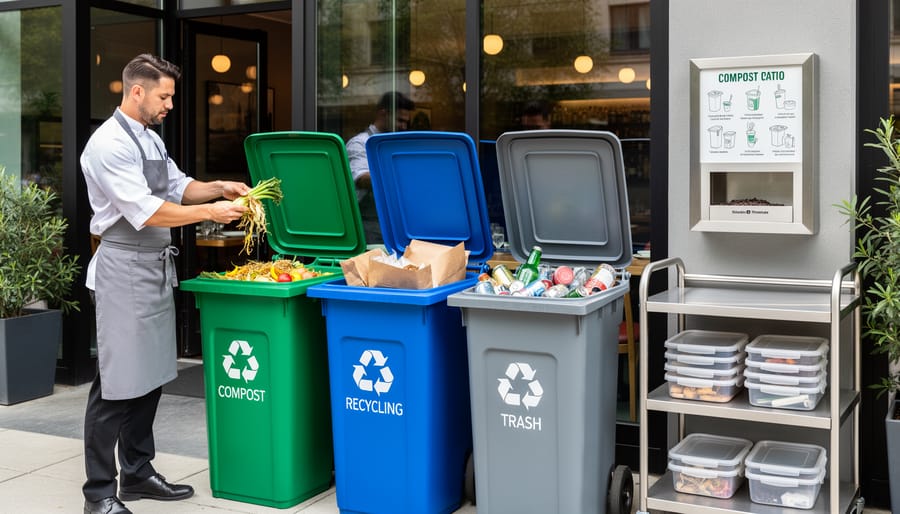
Look for providers who’ve implemented comprehensive organic waste programs. In Australia, food waste sent to landfill generates harmful methane emissions, but forward-thinking operators are partnering with local composting facilities or installing on-site systems. Melbourne’s STREAT café, for example, diverts 90% of their waste from landfill through dedicated composting and recycling streams.
Ask potential providers about their closed-loop systems. Do they work with suppliers who’ll take back packaging? Can cooking oils be collected for biodiesel conversion? These circular economy practices transform waste into valuable resources rather than problems.
The best providers conduct regular waste audits to identify improvement opportunities and share this data transparently. They’ll know their waste diversion rates and have ambitious targets for improvement. Some innovative Australian operators are even creating partnerships with urban farms, supplying compost that grows produce sold back to their kitchens.
Your choice of provider directly impacts our collective environmental footprint. By prioritizing those with robust waste management systems, you’re supporting businesses that understand sustainability isn’t just good ethics, it’s smart business that benefits everyone.
Ethical Sourcing and Local Supply Networks
Building relationships with local Australian suppliers isn’t just good for the environment—it’s a powerful way to strengthen your community and create a more resilient food service operation. When you source ingredients from nearby farms and producers, you’re cutting down transport emissions while ensuring fresher, seasonal produce reaches your customers’ plates.
Transparent supply chains matter more than ever. Ask your potential suppliers direct questions: Where does this product come from? How are workers treated? What farming practices do they use? Reputable suppliers will welcome these conversations and share their stories with pride. Look for fair trade certifications and suppliers who can trace their products from farm to fork.
Regional food hubs are emerging across Australia, connecting food service businesses with clusters of local farmers, fishers, and artisan producers. These networks simplify sourcing while supporting small-scale operations that often use more sustainable practices than industrial agriculture. By choosing suppliers who prioritise ethical treatment of workers, environmental stewardship, and community wellbeing, you’re voting with your purchasing power.
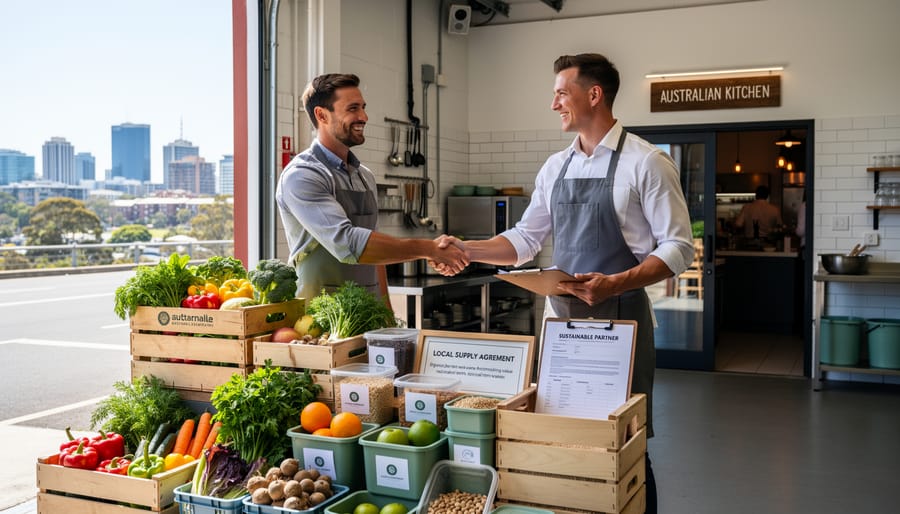
Consider visiting supplier facilities when possible. Seeing operations firsthand builds trust and often reveals innovative sustainability practices you might adopt yourself. This personal connection transforms transactions into partnerships, creating a supply network that reflects your values and resonates with customers who increasingly demand transparency and ethical business practices.
Carbon Footprint and Transport Logistics
Transport logistics significantly influence your food service’s environmental impact, yet they’re often overlooked when selecting sustainable partners. In Australia, where distances between suppliers and venues can be vast, delivery methods matter enormously. Ask potential providers how they optimize delivery routes—consolidated shipments reduce emissions far more effectively than multiple small trips. Some forward-thinking Melbourne and Sydney operators now use electric vehicle fleets or bicycle couriers for inner-city deliveries, cutting carbon emissions by up to 90% compared to traditional diesel vans.
Packaging choices create ripple effects throughout the supply chain. Single-use plastics might seem convenient, but they generate waste at every touchpoint. Look for partners using compostable materials or reusable container systems—several Brisbane food service providers have pioneered deposit-return schemes for bulk delivery containers. Distribution networks also reveal sustainability commitment. Providers sourcing locally reduce food miles dramatically while supporting Australian farmers and communities. When evaluating partners, request transparency about their logistics footprint: how far does food travel, what vehicles transport it, and how do they minimize empty return journeys? These questions help you understand the true environmental cost behind every delivery.
Questions Every Australian Food Business Should Ask Potential Providers
Choosing the right sustainability partner isn’t just about ticking boxes—it’s about finding providers who genuinely share your commitment to a healthier planet. The questions you ask potential providers will reveal whether they’re true sustainability champions or simply greenwashing their services. Here’s your practical framework for making informed decisions during sustainable service selection.
Start by asking about certifications and third-party verification. Which environmental certifications does the provider hold—Planet Ark, Responsible Cafes, or Australian Packaging Covenant? Can they provide evidence of carbon neutrality or climate active certification? These credentials matter because they demonstrate accountability beyond marketing claims.
Next, dig into their waste reduction strategies. Ask how they measure and report waste diversion rates. What percentage of their products actually ends up composted rather than in landfill? Request specific data from the past 12 months. A genuine provider will have these numbers at their fingertips and be proud to share them.
Transparency separates the leaders from the followers. Question where their products are sourced and manufactured. Can they trace the full lifecycle of their packaging solutions? How do they handle end-of-life disposal? Providers committed to circular economy principles should offer clear collection or composting programs, not just claim their products are compostable.
Measurable goals reveal serious commitment. Ask what specific sustainability targets they’re working toward—whether it’s reducing carbon emissions by 30 percent by 2030 or achieving zero waste to landfill. How do they track progress? Will they share regular impact reports with your business?
Don’t forget the practical questions that affect your daily operations. What training and support do they provide to help your team implement sustainable practices? Are there hidden costs for sustainability features? How flexible are they in customising solutions for your specific needs?
Finally, ask about their community involvement. Do they support local Australian environmental initiatives or partner with Indigenous communities? This question connects to the broader purpose many food businesses now embrace—being part of positive change in their communities while protecting the environment for future generations.
Australian Food Service Providers Leading the Way
Community-Focused Waste Solutions
Closing the loop on food waste doesn’t happen in isolation—it requires genuine partnerships between food service providers and the communities they serve. Across Australia, innovative businesses are transforming how we handle organic waste by connecting directly with local composting initiatives and community programs.
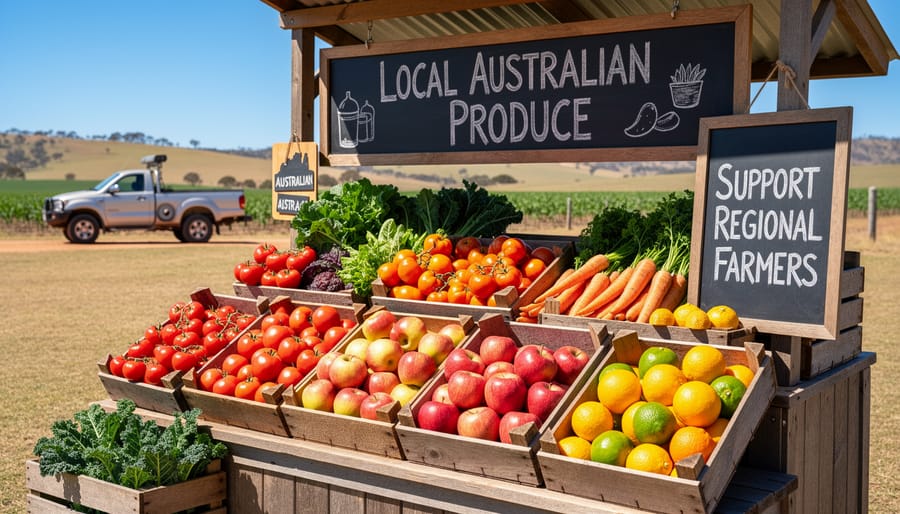
Take Melbourne’s growing network of community composting hubs, where restaurants and cafes partner with neighbourhood gardens to process food scraps. These partnerships do more than divert waste from landfill—they create nutrient-rich soil that returns to local community gardens, completing a genuine circular economy right in suburban backyards. Some Sydney-based food service providers have gone further, establishing collection programs that link multiple venues with urban farms, creating jobs while feeding fresh produce back into their own kitchens.
The beauty of community-focused solutions lies in their accessibility. You don’t need massive infrastructure or corporate budgets to participate. Regional providers in Queensland and Victoria are proving this by coordinating with council-run composting programs and local farmers who use food waste as livestock feed or soil amendments. These relationships build resilience in local food systems while reducing transportation emissions.
When evaluating sustainability partners, ask about their community connections. Do they support local composting enterprises? Can they demonstrate where your waste actually goes? The best providers offer transparency and traceability, showing you the tangible impact of your participation. This approach transforms waste management from a necessary expense into an investment in community wellbeing, creating stories you can share with customers who increasingly want to support businesses making a genuine local difference.
Technology-Driven Efficiency Innovations
Australian food service providers are embracing cutting-edge technology to tackle waste and emissions head-on, transforming how our hospitality sector operates. These innovations aren’t just environmentally smart—they’re revolutionising business efficiency across the country.
Smart logistics platforms are leading the charge, with providers using AI-powered route optimisation to slash delivery emissions by up to 30%. Melbourne-based food distributors, for instance, now consolidate orders using algorithms that calculate the most fuel-efficient delivery sequences, reducing both carbon footprint and operational costs. This means your morning coffee delivery and restaurant supplies might arrive in the same eco-conscious trip.
Demand forecasting technology is another game-changer helping Australian businesses predict customer needs with remarkable accuracy. Brisbane cafes and Sydney restaurants partnering with tech-enabled suppliers report waste reductions of 25-40% through systems that analyse historical data, weather patterns, and local events. When providers can anticipate exactly what you’ll need—and when—overordering becomes history.
Digital platforms are connecting the dots across the supply chain, creating transparency that benefits everyone. Real-time inventory tracking helps Perth hospitality venues adjust orders instantly, while surplus food marketplaces match excess ingredients with businesses that need them, keeping perfectly good food out of landfills.
These technology-driven solutions prove that sustainability and profitability go hand-in-hand. When evaluating potential partners, ask about their digital capabilities and data-sharing systems. Providers investing in smart technology today are building the resilient, low-waste food service industry Australia needs tomorrow.
Making the Switch: A Step-by-Step Transition Plan
Audit Your Current Service Relationships
Before exploring new partnerships, take stock of your current service providers. Begin by listing everyone who supplies your food service operation—from ingredient suppliers to waste management contractors. This isn’t about pointing fingers; it’s about identifying opportunities to strengthen your sustainability commitment.
Gather your team and ask some honest questions: Does your seafood supplier source from certified sustainable fisheries? Can your produce provider verify local or organic origins? What happens to your food waste after collection? Many Australian businesses discover they’ve been working with sustainable champions without even realising it, while others find significant gaps worth addressing.
Create a simple spreadsheet rating each provider across key areas: environmental certifications, packaging practices, delivery efficiency, waste reduction programs, and transparency. You might discover your coffee supplier has carbon-neutral delivery but uses excessive packaging, or that your linen service already uses water-saving technology.
Don’t overlook smaller community suppliers who may lack formal certifications but practice genuine sustainability. That local grower reducing food miles might be your most sustainable partner. This audit isn’t about immediate wholesale changes—it’s about understanding where you stand and spotting the low-hanging fruit for improvement. The insights you gain will guide strategic decisions about which relationships to strengthen, adjust, or replace.
Build Your Sustainability Criteria Checklist
Creating your own sustainability checklist ensures you’re selecting partners who truly align with your values and operational needs. Start by considering your business size—a small café in Brunswick has different requirements than a corporate catering company serving Melbourne’s CBD. Think about what matters most to you: is it reducing plastic waste, sourcing local ingredients, or minimizing food miles?
For location-specific criteria, consider your regional strengths. Businesses in coastal areas like Byron Bay might prioritize sustainable seafood certification, while those in Victoria’s farming regions could focus on paddock-to-plate partnerships. List the non-negotiables first—perhaps compostable packaging or B Corp certification—then add aspirational goals you’d like to achieve over time.
Include practical questions in your checklist: Does this provider offer transparent supply chain information? Can they demonstrate measurable waste reduction? Do they support Australian producers and Indigenous food enterprises? What’s their carbon footprint policy?
Remember, your checklist should evolve as your business grows and sustainability standards advance. Share your criteria with your team to build collective ownership, and don’t hesitate to connect with other Australian food service operators through local sustainability networks. This collaborative approach strengthens the entire community’s commitment to environmental responsibility while making your selection process clearer and more confident.
Negotiate Contracts That Prioritize the Planet
Your contracts are powerful tools for driving real environmental change. When selecting food service providers, don’t just accept standard agreements—negotiate terms that embed sustainability into every aspect of your partnership.
Start by including specific sustainability clauses that outline clear expectations. Request commitments to waste reduction targets, such as diverting 80% of waste from landfill within the first year. Specify requirements for compostable packaging, locally sourced ingredients (aim for 30-50% local produce), and transparent supply chain reporting. These aren’t unreasonable asks—many Australian providers are already achieving these benchmarks.
Build in measurable performance metrics that you’ll review quarterly. Ask providers to report on waste volumes, energy consumption, water usage, and kilometres travelled for deliveries. One Melbourne café collective successfully negotiated monthly sustainability scorecards with their supplier, creating accountability that reduced their food waste by 35% in just six months.
Include penalty clauses for non-compliance, but balance them with incentive structures that reward exceeding targets. Consider longer contract terms for providers who demonstrate exceptional sustainability performance—this creates stability for both parties while encouraging continuous improvement.
Remember, providers who genuinely prioritise the planet will welcome these conversations. If they resist transparency or refuse measurable commitments, that’s your signal to look elsewhere. Together, we’re building a food service industry that nourishes people and planet alike.
The Business Benefits You Can Measure (Beyond Feeling Good)
Choosing sustainable partners isn’t just about doing the right thing—it’s increasingly becoming a smart business decision with measurable returns. Australian food businesses partnering with sustainable providers are discovering benefits that directly impact their bottom line.
Let’s talk dollars first. Many cafes and restaurants report cost reductions of 15-30% within the first year of switching to sustainable suppliers. How? Waste reduction programs alone can cut disposal costs significantly. Melbourne’s Gather & Graze reduced their rubbish collection frequency by half after partnering with a composting service, saving $4,200 annually. Bulk purchasing through sustainable suppliers often eliminates excessive packaging costs, while energy-efficient equipment recommendations from eco-conscious providers slash utility bills.
Customer loyalty presents another compelling advantage. Recent research shows 73% of Australian diners actively seek out businesses with strong environmental credentials, and they’re willing to pay premium prices for it. Sydney’s Plant Based Cafe saw a 40% increase in repeat customers after prominently featuring their sustainable partnerships on menus and social media. These customers become brand advocates, generating organic marketing worth thousands in advertising value.
Competitive differentiation matters too. As sustainability becomes mainstream, early adopters gain first-mover advantages. Businesses showcasing ethical business practices stand out in crowded markets, attracting corporate catering contracts and event partnerships that specifically require environmental compliance.
Then there’s risk mitigation. Sustainable suppliers typically demonstrate better business resilience and supply chain reliability. They’re often ahead of regulatory changes, helping you avoid costly last-minute adjustments when new environmental standards arrive—and they’re coming faster across Australia.
Staff retention improves noticeably too. Employees, especially younger workers, increasingly want to work for businesses aligned with their values. Brisbane’s Green Fork experienced a 60% reduction in staff turnover after implementing comprehensive sustainability partnerships, saving recruitment and training costs while building institutional knowledge.
These aren’t feel-good metrics—they’re tangible business improvements that strengthen your operation while protecting our environment. That’s sustainability creating genuine value for Australian food businesses today.
The time to act is now. Every service contract renewal presents a golden opportunity to reshape Australia’s food service landscape, one partnership at a time. While the challenges facing our environment are significant, the collective power of businesses choosing sustainable providers creates a ripple effect that extends far beyond individual operations.
Think of it this way: when you select a food service provider committed to sustainability, you’re not just ticking a box on a compliance checklist. You’re joining a growing network of Australian businesses who understand that environmental responsibility and commercial success aren’t opposing forces, they’re complementary goals. From Melbourne cafes to Sydney corporate catering, businesses across the country are discovering that sustainable partnerships often deliver better quality, improved staff morale, and enhanced brand reputation alongside environmental benefits.
Your next contract renewal is closer than you think. Rather than waiting for the perfect moment or comprehensive sustainability policy, start with where you are right now. Review your current providers against the evaluation criteria we’ve discussed. Ask the tough questions about waste management, sourcing practices, and carbon reduction plans. Request transparent data and measurable commitments.
Remember, providers who genuinely embrace sustainability welcome these conversations. They understand that businesses like yours are raising the bar, and they’re ready to meet that challenge. Your decision to prioritize environmental responsibility sends a powerful message to the entire supply chain, encouraging innovation and accountability throughout the industry.
The future of Australia’s food service sector is being written today, through partnerships that value both people and planet. Make your next contract count.