
Transform your indoor garden into an eco-friendly haven by switching to terracotta, coconut coir, or recycled plastic pots instead of conventional containers that burden landfills. These biodegradable and sustainable alternatives not only reduce waste but also regulate soil moisture more effectively, giving your plants healthier roots while lightening your environmental footprint.
Install a greywater collection system to capture water from your kitchen sink or shower for plant irrigation—a simple adaptation that can save up to 200 litres weekly in the average Australian household. Pair this with self-watering planters that deliver moisture directly to root zones, cutting water waste by up to 70% compared to traditional watering methods while ensuring your indoor greenery thrives even during busy weeks.
Replace energy-hungry grow lights with LED alternatives that consume 75% less electricity and last up to 25 times longer. Position plants near north-facing windows to maximise natural light exposure, reducing your reliance on artificial lighting altogether—a strategy particularly effective in Australia’s sun-rich climate.
Choose organic, peat-free potting mixes enriched with Australian-made compost rather than imported peat products that contribute to wetland destruction overseas. Propagate from cuttings instead of buying new plants, creating a regenerative cycle that builds resilience in your indoor garden while connecting you to a growing community of Australians reimagining sustainable living one plant at a time. These practical shifts don’t just reduce environmental harm—they create thriving indoor ecosystems that prove sustainability and abundance can flourish together.
The Hidden Environmental Cost of Indoor Gardening
Here’s something many of us don’t realise: our beloved indoor jungle might be working against our sustainability goals. But before you feel discouraged, understanding these impacts is the first step toward creating a genuinely eco-friendly indoor garden.
Let’s start with energy consumption. Those grow lights keeping your plants thriving? A typical LED grow light setup running 12 hours daily can add around 50-100 kWh to your monthly electricity bill. Across Australia’s millions of indoor gardening enthusiasts, that’s a significant carbon footprint, especially when electricity still largely comes from fossil fuels in many states.
Then there’s the plastic problem. Australians purchase approximately 50 million plastic plant pots annually, with most ending up in landfill. These petroleum-based containers can take 500 years to decompose, and recycling them remains challenging due to contamination from soil and the mixed plastics used in their production.
Water usage adds another layer of concern. Indoor plants often require more frequent watering than outdoor gardens due to artificial heating and cooling systems. Without proper drainage and water management, many Australian households inadvertently waste precious litres weekly—particularly significant given our country’s ongoing water security challenges.
Synthetic fertilisers, whilst convenient, introduce chemical runoff into our waterways when excess water drains away. These nutrients contribute to algal blooms in Australian rivers and coastal areas, disrupting delicate ecosystems that many communities depend upon.
The good news? Recognising these impacts doesn’t mean abandoning your indoor gardening passion. Thousands of Australian gardeners are already discovering innovative ways to nurture their plants whilst protecting the environment. By understanding where traditional indoor gardening falls short, we can make informed choices that benefit both our homes and the planet. The solutions are more accessible and affordable than you might think, and they often result in healthier, more resilient plants too.
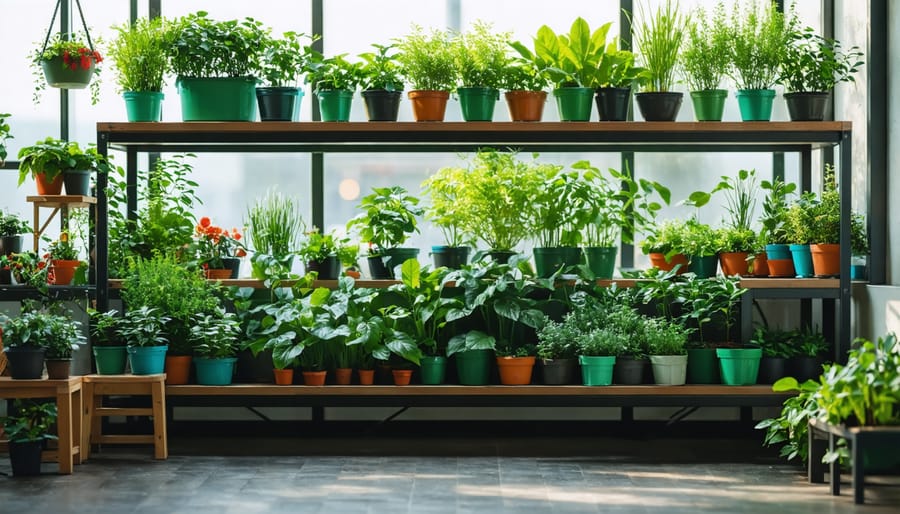
Choosing Sustainable Growing Systems for Australian Homes
Self-Watering and Wicking Systems
Self-watering systems are game-changers for busy gardeners who want to conserve water while keeping their indoor plants thriving. These clever setups use wicking technology—where water draws upward through fabric or rope into the soil as plants need it—cutting water usage by up to 50% compared to traditional watering methods. The beauty is you can create your own from materials already in your home.
Transform old plastic bottles, ice cream containers, or storage tubs into self-watering planters with just a few simple steps. Cut the bottle in half, invert the top into the bottom section, add a cotton rope or strip of old t-shirt as the wick, and you’ve got yourself a water-efficient growing system. Many Australian community gardens and sustainability groups run workshops teaching these techniques, making it a perfect opportunity to connect with like-minded locals while learning hands-on skills.
These systems are particularly brilliant for our hot Australian summers when daily watering becomes a chore. Your plants stay consistently hydrated without the feast-or-famine cycle of irregular watering, and you’re keeping plastic out of landfills while you’re at it.
Vertical Gardens and Living Walls
When floor space is limited, think vertically! Living walls transform bare balconies and interior spaces into thriving green sanctuaries while improving air quality and insulation. These space-efficient gardens are perfect for Australian apartments, requiring minimal square footage whilst maximising growing potential.
Start small with modular pocket planters or repurposed timber pallets mounted securely to walls. Choose hardy natives like pigface, native violets, or herbs like basil and mint that thrive in vertical conditions. Self-watering systems reduce maintenance—essential for busy city dwellers—and can incorporate recycled materials like PET bottles for wicking beds.
Melbourne’s Burnley Living Roofs Research Centre has documented impressive results from vertical gardens, showing temperature reductions of up to 5°C in urban buildings. Community housing projects in Sydney’s Redfern neighbourhood have embraced living walls, bringing residents together through shared gardening workshops whilst creating cooler, greener communal spaces.
The beauty of vertical gardens lies in their adaptability. Whether you’re growing food on a Bondi balcony or creating a statement wall in Brisbane, these systems prove that limited space needn’t limit your sustainable gardening ambitions. Start with a single wall panel and expand as your confidence grows.

Closed-Loop Hydroponic Systems
Closed-loop hydroponic systems represent a game-changer for water-conscious Australian gardeners, recirculating nutrient solution to minimise waste. These systems can reduce water usage by up to 90% compared to traditional soil gardening—a significant advantage in our often drought-stricken climate. Melbourne’s urban farming collective, The Commons, has demonstrated how even small-scale closed-loop setups can thrive on balconies and in compact spaces.
However, it’s important to consider the full picture. While these systems excel at water conservation, they do require electricity to power pumps and, often, grow lights. The energy trade-off varies depending on your setup and local electricity sources. Consider pairing your system with renewable energy solutions, or opt for passive wicking systems that require no power at all.
Starting small makes sense—a simple Kratky method setup (a passive hydroponic technique) costs minimal dollars and teaches you the fundamentals without the energy commitment. As your confidence grows, you can explore more sophisticated recirculating systems. Local gardening groups across Sydney, Brisbane, and Perth regularly share DIY plans and troubleshooting tips, making this surprisingly accessible technology part of Australia’s growing sustainable gardening movement.
Sustainable Materials: Ditch the Plastic, Embrace the Future
Biodegradable Pots and Containers
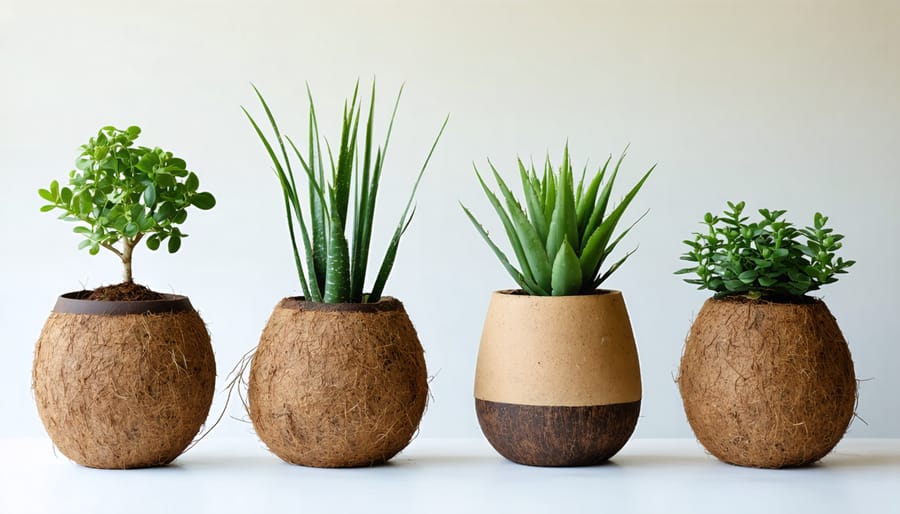
Choosing biodegradable pots transforms your indoor garden into a truly circular system. Australian gardeners are increasingly embracing containers that naturally break down, eliminating plastic waste while enriching soil health.
Coconut coir pots, widely available across Australia, offer exceptional performance for indoor herbs and vegetables. These sturdy containers typically last 12-18 months before decomposing, perfect timing for transplanting established plants. Their porous structure encourages healthy root development while preventing waterlogging—a common issue in indoor settings.
Paper pulp pots present another excellent option, particularly for seedlings and propagation. Made from recycled newspaper and cardboard, they’re lightweight and inexpensive. While they break down faster than coir (usually 6-9 months), this makes them ideal for plants you’ll transplant into larger containers or outdoor beds.
Get creative with repurposed materials too! Many community gardens and local nurseries across Melbourne, Sydney, and Brisbane now host workshops on transforming egg cartons, toilet paper rolls, and newspaper into functional seed starters. These DIY options cost virtually nothing and perform surprisingly well for short-term growing.
When selecting biodegradable containers, consider your plant’s growth timeline. Fast-growing species suit quick-degrading options, while long-term indoor plants benefit from more durable coir alternatives. Your choice directly reduces landfill waste while nurturing healthier plants—a win for both your garden and our environment.
Sustainable Growing Mediums
Traditional peat moss extraction destroys ancient bog ecosystems and releases stored carbon—but Australian gardeners have brilliant alternatives right at their doorstep. Coconut coir, often sourced from coconut industries across our northern neighbours, offers an excellent peat-free option. This renewable byproduct retains moisture beautifully while providing good aeration for roots, and it’s increasingly available from Australian suppliers committed to ethical sourcing.
Your own compost transforms kitchen scraps and garden waste into nutrient-rich growing medium, closing the loop in your home ecosystem. Many Australian councils now offer subsidised compost bins, making it easier than ever to start. Mix in biochar—a carbon-rich material produced through pyrolysis—to supercharge your growing medium. Biochar improves water retention, supports beneficial microbes, and actually locks carbon away for centuries rather than releasing it.
Creating your own blend using one part coir, two parts quality compost, and a handful of biochar gives indoor plants everything they need while treading lightly on our planet. Community gardening groups across Australia are increasingly sharing recipes and bulk-buying sustainable amendments together, making eco-friendly growing mediums both accessible and affordable for everyone.
Upcycling Household Items as Planters
Before buying new pots, look around your home—you’re likely sitting on a treasure trove of potential planters! Old colanders make brilliant containers for herbs, their built-in drainage perfect for healthy root systems. Chipped teacups and mugs create charming homes for succulents, while wooden crates and wine boxes work beautifully for larger indoor veggie gardens.
Aussie gardeners across Melbourne and Sydney are transforming tin cans into vertical herb gardens and repurposing glass jars for hydroponic systems. The key is ensuring proper drainage—drill holes in non-porous containers and add a layer of pebbles at the bottom. Always check that materials are food-safe if growing edibles; avoid containers that previously held chemicals or have lead-based paints.
Give items a thorough clean with eco-friendly soap, and consider sealing porous materials like terracotta pots with natural beeswax. This creative approach not only diverts waste from landfill but adds personality to your indoor garden while keeping your wallet happy.
Energy-Smart Lighting and Climate Control
Maximizing Natural Light
Strategic plant placement near windows is one of the simplest ways to reduce your indoor garden’s environmental footprint. In Australian homes, north-facing windows receive consistent sunlight year-round, making them ideal spots for sun-loving herbs and vegetables. Position leafy greens slightly back from the window to prevent scorching during our intense summer months.
Reflective surfaces amplify available light beautifully. White walls, mirrors, or even aluminium foil mounted on cardboard can bounce natural light deeper into your growing space, reducing reliance on artificial lighting. Many Aussie indoor gardeners have successfully halved their energy use by placing reflective panels behind their plant shelves.
Rotate plants weekly to ensure even growth and prevent them from leaning toward light sources. This practice, combined with other energy-saving habits, means your indoor garden thrives without constantly running grow lights. Consider joining local sustainable gardening groups to share tips on maximizing natural light in different Australian climates—from Melbourne’s variable conditions to Brisbane’s subtropical brightness.
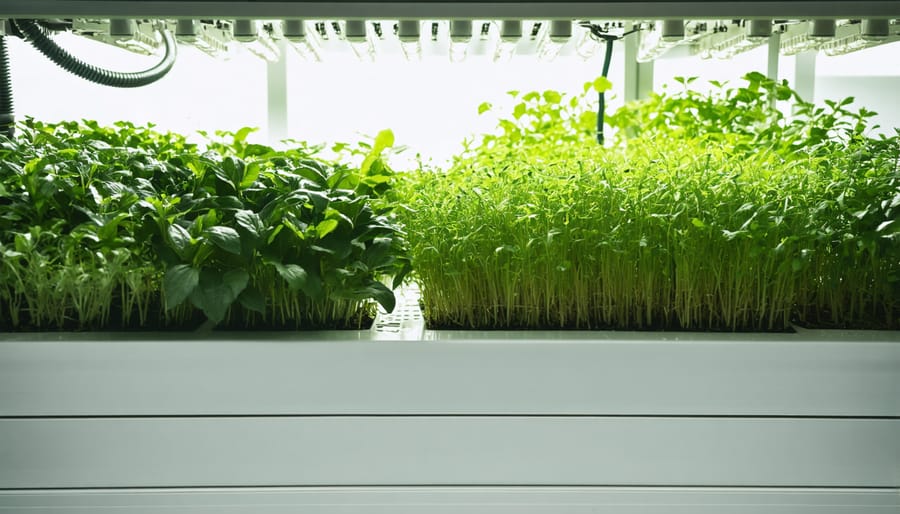
LED Grow Lights: The Only Artificial Option Worth Considering
When it comes to artificial lighting for your indoor garden, LED grow lights are the clear sustainable choice. They use up to 75% less energy than traditional fluorescent or incandescent options, translating to significant savings on your electricity bill—typically $50-150 annually for Australian households running a modest indoor garden.
Unlike older lighting technologies, LEDs produce minimal heat, reducing the need for cooling systems and preventing plant stress. They last 50,000+ hours compared to the 10,000 hours of fluorescents, meaning less waste in landfills and fewer replacement purchases over time.
For Australian indoor gardeners, choosing the right spectrum matters. Look for full-spectrum LEDs that mimic natural sunlight, or opt for adjustable models that let you shift between blue light (for vegetative growth) and red light (for flowering). Many local gardening communities recommend starting with 6500K bulbs for herbs and leafy greens—perfect for that year-round basil supply.
The upfront investment might seem higher, but LEDs typically pay for themselves within 12-18 months through energy savings alone.
Passive Climate Management
Smart gardening works with nature, not against it. By incorporating thermal mass like water-filled containers or terracotta pots near your plants, you can naturally stabilise temperature fluctuations—they absorb heat during warm periods and release it when temperatures drop. This simple technique is particularly effective in Australian homes where indoor temperatures can vary significantly.
Strategic plant grouping creates beneficial microclimates through natural transpiration. Placing moisture-loving plants together increases humidity without energy-hungry humidifiers, whilst positioning heat-tolerant varieties near sunny windows reduces the need for artificial lighting.
Cross-ventilation is your ally—opening windows on opposite sides during cooler mornings allows fresh air circulation while maintaining comfortable conditions. Many Australian gardeners are discovering that combining these passive strategies with observation and adjustment creates resilient indoor gardens that thrive year-round. Start small by grouping three plants together and notice how they support each other’s growth, reducing your reliance on mechanical climate control whilst nurturing healthier, more sustainable green spaces.
Water Wisdom: Conservation Techniques That Actually Work
Greywater and Rainwater Collection for Indoor Plants
Every time you water your indoor plants, you’re using precious drinking water—but there’s a better way. Australian households can significantly reduce their water footprint by implementing greywater systems and rainwater harvesting for their indoor gardens.
Greywater from your shower, bathroom sink, or laundry (using plant-friendly, biodegradable detergents) works beautifully for most indoor plants. Simply collect water in a bucket while waiting for your shower to warm up—those litres add up quickly! Before using greywater, let it cool to room temperature and avoid water containing bleach, harsh chemicals, or salt. In Australia, regulations vary by state, so check your local council guidelines, though basic household collection for garden use typically doesn’t require permits.
Rainwater is even simpler. Position a collection barrel beneath your downpipe with fine mesh screening to filter debris. This naturally soft water is perfect for ferns, orchids, and other sensitive plants that thrive without the chlorine and minerals found in tap water.
Remember to use collected water within 24 hours to prevent bacterial growth, and always filter through cheesecloth if you notice sediment. These simple practices transform waste into resource, nurturing both your plants and our environment.
Smart Watering Techniques
Water is precious in Australia, and indoor gardens offer brilliant opportunities to conserve it while keeping plants thriving. **Bottom watering** is a game-changer – place pots in shallow trays of water for 20-30 minutes, allowing roots to draw up exactly what they need. This method reduces evaporation by up to 50% compared to top watering and prevents overwatering, a common culprit of plant death.
Adding a **2-3cm layer of mulch** to your indoor pots might seem unusual, but it works wonders. Try decorative pebbles, coconut coir, or even repurposed wine corks to lock in moisture and reduce watering frequency by nearly half. Your plants will thank you, and you’ll save litres over time.
Invest in an affordable **moisture meter** (around $15-30 at Bunnings) to take the guesswork out of watering. Simply insert it into the soil to know precisely when your plants need a drink – no more finger-poking uncertainty!
**Timing matters too**. Water during cooler morning or evening hours when evaporation rates drop. Group plants with similar water needs together, creating efficient watering zones. These simple adjustments mean less waste, healthier plants, and more time enjoying your indoor oasis rather than constantly tending it.
Nourishing Plants Naturally: Organic Fertilization Methods
Kitchen Scraps to Plant Food
Your kitchen holds a treasure trove of plant nutrients that typically end up in the bin. Transform these scraps into powerful, free fertilisers that’ll have your indoor garden thriving.
**Compost tea** is liquid gold for plants. Simply steep finished compost in water for 24-48 hours, strain, and dilute to a weak tea colour. This nutrient-rich brew delivers beneficial microorganisms directly to plant roots—perfect for container gardens where soil life needs regular replenishment.
**Banana peel fertiliser** is brilliantly simple. Chop peels and soak in water for a few days to create a potassium-rich solution that encourages flowering and fruiting. Many Australian indoor gardeners swear by this for their tomatoes and herbs.
Don’t overlook **eggshell calcium water**. Crush shells, steep in water overnight, and use to prevent blossom end rot in vegetables. Coffee grounds steeped in water create a gentle nitrogen boost for leafy greens.
These solutions cost nothing, divert waste from landfill, and eliminate the need for synthetic fertilisers packaged in plastic. Start with one method and watch your confidence—and plants—grow. Share your kitchen scrap recipes with local gardening groups; there’s always someone eager to learn your techniques.
Worm Castings and Vermiculture Indoors
Transform your kitchen scraps into black gold right in your apartment! Worm farms are surprisingly compact, odourless when maintained properly, and perfect for Australian flat-dwellers keen to close the loop on organic waste.
Start with a purpose-built worm farm (available at Bunnings or through community garden networks) or create your own tiered system using stackable containers. Red wriggler worms thrive in our climate and happily devour vegetable peelings, coffee grounds, and shredded paper—transforming them into nutrient-dense castings that make your indoor plants absolutely flourish.
The beauty of vermiculture is its simplicity: feed your worms weekly, keep the bedding moist (but not soggy), and harvest rich fertiliser every few months. Many Melbourne and Sydney community groups now run worm-sharing programs where you can source starter populations locally, often for free.
Your worm farm diverts waste from landfill whilst producing both solid castings and liquid “worm tea”—an organic fertiliser far superior to synthetic alternatives. It’s zero-waste gardening at its finest, turning what would be rubbish into nourishment for your indoor green space. Plus, many apartment dwellers discover their worm bins become unexpected conversation starters, inspiring neighbours to join the vermiculture movement!
Building a Circular Indoor Garden: Closing the Loop
Creating a truly sustainable indoor garden means thinking beyond just growing plants—it’s about designing a system where nothing goes to waste. Australian households are increasingly embracing this circular approach, transforming their indoor gardens into self-sustaining ecosystems that mirror nature’s efficiency.
Start by composting your plant waste right where you grow. Kitchen scraps from preparing meals, spent leaves, and pruned stems can become nutrient-rich compost in compact indoor systems. Bokashi bins work brilliantly in Australian apartments, fermenting organic matter without odours, while worm farms tucked under kitchen sinks transform vegetable peelings into black gold. The resulting compost feeds your plants, completing the circle.
Seed saving connects you to generations of gardeners while eliminating packaging waste. Once your herbs bolt or tomatoes ripen, harvest seeds and store them in recycled jars. Melbourne community gardens have been running seed-swap events where indoor gardeners exchange varieties perfectly adapted to local conditions—creating resilient, regionally-appropriate plant collections without purchasing commercial seeds.
Propagation turns one plant into many, dramatically reducing the need to buy new specimens. Basil, pothos, and mint root easily in water on your windowsill, while succulents multiply through leaf cuttings. Sydney’s urban gardening groups host propagation workshops where neighbours share techniques and plant clippings, building community while closing the loop.
The water you use for rinsing vegetables? Pour it straight onto your plants. Tea bags and coffee grounds? They’re nitrogen-rich additions to your compost. Every output becomes an input when you design with intention. This circular thinking doesn’t just reduce waste—it creates abundance, proving that sustainability and productivity go hand in hand in even the smallest indoor spaces.
Australian Community Initiatives and Resources
Across Australia, passionate communities are making sustainable indoor gardening more accessible and connected than ever before. In Melbourne, the Brunswick Indoor Plant Library has become a thriving hub where locals borrow rare plant cuttings and seeds, reducing the need to purchase commercially grown specimens. Similar initiatives are sprouting in Sydney’s Inner West, where the Marrickville Community Garden runs monthly propagation workshops, teaching residents how to multiply their indoor plants sustainably.
Plant swap groups are transforming suburban garages and community halls into vibrant exchanges of knowledge and green goodness. Brisbane’s “Swap & Grow” collective meets fortnightly in West End, connecting apartment dwellers with experienced growers who share propagation techniques alongside their plant babies. These gatherings reduce waste by rehoming unwanted plants whilst building resilient networks of support.
Community gardens aren’t just outdoor spaces anymore. Perth’s Urban Orchard Project offers indoor gardening education programs in their climate-controlled facility, demonstrating water-efficient systems perfectly suited to Western Australian conditions. In regional areas, Bendigo’s Sustainable Living Centre provides free workshops on composting for indoor plants and creating pest solutions from household ingredients.
Several Australian organizations champion these grassroots efforts. The Australian City Farms & Community Gardens Network connects over 500 community initiatives nationwide, many now incorporating indoor growing education. Permaculture Australia offers online resources specifically addressing apartment and indoor food production, recognising that sustainable gardening extends beyond traditional outdoor plots.
For those starting their journey, local Facebook groups like “Sydney Indoor Plant Swap” and “Adelaide Edible Balcony Gardeners” offer immediate connection to experienced growers ready to share cuttings, advice, and encouragement. These communities prove that sustainable indoor gardening flourishes when we grow together, sharing resources rather than accumulating individually.
Creating a sustainable indoor garden doesn’t require a complete lifestyle overhaul or a hefty investment. Whether you’re in a compact Sydney apartment or a sprawling Brisbane home, every Australian household can embrace eco-friendly gardening practices that make a genuine difference. The beauty of sustainable indoor gardening lies in its accessibility – you don’t need to implement everything at once.
Start small. Perhaps you’ll begin by switching to organic potting mix for your next plant, or installing a simple greywater collection system under your kitchen sink. Maybe you’ll choose energy-efficient grow lights or commit to composting your kitchen scraps. Each individual choice, however modest it might seem, contributes to a larger collective impact. When thousands of Australians across our communities make these conscious decisions, the environmental benefits multiply exponentially.
The sustainable gardening movement thrives on shared knowledge and mutual support. Your experiences – both successes and learning moments – can inspire and guide others on their journey toward more eco-conscious practices. As you nurture your indoor plants with sustainable methods, you’re not just growing greenery; you’re cultivating a healthier planet for future generations.
Ready to take the next step? Join our community of Australian eco-gardeners and share your sustainable indoor gardening story. Together, we’re proving that environmental stewardship begins right at home, one plant at a time. What will your first sustainable change be?