
Every time you step into nature to observe wildlife, you’re entering someone else’s home—and your presence, no matter how well-intentioned, creates ripples through that ecosystem. That rustle in the bushes when you approach, the sudden silence of bird calls, the barely perceptible shift in animal behaviour—these aren’t just charming wildlife moments. They’re stress responses that can disrupt feeding patterns, breeding cycles, and survival strategies that have evolved over millennia.
Across Australia, our unique wildlife faces mounting pressures from habitat loss, climate change, and human expansion. The irony is heartbreaking: as more of us develop a genuine love for our native species and seek connections with the natural world, our very enthusiasm can inadvertently contribute to the problems we hope to prevent. A well-meaning photographer who edges too close to a lyrebird’s display ground, a family who unknowingly camps near a wombat’s burrow, or tourists who feed kookaburras from their picnic—each action seems harmless in isolation, yet collectively they reshape how wildlife interacts with their environment.
But here’s the empowering truth: eco-conscious wildlife observation isn’t about staying away from nature. It’s about showing up differently. When we understand the hidden impacts of our presence and adopt practices rooted in respect and knowledge, we transform from passive spectators into active participants in conservation. We become witnesses who don’t leave wounds, observers who contribute to protection rather than disturbance.
This shift in approach doesn’t require sacrifice or complex training. It simply asks us to slow down, pay attention, and recognise that the privilege of witnessing Australia’s extraordinary wildlife comes with responsibility—one that our vibrant, nature-loving community is uniquely positioned to embrace.
The Hidden Impact of Wildlife Watching
When Curiosity Causes Stress
What seems like a harmless wildlife encounter can trigger significant stress responses in animals, even when we think we’re being respectful observers. Research from the Australian Wildlife Conservancy shows that seemingly innocuous human presence can elevate cortisol levels in native mammals for hours after we’ve left, affecting their ability to rest, hunt, and care for young.
Take the Little Penguin colonies along Phillip Island. When well-meaning visitors approached too closely during evening viewings, researchers documented increased heart rates and delayed breeding activities. These small penguins, already vulnerable to climate change impacts, need every advantage for successful reproduction. Even our quiet presence can disrupt their natural rhythms.
In Queensland’s wetlands, the Royal Spoonbill provides another telling example. These elegant birds, which carefully time their feeding patterns around tidal movements, have been observed abandoning prime feeding sites when kayakers or photographers linger too long. The energy they lose from interrupted feeding sessions can mean the difference between successfully raising chicks or not.
Koalas present a particularly concerning case. Already sleeping up to 20 hours daily to conserve energy from their low-nutrition eucalyptus diet, they experience additional stress when tourists gather beneath their trees. Wildlife carers report that repeatedly disturbed koalas show signs of exhaustion and weakened immune systems, making them more susceptible to disease.
The breeding season amplifies these impacts dramatically. A study of Australian Magpies found that nesting pairs near frequently used walking tracks had lower breeding success rates, not from direct disturbance, but from the accumulated stress of constant vigilance.
Understanding these hidden impacts helps us become truly mindful observers, recognising that our responsibility extends beyond what we can immediately see.
The Habitat Footprint We Leave Behind
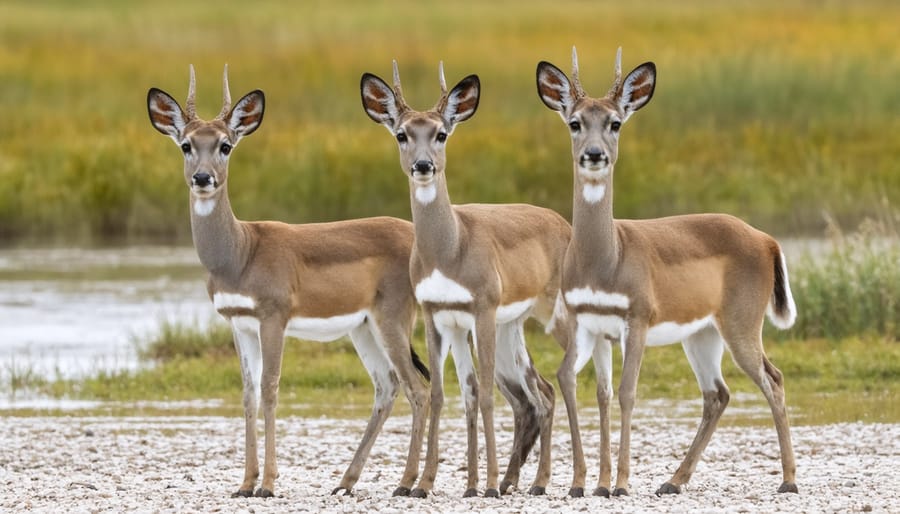
Every footstep we take in nature leaves a mark, but the collective impact of wildlife enthusiasts across Australia’s diverse ecosystems tells a more sobering story. When we venture off designated paths to capture that perfect photo of a shy lyrebird or follow a wombat deeper into the bush, we’re doing more than bending a few grasses. We’re contributing to trail erosion that can take decades to recover, particularly in fragile alpine areas like Kosciuszko National Park or Tasmania’s wilderness regions.
Australia’s unique soil composition makes our landscapes especially vulnerable. In the Daintree Rainforest, for instance, just twenty visitors walking the same unofficial route can compact soil to the point where native seedlings struggle to establish, disrupting regeneration cycles that have existed for millions of years. Protecting natural habitats requires understanding that even biodegradable items like fruit peels introduce non-native nutrients and scents that alter animal behaviour and local ecosystems.
The ripple effects extend further than we might imagine. Disturbed vegetation around popular wildlife viewing spots in places like Phillip Island creates bare patches that increase water runoff and sediment flow into waterways, affecting aquatic species downstream. Small actions multiply quickly when thousands of nature lovers visit the same locations annually, transforming our desire to connect with wildlife into an unintended threat to the very creatures we cherish.

What Eco-Conscious Wildlife Observation Actually Means
At its heart, eco-conscious wildlife observation is about experiencing the wonder of Australian wildlife while leaving absolutely no trace of your presence. It’s the practice of watching, photographing, and learning from animals in their natural habitats without altering their behaviour, disrupting their routines, or damaging the environments they call home. Think of it as being a respectful guest in someone else’s home, where every action matters.
This philosophy extends far beyond simply keeping your distance. It encompasses understanding animal behaviour well enough to recognize signs of stress, knowing which habitats are particularly vulnerable during breeding seasons, and accepting that sometimes the best wildlife encounter is the one you don’t force. When immersing yourself in nature, the goal shifts from ticking species off a list to genuinely connecting with the rhythms and patterns of the natural world.
For many Aboriginal and Torres Strait Islander peoples, this approach isn’t new at all. Indigenous Australians have practiced sustainable observation and interaction with wildlife for over 65,000 years, developing deep ecological knowledge through careful, respectful engagement with Country. Traditional practices like seasonal movement patterns, understanding animal languages and behaviours, and recognizing the interconnectedness of all living things form the foundation of what we now call eco-conscious observation. These time-tested principles of reciprocity and respect offer invaluable lessons for modern wildlife enthusiasts.
Within Australia’s broader conservation landscape, eco-conscious wildlife observation plays a crucial role. Our unique ecosystems, from the Great Barrier Reef to Tasmania’s ancient forests, face mounting pressures from climate change, habitat loss, and human disturbance. Every observer who chooses to watch a nesting seabird from a respectful distance rather than approaching for a closer photo contributes to conservation outcomes. Research increasingly shows that human disturbance, even well-intentioned, can cause animals to abandon nests, expend precious energy fleeing, or avoid critical feeding areas.
The minimal impact approach means considering everything from where you park your vehicle to whether your sunscreen might contaminate waterways. It’s about recognizing that our presence, however brief, becomes part of the ecosystem we’re observing, and taking full responsibility for ensuring that impact remains positive or neutral, never harmful.
The Golden Rules for Responsible Wildlife Watching
Distance and Boundaries That Protect
Understanding safe distances isn’t about following rigid rules, it’s about reading the conversation wildlife is having with you. Australian wildlife protection guidelines recommend maintaining at least 30 metres from kangaroos and wallabies, 50 metres from wombats, and 100 metres from koalas in trees. For marine mammals like dolphins and seals, stay at least 50 metres away in water and 30 metres on land.
These aren’t arbitrary numbers. They’re based on years of behavioural research showing when animals begin experiencing physiological stress. Think of it as respecting someone’s personal space bubble, only the consequences of crossing that boundary are far more serious for wildlife.
Learning to recognise distress signals transforms you from a casual observer into a skilled wildlife advocate. Kangaroos will often freeze with ears forward before fleeing, wasting precious energy reserves. Birds may perform distraction displays or alarm calls that alert predators to their nests. Wombats emerging from burrows during daylight often indicates disturbance rather than a photo opportunity. Marine animals changing direction repeatedly or increasing their swimming speed are clear indicators you’re too close.
The most powerful tool in your observation kit? Your willingness to back away. If an animal stops feeding to watch you, changes its direction of travel, vocalises repeatedly, or shows defensive postures like raised fur or tail twitching, increase your distance immediately. Sometimes the best wildlife encounter is the one where you watched from afar, knowing the animal never knew you were there at all.
Timing Your Observations Right
Understanding when to observe wildlife can make the difference between a memorable experience and causing significant stress to animals. In Australia, seasonal timing is particularly crucial as many species have specific breeding and migration patterns that make them especially vulnerable at certain times.
Spring and early summer (September to December) mark critical breeding seasons for most Australian birds, mammals, and reptiles. During these months, animals are nesting, raising young, and establishing territories. A well-meaning observer getting too close to a plover’s nest or wandering near a wombat’s burrow can cause parents to abandon their young or exhaust themselves in defensive behaviours. Consider planning your wildlife adventures for late summer through winter when most species have completed breeding cycles and are generally more tolerant of human presence.
Twilight hours present another vulnerable period. Dawn and dusk are when many Australian animals are most active, feeding after or before the heat of the day. While these times offer fantastic observation opportunities, they’re also when animals are focused on survival activities and least able to cope with disturbance. If you’re observing during these peak activity periods, maintain extra distance and remain particularly still and quiet.
Remember that drought, fire, and flood events dramatically increase wildlife vulnerability. After natural disasters, animals are already stressed and struggling for resources, so consider postponing non-essential wildlife observations until ecosystems begin recovering.
The Right Gear, The Right Way
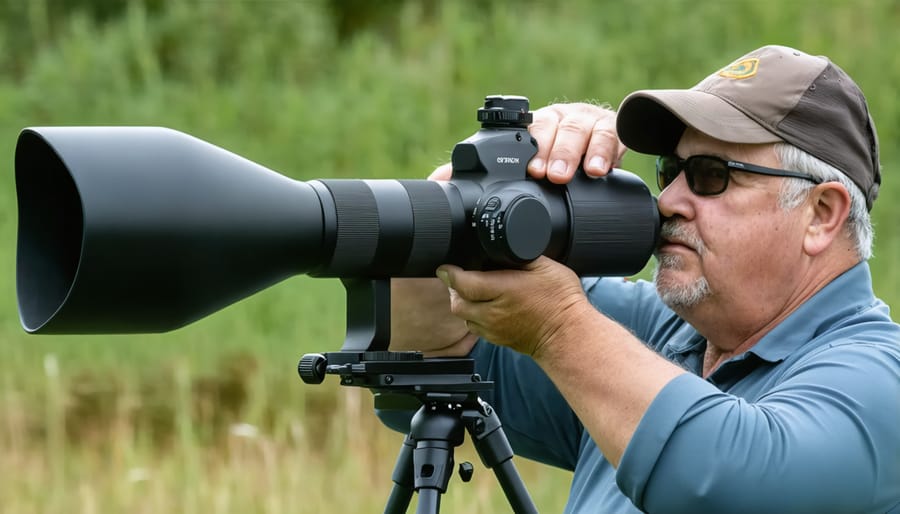
The right equipment can transform your wildlife observation experience while minimising disturbance to the animals you’ve come to admire. Think of your gear as an extension of your eco-conscious approach, allowing you to connect with nature from a respectful distance.
A quality pair of binoculars (8×42 or 10×42 magnification) is your most valuable investment. They enable you to observe intricate behaviours without encroaching on an animal’s comfort zone. Australian birdwatchers have long relied on binoculars to spot everything from the tiny superb fairy-wren to distant sea eagles along our coastlines. When choosing binoculars, consider weatherproof models that’ll withstand humid Queensland mornings or dusty outback conditions.
For photography enthusiasts, a camera with a telephoto lens (300mm minimum) means you can capture stunning images while maintaining distance. Here’s where many well-meaning observers inadvertently cause harm: flash photography can disorient nocturnal animals like possums and owls, disrupting their navigation and hunting abilities. Always disable your flash, even in dim light. Modern cameras handle low light remarkably well, and the slightly grainy photograph is a small price for an animal’s wellbeing.
Noise pollution deserves equal consideration. That camera shutter clicking rapidly might seem harmless, but to a nesting bird, it signals potential danger. Switch to silent or electronic shutter modes when available, and remember that your excited whispers carry further than you think. Many Australian wildlife groups now encourage the “quiet approach” during community observation walks, creating calmer experiences for both animals and observers.
Leave No Trace in Wildlife Spaces
Australia’s stunning national parks and reserves are treasures we all share, and keeping them pristine starts with simple, mindful actions. When exploring these precious spaces, adopt a pack-in, pack-out approach—everything you bring with you, from food wrappers to fruit peels, should leave with you. Even organic waste like banana skins can introduce non-native seeds and disrupt local ecosystems, not to mention they take much longer to decompose in our unique climate than you might expect.
Staying on designated paths isn’t just about following rules; it’s about protecting fragile plant communities and preventing soil erosion that can take decades to recover. Those roped-off areas in places like the Blue Mountains or Kakadu exist because vegetation is regenerating or wildlife is nesting nearby. When we venture off-track, even with good intentions, we can inadvertently damage habitats that countless creatures depend on.
Park signage serves as your guide to responsible exploration, alerting you to sensitive areas, seasonal closures, and wildlife protection zones. Many Australian parks now feature Indigenous-led interpretive signs that share Traditional Custodian perspectives on caring for Country—valuable wisdom that enriches your understanding of the land. By embracing these guidelines and incorporating slow and local travel principles, you’re not just visiting these spaces; you’re actively participating in their preservation for future generations.
Australian Wildlife Hotspots Done Right
Community-Led Conservation Experiences
Across Australia, passionate communities are transforming wildlife observation from a passive activity into meaningful conservation action. These grassroots initiatives offer opportunities to combine your love of nature with genuine environmental impact, creating connections that benefit both wildlife and local communities.
The Australian Wildlife Conservancy runs immersive eco-tours across their network of protected sanctuaries, where visitor fees directly fund habitat restoration. At their Scotia Wildlife Sanctuary in western New South Wales, overnight stays include guided spotlighting sessions to observe bilbies, burrowing bettongs, and bridled nailtail wallabies – species brought back from the brink through targeted conservation efforts. These experiences exemplify eco-conscious travel practices by ensuring tourism dollars support wildlife recovery programs.
Citizen science projects offer another powerful avenue for involvement. BirdLife Australia’s Birdata app transforms every birdwatching excursion into valuable research data, helping scientists track population trends and habitat changes. Similarly, the FrogID project by the Australian Museum asks volunteers to record frog calls, building a national database that monitors the health of wetland ecosystems. These programs require no formal training – just enthusiasm and a smartphone.
In Queensland, EcoTourism Australia certified operators like Australian Wildlife Journeys partner with Traditional Owners to offer cultural wildlife experiences on Country. These tours share Indigenous knowledge about animal behavior and ecological relationships while generating income for Aboriginal communities managing their ancestral lands.
Local Landcare groups throughout Australia also organize wildlife monitoring walks, teaching community members to identify native species while removing invasive weeds. These regular gatherings build environmental stewardship while fostering genuine connection between neighbors who share conservation values.
Learning from Indigenous Wildlife Knowledge
For tens of thousands of years, Indigenous Australians have lived in deep reciprocal relationship with the land and its creatures, developing profound ecological knowledge that modern science is only beginning to fully appreciate. This wisdom offers invaluable guidance for anyone seeking to observe wildlife with genuine respect and understanding.
Country-based thinking forms the foundation of Indigenous perspectives on wildlife observation. Rather than viewing animals as separate subjects to watch, Traditional Custodians understand all living things as interconnected relatives within Country. This worldview naturally encourages observers to consider their role within the ecosystem, not as outsiders looking in, but as participants with responsibilities. When we approach wildlife observation through this lens, questions shift from “How close can I get?” to “How can I be present without disrupting the balance?”
Many Indigenous communities across Australia continue practising seasonal movement patterns that honour wildlife breeding and feeding cycles. The Yolŋu people of Northeast Arnhem Land, for example, recognise six distinct seasons, each indicating when certain animals should be left undisturbed and when careful interaction is appropriate. These practices demonstrate that respectful observation requires understanding temporal rhythms, not just spatial boundaries.
Indigenous fire management practices also reveal sophisticated understanding of wildlife needs. Cool burns conducted at specific times create habitat diversity that benefits countless species while reducing catastrophic bushfire risk. Community groups across Australia are increasingly partnering with Traditional Custodians to implement cultural burning programs, recognising that caring for wildlife means caring for Country holistically.
Learning from Indigenous knowledge doesn’t mean appropriation. It means listening, respecting protocols, and supporting Indigenous-led conservation initiatives. Consider joining local reconciliation groups, attending cultural awareness programs, or supporting Indigenous ranger programs that combine traditional knowledge with contemporary conservation science. This approach enriches our wildlife observations with deeper meaning while honouring the world’s oldest continuing cultures and their enduring connection to Australian landscapes.
Common Mistakes Even Well-Meaning Observers Make
Sarah thought she was doing the right thing. During her visit to Kakadu, she spotted a family of agile wallabies near her campsite and decided to toss them some apple slices. “They look so hungry,” she reasoned. Within days, those same wallabies became bold enough to approach other campers, eventually raiding coolers and becoming aggressive when people didn’t share food. Sarah’s well-intentioned act had inadvertently trained wildlife to associate humans with easy meals, a pattern that often ends badly for the animals.
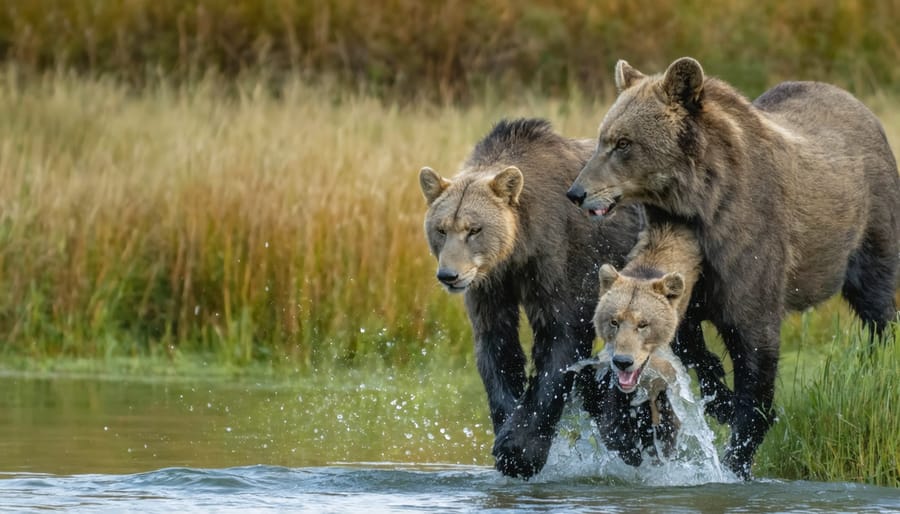
This scenario plays out across Australian wildlife hotspots more often than we’d like to admit. Even those of us who genuinely care about nature can make mistakes that compromise the very creatures we’re trying to appreciate. Understanding these common pitfalls helps us become better stewards of our unique ecosystems.
Feeding wildlife ranks among the most damaging yet persistent mistakes. Beyond creating dependency, it introduces inappropriate foods that can cause serious health issues. Bread, for instance, offers little nutritional value to birds and can lead to a condition called “angel wing” that prevents proper flight development in young waterbirds. In coastal areas around Queensland and New South Wales, tourists feeding fish and chips to seabirds has contributed to nutritional diseases and altered natural foraging behaviors. What feels like a magical moment of connection actually disrupts millions of years of evolutionary adaptation.
The drone dilemma represents another modern challenge. Tom, a photography enthusiast from Melbourne, learned this lesson the hard way when his drone scattered a colony of nesting shorebirds at Western Port Bay. The birds abandoned their nests, leaving eggs exposed to predators and heat. Drones create noise and movement that wildlife perceive as aerial predators, triggering panic responses that can separate parents from young or cause animals to flee protective cover. Many Australian national parks now restrict drone use, but in unregulated areas, the responsibility falls entirely on operators to maintain safe distances, typically at least 100 meters from wildlife.
Social media has created an unexpected conservation challenge. When Jacob discovered a rare platypus feeding spot along a quiet Victorian creek, he excitedly shared detailed location information and photos online. Within weeks, the once-peaceful site became overrun with visitors, causing the platypus to abandon its territory. Geotagging sensitive wildlife locations, particularly for threatened species or breeding sites, creates crowding that stresses animals and degrades habitats. The desire to share beautiful experiences must be balanced with discretion about precise locations.
The pursuit of that perfect photo continues to drive problematic behavior. Getting too close disrupts natural behaviors, increases stress, and can provoke defensive reactions. Rangers at Tasmanian national parks regularly encounter visitors approaching wombats and Tasmanian devils far closer than the recommended five-meter minimum. These seemingly docile animals can inflict serious injuries when cornered or threatened. Additionally, close approaches during breeding seasons can cause nest abandonment or separate young animals from their parents, sometimes permanently.
Learning from these mistakes strengthens our entire community of wildlife observers, ensuring our passion for nature enhances rather than harms the ecosystems we cherish.
Teaching the Next Generation to Watch Wisely
Teaching our children to become thoughtful wildlife observers starts with simple, hands-on experiences that build respect and understanding. As parents and educators, we have the opportunity to shape how the next generation interacts with Australia’s precious wildlife, creating lifelong habits that protect rather than harm.
Start in your own backyard or local urban nature spaces. Before heading out, gather the kids for a conversation about wildlife needs. Ask questions like: “How would you feel if someone kept following you around?” or “What do birds need to feel safe in their homes?” This builds empathy naturally, making rules feel less like restrictions and more like kindness.
Create a wildlife observation kit together. Include binoculars, a nature journal, coloured pencils, and a field guide to local species. Challenge children to sketch what they see rather than photograph it. This slower approach encourages patience and detailed observation while keeping devices away. Ten-year-old Maya from Brisbane discovered she could identify five different honeyeater species through drawing their unique markings, something she’d missed when simply snapping photos.
Many Australian schools now incorporate eco-conscious wildlife programs. The NSW Department of Education’s Wildlife in Schools initiative teaches students to monitor local fauna populations while practising ethical observation. Victorian schools participating in Backyard Buddies programs create wildlife-friendly habitats and learn proper viewing distances. Ask if your child’s school runs similar programs or suggest starting one.
Set up a backyard observation station with a permanent blind made from recycled materials. Position it near native plantings that attract local species. Children learn that wildlife comes to them when they create welcoming, undisturbed spaces. Document seasonal changes together, noting which creatures visit when and how their behaviour shifts.
Remember, children mirror what adults do. When they see you maintaining respectful distances, speaking quietly, and celebrating wildlife from afar, these values become second nature to them too.
The future of Australia’s extraordinary wildlife depends on the choices we make today, and every single observation matters. Whether you’re watching fairy penguins waddle ashore at Phillip Island or spotting platypus in a quiet creek, your approach shapes whether these encounters remain possible for generations to come. The beauty is that eco-conscious wildlife observation isn’t about sacrifice or restriction. It’s about deepening your connection with nature while ensuring these remarkable creatures continue to thrive in their natural habitats.
Across communities throughout Australia, individuals just like you are already making a difference. Bush regeneration groups are creating wildlife corridors, citizen scientists are contributing valuable data, and families are teaching children to observe with respect rather than interference. These collective efforts demonstrate that change doesn’t require grand gestures. It starts with small, intentional actions that ripple outward, influencing friends, neighbours, and wider networks.
The path forward is clear and achievable. Start by committing to one or two practices from what you’ve learned here. Perhaps you’ll pledge to maintain proper distances during your next wildlife encounter, or maybe you’ll join a local conservation group to share observations responsibly. Talk about these practices with your community, whether that’s at the local cafe, your workplace, or on social media. Share your experiences and the reasons behind your choices without judgment, simply as someone who cares.
Remember, every conscious decision you make contributes to a larger movement of Australians protecting the wildlife that makes this continent unique. Together, we’re building a culture where wildlife observation and conservation go hand in hand, ensuring our children inherit a world where encountering wild creatures remains a privilege, not a memory.