
Every litre of water flowing through your taps, showers, and garden hoses carries a hidden story about the health of Australian rivers, creeks, and wetlands. When we extract water from catchments faster than nature can replenish it, stream flows drop, water temperatures rise, and the delicate ecosystems that countless native species depend upon begin to collapse.
The connection is direct and urgent: household water use in Australia averages 340 litres per person daily, translating to billions of litres drawn from already-stressed waterways across our driest inhabited continent. Yet this challenge presents an extraordinary opportunity. Communities throughout Australia are discovering that practical water conservation doesn’t require sacrifice—it demands creativity, commitment, and connection to country.
Turn off taps while brushing teeth and scrubbing dishes, saving up to 15 litres per minute that would otherwise be treated, pumped, and eventually drawn from local water sources. Install water-efficient showerheads rated at 7.5 litres per minute or less, reducing hot water use by 40% while maintaining comfortable pressure. Replace thirsty lawn areas with native grasses and groundcovers that thrive on rainfall alone, eliminating irrigation needs while providing habitat corridors for local wildlife. Capture roof runoff in rainwater tanks sized appropriately for your property, creating a buffer supply that reduces reliance on scheme water during peak demand periods when environmental flows are most critical.
These aren’t merely household improvements—they’re acts of environmental stewardship that ripple outward. When entire neighbourhoods embrace water-smart practices, the cumulative impact becomes measurable in stream health, biodiversity recovery, and waterway resilience during drought. Australian waterways shaped our continent’s ecology for millions of years. Now they need our immediate action to survive the next generation.
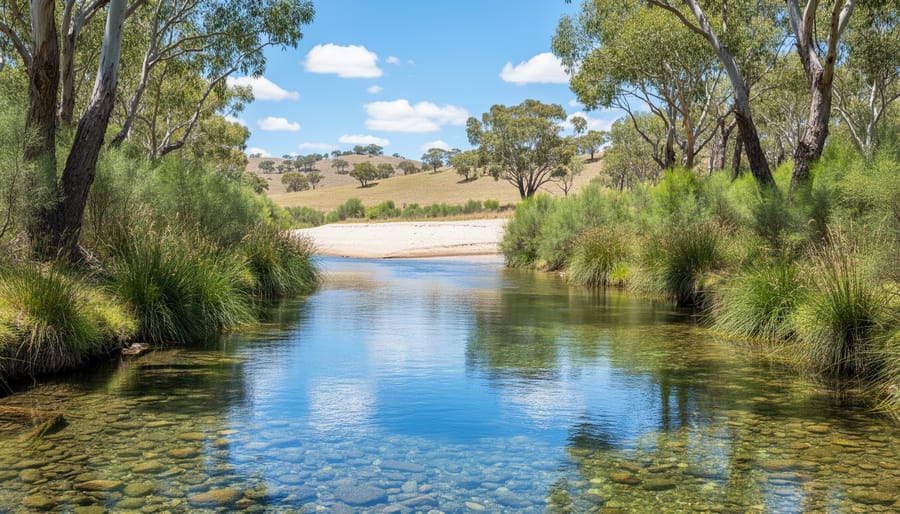
Why Australian Waterways Need Our Help Now
The Real Cost of Degraded Waterways
The health of our waterways comes at a genuine cost to Australian communities, and the impacts are felt across multiple fronts. When we neglect waterway protection initiatives, the consequences ripple through our environment, economy, and daily lives.
Water quality deterioration stands as one of the most immediate concerns. Degraded rivers and streams mean higher treatment costs for our drinking water supply, with Australian households ultimately footing the bill through increased water rates. In some regional areas, treatment costs have risen by up to 30% over the past decade due to declining water quality from pollutants and agricultural runoff.
The loss of native species tells another critical story. Our iconic platypus populations have declined significantly in degraded waterways, with some local extinctions already recorded. Native fish species like the Murray cod struggle to survive in compromised habitats, affecting not just biodiversity but also the recreational fishing industry that many regional communities depend on.
Tourism and recreation take substantial economic hits too. Australian families treasure their local swimming holes, fishing spots, and riverside parks. When these places become unusable due to algal blooms, pollution, or poor water quality, local businesses suffer and communities lose cherished gathering spaces. A recent Victorian study estimated that poor waterway health costs the state’s tourism sector millions annually.
The good news? These costs are preventable through collective action and mindful water conservation practices that start in our own homes and businesses.
How Water Conservation Protects Our Waterways
Every litre of water we save at home stays in our rivers, creeks, and underground aquifers where it belongs. Across Australia, our waterways face mounting pressure from drought, climate variability, and increasing demand. When we turn off that tap while brushing our teeth or fix a leaking toilet, we’re doing more than cutting our water bills – we’re helping maintain the lifeblood of our ecosystems.
Think about the Murray-Darling Basin, where reduced water extraction has already shown remarkable results in reviving wetlands and supporting native fish populations. The same principle applies to waterways right across the country, from the Yarra to the Swan River. Healthy stream flows depend on adequate water remaining in catchments rather than being diverted for urban or agricultural use.
Groundwater levels tell an equally important story. Many Australian communities rely on underground aquifers that recharge slowly over decades. When we conserve water, we reduce the strain on these precious reserves, ensuring they can continue supporting both human needs and the river systems they feed into.
The connection extends to water temperature and quality too. Lower water volumes mean higher temperatures and concentrated pollutants, creating hostile environments for aquatic life. By using water wisely, we help maintain the cool, clean conditions that native species need to thrive. This is particularly critical during our harsh summer months when waterways already face natural stress.
Every household and business that embraces water conservation becomes a guardian of our waterways, contributing to a collective effort that strengthens ecosystem resilience across the continent.
Water Conservation Practices That Protect Your Local Creek or River
Reducing Stormwater Runoff at Home
When rain falls on natural landscapes, it soaks into the ground, filtering through soil before reaching our creeks and rivers. But in our urban neighbourhoods, water rushes across concrete driveways, roofs, and roads, collecting pollutants like oil, garden chemicals, and litter before flushing straight into stormwater drains. This unnatural surge of contaminated runoff disrupts the delicate balance of our waterways, but there’s good news: you can make a real difference right at your property.
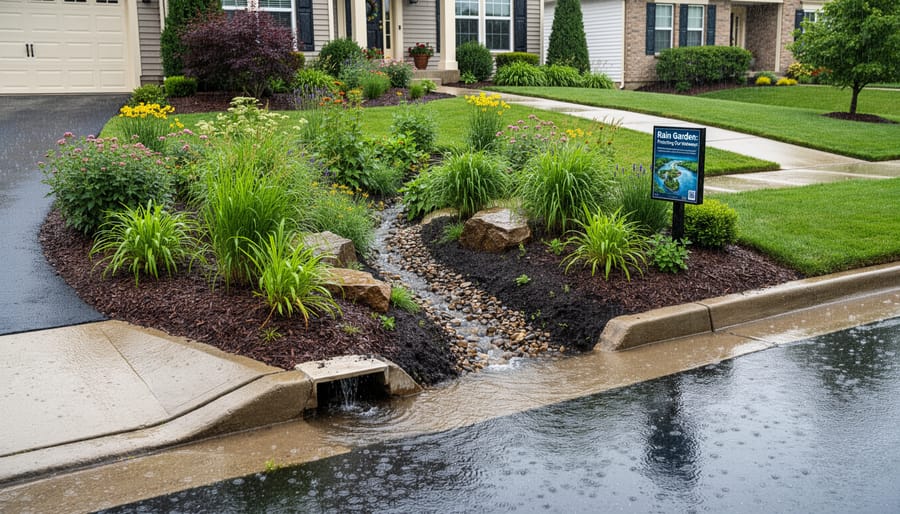
Rain gardens are becoming increasingly popular across Australian suburbs, and for good reason. These shallow, planted depressions capture runoff from your roof or driveway, allowing water to slowly infiltrate the soil while native plants filter out pollutants. They’re surprisingly easy to establish and create beautiful, low-maintenance features that attract local birds and butterflies. Many councils even offer free design workshops to help residents get started.
Permeable paving offers another practical solution for driveways and pathways. Unlike traditional concrete, these surfaces allow water to seep through, reducing runoff by up to 80 percent while still providing a durable surface for vehicles and foot traffic. Options range from permeable pavers to porous concrete, with many Australian manufacturers now offering locally appropriate products.
Installing rainwater tanks serves double duty by capturing roof runoff for later use while preventing it from overwhelming stormwater systems during heavy downpours. Even a modest 2,000-litre tank can make a significant impact during storm events.
Consider disconnecting your downpipes from stormwater drains and directing them onto garden beds or lawn areas instead. This simple action, which many councils actively encourage, allows natural infiltration and keeps cleaner water flowing through our catchments. Some water authorities even provide rebates or free plumbing advice to support this practice, recognizing its community-wide benefits for waterway health.
Smart Outdoor Water Use
Your outdoor spaces offer tremendous opportunities to protect local waterways while creating beautiful, thriving gardens. Every drop saved in your garden means less strain on our rivers and creeks, and smarter irrigation choices prevent fertiliser-laden runoff from polluting the waterways our communities treasure.
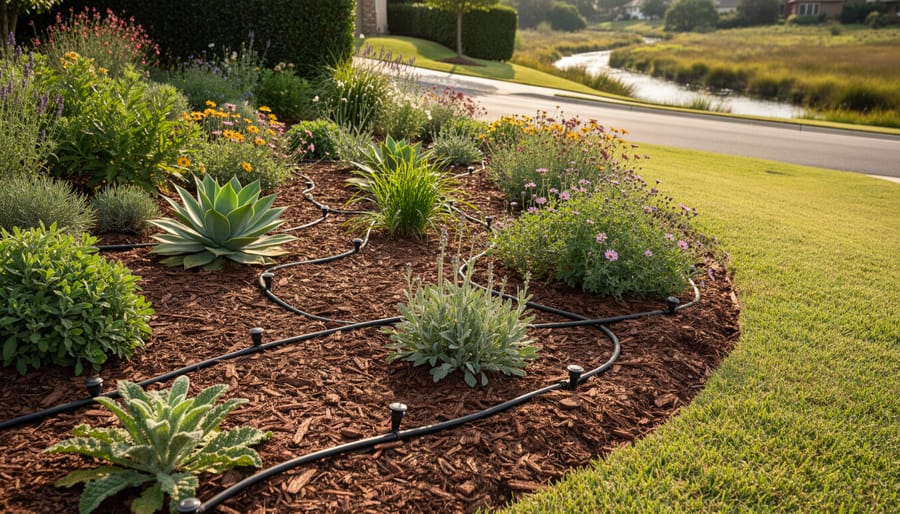
Start by embracing water-wise gardening techniques that work with our climate rather than against it. Install drip irrigation or soaker hoses that deliver water directly to plant roots, reducing evaporation by up to 50% compared to traditional sprinklers. Even better, consider a smart irrigation controller that adjusts watering schedules based on weather conditions and soil moisture levels.
Mulching is your garden’s best friend. A 7-10cm layer of organic mulch around plants suppresses weeds, regulates soil temperature, and dramatically reduces water loss. As a bonus, it prevents soil erosion during heavy rain, stopping sediment and nutrients from washing into stormwater drains and eventually our waterways.
Native plants are true champions of water conservation. Species like kangaroo paw, bottlebrush, native grasses, and coastal rosemary have evolved to thrive in Australian conditions with minimal water once established. They require little to no fertiliser, meaning fewer chemicals near our waterways. Try grouping plants with similar water needs together, placing thirsty varieties in naturally moist areas and drought-tolerant natives in sunny, dry spots.
Water your garden during early morning or evening to minimise evaporation, and always water deeply but less frequently to encourage strong root systems. These simple changes create resilient gardens that honour our precious waterways while reducing your water bills significantly.
Indoor Water Efficiency That Makes a Difference
Every drop of water saved inside your home creates a ripple effect that reaches far beyond your tap. When we reduce indoor water consumption, we’re not just lowering our bills – we’re directly protecting Australian waterways from the strain of excessive extraction and wastewater discharge.
Start with the basics: fixing leaks. That dripping tap might seem insignificant, but across Australian households, leaks waste millions of litres annually that must be extracted from rivers and aquifers. A leaking toilet can waste up to 60,000 litres yearly – water that our stressed waterways can’t afford to lose. The good news? Most leaks are simple fixes requiring basic tools or a quick call to your plumber.
Installing water-efficient fixtures makes an immediate difference. Modern low-flow showerheads and dual-flush toilets use significantly less water while maintaining performance. When you shower with a water-efficient head, you’re reducing not just the water drawn from local sources, but also the volume of wastewater requiring treatment before returning to waterways. This lighter processing burden means less energy use and fewer treatment chemicals potentially entering our rivers and estuaries.
Consider household habits too. Running full loads in dishwashers and washing machines maximizes efficiency, while turning off taps during teeth brushing prevents unnecessary waste. These practices might feel small individually, but collectively across Australian communities, they represent powerful protection for our precious waterways. Many local councils offer free water-efficiency audits to help identify where your household can make the biggest impact.
Creating Waterway Buffer Zones
If your property borders a creek, river, or wetland, you have a unique opportunity to make a significant difference in waterway health. Creating buffer zones with native riparian vegetation acts as a natural filter, preventing soil erosion and capturing pollutants before they reach the water. These living barriers are remarkably effective at protecting our precious waterways while creating habitat corridors for native wildlife.
Getting started is simpler than you might think. Begin by assessing your waterway’s edge and identifying areas where vegetation is sparse or non-existent. Aim for a buffer zone at least 5-10 metres wide, though wider is always better. Choose locally native plants suited to wet conditions, such as river red gums, swamp paperbarks, lomandra, and native rushes. These species have evolved alongside Australian waterways and require minimal maintenance once established.
Plant in layers to maximize effectiveness. Position trees at the back, shrubs in the middle, and groundcovers closest to the water’s edge. This tiered approach creates diverse habitat while stabilizing soil at different levels. Many councils offer free native plants or subsidies for riparian restoration, making this an affordable project.
Maintenance involves watering during establishment, mulching to suppress weeds, and occasional pruning. Consider connecting with local revegetation groups who can provide practical support and share knowledge.
The rewards extend beyond water quality. You’ll notice increased birdlife, cooler microclimates, and the satisfaction of knowing you’re actively healing your local waterway for future generations.
Community-Led Waterway Conservation Success Stories
Melbourne’s Urban Creek Restoration
In Melbourne’s eastern suburbs, the Dandenong Creek restoration project stands as an inspiring example of how water conservation and waterway health go hand-in-hand. When local residents noticed their beloved creek struggling with reduced flow and deteriorating water quality, they didn’t just accept it as inevitable urban decline.
The community partnered with local council and Melbourne Water to tackle the problem from multiple angles. Households committed to reducing water consumption through rainwater tanks and efficient fixtures, while simultaneously addressing stormwater runoff through rain gardens and permeable paving. This dual approach meant more water stayed in the natural system while reducing pollutant loads entering the creek.
The challenges were real. Coordinating hundreds of households required patience and persistent community engagement. Initial costs concerned many residents until they learned about available rebates and calculated long-term savings. Some older infrastructure needed upgrading to prevent leaks that were literally draining the creek system.
Three years on, the results speak volumes. Creek flow has increased by 18 percent during dry periods, while water quality testing shows significant improvements in dissolved oxygen levels. Native fish species have returned, platypus sightings are increasing, and the community has collectively saved over 45 million litres annually. Perhaps most importantly, neighbours now gather for regular creek care days, strengthening both their waterway and their community bonds.
Regional Australia’s Farm Water Stewardship
Across regional Australia, innovative farmers are proving that protecting waterways and maintaining productive agriculture can go hand in hand. These pioneers are implementing sustainable farming practices that conserve precious water while safeguarding local creeks and rivers.
In the Murray-Darling Basin, the Thompson family has transformed their irrigation approach by installing soil moisture sensors and switching to drip irrigation systems. This combination reduced their water use by 40 percent while increasing crop yields. The excess water now flows back into nearby waterways, supporting native fish populations that had been declining for decades.
Meanwhile, Victorian dairy farmer Sarah Chen has embraced rotational grazing and established riparian buffer zones along her property’s creek lines. These vegetated strips filter runoff before it reaches the water, preventing sediment and nutrient pollution. Sarah reports healthier livestock, reduced feed costs, and the return of platypus to her creek—something she hadn’t seen since childhood.
In Queensland’s Lockyer Valley, citrus growers are capturing and reusing irrigation runoff in purpose-built detention basins. This practice not only conserves water but prevents contaminated runoff from reaching the Brisbane River system.
These farmers demonstrate that water stewardship isn’t about sacrifice—it’s about working smarter. Their success stories offer a blueprint for agricultural communities nationwide, showing how protecting waterways strengthens both environmental health and farming viability for generations to come.
Getting Started: Your Water Conservation Action Plan
Quick Wins for Immediate Impact
You don’t need to wait months to make a difference to your local waterways. Start today with these simple, cost-effective actions that deliver immediate results.
First, hunt down those sneaky leaks. A dripping tap can waste over 20,000 litres annually, water that eventually flows into stormwater systems carrying pollutants to our creeks and rivers. Check under sinks, around toilets, and outdoor taps. Most hardware stores across Australia stock inexpensive washers you can replace yourself in minutes.
Next, reprogram your irrigation timer. Many Aussie gardens are overwatered by 30-50 percent. Adjust your system to water during cooler morning hours, reducing evaporation and ensuring less runoff reaches waterways. Even better, install a rain sensor that automatically pauses watering after rainfall, a simple device costing around 50 dollars.
Redirect your downpipes away from hard surfaces. When rain rushes across concrete and into drains, it picks up oils, chemicals, and debris before entering local streams. Point downpipes toward garden beds or grass areas where soil naturally filters water before it reaches waterways. This five-minute fix transforms your property into a mini-filtration system.
These quick wins create ripple effects throughout your community, protecting the waterways we all cherish while slashing your water bills.
Planning Bigger Projects
Ready to make a bigger splash in water conservation? Larger projects like rainwater tanks, rain gardens, and greywater systems can dramatically reduce your household water use while protecting local waterways from stormwater runoff and pollution.
Start by assessing which investment offers the greatest impact for your property. Rainwater tanks are brilliant for garden irrigation and toilet flushing, while rain gardens naturally filter stormwater before it reaches creeks and rivers. Greywater systems redirect water from showers and laundry to gardens, keeping nutrients out of waterways where they fuel algal blooms.
The good news? You don’t have to shoulder the cost alone. Most Australian states and territories offer generous rebates and grants for water-saving installations. Victoria’s Water Rebate Program provides up to $1,500 for rainwater tanks, while South Australia offers rebates for both rainwater harvesting and greywater systems. New South Wales councils frequently run community programs with subsidised installations.
Check your local council and state water authority websites for current rebate programs, as these change regularly. Many councils also provide free water audits to help you identify the best projects for your property. Connect with local environmental groups who often share experiences and collective purchasing opportunities, making these projects more affordable and building community resilience together.
Joining Your Local Waterway Group
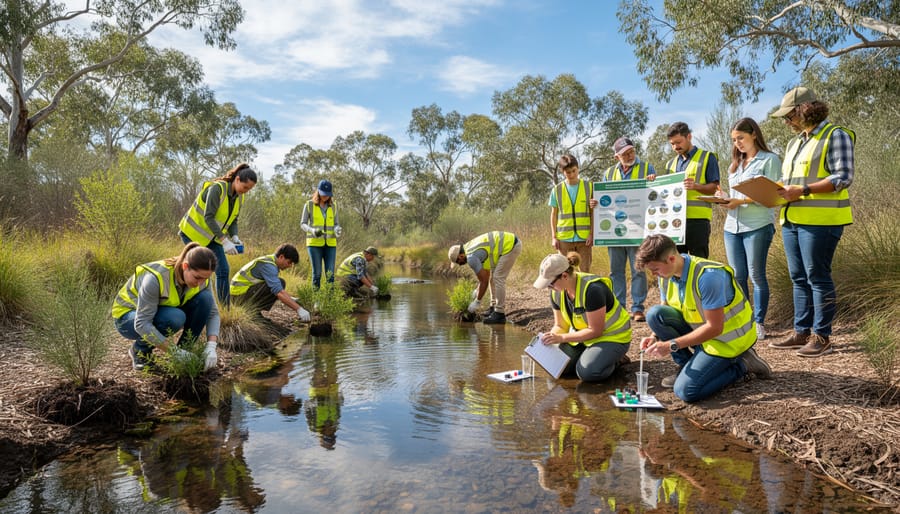
You don’t have to tackle waterway conservation alone. Right across Australia, passionate locals are coming together through Landcare groups, waterway management committees, and catchment organizations to protect our precious water resources. These groups organize everything from riverside revegetation days to water quality monitoring programs, making it easy to contribute your time and energy.
Start by visiting the Landcare Australia website or your local council’s environment page to discover local community groups near you. Many regions have dedicated waterway trusts or ‘Friends of’ groups focused on specific rivers and creeks. Your state’s natural resources department also maintains directories of active conservation networks.
When you connect with these groups, you’ll gain practical knowledge about your local waterway’s unique needs while meeting like-minded people. Whether you can spare a few hours monthly for planting days or want to become more involved in advocacy, there’s a role for everyone. Many groups also offer training in citizen science, helping you understand water testing and ecosystem monitoring.
Every drop of water you save ripples outward, creating waves of positive change for our precious Australian waterways. While it might feel like your individual actions are just a drop in the ocean, the truth is far more powerful. When thousands of households across our communities reduce water waste, those drops become a flood of protection for our rivers, creeks, and wetlands.
The connection is beautifully simple: less water wasted in our homes and gardens means more water flowing through our waterways, supporting native fish, platypus, birds, and the intricate ecosystems that depend on healthy water flows. It means reduced strain on our treatment plants, cleaner water returning to our rivers, and healthier habitats for generations to come.
You don’t need to overhaul your entire life overnight. Start with just one practice from what you’ve learned today. Perhaps it’s installing a rain barrel this weekend, switching to a water-efficient showerhead, or simply turning off the tap while brushing your teeth. That single action is your commitment to being part of something bigger.
Here’s where the magic happens: share your commitment with your neighbours, your workplace, or your social networks. When you talk about your water-saving efforts, you inspire others to join you. This is how movements grow, how communities transform, and how we create lasting change for our waterways.
Your local creek is counting on you. Our native wildlife is counting on you. Future generations are counting on you. The question isn’t whether your actions matter, it’s which action will you start with today?