
Swap your plastic bags and polystyrene packaging for compostable alternatives this month – Australian retailers are already making this shift and seeing their customers respond with increased loyalty and sales. Your retail business has the power to reduce thousands of kilograms of packaging waste annually while strengthening your brand’s position in an increasingly eco-conscious market.
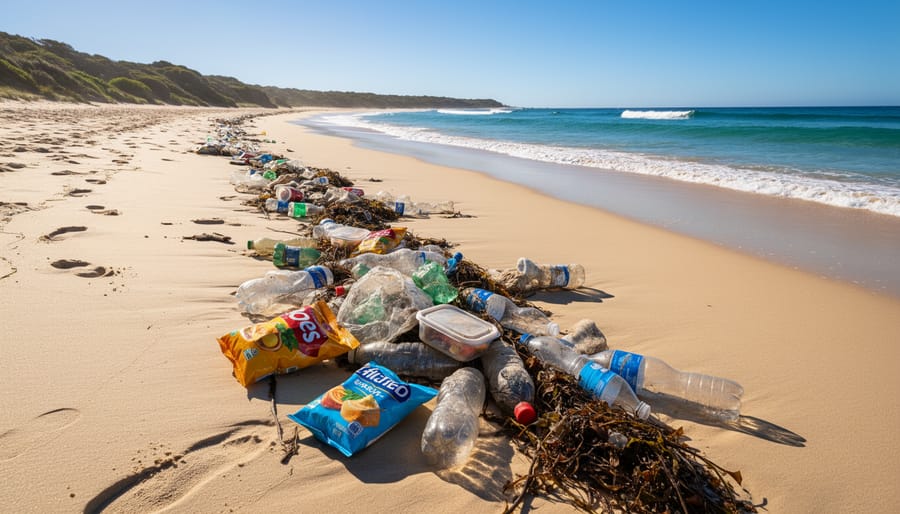
The numbers tell a compelling story: Australians generate over 2.5 million tonnes of plastic waste each year, with retail packaging comprising a significant portion that ends up in landfills and oceans. Your customers are noticing. Recent studies show that 87% of Australian shoppers prefer buying from businesses that prioritize environmental responsibility, and they’re willing to pay a premium for products packaged sustainably.
The transition to eco-friendly retail packaging isn’t just about responding to consumer demand – it’s about participating in a nationwide movement that’s reshaping how Australian businesses operate. From Melbourne boutiques using mushroom-based packaging to Sydney retailers embracing recycled cardboard solutions, the landscape is changing rapidly.
This shift presents both opportunity and challenge. While sustainable packaging options have become more accessible and affordable than ever before, many Australian retailers still struggle with questions about durability, cost-effectiveness, and finding reliable local suppliers. The good news? You don’t need to navigate this journey alone. Communities of forward-thinking Australian businesses are already proving that profitable retail and environmental stewardship can coexist beautifully.
The Real Cost of Traditional Retail Packaging in Australia
What Australian Consumers Actually Want
The numbers tell a compelling story: Australian consumers are voting with their wallets for sustainability. Recent research from the Australian Packaging Covenant Organisation reveals that 82% of Australians actively consider packaging sustainability when making purchasing decisions, with this figure climbing even higher among millennials and Gen Z shoppers.
What’s particularly encouraging is that these aren’t just empty promises. A 2023 survey conducted across major Australian cities found that 67% of consumers have actually switched brands specifically because of excessive or non-recyclable packaging. Even more telling, 73% of respondents said they’d be willing to pay a premium of up to 10% for products packaged in genuinely sustainable materials.
The message from shoppers is clear: they want packaging that’s minimal, recyclable, and made from renewable resources. Plastic packaging consistently ranks as the top concern, with 89% of Australians expressing worry about plastic waste in our oceans and landfills.
For retail businesses, this isn’t just about doing the right thing for the environment. It’s about meeting customer expectations and staying competitive. Melbourne-based market research shows that sustainable packaging has become a key differentiator, with 58% of consumers saying eco-friendly packaging positively influences their perception of a brand’s overall quality.
The business case is straightforward: Australian consumers are ready for change, and they’re actively seeking out retailers who share their values. The question isn’t whether to transition to eco-friendly packaging, but how quickly you can make it happen.
Eco-Friendly Packaging Materials That Work for Australian Retailers
Compostable and Biodegradable Options
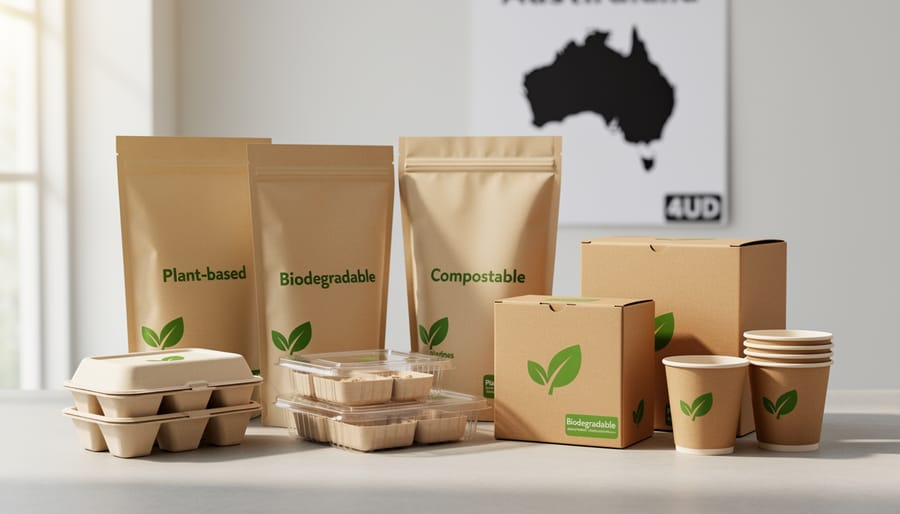
The revolution in compostable packaging is bringing some genuinely exciting innovations to Australian retailers, and these materials are performing better than ever in our unique climate conditions.
Plant-based plastics, known as PLA (polylactic acid), are derived from renewable resources like corn, cassava, or sugarcane. Unlike traditional plastics, they break down within 180 days in commercial composting facilities. Australian companies are increasingly turning to PLA for everything from clear product windows to protective packaging sleeves. However, it’s essential to understand that these materials need the right conditions to break down properly. In Australia’s hot summers, they perform well in commercial composting facilities that reach temperatures above 55 degrees, but they won’t decompose in home compost bins or landfills.
Mushroom packaging is capturing attention across the country, and for good reason. Made from agricultural waste and mycelium (the root structure of mushrooms), it grows into custom shapes within just five days. Melbourne-based businesses are already using this innovative material for protective packaging, and it performs beautifully in Australian conditions. The best part? You can simply break it up and add it to your home compost or garden beds, where it enriches the soil within weeks.
Seaweed-based materials represent another frontier in sustainable packaging. This rapidly renewable resource requires no fresh water or fertilizers to grow, making it particularly relevant for water-conscious Australia. Some forward-thinking retailers are trialling seaweed sachets and wrapping materials that are completely edible and marine-safe.
Cornstarch packaging offers a practical, readily available alternative that dissolves in water and composts effectively. When sourced from Australian suppliers, it supports local agricultural communities while providing excellent protection for products during transit. These materials align with AS 4736-2006, Australia’s composting standard, ensuring they’ll break down properly in certified facilities.
Recycled and Recyclable Materials
Choosing recycled and recyclable packaging materials is one of the most straightforward ways Australian retailers can reduce their environmental footprint while supporting a circular economy. When purchasing recycled products, you’re not just reducing waste – you’re creating demand that keeps valuable materials in use and out of landfills.
Recycled cardboard and paper remain the workhorses of sustainable packaging. These materials typically contain 70-100% post-consumer content and can be recycled multiple times through your local council’s yellow bin system. They’re ideal for shipping boxes, product packaging, and protective inserts. The beauty of these materials is their familiarity – most Australians already know how to dispose of them correctly, making the recycling loop more likely to complete.
Innovative recycled plastics offer exciting possibilities too. From packaging made with ocean-bound plastic to materials incorporating post-consumer recycled content, these options are growing more accessible. However, navigating recycling programs requires attention. The REDcycle program, which accepted soft plastics at major supermarkets, suspended operations in late 2022, leaving many Australians without convenient soft plastic recycling options. This highlights the importance of checking current local capabilities before selecting packaging materials.
Before committing to any recyclable materials, contact your local council to confirm what they accept. Councils across Australia have varying capabilities, and what’s recyclable in Melbourne might not be accepted in regional Queensland. This due diligence ensures your packaging choices actually support the circular economy rather than inadvertently contributing to contamination or landfill.
Consider including clear disposal instructions on your packaging. This simple step empowers customers to complete the recycling journey, transforming your packaging from waste into tomorrow’s resources. Together, we’re building a more sustainable retail landscape.
Reusable and Returnable Packaging Systems
Across Australia, innovative businesses are proving that packaging doesn’t need to be single-use. Reusable and returnable packaging systems are gaining momentum, offering a practical pathway to dramatically reduce waste while building customer loyalty.
The concept is beautifully simple: customers pay a small deposit on containers, return them after use, and receive their deposit back. The containers are sanitized and refilled, creating a closed-loop system that can eliminate thousands of disposable packages. Melbourne’s Returnr has pioneered this approach for takeaway food, partnering with over 150 cafes and restaurants to offer reusable containers through a convenient app-based system. Customers simply scan, eat, and return containers to any participating venue.
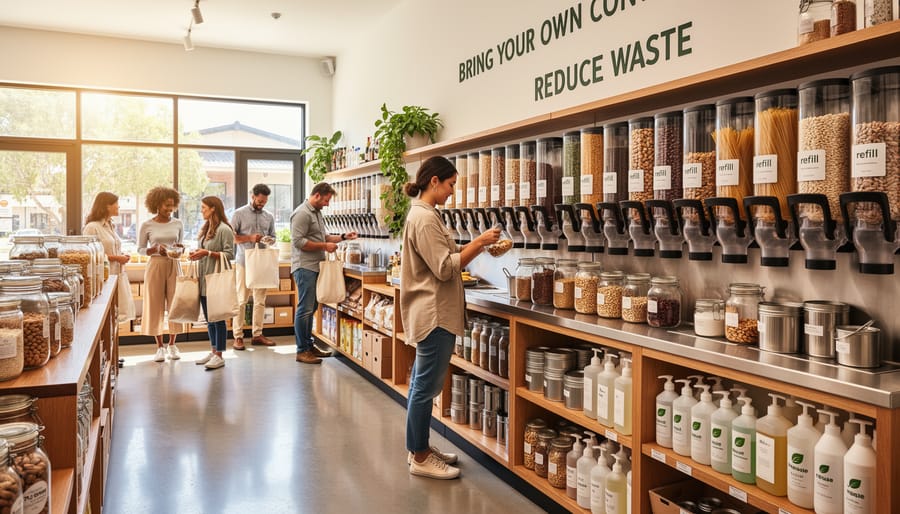
In the grocery sector, The Source Bulk Foods operates more than 70 stores nationwide, encouraging shoppers to bring their own containers or purchase reusable ones in-store. Their model has prevented millions of plastic packages from entering landfills, proving that Australian consumers enthusiastically embrace packaging-free shopping when given the opportunity.
Brisbane’s Containers for Change scheme demonstrates the power of deposit systems at scale, achieving return rates exceeding 60 percent for beverage containers. This success story shows that Australians will actively participate in circular systems when infrastructure makes it easy.
For retailers considering reusable packaging, starting small works well. Begin with a pilot program for your most popular products, partner with established return platforms to minimize setup costs, and communicate the environmental impact clearly to customers. Many businesses report that reusable systems actually strengthen customer relationships, creating a shared sense of environmental stewardship that transforms one-time buyers into committed community members.
Minimalist and Design-Forward Solutions
Sometimes the most sustainable packaging is simply less of it—or none at all. Australian retailers are discovering that avoiding excessive packaging doesn’t mean compromising on presentation or protection. Naked products, from shampoo bars to package-free groceries, are gaining traction in stores across Melbourne, Sydney, and Brisbane. Clever design plays a crucial role here: think seed paper wraps that customers can plant, or origami-inspired folding techniques that eliminate the need for tape and extra materials. Some innovative Aussie brands are using the product itself as part of the packaging structure, like soap blocks that stack together without boxes. This approach requires rethinking traditional retail displays, but the payoff is significant—reduced costs, lower environmental impact, and a clear message to customers that your brand values substance over excess. Even when some packaging is necessary, thoughtful design can transform a simple kraft paper sleeve into an elegant, memorable unboxing experience that proves sustainability and style go hand in hand.
Australian Businesses Leading the Packaging Revolution
Small Business Success Stories
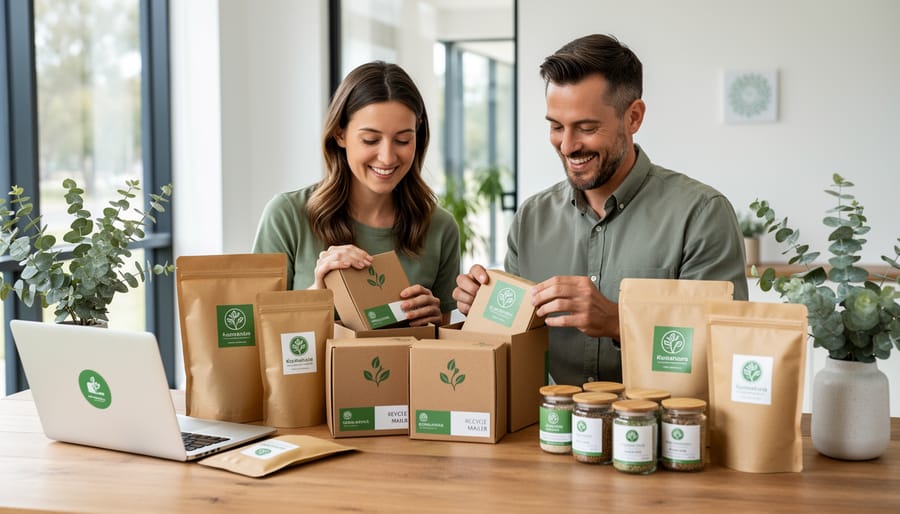
Real Australian businesses are proving that switching to eco-friendly packaging isn’t just possible—it’s profitable. Take Melbourne’s The Soap Dispensary, a zero-waste refill store that made the leap to compostable packaging in 2021. Owner Sarah Mitchell initially worried about costs, spending around $2,000 upfront to source certified home-compostable mailers and paper tape. “Within three months, our customers were tagging us on social media, praising our commitment,” she shares. The investment paid off through increased customer loyalty and a 30% boost in online orders.
Sydney-based skincare brand Native Essence took a phased approach when transitioning from plastic to sugarcane-based containers. Founder James Chen started with shipping materials before tackling product packaging. “We were transparent with our community about the journey, sharing both wins and challenges,” he explains. Though their packaging costs increased by 15%, customer surveys revealed 89% were willing to accept a small price increase for sustainable options.
Brisbane’s Little Harvest Markets, a fresh produce delivery service, switched to reusable fabric bags and paper-based insulation. They implemented a bag return system, offering customers a $2 credit per returned bag. This initiative not only reduced ongoing packaging costs but created a circular system their customers loved. Like many Australian businesses reducing waste, they discovered that sustainable choices strengthened customer relationships while protecting the environment.
Major Retailers Making Bold Changes
Australia’s retail giants are proving that sustainable packaging isn’t just for boutique stores—it’s achievable at every scale, and their actions are creating powerful waves of change across the industry.
Woolworths has taken significant strides by eliminating single-use plastic bags nationwide and introducing paper bags made from 70% recycled content. They’ve also partnered with REDcycle to offer soft plastic recycling stations, though recent challenges have highlighted the need for even more robust solutions. The supermarket giant continues expanding its range of loose fruit and vegetables, reducing the need for pre-packaged options altogether.
Coles has committed to transitioning away from problematic plastics, launching compostable fruit and vegetable bags and introducing reusable mesh produce bags. Their partnership with suppliers to reduce packaging at the source demonstrates how retailers can influence entire supply chains through their purchasing power.
Bunnings has revolutionised their approach by switching to paper-based carry bags and encouraging customers to bring reusable containers for items like screws and nails. This simple shift serves millions of customers annually, preventing countless plastic bags from circulation.
These changes matter because when major retailers make sustainable choices, suppliers respond by developing better alternatives. Small businesses benefit from the increased availability and improved pricing of eco-friendly options. The message is clear: if these retailers can navigate the transition while serving millions of Australians, any business can find a pathway to more sustainable packaging. Their investments in infrastructure and supplier relationships are literally paving the way forward for the entire retail sector.
Making the Switch: A Practical Roadmap for Australian Retailers
Assessing Your Current Packaging Needs
Before diving into sustainable alternatives, take time to honestly assess what you’re currently using. Start by gathering samples of all your packaging materials—boxes, tape, tissue paper, bags, bubble wrap, and those little extras that protect products during shipping. Lay them out and ask yourself: What’s actually necessary? What could be eliminated or combined?
For small retailers, focus on your top three packaging items by volume. Melbourne café owner Sarah discovered she was using five different packaging types when just two would suffice. Larger operations might conduct a full audit, tracking packaging costs and waste over a month to identify patterns.
Consider your products’ specific needs. Fragile items require protection, but does that mean plastic bubble wrap, or could recycled paper fill work just as well? Think about your customer base too—are they already asking for greener options?
Set achievable goals based on your reality. A boutique might start by switching to recycled mailer bags, while a larger retailer could commit to eliminating plastic within twelve months. Remember, you’re not alone in this journey—many Australian businesses are making these same changes, and every step forward matters. The key is starting somewhere that makes sense for your business, then building momentum from there.
Finding Australian Suppliers and Partners
Finding the right supplier is crucial for your sustainable packaging journey, and the good news is that Australia has a growing network of eco-conscious packaging providers ready to support your transition.
Start by exploring local suppliers who specialise in compostable and recyclable materials. Companies like BioPak, Detpak, and Planet Protector Packaging have established themselves as leaders in the Australian market, offering everything from food containers to mailing solutions. Many also provide sample packs, allowing you to test products before committing to bulk orders.
When evaluating potential suppliers, look for recognised certifications that guarantee genuine environmental credentials. The Australasian Bioplastics Association (ABA) certification ensures materials meet composability standards relevant to our region, while membership in the Australian Packaging Covenant Organisation (APCO) demonstrates a commitment to sustainable packaging practices. Other valuable certifications include FSC (Forest Stewardship Council) for paper products and home compostable certification from organisations like Seedling.
Don’t hesitate to ask suppliers detailed questions about their products. Where are materials sourced from? What happens at end-of-life? Are they compatible with Australia’s waste infrastructure? Can they provide transparency about their supply chain? A reputable supplier will welcome these conversations and provide clear, honest answers.
Consider joining industry groups and attending sustainability expos to connect with suppliers face-to-face and learn about emerging innovations. Building relationships within Australia’s circular economy community not only helps you find reliable partners but also keeps you informed about the latest developments in eco-friendly packaging solutions.
Managing Costs and Budgeting for Change
Let’s be upfront: transitioning to eco-friendly packaging often means higher initial costs. Australian businesses typically see a 15-30% increase in packaging expenses when making the switch. However, this investment tells a more nuanced story than the price tag alone suggests.
The good news? Support is available. The Australian Government’s Recycling Modernisation Fund has allocated $190 million to improve recycling infrastructure, with grants available to businesses investing in sustainable packaging solutions. State-level programs like Victoria’s Sustainability Fund and NSW’s Environmental Trust also offer financial assistance for green initiatives. Many local councils provide rebates for businesses reducing waste, so it’s worth checking what’s available in your area.
Smart retailers are offsetting costs through strategic approaches. Start by switching high-visibility items first, allowing you to market your sustainability efforts while spreading costs over time. Many Australian suppliers now offer flexible payment terms for bulk sustainable packaging orders. Consider sharing the story with your customers through small product price adjustments paired with transparency about your environmental commitment. Research shows Australian consumers increasingly support businesses making genuine sustainability efforts, with many willing to pay slightly more for responsibly packaged products.
Remember, reduced waste often means long-term savings, and the brand loyalty you’ll build among environmentally conscious shoppers creates lasting value beyond immediate costs.
Communicating Your Packaging Choices to Customers
Making the switch to sustainable packaging is only half the journey – bringing your customers along creates real impact. When you communicate your packaging choices effectively, you transform a simple transaction into an opportunity for connection and education.
Start by telling your story authentically. Share why you’ve made the change on your packaging itself, through small inserts, or via labels. A Melbourne coffee roaster we know includes a simple note: “Our bags break down in home compost within 90 days – just like the coffee grounds inside.” This approach celebrates the change without preaching, making customers feel part of something meaningful.
Be specific about disposal instructions for Australian waste systems, as our recycling rules differ significantly between councils. Clear icons showing whether packaging goes in the yellow lid bin, green organics bin, or requires REDcycle drop-off prevent well-intentioned materials ending up as contamination. Consider QR codes linking to disposal guides if space is limited – this works particularly well for online retailers who can’t include detailed printed information.
Transparency builds trust when choosing genuine eco-friendly options. If your packaging isn’t perfect yet, acknowledge it. Customers respect honesty about the journey more than claims of perfection. A Sydney skincare brand openly shares that while their bottles are recycled plastic, they’re still working toward compostable alternatives – and their community loves the authenticity.
Avoid greenwashing by being precise with claims. Rather than vague terms like “eco-friendly” or “natural,” specify certifications, percentages of recycled content, or exact composting timeframes. Australian consumers are increasingly savvy about sustainability claims and appreciate businesses that treat them as informed partners.
Finally, celebrate the collective impact. Share updates like “Together, we’ve diverted 5,000 pieces of plastic from landfill this year.” This reinforces that every purchase contributes to tangible change, strengthening customer loyalty while advancing our shared environmental goals.
Common Challenges and How to Overcome Them
Making the switch to eco-friendly retail packaging isn’t always straightforward, but understanding the common hurdles helps you navigate them with confidence. Many Australian retailers face similar challenges, and the good news is that practical solutions exist for each one.
Supply chain disruptions often top the list of concerns. Finding reliable suppliers of sustainable packaging materials can feel overwhelming, especially for smaller businesses outside major cities. The solution lies in building relationships with Australian distributors who specialise in eco-friendly options. Start by ordering samples from multiple suppliers to test quality before committing to bulk orders. Many Brisbane and Melbourne-based companies now offer nationwide delivery, making sustainable options accessible even in regional areas.
Storage space presents another genuine concern, particularly for businesses with limited warehousing. Eco-friendly materials like corrugated cardboard can take up more room than their conventional counterparts. Consider implementing just-in-time ordering systems to reduce storage needs, or explore flat-pack options that maximise space efficiency. Several Australian packaging suppliers now offer smaller minimum order quantities specifically for this reason.
Durability questions frequently arise, especially for businesses shipping products long distances across our vast continent. Modern sustainable materials have come remarkably far. Mushroom packaging and reinforced recycled cardboard now rival traditional plastics for protection. Request performance testing data from suppliers and conduct your own trials before full implementation. Many retailers discover that well-designed eco-friendly packaging actually reduces damage rates.
Customer education remains crucial but manageable. Your packaging tells a story, so make sure customers understand your commitment. Include simple care instructions or recycling information directly on your packaging. Share behind-the-scenes glimpses of your sustainable choices on social media. Australian consumers increasingly value transparency, and most appreciate businesses taking this journey alongside them, learning and adapting as they go.
Remember, perfection isn’t the goal. Progress is what matters, and every sustainable choice contributes to our collective future.
The shift to eco-friendly retail packaging isn’t just an environmental imperative – it’s a collective movement that’s reshaping Australian commerce, one package at a time. Every business that makes this transition contributes to a larger story of change, reducing plastic waste entering our oceans, cutting carbon emissions, and demonstrating to customers that profit and planet can coexist beautifully.
The opportunity before us is remarkable. With Australian consumers increasingly voting with their wallets for sustainable options, businesses that embrace eco-friendly packaging aren’t just doing the right thing – they’re positioning themselves for long-term success. From Melbourne cafes switching to compostable takeaway containers to Sydney boutiques choosing recycled paper bags, the transformation is already underway across our communities.
Your next steps don’t need to be overwhelming. Start by assessing your current packaging, reaching out to local suppliers specializing in sustainable materials, and connecting with business networks focused on environmental initiatives. Consider joining community groups like the Australian Packaging Covenant Organisation or local sustainability networks where businesses share experiences and solutions.
Remember, perfection isn’t the goal – progress is. Even small changes multiply when we make them together. Whether you’re replacing plastic mailers with compostable alternatives or transitioning to recycled cardboard boxes, your contribution matters. The question isn’t whether to make the change, but when. Australian businesses have always been innovators, and this is our moment to lead with purpose, creating a retail landscape that future generations will be proud of.