
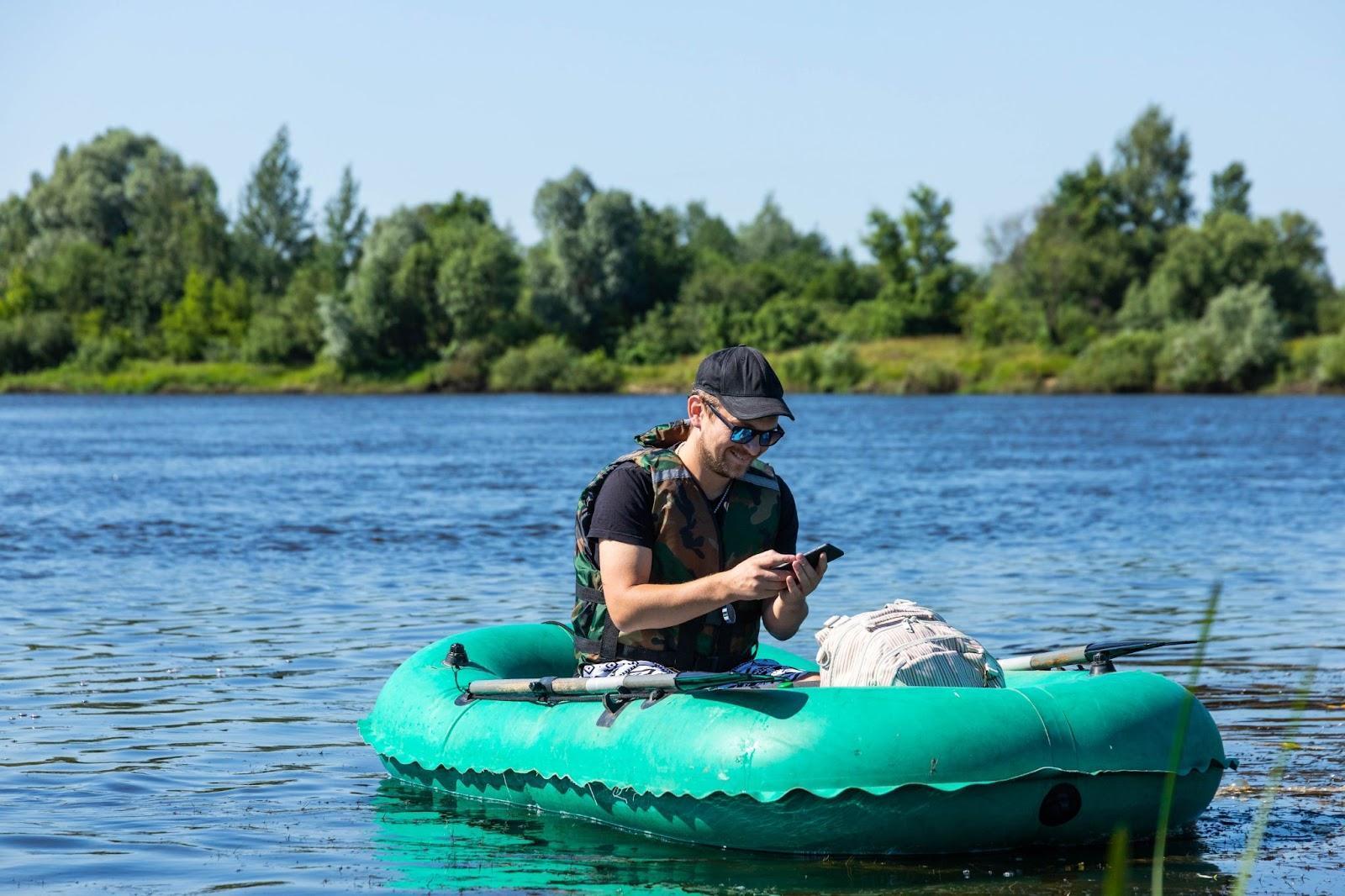
To get an up close and personal look at the marine life below the surface, you don’t have to pull on a wetsuit and dive in. Instead, you can utilise the power of technology to observe underwater environments from the comfort of a boat, kayak, or even the jetty.
While some water enthusiasts opt for transparent kayaks or drone footage, these only offer a partial view. They hint at what lies beneath, but rarely capture the detail, movement and behaviour of life below the surface.
Under the Surface
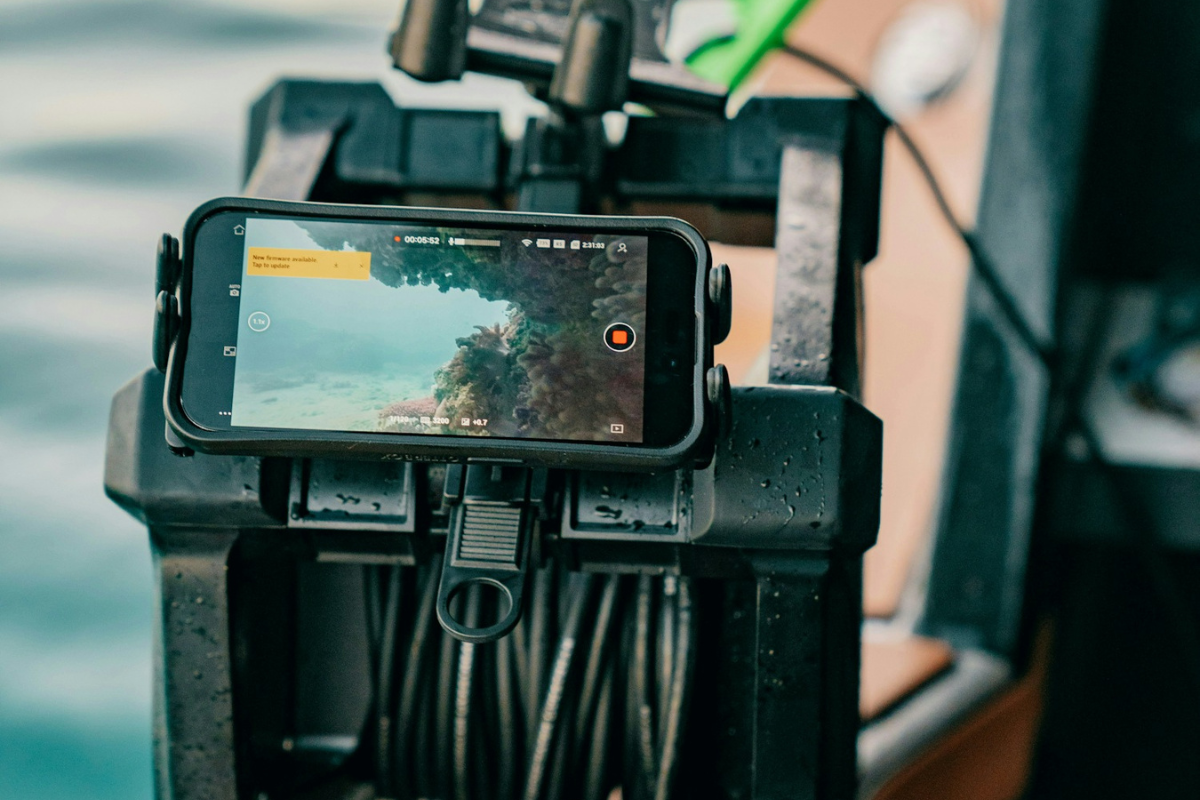
Used across both recreational and professional settings, underwater camera systems allow real-time viewing of marine life without direct human interference. Footage can be streamed to a phone or tablet, offering an immediate and unobtrusive window into underwater activity.
These systems are increasingly being used for a range of purposes – from observing marine habitats and checking underwater conditions, to supporting inspections and fishing decisions. Their adaptability means they can suit different environments and setups, whether deployed from a small kayak or a larger vessel.
Where to Observe Marine Life
Location plays a key role in what you’ll see. Coastal jetties and piers are often rich ecosystems, attracting rays, crabs, juvenile fish, and foraging seabirds. These areas provide structure and shelter, making them ideal for close-range observation.
In open water, larger marine species such as dolphins and migrating whales may be encountered, particularly along known coastal routes. Areas where currents meet can also be highly active, acting as natural feeding zones for a variety of species.
Shallower environments like seagrass beds offer a different kind of experience, with the potential to observe turtles, seahorses, and smaller marine life. Each setting offers its own perspective, reinforcing how diverse and dynamic underwater environments can be.
The Nature Conservancy Australia utilises an underwater reef cam that anyone can view to observe marine life, but also as a fundraising tool for charitable trusts aiming to protect our waterways and water animals.
Sustainable Eco-Tourism and Research
Surface-based observation also supports a more sustainable approach to interacting with marine environments. By reducing the need to enter the water, there is less disruption to wildlife and their natural behaviours.
The Australian Institute of Marine Science operates baited underwater video stations (BRUVS) to survey fish, particularly those in difficult-to-reach dwellings. However, that’s just one arm of their research; they also use towed cameras to survey the ocean floor systematically.
As technology becomes more accessible, similar observation methods are no longer limited to large-scale research projects. Recreational users can now adopt a comparable approach on a smaller scale, contributing to a growing appreciation of marine ecosystems without impacting them.
Responsible Wildlife Observation
With greater access comes greater responsibility. Observing marine life from the surface still requires patience and respect for the environment.
Allowing your vessel or kayak to drift naturally can improve your chances of seeing wildlife up close, as sudden movement or noise can cause animals to retreat. Many species, including dolphins, are naturally curious and may approach when left undisturbed.
For those exploring sensitive environments such as coral reefs or seagrass habitats, maintaining a low-impact approach is essential. Tools like a live underwater camera can support this by offering visibility without physical intrusion, helping to balance curiosity with conservation.
A New Perspective on the Water
The ability to observe what lies beneath the surface is changing how people experience the ocean. What was once limited to divers or researchers is becoming more widely accessible, offering new ways to explore, learn, and connect with marine environments.
Whether used for quiet observation, understanding underwater conditions, or simply gaining a different perspective, surface-based viewing is becoming an increasingly valuable part of modern marine exploration.