
Bury a secondhand freezer or old fridge in a shaded hillside to create an instant underground storage chamber—simply remove the motor components, dig a hole at a slight downward angle for drainage, and position the unit with its door accessible while the body stays insulated by earth. Repurpose shipping pallets into a simple above-ground insulated box measuring 1.2 by 1.2 meters, stack them to create walls, fill gaps with straw or sawdust, and add a hinged lid with ventilation pipes to maintain the crucial 0-4°C temperature range that keeps root vegetables fresh for months. Convert that unused space beneath your deck or veranda into a naturally cool pantry by installing adjustable vents, adding gravel flooring for moisture control, and using mesh-covered air bricks to prevent pest entry while maintaining airflow.
These traditional storage methods are experiencing a renaissance across Australian backyards, from suburban Perth to rural Tasmania, as households discover that keeping potatoes, carrots, beetroot, and pumpkins fresh without electricity isn’t just about reducing energy costs—it’s about reclaiming food security and reducing waste. Whether you’re working with a quarter-acre block or a sprawling property, a dedicated root cellar transforms your relationship with seasonal eating, allowing you to store autumn’s abundant harvest well into winter and spring. You don’t need specialized carpentry skills or thousands of dollars; what matters is understanding the fundamental principles of temperature, humidity, and ventilation that our grandparents knew instinctively. The Australian climate, despite its heat, offers surprising opportunities for passive cooling through smart design choices that work with our unique conditions rather than against them.
Why Root Cellars Make Sense in Australia
Imagine opening your own underground pantry in the middle of February, pulling out crisp carrots and firm potatoes that taste as fresh as the day you harvested them, all without drawing a single watt of electricity. That’s the beauty of a root cellar, and it’s surprisingly well-suited to Australian conditions.
While we often think of root cellars as relics from colder climates, many Australian regions offer ideal conditions for this traditional storage method. Southern Victoria, Tasmania, the Adelaide Hills, and elevated areas of New South Wales experience cool enough winters and moderate temperatures that make root cellars remarkably effective. Even in warmer zones, strategic positioning and clever design can create microclimates perfect for preserving seasonal harvests.
The case for root cellars extends beyond nostalgia. Australian households waste approximately 2.5 million tonnes of edible food annually, much of it fresh produce that spoils too quickly. By reducing food waste through natural storage methods, we’re not just saving money but actively participating in climate action. A well-designed root cellar requires zero ongoing energy costs while potentially saving hundreds of dollars yearly by extending the life of homegrown or bulk-purchased produce.
For those embracing self-sufficiency or community gardening initiatives, root cellars solve a genuine challenge: what to do with abundant harvests when everything ripens simultaneously. Rather than letting excess produce languish in your fridge or racing to preserve everything immediately, a root cellar provides breathing room. It’s passive refrigeration that works with nature rather than against it, keeping apples, beets, cabbage, and countless other vegetables fresh for months using nothing more than earth’s natural insulation and Australia’s seasonal temperature fluctuations.
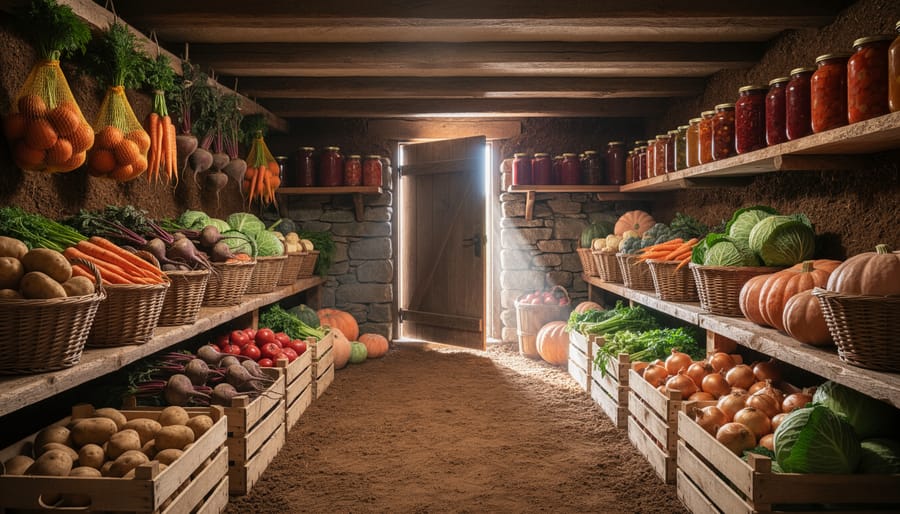
Understanding How Root Cellars Work
Before you grab your shovel and start digging, it’s worth understanding the clever science that makes root cellars such effective food guardians. Think of a root cellar as nature’s refrigerator, working with the earth’s natural properties rather than against them.
The magic starts underground. The earth maintains a remarkably stable temperature year-round, typically between 10-15°C in most Australian regions. While summer temperatures might soar above 40°C and winter nights can drop near freezing, just a metre or two below the surface, the soil stays beautifully consistent. This thermal mass acts as a natural buffer, protecting your stored vegetables from the temperature swings that cause spoilage.
Humidity control is the second essential element. Most root vegetables prefer humidity levels between 85-95% to prevent shrivelling and maintain freshness. The earth naturally provides this moisture-rich environment, particularly in areas with adequate groundwater. Your root cellar essentially captures this humidity while preventing excessive condensation that could encourage mould growth.
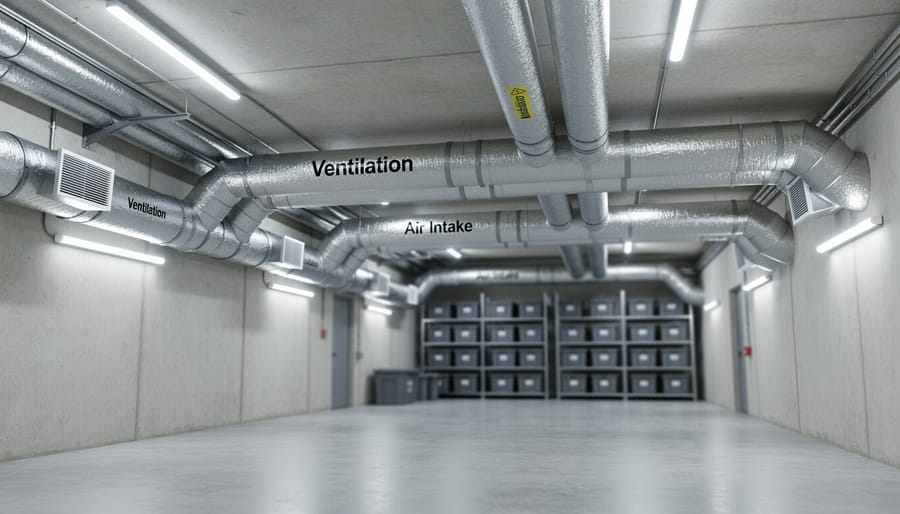
Ventilation might seem counterintuitive when you’re trying to maintain stable conditions, but it’s crucial for removing ethylene gas that ripening produce releases. Proper airflow also prevents stale air pockets and manages humidity levels. The traditional approach uses two vents: a low intake vent drawing cool air in, and a higher exhaust vent allowing warm air to escape, creating gentle natural circulation.
Natural insulation completes the equation. Soil itself is an excellent insulator, but many Australian DIY builders enhance this with straw bales, recycled materials, or earth-berming techniques. The goal is creating a sealed envelope that maintains those stable underground conditions while protecting against external temperature extremes.
Understanding these four principles helps you make informed decisions as you design your root cellar. Whether you’re adapting an existing space or building from scratch, working with these natural systems rather than fighting them creates the most effective and energy-efficient storage solution. Many community gardening groups across Australia have discovered that sharing knowledge about these fundamentals leads to better outcomes for everyone involved.
Planning Your Root Cellar: Location and Design Considerations
Before you grab your shovel, let’s talk about setting your root cellar up for success. The good news? With a bit of thoughtful planning, you’ll create a storage space that keeps your homegrown veggies fresh for months, perfectly suited to Australian conditions.
Start by walking your property and observing natural features. The ideal location offers naturally cool, stable temperatures year-round. North-facing slopes work brilliantly in our Southern Hemisphere context, as they receive less direct sun and stay cooler. Look for spots with good drainage – standing water is your root cellar’s worst enemy. A gentle slope helps water run away naturally, while low-lying areas prone to flooding should be avoided entirely.
Soil type matters more than you might think. Clay soils, common across much of Australia, retain moisture and can make excavation challenging, but they also provide excellent insulation. Sandy soils drain beautifully but may require additional waterproofing. If you’re unsure about your drainage, dig a test hole about 60 centimetres deep and fill it with water. If it drains within 24 hours, you’re in good shape.
Climate zones across Australia vary dramatically, from tropical Darwin to temperate Tasmania. Those in cooler regions like Victoria and Tasmania have natural advantages, as ambient temperatures already favour root cellaring. However, Queenslanders and Western Australians shouldn’t feel discouraged – with proper insulation and ventilation design, effective root cellars are absolutely achievable in warmer zones.
Size depends on your household needs and harvest volumes. A family of four typically needs around 2-3 cubic metres of storage space, though keen gardeners and community sharers often go larger. Remember, it’s easier to build bigger initially than to expand later.
Here’s something many Australians overlook: council regulations. Most root cellars classify as outbuildings, and requirements vary between councils. Underground structures might need engineering certification, particularly in bushfire-prone areas or where building codes are strict. A quick call to your local council saves headaches down the track. Some shires even offer rebates for sustainable food storage initiatives, so it’s worth asking about available support.
Taking time now to plan thoroughly means you’ll be enjoying crisp carrots and firm potatoes well into winter, while building resilience and reducing your environmental footprint.
DIY Root Cellar Ideas for Different Budgets and Spaces
The Buried Bin or Esky Method (Budget-Friendly)
This brilliantly simple method is perfect for renters, those testing the waters before committing to a larger project, or anyone working with a tight budget. You’ll need a sturdy plastic bin, esky, or even a steel drum—whatever you’ve got lying around in the shed. The beauty lies in its simplicity and reversibility.
Start by selecting a shaded spot in your garden where water doesn’t pool. Dig a hole deep enough to bury your container almost completely, leaving just the lid accessible. In most Australian climates, you’ll want to go at least 60 centimetres down where temperatures remain more stable year-round. The surrounding earth acts as natural insulation, keeping your produce cool in summer and protected from frost in winter.
Line the bottom of your container with a few centimetres of sand or gravel for drainage, then add straw or shredded paper as bedding material. This helps manage moisture and prevents direct contact between produce items. Place your vegetables inside, layering different types with additional straw between them. Root vegetables like potatoes, carrots, and beetroot thrive in this setup.
For ventilation, drill a few small holes near the top of the container or leave the lid slightly ajar with a rock. Cover the exposed lid with an old hessian sack or shade cloth to regulate temperature further. Some clever folks even disguise their buried storage with a planter box on top—functional and discreet.
Check your produce weekly, removing any items showing signs of spoilage. This method typically extends storage life by several weeks compared to pantry storage, making it brilliant for managing your harvest or bulk purchases.
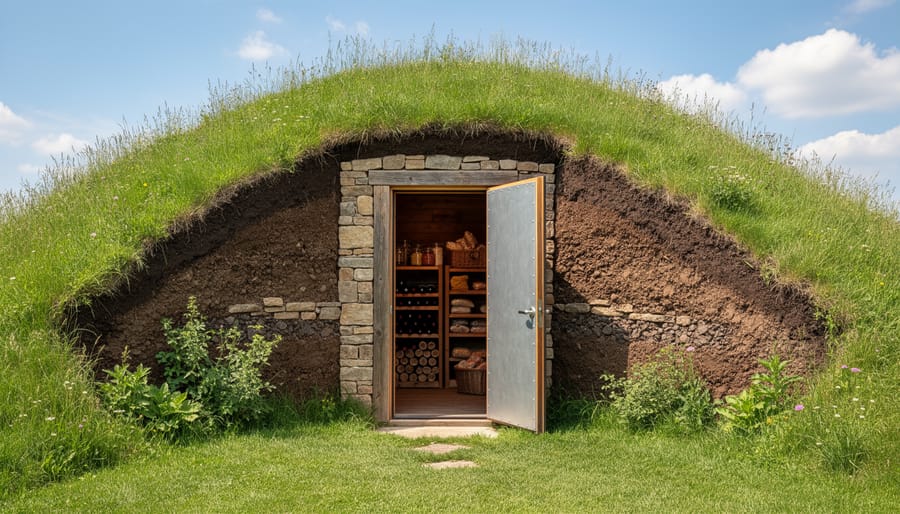
The Earth-Sheltered Mound or Berm Cellar
If you’re dealing with a high water table or solid rock just beneath the surface—challenges familiar to many Aussie gardeners—an earth-sheltered mound or berm cellar might be your perfect solution. Rather than digging down, you’re building up and letting the earth do the temperature-regulating work for you.
Start by selecting a well-drained spot with good air circulation. You’ll construct your storage chamber above ground using materials like reclaimed timber, concrete blocks, or even repurposed shipping pallets for the frame. Many Australian communities have building material swap groups where you can source these items sustainably and affordably.
Build a simple rectangular structure, roughly 2.4 by 3 metres, with a sturdy wooden door at one end. Install ventilation pipes at different heights—one low for cool air intake, one high for warm air exhaust. This natural airflow is essential for preventing moisture buildup and maintaining that ideal 1-4°C range your root vegetables adore.
Once your structure is complete, cover it entirely with a waterproof membrane or heavy-duty plastic sheeting. Then pile earth over the top and sides to a depth of at least 60 centimetres. The north-facing side (which receives the most sun in Australia) benefits from extra earthen coverage.
Plant native grasses or groundcover on your mound to prevent erosion and help with insulation. Within weeks, your storage space will begin moderating to stable temperatures, creating the perfect home for your potatoes, carrots, beetroot, and other garden treasures. This method truly demonstrates how working with your landscape, rather than against it, creates resilient, sustainable solutions.
The In-Ground Basement or Pit Style
If you’re ready to commit to a long-term food storage solution and own your property, the traditional in-ground basement or pit-style root cellar offers unmatched temperature stability and storage capacity. This is the gold standard for serious food preservers across Australia, particularly suited to properties with adequate space and favourable soil conditions.
Before you grab a shovel, check with your local council about permits and regulations, as excavation requirements vary significantly across states. You’ll also want to assess your water table, which can be particularly high in coastal areas. Once you’ve got the green light, excavation typically requires machinery for a cellar measuring around 2.4 by 3 metres and 2 metres deep.
The foundation is critical for longevity. Many Australian builders recommend a concrete floor with a slight slope toward a drainage point, preventing water accumulation during heavy rains. Concrete block or poured concrete walls provide excellent structural support, though some communities have successfully used recycled materials like railway sleepers treated for ground contact.
Proper drainage is non-negotiable in our climate. Install drainage pipes around the exterior perimeter, directing water away from your structure. Inside, a gravel base beneath the concrete floor allows moisture management while maintaining humidity levels.
For the roof, reinforced concrete works brilliantly, topped with at least 30 centimetres of soil for insulation. Ventilation pipes positioned at different heights ensure air circulation while maintaining stable temperatures between 10-15 degrees Celsius year-round. This investment delivers decades of sustainable food storage for your household and potentially your wider community.
Repurposed Structures: Old Fridges, Wine Cellars, and Sheds
Before investing in expensive new materials, look around your property for structures that can become excellent root cellars with minimal modification. Old chest freezers and bar fridges, stripped of their electrical components, make surprisingly effective storage units with built-in insulation. Simply relocate them to a shaded spot, bury them partially if possible, and drill ventilation holes near the top. These ready-made containers maintain stable temperatures while giving new life to appliances that might otherwise end up in landfill.
Existing garden sheds can transform into productive root cellars with strategic insulation and earth banking. Banking soil against external walls provides natural cooling, while adding internal shelving creates organized storage. Wine cellars or underused basement spaces already have ideal temperature conditions, requiring only proper ventilation and humidity management to store your harvest effectively.
Even disused water tanks, when cleaned thoroughly and positioned correctly, can store root vegetables beautifully. This approach to repurposing materials demonstrates how resourcefulness reduces waste while building food security. Many Australian households have successfully converted these structures, sharing their experiences through local sustainability groups. The beauty of repurposed root cellars lies in their accessibility, requiring creativity rather than substantial financial investment while keeping materials out of waste streams.
The Garage or Shed Corner Conversion
For many Australian suburban households, the humble garage or garden shed offers an unexpected opportunity for passive food storage. Rather than building from scratch, you can transform an existing corner of these spaces into a functional root cellar with some thoughtful modifications.
The key is selecting the coolest corner, typically the one receiving least sunlight throughout the day. Many Aussie garages stay surprisingly cool even during summer, especially those with concrete floors and minimal western exposure. Start by partitioning off approximately two square metres using insulated panels or even repurposed materials like old doors or timber sheeting lined with foam insulation boards.
Temperature management relies on creating passive airflow. Install two vents: one low near the floor for cool air intake, and another near the ceiling for warm air exhaust. Cover these with mesh to keep out unwanted visitors like rodents. During cooler months, you’ll find this simple system maintains temperatures between 10-15°C, perfect for storing root vegetables, apples, and onions.
Consider adding shelving made from wire racks rather than solid wood, as this promotes air circulation around your stored produce. Some community members have had success hanging hessian bags from hooks for potatoes and carrots, which mimics traditional storage methods while maximising vertical space. This conversion works particularly well in southern states where ambient temperatures naturally support cool storage conditions.
Essential Features Every Root Cellar Needs
Getting your root cellar design right from the start means understanding the five essential elements that separate successful long-term storage from a disappointing experiment. These features work together to create the ideal environment where your homegrown produce can stay fresh for months, not weeks.
Proper ventilation stands as your first priority. You’ll need two vents – one positioned low to draw in cool, fresh air, and another high to release warm, stale air. This creates natural air circulation that prevents mould and keeps ethylene gases from building up around ripening produce. Many Australian DIYers use 10-15cm PVC pipes fitted with mesh screens, which work brilliantly in our varied climate zones.
Humidity control requires consistent attention but needn’t be complicated. Most root vegetables thrive between 85-95% humidity, which you can maintain by placing buckets of water on the floor or dampening dirt floors weekly. A simple analog hygrometer costs around twenty dollars and takes the guesswork out of monitoring moisture levels.
Temperature stability makes or breaks your storage success. Aim for that sweet spot between 0-4°C for most vegetables. Position a thermometer at eye level where you can check it easily during your regular visits. Underground construction naturally provides insulation, but adding earth bags or straw bales against exterior walls creates extra thermal mass that buffers temperature swings.
Thoughtful shelving design maximises your space while promoting air circulation. Slatted wooden shelves allow air movement around stored produce, while keeping everything off the floor protects against moisture damage and unwelcome visitors. Leave at least 15cm between the wall and shelving to maintain airflow.
Pest prevention using eco-friendly methods protects your harvest without chemicals. Install fine mesh over ventilation openings, seal any gaps with natural caulk, and keep the area clean of debris. A local community garden member in Tasmania shares that planting mint around the entrance naturally deters rodents while adding pleasant aromatics to the space.
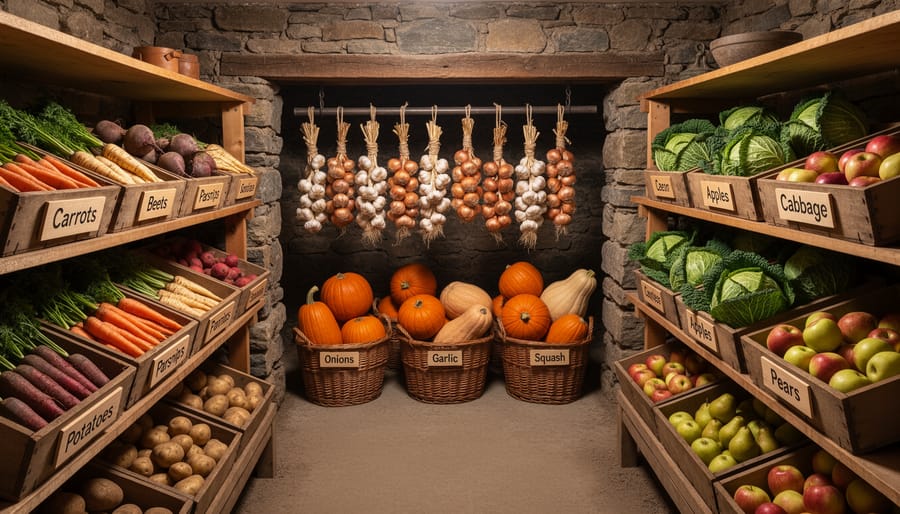
What to Store in Your Root Cellar (and What to Avoid)
Your root cellar works brilliantly for certain foods while others will quickly spoil, so knowing what to store makes all the difference. The good news? Many Australian-grown favourites thrive in cool, dark conditions.
Root vegetables are absolute champions in cellar storage. Potatoes can last 4-6 months when kept between 3-10°C, though you’ll want to keep them separate from onions to prevent premature sprouting. Carrots, beetroot, and parsnips stay crisp for 3-5 months when buried in slightly damp sand or sawdust. Sweet potatoes prefer slightly warmer conditions around 12-15°C and can store for 4-6 months. Swedes and turnips are equally reliable performers.
Alliums like onions, garlic, and shallots excel in root cellars, lasting 6-8 months when properly cured and stored in mesh bags for air circulation. Pumpkins and winter squashes can keep for 3-6 months, making them perfect companions for your autumn harvest.
Apples and pears suit cellar conditions beautifully, staying fresh for 2-4 months. Just check them regularly and remove any showing soft spots, as one spoiled fruit really can affect the bunch.
Foods to avoid include tomatoes, capsicums, cucumbers, and most summer produce that needs refrigeration. Bananas and tropical fruits will deteriorate quickly, and already-cut vegetables should stay in your fridge instead.
For Australian growers, plan your cellar calendar around these seasonal peaks: store autumn harvests like pumpkins and root vegetables from March to May, winter brassicas from June to August, and long-keeping apples from late summer. This rhythm aligns perfectly with traditional growing seasons across most of the country, helping you maintain fresh, local produce year-round while reducing food waste and supporting your self-sufficiency journey.
Troubleshooting Common Root Cellar Challenges
Even the best-designed root cellar can hit a few bumps along the way, but don’t worry – most challenges have straightforward fixes that keep your sustainable storage system running smoothly.
Excessive moisture is perhaps the most common issue, particularly in Australia’s humid coastal regions. If you notice condensation pooling or dripping, increase ventilation by opening air vents during cooler parts of the day. Installing a simple gravel drainage layer beneath stored produce helps air circulate underneath, preventing wet spots. Some resourceful folks in Brisbane’s community gardens have successfully used food-grade calcium chloride in small containers to absorb excess humidity naturally.
In warmer climates like northern Queensland or inland NSW, maintaining cool temperatures can be tricky. Consider enhancing insulation with additional earth coverage or straw bales. Night-time ventilation becomes your best friend – open vents after sunset to let cool air in, then close them before morning warmth arrives. Strategic shade planting with native trees can reduce heat absorption around your cellar entrance too.
Mold appears when humidity exceeds 95 percent or airflow stagnates. Regular inspections catch problems early – remove any affected produce immediately and increase air circulation. A solution of white vinegar and water works brilliantly for cleaning surfaces without harsh chemicals.
Pest management requires a multi-pronged approach. Wire mesh over ventilation pipes keeps mice and insects out, while maintaining cleanliness discourages unwanted visitors. Store produce in breathable baskets rather than plastic, making regular checks easier. Many Australian root cellar enthusiasts find success by companion-storing aromatic herbs like bay leaves, which naturally deter pests whilst being perfectly edible themselves.
Building your own root cellar is more than just a practical project – it’s a meaningful step toward food security and environmental stewardship right here in Australia. By embracing this time-honoured method of food preservation, you’re reducing your reliance on energy-hungry refrigeration, cutting down food waste, and reconnecting with wisdom that’s sustained communities for generations.
The beauty of DIY root cellars lies in their accessibility. Whether you’re converting a cupboard under the stairs or digging a proper underground storage room, there’s an option that fits your space, budget, and skill level. Start small with a simple barrel cellar or terracotta pot cooler, then expand as you gain confidence and experience.
Remember, you’re joining a growing community of Australians who are rediscovering sustainable living practices. Share your journey with neighbours, swap tips at community gardens, and pass this knowledge forward. Every harvest stored without electricity is a win for both your household resilience and our planet’s future. Your root cellar isn’t just preserving vegetables – it’s preserving a more sustainable way of life for generations to come.