
Transform forgotten furniture and household items into functional pieces by starting with sturdy materials already in your home—old timber pallets, glass jars, fabric scraps, and worn-out furniture all hold potential for stunning transformations. Scout your local council cleanup days, community Facebook groups, and Bunnings’ scrap bins for free or cheap materials that Australians discard daily, often in perfectly reusable condition.
Begin your upcycling journey with simple paint refreshes on tired furniture using low-VOC paints available at major Australian hardware stores, requiring only sandpaper, a brush, and an afternoon to completely reimagine a piece. Sand lightly, apply primer, add two coats of your chosen colour, and seal with a protective finish—this straightforward process works on timber, metal, and laminate surfaces without specialized skills.
Master basic tool use with projects requiring just a drill, screwdriver, and measuring tape, which most Australians already own or can borrow from neighbours through community tool libraries sprouting across Melbourne, Sydney, and Brisbane. DIY projects like converting wine crates into shelving or transforming ladders into plant stands teach fundamental skills while creating pieces you’ll actually use.
Connect with local upcycling workshops and repair cafes where experienced makers share techniques in supportive environments, removing the intimidation factor that stops many beginners from starting. These community spaces across Australia prove that creative reuse isn’t about perfection—it’s about reducing waste, saving money, and discovering the satisfaction of making something uniquely yours while keeping usable materials from landfill.
Why Upcycling Matters for Australian Households
Every year, Australian households send approximately 6.2 million tonnes of furniture and household items to landfill. That’s an alarming figure, especially when you consider that much of this material could find new life through simple upcycling projects. When you spot those familiar piles of discarded furniture lining nature strips during council cleanup days, you’re witnessing more than neighbourhood tidying. You’re seeing valuable resources about to disappear into waste systems already struggling under pressure.
The environmental cost of buying new furniture extends far beyond the price tag. Manufacturing a single piece of conventional furniture generates significant carbon emissions, from raw material extraction through to factory production and long-distance shipping. For Australian consumers, most new furniture travels thousands of kilometres before reaching our shores, adding substantial transport emissions to its environmental footprint. By choosing to upcycle instead, you’re directly cutting demand for this carbon-intensive production cycle.
Here’s where it gets exciting for beginners: upcycling doesn’t require you to be a master carpenter or possess a garage full of expensive tools. It’s about reimagining what’s already available and reducing household waste through creativity rather than consumption. That timber coffee table left on the kerb could become your next project, transforming into a refreshed piece that saves money while preventing usable materials from occupying precious landfill space.
Australian councils spend millions annually managing hard waste collections, and our landfills face growing capacity challenges. When you choose to upcycle, you’re joining a community of conscious Australians who understand that small individual actions create collective impact. You’re not just crafting furniture; you’re participating in a practical solution to our waste crisis, one project at a time.
Essential Tools and Materials Every Beginner Needs
The Basic Toolkit (Under $100)
You don’t need a fully stocked workshop to start your upcycling journey. Here’s what every Australian beginner needs, all readily available for under $100:
Start with basic hand tools: a hammer, screwdriver set (both flat and Phillips head), tape measure, and a combination square for measuring angles. Add a handsaw for cutting timber and sandpaper in various grits (80, 120, and 240) for smoothing surfaces. Bunnings and Mitre 10 stock affordable tool kits perfect for beginners, often around $40-60.
Safety comes first. Invest in protective eyewear, dust masks, and work gloves. These typically cost $15-20 total and protect you while sanding, cutting, or handling rough materials.
For finishing touches, grab wood glue, a basic paintbrush set, and either water-based paint or eco-friendly wood stain. Dulux and British Paints offer excellent sustainable options at most hardware stores.
Don’t forget cleaning supplies like methylated spirits and old rags for surface preparation. Many successful upcyclers save money by joining local Buy Nothing groups or visiting Reverse Garbage centres across Australia, where you’ll find donated tools and materials at minimal cost. Your local community might even have a tool library where members share resources.
Where to Find Free or Cheap Materials
Finding free or cheap materials is easier than you might think, and it’s a brilliant way to reduce waste while saving money. Start by checking council clean-up schedules in your local area – Brisbane, Sydney, Melbourne, and Perth all run regular kerbside collections where residents discard unwanted furniture, timber, and household items. These treasure troves often contain solid wood pieces perfect for transformation.
Facebook Marketplace and Gumtree are goldmines for upcyclers. Search for “free” items in your suburb, and you’ll discover people giving away old chairs, timber pallets, and cabinets they no longer need. Join local buy-nothing groups and community Facebook pages specific to Australian suburbs – members frequently offer materials for free collection.
Hardware stores like Bunnings sometimes have damaged or returned stock available at reduced prices, and building sites occasionally have offcut timber they’re happy to give away (always ask permission first). Community tool libraries and Men’s Sheds across Australia also connect you with like-minded makers who share resources and knowledge.
For those incorporating sustainable home features, salvage yards and recycling centres offer architectural elements like windows, doors, and hardware at fraction of retail prices. The key is staying patient and keeping your eyes open – amazing materials appear when you’re actively looking.
Beginner-Friendly Pallet Projects That Look Professional
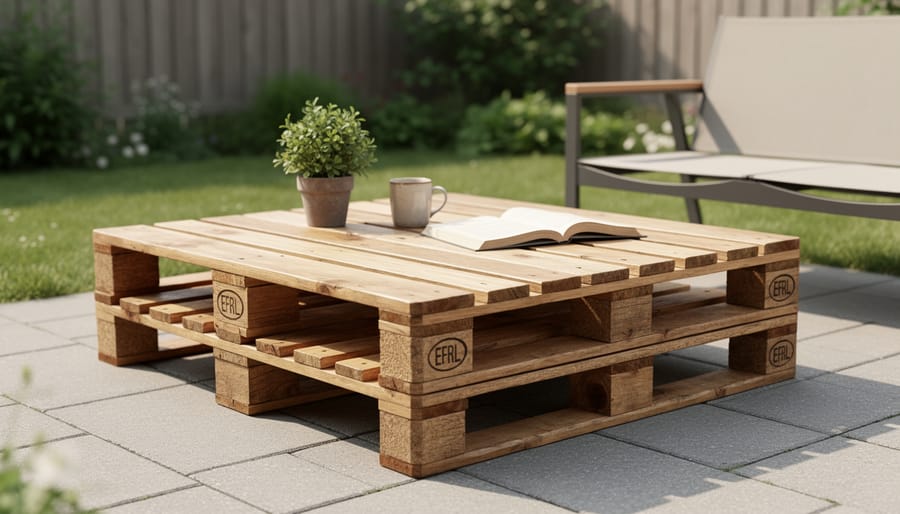
Pallet Coffee Table for Your Deck or Courtyard
Here’s your first truly achievable upcycling project that transforms discarded shipping pallets into stylish outdoor furniture. Across Australia, timber pallets are often available for free from building sites, warehouses, and community marketplaces, making this the perfect zero-cost starting point for beginners.
The beauty of this project lies in its simplicity. You’ll need two or three standard pallets in good condition, basic outdoor wood screws, and a drill. That’s it. No cutting, no complex measurements, just stacking and securing. Start by thoroughly cleaning your pallets with a stiff brush and mild detergent, checking carefully for any protruding nails or splinters that need addressing.
Stack your pallets to create the height you prefer. Most Aussie makers find two pallets stacked works brilliantly for a comfortable seating area height. Secure them together by drilling pilot holes through the top pallet into the bottom one, then drive in outdoor wood screws at each corner and midpoint. For the tabletop, place a single pallet horizontally across your base.
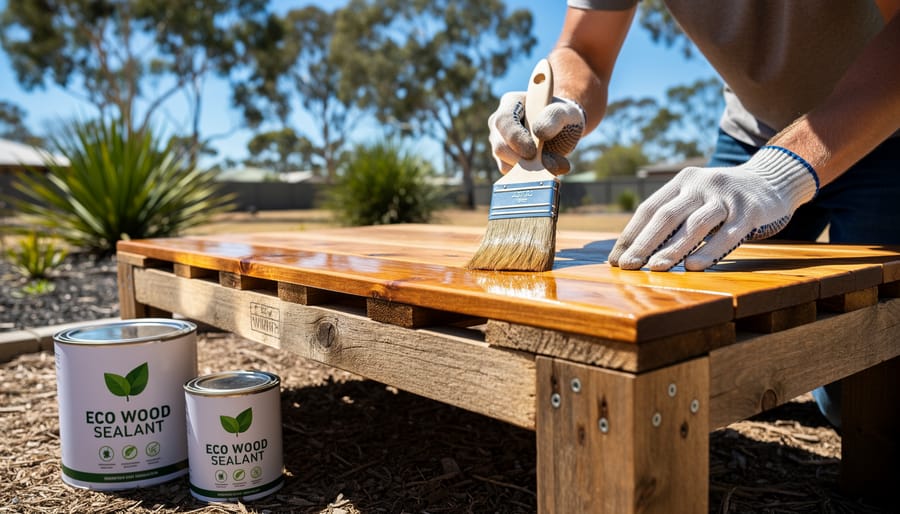
Now, here’s where Australian conditions matter. Our harsh UV rays and unpredictable weather can quickly deteriorate untreated timber. Apply a quality outdoor timber oil or decking stain designed for the Australian climate. Products containing UV inhibitors work wonders, and many community hardware stores stock eco-friendly options. Reapply every twelve months, especially before summer.
For added character, sand the top surface lightly and add castors underneath for easy movement. Your neighbours will think you spent hundreds at a furniture store.
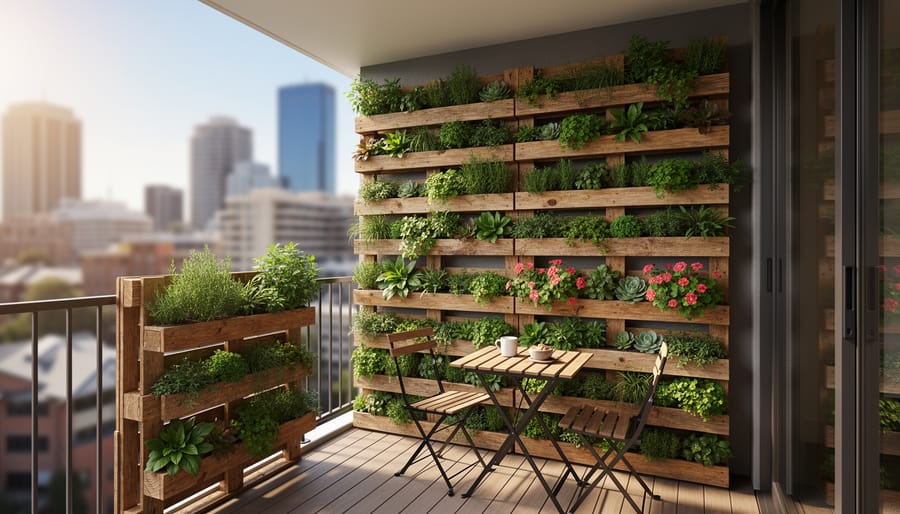
Vertical Garden Planter for Small Spaces
Transforming old pallets, guttering, or even plastic bottles into a vertical garden is a game-changer for small Australian spaces. This beginner-friendly project brings life to bare walls while maximizing limited square footage on balconies and compact courtyards.
Start by selecting your structure. Wooden pallets work brilliantly when sanded smooth and treated with outdoor timber oil. Alternatively, repurposed PVC pipes or old guttering sections create sleek, modern planters. For mounting, use heavy-duty wall anchors rated for outdoor use, ensuring they penetrate brick or concrete securely. Always check with your landlord or body corporate before drilling.
The beauty of vertical gardens lies in choosing the right plants for our climate. Australian native succulents like pig face and echeveria thrive in vertical arrangements, requiring minimal water once established. Herbs such as rosemary, thyme, and oregano also excel in these conditions, giving you fresh flavours at arm’s reach.
Combine your vertical garden with water-saving solutions to create a truly sustainable system. Install a simple drip line connected to recycled bottles for efficient watering, or position your garden to catch natural rainfall.
This project proves that limited space needn’t limit your green ambitions. Within an afternoon, you’ll have created a living feature that purifies air, reduces urban heat, and connects you with nature.
Outdoor Bench Seat with Storage
This project transforms two unwanted wooden pallets into a practical storage bench perfect for Aussie backyards, balconies, or verandahs. You’ll be amazed how quickly something destined for landfill becomes a treasured outdoor piece.
Start by sourcing two pallets of similar size from local businesses, hardware stores, or community marketplaces. One pallet becomes your seat base, while the second provides the backrest. Simply stand the backrest pallet upright and secure it to the back edge of the horizontal seat pallet using L-brackets or outdoor screws. The gaps between pallet slats create natural ventilation for storing gardening tools, outdoor toys, or recycling bins.
Weatherproofing is essential for Australian conditions. Sand rough edges thoroughly, then apply non-toxic outdoor timber oil or recycled paint. Many Aussie communities now have paint-sharing programs where you can grab leftover tins for free, reducing waste while protecting your bench from harsh sun and rain.
For comfortable seating, create cushions using old beach towels, worn clothing, or fabric scraps as filling. Cover them with outdoor-resistant material salvaged from old umbrellas or shade sails. These repurposed fabrics already handle UV exposure brilliantly.
This entire project takes just a few hours and costs virtually nothing. You’re keeping pallets from landfill, creating useful storage, and adding character to your outdoor space. That’s the beauty of beginning your upcycling journey with something genuinely achievable.
Transforming Old Furniture You Already Own
Refreshing Tired Timber Pieces
That tired dresser in your garage deserves a second chance, and giving it new life is easier than you might think. Start by giving your timber piece a light sand with 120-grit sandpaper to remove old finishes and create a smooth surface. You don’t need fancy equipment – a sanding block from your local hardware store works perfectly for beginners.
Here’s where Australian makers are getting creative with eco-friendly finishes. Brands like Feast Watson offer low-VOC timber stains that won’t harm indoor air quality, while Porters Paints produces natural, plant-based options perfect for furniture revival. Many Melbourne and Sydney communities are now sharing surplus paint through neighbourhood swap groups, reducing waste while saving money.
For a contemporary look, try Dulux’s Wash&Wear range in soft neutrals, or embrace the natural timber grain with Organoil’s Australian-made finishing oils. These products are readily available at Bunnings and independent hardware stores across the country.
The beauty of refreshing timber furniture is that imperfections add character – that’s part of the upcycling charm. Sand between coats, allow proper drying time, and you’ll transform that forgotten piece into something you’re proud to display. Your refreshed furniture tells a story of sustainability and creativity.
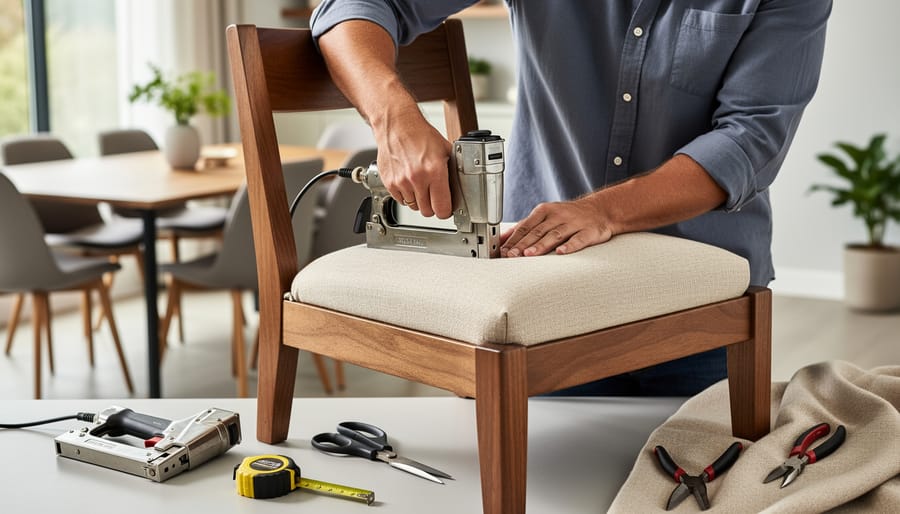
Reupholstering Dining Chairs with Recycled Fabrics
Breathing new life into tired dining chairs is one of the most satisfying upcycling projects you’ll tackle, and it’s surprisingly simple with just a staple gun in hand. Start by removing the seat (usually held by four screws underneath), then carefully pull out the old staples with a flat-head screwdriver or staple remover. Keep the existing fabric as your template for cutting the new piece.
Here’s where your choice of recycled fabric makes all the difference. In Australia, several brilliant sources support this sustainable approach. The Fabric Society in Melbourne offers deadstock and surplus fabrics that would otherwise end up in landfill, while Upparel partners with retailers to divert textile waste into new opportunities. Many op shops across the country also stock vintage curtains, tablecloths, and upholstery samples perfect for this project.
Stretch your chosen fabric over the seat base, starting by stapling the centre of each side, then working outward toward corners. Pull firmly for a smooth finish, folding corners neatly like wrapping a present. Reattach the seat, and you’ve transformed a worn chair into something uniquely yours while keeping textiles out of our waste stream. Your dining room just became a conversation starter about sustainable living.
Converting Old Drawers into Shelving Units
Got an old dresser with broken runners or damaged drawer fronts? Don’t toss it! Those drawers can transform into charming wall-mounted shelves, and it’s easier than you think. Australian households throw away roughly 20 million tonnes of furniture yearly, but you can break that cycle with this simple project.
Start by removing drawer handles and giving your piece a light sand. A quick coat of paint in coastal blues or native eucalyptus greens adds personality while hiding imperfections. For mounting, attach heavy-duty brackets to the drawer’s base, ensuring they’re secured into wall studs for safety. Position your bracket at least 40cm apart for stability.
These repurposed shelves work brilliantly in any room. Style them in your bathroom with rolled towels and native plant cuttings, or create a kitchen herb garden with small pots. In kids’ rooms, they’re perfect for displaying books and treasures. The shallow depth makes them ideal for narrow hallways too.
This project typically costs under twenty dollars for brackets and paint, and takes just an afternoon. You’re not only saving money but keeping perfectly good timber out of landfill. Plus, you’ll have a unique conversation piece that showcases your commitment to sustainable living.
Common Beginner Mistakes (And How to Avoid Them)
Starting your upcycling journey is exciting, but a few common missteps can dampen your enthusiasm. Let’s tackle these head-on so you can create confidently from day one.
The biggest mistake many Aussie beginners make is grabbing any old pallet without checking its history. Not all pallets are created equal. Those marked with “MB” (methyl bromide) have been chemically treated and aren’t safe for indoor furniture or anything touching food. Instead, look for heat-treated pallets stamped “HT” or those clearly marked for domestic use. A quick chat with local businesses in your area often reveals willing donors who know their pallets’ origins. One Melbourne maker discovered her “free find” had been used for transporting chemicals – a close call that could have been avoided with a simple inspection.
Safety shortcuts are another pitfall. We get it, you’re eager to start building, but skipping gloves, safety glasses, or dust masks isn’t worth the risk. Splintered timber from reclaimed materials can harbour dirt and bacteria, so always sand thoroughly and consider your workspace ventilation, especially during our warmer months.
Australian conditions present unique challenges that many beginners underestimate. That gorgeous outdoor bench won’t last through our harsh UV rays and sudden downpours without proper weatherproofing. Using exterior-grade sealants and marine varnishes isn’t optional here, it’s essential. Even covered outdoor areas experience humidity that can warp untreated timber.
Finally, managing expectations matters. Your first project won’t look Instagram-perfect, and that’s completely okay. Sarah from Brisbane’s first attempt at a coffee table had wonky legs and rough edges, but it sparked a passion that led to her now-thriving upcycling community group. Start simple, celebrate small wins, and remember that every experienced maker was once exactly where you are now.
Making Your Projects Last in the Australian Climate
Australia’s harsh climate can be tough on upcycled furniture, but with the right protection, your creations can thrive for years. The key is understanding how our intense UV rays, humidity swings, and weather extremes affect different materials, then choosing finishes that work with our environment rather than against it.
For outdoor pieces, water-based exterior varnishes and plant-based oils offer excellent protection without the toxic fumes of traditional sealants. Look for products specifically rated for Australian conditions at your local Bunnings or Mitre 10. Tung oil and linseed oil are fantastic eco-friendly options that penetrate timber deeply, providing moisture resistance while letting the wood breathe. Apply two to three coats, allowing proper drying time between each layer, especially during humid coastal weather.
Indoor furniture faces different challenges. Our fierce summer sun streaming through windows can fade and crack unprotected surfaces surprisingly quickly. UV-resistant clear coats designed for Australian homes help prevent this damage while maintaining that natural, upcycled aesthetic. For fabric elements like cushions on repurposed chairs, consider removable covers you can bring inside during extreme weather.
Your maintenance routine matters just as much as the initial finish. Every three to six months, give outdoor pieces a gentle clean and check for wear spots needing touch-ups. Coastal communities should inspect monthly due to salt air exposure. Store cushions and removable elements during extended wet periods, and consider creating simple protective covers from reclaimed canvas or drop sheets.
Remember, protecting your upcycled projects properly means they’ll continue diverting waste from landfill while serving your home beautifully through countless Australian seasons.
You’ve taken the first step into the world of upcycling, and that matters more than you might think. Every piece of furniture you save from landfill, every creative transformation you make, contributes to a growing movement across Australia that’s reshaping how we think about waste. As a beginner, you don’t need to tackle complex projects or master advanced skills straight away. Starting with one small project, whether it’s a painted crate side table or a ladder shelf, puts you firmly on the path toward more sustainable living practices that genuinely make a difference.
The beauty of upcycling lies in its accessibility. You’re not alone on this journey. Right across Australia, from community workshops in Melbourne to Facebook groups connecting Sydney crafters, there are people eager to share tips, materials, and encouragement. Seek out your local Repair Café, join council-run workshops, or connect with online Australian upcycling communities where beginners are warmly welcomed.
Remember, every Australian household produces approximately 540kg of waste annually, and furniture comprises a significant portion. Your efforts, however modest they seem, help shift these statistics in a positive direction. The planet doesn’t need a handful of perfect upcyclers; it needs millions of imperfect ones trying their best.
So grab that piece you’ve been eyeing and give it new life. When you’re done, share your creation online. Your story might inspire someone else to start their own upcycling journey.