
Start with one significant change rather than attempting to overhaul your entire life overnight. Switch to renewable energy through your electricity provider, replace single-use plastics in your kitchen with reusable alternatives, or commit to composting your food scraps. These foundational shifts create momentum that naturally extends into other areas of your daily routine.
Build your sustainable practice around your existing habits instead of fighting against them. If you already love your morning coffee ritual, invest in a quality reusable cup and seek out cafes offering discounts for BYO containers. Regular grocery shoppers can transition to bulk food stores with reusable bags and jars, transforming a necessary weekly task into an environmental positive.
Connect with your local community to accelerate your journey and maintain motivation when challenges arise. Sustainable Living Events across Australia provide hands-on workshops, expert guidance, and networks of like-minded individuals facing identical obstacles. You’ll discover practical solutions tailored to Australian conditions, from managing water restrictions to selecting native plants that thrive in your specific climate zone.
Track your progress through tangible metrics rather than abstract environmental benefits. Calculate your quarterly electricity consumption, count the reusable bags that have replaced disposables, or measure the waste your household diverts from landfill each month. These concrete measurements transform sustainability from an overwhelming concept into achievable milestones, proving that individual actions aggregate into genuine impact. Your commitment doesn’t require perfection, just consistent progress toward reducing your environmental footprint while inspiring others through practical example.
Why Most People Struggle to Maintain Sustainable Habits
You’ve likely experienced it yourself—the enthusiastic Sunday evening where you pledge to eliminate single-use plastics, only to find yourself grabbing a disposable coffee cup by Tuesday morning. You’re not alone, and you’re certainly not failing. Most Australians genuinely want to live more sustainably, yet somewhere between good intentions and daily routines, those eco-friendly goals quietly slip away.
The challenge isn’t a lack of caring. Research shows that over 80% of Australians are concerned about environmental issues, yet our collective carbon footprint tells a different story. This gap between wanting to change and actually changing reveals something important about how we’re wired as humans.
Our brains are remarkably efficient at maintaining the status quo. When you’ve spent years reaching for plastic bags at Woolies or driving to the corner shop, those actions become autopilot behaviours requiring almost no mental energy. Introducing a new habit—like remembering reusable bags or choosing to walk instead—demands conscious effort every single time until it becomes automatic. That mental load exhausts us, especially when we’re already juggling work, family, and the general chaos of daily life.
Then there’s the overwhelm factor. Scroll through social media and you’ll encounter zero-waste advocates who seem to produce no rubbish whatsoever, climate activists calling for radical lifestyle overhauls, and news articles detailing environmental crises on every continent. The sheer scale of change can feel paralysing, making it tempting to think, “If my small actions won’t solve the climate crisis, why bother?”
This is precisely where community becomes transformative. When sustainability shifts from a solitary struggle to a shared journey, everything changes. Across Australia, local sustainability groups, farmers markets, and community gardens are creating spaces where people support each other through the messy middle of habit change. You’re more likely to remember your keep cup when your neighbour asks about it at the weekend market. You’ll stick with composting when you can troubleshoot problems with others doing the same thing. Real change happens through connection, not isolation.
Start Where You Are: Your Sustainable Living Baseline
Map Your Energy Footprint
Understanding your energy footprint is the first step toward meaningful change, and the good news is it’s easier than you might think. Start by checking your electricity bill for your household’s kilowatt-hour usage over the past year. Most Australian energy providers now offer online portals with visual breakdowns showing your consumption patterns throughout the day and across seasons.
For a deeper dive, consider conducting a simple home energy audit. Walk through each room noting older appliances, lighting types, and heating or cooling systems. In tropical Queensland, your biggest energy drain might be air conditioning running overtime, while Melbourne households often see spikes from heaters during winter months. These climate differences matter when identifying your quick wins.
Many Australian councils offer free energy assessment services, and some energy providers include complimentary smart meter installations that track real-time usage. These tools reveal surprising patterns, like discovering your pool pump consumes more power than your fridge, or that phantom loads from devices on standby add up significantly.
Once you’ve mapped your consumption, look for the low-hanging fruit. Switching to LED bulbs, adjusting your hot water thermostat by just a few degrees, or using natural ventilation instead of air conditioning on milder days can cut bills immediately. These small victories build momentum for larger sustainable shifts ahead.
Track Your Waste Reality
Before you can reduce waste, you need to understand what you’re actually throwing away. Here’s a practical reality check: spend one week tracking everything that goes into your red, yellow, and green bins. You might be surprised by what you discover.
Grab a notebook and jot down the main items you’re binning daily. Many Australians find their biggest waste culprits are food packaging, single-use coffee cups, and food scraps. The average Australian household sends around 14 kilograms to landfill each week, but once you see your patterns, you’ll spot easy wins.
Take Sarah from Brisbane, who realised half her red bin was soft plastics that could’ve gone to REDcycle collection points at major supermarkets. Another Melbourne family discovered they were tossing $50 worth of fresh produce weekly, simply because they’d lost track of what was in their fridge.
Your local council’s waste guide is your best friend here. Most Australian councils have specific requirements for what goes where, and getting this right means more materials actually get recycled rather than contaminating entire loads. Check your council website for their bin calendar and accepted materials list. This honest assessment isn’t about feeling guilty; it’s about empowering yourself with information to make meaningful changes that suit your household’s unique needs.
Evaluate Your Water Usage
Water is one of Australia’s most precious resources, and understanding your household consumption is a powerful first step toward sustainable living. Start by checking your water bill to establish a baseline – the average Australian household uses around 900 litres daily, but many families successfully reduce this by 30-40% through simple awareness.
Take a week to observe your water habits. Notice how long you shower, whether taps run while brushing teeth, and how often you water the garden. These observations reveal surprising opportunities for change without sacrificing comfort. Install a water meter reader app if your provider offers one, giving you real-time insights into consumption patterns.
Many local councils across Australia now provide free water audits and rebates for water-efficient appliances. Melbourne Water, Sydney Water, and other regional utilities offer practical tools like shower timers and garden moisture meters. These water conservation initiatives connect you with community programs and expert advice tailored to your area’s specific climate challenges.
Consider your outdoor water use too – Australia’s dry climate means gardens can consume up to 40% of household water. Switching to native plants and installing rainwater tanks transforms this equation, turning you from water consumer to water harvester while supporting local ecosystems.
The Core Pillars of Sustainable Daily Living
Sustainable Food Choices That Fit Your Life
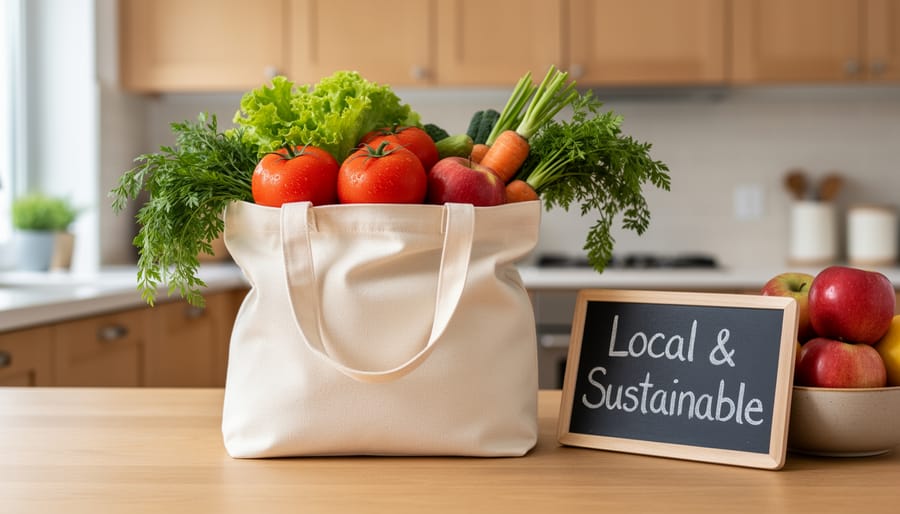
Your food choices create ripples far beyond your dinner plate, and the good news is that sustainable eating doesn’t require becoming vegan overnight or growing all your own vegetables. Start where you are, with what feels manageable.
Shopping at your local farmers’ markets is one of the most impactful changes you can make. Not only are you supporting Australian growers directly, but you’re also reducing the carbon footprint associated with long-distance food transport. Markets in Melbourne, Sydney, Brisbane, and regional centers offer seasonal produce that’s fresher, tastier, and often more affordable than supermarket alternatives. Strike up conversations with farmers about their growing practices—you’ll build community connections while learning what truly grows well in your region.
Food waste is where many of us can make immediate progress. Australians throw away around 7.6 million tonnes of food annually, much of it perfectly edible. Simple strategies like meal planning, using your freezer strategically, and embracing “ugly” produce can dramatically reduce your household waste. Keep vegetable scraps for homemade stock, and compost what you can’t use.
Remember, sustainable eating isn’t about perfection. Maybe you start by committing to one farmers’ market visit per month, or choosing locally-made products when available. Perhaps you focus on reducing meat consumption a few days a week rather than eliminating it entirely. Each small choice matters, and collectively, these choices reshape our food system for the better.
Energy Efficiency Beyond Solar Panels
You don’t need solar panels to make a real difference in your energy consumption. Simple energy-saving practices can slash your bills and carbon footprint, whether you rent or own.
Start with the basics: switch to LED bulbs, which use 75% less energy than traditional globes. Unplug appliances at the wall when not in use, as standby power quietly drains around 10% of household electricity. During summer, close blinds during the day to reduce cooling needs, and in winter, let that gorgeous Australian sunshine warm your rooms naturally.
Renters have fantastic options too. Draft stoppers, thermal curtains, and portable induction cooktops all travel with you and dramatically improve efficiency without permanent modifications.
Here’s the exciting part: Australians can access substantial government rebates. Most states offer energy efficiency upgrades rebates, often covering appliances, insulation, or air conditioning. Victoria’s Victorian Energy Upgrades program, NSW’s Energy Savings Scheme, and Queensland’s PeakSmart program provide significant savings.
Community energy programs are transforming how we power our homes. Join a community solar garden if rooftop panels aren’t feasible, or participate in local energy-buying groups that negotiate better rates collectively. These initiatives prove that sustainable living thrives on connection, not just individual action. Check your local council’s website for programs in your area.

Waste Reduction in Real Life
Moving toward zero waste doesn’t mean achieving perfection overnight. Start by observing what fills your bin each week, then tackle one category at a time. Many Australians find success beginning with their kitchen, where food scraps and packaging often dominate household waste.
Australia’s recycling systems vary by council, so check your local guidelines through your council website or the Recycling Near You app. Understanding what actually gets recycled in your area prevents wishcycling, where well-intentioned items contaminate recycling streams. Generally, stick to clean paper, cardboard, hard plastics numbered 1-5, glass bottles, and steel cans.
For organic waste, explore composting options that suit your living situation. Apartment dwellers might try bokashi bins or worm farms on balconies, while those with yards can establish traditional compost systems. Some councils now offer green waste collection, making organic recycling accessible even without home composting.
Before discarding broken items, search for repair cafes in your community. These volunteer-run events help you mend everything from clothing to electronics while learning valuable skills. Community swap meets and Buy Nothing groups have flourished across Australian suburbs, creating circular economies where pre-loved items find new homes.
Remember, reducing waste is a journey shared by thousands of Australians discovering that small changes collectively create meaningful impact.
Sustainable Transport Options
Reducing car dependency doesn’t mean giving up convenience—it’s about discovering smarter ways to move around our communities. Many Australian cities are expanding their public transport networks, with Melbourne’s metro tunnel project and Sydney’s light rail offering viable alternatives to driving. If you’re in a metropolitan area, start by mapping one weekly car trip you could replace with public transport. Download apps like TripView or TransitTimes to make journey planning effortless.
Cycling infrastructure is improving across Australia, with Brisbane’s dedicated bikeways and Adelaide’s expanding network making two-wheeled commutes safer and more appealing. Even a 10-minute bike ride to your local shops reduces emissions while boosting your health. Look for council-subsidised e-bike programs that make longer distances manageable, even in our warmer climate.
For regional Australians where public transport is limited, car-sharing platforms like GoGet and Uber Carshare offer practical solutions. Community car-share initiatives are sprouting up in towns across NSW and Victoria, where neighbours coordinate shared vehicles for shopping trips and appointments. Consider carpooling with colleagues or joining school run-sharing groups in your area. Every shared journey strengthens community connections while lightening our collective environmental footprint. The key is starting small—one sustainable transport choice this week can become a lasting habit.
Build Your Sustainable Living Support Network
Finding Your Local Sustainability Community
You don’t have to navigate the sustainability journey alone. Across Australia, vibrant communities of like-minded individuals are already working together to create positive change, and they’re eager to welcome newcomers.
Start your search with local council websites, which often list community gardens, environmental groups, and sustainability initiatives in your area. Many councils run workshops on composting, water conservation, and native gardening that provide excellent networking opportunities. Platforms like Meetup and Facebook groups host regular sustainability-focused gatherings, from clothes swaps to repair cafes, particularly active in cities like Melbourne, Sydney, and Brisbane.
Community gardens offer more than just a plot of soil—they’re hubs where experienced gardeners share knowledge about organic growing, seed saving, and seasonal eating. Organizations like Landcare Australia and the Australian Conservation Foundation have local chapters running restoration projects and advocacy campaigns you can join.
Don’t overlook neighbourhood sharing platforms and tool libraries, which embody sustainable living through resource sharing. Many communities also have Buy Nothing groups where members freely exchange items, reducing waste while building connections.
The beauty of joining these groups is the ripple effect—you’ll discover opportunities you never knew existed, from bulk-buying cooperatives to skill-sharing workshops, all while building friendships with people who share your values and understand your commitment to living sustainably.
Making the Most of Sustainable Living Events
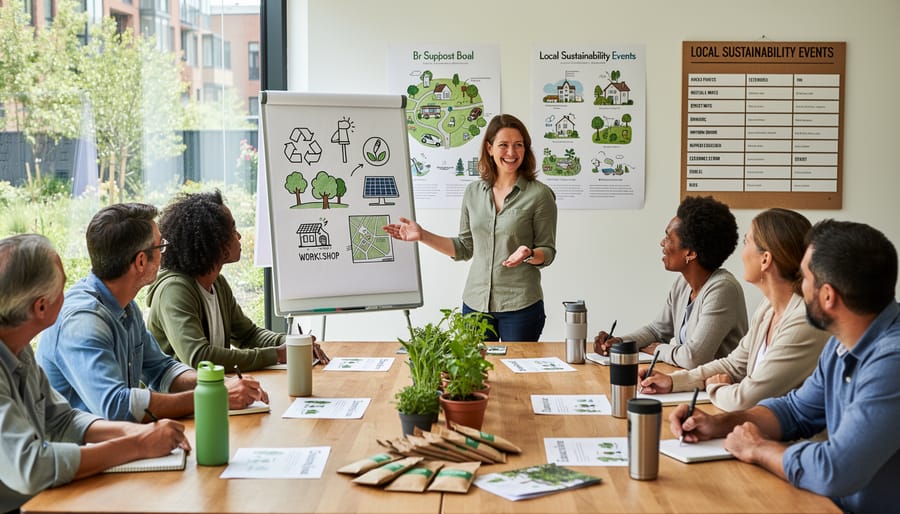
Sustainable living events offer invaluable opportunities to deepen your commitment while connecting with like-minded Australians. Sustainability workshops across the country teach practical skills from composting and permaculture to upcycling furniture and natural cleaning products. These hands-on sessions transform abstract concepts into tangible abilities you can apply immediately at home.
Local sustainability festivals celebrate community progress while showcasing innovative solutions from Australian entrepreneurs and organizations. You’ll discover eco-friendly products, sample locally-grown produce, and meet neighbours already walking the sustainability path. Many attendees find their next steps simply by chatting with stall holders or fellow participants.
Educational events keep you informed about emerging practices and regional initiatives. Council-run sessions often reveal local resources you didn’t know existed, from bulk food suppliers to textile recycling programs.
The real magic happens in the connections you forge. Finding your sustainability tribe combats eco-anxiety and provides accountability. When challenges arise, you’ll have a network to share solutions with. Plus, these gatherings remind you that individual actions, multiplied across communities, create meaningful change. Check your local council website, community centres, and environmental groups for upcoming events near you.
Sharing Your Journey Without Preaching
Your sustainable journey becomes more meaningful when shared authentically with others. Rather than lecturing mates about their choices, focus on the positive changes you’re experiencing. When friends notice your reusable coffee cup or homegrown veggies, share the practical benefits you’ve discovered, like saving money or enjoying better flavours.
Join local community groups and environmental meetups across Australian cities where you’ll find like-minded individuals who understand the challenges and celebrate the wins together. These connections create accountability and inspiration without judgment.
Social media can be a powerful tool when used thoughtfully. Share your wins and setbacks honestly, showing that sustainable living is a journey, not perfection. Post about discovering a brilliant farmers market in your suburb or trying a new composting method. Your authentic experience resonates more than preaching ever will.
Remember, leading by example speaks louder than words. When neighbours see your thriving garden or ask about your solar panels, you’ve created a natural opportunity for conversation. Keep it light, practical, and focused on how these choices have improved your life. You’ll build a supportive circle that grows organically, inspiring collective action across your community.
Create Your 90-Day Sustainable Transition Plan
Month One: The Foundation
Start with your kitchen, where simple swaps create immediate impact without overwhelming your routine. Replace single-use plastic bags with reusable shopping bags—keep a stash in your car boot so you’ll never forget them at the checkout. Switch to a reusable coffee cup for your morning flat white, and you’ll notice the difference straight away, both environmentally and financially, as many Australian cafes offer discounts.
Your bathroom offers another quick win. Swap liquid soap for bar soap, choose bamboo toothbrushes, and invest in reusable makeup remover pads. These changes might seem small, but together they prevent hundreds of disposable items from reaching landfill each year.
This foundation month isn’t about perfection—it’s about establishing habits that stick. Start a compost bin for your food scraps, even if it’s just a small bokashi system on your apartment balcony. Join a local community group focused on sustainability to connect with like-minded Aussies who can share tips and encouragement. Remember, every sustainable choice you make creates a ripple effect, inspiring family, friends, and colleagues to reconsider their own habits.
Month Two: Deepening Practices
By month two, you’re ready to expand beyond the basics. This is where sustainable living becomes genuinely enjoyable as you discover local farmers’ markets, swap meets, and community gardens in your neighbourhood. Many Australians find this phase transformative because they’re not going it alone anymore.
Start exploring meat-free Mondays or visiting your local bulk food store with reusable containers. Melbourne’s Wasteless Pantry and similar stores across Brisbane, Sydney, and Perth make package-free shopping surprisingly convenient. Consider joining a community energy group to investigate solar options for your home, or participate in local tree-planting days organised by councils throughout Australia.
The key is connecting with others on the same journey. Join local sustainability groups on social media where Aussies share tips about composting in different climates, recommend eco-friendly Australian brands, and organise clothing swaps. You’ll discover that sustainable choices often save money too, whether through reduced energy bills, buying second-hand, or growing your own herbs and vegetables. This month isn’t about perfection but about building momentum through community support and discovering which practices genuinely resonate with your lifestyle and values.
Month Three: Making It Permanent
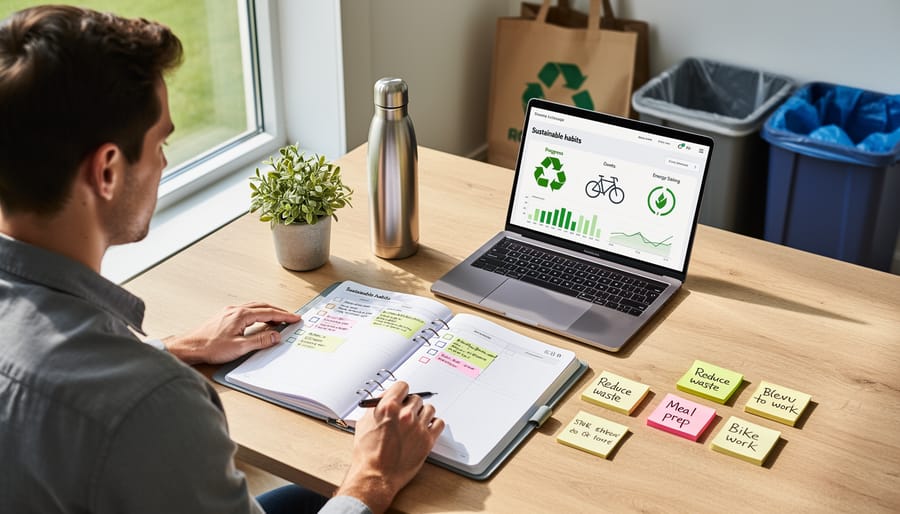
By month three, you’re ready to cement these practices into your everyday rhythm. The key is linking sustainable choices to routines you already have—storing reusable bags in your car, choosing package-free options at your local farmers market, or making composting part of your Sunday prep. Track your progress by reviewing utility bills or counting how many weeks you’ve avoided single-use plastics. These small wins build momentum.
Now’s also the perfect time to level up. Perhaps you’re ready to advocate for change at your workplace, join a community garden in your suburb, or volunteer with local environmental groups. Many Australians find that sharing their journey inspires neighbours and friends to start their own. Consider attending sustainability workshops or connecting with like-minded folks through community events in your area. Remember, sustainable living isn’t about perfection—it’s about progress. Each conscious choice ripples outward, creating the collective impact our communities and country need.
Living sustainably isn’t about achieving perfection overnight—it’s a journey of continuous learning, adaptation, and growth. Every reusable coffee cup, every conversation with a neighbour about composting, every farmers market visit contributes to a larger transformation that’s already underway across Australia.
The beauty of sustainable living lies in its cumulative effect. When you start small—perhaps swapping to reusable shopping bags or reducing food waste—you’re not just making an individual impact. You’re joining thousands of Australians who are collectively reshaping our relationship with the planet. These small actions ripple outward, inspiring friends, family, and entire communities to reconsider their own habits.
Don’t underestimate the power of your local community in this journey. Across the country, sustainability groups, repair cafes, community gardens, and swap meets are bringing like-minded people together. These connections provide support, share knowledge, and remind us we’re part of something bigger. Getting involved locally transforms sustainability from a solitary challenge into a shared adventure filled with new friendships and creative solutions.
Remember to celebrate your progress, no matter how modest it seems. Changed your energy provider to renewables? That’s worth acknowledging. Started cycling to work twice a week? Brilliant. Convinced your workplace to reduce single-use plastics? You’re a changemaker.
The Australian sustainability movement is vibrant, innovative, and growing stronger every day. Your participation matters. Start where you are, use what you have, and trust that your actions—combined with countless others—are creating the future we need. The time to begin is now.