
Horticulture sustainability is the practice of growing plants using methods that protect natural resources, reduce environmental impact, and remain economically viable over the long term. Unlike conventional horticulture, which often relies heavily on synthetic inputs and intensive resource use, sustainable approaches work with natural systems to build soil health, conserve water, support beneficial insects, and minimise chemical runoff into Australian waterways.
This shift matters because traditional growing methods have contributed to soil degradation, water scarcity, and declining biodiversity across Australia’s diverse landscapes. For home gardeners, community plots, and commercial operations alike, sustainable horticulture offers a practical framework for producing healthy plants while regenerating the land beneath them.
What makes sustainable horticulture different in practice? The approach integrates biological pest management, composting, native plantings, and efficient irrigation to create resilient growing systems. Rather than fighting against local conditions, it adapts to them. A subtropical Brisbane garden manages pests differently than a cool-climate Melbourne plot, but both can apply the same core principles of resource conservation and ecological balance.
The good news is that sustainable methods are increasingly accessible. Composting systems turn kitchen scraps into rich soil amendments. Mulching reduces water needs by up to 70 percent in some Australian climates. Strategic plant selection attracts pollinators while deterring pests naturally. These aren’t fringe practices anymore. They’re becoming standard across backyard gardens, urban farms, and production nurseries nationwide as growers recognise both the environmental benefits and the cost savings over time.
What Horticulture Sustainability Means
Horticulture sustainability means growing plants in ways that support the environment, remain economically viable, and contribute to community wellbeing, all at once. It’s not just about avoiding harm; it’s about actively restoring soil health, conserving water, supporting local ecosystems, and creating resilient growing systems that work with natural cycles rather than against them. For Australian growers, this approach acknowledges our unique climate challenges, prolonged drought, intense sun, variable rainfall, and responds with techniques that build long-term resilience rather than short-term fixes.
This holistic approach rests on three interconnected pillars. The environmental pillar focuses on protecting and regenerating natural systems: building soil life, reducing chemical inputs, conserving water, and creating habitat for beneficial insects and wildlife. The economic pillar ensures practices remain practical and affordable over time, reducing input costs through techniques like composting and water harvesting while maintaining productive yields. The social pillar connects growing to community, through shared knowledge, local food security, Indigenous land care wisdom, and green spaces that bring people together.
- Regenerative practices
- Techniques that actively improve soil health and ecosystem function over time, leaving growing spaces better than you found them.
- Biodiversity stewardship
- Supporting a wide range of plant and animal species to create balanced, self-regulating garden ecosystems.
- Resource efficiency
- Making the most of water, nutrients, and energy by reducing waste and closing resource loops within the growing system.
- Closed-loop systems
- Garden designs where waste from one process becomes input for another, compost feeding plants, mulch conserving moisture, plant debris sheltering beneficial insects.
- Climate adaptation
- Choosing plants and practices suited to local conditions and increasingly variable weather patterns rather than fighting against them.
In Australian backyards, balcony gardens, and community plots, these principles translate into everyday choices: collecting roof runoff in tanks, mulching heavily to retain moisture, planting natives alongside vegetables, and composting kitchen scraps to feed next season’s crops. It’s practical, place-based growing that recognizes we’re part of larger ecological and social systems, not separate from them.
How Horticulture Sustainability Works in Practice
Building Healthy Soil Systems
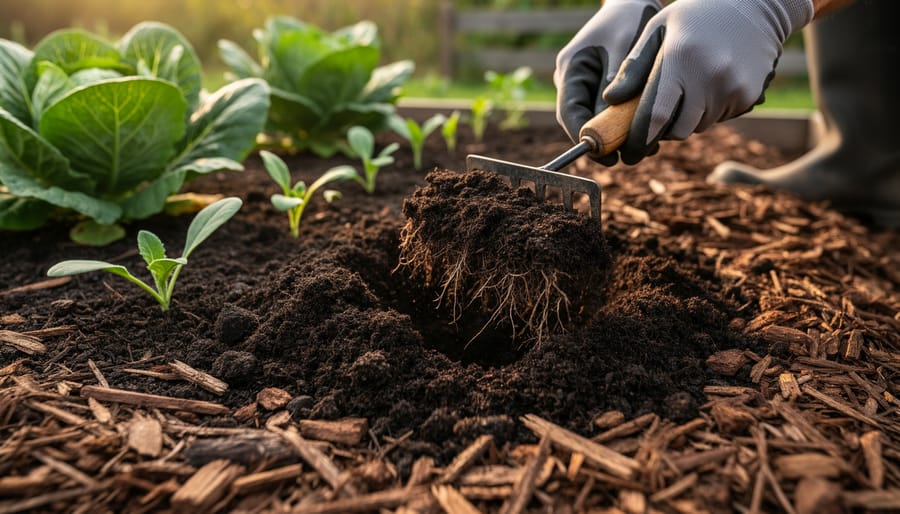
Healthy soil is the foundation of sustainable horticulture. When you compost your scraps and return organic matter to the ground, you’re feeding billions of soil organisms that break down materials into plant-available nutrients. This biological activity creates a self-replenishing fertility cycle that reduces, and often eliminates, the need for synthetic fertilizers.
Composting transforms kitchen waste, garden clippings and animal manure into humus-rich material that compost improves soil carbon water retention and microbial diversity. A five-centimeter layer worked into beds every season can sustain vegetable production without additional inputs.
Mulching complements this cycle by protecting soil structure, suppressing weeds and slowly decomposing to add more organic matter. Lucerne hay, sugar cane mulch or shredded leaves keep Australian soils cooler during summer heat and maintain moisture between watering.
Together, these practices build soil that feeds itself. The organic matter holds nutrients against leaching, the living organisms cycle those nutrients to plant roots, and the system becomes more productive each year. It’s a biological investment that compounds over time, creating resilience that synthetic programs can’t match.
Managing Water Wisely
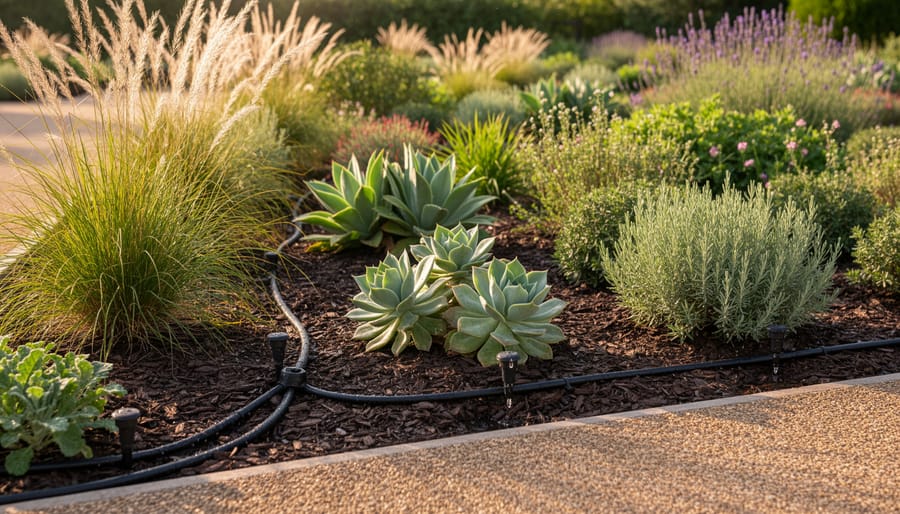
Water conservation is the cornerstone of sustainable horticulture in Australia’s variable climate. Water-wise gardening starts at the soil level, adding compost and mulch increases moisture retention dramatically, meaning less frequent watering and deeper root growth. A 7-10 cm mulch layer can cut evaporation by up to 70% while keeping soil temperatures stable through summer heat.
Drip irrigation and soaker hoses deliver water directly to root zones with minimal waste, and their drip and soaker efficiency makes them ideal for Australian conditions where water restrictions are common. Pair this with rainwater harvesting, even a modest tank connected to your roof captures thousands of litres annually that would otherwise run off into stormwater.
Plant selection matters just as much as infrastructure. Choose species adapted to your region’s rainfall patterns: native grasses, succulents, and Mediterranean herbs thrive on minimal water once established. Group plants by water needs so you’re not overwatering drought-tolerant natives to keep thirsty exotics alive. Morning watering reduces evaporation, and monitoring soil moisture before irrigating prevents the common mistake of watering on schedule rather than need.
Supporting Beneficial Ecosystems
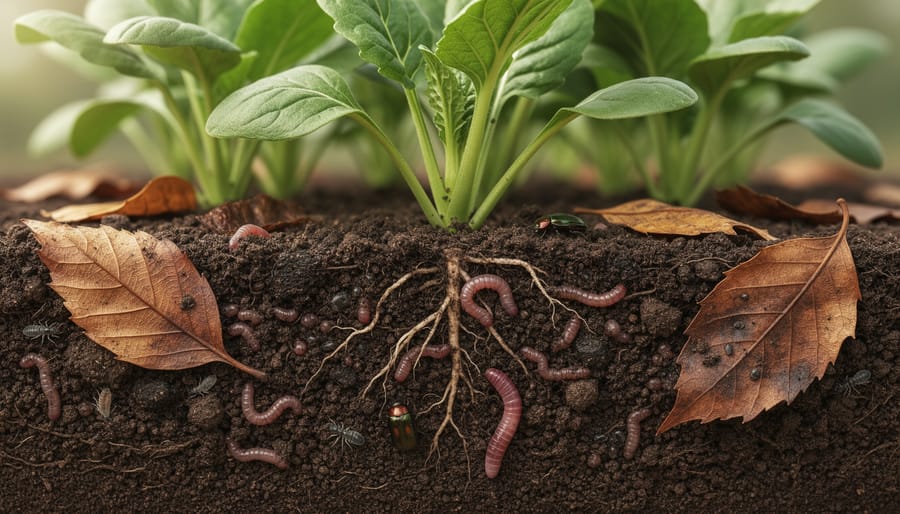
A biodiverse garden becomes a self-regulating system where living organisms collaborate to protect and nourish plants. Soil microbes break down organic matter into available nutrients while forming symbiotic relationships with roots, mycorrhizal fungi, for example, extend root networks and improve water uptake. Above ground, plant diversity boosts natural pest control by attracting predatory insects like ladybirds and parasitic wasps that manage aphids and caterpillars without sprays. Native flowering plants provide nectar for pollinators and habitat for ground beetles that hunt pest larvae at night. This layered community of beneficial species creates resilience: when pests arrive, their natural enemies are already present and populations stay balanced. The result is healthier plants that can resist disease and stress, eliminating the need for chemical interventions that would disrupt these protective relationships.
Types of Sustainable Horticulture Approaches
Sustainable horticulture isn’t a single formula, it’s a family of approaches that share core principles but differ in emphasis and application. Australian growers draw from multiple traditions and frameworks, often blending methods to suit their local conditions, available resources, and production goals. Understanding these different models helps you identify which approaches align with your space, whether you’re stewarding a suburban backyard, managing a community plot, or running a commercial nursery.
Organic horticulture eliminates synthetic pesticides and fertilizers, relying instead on natural inputs like compost, green manures, and biological pest controls. Organic growing builds soil fertility through biological processes rather than chemical shortcuts, and certification programs provide standards for commercial operations. This approach has proven viable at every scale, from kitchen gardens to large-scale vegetable farms across Australia’s diverse climates.
Permaculture design takes a systems view, arranging plants, water flows, and built elements to create self-maintaining ecosystems that mimic natural patterns. A permaculture garden might position a chicken coop above vegetable beds so manure feeds the soil, plant nitrogen-fixing species to enrich fertility without inputs, and layer productive plants from ground covers to fruit trees in guilds that support each other. The method emphasizes observation, pattern recognition, and making every element serve multiple functions.
Regenerative horticulture goes beyond sustaining existing conditions to actively heal degraded land and improve ecosystem function over time. This approach prioritizes practices that build topsoil, increase biodiversity, sequester carbon, and strengthen water cycles. Regenerative growers might use cover cropping, minimal tillage, diverse crop rotations, and planned grazing integration to restore soil structure and biological activity that conventional agriculture has depleted.
Integrated pest management balances prevention, monitoring, and targeted intervention rather than relying on broad-spectrum chemical applications. IPM practitioners tolerate low pest populations, encourage beneficial predators and parasites, use physical barriers and traps, and resort to pesticides, preferably selective, low-toxicity options, only when damage thresholds justify it. This pragmatic framework reduces chemical use dramatically while maintaining healthy, productive plants.
Native plant horticulture centers indigenous Australian species adapted to local rainfall, soils, and wildlife communities. These plants typically need less water and fertilizer once established, provide habitat and food for native birds and insects, and connect urban spaces to regional ecosystems. Native horticulture supports conservation goals while creating resilient, low-maintenance landscapes suited to Australia’s variable climate extremes.
Most successful sustainable growers combine elements from several of these frameworks rather than adhering strictly to one. Your local soil, water availability, climate zone, and goals will shape which approaches work best for your situation.
Where Horticulture Sustainability Is Applied
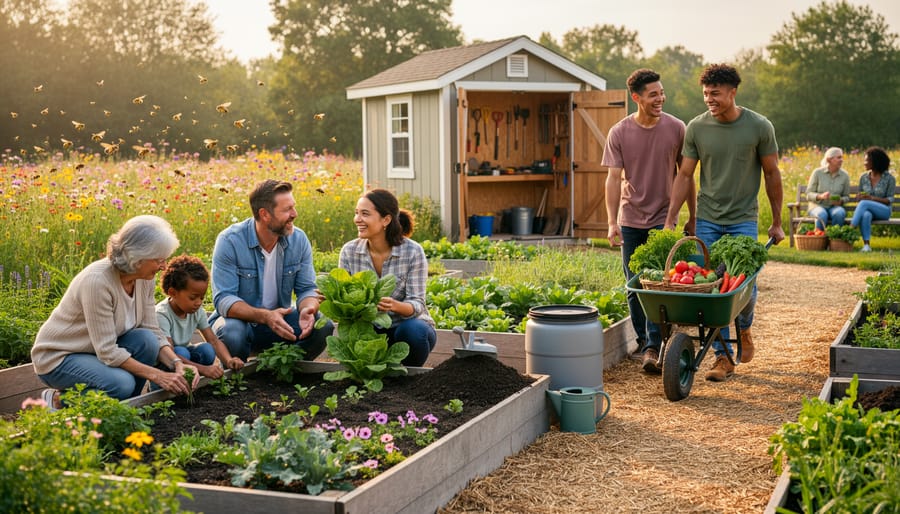
Sustainable horticulture practices are being applied across diverse Australian growing environments, from suburban backyards to large-scale commercial operations. These approaches prove viable and beneficial regardless of scale, demonstrating that ecological principles work in real-world conditions.
- Backyard food production, home gardeners building soil health, composting kitchen scraps, and growing seasonal vegetables without synthetic chemicals
- Community growing spaces, shared gardens that pool resources, knowledge, and labour while creating local food networks and teaching opportunities
- Commercial cut-flower farms, growers adopting organic methods, beneficial insect releases, and water-efficient systems to supply florists sustainably
- Native plant nurseries, propagation facilities focused on local provenance species, water-wise production, and habitat restoration projects
- Council parks and reserves, public green spaces managed with reduced mowing, organic lawn care, and wildlife-friendly plantings
- School gardens, educational spaces where children learn growing skills, nutrition, and environmental stewardship hands-on
- Rooftop gardens, urban installations that reduce building heat, manage stormwater, and produce food in space-constrained cities
Community gardens have become especially significant hubs for sustainable horticulture across Australian cities and towns. These spaces allow apartment dwellers and those with limited garden access to grow food organically, share sustainable garden design knowledge, and build social connections. Many operate tool libraries, host workshops, and serve as demonstration sites for water-saving techniques and composting systems.
Commercial operations are increasingly recognizing the economic advantages of sustainable approaches. Organic vegetable farms in regions from the Adelaide Hills to the Atherton Tablelands supply restaurants and farmers’ markets while improving soil carbon and reducing input costs over time. Nurseries specializing in native plants for revegetation projects apply sustainable principles from propagation through to customer education about water-wise landscaping.
Indigenous land management contexts represent some of the longest-standing applications of sustainable horticultural knowledge in Australia. Cultural burning practices, seasonal harvest timing, and plant propagation methods refined over tens of thousands of years inform contemporary approaches to regenerative horticulture. Collaborations between Indigenous rangers and environmental organizations are reviving these practices in parks, reserves, and on Country.
Urban farms have emerged in inner-city areas, transforming vacant lots and underutilized spaces into productive growing sites. These enterprises often combine commercial food production with social programs, offering training, employment pathways, and community engagement while demonstrating that intensive food growing can happen sustainably in dense urban environments.
Getting Started with Sustainable Horticulture
You don’t need to overhaul your entire garden overnight. Start by choosing one sustainable practice that fits your current setup and commit to it for a season. If you’re watering by hand with a hose, switch to drip irrigation or soaker hoses in your vegetable beds. If you’re buying bags of potting mix, start a compost bin instead. These single shifts build momentum and teach you how sustainable systems actually function in your space.
Focus on your soil first, it’s the foundation everything else depends on. Stop digging unnecessarily, add a thick layer of mulch (sugarcane, pea straw, or local wood chips work well across most Australian climates), and begin returning organic matter through composting or worm farming. You’ll see improvements in water retention and plant health within months, which makes the next sustainable step easier to take.
Connect with local knowledge and community sustainability projects in your area. Community gardens, permaculture groups, and native plant societies offer hands-on workshops, plant swaps, and mentoring that fast-track your learning. Many councils run free composting courses or subsidized worm-farm programs. These connections give you region-specific advice, what thrives in Perth won’t always suit Brisbane, and access to local seed exchanges and cuttings.
If you’re a commercial grower, audit one production area and identify the biggest resource drain, usually water or synthetic fertilizers. Trial sustainable alternatives on a small scale: replace soluble feeds with compost tea, test cover cropping between crops, or install water monitoring to eliminate waste. Measure the results, then expand what works. The Australian Organic industry association and local Landcare groups provide technical support and certification pathways when you’re ready to formalize your transition. The shift happens practice by practice, not all at once.
Common Questions About Horticulture Sustainability
Is sustainable horticulture more expensive than conventional growing?
Initial setup can require investment in compost systems, mulch, or water infrastructure, but ongoing costs typically decrease as you rely less on purchased fertilizers, pesticides, and water. Many growers find their expenses drop significantly within the first year or two.
Will I get lower yields if I stop using synthetic fertilizers and pesticides?
Yields may dip briefly during the transition period as soil biology rebuilds, but healthy soil systems often match or exceed conventional productivity once established. The key is patience during the first season while beneficial organisms colonize your growing space.
How do you control pests without chemical sprays?
Sustainable pest management combines prevention (healthy plants resist pests better), habitat for beneficial insects, physical barriers like netting, companion planting, and targeted biological controls when needed. Most serious pest problems disappear once your garden ecosystem finds balance.
Does sustainable horticulture require more time than conventional methods?
Early establishment takes effort, but mature sustainable systems often need less intervention than conventional gardens. You’ll spend time building soil and planting diversity upfront, then less time fighting problems and buying inputs later.
Finding appropriate plants and materials matters too. Most Australian nurseries now stock native species and heritage varieties suited to local conditions, while council green waste programs, community gardens, and bulk landscape suppliers provide affordable compost and mulch. Regional considerations make a real difference: tropical Queensland growers focus on wet-season water management and humidity-loving crops, while southern gardeners prioritize frost protection and cool-season varieties. Arid zone horticulture demands different water strategies entirely, with emphasis on deep mulching and desert-adapted species. Your state’s agriculture department and local Landcare group can point you toward region-specific advice that matches your climate reality rather than generic recommendations.
Horticulture sustainability isn’t a distant ideal, it’s already flourishing in backyards, community plots, and commercial growing spaces across Australia. Whether you’re managing a single balcony garden or acres of productive land, these principles work at every scale because they align with how natural systems actually function. You’re not fighting against ecology; you’re working with it.
The momentum is building. More Australian growers are recognizing that sustainable methods don’t just reduce environmental harm, they create more resilient, productive, and satisfying growing experiences. Healthier soil produces stronger plants. Water-wise systems weather droughts better. Biodiverse gardens need less intervention. These aren’t compromises; they’re improvements that make practical and economic sense alongside their environmental benefits.
The urgency is real. Climate shifts, water scarcity, and soil degradation aren’t future threats, they’re current realities reshaping Australian horticulture. Sustainable practices offer tangible responses that strengthen rather than deplete the systems we depend on.
Start where you are. Choose one practice, better composting, a water-saving technique, plants that support local pollinators. Small changes compound. You don’t need to transform everything overnight.
Connect locally. Community gardens, permaculture groups, native plant societies, and sustainable agriculture networks across Australia offer knowledge, support, and shared resources. Growing sustainably becomes easier and more rewarding when you’re part of a community doing the same. The shift is already underway, join it.