
If you’re considering an electric vehicle in Australia, you can skip fringe benefits tax entirely on eligible zero or low emissions cars, provided they meet specific criteria set by the Australian Taxation Office. The exemption applies when the car’s first use occurred on or after 1 July 2022, was never subject to luxury car tax, and is made available to current employees or their family members for private use. This includes vehicles under salary packaging arrangements, and extends to running costs like electricity for charging.
The financial case for making the switch has never been clearer. Across Australia, businesses and individuals are discovering that this FBT exemption transforms the economics of fleet electrification and personal vehicle choice alike. For employers, it means you can offer electric vehicles as a genuine workplace benefit without the tax burden that comes with traditional company cars. For employees, it opens the door to driving a zero-emissions vehicle that might otherwise sit beyond reach.
What makes a vehicle eligible isn’t just about being electric. The luxury car tax threshold acts as a practical ceiling, ensuring the exemption supports accessible, everyday transport rather than high-end luxury purchases. Understanding these boundaries helps you assess whether your current vehicle qualifies or guides your next purchase decision with confidence. The rules are straightforward once you know what to look for, and the potential savings make it worth getting right from the start.
What is the Electric Car FBT Exemption?
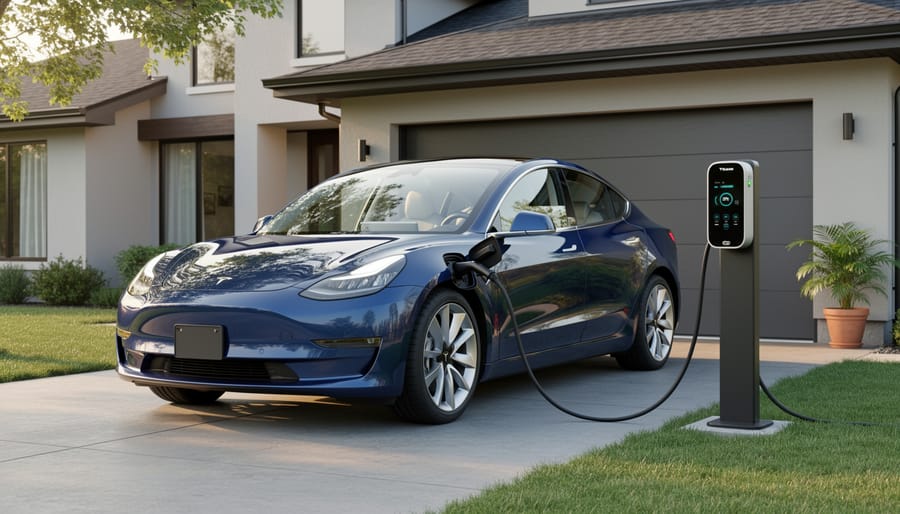
The electric cars FBT exemption removes fringe benefits tax on eligible zero emission vehicles provided to employees, including all costs associated with private use. If you’re an employer offering an electric car to your staff, or an employee considering a novated lease, this exemption means you don’t pay FBT on the vehicle’s private use or the electricity needed to charge it. The exemption applies to cars first held and used from 1 July 2022 onwards, and it covers salary packaging arrangements where an employee sacrifices part of their pre-tax salary for access to an electric vehicle.
This policy sits within Australia’s broader transition toward cleaner transport, making electric vehicle ownership more financially accessible for everyday Australians while supporting our collective shift away from fossil fuel dependence. For employees, it means keeping more of your pre-tax income when you choose an electric car through work. For employers, it’s an opportunity to offer a valuable benefit without the usual tax burden, while demonstrating your commitment to sustainable business practices.
Eligibility Requirements for Tax-Exempt Electric Vehicles
What Qualifies as a Zero or Low Emissions Vehicle?
The zero or low emissions requirements define which vehicles qualify for the FBT exemption. Battery electric vehicles meet the standard automatically, as they produce zero tailpipe emissions. Hydrogen fuel cell vehicles also qualify on the same basis.
Plug-in hybrid electric vehicles can qualify if their emissions fall below the threshold. Check the manufacturer’s specifications or the Green Vehicle Guide to confirm whether a particular hybrid model meets the criteria.
The exemption applies only to cars as defined under tax law. That definition excludes motorcycles, scooters, and other two-wheeled vehicles, even if they’re electric. Similarly, commercial vehicles classified as trucks or vans don’t qualify, regardless of their emissions profile.
First-time buyers and employers often ask whether converted vehicles qualify. The emissions standard applies to the vehicle’s final configuration, so a petrol car converted to electric after purchase may meet the emissions requirement. However, the conversion must occur before the car is first held and used under the arrangement that triggers the exemption, which can complicate eligibility for retrofitted vehicles.
If you’re uncertain whether a specific vehicle meets the emissions criteria, the manufacturer’s compliance statement or the ATO’s published guidance can clarify.
The Luxury Car Tax Threshold
The luxury car tax threshold is a crucial qualifying criterion that determines whether your vehicle is eligible for the FBT exemption. Here’s what it means: luxury car tax must never have been payable on the importation or sale of the vehicle. This applies from the very first time the car entered Australia or was sold, not just when you acquired it.
In practical terms, this condition protects the exemption for affordable electric vehicles while excluding high-end luxury models from the tax benefit. If a vehicle’s value exceeded the luxury car tax threshold at any point in its history, whether brand new or when it was first brought into the country, it won’t qualify for the FBT exemption, even if it meets all other criteria.
This can catch people out when considering second-hand electric vehicles. You’ll need to verify that luxury car tax was never paid on the vehicle throughout its entire history, not just during your ownership. For those purchasing new, staying well below the threshold ensures eligibility and helps you access the full tax benefit while making an environmentally responsible choice.
Who Can Use the Vehicle?
To qualify for the FBT exemption, the electric car must be used by a current employee of your business or their associates. Associates include family members, your spouse, children, parents, and other relatives living with the employee. This means an employee can use the car for personal trips, and their partner or children can drive it too, all under the same exemption. The key requirement is that the employee holds a current employment relationship with the business providing the vehicle. This flexibility makes the exemption particularly valuable for families transitioning to sustainable transport, as the benefit extends naturally to household use rather than limiting private use to the employee alone.
How to Claim the FBT Exemption

Claiming the FBT exemption for your electric vehicle doesn’t require a formal application, employers simply exclude eligible vehicles when calculating and reporting fringe benefits tax. However, getting it right from the start requires careful setup and ongoing documentation to satisfy the Australian Tax Office if they ever review your arrangements.
The exemption works by removing the taxable value of the car benefit from your FBT calculations. When you provide an eligible electric car to an employee through a salary packaging arrangement or as part of their remuneration, you exclude both the vehicle’s private use and any charging or fuel costs from your FBT return. The key is ensuring the vehicle meets all eligibility criteria before you start claiming the exemption.
| Step | Action Required | Responsible Party |
|---|---|---|
| Vehicle assessment | Verify the car meets all eligibility conditions (zero/low emissions, first held/used after 1 July 2022, below LCT threshold) | Employer (with employee input) |
| Documentation setup | Collect purchase documents, compliance certificates, and vehicle specifications showing emissions status | Employer |
| Salary packaging arrangement | Establish written agreement detailing the vehicle benefit, novated lease terms, or direct provision structure | Employer and employee jointly |
| Record keeping | Maintain ongoing records of vehicle use, charging costs, and continued eligibility throughout the FBT year | Employer (primary), employee (supporting) |
| FBT reporting | Exclude the exempt benefit from FBT calculations and lodge annual return | Employer |
Your documentation needs to prove the vehicle qualified from day one. Keep the purchase contract or lease agreement showing the first-use date falls after 1 July 2022, manufacturer specifications confirming zero or low emissions status, and evidence that luxury car tax was never payable on the vehicle. If you’re providing charging infrastructure or reimbursing home charging costs, document these expenses separately as they’re also exempt.
For salary packaging arrangements, structure the agreement to clearly identify the vehicle benefit as part of the employee’s total remuneration package. The written arrangement should specify what costs are covered, typically the lease payments, registration, insurance, maintenance, and charging expenses. Employees reduce their pre-tax salary by the cost of these benefits, and because the exemption applies, neither party pays FBT on the arrangement.
Throughout the FBT year (1 April to 31 March), maintain records showing the vehicle continues to meet eligibility requirements. If circumstances change, say the employee leaves and you provide the car to a new hire, or modifications affect the vehicle’s emissions rating, reassess eligibility immediately. The exemption only applies while all conditions are met, so proactive monitoring protects you from unexpected FBT liabilities down the track.
Your Rights and Obligations Under the Exemption
Under the FBT exemption, you’re entitled to provide eligible electric cars to employees free of fringe benefits tax, covering both private use and charging costs. This includes vehicles held under salary packaging arrangements, where the benefit reduces the employee’s pre-tax salary. The exemption applies automatically when all conditions are met, there’s no special application or approval process. Employees and their family members can use the car for private purposes without triggering an FBT liability, making it a genuinely tax-free benefit.
However, several responsibilities come with this exemption. You must keep accurate records demonstrating the vehicle meets all eligibility criteria from 1 July 2022 onward. This includes documentation showing the car is a zero or low emissions vehicle, that luxury car tax was never payable on its purchase or import, and that it’s used by current employees or their associates. Keep purchase contracts, compliance plates, and salary packaging agreements on file. If you’re claiming charging and fuel costs as exempt, maintain receipts and logbooks that clearly separate these expenses from other vehicle-related costs.
You’re also responsible for reporting electric car benefits on employee payment summaries, even though they’re exempt from FBT. This ensures the Australian Tax Office can track the exemption’s use across the community. Keep records for at least five years after the relevant FBT year ends, as this is the standard requirement for tax documentation. Regular reviews of your fleet’s eligibility status help you stay compliant and maintain the exemption’s benefits for your team.
Making Energy Efficient Vehicle Choices
Choosing an eligible vehicle goes beyond ticking boxes for the FBT exemption, it’s an opportunity to align your transport decisions with genuine environmental impact and community wellbeing. When you buy an energy efficient car you’re making a choice that reduces tailpipe emissions, lowers air pollution in your neighbourhood, and contributes to Australia’s broader shift toward cleaner energy.
Start by confirming the vehicle meets the zero or low emissions standard and stays below the luxury car tax threshold, but don’t stop there. Consider your actual driving patterns: a fully electric vehicle suits daily commutes and local trips, especially if you have home charging, while a plug-in hybrid offers flexibility for longer regional drives. Think about the vehicle’s total lifecycle impact, including battery production and end-of-life recycling options available in Australia.
The tax benefit makes upfront costs more manageable, but the real value emerges over time, lower running costs, reduced maintenance, and the satisfaction of supporting green commuting in your community. If you’re not ready to purchase, consider whether your employer offers salary packaging for eligible vehicles, or explore whether you can car pool with colleagues using zero-emissions transport to share both costs and environmental benefits.
Where to Get Help and Official Resources
Navigating the FBT exemption for electric cars doesn’t have to feel overwhelming. The Australian Tax Office website remains your primary source for official guidance on eligibility criteria, record-keeping requirements, and what happens if your circumstances change during the FBT year. Their online resources walk through each condition your vehicle must meet and explain how employers should treat the benefit.
If you’re setting up a salary packaging arrangement or need help determining whether a specific vehicle qualifies, speaking with a registered tax agent or accountant who understands FBT can save confusion down the track. They can review your situation and ensure you’re meeting all obligations while making the most of the exemption.
Many workplaces offering electric vehicle benefits also have internal resources or HR contacts who can guide you through their specific processes. Don’t hesitate to ask questions about documentation, charging infrastructure, or how the exemption fits with your employment arrangement.
For broader sustainable transport choices and community experiences with electric vehicles, connecting with local EV owner groups and environmental networks across Australia can provide practical insights that complement the official tax guidance.
How to Apply or Complete the Process
There’s no formal application process to claim the FBT exemption for eligible electric vehicles. Instead, the exemption applies automatically when you provide an electric car that meets all the qualifying conditions. As an employer, you simply exclude the eligible car benefit from your FBT return for the relevant year.
Your main responsibility is ensuring the vehicle actually qualifies before you claim the exemption. Verify that it’s a zero or low emissions vehicle, that it was first held and used on or after 1 July 2022, that luxury car tax was never payable on it, and that it’s provided to a current employee or their associates. Document these facts when you first provide the car.
If you’re offering the vehicle through a salary packaging arrangement, set up the arrangement to include both the private use of the car and associated costs like electricity for charging. The exemption covers these benefits automatically when the vehicle qualifies.
Keep records showing the car meets each eligibility requirement, along with documentation of the salary packaging arrangement if applicable. When you lodge your FBT return, don’t include the exempt electric car benefit in your calculations. That’s the complete process, no application forms or prior approvals needed.
Common Questions About Tax-Exempt Electric Vehicles
Common questions about the FBT exemption for electric vehicles often focus on timing, scope, and practical implementation. The following answers draw directly from Australian Tax Office guidance to help you understand how the exemption applies to your situation.
When did the electric car FBT exemption start?
The exemption applies to eligible electric cars first held and used on or after 1 July 2022. Vehicles acquired before this date do not qualify, regardless of when you begin providing them as a benefit.
What costs are covered under the exemption?
Both the private use of the eligible electric car itself and the cost of fuel, including electricity to charge it, are exempt from FBT. This applies whether the vehicle is provided through salary packaging or another arrangement.
Do plug-in hybrid vehicles qualify for the exemption?
Only zero or low emissions vehicles that meet all eligibility conditions qualify. Whether a plug-in hybrid is eligible depends on whether it satisfies the emissions criteria and has never been subject to luxury car tax at importation or sale.
Can I claim the exemption alongside other tax benefits?
The exemption works within existing FBT rules, meaning you can claim it if your vehicle meets all conditions. However, it does not create additional deductions or credits beyond the exemption itself, check with a tax professional about how it interacts with your specific circumstances.
Understanding these fundamentals helps you assess whether this benefit applies to your situation and how it fits within your broader approach to sustainable transport. Australian businesses and employees increasingly use this exemption as part of a strategy to reduce and offset emissions while managing vehicle costs more effectively. The exemption rewards choosing zero-emissions transport by removing a significant tax burden, making electric vehicles more accessible for everyday use across the community.