-
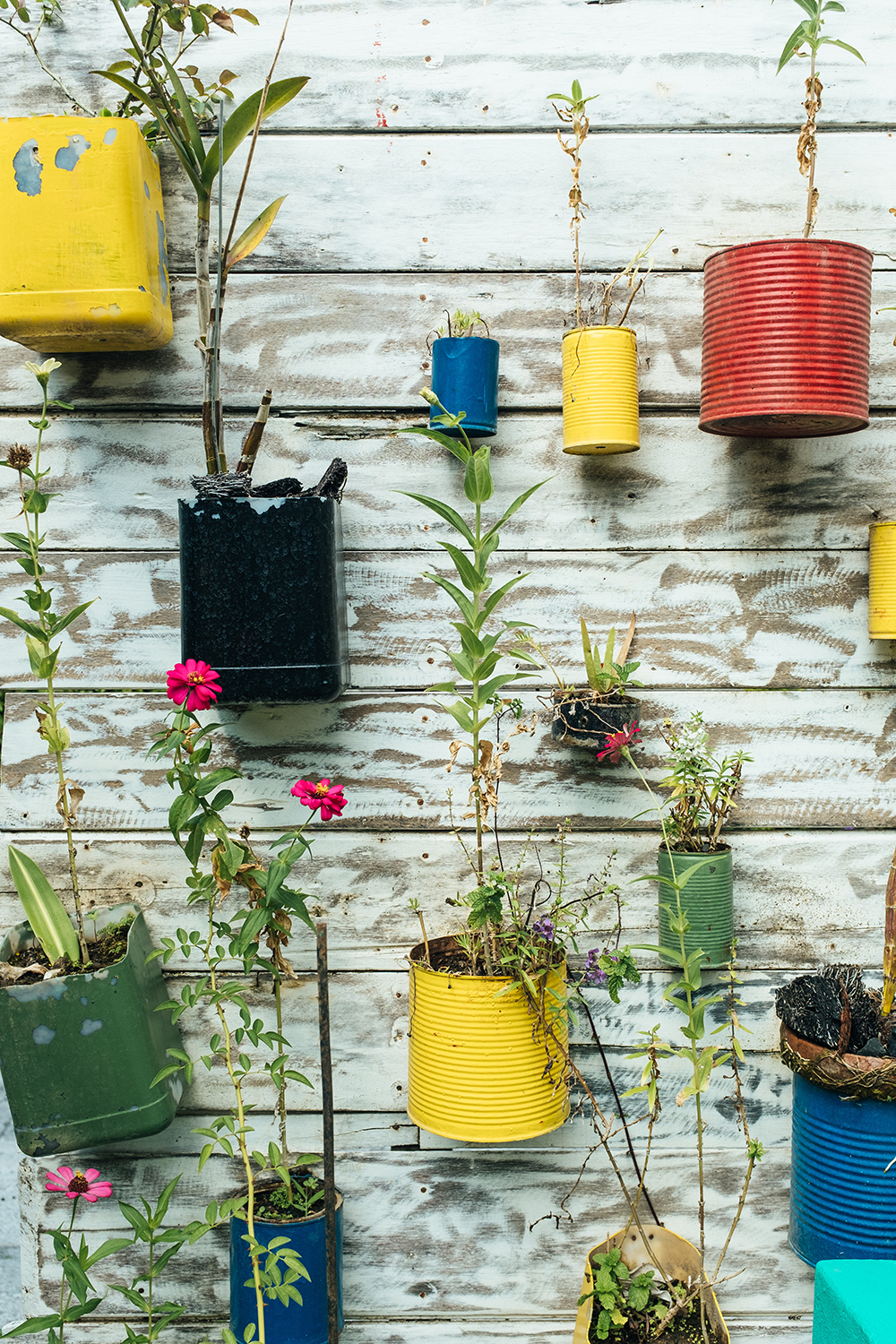
Purchase Recycled Products
From toilet paper to chairs, jackets to dog leads, there are many recycled products that are excellent quality, so consider buying recycled when you buy.
-
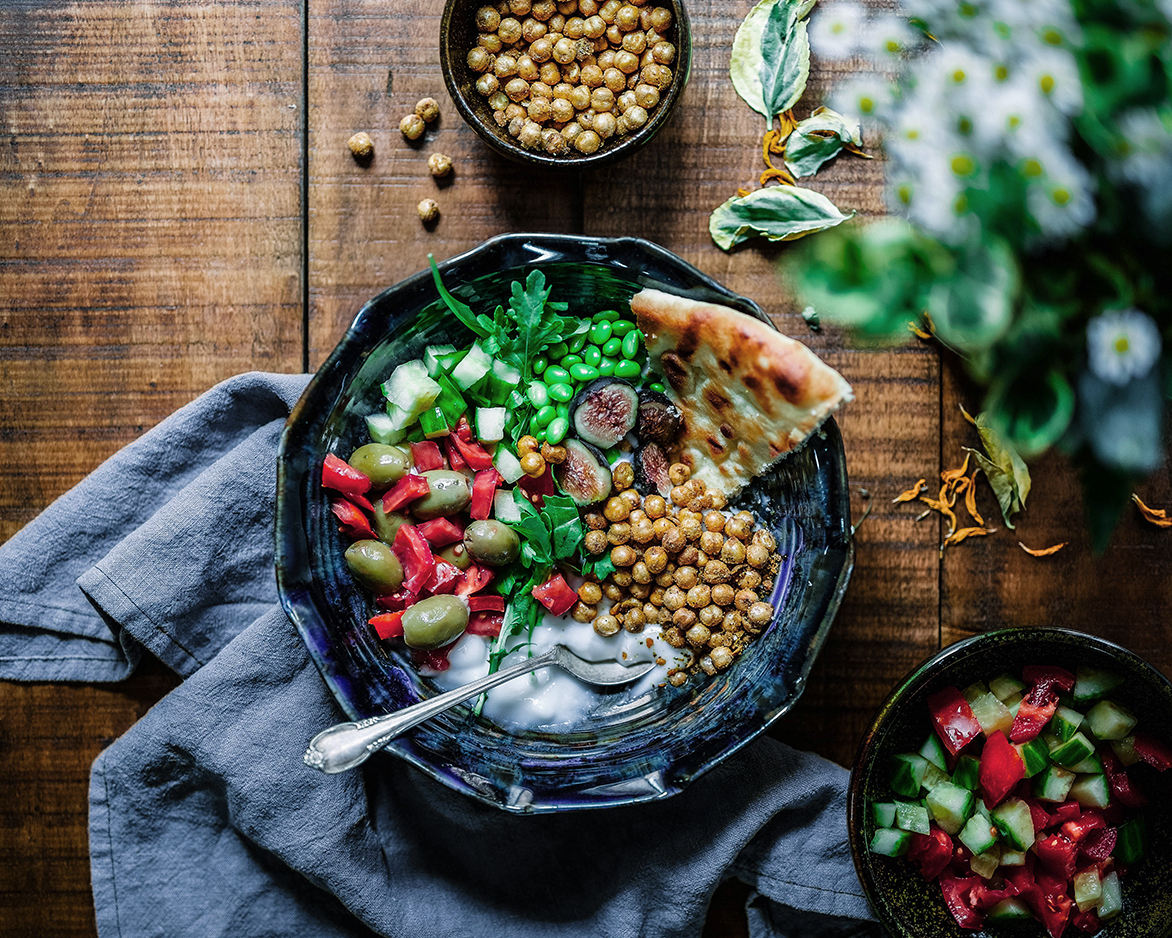
Adopt a vegetarian diet
Join the mung bean nation! Prevent the sizzling death of a thousand innocent animals, improve your health, and hit the jackpot in terms of reducing
-
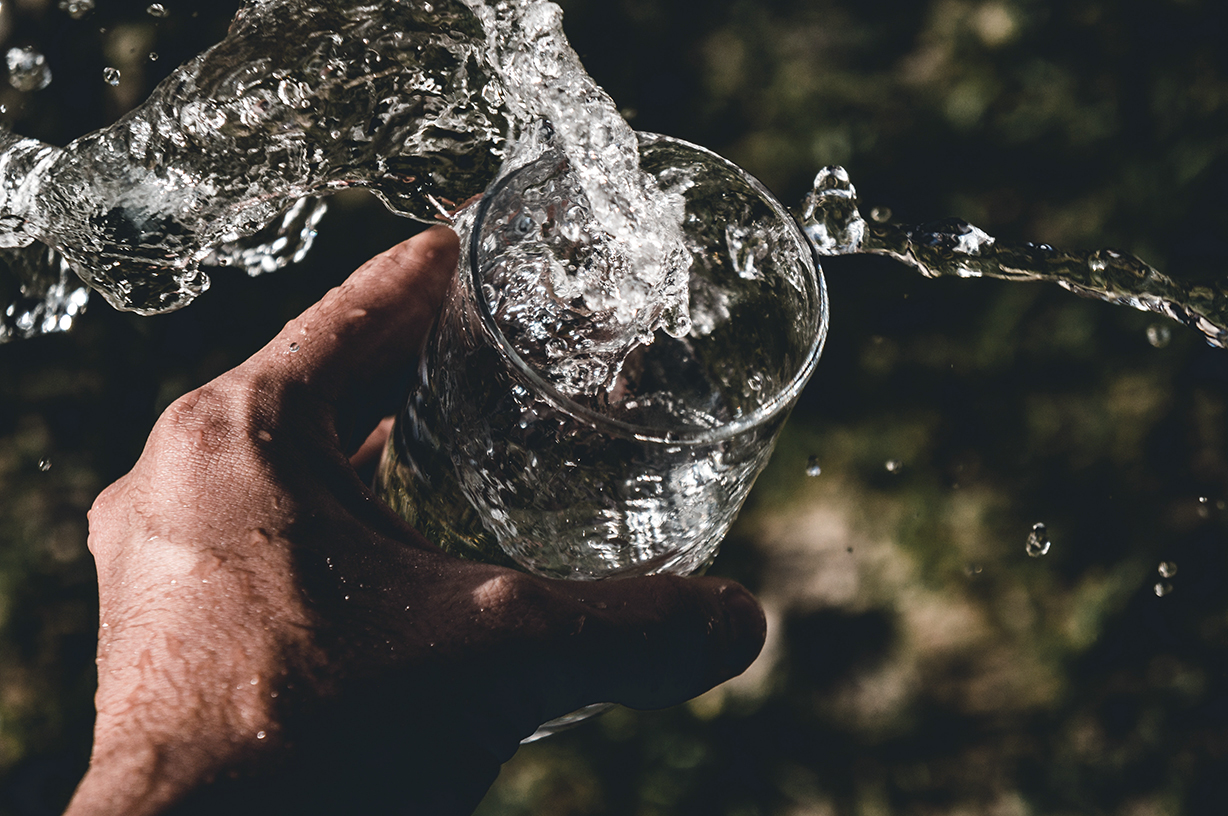
Avoid bottled water
Avoid bottled water and feel good knowing that you’re saving money, reducing your personal health risks and reducing resource waste in your community. Humans require
-
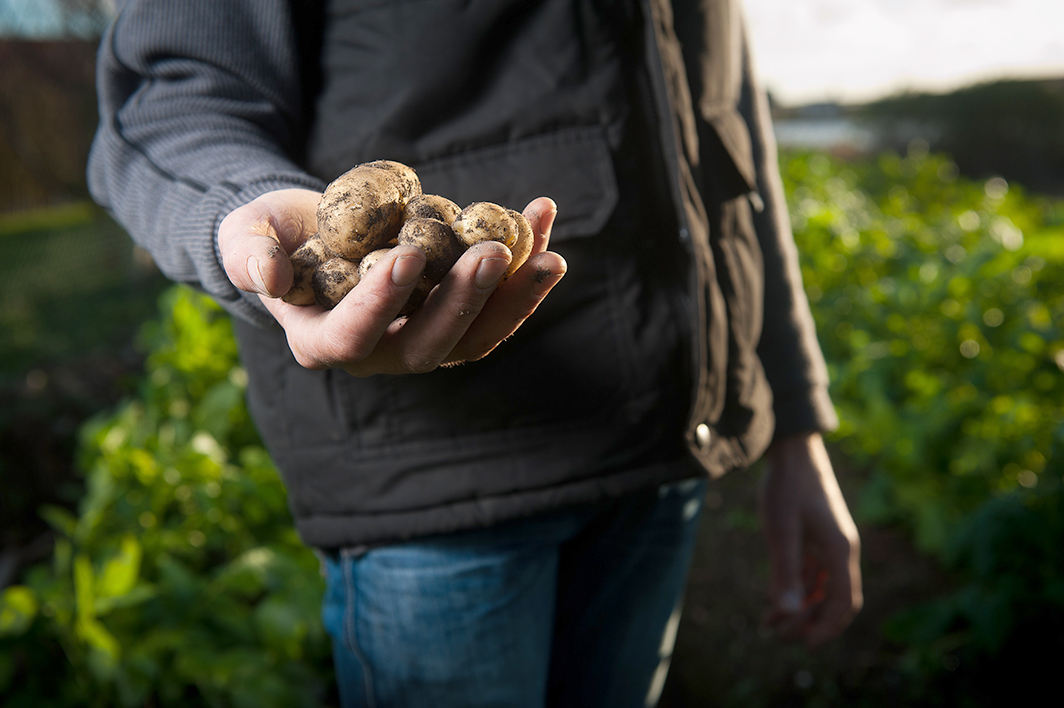
Avoid genetically modified (GM) food
Avoid eating Genetically Modified (GM) Food and demand more thorough testing and mandatory labelling of genetic crops and foods. Scientists are altering and augmenting the
-

Buy local and seasonal food
Locally produced food grown in sync with the seasons is fresher and requires less energy to produce and transport to you. Eating local and seasonal
-
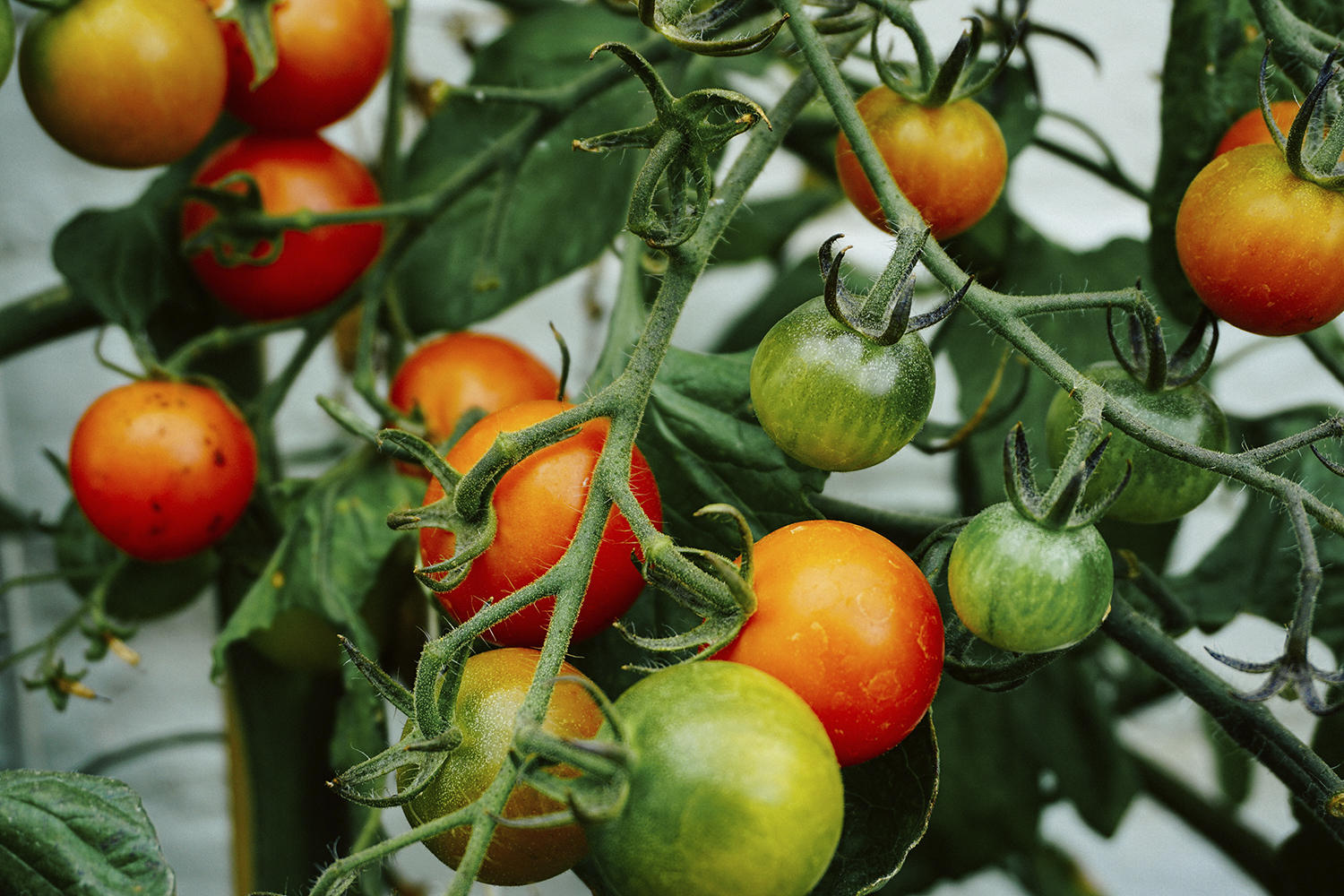
Eat organic food
Too many pesticides, herbicides and fungicides in your food? Try eating organic. Organic food certification requires that crops and livestock are grown and reared naturally,
-

Reuse your greywater
Reusing greywater to water lawns and gardens could save up to 50,000 litres of drinking water per home each year. Greywater is recycled water from
-

Reduce your stormwater pollution
By managing your domestic stormwater, you can reduce polluting the waterways we love to swim in, fish and simply enjoy. The catchment area of our
-

Make your renovations green
Renovations are the ideal opportunity to make your house more efficient and sustainable. Try these tips and feel good about your home. From the design
-

Install solar hot water
Sunlight converts cold water into hot water. No gases are emitted and no one gets hurt. Life is rarely this simple! The cost of energy

No categories for this post.