
Choosing sustainable paint means selecting products with low or zero volatile organic compounds (VOCs), natural or recycled ingredients, and minimal environmental impact from production to disposal. The best options for Australian homes and businesses in 2026 combine plant-based binders, natural pigments, and third-party certifications like Good Environmental Choice Australia (GECA) or Environmental Choice New Zealand, delivering healthier indoor air quality without sacrificing coverage or durability.
The shift toward sustainable paints has accelerated across Australia as more people recognize that conventional paints release harmful chemicals into their homes for months after application. VOCs contribute to indoor air pollution, trigger respiratory issues, and degrade outdoor air quality when they evaporate. Beyond health concerns, traditional paint manufacturing relies heavily on petrochemicals and generates significant waste, making every tin a small but measurable environmental footprint.
What makes this transition practical now is the maturity of the market. Australian suppliers stock genuine eco-alternatives that perform comparably to conventional products, from clay-based interior paints to low-VOC exterior finishes designed for our harsh UV conditions. You’ll find options suited to coastal humidity, bushfire-prone regions, and everything in between.
This guide walks you through the key factors that separate genuinely sustainable paints from greenwashed marketing, compares the main types available in Australia, highlights trusted brands you can buy locally, and flags the common mistakes that lead to poor results or wasted money. Whether you’re repainting a single bedroom or specifying finishes for a commercial build, you’ll gain the clarity needed to make an informed, health-conscious choice that aligns with your environmental values and performs reliably in Australian conditions.
What Makes a Paint Truly Sustainable
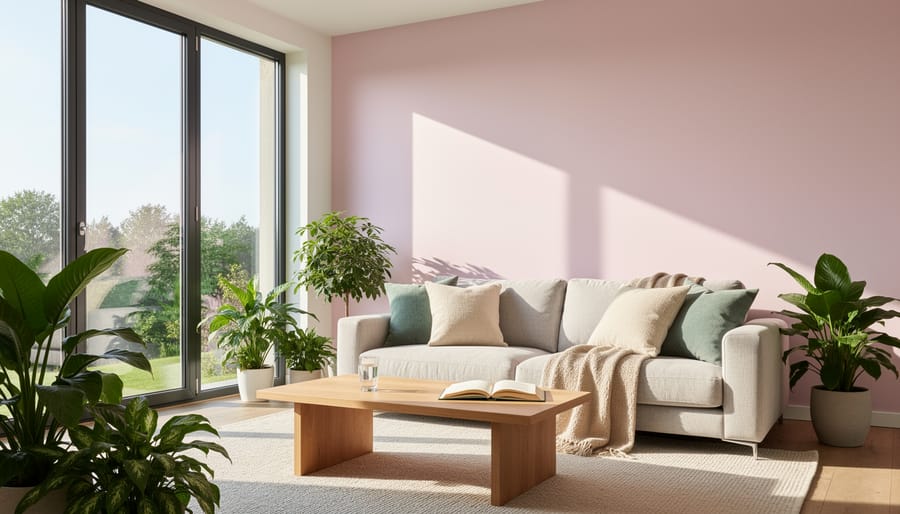
A truly sustainable paint goes far beyond a green label on the tin. It addresses environmental impact at every stage, from ingredient sourcing through manufacturing to application and eventual disposal. Understanding these characteristics helps you cut through marketing claims and identify paints that genuinely align with your health and environmental values.
Low or Zero VOC Content
Volatile organic compounds evaporate from paint as it dries, releasing harmful chemicals into your indoor air for weeks or months. Conventional paints can contain up to 150 g/L of VOCs, contributing to headaches, respiratory issues, and long-term health risks. Sustainable paints typically contain less than 5 g/L, with many natural formulations achieving true zero-VOC status. In Australia, look for compliance with the Green Building Council’s VOC limits, which are stricter than minimum regulatory standards.
Natural and Transparent Ingredients
Sustainable paints use renewable resources like plant oils, natural resins, mineral pigments, and clay instead of petroleum derivatives. The key isn’t just what’s included but what’s left out: no heavy metals, no formaldehyde, no toxic biocides. Reputable manufacturers provide full ingredient disclosure, letting you verify what you’re bringing into your home. Some Australian brands even list percentages of each component, a level of transparency rarely seen with conventional paints.
Ethical Sourcing and Production
Where and how ingredients are harvested matters. Sustainable manufacturers prioritize renewable raw materials, fair labour practices, and energy-efficient production. They often source locally where possible, reducing transport emissions, particularly important for Australian buyers supporting domestic producers who understand local conditions.
Minimal Packaging and Biodegradability
Paint containers create significant waste. Progressive brands use recycled steel or plastic tins, offer refill programs, and avoid excessive packaging like unnecessary plastic wrapping. The paint itself should break down naturally over time rather than persisting in landfill. Water-based formulations with natural binders decompose far more readily than synthetic alternatives, though proper disposal through household chemical collection points remains essential for any leftover paint.
Key Factors to Consider When Buying Sustainable Paint
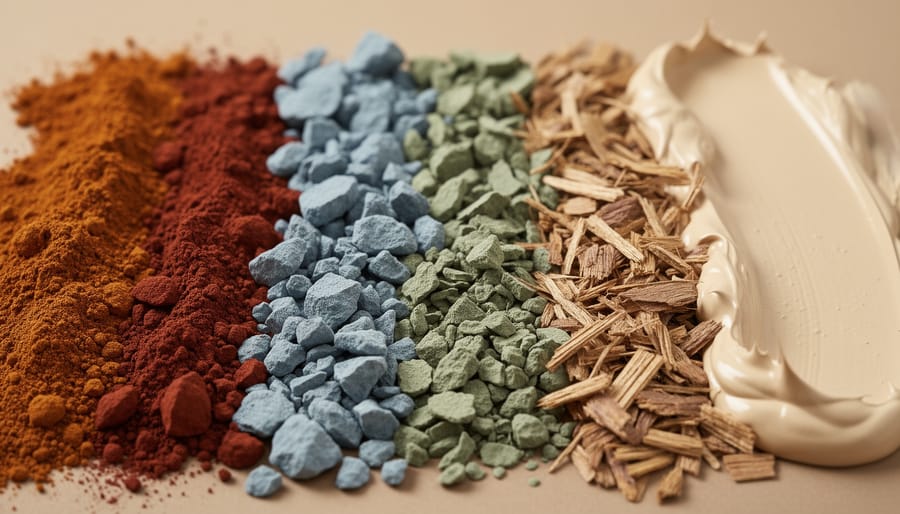
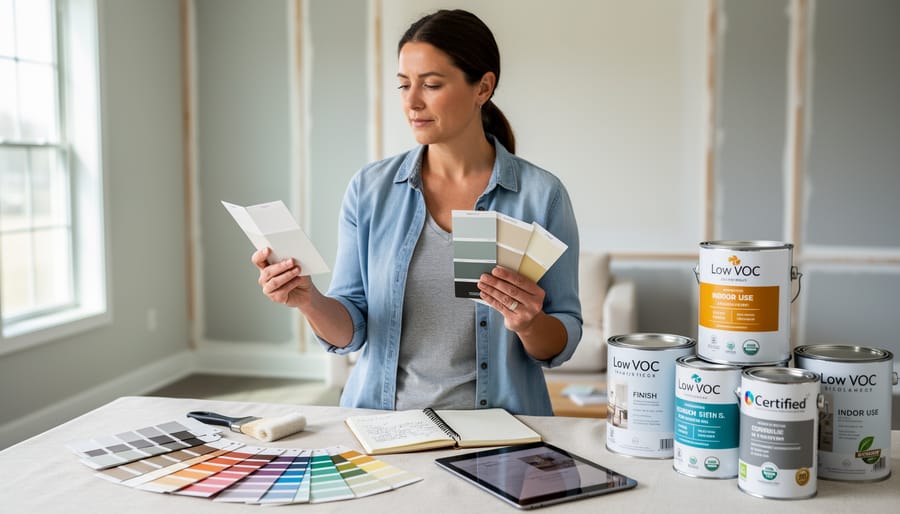
Selecting the right sustainable paint requires balancing environmental responsibility with practical performance needs. Start by examining VOC content, the most immediate health consideration. VOCs can harm health by causing respiratory irritation, headaches, and long-term organ damage, particularly concerning in poorly ventilated Australian homes. Look for paints labeled zero-VOC (under 5 grams per litre) or low-VOC (under 50 grams per litre), though remember that tinting can add VOCs back into the mix. Ask your supplier about post-tint VOC levels, not just base paint figures.
Ingredient transparency separates genuinely sustainable paints from greenwashed alternatives. Reputable manufacturers list full ingredient disclosures on their websites or technical data sheets. You want to see specific components, linseed oil, casein, calcium carbonate, not vague terms like “natural binders” or “eco-friendly additives”. Australian suppliers with nothing to hide typically provide Safety Data Sheets that detail exactly what you’re spreading on your walls.
- Coverage and performance: Check spread rates (typically 10-14 square metres per litre) and number of coats needed, as eco-paints sometimes require additional applications
- Colour range and finish options: Ensure your chosen brand offers the specific shade and sheen (matte, eggshell, gloss) your project demands
- Price comparison: Calculate cost per square metre covered, not just per litre, since sustainable paints often cover less area but last longer
- Durability and longevity: Assess washability ratings and expected lifespan, particularly for high-traffic areas or exterior applications in harsh Australian sun
- Surface suitability: Confirm compatibility with your substrate, masonry, plasterboard, timber, as natural paints have more specific surface requirements than conventional options
- Certifications and eco-labels: Look for Good Environmental Choice Australia (GECA), Global GreenTag, or international standards like EU Ecolabel that verify environmental claims
- Australian availability: Consider shipping costs and lead times, especially for imported brands, versus supporting local manufacturers with readily accessible stock
Don’t dismiss price differences without context. A $95 per litre sustainable paint might seem extravagant compared to $40 conventional paint, but if it covers 13 square metres per coat instead of 10, requires one coat instead of two, and lasts eight years instead of five, the real cost gap shrinks considerably. Factor in the avoided health costs and environmental damage, and premium sustainable options often deliver better value over their lifetime.
Certifications matter, but understand what they actually verify. GECA certification confirms rigorous third-party testing of environmental and health claims across the product’s lifecycle. A simple “eco-friendly” sticker means nothing without backup. Check certification validity on the issuing organization’s website, some brands display expired credentials or certifications that only apply to discontinued product lines.
Australian availability presents real challenges. Many excellent European and North American sustainable paints either don’t ship here or arrive with prohibitive freight costs and carbon footprints that undermine their environmental benefits. Prioritize locally made options or brands with established Australian distribution networks and local customer support who understand our climate conditions and building practices.
Types of Sustainable Paints Compared
Natural and Plant-Based Paints
Natural and plant-based paints derive their colour and binding properties from renewable sources like linseed oil, castor oil, citrus peel resins, and earth pigments. These formulations contain no petroleum-based chemicals, making them genuinely biodegradable and safe for indoor air quality. You’ll find them particularly well-suited to living spaces, bedrooms, and nurseries where volatile chemical exposure matters most.
The ingredient lists are refreshingly transparent. Most brands disclose every component, from the plant oils that form the binder to the mineral pigments providing colour. This openness contrasts sharply with conventional paints, where proprietary formulas hide potentially harmful additives.
Performance-wise, these paints breathe naturally, allowing moisture to pass through rather than trapping it behind a plastic film. This characteristic reduces mould risk in humid Australian climates, though it also means you’ll need proper surface preparation and potentially two coats for solid coverage.
The trade-offs are real. Natural paints cost more per litre, dry more slowly than synthetics, and offer a smaller colour palette. Yet many Australians who purchase recycled products and prioritise environmental health find the investment worthwhile for projects where indoor air quality and genuine sustainability matter more than speed or budget.
Mineral and Lime Paints
Mineral and lime paints represent some of the oldest paint technologies still in use, relying on crushed minerals, lime putty, and natural pigments rather than synthetic binders. These paints create a microporous surface that allows moisture to pass through the wall structure, critical for preventing damp issues in heritage buildings with solid masonry construction, which many Australian historic properties feature.
Lime paints work through carbonation, gradually hardening as they absorb carbon dioxide from the air, actually becoming stronger over time. This makes them particularly suitable for conservation projects on Victorian-era terraces, colonial sandstone buildings, and heritage-listed structures where modern synthetic paints can trap moisture and cause long-term damage.
The aesthetic differs markedly from modern paints: mineral finishes develop a subtle, matte patina with natural colour variation that complements period architecture. Most Australian suppliers offer pre-mixed options now, eliminating the traditional skill barrier of slaking lime on site.
Expect higher material costs, typically $80-120 per litre, but mineral paints often last decades longer than conventional alternatives when applied to appropriate substrates. They’re best reserved for lime plaster, render, brick, and stone rather than modern plasterboard.
Milk and Clay Paints
Milk paint traces its roots back thousands of years, made from casein (milk protein), lime, natural pigments, and sometimes clay. When mixed with water, it creates a durable, matte finish prized for its authentic, slightly uneven texture that deepens with age. Australian artisans use it extensively on furniture restoration and interior feature walls where character matters more than uniformity.
Clay paints blend natural clay with mineral fillers and plant-based binders, offering exceptional breathability and moisture regulation. They’re particularly valued in Australian homes battling humidity, as the clay absorbs and releases moisture to balance indoor air quality. The earthy, soft finish suits coastal properties and subtropical climates where conventional paints trap dampness.
Both formulations come as powders requiring mixing, which reduces packaging waste and shipping emissions. They naturally resist mould without synthetic additives, and leftover paint can be composted or disposed of safely. Expect coverage of 8-12 square metres per litre, though rough surfaces may need two coats. Several Australian suppliers stock these paints, often sourcing clay locally and supporting regional pottery communities. The learning curve is steeper than grab-and-go options, but the distinctive finish and minimal environmental footprint reward the effort.
Low-VOC Synthetic Options
Low-VOC synthetic paints bridge the gap between conventional formulations and fully natural alternatives. These paints use traditional acrylic or latex bases but significantly reduce volatile organic compound emissions, typically below 50 grams per litre, compared to 150-200 in standard paints.
Major paint manufacturers now offer low-VOC ranges that perform identically to their conventional lines. You’ll find the same coverage, durability, and colour selection without sacrificing indoor air quality. This makes them particularly appealing for large projects where natural paints might stretch your budget or for commercial spaces requiring specific performance standards.
The catch? They’re still petroleum-derived products. While emissions are lower, you’re not eliminating synthetic chemicals entirely. These paints also lack the breathability of mineral or clay options, which matters for certain heritage buildings.
Australian brands like Dulux, Taubmans, and Haymes all manufacture low-VOC lines locally. They’re widely stocked at Bunnings and independent paint stores, meaning you can usually match colours in-store and get advice from familiar retailers. For renters or those testing sustainable options for the first time, low-VOC synthetics offer an accessible entry point without requiring specialist application knowledge.
Recommended Sustainable Paint Brands for Australian Buyers

Several Australian manufacturers and importers now offer genuinely sustainable paints that balance environmental responsibility with performance. Choosing locally made options supports small Aussie businesses while reducing transport emissions, and many brands actively engage with community sustainability initiatives.
Bauwerk Colour stands out as Australia’s leading natural paint manufacturer, producing premium lime-based paints in their Victorian facility. Their Australian Lime range uses locally sourced limestone and offers exceptional breathability for heritage buildings and modern homes alike. Stockists include specialty eco-building suppliers across major cities, with samples available through their website.
Ecolour produces plant-based paints and wood finishes from renewable Australian ingredients, including eucalyptus oil and native plant resins. Their interior range covers walls, ceilings, and furniture with low-odour formulations ideal for chemically sensitive individuals. Distribution extends to independent hardware stores and eco-shops nationally.
For budget-conscious projects, Dulux Wash&Wear Low VOC provides a more accessible entry point. While not fully natural, it meets strict Australian environmental standards and offers wide colour selection through Bunnings and paint specialists. Coverage rates typically match conventional paints, making price comparisons straightforward.
Porter’s Paints maintains an extensive heritage colour collection using traditional pigment formulations, perfect for restoration work on Federation and Victorian-era properties. Their milk paint and lime wash options suit both interior feature walls and exterior render applications.
International brands with strong Australian presence include ECOS Paints (available through Green Living stores) and Earthborn (distributed via specialty retailers). Both provide comprehensive technical support and maintain Australian stock to ensure reliable supply.
Regional suppliers often stock smaller sustainable brands suited to local climate conditions. The Sustainable House network and Master Painters Australia members can recommend verified options in your area, including specialty providers for exterior timber, masonry, and metal applications that withstand Australia’s harsh UV exposure and temperature extremes.
Common Mistakes to Avoid When Choosing Sustainable Paint
Even well-intentioned buyers make avoidable mistakes when shopping for sustainable paints. Understanding these pitfalls helps you make smarter purchasing decisions and get genuine environmental benefits from your investment.
Greenwashing remains the biggest trap in the sustainable paint market. Brands slap “eco” or “natural” labels on products without meaningful environmental improvements, banking on consumer confusion about what “eco-friendly” means. Look beyond marketing buzzwords to actual certifications, ingredient lists, and VOC measurements. If a brand won’t disclose their formulation or provide third-party verification, that’s a red flag.
Price comparison errors cost buyers money and trust in sustainable options. Conventional paint at $45 per four-litre tin seems cheaper than sustainable paint at $65 per four litres until you realise the sustainable option covers 50 square metres while the conventional barely manages 35. Always calculate cost per square metre of coverage, not just price per litre. Many sustainable paints offer superior hiding power, meaning you need fewer coats and less product overall.
Here are the most common mistakes Australian buyers make:
- Selecting breathable mineral paint for non-porous surfaces like glossy timber, where it won’t adhere properly
- Skipping surface preparation and blaming the paint when it fails on dusty, greasy, or incompatible substrates
- Ordering paint without testing samples in your actual room lighting and against existing colours
- Underestimating quantities and ending up with mismatched batches from different production runs
- Tossing leftover paint down drains or in regular bins instead of using proper disposal services
Surface matching matters more with sustainable paints because their formulations are often more specialised than conventional one-size-fits-all options. Milk paint needs porous surfaces, lime paint requires breathable substrates, and clay paint won’t work on previously sealed walls. Read application guidelines carefully.
Testing samples prevents costly mistakes. Order small tins, paint large swatches directly on your walls, and observe them for several days in different light. Sustainable paints can dry to different shades than conventional paints, and natural pigments behave differently under Australian sunlight.
Frequently Asked Questions
Do sustainable paints perform as well as conventional options?
Modern sustainable paints match or exceed conventional paints in most applications. Natural and mineral paints offer excellent coverage, durability and colour retention, while low-VOC synthetic options deliver the same performance you’d expect from traditional brands. The main difference you’ll notice is drying time, some natural paints need longer to cure fully, particularly in humid conditions. For high-traffic areas or exteriors facing harsh Australian sun, mineral and clay-based paints often outperform conventional options because they’re breathable and resist chalking.
Are sustainable paints more expensive than regular paint?
Sustainable paints typically cost 20-50% more per litre upfront, but many offer better coverage and longevity, reducing the total project cost. Natural and mineral paints often require fewer coats and last longer without repainting.
Where can I buy sustainable paints in Australia?
You’ll find sustainable paints at specialty eco-building suppliers, select Bunnings stores, independent paint retailers, and directly from manufacturers’ websites. Many brands offer Australia-wide delivery, and some provide consultation services to help you choose the right product.
Do sustainable paints work in Australia’s hot, humid climate?
Yes, most sustainable paints are well-suited to Australian conditions. Mineral and lime paints excel in humid coastal areas because they’re naturally mould-resistant and breathable, while plant-based options perform beautifully in dry inland climates.
Can I apply sustainable paint myself, or do I need a professional?
Most sustainable paints are DIY-friendly, though some traditional formulations like lime wash require specific techniques. Start with a sample pot to test application before committing to a full project.
Understanding certifications helps you avoid greenwashing. Look for genuine third-party verifications rather than vague eco-claims. Good Living Guide’s Sensitive Choice tick indicates low-irritant formulations suitable for people with asthma or allergies. The Global GreenTag certification confirms health and environmental standards specific to building products used in Australia and New Zealand. European Ecolabel and Blue Angel certifications, while not Australian, represent rigorous testing that many imported sustainable paints carry. If a paint lists specific VOC levels (under 5g/L is excellent), ingredient transparency, and Australian Standards compliance, you’re likely dealing with a legitimate sustainable product rather than marketing spin.
Choosing sustainable paints isn’t just about reducing VOCs in your home, it’s about taking responsibility for your health, protecting the environment, and supporting businesses that align with your values. Every tin of eco-friendly paint you buy sends a clear message to manufacturers and retailers that Australians want safer, greener alternatives.
Start today by researching local suppliers in your area and requesting sample pots to test on your walls. Join Australian sustainable building communities online to learn from others’ experiences and discover new brands. When you use non-toxic cleaners alongside sustainable paints, you’re creating a genuinely healthier indoor environment for your family.
Share your painting journey with friends and neighbours. Talk about the brands you’ve tried, the finishes you love, and any challenges you’ve overcome. Your experience matters, it helps others make informed choices and builds demand for better products across Australia.
Remember, sustainable living happens one decision at a time. The paint you choose for your next project might seem small, but it contributes to larger shifts in manufacturing practices, community health, and environmental protection. You’re not just painting walls; you’re painting a better future.