
Reduce your energy bills by up to 40% and create a more comfortable home through proper insulation upgrades. While Xcel Energy operates rebate programs across several US states offering homeowners hundreds to thousands of dollars for insulation improvements, Australian households have access to equally valuable incentive schemes tailored to our unique climate challenges and building standards.
Australian governments recognize that nearly 40% of household heating and cooling energy escapes through poorly insulated roofs, walls, and floors. That’s why federal, state, and territory programs now provide substantial rebates and interest-free loans for insulation retrofits. These initiatives aren’t just about saving money on quarterly power bills – they’re about building climate resilience in our communities while reducing carbon emissions from the energy sector, which accounts for roughly one-third of Australia’s greenhouse gas footprint.
The opportunity extends beyond homeowners. Renters can access specific programs, small businesses qualify for tailored rebates, and community housing organizations receive priority support. Whether you’re sweltering through Sydney summers, enduring Melbourne’s unpredictable winters, or managing Brisbane’s humidity, strategic insulation delivers year-round comfort while slashing energy consumption.
Understanding which rebates apply to your situation, navigating eligibility requirements, and maximizing your financial return requires knowing where to look and what documentation you’ll need. This guide walks you through every available Australian insulation rebate program, from application to installation, ensuring you capture every dollar of support available while contributing to a more sustainable built environment across the nation.
Understanding Xcel Energy Insulation Rebates
What Xcel Energy Offers Homeowners
For those researching international energy efficiency programs, Xcel Energy operates as a major utility provider across several US states, offering homeowners practical financial support to make their properties more energy-efficient. Understanding what they provide gives valuable context when comparing global approaches to sustainable living.
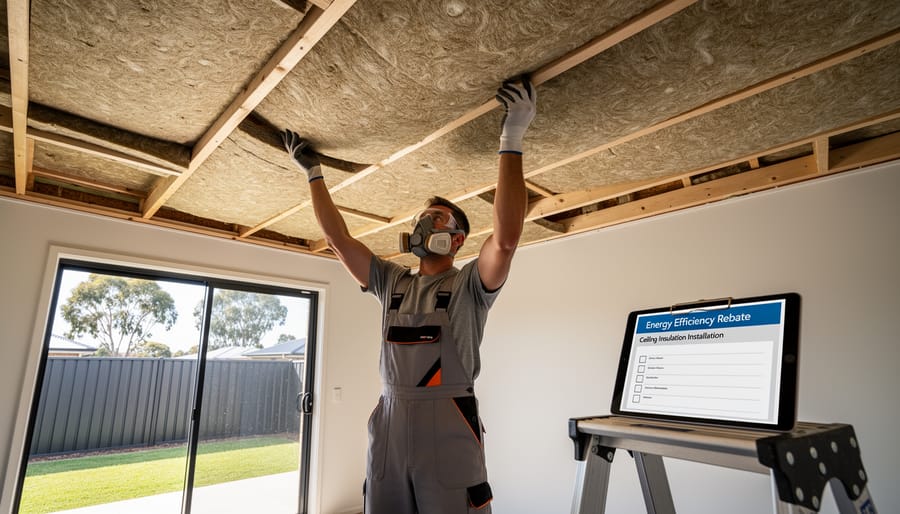
Xcel Energy’s Home Efficiency Rebate Program typically offers homeowners up to $400 for insulation upgrades, including ceiling, wall, and floor insulation improvements. The program recognizes that proper insulation is one of the most cost-effective ways to reduce energy consumption year-round. Draught-proofing measures, such as air sealing and weatherization work, can attract rebates ranging from $100 to $200, helping eliminate those sneaky gaps that let conditioned air escape.
Window upgrades represent another significant opportunity, with Xcel offering rebates of $50 to $100 per window for energy-efficient replacements. These programs often require windows to meet specific energy performance ratings, ensuring genuine improvements to home efficiency.
The beauty of Xcel’s approach lies in its community-focused model, making energy efficiency accessible to everyday homeowners rather than just those with deep pockets. Their program demonstrates how utilities can partner with residents to create meaningful environmental impact while reducing household energy bills.
While these American programs offer interesting insights, Australian homeowners have access to equally compelling rebate opportunities through state-based schemes and federal initiatives. The principles remain the same—investing in insulation and efficiency upgrades delivers both environmental benefits and financial savings—but the specifics differ significantly in our local context.
Eligibility Requirements and Restrictions
Xcel Energy rebates are exclusively available to residential and commercial customers within their service territory across eight US states, including Colorado, Minnesota, and Wisconsin. If you’re an Australian resident who’s landed here while researching energy efficiency programs, it’s important to understand that Xcel Energy’s offerings won’t apply to your situation, no matter how attractive their rebates might seem.
Geographic restrictions mean these programs simply aren’t accessible from Australia. However, this presents an excellent opportunity to explore our own robust suite of energy efficiency initiatives. Australia offers comparable and often superior rebate programs tailored to our unique climate conditions and building standards. State-based schemes across New South Wales, Victoria, Queensland, and other territories provide substantial financial support for insulation upgrades, particularly when you’re working toward net-zero emissions goals.
Rather than feeling disappointed about missing out on international programs, we encourage you to embrace the fantastic local alternatives available right here at home. Australian rebate programs understand our specific needs, from managing extreme summer heat to retaining winter warmth. These schemes often combine financial incentives with technical support from local communities who share your commitment to sustainable living, making your energy efficiency journey both affordable and achievable.
Australia’s Equivalent Energy Efficiency Rebate Programs
Victorian Energy Upgrades (VEU) Program
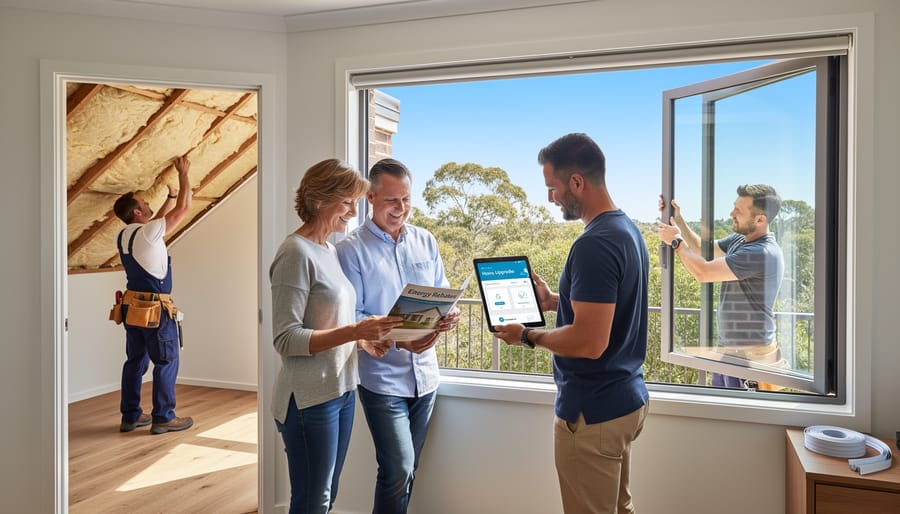
If you’re based in Victoria, you’re in luck! The Victorian Energy Upgrades (VEU) Program stands as one of Australia’s most comprehensive energy efficiency rebates schemes, making it easier for households to create warmer, more comfortable homes while slashing energy bills.
Under this program, eligible Victorian households can access significant discounts on ceiling and underfloor insulation, often at little to no upfront cost. The program also covers draught-proofing measures, sealing those pesky gaps around doors, windows, and floors that let precious warmth escape during winter months.
What makes the VEU Program particularly appealing is its accessibility. Both homeowners and renters can participate, with accredited providers handling the installation and paperwork. This community-focused initiative has already helped thousands of Victorian families reduce their carbon footprint while creating healthier living spaces.
To get started, simply contact an accredited provider who’ll assess your home’s needs and guide you through the process. It’s a practical way to join your fellow Victorians in building a more sustainable future, one well-insulated home at a time.
NSW Energy Savings Scheme (ESS)
Right here in New South Wales, we’ve got a powerful program working for our community. The NSW Energy Savings Scheme (ESS) rewards households and businesses for making energy-smart upgrades, including insulation improvements. Think of it as getting paid to make your home more comfortable while reducing your environmental footprint.
The ESS works through Energy Savings Certificates, which accredited providers create when they install approved energy-efficient products in your home. These certificates have real monetary value, which typically translates into upfront discounts on your insulation installation. The beauty of this system is that participating installers handle most of the paperwork, making it straightforward for you to access savings without navigating complex bureaucracy.
Homeowners across NSW have already embraced this opportunity, collectively reducing energy consumption while cutting household bills. Ceiling insulation, in particular, qualifies for substantial rebates under this scheme, especially in homes built before modern energy efficiency standards came into effect.
To tap into these benefits, look for ESS-accredited installers who can assess your home’s current insulation and calculate your potential savings. The program is designed to make sustainable choices accessible, transforming how our communities approach energy use one home at a time.
Other State-Based Programs
Beyond Victoria and New South Wales, other Australian states are stepping up to support communities in their journey toward energy efficiency through targeted insulation programs.
Queensland residents can access support through the Affordable Energy Plan, which provides concessions and assistance for low-income households looking to improve their home’s thermal performance. While the state has previously offered specific insulation rebates through programs like the Home Energy Emergency Assistance Scheme, current offerings focus on vulnerable households needing urgent energy efficiency upgrades. Local councils across Queensland also run their own sustainability initiatives, so it’s worth checking with your regional authority for community-specific programs.
South Australia takes a proactive approach through Retailer Energy Productivity Scheme initiatives, where energy retailers offer incentives to help customers reduce consumption. Many South Australian households have accessed free or heavily discounted insulation assessments and installations through these retailer programs. The state’s focus on renewable energy integration means these programs often bundle insulation upgrades with smart home rebates for comprehensive efficiency improvements.
Western Australia’s Energy Assistance Payment provides support for eligible households, though dedicated insulation rebates have been more limited compared to eastern states. However, community housing providers and local government initiatives frequently offer assistance programs worth exploring.
The key message across all states is to combine national programs with local initiatives. Contact your energy retailer, local council, and state government departments regularly, as programs evolve based on funding availability and community needs. Your investment in insulation today creates lasting comfort and savings while contributing to Australia’s collective climate action.
Insulation Rebates: What You Can Claim in Australia
Ceiling and Roof Insulation Incentives
Ceiling and roof insulation rebates vary significantly across Australian states, reflecting each region’s commitment to energy efficiency. In Victoria, homeowners can access rebates up to $1,000 through the Victorian Energy Upgrades program when installing ceiling insulation to R4.0 or higher in previously uninsulated homes. The savings on your energy bills often recoup this investment within just a few years.
New South Wales residents benefit from the Energy Savings Scheme, where accredited providers offer discounted ceiling insulation installation, with savings typically ranging from $300 to $800 depending on your home’s size and existing insulation levels. Queensland’s approach focuses on interest-free loans rather than direct rebates, allowing eligible households to borrow up to $5,000 for insulation upgrades.
South Australian households can tap into the Retailer Energy Productivity Scheme, with rebates administered through energy retailers covering approximately 50-70% of installation costs. Western Australia’s Energy Assistance Payment program provides targeted support for concession card holders, making ceiling insulation more accessible to those who need it most.
To qualify for these programs, most states require professional installation by licensed contractors and compliance with Australian Standards AS/NZS 4859.1. Your local community energy group can often connect you with trusted installers who understand the rebate application process, making the journey toward a more comfortable, energy-efficient home remarkably straightforward.
Wall and Underfloor Insulation Support
While Xcel Energy offers wall cavity and underfloor insulation rebates in the United States, Australian households can access similar support through various state-based programs and federal initiatives. These rebates recognise that proper wall and underfloor insulation can reduce heating and cooling costs by up to 45%, making a tremendous difference for both your budget and the planet.
In Victoria, the Victorian Energy Upgrades program provides rebates for insulating external walls and underfloor areas in eligible homes. Queensland’s energy efficiency schemes similarly support insulation installations, particularly benefiting older homes that were built before modern building standards. New South Wales residents can explore rebates through energy retailers and government schemes that subsidise insulation improvements.
The environmental benefits extend beyond individual homes. When communities embrace insulation upgrades collectively, we reduce peak energy demand during extreme weather events, lessening strain on the electricity grid and decreasing reliance on fossil fuel generation. One neighbourhood in Adelaide saw a combined 30% reduction in winter energy use after coordinating insulation upgrades across multiple properties.
Check with your state’s energy department or local council to discover what wall and underfloor insulation rebates are currently available in your area, and consider connecting with neighbours to maximise community impact.
Draught-Proofing and Window Rebates Available
Window Replacement and Glazing Rebates
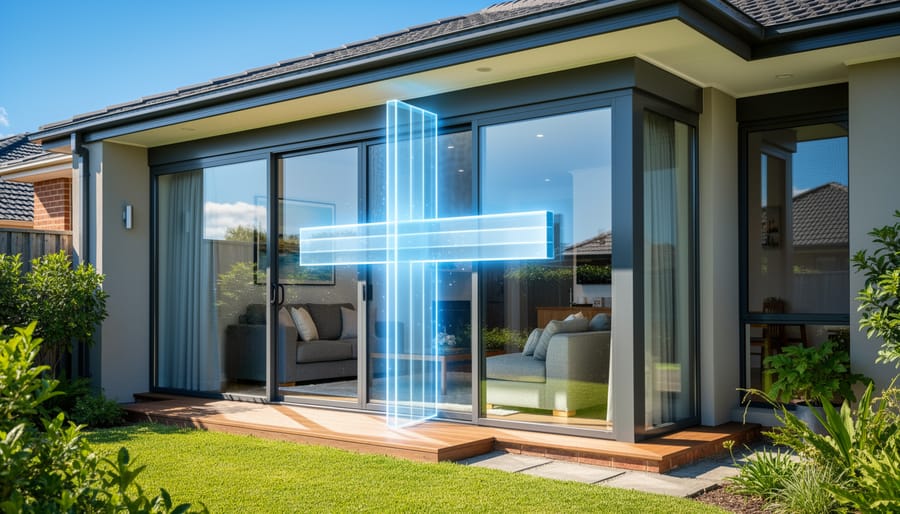
While Xcel Energy operates primarily in the United States, Australian households can access similar programs through state-based energy efficiency schemes that make window upgrades remarkably affordable. Upgrading to energy-efficient windows represents one of the most impactful improvements you can make, potentially reducing heating and cooling costs by up to 30 percent while creating a more comfortable living environment year-round.
Across Australia, window installation rebates are available through programs like the Victorian Energy Upgrades program, NSW Energy Savings Scheme, and similar initiatives in other states. These schemes typically provide rebates for double-glazed windows, low-E glass installations, and secondary glazing options. The savings can be substantial, with some households receiving rebates covering 30-50 percent of installation costs.
Double-glazed windows with low-emissivity coatings are particularly effective in Australia’s diverse climate zones, keeping homes cooler during scorching summers and warmer during chilly winters. Many Australian communities have embraced these upgrades collectively, with neighbourhood groups coordinating installations to secure better pricing and share experiences. Contact your state’s energy efficiency program or an accredited installer to discover what rebates apply to your home and join the growing community of Australians reducing their environmental footprint while enjoying greater comfort.
Draught-Proofing and Weather Sealing Incentives
While Xcel Energy in the United States includes weather sealing in their comprehensive rebate programs, Australian households can access similar support through state-based schemes that recognise draught-proofing as a cost-effective way to reduce heating and cooling losses.
Many Australian communities are discovering that addressing gaps around doors, windows, and building penetrations can slash energy bills by up to 25 percent. This simple yet powerful measure works hand-in-hand with insulation upgrades to create a truly efficient home envelope.
In Victoria, the Victorian Energy Upgrades program often covers draught-proofing assessments and installations through accredited providers, particularly for lower-income households. South Australian residents can access weather sealing support through the Retailer Energy Productivity Scheme, while NSW homeowners should explore local council initiatives that sometimes bundle draught-proofing with broader sustainability programs.
The beauty of these measures lies in their immediate impact. Once installed, door sweeps, window seals, and foam gap fillers work continuously to keep your home comfortable whilst reducing reliance on heating and cooling systems. This translates to lower emissions and genuine savings.
To access these rebates, start by contacting your energy retailer or searching your state government’s energy efficiency website. Many providers offer free home assessments that identify where draught-proofing will deliver the greatest benefit, making it easier than ever to take this important step towards a more sustainable home.
How to Apply for Australian Energy Efficiency Rebates
Finding Accredited Installers
Finding the right installer can make all the difference in maximising your rebate and ensuring quality work. In Australia, you’ll want to connect with accredited professionals who understand both the technical requirements and the rebate application process.
Start by checking your state or territory government’s energy efficiency program website, where most maintain directories of accredited installers. For Victorian Energy Upgrades participants, look for registered providers through the Essential Services Commission. Similarly, NSW’s Energy Savings Scheme and other state programs maintain current lists of approved businesses.
When vetting potential contractors, ask to see their accreditation certificates and check they’re current. Many Australian communities have formed local sustainability groups where members share recommendations for trusted installers who’ve successfully completed rebate-eligible work. These peer referrals often prove invaluable.
Your energy retailer can also point you toward their network of approved contractors. Don’t hesitate to request quotes from multiple installers and ask specifically about their experience with rebate claims. A quality installer will guide you through the documentation process, ensuring you don’t miss out on available incentives. Remember, choosing an accredited professional protects both your investment and your rebate eligibility, while supporting businesses committed to improving Australia’s energy efficiency.
Documentation and Application Process
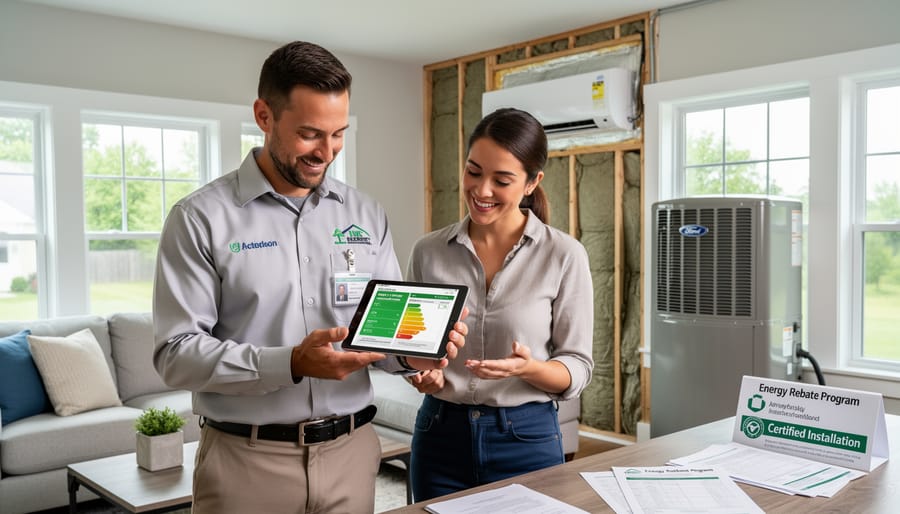
Ready to claim your insulation rebate? Here’s your straightforward checklist to make the process smooth. Start by gathering proof of purchase including detailed invoices showing insulation type, R-value ratings, and installation costs. You’ll need recent energy bills (typically the last three months) to establish your baseline usage, plus property ownership documents or landlord consent if you’re renting.
Most Australian rebate programs require professional installation certificates, so ensure your installer provides compliant documentation. Take clear before-and-after photos of the installation work, as some schemes request visual evidence. Download the specific application form from your state or territory’s energy office website, as requirements vary across regions.
Complete your application within the specified timeframe, usually 30 to 90 days post-installation. Many programs now offer online submissions, making the process quicker and reducing paperwork. Keep copies of everything you submit, just in case.
Pro tip from our community: connect with neighbors who’ve successfully claimed rebates. They’re often happy to share what worked for them and help you avoid common pitfalls. Some local councils even run free workshops guiding residents through the application process, fostering a supportive community approach to energy efficiency. Don’t leave money on the table when making your home more comfortable and sustainable.
Timeline and What to Expect
Once you’ve submitted your insulation rebate application, patience becomes part of the journey toward a more energy-efficient home. Processing times typically range from four to twelve weeks, depending on your state’s program and current application volume. In New South Wales and Victoria, expect around six to eight weeks, while Queensland and South Australian programs often process applications within four to six weeks.
Most rebate programs notify you via email when your application is received and again when it’s approved. Payment methods vary by state, with direct bank deposits being most common, though some programs still issue cheques. Keep all your documentation handy during this period, as administrators may contact you requesting additional information or clarification.
If you haven’t heard back within the estimated timeframe, don’t hesitate to follow up. Contact details are provided on your state’s energy rebate website. Remember, you’re part of a growing community of Australians making meaningful environmental choices. While waiting, consider connecting with local sustainability groups to share your experience and inspire others to take similar action toward reducing household emissions.
Maximising Your Environmental and Financial Benefits
Getting the most from your insulation rebates means thinking strategically about how you stack benefits and prioritize improvements. The good news? With proper planning, you can significantly boost both your savings and environmental impact.
Start by combining available incentives. Many Australian households successfully layer state-based rebates with federal programs and even local council initiatives. For instance, you might use a Victorian Energy Upgrades discount alongside the federal Small-scale Technology Certificates scheme, then explore green finance options to cover any remaining costs. This approach can reduce your upfront investment by 50-70% in some cases.
Prioritize improvements based on your home’s specific needs. Generally, ceiling insulation delivers the biggest bang for your buck, as up to 35% of heating and cooling escapes through uninsulated roofs. However, homes in cooler climates might benefit more from wall insulation, while those in tropical regions should focus on reflective materials for roofs.
Track your long-term savings by comparing energy bills before and after installation. Most Australian households see a 20-40% reduction in heating and cooling costs, which typically means the investment pays for itself within 3-5 years. Beyond the financial wins, you’ll be preventing approximately 1-2 tonnes of carbon emissions annually—equivalent to planting around 45 trees each year.
Consider timing your upgrades strategically too. Some rebate programs offer enhanced benefits during off-peak seasons, and coordinating insulation work with other home improvements can reduce overall installation costs. By taking this holistic approach, you’re not just saving money—you’re becoming part of Australia’s community-wide shift toward sustainable living.
Taking action on insulation rebates is one of the most effective steps you can make toward reducing your energy bills while contributing to a healthier planet. Whether you’re exploring programs similar to Xcel Energy’s offerings in the United States or tapping into Australia’s robust rebate schemes, the benefits extend far beyond your household. Every home that improves its insulation reduces strain on our energy grid, lowers greenhouse gas emissions, and helps build more resilient communities prepared for our changing climate.
The beauty of these programs is that they make sustainable choices financially accessible. You’re not just saving money over time through reduced heating and cooling costs—you’re often receiving immediate financial support to offset the upfront investment. Australian households have access to various state-based and federal programs designed specifically for our climate conditions and building standards.
Now is the time to check what’s available in your local area. Visit your state government’s energy efficiency website, contact your electricity retailer about available rebates, or consult with accredited assessors who can guide you through the application process. Start with a home energy audit to identify where insulation improvements will have the greatest impact, then explore which rebates you qualify for. Your journey toward a more energy-efficient home begins with a single step—and your community and environment will thank you for it.