
Sustainable drinking means choosing beverages and consumption habits that minimise waste, reduce carbon emissions, and support ethical production, and you can achieve it through seven practical changes that take as little as two weeks to implement fully. The approach works because 80% of a drink’s environmental footprint comes from packaging, transport, and disposal decisions you control every day, not the beverage itself.
Australians bin around 373 million glass bottles and 600 million coffee cups annually, yet switching to reusable containers, supporting local producers, and choosing low-impact beverages can cut your drinking-related waste by up to 90%. The challenge isn’t complicated, but it does require breaking automatic habits that have been shaped by decades of convenience marketing.
This guide walks you through the essential materials you’ll need (most of which you probably already own), how to spot greenwashing claims that derail genuine progress, and a step-by-step process for transforming your beverage choices. You’ll learn which certifications actually matter, how to calculate your impact reduction, and where to connect with community refill networks and zero-waste initiatives across Australia.
The transformation doesn’t demand perfection or sacrifice. Small, consistent changes compound quickly. A Melbourne household that switched from bottled water to filtered tap, began composting coffee grounds, and joined a local brewery’s growler program eliminated 180 kilograms of waste in their first year while saving over $800. Those results are replicable anywhere in Australia with the right framework.
Whether you’re motivated by climate action, plastic pollution concerns, or simply want your daily choices to reflect your values, sustainable drinking offers tangible wins fast. The verification metrics in this guide will show you exactly how much impact you’re making.
What You’ll Need to Start Sustainable Drinking
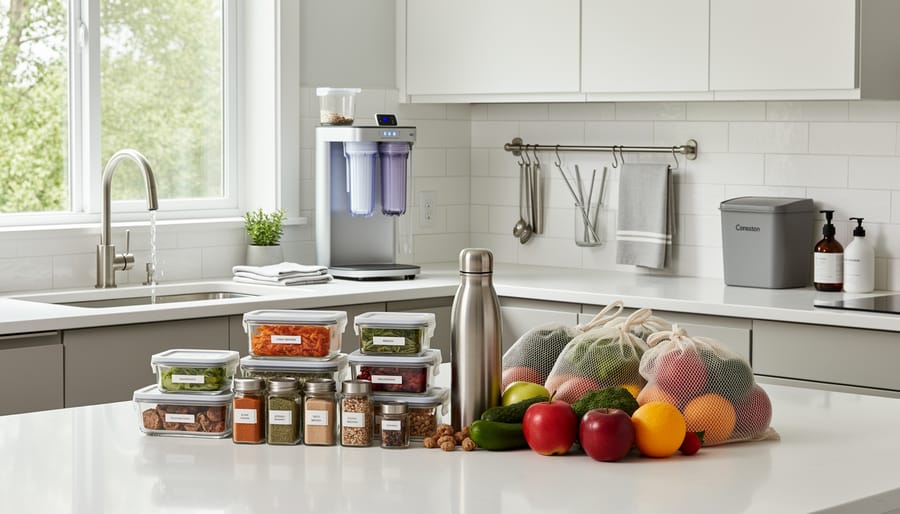
Starting your sustainable drinking journey doesn’t require an overwhelming overhaul or expensive specialist equipment. Most Australian households can begin with a few practical items and a willingness to rethink daily habits.
The foundation of sustainable drinking rests on reducing single-use packaging. A quality reusable water bottle becomes your constant companion, whether you’re commuting in Sydney or hiking in Tasmania. Look for bottles made from stainless steel or glass rather than plastic, as these materials last longer and don’t leach chemicals. Keep one at your desk, one in your car, and one in your bag. A 750ml bottle typically costs between $20 and $50 and will replace hundreds of disposable bottles over its lifetime.
For home use, a water filtration system transforms tap water into your primary drinking source. Australian tap water is already among the safest globally, but a basic carbon filter jug removes chlorine taste and any remaining impurities. More committed households might install an under-sink filtration system. These range from $80 for a simple jug to $400 for installed systems, but they eliminate the need for bottled water entirely.
Your sustainable drinking toolkit should include:
- Reusable water bottles in various sizes for different activities
- Home water filtration system suited to your local water quality
- Glass or stainless steel containers for storing homemade beverages
- Compost bin for coffee grounds, tea leaves, and other organic waste
- Reusable shopping bags for purchasing bulk loose-leaf tea or coffee beans
- Smartphone apps like Good On You or EWG’s Healthy Living for checking brand ethics
Beyond physical items, you’ll need information resources. Research which Australian beverage brands prioritize sustainability. Know where your local refill stations are located. Understanding Australian Certified Organic labels and Fair Trade certifications helps you make informed choices at the supermarket.
The most critical tool costs nothing: a shift in perspective. Sustainable drinking means viewing every beverage choice as an opportunity rather than a restriction. It’s about asking “where did this come from?” and “where will the packaging go?” before you buy. Once this mindset takes hold, the physical tools simply make the sustainable choice easier to execute.
What to Avoid: Common Pitfalls and Safety Considerations
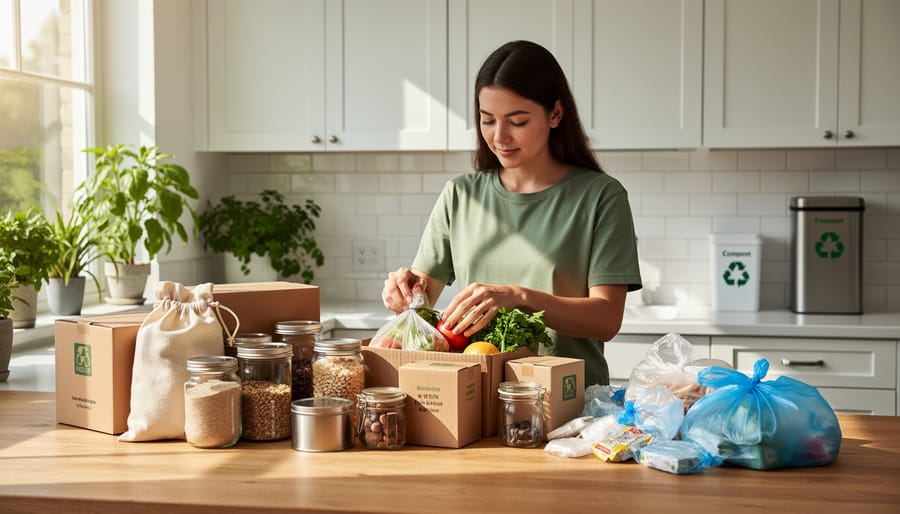
Not every ‘green’ label means what you think it does. As you shift toward sustainable drinking, watch for marketing claims that sound eco-friendly but lack substance. Brands sometimes use vague language like “natural” or “eco-conscious” without third-party certification or transparent sourcing information. Check for specific standards: Australian Certified Organic, Fairtrade, B Corp, or carbon-neutral accreditation from recognized bodies rather than self-awarded badges.
Tap water quality varies across Australia, and while most municipal supplies meet safety standards, older homes with lead pipes or areas with high agricultural runoff can present risks. Before switching entirely from bottled to tap water, check your local water authority’s latest quality report or invest in testing if you’re in a regional area with known contamination issues. Similarly, not all filtration systems deliver on their promises. Some remove beneficial minerals along with contaminants, while others make broad health claims without independent verification. Look for filters certified by WaterMark or NSF International rather than relying solely on Amazon reviews.
Reusable containers need proper care to stay safe. Bottles and cups that aren’t cleaned regularly become breeding grounds for bacteria, particularly in warm climates. Wash them with hot soapy water daily, let them dry completely, and replace any containers with cracks or cloudy residue. Stainless steel and glass are easier to sanitize than plastic, which can harbor odors and degrade over time.
Finally, resist the urge to overhaul everything at once and generate new waste in the process. Throwing out perfectly functional plastic bottles to buy trendy reusables defeats the purpose. Use what you have first, then replace items as they wear out with sustainable alternatives. The goal is reducing consumption overall, not just swapping one form of consumerism for another.
Step-by-Step: Building Your Sustainable Drinking Routine
Step 1: Audit Your Current Drinking Habits
Grab a notebook and spend one week recording everything you drink: coffee, tea, juice, soft drinks, alcohol, even water. Next to each entry, note the container, plastic bottle, aluminium can, tetra pak, glass, or your own reusable cup. At week’s end, count how many single-use items you’ve collected. This simple exercise reveals the true scale of your daily drink consumption and waste. Most Australians are surprised to find they discard 15 to 30 beverage containers weekly, that’s 780 to 1,560 items annually per person, before considering the transport emissions and water used in production.
Step 2: Transition to Reusable Containers
Start with one container category and build from there. Choose a stainless steel or glass bottle for water first, these materials don’t leach chemicals and last years with basic care. Research shows reusable bottles lower impacts significantly compared to single-use options after just a few dozen uses.
For coffee, invest in an insulated thermos with a secure lid that fits car cup holders. Many Australian cafés now offer discounts when you bring your own cup, typically 50 cents off. Keep a collapsible silicone cup in your bag for unexpected takeaway situations.
Clean containers daily with warm soapy water and air-dry thoroughly to prevent odours and bacterial growth. Once weekly, wash with a bottle brush and baking soda paste to remove stains and residue from coffee or tea.
Create a system that sticks: assign a container to each location (desk, car, gym bag) so you’re never without one. Set a phone reminder for the first fortnight until the habit becomes automatic.
Step 3: Source Sustainable Water
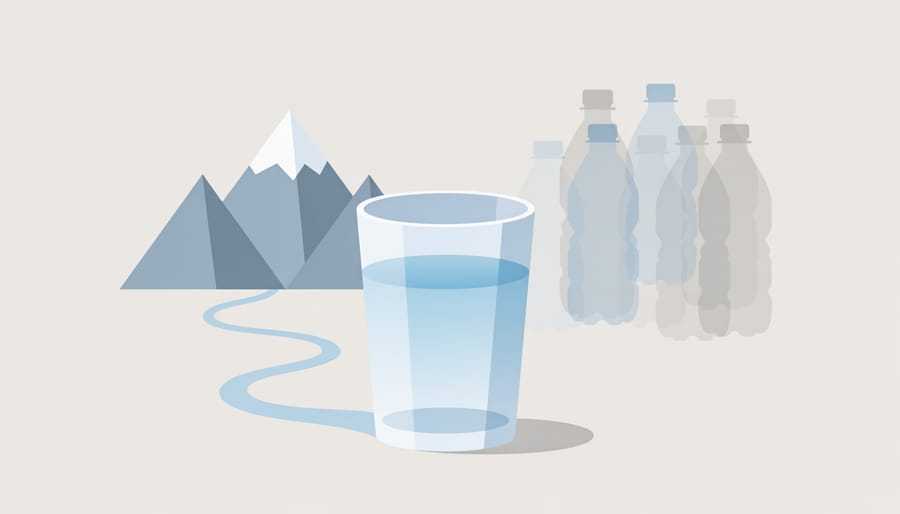
Australia’s tap water ranks among the safest globally, meeting strict Australian drinking water guidelines. Check your local water authority’s annual quality report to confirm fluoride levels, hardness, and any regional advisories, most Australian households can drink confidently straight from the tap. If taste or trace contaminants concern you, a simple activated carbon filter jug (around $30) handles chlorine and sediment without the waste of bottled alternatives. For those on tank water or in rural areas, ceramic or reverse-osmosis systems provide added safety; just maintain them according to manufacturer specs. The single most impactful choice? Avoid bottled water entirely, it generates 700 times more carbon emissions than tap water and floods Australia with single-use plastic. Fill a reusable bottle at home, and you’ll slash both cost and environmental harm overnight.
Step 4: Choose Low-Impact Beverages
The beverages you choose carry vastly different environmental costs. Australian-made drinks travel shorter distances and support local economies, so buy local wherever possible. Check farmers’ markets for small-batch producers, community cooperatives, and regional wineries practicing regenerative viticulture.
Switching from dairy to plant milk cuts greenhouse gas emissions by up to 75 percent. Oat and soy milks made in Australia have lower footprints than imported almond varieties, which require significant water in drought-prone regions. Choose organic options when budget allows, as they avoid synthetic pesticides that contaminate waterways.
Seasonal drinks matter too. Cold-pressed juices using summer stone fruit or winter citrus from Australian orchards beat year-round tropical imports. For coffee and tea, look for Fairtrade or Rainforest Alliance certifications, and consider brands that compost their packaging. If you currently drink dairy milk daily, even switching half your consumption helps. One reduce dairy swap this week builds momentum for broader changes.
Step 5: Adopt Zero-Waste Coffee and Tea Practices
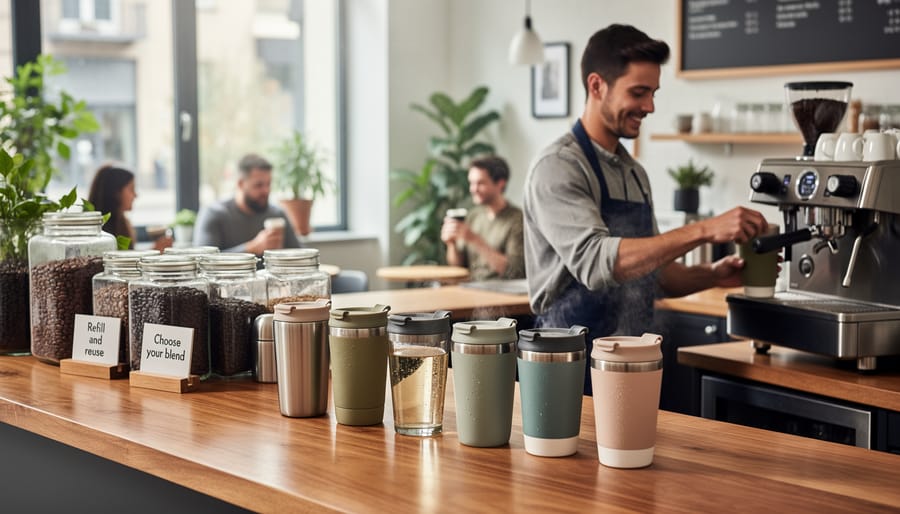
Coffee and tea drinkers generate substantial waste through single-use pods, teabags with plastic, and disposable cups. Switch to loose-leaf tea in a stainless steel infuser or reusable cloth bag. For sustainable coffee use a French press, pour-over with a metal filter, or stainless steel reusable pods for your machine. Both loose-leaf and ground coffee produce richer flavours while eliminating packaging waste. Compost your used grounds and tea leaves rather than binning them. Coffee grounds enrich garden soil and deter pests, while tea leaves add nutrients to compost. If you buy coffee out, carry a reusable cup and ask cafés to fill it. Many Australian cafés now offer discounts for BYO cups. Store coffee beans and loose tea in airtight glass containers to maintain freshness without needing frequent repurchasing.
Step 6: Support Australian Sustainable Drink Producers
Start by researching Australian producers who prioritise regenerative farming, ethical sourcing, and minimal packaging. Check brewery and winery websites for sustainability certifications like B Corp or Organic Certification. Many craft beverage makers now list their environmental commitments openly.
Visit local farmers’ markets on weekends to meet producers directly and ask about their practices. Markets in capital cities and regional centres often feature kombucha makers, cold-press juice vendors, and small-batch cordial producers who refill containers on the spot.
Download apps like Responsible Cafes or search council websites for public water refill stations and cafés offering discounts for BYO cups. Melbourne, Sydney, and Brisbane have extensive refill networks.
Join food cooperatives or buying groups in your area. These community-run operations pool orders from sustainable suppliers, reducing transport emissions and packaging waste while keeping costs reasonable. Search “[your suburb] food co-op” or ask at community centres for existing groups.
Step 7: Share and Scale Your Impact
Once you’ve established your own sustainable drinking habits, amplifying their impact through your workplace, social circles, and local community multiplies the environmental benefit exponentially.
Start at work by proposing a reusable cup program or water station refill policy. Share your cost savings data with colleagues who drink bottled water daily, many Australians underestimate spending $1,500 annually on disposable beverages. Organise a lunch-and-learn session where you demonstrate simple swaps like loose-leaf tea or French press coffee. In Melbourne and Brisbane, office sustainability champions report 60-70% participation rates once co-workers see how effortless the changes are.
For social events, make sustainable drinking the norm rather than the exception. Bring a carafe of filtered water with citrus or herbs instead of plastic bottles to barbecues. When hosting, serve local wines and craft beers that support Australian producers while reducing transport emissions. Suggest BYO reusable cup policies for community gatherings or sports clubs, a single weekend tournament can divert hundreds of disposable cups from landfill.
Connect with local environmental groups to share what you’ve learned. Many councils across New South Wales and Victoria welcome residents to lead workshops at libraries or community centres. You don’t need formal credentials; your practical experience matters more. Document your journey through photos or a simple blog, then share it with neighbours or parent groups. Australians respond to peer recommendations far more than corporate messaging, making your voice particularly effective in normalising sustainable drinking within your immediate community.
How to Know You’re Succeeding: Measuring Your Impact
Tracking progress reinforces commitment and reveals patterns worth celebrating. Start by counting the single-use containers you avoid each month, coffee cups, water bottles, takeaway drink containers. Most Australians who track this metric are surprised to find they’ve eliminated 40 to 60 disposable items monthly after just eight weeks of conscious effort.
Financial savings offer another tangible indicator. Compare your monthly beverage expenses before and after adopting sustainable practices. Track receipts or review bank statements to see how much you’re spending on bottled water, café drinks in disposable cups, and packaged beverages. Many Australian households report saving between $80 and $150 monthly by switching to filtered tap water, bringing reusable cups for takeaway coffee, and choosing bulk or refill options for other drinks.
Beyond numbers, notice quality-of-life shifts. Are you drinking more water because your reusable bottle is always accessible? Have colleagues or friends asked about your practices or started bringing their own cups? Community influence multiplies your individual impact, when three people adopt your habits, your effect triples without additional effort on your part.
Review your household bin weekly. A measurably lighter recycling load and fewer drink-related items heading to landfill confirm you’re making real progress. Take photos monthly to document the visible reduction in beverage packaging waste leaving your home.
Australian Community Initiatives Leading the Way
Across Australia, innovative programs and grassroots movements are making sustainable drinking easier and more accessible for everyone. These initiatives prove that shifting away from single-use beverage packaging isn’t just an individual effort, it’s a community-driven transformation that’s already underway in cities and towns nationwide.
Melbourne leads with its expanding network of public water refill stations, now numbering over 600 across the metropolitan area. The City of Melbourne’s “Choose Tap” initiative has partnered with cafés, shops, and public spaces to create free refill points, eliminating the need for bottled water purchases. Sydney has followed suit with similar programs in the CBD and inner suburbs, while Brisbane’s “Quenching Brisbane” campaign focuses on making tap water the default choice in council facilities and events.
Notable Australian initiatives driving sustainable drinking practices include:
- Choose Tap campaign, partnering with businesses across major cities to offer free water refills and normalize reusable bottle use
- Community water refill networks in Melbourne, Sydney, Brisbane, and Perth, with mapped locations accessible through mobile apps
- Café discount programs offering 20-50 cent reductions for customers bringing reusable cups, adopted by major chains and independent operators alike
- Local sustainable beverage producers like Bundaberg Brewed Drinks and Australian Organic Food Co., prioritizing returnables, reduced packaging, and regional sourcing
Zero-waste cafés have emerged as hubs for sustainable drinking culture. Venues like Melbourne’s Lune Croissanterie and Sydney’s Cornersmith offer BYO container discounts and eliminate disposable cups entirely during peak hours. Several have installed commercial-grade water filtration systems available to the public, turning cafés into community refill stations.
Regional councils have launched education programs that connect sustainable drinking with local water quality. The Yarra Valley Water’s schools initiative teaches students about tap water safety and the environmental cost of bottled alternatives, while Western Australia’s Water Corporation runs public taste tests demonstrating that Perth’s tap water rivals any bottled brand. These programs provide both practical infrastructure and the community connections that make sustainable drinking feel achievable rather than isolating.
Common Questions About Sustainable Drinking
Is filtered tap water in Australia really safe to drink?
Yes. Australian tap water meets strict national drinking water quality standards and is regularly tested. Most municipal water supplies are perfectly safe without additional filtration, though a filter can improve taste and reduce chlorine if that’s a concern in your area.
How much money will switching to sustainable drinking actually save me?
Most Australian households save between $500 and $1,200 annually by eliminating bottled water and reducing packaged beverage purchases. The initial investment in a quality reusable bottle and filter typically pays for itself within the first month.
What do I do about sustainable drinking when I’m traveling?
Carry a collapsible or lightweight reusable bottle, research water refill stations at your destination using apps like Refill Australia, and look for cafés and restaurants that offer free tap water. Many airports now have water refill stations past security.
Are all reusable bottles equally sustainable?
No. Stainless steel and glass bottles last longer and have lower lifecycle impacts than plastic alternatives, even reusable plastic. The most sustainable bottle is the one you already own and use daily rather than buying new.
Which beverages have the lowest environmental impact?
Tap water has the smallest footprint by far. After that, loose-leaf tea, locally roasted coffee beans, and drinks from Australian producers using minimal packaging rank best. Plant-based milk alternatives like oat milk generally have lower impacts than dairy, though production methods vary.
Beyond these common questions, many people wonder about handling workplace situations where disposable cups are the norm. The solution is simpler than you might think: bring your own mug to meetings, ask if your office can install a filtered water station, or suggest a trial period for reusable cup schemes. Most colleagues appreciate someone taking the initiative, and offices often follow once one person models the behavior.
The taste concern comes up frequently, especially for those accustomed to bottled water or heavily sweetened drinks. Your palate adjusts within two to three weeks of switching to filtered tap water or less-sweetened alternatives. Many people report that after this adjustment period, bottled water tastes flat or overly processed, while plain water becomes more refreshing. If taste is a genuine barrier at first, add fresh lemon, cucumber, or mint rather than reaching for packaged flavored water.
Cost worries surface particularly around specialty items like kombucha or cold-pressed juices. The sustainable approach isn’t necessarily eliminating treats entirely but reducing frequency, choosing local producers with minimal packaging, or learning to make versions at home. A homemade batch of cold brew coffee or kombucha costs a fraction of the packaged equivalent and cuts out single-use containers entirely.
You’ve now got a practical roadmap for sustainable drinking that fits into everyday Australian life. Whether you start by switching to a reusable water bottle, supporting a local refill station, or choosing loose-leaf tea over pods, each decision reduces your environmental footprint while often saving you money.
The beauty of sustainable drinking is that it scales. What begins as a personal habit can ripple outward, inspiring your workplace to install filtered water stations, encouraging your local café to offer discounts for BYO cups, or connecting you with community initiatives already making change across Australia. You’re not alone in this shift, and you don’t need to be perfect from day one.
Start with one change this week. Track it for a fortnight and notice the difference, not just in your waste bin, but in how you think about what you consume. Connect with local sustainability groups through your council or social media, share what works with friends and family, and keep learning as new options and resources emerge.
Sustainable drinking isn’t about deprivation or complicated systems. It’s about making conscious choices that align with the Australia we want to live in, one where clean water, thriving local producers, and healthy ecosystems are priorities we can all support through our daily habits. The resources are here, the community is growing, and your contribution matters.